REVIEW · MEXICO CITY, MEXICO
Private Mexican Cooking Class with Gastronomic Historian, Lucia
Your best Mexico City meal may begin at home. This private class with Lucía, a gastronomic historian, gives you a friendly look at Mexican food beyond restaurant menus. I like the personal setting and the chance to learn why ingredients matter, not just how to chop them. I also like that you can cook hands-on or watch a demonstration. The main consideration is price: at $145 per person, this costs more than a standard group class.
The three-hour visit takes place in Lucía’s home in the San Ángel area, not in a polished cooking studio. That is the point. You cook, talk, taste, and then sit in her garden or patio with local beer, tequila, or another included drink. Small groups get the best value, while larger parties may have less room for everyone to work at once.
Key points to know before you book
- Lucía is both host and gastronomic historian, so the class includes stories about Mexican food and the cultures that shaped it.
- You choose your level of participation, from watching Lucía cook to preparing the dishes yourself.
- The menu changes with the season, and you can request vegetarian dishes or share allergies and food preferences in advance.
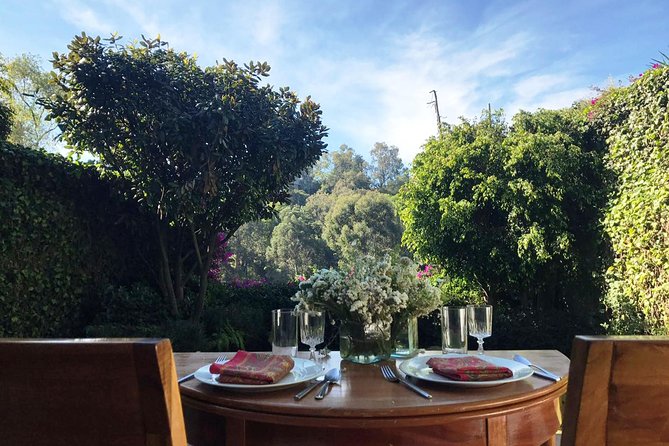
- The meal is served in Lucía’s home and garden, a relaxed setting that feels more like a dinner with a well-informed friend than a commercial class.
- Local alcohol is included, with Mexican beer or tequila available alongside the food.
- The address deserves care, since one visitor found that Google Maps led to a different location. Use the supplied Santo Desierto, Tizampampano address and check it before setting out.
Why this home cooking class feels different
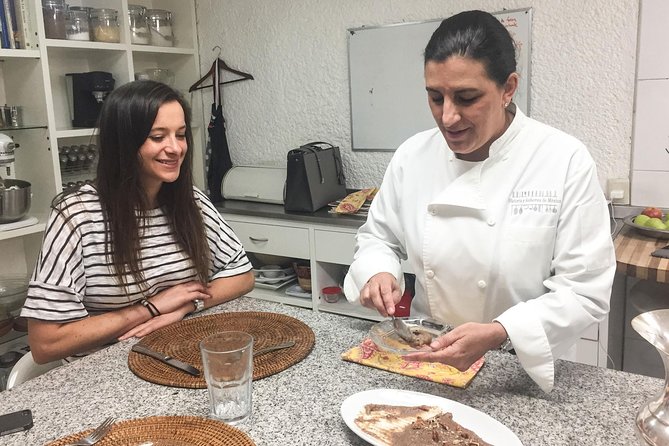
Mexico City offers plenty of food tours and cooking lessons. Many take place in professional kitchens, markets, or restaurant spaces. Lucía’s class takes another route. You enter a private home, meet the person preparing your meal, and spend several hours in the same kitchen where the food is made.
That setting changes the pace. You are not rushing from one station to another or trying to keep up with a large group. You can ask why a particular chile is used, how a sauce changes from one region to another, or what makes a dish traditional. Lucía’s role as a gastronomic historian gives those questions some depth.
The strongest part of the experience is the combination of food and conversation. Lucía talks about how Mexican cooking developed through different cultures and periods. Her lessons can touch on ingredients, techniques, and broader aspects of Mexican life. Several visitors also valued her suggestions for other places to see in Mexico City, a useful bonus if this is early in your trip.
The mood is warm and social. The experience is private, so only your group takes part. That makes it a good fit for couples, families, and friends who would rather have a long conversation than join a crowded class.
More Private Cooking Classes in Mexico
- Private Market Tour & Cooking Class in Puerto Vallarta with Manu
★ 5.0 · 241 reviews - Private Mexican Cooking Class with Licensed Chef
★ 5.0 · 156 reviews - Private Yucatecan Cooking Class in Merida at Sofia’s Home Kitchen
★ 5.0 · 116 reviews
Arriving at Lucía’s San Ángel home
The meeting point is listed as Santo Desierto, Tizampampano, Ciudad de México, CDMX. The home is in the San Ángel area, a part of the city known for cobblestone streets and colonial architecture. You can use public transportation nearby, and one family found it easy to reach by Uber from central Mexico City.
Pay attention to the exact address. Google Maps has reportedly shown a different location for this meeting point, so do not simply type the host’s name and follow the first result. Save the supplied address and confirm your route before leaving your hotel.
Once inside, the home becomes part of the experience. Lucía’s kitchen is arranged so that you can watch, listen, and take part without too much confusion. Her patio and garden provide a pleasant place to eat afterward, with flowers and orange trees mentioned as part of the setting.
This is not a restaurant with a polished dining room or a cooking school with rows of identical workstations. You are visiting someone’s home. That brings charm, but it also means the experience is less formal. If you want strict professional instruction and individual equipment for every person, this may not be your ideal class.
Choosing between hands-on cooking and a demonstration
Lucía gives you a choice. You can take part in preparing the dishes, or you can watch her demonstrate the methods while she explains each step. That flexibility matters for mixed groups.
A family can let adults cook while a small child spends time in the garden with a parent. A couple can work side by side. Someone with limited mobility in the kitchen, or someone who simply wants to focus on the stories, can watch and taste without feeling pressured to perform.
If you enjoy cooking, choose the hands-on option. You will pick up practical methods that translate well to your own kitchen. One especially useful feature is the focus on sauces, salsas, fillings, and basic preparations rather than only assembling a finished plate.
The class may include red and green salsas, guacamole, quesadillas, sopes, rice, stuffed peppers, or a dessert made from guava or another seasonal fruit. The exact dishes depend on the menu Lucía prepares for your visit. You should not book this expecting one fixed recipe list.
Larger groups need a little realism. A group of four adults was considered a particularly good size for hands-on work, while a larger family group still had a successful visit by sharing roles. If nine people attend, not everyone will have the same amount of knife time. For a large party, agree in advance whether the priority is active cooking, storytelling, or a shared meal.
What you might cook and eat
The sample dishes show the range of Mexican food Lucía may present. A starter might be nopalitos soup in bean broth, lima soup, tortilla soup, or Aztec soup. These are not interchangeable bowls of soup. They offer a way to taste different ingredients and regional ideas before the main cooking begins.
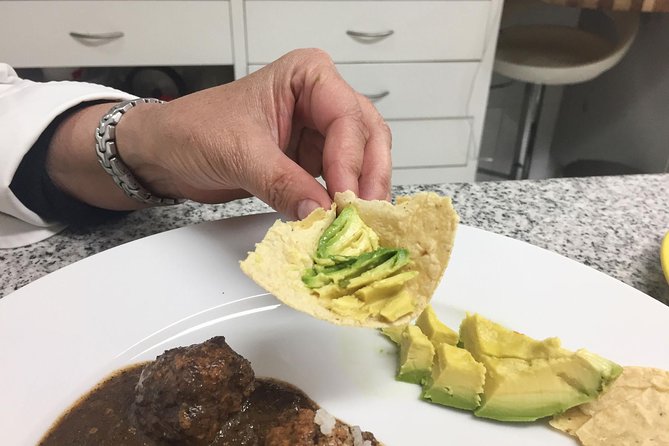
Possible main dishes include albondigas in a chipotle meco sauce, chiles en nogada, chicken in encacahuatado sauce, and pork with verdolagas. Mexican rice may appear as white, red, or black rice, sometimes with fried plantain. These options give you a broader picture of home cooking than a class focused only on tacos.
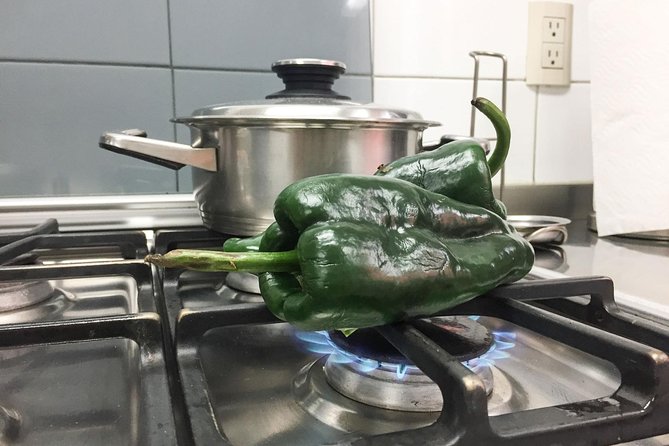
Chiles en nogada is a particularly interesting possibility because it combines a stuffed poblano with a creamy walnut sauce and fruit elements. Encacahuatado uses peanuts as a base for a savory sauce. Pipian verde, another dish prepared during a family visit, is an old-style sauce made with pumpkin seeds.
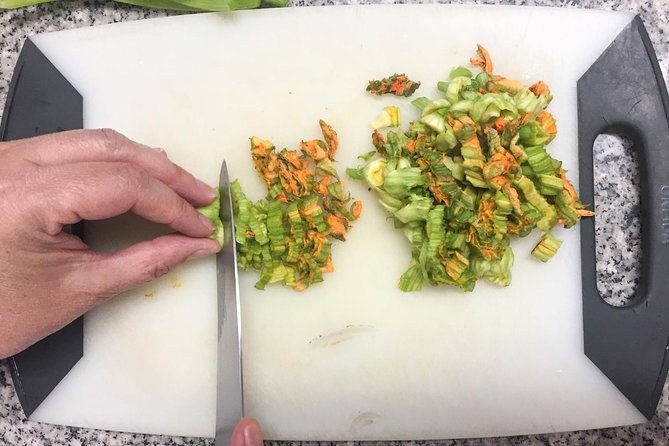
The class can also include foods you might not order on your own. Previous menus have featured squash blossoms, huitlacoche, chorizo sopes, fried quesadillas, cactus pear, ant eggs on a tostada, and a vegan mole taco. These examples show Lucía’s willingness to introduce unusual ingredients while still keeping the meal approachable.
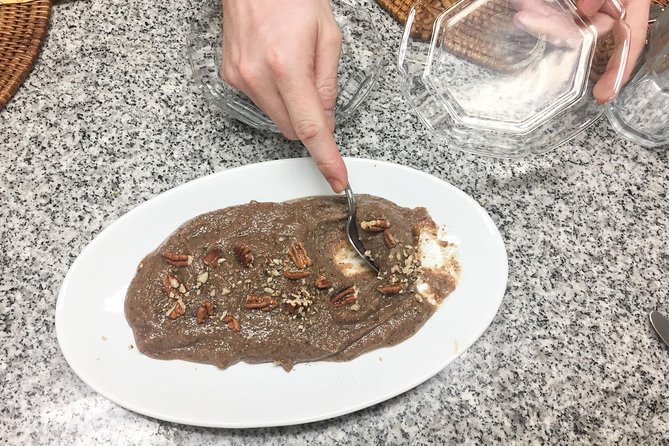
Dessert choices can include dulce de guayaba, dulce de mamey, flan de cajeta, or gollorias. Coffee or tea follows. A poached guava dessert and a corn cake with rompope sauce have also appeared in a meal. Seasonal changes are part of the appeal, though they make the menu less predictable.
The food is the center of the visit, and the strongest praise goes to its flavor. The class is not simply a lesson followed by an ordinary meal. You eat what you prepared, often with extra snacks or small tastes added by Lucía. That can turn a three-hour appointment into one of the more memorable meals of a Mexico City trip.
More Mexican Cooking Classes in Mexico:
- Cabo San Lucas Mexican Cooking Class Experience and Local Markets
★ 5.0 · 915 reviews - Mexican Cooking from Scratch in a Local Home in Tulum
★ 5.0 · 585 reviews - Authentic Mexican Legacy Cooking Class in Cabo San Lucas
★ 5.0 · 530 reviews - Mexican Cooking Class with Food Market Visit in Mexico City
★ 5.0 · 506 reviews
The history behind the ingredients
Lucía’s teaching adds context that you will not get from reading a menu. She explains how Mexican food changed as different cultures came into contact with one another. The lesson can connect an ingredient or preparation to a wider part of Mexico’s past and present.
This does not feel like a lecture. The history is folded into the cooking. As you prepare a salsa or sauce, you can learn why the ingredients belong together and how the dish fits into Mexican food culture. That makes the recipes easier to remember.
I especially like this approach for people who want more than a list of dishes to recreate at home. You leave with a better sense of how Mexican cooking works: how chiles build flavor, how seeds thicken sauces, how fruit appears in savory food, and how everyday dishes can carry a long story.
Lucía is also well traveled and comfortable talking about Mexico City beyond food. If you are at the beginning of your visit, ask for ideas about markets, neighborhoods, or other cultural stops. Her suggestions can help shape the rest of your stay.
A welcoming choice for families
Families are a strong match for this experience. Lucía has been patient with children, and one family found that she provided toys for a 13-month-old niece while the adults cooked. That does not turn the class into childcare, so parents still need to supervise young children, but the home setting gives families more breathing room than a formal restaurant lesson.
Children can help with simple tasks, watch the cooking, or spend time with their parents in the garden. Older children may enjoy tasting ingredients they have never seen before, such as huitlacoche or cactus pear.
The menu can be adjusted for vegetarians and dietary restrictions. Tell Lucía about allergies, preferences, and cooking needs when you book. A vegetarian family menu received particularly strong praise, and a requested lime soup was added for a visitor with a food preference.
Still, do not assume every request can be handled at the last minute. Advance notice gives Lucía time to plan the menu and buy suitable ingredients. If your group has several restrictions, explain them clearly before the class.
Is $145 per person fair?
The price is $145 per person, which puts this experience in the premium category. You are not paying only for ingredients and instruction. The cost includes a private three-hour visit, a personal menu, Lucía’s time as a host and teacher, the meal, and alcoholic drinks such as beer or tequila.
For two people, the total is high compared with a casual Mexico City meal. If your goal is simply to eat inexpensive Mexican food, spend the money elsewhere. Mexico City has many excellent lower-cost dining options.
The value improves if you see the class as both a meal and a cultural appointment. You receive direct attention, can request adjustments, learn recipes you can use at home, and spend time in a local home rather than a tourist venue. The private format also matters for families or friends who want the day to fit their own pace.
Group size affects the value. A couple gets close attention but pays more per person overall. A group of three or four can share the cost while still having room to cook. Larger groups may prefer to focus on the social setting and meal rather than expect everyone to work at once.
The experience is often booked about 31 days ahead, so advance planning is sensible. That is especially true if you need a vegetarian menu, have allergies, or want a particular time during a busy visit.
Who should book this experience?
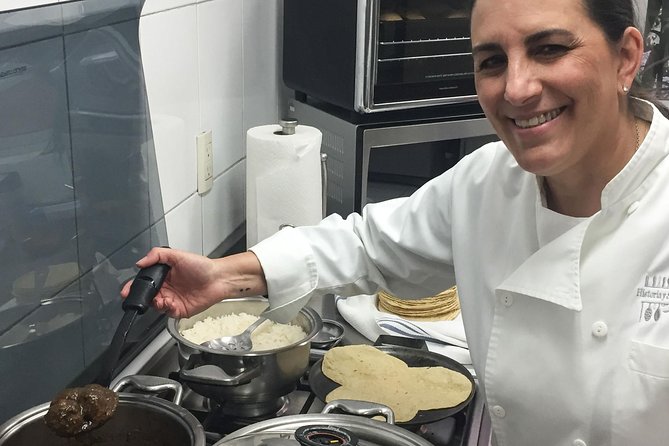
I would choose this class if you enjoy food, conversation, and a personal setting. It suits couples who want a relaxed afternoon, families looking for an activity that works across generations, and friends who prefer to cook together instead of joining a public food tour.
It is also a good first or second-day activity. Lucía can give you food context and Mexico City suggestions while you settle into the city. The class is offered in English, which makes the historical and cooking explanations easier to follow for English-speaking visitors.
You should think twice if you want a fast, highly structured lesson, a professional studio, or a guaranteed menu. The home environment is the attraction, but it also means the class has a personal, informal character. Price-sensitive visitors may find it hard to justify.
The cancellation terms are reasonable: you can receive a full refund if you cancel at least 24 hours before the start time. Changes or cancellations inside that window are not accepted for a refund. Confirmation is provided when you book, and mobile tickets are supported.
My verdict on Lucía’s cooking class
Book this experience if you want to connect Mexican food with the person, place, and stories behind it. The best parts are Lucía’s warmth, her ability to explain food in a wider cultural setting, the flexible menu, and the pleasure of eating together in her garden.
I would aim for two to four people if hands-on cooking is the priority. Families can also have a wonderful time, especially after sharing children’s ages and dietary needs in advance. Use the exact address, plan for the San Ángel location, and expect a menu shaped by the season.
At $145 per person, this is not a bargain meal. It is a private food lesson, cultural conversation, and home-cooked lunch or dinner in one. For someone who values local contact and wants recipes worth making again, that package can be worth the splurge.
FAQ
How long does the cooking class last?
The experience lasts approximately three hours.
Where does the experience take place?
It takes place in Lucía’s home at Santo Desierto, Tizampampano, Ciudad de México, CDMX, in the San Ángel area.
Is the cooking class private?
Yes. Only your group participates in the activity.
Is the class offered in English?
Yes. The experience is offered in English.
Can I choose between cooking and watching?
Yes. You can take part in preparing the food or watch Lucía give a live cooking demonstration.
Is a vegetarian menu available?
Yes. Vegetarian food is available if you request it when booking.
Can Lucía accommodate food allergies or dietary restrictions?
Yes. You should provide details about allergies, restrictions, and cooking preferences when you book.
What food might be included?
Possible dishes include Mexican soups, quesadillas, sopes, stuffed poblano peppers, rice, meat dishes, sauces, seasonal desserts, coffee, or tea. The menu may change with the season.
Are alcoholic drinks included?
Yes. The meal is paired with local alcohol such as Mexican beer or tequila.
Can I cancel for a full refund?
Yes. You can cancel at least 24 hours before the experience start time for a full refund. Cancellations or changes made less than 24 hours in advance are not accepted for a refund.
Just added around Mexico
- Private Pre-Hispanic Cooking Class in Mexico City with Martha★ 5.0 · 19 reviews
- Flavors of Mexico: Cancun Cooking Class & Market Visit★ 4.5 · 5 reviews
- Private Authentic Mexican Cooking Class in Cancun with Alberto★ 5.0 · 3 reviews
- Tasty Mexican Cooking Class with Feast in Riviera Maya★ 5.0 · 99 reviews
- Cancun small group Cooking Class with Local Chef★ 5.0 · 61 reviews
- 4h Cooking Class in Cancun with 8 Recipes & Bottomless Drinks★ 5.0 · 50 reviews
- Cancun Hands-On Mexican Cooking Class★ 4.5 · 95 reviews
- Private Mexican Cooking Class in Your Cabo San Lucas Villa or Condo★ 5.0 · 8 reviews
Private Cooking Classes, compared.
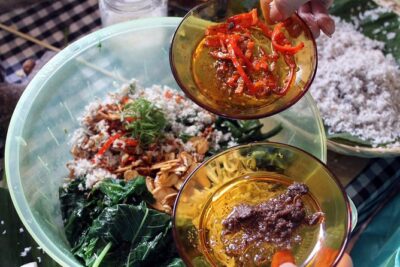
PRIVATE Authentic Balinese Cooking Class in Ubud at Putu’s Home
Read our review →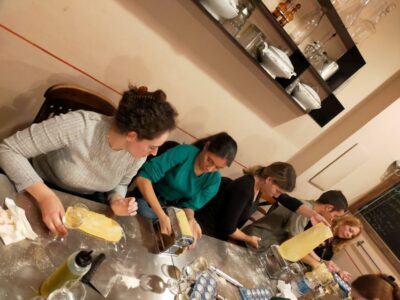
Pasta Making Class with Tiramisu & Wine PRIVATE OPTION
Read our review →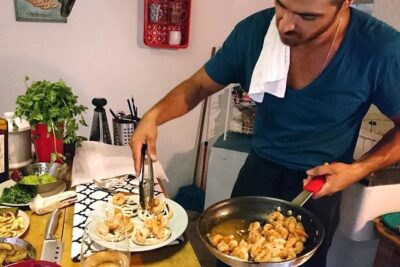
Private Market Tour & Cooking Class in Puerto Vallarta with Manu
Read our review →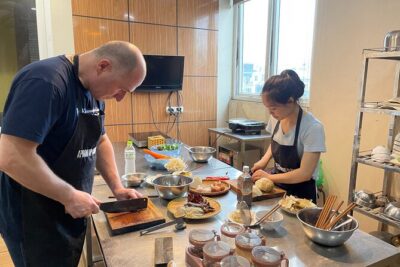
Private Cooking Class with 5 dishes of your choice
Read our review →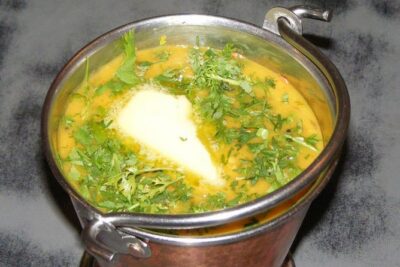
Veg and Non veg : Private Cooking Class in Delhi home (7 meal)
Read our review →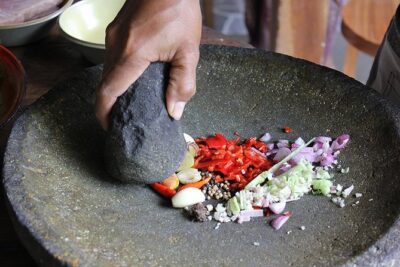
PRIVATE Balinese Cooking Class in Ubud with Dewa with Transfers
Read our review →
VIP Mekong Delta Adventure Cycling & Kayaking – Private Day Trip
Read our review →