
REVIEW · TASHKENT PROVINCE, UZBEKISTAN
Plov and Samsa Cooking Class in Tashkent
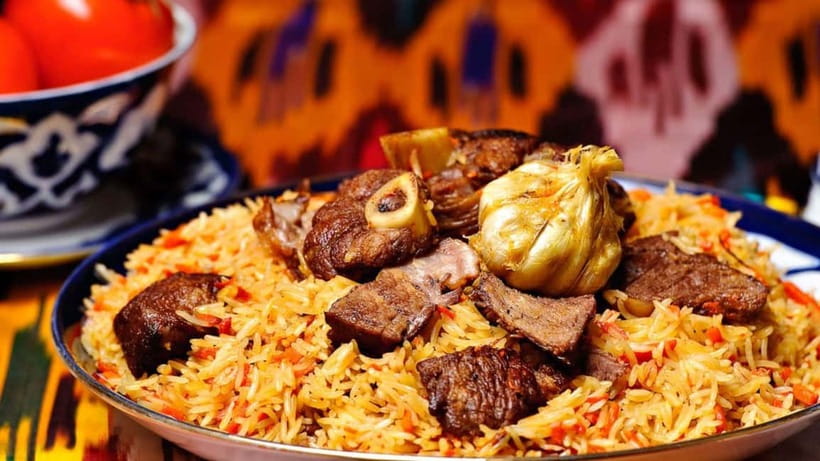
Come hungry, leave with new kitchen skills. This three-hour class in Tashkent Province gives you a hands-on introduction to two Uzbek favorites: fragrant plov and crisp, filled samsa. I like that you do the real work, from cutting onions and carrots to cleaning rice, frying the ingredients, and steaming the plov. I also like the private format, which keeps the class personal for a group of up to two.
The main consideration is communication. The hostess has a basic level of English, though one recent booking praised the family’s English and patient explanations. At $160 per group, this is not a cheap cooking lesson, but it can offer good value if you want a private home meal and a cultural exchange rather than a quick demonstration.
Key Points Before You Book
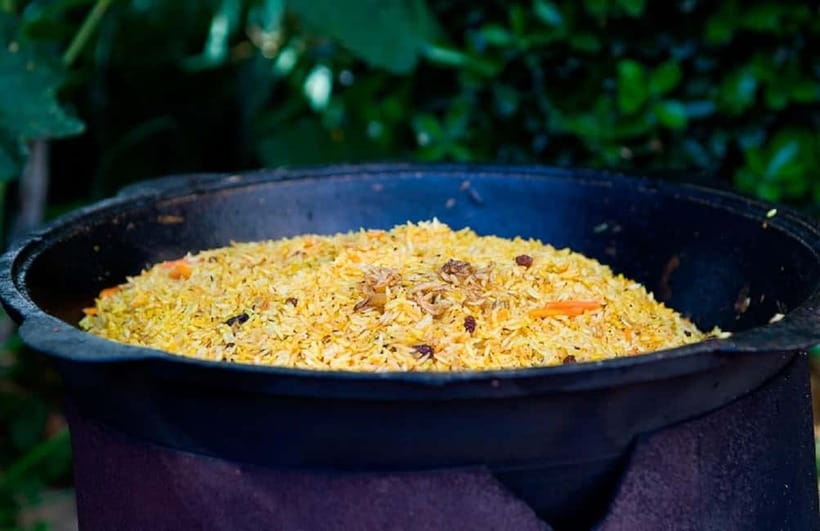
- You cook two Uzbek classics: The class covers plov, the country’s famous rice dish, and samsa, a baked pastry filled with minced meat.
- The work is genuinely hands-on: You cut onions, carrots, and meat, clean the rice, fry the ingredients, and help cook and steam the dishes.
- The class takes place in a private home: This makes the meal feel more personal than a restaurant-based cooking lesson.
- The timing works well: Plov needs time to cook and steam, so you prepare samsa during the waiting period.
- The price covers a private group of up to two: At $160 total, the value improves if two people share the booking.
- Vegetarian preparation is possible: Meat-free plov can be arranged, but you should state this clearly when booking.
Why Plov Matters in Uzbek Food Culture
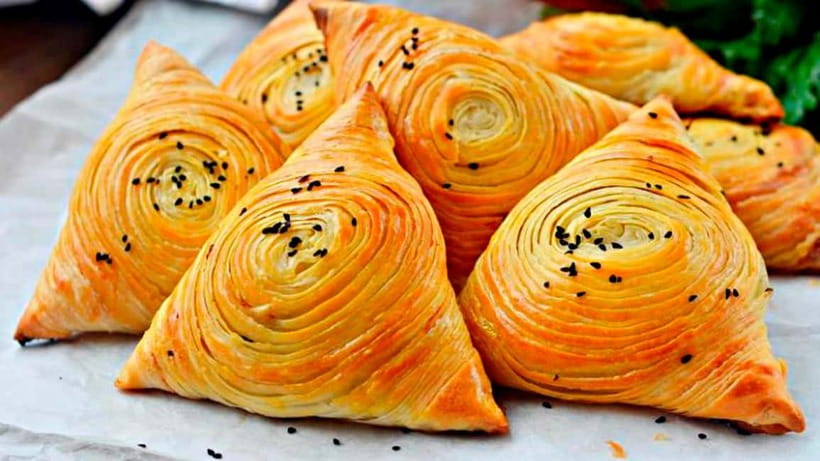
Plov, also called palov, is much more than rice with toppings. It is one of Uzbekistan’s best-known dishes and a central part of home cooking, celebrations, and shared meals. The class focuses on the method, not just the finished plate, so you get to see how separate ingredients become one large, fragrant dish.
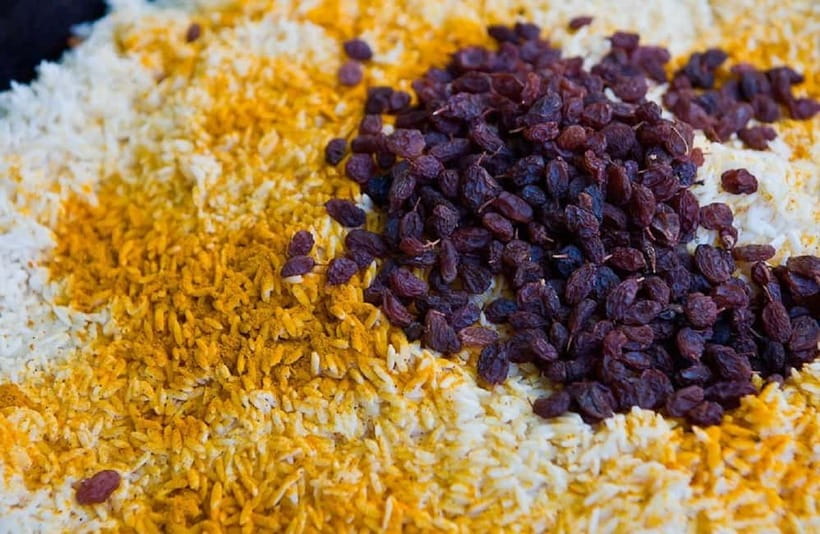
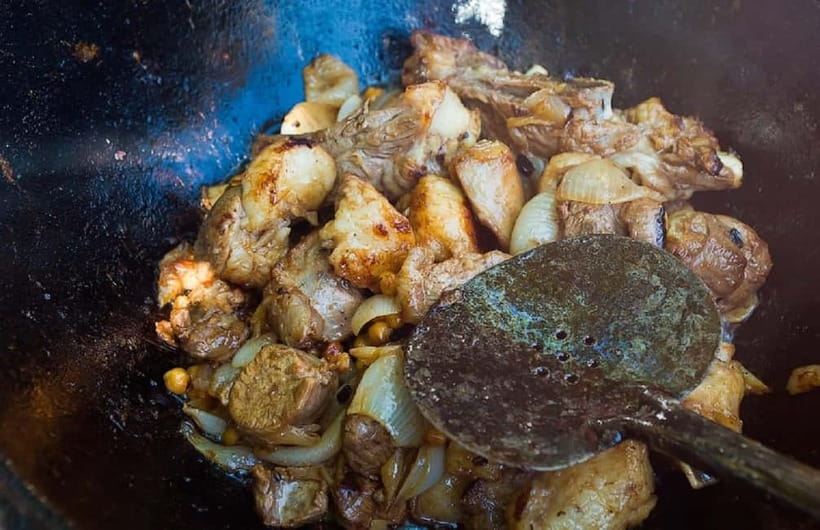
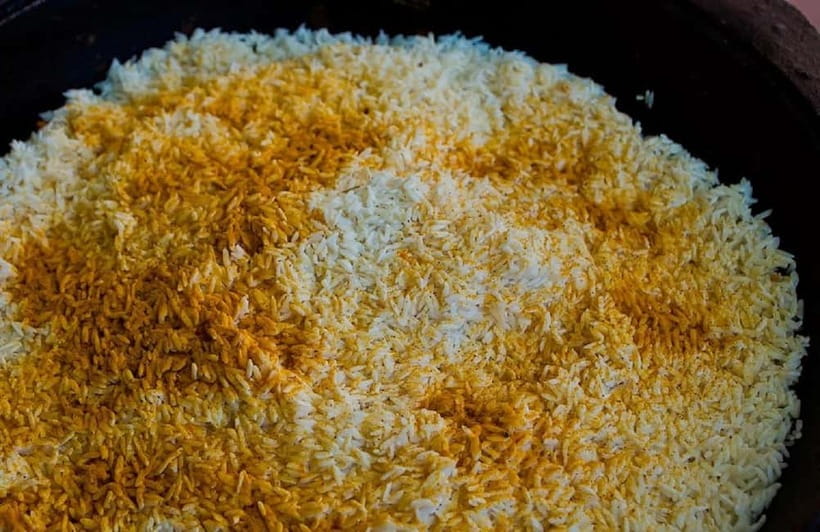
The ingredient list is simple: rice, meat, carrots, onions, garlic, cumin, raisins, sunflower oil, and water. The skill lies in the order of cooking and the handling of heat. Onions and meat are fried first, carrots are added, and the rice is cleaned before it goes into the pot. Water then allows the rice to cook and steam.
That sequence gives you a useful lesson in Uzbek cooking. The food does not depend on a long list of rare ingredients. It depends on preparation, patience, and knowing when to leave the pot alone. You will not simply watch someone else make lunch while you stand with a camera. You take part in the central steps.
A few more cooking classes around the world worth a look
- Half-Day Thai Cooking Class at Organic Farm in Chiang Mai
★ 5.0 · 19,087 reviews - Florence: Pasta Cooking Class with Unlimited Wine
★ 4.9 · 10,285 reviews - 3 in 1 Cooking Class near Navona: Fettuccine, Ravioli & Tiramisu
★ 5.0 · 7,376 reviews
Arriving at a Tashkent Home
The exact meeting location is provided after booking, along with directions for finding it. Pick-up and drop-off are not included, so you need to arrange your own way there unless separate transport is arranged with the provider.
The class is a private group for up to two people, which is a strong point for couples, friends, or solo visitors who want close instruction. You can ask questions without competing with a large group, and you can work at a pace that suits your cooking experience.
A home setting also changes the feel of the meal. You are not just learning a restaurant recipe from a professional chef in a commercial kitchen. You are being welcomed into a family environment, where the food is connected to everyday Uzbek hospitality. Some bookings have included tea, small snacks, desserts, and extra food to take away, though these additions should not be treated as guaranteed parts of every class.
Wear comfortable clothes. Cooking involves cutting, stirring, frying, and handling dough, so this is not the time for your best sightseeing outfit. Alcohol and drugs are not allowed.
Cutting, Cleaning, and Preparing the Plov
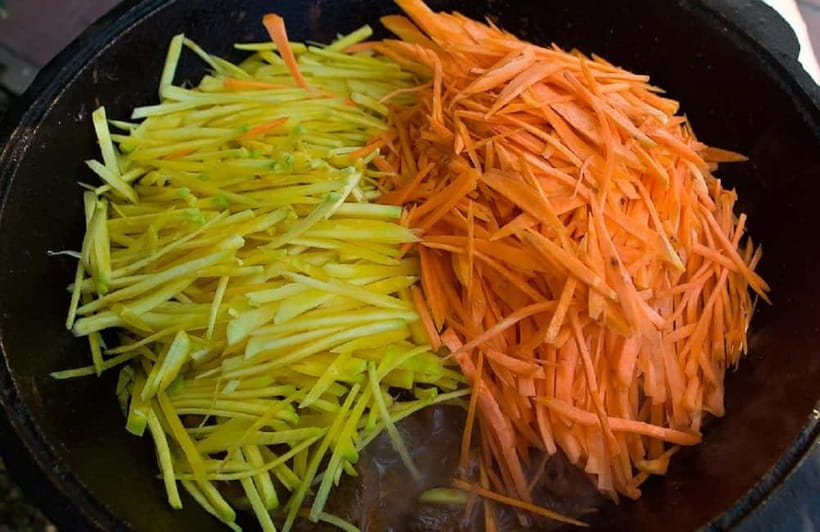
The plov session begins with preparation. You cut onions, carrots, and meat, with a meat-free option available for vegans. You also clean the rice, an important step because the grains need careful preparation before they go into the cooking pot.
These tasks may sound basic, but they are useful. The size and shape of the vegetables affect how they cook, and the order in which ingredients enter the pot affects the final texture. The class gives you a chance to learn these choices by doing them yourself rather than reading them from a recipe.
The ingredients listed for the plov include garlic, cumin, and raisins. These add fragrance and sweetness to the dish without making it complicated. The exact balance of ingredients is part of the instruction, and the cooking team helps you adjust the dish so it is enjoyable to eat.
This is also where the class may feel less polished than a restaurant lesson. The hostess has a basic level of English, so some instructions may need patience, gestures, or help from the Russian and English-speaking team. One booking described the communication as excellent, but the official information sets a more modest expectation. I would come ready to listen closely and ask short, clear questions.
Frying and Steaming the Palov
After the preparation comes the most important part: frying, cooking, and steaming. You do not only chop ingredients and then hand them over. You take part in the cooking process, with the team guiding you through each stage.
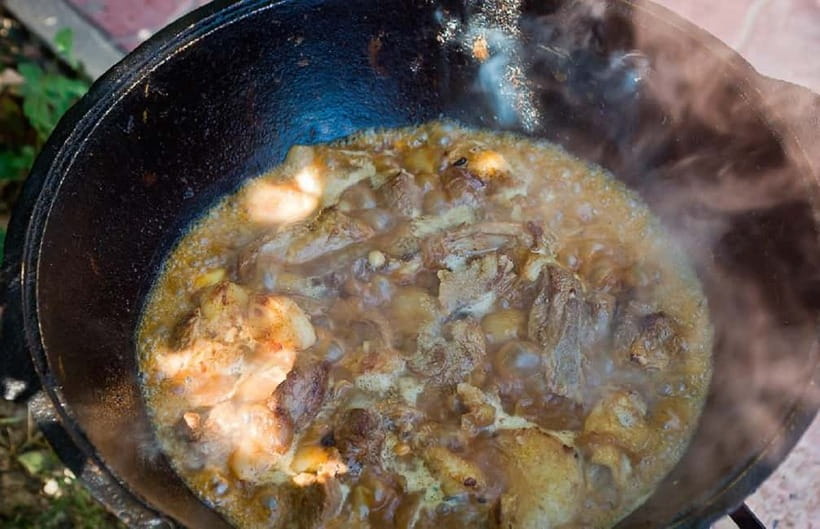
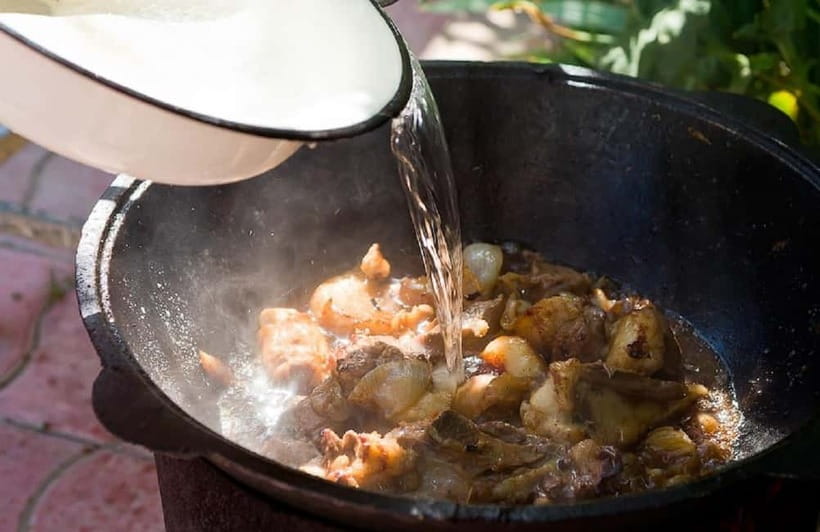
The plov is cooked in stages, and then water is added so the rice can steam. This creates a natural pause in the class. Instead of waiting around, you use that time to make samsa. It is a smart arrangement because plov needs time, while samsa gives you another practical task.
The steaming stage is worth paying attention to. Rice can easily become too soft or too dry, and the cooking team helps you judge the process. You will learn more by watching how they handle the pot than by rushing to the table. This is the part of the class where patience matters most.
When you return to the plov, the dish is ready to finish and serve. You eat what you prepared, which gives the lesson a clear reward. The meal is not an afterthought. It is the final test of the cutting, frying, seasoning, and steaming you have just practiced.
Same place, a different thing to cook:
- Florence: Pasta & Tiramisu Cooking Class with Unlimited Wine
★ 4.9 · 6,708 reviews - Hanoi Cooking Class: Culture, Local Market & Meaning CSR Impact
★ 5.0 · 5,147 reviews - 5 Traditional Dishes Hanoi Cooking Class with Market Trip
★ 5.0 · 4,890 reviews - Cooking Class and Lunch at a Tuscan Farmhouse with Local Market Tour from Florence
★ 5.0 · 4,831 reviews
Making Samsa While the Rice Cooks
Samsa is often compared with samosa, but the Uzbek version prepared here is a baked triangle made with layered dough and a savory filling. The process begins with simple dough, which you roll out and spread with ghee, or clarified butter.
You then roll the dough tightly, divide it into equal portions, and chill the dough pieces. After chilling, each portion is rolled out again, filled with minced meat, folded into a triangle, and baked in the oven.
This part of the class adds a different set of skills. Plov teaches you about heat, timing, and rice. Samsa teaches you about dough, layering, shaping, and oven cooking. You also get a useful look at how clarified butter helps create a flaky texture.
The dough work may be the most enjoyable part for anyone who likes practical cooking. It is also the stage where guidance matters. Rolling too roughly can spoil the layers, while uneven filling can make the triangles difficult to fold. A team member helps you shape the samsa and aims to keep the process easy for beginners.
Samsa is described as an Uzbek fast food, but it is not instant food. It takes careful preparation and baking. That contrast makes it a good dish to learn: familiar in concept, but different enough from everyday pastries to feel special.
Eating the Food You Made
At the end, you share the finished plov and samsa. The meal is included in the price, along with the ingredients and instruction, so there is no separate charge for tasting the results of your work.
The meal may also come with tea and small traditional snacks. One especially positive booking described a wide range of snacks, desserts, tea, and generous portions packed to take away. Treat these as possible signs of the family’s hospitality, not fixed promises in the program.
Sharing the food in the home is one of the strongest reasons to choose this class. You get conversation, a family atmosphere, and a chance to ask about the dishes while eating them. Even if your plov is not perfect, you will understand it better because you helped make it.
The class is also a good choice if you want to avoid a rigid cooking-school format. There is instruction, but there is also time to eat and talk. The result feels closer to being welcomed for a meal than attending a formal culinary course.
Is $160 Good Value for Two People?
The listed price is $160 per group of up to two, not $160 per person. For two people, that works out to $80 each before any transport costs. The fee covers professional instruction, all ingredients for both dishes, participation in the preparation, and the meal afterward.
That is more expensive than simply ordering plov and samsa in Tashkent. You are paying for the teaching, the private setting, the food, and the chance to participate. If your goal is only to eat Uzbek food, a local restaurant will cost less. If you want a personal activity with someone close to you, the price is easier to justify.
The value is strongest when two people book together. A solo participant pays the full group price unless the provider offers another arrangement. Since pick-up and drop-off are not included, add transport to your budget.
The class also includes ingredients that can serve as a useful introduction to Uzbek cooking at home. You will learn a process you can repeat, especially if you remember how the rice, vegetables, spices, and dough were handled.
Who Will Enjoy This Class Most?
I would recommend it most to people who enjoy food as a way to understand a place. You do not need to be an experienced cook. The work is broken into simple steps, and the team assists you throughout.
It suits:
- Couples looking for a private activity in Tashkent
- Friends who enjoy cooking together
- Families with older children who can safely help with preparation
- Vegetarian visitors who confirm a meat-free version in advance
- Anyone who wants a home-based meal rather than a restaurant visit
- People curious about Uzbek cooking beyond tasting plov
It may be less suitable if you want a formal chef-led course in polished English. The language information says Russian and English are available, but the hostess’s English is basic. It may also disappoint you if you expect included hotel transport or a fixed city-center meeting point.
The activity is listed as wheelchair accessible, which is useful for visitors who need step-free access. Still, you should confirm the practical details of the home before arrival, since the exact location and layout are not provided in advance.
What the Ratings Tell You
The overall rating is 4.3 out of 5 from six ratings. Most of the written feedback is strongly positive, with praise for the warm hosts, hands-on cooking, food, and welcoming family atmosphere.
One booking reported a serious problem: the class was canceled and the customer said a refund was not provided. That complaint should not be ignored. The other available feedback is positive, including a perfect score for the cooking experience, the home setting, and the shared meal.
The practical lesson is simple: keep written confirmation of your booking and cancellation terms. The activity allows free cancellation up to 24 hours before the start for a full refund, and it offers reserve-now, pay-later booking. If the provider changes plans, contact the booking platform promptly and keep records of messages and payment.
The positive pattern is also clear. People who enjoyed the class especially valued the hospitality and the fact that they made the food themselves. This is not just a demonstration with a plate at the end.
Booking Tips for a Smoother Class
Confirm the meeting instructions after booking. The exact location is sent later, and transport is your responsibility.
Tell the provider about dietary needs early. A vegan version is possible for the plov, but the samsa described in the activity uses minced meat. Ask what meat-free replacement, if any, can be prepared for the pastry.
Wear clothes you can cook in and bring a patient attitude. You may spend time cutting vegetables, handling dough, and waiting for the rice to steam. The three-hour schedule has a clear rhythm, but it is not a rushed demonstration.
If English communication matters to you, confirm how much assistance will be available. Russian and English are listed, but the hostess is described as having basic English. That does not prevent a good class, but it may affect how detailed the explanations feel.
Should You Book the Plov and Samsa Class?
Book it if you want a private, hands-on introduction to Uzbek home cooking and you are happy to pay for the setting as well as the food. The chance to prepare plov and samsa, share the meal in a local home, and learn techniques you can repeat makes this more meaningful than a standard restaurant stop.
Think twice if your budget is tight, you need included transport, or you want advanced culinary instruction in fluent English. The cancellation complaint also means you should confirm the booking and refund terms carefully.
For two people who value food, conversation, and participation, this is a good way to spend three hours in Tashkent. Come ready to chop, stir, roll, wait, eat, and perhaps carry home a few extra bites of Uzbekistan.
FAQ
How long does the cooking class last?
The class lasts three hours.
Where does the class take place?
It takes place in Tashkent Province, at a location provided with directions after booking.
How much does the class cost?
The price is $160 for a private group of up to two people.
What dishes will I learn to make?
You will learn to prepare Uzbek plov, also called palov, and samsa, a baked triangular pastry filled with minced meat.
Is the meal included?
Yes. The ingredients, cooking instruction, participation in the preparation, and enjoyment of the prepared dishes are included.
Can I request a meat-free plov?
Yes. The activity information says a version without meat is possible for vegans. You should make the request when booking.
What languages are available?
The listed languages are Russian and English. The hostess has a basic level of English.
Is transport included?
No. Pick-up and drop-off are not included in the activity price.
Just added around the world
- The Mediterranean Diet & Lifestyle Cooking Class.★ 5.0 · 11 reviews
- Gourmet Cooking Class & Culture in the rural Montes de Malaga.★ 5.0 · 37 reviews
- Cooking Classes and olive oil tasting.The real taste of Greece!★ 5.0 · 56 reviews
- Beach day experience + Mexican Cooking Class + Massage★ 4.5 · 21 reviews
- Italian Pasta Cooking Class in Denver (Includes 3-Course Meal)★ 5.0 · 3 reviews
- Corfood bites – Cooking classes by Christos★ 5.0 · 77 reviews
- Authentic Beachfront Mexican Cooking Class Cafe Jaguar Costa Maya★ 5.0 · 50 reviews
- Market Tour and Cooking Class from Colombo★ 5.0 · 5 reviews
Cooking Classes, compared.

Half-Day Thai Cooking Class at Organic Farm in Chiang Mai
Read our review →

3 in 1 Cooking Class near Navona: Fettuccine, Ravioli & Tiramisu
Read our review →
Pasta & Tiramisu Cooking Class with Unlimited Wine
Read our review →
Hanoi Cooking Class: Culture, Local Market & Meaning CSR Impact
Read our review →
5 Traditional Dishes Hanoi Cooking Class with Market Trip
Read our review →
Cooking Class and Lunch at a Tuscan Farmhouse with Local Market Tour from Florence
Read our review →