
REVIEW · ABRUZZO, ITALY
Pescara: Authentic Cooking Class at a Local’s Home
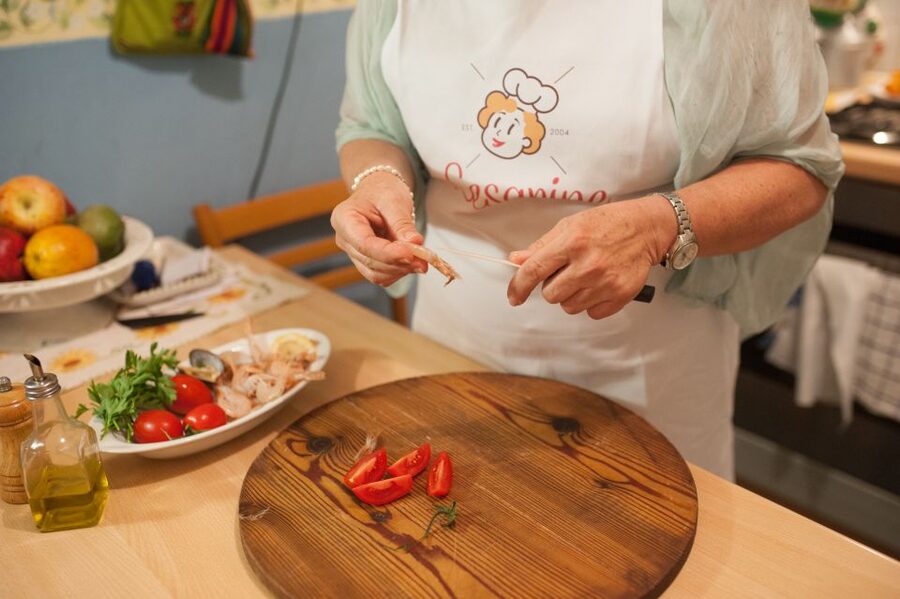
Dinner starts at a family doorbell. This three-hour Pescara cooking class takes you into a local home, where a certified cook teaches three Abruzzese recipes and shares the finished meal at the table. I like the real home setting and the chance to learn recipes from family cookbooks, not a staged restaurant kitchen. I also like that the food comes with regional wines, water, and coffee. The main drawback is practical: transportation is not included, and you receive the exact address only after booking.
This is a private group experience, so you get more personal instruction than in a large class. The usual start times are 10 AM and 5 PM, with some flexibility if you arrange it in advance. Stefania, one of the hosts praised for her warm teaching and strong connection to Abruzzese food, may be your cook, but host assignment is not guaranteed.
Key points to know before booking
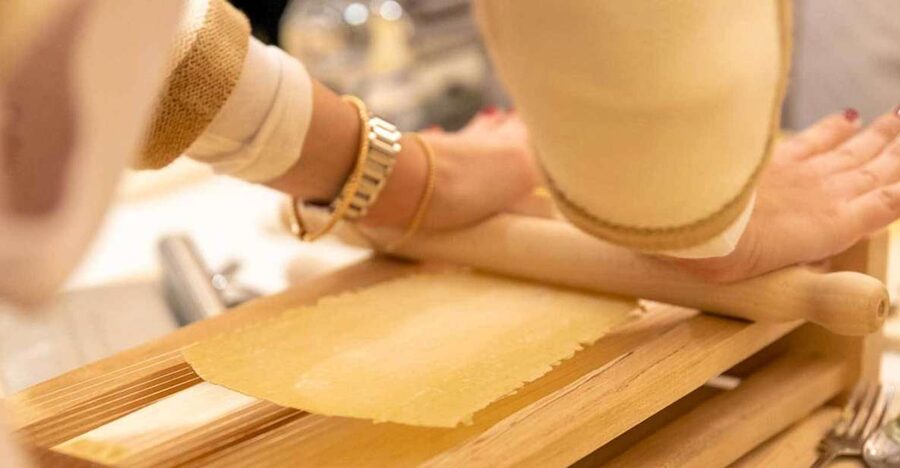
- Three-course cooking lesson: Prepare a starter, a pasta dish, and a dessert, then eat everything you make.
- A real Italian home: Your class takes place in your host’s kitchen, with the address and phone number sent after booking.
- Regional wine with the meal: The host selects wines to serve alongside the dishes, followed by coffee.
- Private instruction: You learn directly from a certified home cook in English or Italian.
- Flexible timing: Classes usually begin at 10 AM or 5 PM, with advance notice needed for other times.
- A strong social element: The food is served around the family table, making this as much a cultural visit as a cooking lesson.
What this Pescara cooking class is really like
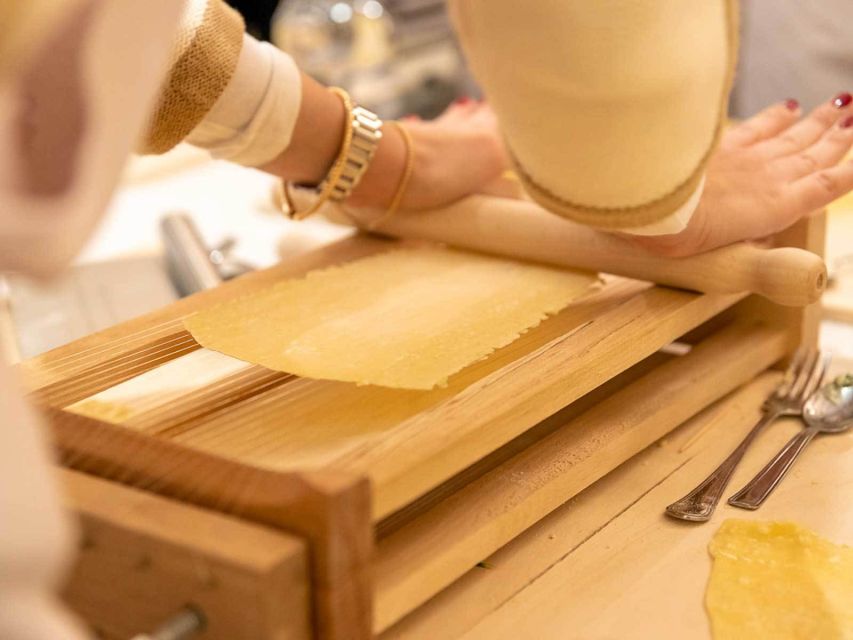
If you want to understand Abruzzo through food, this is a more personal choice than a standard restaurant meal. You are not simply handed a plate and told what is on it. You take part in preparing three dishes, ask questions in the kitchen, and then sit down to eat the results.
The setting matters. Your host welcomes you into a private home, not a cooking school built for tour groups. That can make the evening feel informal and genuine, though it also means you should be comfortable entering someone’s home and adapting to the rhythm of a family kitchen.
The activity lasts about three hours. That gives enough time for instruction, preparation, cooking, and the meal itself without turning the day into an all-day project. A morning session usually begins around 10 AM, while the evening option normally starts at 5 PM. The evening schedule is especially useful if you want dinner to be the main event of your night in Pescara.
A few more cooking classes around Italy worth a look
- Florence: Pasta Cooking Class with Unlimited Wine
★ 4.9 · 10,285 reviews - 3 in 1 Cooking Class near Navona: Fettuccine, Ravioli & Tiramisu
★ 5.0 · 7,376 reviews - Florence: Pasta & Tiramisu Cooking Class with Unlimited Wine
★ 4.9 · 6,708 reviews
Starting at the host’s home
Your meeting point is the cook’s home. After booking, you receive the full address and mobile number, then ring the doorbell when you arrive. Since transportation is not included, you need to plan your route to the address yourself.
This is the one part that requires more attention than a class with a central meeting point. Do not wait until the last minute to work out how you will get there. Once you have the address, use it to check your route and allow time to arrive without rushing into the lesson.
The home setting is also the reason this class feels different from a commercial food tour. You may see how the host organizes a normal kitchen, handles family recipes, and explains food in a more relaxed way. The supplied details do not promise a particular neighborhood or a specific style of home, so avoid booking based on a view, a famous address, or a restaurant-like setup.
What you can count on is a personal welcome and a host ready to guide you through the meal. You ring the bell, meet the cook, and begin the experience at the same place where it ends.
Learning three Abruzzese recipes
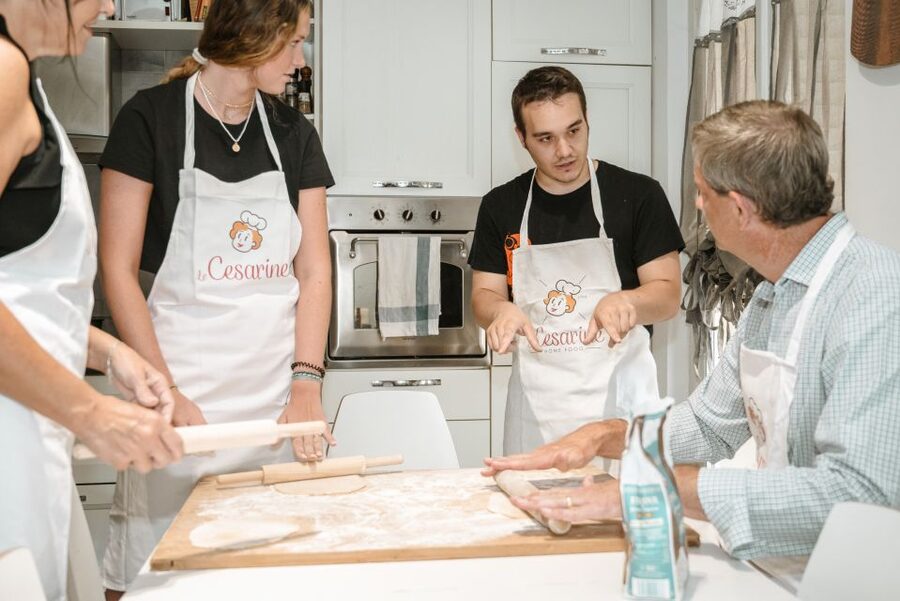
The class centers on three local dishes: a starter, a pasta course, and a dessert. The exact recipes are not specified in advance, so the menu can depend on the host and the season. That uncertainty is part of the appeal, but it is worth knowing if you prefer to choose every dish before you book.
The lesson is built around family methods. Your host explains how each recipe is made, then has you put those instructions into practice. You are not expected to arrive as a trained cook. The point is to work under guidance, learn the local approach, and leave with techniques you can repeat at home.
I especially like the order of the meal. Starting with a small dish lets you settle into the kitchen before moving to pasta, which usually requires more timing and attention. Dessert gives the class a proper finish and means you are not merely learning one recipe and then leaving.
The host supplies the cooking equipment and ingredients needed for the lesson. You can focus on the tasks at hand instead of wondering if you should have packed a knife, apron, or special tool. Still, the information does not specify exactly how hands-on every stage will be, so the amount of active preparation may vary by host.
A good way to approach the class is to ask questions as you work. Ask how the recipe changes at home, which ingredients are local, and what the host does when a dough or sauce does not behave. Those small details are often more useful than simply copying a list of ingredients.
Sitting down to eat what you made
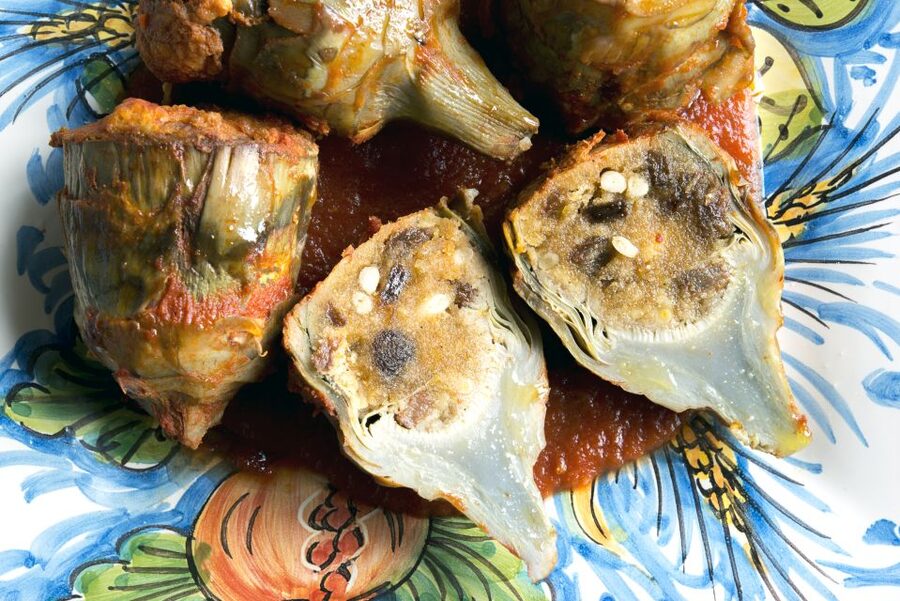
After the cooking, you sit down to taste the three dishes. The meal includes the starter, pasta, and dessert you prepared, along with water, regional wines, and coffee.
That final table time is central to the experience. You get to judge the food while it is fresh, discuss the recipes with the host, and enjoy a slower meal instead of rushing off after the lesson. The host selects the wines, which takes away the guesswork and gives the meal a local pairing rather than a random bottle.
The wine is an important value point for anyone comparing this with a basic cooking lesson. You are paying for instruction, food, drinks, and time in a private home. The price is $164.26 per person, so this is not the budget option for simply eating dinner. It makes more sense if you want a meal plus a social and practical activity.
Past feedback gives special weight to the warmth of the hosts, the quality of the dinner, and the wine selection. One account describes an evening with Stefania, whose enthusiasm for traditional Abruzzese cooking helped make the meal memorable. Another describes eating with the cook’s family after preparing dinner together. Family participation is not guaranteed, but these details show the kind of personal contact this format can offer.
Keep your expectations sensible. You are not booking a formal wine tasting, a restaurant tasting menu, or a professional culinary certificate. You are booking a home meal in which the food, conversation, and instruction are closely tied together.
Same place, a different thing to cook:
- Cooking Class and Lunch at a Tuscan Farmhouse with Local Market Tour from Florence
★ 5.0 · 4,831 reviews - Rome: Pasta Making Class with Wine, Limoncello, and Dessert
★ 4.9 · 3,177 reviews - Pastamania – Florence Pasta Making Class
★ 5.0 · 3,050 reviews - Rome Cooking Class: Make Pasta and 3 Spritz Cocktails
★ 5.0 · 2,937 reviews
Why the private format matters
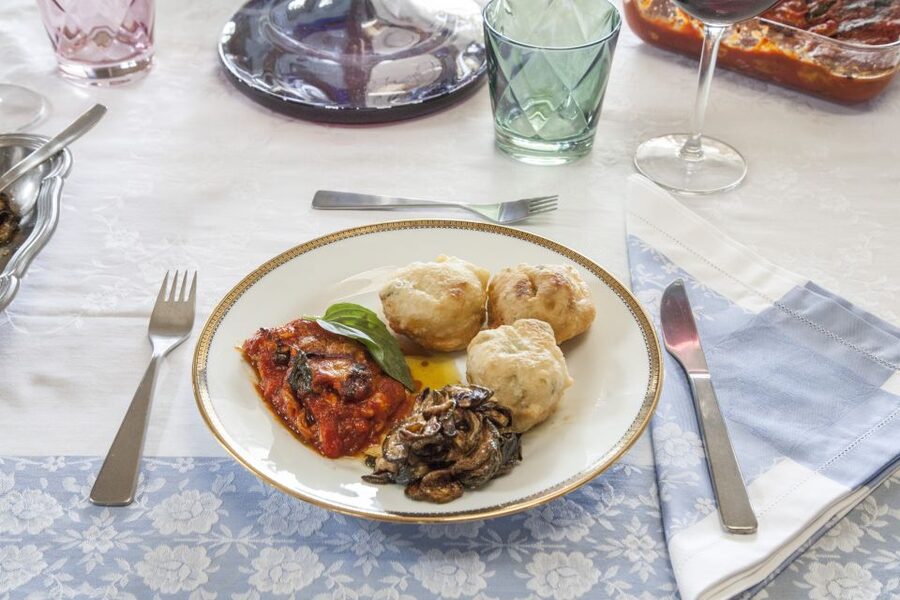
A private group changes the pace. You can ask for clarification, repeat a step, or spend more time on a recipe without feeling that a large class is waiting. It is also easier to discuss dietary needs before the class.
The activity is offered in English and Italian. That makes it accessible to English-speaking visitors, though the depth of conversation may still depend on the host and your own comfort with language. If you speak some Italian, this could be a pleasant chance to use it around a kitchen table rather than in a classroom.
The private format may suit couples, families, and small groups celebrating a special day. It also works for solo visitors who prefer a personal setting, though the value depends on the final price and how the booking handles the private group. The provided details do not specify a maximum group size, so ask before booking if this matters to you.
A home visit is not for everyone. If you want a predictable venue, a printed menu, or a polished demonstration with exact start and finish times, a conventional cooking school may feel easier. Here, the charm comes from the human setting, and that means allowing some room for the host’s own style.
Timing your visit in Pescara
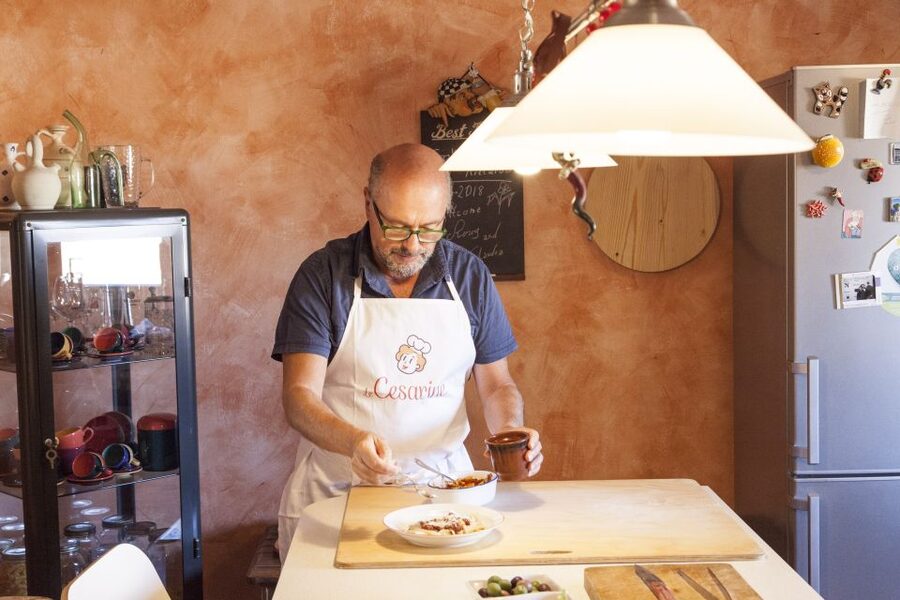
The usual start times are 10 AM and 5 PM. A morning class can fit neatly before the rest of your day, while the evening session functions as both a lesson and dinner.
The host may be able to adjust the start time with advance notice. Do not assume that a same-day change will be possible. Share your preferred time when booking, especially if you are coordinating trains, a hotel check-in, or another scheduled activity.
The class ends back at the meeting point, which is also the host’s home. Since there is no included transportation, leave enough time afterward to return to your accommodation. If you plan to drink the included wine, you should arrange your own safe way back rather than relying on a last-minute drive.
The three-hour length is long enough to feel substantial but short enough to fit into a Pescara itinerary. I would avoid booking a tight connection or another fixed appointment immediately afterward. Cooking has a way of adding a few extra minutes, especially when the meal itself is part of the occasion.
Dietary needs and practical planning
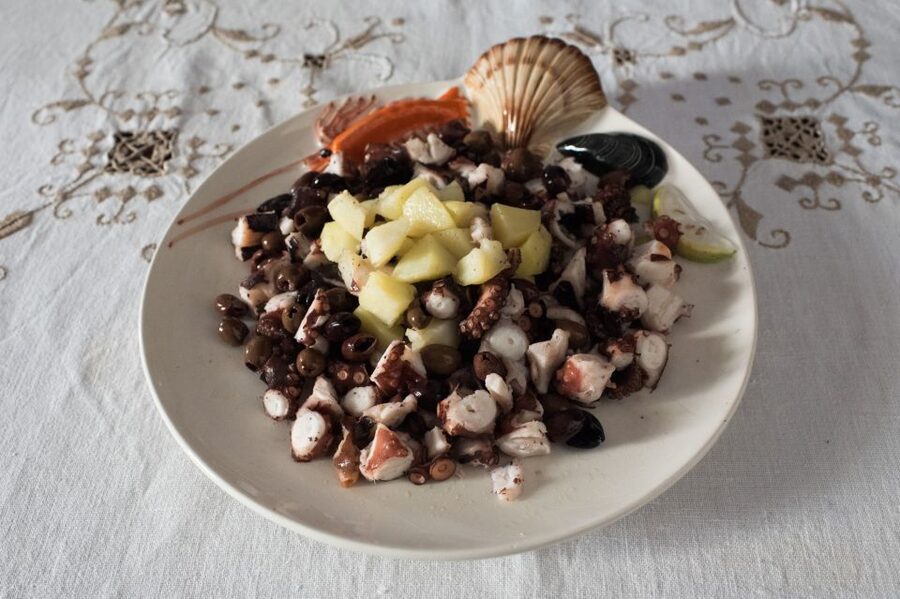
Dietary requirements can be accommodated if you request them during booking. This is useful for vegetarian, allergy-related, or other food needs, but the key is to provide the information early and clearly.
Do not wait until you arrive at the door to explain a serious allergy. The host needs advance notice to plan ingredients and avoid confusion in the kitchen. The supplied information confirms that dietary requests can be handled, but it does not list particular substitutions or guarantee a separate preparation area.
Wear clothes that are comfortable for cooking. No special equipment is listed as necessary, and the host provides what you need for the lesson. You may still want to avoid your finest outfit, since flour, sauces, and kitchen work are part of the fun.
The class is not a sightseeing tour with transportation between several places. Its focus stays on one home, one host, three dishes, and the meal at the end. That makes it a good choice on a day when you want a slower, more focused activity rather than a packed schedule.
How the price compares with the experience
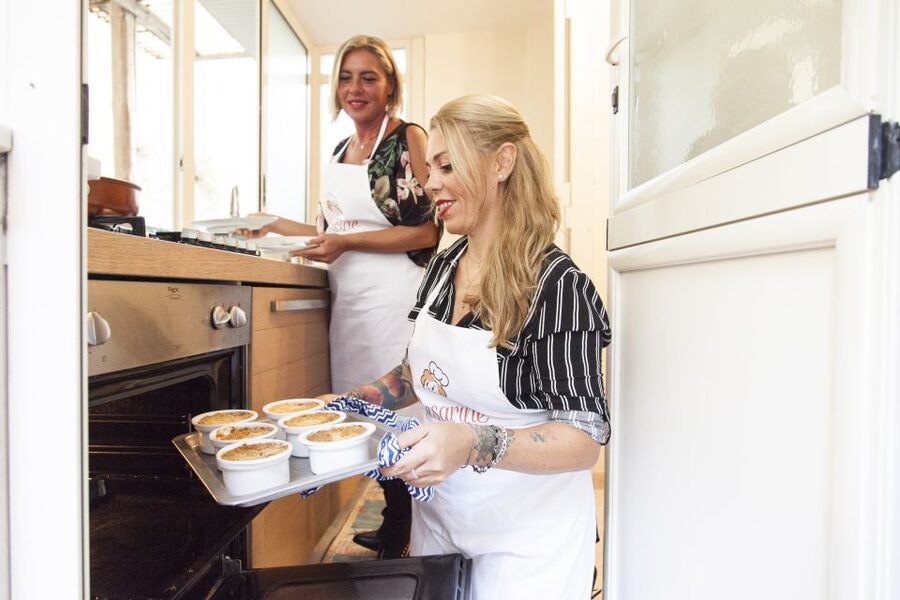
At $164.26 per person, the cost is high for a three-hour activity if you measure it only by the amount of food. The price becomes easier to justify when you count the private instruction, three-course meal, wine, coffee, and time spent with a local family.
You also avoid the uncertainty of ordering unfamiliar dishes in a restaurant. You learn what goes into the food, take part in the preparation, and leave with recipes and methods you can use again. For someone who cooks at home, that lasting value may matter more than the dinner itself.
The cost is less attractive if your main goal is a cheap meal or a quick demonstration. Transportation is extra, and the exact home location is provided only after booking. Build those practical details into your budget and schedule.
The perfect comparison is not a cooking class against a simple restaurant dinner. It is a private food lesson plus a hosted meal against other organized culinary activities. On that basis, the experience offers a strong personal element, particularly if the warmth described around Stefania and the host families is what you want from your time in Abruzzo.
Who should book this experience
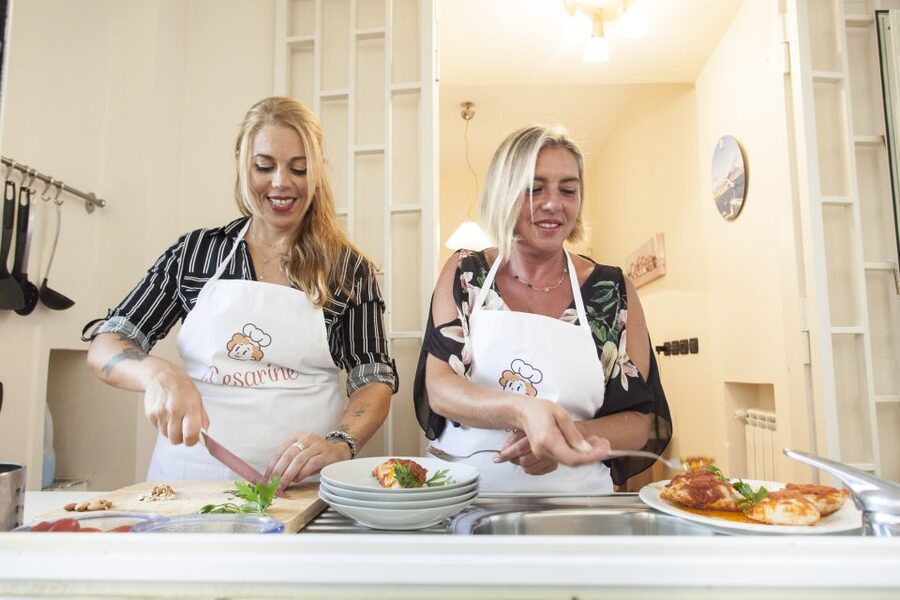
I would recommend it to you if you enjoy learning by doing, want direct contact with local people, and see food as a window into daily life. It is especially well suited to couples, small private groups, families, and visitors who want one evening with a clear local focus.
It also makes sense for people who have already seen Pescara’s main sights and want a different kind of activity. Three hours in a kitchen can reveal more about household food traditions than another quick stop at a restaurant.
I would be more cautious if you dislike uncertainty about the menu, need a central meeting point, or want a large professional kitchen with fixed procedures. The home format is the attraction, but it also means the experience depends on the host’s personality and teaching style.
The strongest reason to book is the combination of cooking and shared eating. You prepare the meal, taste it with wine, and spend time with the person who taught you. That connection is the part you cannot get from a recipe book alone.
Should you book the Pescara home cooking class?
Book it if you want an intimate Abruzzo food experience rather than a basic dinner. The chance to prepare a starter, pasta, and dessert in a real home, then enjoy them with regional wine and coffee, gives the three-hour visit a clear sense of purpose.
Before paying, confirm your preferred start time, share all dietary needs, and plan transportation to the host’s address. If those details work for you, the $164.26 price is reasonable for a private lesson, full meal, drinks, and personal hospitality.
Skip it if you want a low-cost meal, a guaranteed menu, or a tour built around several Pescara sights. For everyone else, especially anyone who values family recipes and conversation as much as the food, this is one of the more personal ways to spend an evening in Abruzzo.
FAQ
Where does the cooking class take place?
The class takes place in your host’s home. After booking, you receive the host’s full address and mobile number. You ring the doorbell when you arrive, and the activity ends at the same meeting point.
How long does the cooking class last?
The experience lasts three hours. It includes the cooking lesson, preparation of three local dishes, and the meal with drinks.
What dishes will I prepare?
You prepare and taste three local dishes: a starter, a pasta course, and a dessert. The specific recipes are not listed in advance and may depend on the host.
Are drinks included?
Yes. The included drinks are water, regional wines selected by the host, and coffee.
Can dietary requirements be accommodated?
Yes. Dietary requirements can be accommodated when requested during booking. Share your restrictions in advance so the host can plan appropriately.
What languages are spoken during the class?
The cooking class is offered in English and Italian.
Just added around Italy
- Cooking Class in a Sicilian countryhouse★ 5.0 · 5 reviews
- Cesarine: Home Cooking Class & Meal with a Local in Catania★ 4.5 · 10 reviews
- Cesarine: Market Tour & Home Cooking Class in Catania★ 4.0 · 6 reviews
- Cooking Class in Taormina with Lunch Included★ 5.0 · 2 reviews
- Cooking Class and Wine Pairing in Capri★ 5.0 · 57 reviews
- Cooking class in Capri for small groups★ 4.0 · 4 reviews
- Private Cooking Class Experience in Reggio Calabria★ 5.0 · 5 reviews
- Lezione di Cucina : Pasta Fresca★ 5.0 · 12 reviews
Cooking Classes, compared.

Half-Day Thai Cooking Class at Organic Farm in Chiang Mai
Read our review →

3 in 1 Cooking Class near Navona: Fettuccine, Ravioli & Tiramisu
Read our review →
Pasta & Tiramisu Cooking Class with Unlimited Wine
Read our review →
Hanoi Cooking Class: Culture, Local Market & Meaning CSR Impact
Read our review →
5 Traditional Dishes Hanoi Cooking Class with Market Trip
Read our review →
Cooking Class and Lunch at a Tuscan Farmhouse with Local Market Tour from Florence
Read our review →