
REVIEW · VENETO, ITALY
Padua: Cooking Class at a Local’s Home
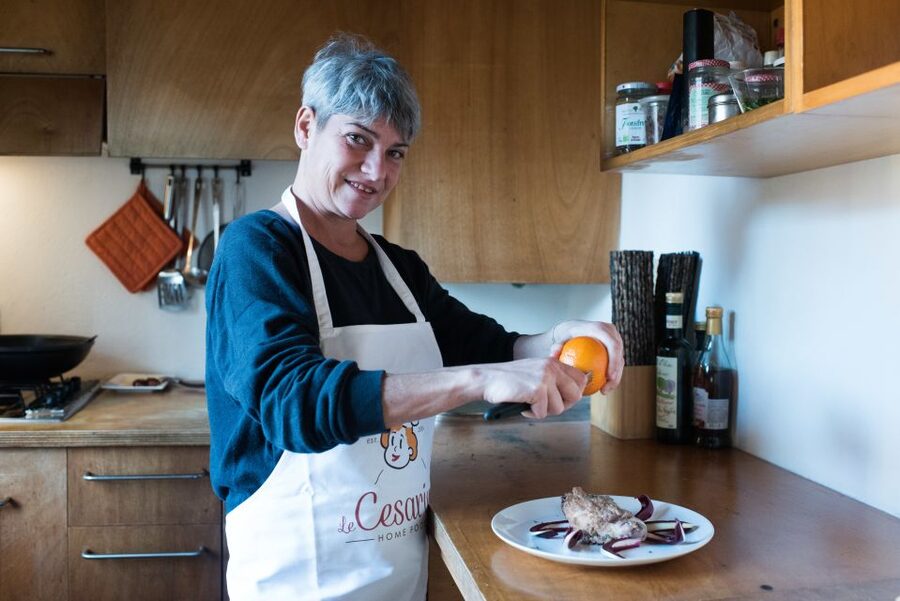
Cooking starts at the front door. I like the personal setting of a local family home, and I like that you prepare a full three-course menu rather than one token dish. The main consideration is practical: you do not receive the exact address until after booking, so you need to allow time to reach the meeting point.
This three-hour Padua experience is built around family recipes, hands-on work, and a meal at the end. You cook with a certified home cook, use a prepared workstation with utensils and ingredients, and finish with wine, water, and coffee. With only eight places, the class should feel more like a shared meal with instruction than a large tourist demonstration.
The class usually begins at 10 AM or 5 PM. Those times fit neatly into a day of sightseeing, though the afternoon option may shape your evening plans. Dietary needs, including vegetarian, vegan, and gluten-free requests, can be handled if you ask in advance.
Key details before you book
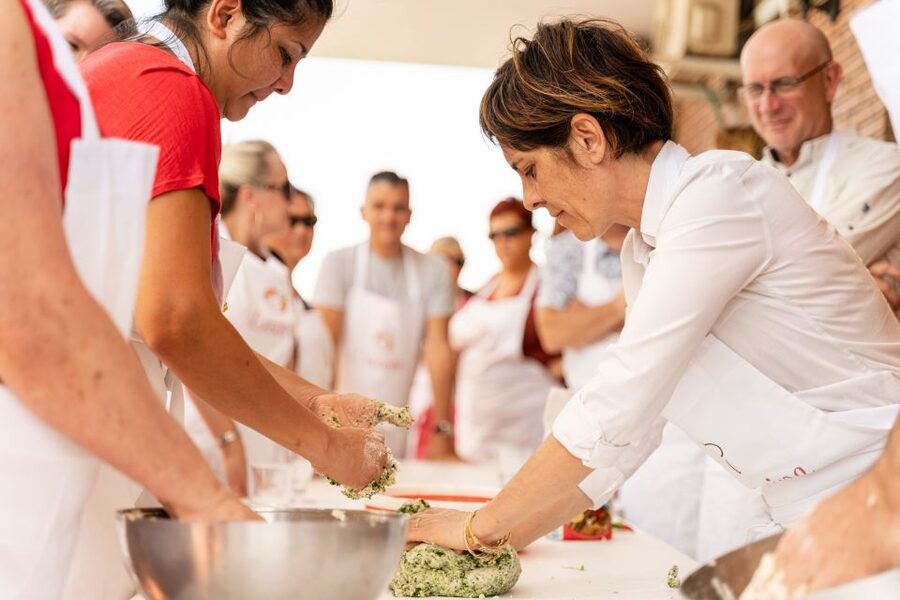
- Three local recipes in three hours: You prepare a starter, pasta dish, and dessert, then eat everything at the end.
- A real home setting: The class takes place in a local family’s home, with the full address sent after booking for privacy.
- Small group size: No more than eight participants share the cooking space and meal.
- Wine is part of the table: Water, local wine, and coffee are included with the food you prepare.
- Two usual start times: Choose the 10 AM morning class or the 5 PM afternoon class, with some flexibility if requested ahead of time.
- Strong personal teaching: The most praised qualities are the atmosphere, the cook’s knowledge, and the cook’s personality.
Why a Padua home kitchen makes a better classroom
Padua has plenty of excellent places to eat, but a restaurant gives you a finished plate. This class gives you the steps behind it. That difference matters if you want to take something useful home, not just another food photograph.
The setting is the key feature. You are not working in a formal culinary school or a restaurant kitchen. You enter a local family home, meet your host, and learn recipes drawn from family cookbooks. That can make the food feel more connected to everyday Veneto life, even though the class remains a short organized activity.
I like this format for two reasons. First, the host can explain small kitchen habits that rarely appear in a recipe card. Second, cooking creates an easy reason to talk. You are measuring, mixing, shaping, and tasting together, so conversation does not need to be forced.
The atmosphere also earned especially strong praise. The class was described as perfect in its atmosphere, knowledge, and personality, with a clear sense that the participant learned a great deal. That is useful guidance for choosing this activity: the teaching style and warmth of the host are just as important as the dishes.
You should still keep your expectations sensible. The exact menu is not specified in advance. You know the structure, starter, pasta, and dessert, but not the precise recipes. If you need to plan around a particular dish, ask before booking.
A few more cooking classes around Italy worth a look
- Florence: Pasta Cooking Class with Unlimited Wine
★ 4.9 · 10,285 reviews - 3 in 1 Cooking Class near Navona: Fettuccine, Ravioli & Tiramisu
★ 5.0 · 7,376 reviews - Florence: Pasta & Tiramisu Cooking Class with Unlimited Wine
★ 4.9 · 6,708 reviews
Your three-hour cooking itinerary
Starting with the ingredients and workstation
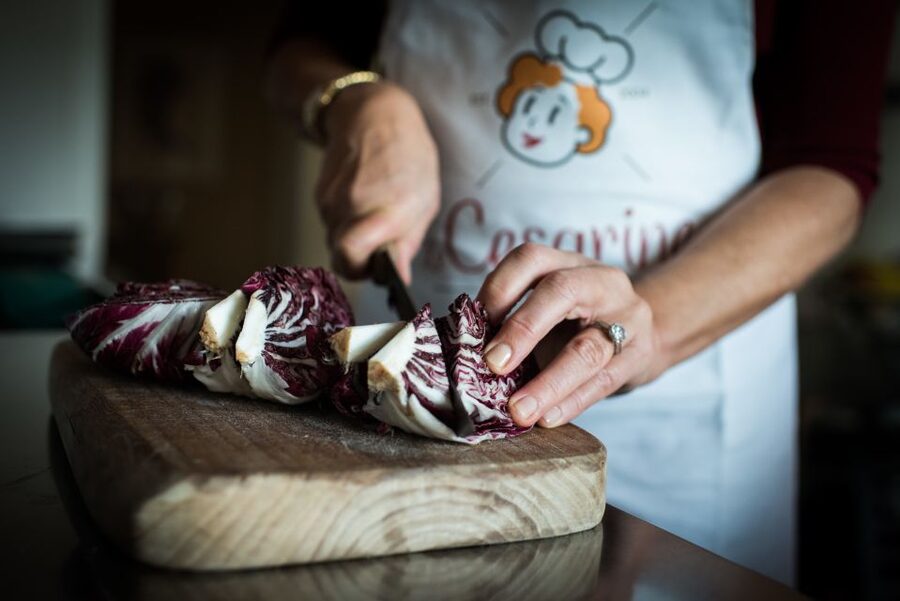
The class begins at the host’s home, where you receive a workstation fitted with utensils and the ingredients needed for the lesson. Since everything is prepared for your arrival, you can spend the time cooking rather than shopping or waiting for supplies.
Your instructor leads you through three local recipes. The point is not simply to watch. You are expected to put your own hands to work and test your cooking skills under guidance. That makes the class suitable for beginners who want direction, while still giving confident home cooks something practical to practice.
The pace should be steady rather than rushed. Three hours is long enough to cover several recipes and sit down for the meal, but not so long that the class takes over your entire day. You will want to arrive ready to participate, since this is not a passive tasting.
Learning the starter
The first course is a local starter. The specific dish can vary, so it is best to treat this part as an introduction to the host’s regional cooking rather than a guaranteed menu item.
A starter gives the instructor a useful way to explain local ingredients and basic preparation before the pasta work begins. You can expect the cook to point out the small methods that make a family recipe work, including the practical tricks passed down through home kitchens.
This is also where the social side of the class tends to begin. You are working beside a small group, and the shared task gives everyone an immediate connection. If you enjoy food but do not want a formal lecture, this hands-on approach should suit you.
Same place, a different thing to cook:
- Cooking Class and Lunch at a Tuscan Farmhouse with Local Market Tour from Florence
★ 5.0 · 4,831 reviews - Rome: Pasta Making Class with Wine, Limoncello, and Dessert
★ 4.9 · 3,177 reviews - Pastamania – Florence Pasta Making Class
★ 5.0 · 3,050 reviews - Rome Cooking Class: Make Pasta and 3 Spritz Cocktails
★ 5.0 · 2,937 reviews
Making the pasta course
The pasta course is likely to be the central part of the lesson, both because pasta is a major part of Italian home cooking and because it gives you the clearest chance to practice a technique yourself. The class promises three authentic local recipes, and pasta is one of the three courses included in the tasting.
The host reveals the methods behind the dish and lets you try them with the supplied equipment. You should expect instruction and correction rather than a simple recipe handout. That is where much of the value lies: you leave knowing more about how the dish comes together, not just what it looks like when served.
I would pay close attention here and take mental notes. Family cooking often depends on feel, timing, and small adjustments. Those details can be more useful later than an exact list of measurements.
Finishing with dessert
Dessert completes the cooking section and gives the class a proper ending before the meal begins. Like the starter, the exact recipe is not specified, so you should see it as another chance to learn the host’s family style rather than a guaranteed famous sweet.
Preparing three courses also makes the experience feel like a complete meal. You are not leaving hungry after making one small sample. The class moves from preparation to a table where you can enjoy the full results of your work.
The meal, wine, coffee, and what they add
At the end, you taste all three dishes you have prepared: starter, pasta, and dessert. Water, wine, and coffee are included, so the meal is not an extra charge added after the cooking session.
I like this finish because it turns the lesson into a shared lunch or dinner. You can see how the separate tasks fit together, compare the results, and ask questions while eating. The wine also gives the meal a local Italian rhythm, although you should tell the host in advance if you do not drink alcohol.
The meal is a real part of the experience, not a minor snack. That matters when you compare the $164.26 price per person with the cost of a standard cooking demonstration. You are paying for instruction, ingredients, a three-course tasting, drinks, and time in a private home with a small group.
Still, the value depends on what you want. If your only goal is a cheap meal, this is not the right choice. If you want food instruction, personal contact, and a skill you can repeat at home, the price is easier to justify.
The host and the small-group advantage
The instructor speaks Italian and English. That removes a major barrier for English-speaking participants and makes it easier to follow instructions, ask questions, and understand the background behind each recipe.
The host is also a certified home cook. That does not mean you are entering a professional restaurant kitchen. It means the class is based on home cooking, which is exactly the appeal. You get recipes and methods connected to family use rather than a highly polished restaurant performance.
The group is limited to eight people. That is small enough for the instructor to keep an eye on your work and answer questions, while still giving the class a social feel. A group of eight can also make the experience more comfortable for solo visitors, since conversation develops naturally around the workstations and table.
Group size can affect the class, of course. If all eight places are filled, the kitchen may feel active, and you may share some tasks. The supplied information does not promise a private class, so book this as a small-group activity rather than a one-on-one lesson.
The strongest personal qualities to look for are warmth, skill, and a clear teaching style. One participant praised the atmosphere, the host’s personality, and how much they learned. That combination is more important than a fancy kitchen or a long list of dishes.
Choosing between the 10 AM and 5 PM classes
The usual morning start is 10 AM. That makes the experience a natural lead-in to lunch and leaves the afternoon open for Padua sightseeing. If you like to finish organized activities early, this is probably the better choice.
The afternoon class usually begins at 5 PM. It works well as an early evening activity, with the meal following the cooking lesson. You should account for the three-hour duration when planning dinner, since the tasting is already part of the experience.
The guides may be flexible with the starting time if you ask in advance. Do not assume that flexibility is automatic. Contact the host before booking or soon afterward, especially if your train, hotel check-in, or other Padua plans limit your schedule.
Because the exact home address is shared only after booking, leave room in your plan for getting to the meeting point. The activity begins and ends at that same meeting point. You are not given a public restaurant address at the outset, which protects the family’s privacy but requires a little extra planning.
Dietary needs and practical preparation
Vegetarian, vegan, and gluten-free diets can be accommodated upon request. You should provide this information in advance, not when you arrive at the kitchen. The host needs time to adjust ingredients and recipes.
The class includes utensils and ingredients, so you do not need to bring cooking supplies. Comfortable clothing is sensible for any hands-on kitchen activity, though no special clothing requirement is listed.
English and Italian are the available languages. If you are not comfortable in either language, the class may be harder to follow, since the experience depends on verbal instruction as well as demonstration.
The class ends back at the meeting point. Since the home address arrives after booking, check the confirmation details carefully and use the contact information provided there if you need clarification.
Is $164.26 a fair price?
At $164.26 per person, this is a premium food activity. The price makes more sense when you count everything included: three hours of instruction, three dishes, ingredients, utensils, wine, water, coffee, and a meal in a local home.
The small group also helps. You are not paying for a seat in a large cooking show where most of the work happens in front of you. You have a chance to cook, ask questions, and taste what you made.
The personal setting adds value that is difficult to price. A restaurant meal may cost less, but it will not teach you the host’s family methods or give you the same type of conversation. If you already cook at home and want regional ideas to repeat later, this is a useful souvenir.
On the other hand, people who dislike cooking, have a tight budget, or want a fixed menu should think twice. The menu can vary, the activity takes three hours, and the main attraction is participation. You are paying for the process as much as the plate.
Free cancellation up to 24 hours before the activity and the option to reserve now and pay later make planning less risky. Those policies are helpful if your Padua schedule is still shifting, but you should still confirm dietary requests and timing early.
Who should book this Padua cooking class?
I would recommend it to couples, solo visitors, families with food-loving members, and small groups of friends who want a slower, more personal activity. It is also a good choice if you have already seen Padua’s main sights and want an evening that connects you with local life.
The class suits people who enjoy learning by doing. You do not need to be an expert cook, because the host guides you through the recipes, but you should be willing to handle ingredients and take part.
It may not suit you if you want a quick tasting, a guaranteed named dish, or a large professional kitchen. You also need to be comfortable waiting for the private address until after booking and arranging your own way to the meeting point.
The perfect atmosphere, strong teaching, and host personality are the main reasons I would choose this experience over a standard cooking demonstration. The food is important, but the lasting benefit is the ability to recreate part of the lesson at home.
Final verdict: book it for skills and company
Book this Padua cooking class if you want a genuine home-based activity, a full three-course meal, and recipes you can carry into your own kitchen. The small group, English instruction, included wine, and flexible morning or afternoon timing all work in its favor.
Skip it if you only want the lowest-cost meal or need a precise menu before booking. For everyone else, $164.26 is a reasonable price for three hours of instruction, food, drinks, and personal contact with an Italian home cook. The best souvenir here is not something fragile in your suitcase. It is a method you can use again.
FAQ
Where does the Padua cooking class take place?
The class takes place in a local family’s home in the Padua area of Veneto. The full address is provided after booking to protect the family’s privacy.
How long does the cooking class last?
The experience lasts three hours. It begins and ends at the meeting point.
What time does the class usually start?
The usual starting times are 10 AM and 5 PM. Guides may be flexible if you ask in advance about your travel schedule.
How many people can join the class?
The group is limited to eight participants.
Which languages does the instructor speak?
The instructor speaks Italian and English.
What food will I prepare?
You will prepare three local dishes: a starter, a pasta course, and a dessert. The exact recipes are not specified in advance.
Is wine included?
Yes. Water, wine, and coffee are included with the tasting at the end of the class.
Can dietary requirements be accommodated?
Yes. Vegetarian, vegan, gluten-free, and other dietary requirements can be catered to upon request. You should provide the information in advance.
Can I cancel or pay later?
You can cancel up to 24 hours in advance for a full refund. You can also reserve your place and pay later, so you do not need to pay at the time of booking.
Just added around Italy
- Cooking Class in a Sicilian countryhouse★ 5.0 · 5 reviews
- Cesarine: Home Cooking Class & Meal with a Local in Catania★ 4.5 · 10 reviews
- Cesarine: Market Tour & Home Cooking Class in Catania★ 4.0 · 6 reviews
- Cooking Class in Taormina with Lunch Included★ 5.0 · 2 reviews
- Cooking Class and Wine Pairing in Capri★ 5.0 · 57 reviews
- Cooking class in Capri for small groups★ 4.0 · 4 reviews
- Private Cooking Class Experience in Reggio Calabria★ 5.0 · 5 reviews
- Lezione di Cucina : Pasta Fresca★ 5.0 · 12 reviews
Cooking Classes, compared.

Half-Day Thai Cooking Class at Organic Farm in Chiang Mai
Read our review →

3 in 1 Cooking Class near Navona: Fettuccine, Ravioli & Tiramisu
Read our review →
Pasta & Tiramisu Cooking Class with Unlimited Wine
Read our review →
Hanoi Cooking Class: Culture, Local Market & Meaning CSR Impact
Read our review →
5 Traditional Dishes Hanoi Cooking Class with Market Trip
Read our review →
Cooking Class and Lunch at a Tuscan Farmhouse with Local Market Tour from Florence
Read our review →