
REVIEW · BUENOS AIRES PROVINCE, ARGENTINA
Pachamama – Argentine Cooking Experience in Buenos Aires
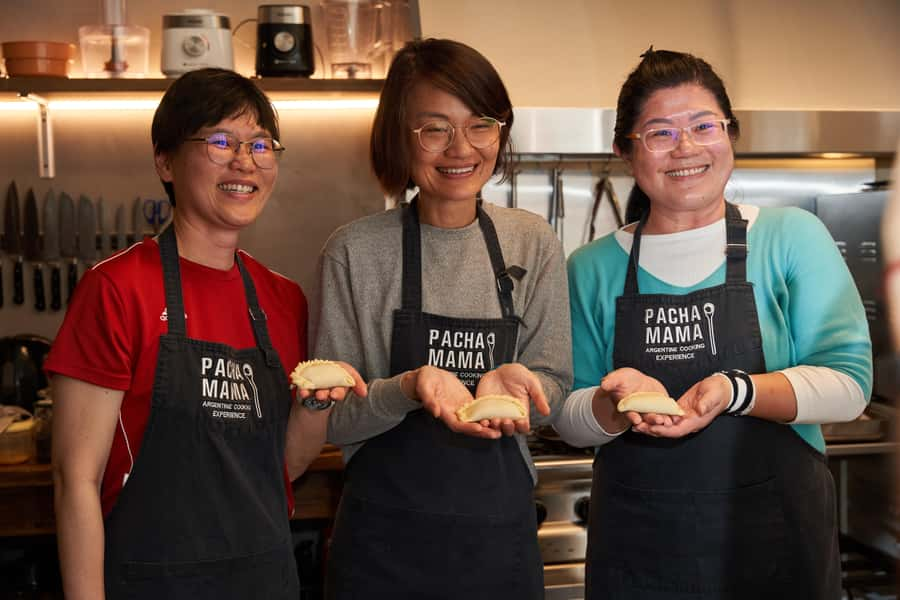
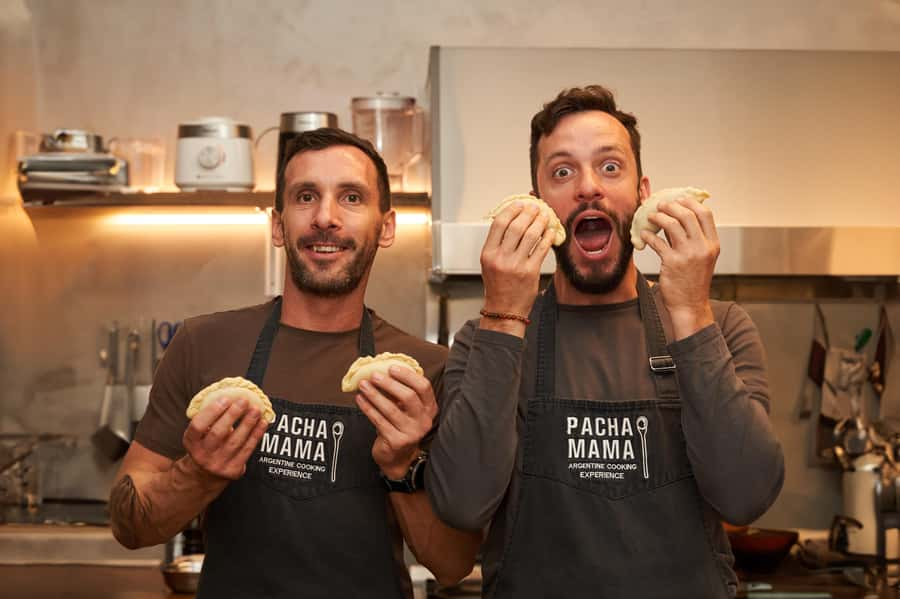
Come hungry for Argentina. Pachamama turns a Buenos Aires meal into a hands-on introduction to local food, customs, and everyday flavors, with an English-speaking chef guiding a small group through several classic dishes. I like the friendly, social format and the chance to cook with your own hands instead of simply watching a demonstration.
I also like the thoughtful food-and-wine pairing: Durigutti wines from Mendoza accompany the meal, while vermouth, homemade lemonade, local bread, and limoncello fill out the table. The main consideration is that you may not personally prepare every dish from start to finish. The cooking works as a group effort, which is fun and well organized, but less ideal if you want a solo station and full control of every recipe.
The experience costs $75 per person and is described as lasting three hours, though the detailed program gives a total of about three and a half hours. It is held in a cozy setting for a small group, with capacity details listed as either up to 10 or up to 14 people, so check the exact session size when booking. English is standard, and private groups can request Spanish.
Key points at a glance
- A five-step Argentine meal: Start with a picada and vermouth, then prepare chipá, empanadas, humita, and dulce de leche crepes.
- Real hands-on cooking: You chop, shape, mix, and help prepare the food rather than sitting through a chef-only show.
- Mendoza wine pairing: Durigutti wines from Las Compuertas accompany the meal, with water and homemade lemonade also included.
- A social Buenos Aires evening: The table is shared with people from several countries, making conversation part of the experience.
- Flexible dietary options: The menu can be adapted for vegetarian, gluten-free, and lactose-free diners.
- Useful take-home extras: You receive recipes by PDF through a QR code, class photographs, and local Buenos Aires recommendations.
Why Argentine cooking makes a good Buenos Aires activity
Buenos Aires has plenty of restaurants, but a restaurant meal usually gives you the finished product without showing how it came together. Pachamama adds the missing steps. You learn why Argentine cooking uses certain ingredients, how familiar dishes connect to local customs, and how food fits into social life.
The class focuses on approachable national favorites rather than restaurant tricks. Chimichurri, empanadas, mate, regional spices, dulce de leche, and vermouth all help explain Argentina through the plate. You are not just collecting another meal. You are learning the flavors you may want to recognize during the rest of your time in the country.
That makes this especially useful early in a Buenos Aires stay. The class includes local recommendations, so you can leave with ideas for what to eat and see next. The recipe PDF also gives you a practical way to remember the dishes after the trip, instead of relying on a fading memory of what went into the sauce.
The room is designed to feel homey and intimate. That matters because the cooking is social. You sit around a table at the end, share what the group prepared, and have time to talk over wine. If you prefer a quiet meal or a private lesson, this format may feel too communal. If you like meeting people while traveling, it is one of the strongest parts of the experience.
A few more cooking classes around the world worth a look
- Half-Day Thai Cooking Class at Organic Farm in Chiang Mai
★ 5.0 · 19,087 reviews - Florence: Pasta Cooking Class with Unlimited Wine
★ 4.9 · 10,285 reviews - 3 in 1 Cooking Class near Navona: Fettuccine, Ravioli & Tiramisu
★ 5.0 · 7,376 reviews
The welcome picada, vermouth, and Argentine food customs
The session begins with a homemade picada. Think of this as a relaxed Argentine spread of small bites, local bread, homemade preserves, and pickles. It gives you something to eat while the chef introduces the background of Argentine cuisine.
A vermouth cocktail comes with the opening course. This is a useful cultural touch, since vermouth is part of Argentina’s social drinking culture and often appears before a meal. Water and homemade lemonade are also included, so you are not limited to wine and spirits.
The opening conversation also covers mate and chimichurri. Mate is more than a drink, and chimichurri is more than a green sauce for steak. Both offer a way into Argentine habits and flavors. The class uses these familiar references to connect cooking with customs rather than treating each recipe as an isolated dish.
The picada is also a practical start. You have time to settle in, meet the group, and get comfortable before the cooking begins. Since the program includes several dishes, that gentle beginning helps the afternoon feel social instead of rushed.
Cooking chipá with barbecue and fermented spicy sauce
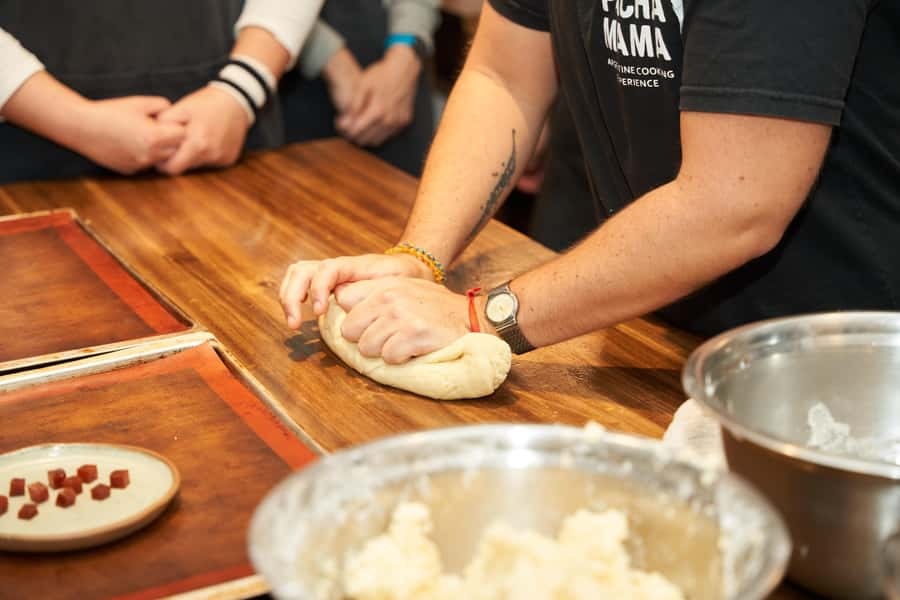
The first prepared item is chipá, a small cheese bread associated with the regional food traditions of northern Argentina and nearby South America. Its texture and flavor make it a good introduction to the class because it is simple enough to understand but distinctive enough to feel new.
You prepare the chipá as part of the group, then taste it with barbecue sauce and a fermented spicy sauce. The sauces add contrast to the mild, cheesy bread and show how a familiar baked snack can become part of a fuller tasting menu.
This is one place where expectations matter. You are not promised a separate batch that only you prepare. The work is shared, with participants taking turns assisting with different tasks. That arrangement keeps the pace moving and lets everyone take part, but it means you may not handle every stage yourself.
I would view that as a fair trade for the social format. You get more variety in a single sitting, and the instructors can keep the dishes on schedule. If your goal is to master chipá independently, ask how tasks are divided at the start.
Beef empanadas and the secrets of chimichurri
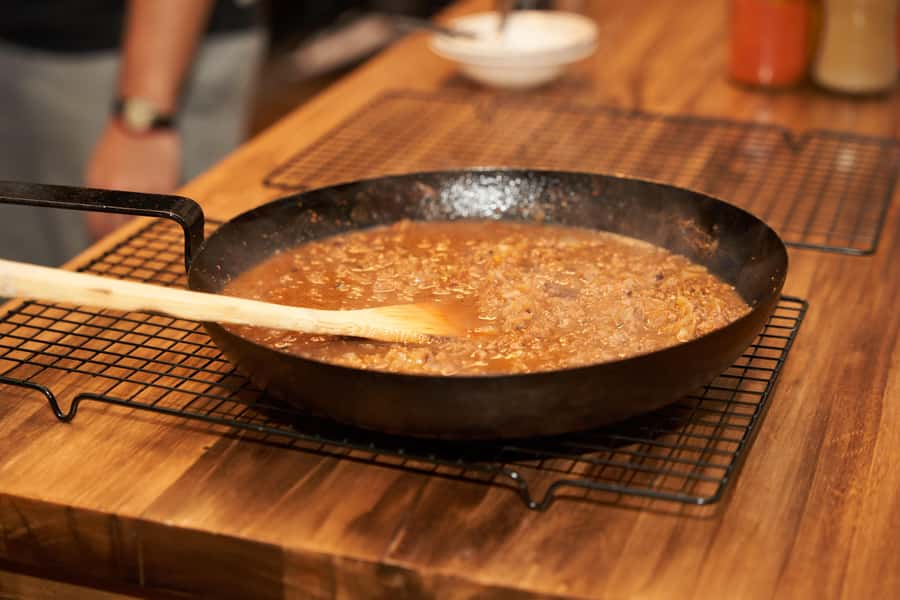
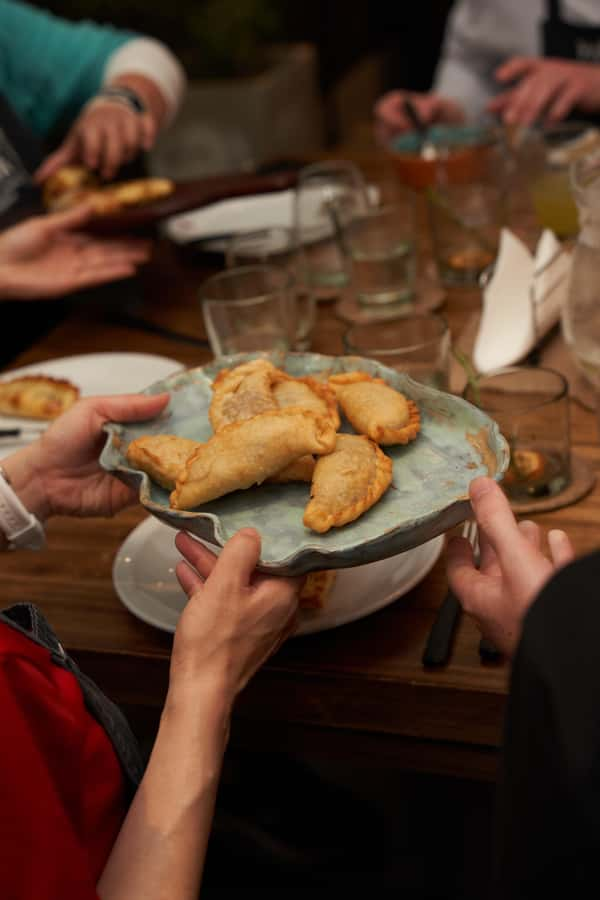
Empanadas are among Argentina’s most recognizable foods, and Pachamama uses beef empanadas as the main savory cooking lesson. You learn about the filling, the dough, the shaping, and the chimichurri served alongside it.
The value here is practical. Empanadas look straightforward, but sealing and seasoning them well takes some care. Working through those steps gives you a better sense of what to look for when ordering empanadas elsewhere in Buenos Aires.
Chimichurri provides another useful lesson. The sauce is closely linked with Argentine grilled meat, but its balance of herbs, acidity, and spice can vary. The class introduces the flavor as part of the country’s food identity, not just as a condiment placed on the side.
The beef filling means this course is important for anyone avoiding meat. Vegetarian adaptations are available, but you should tell the provider about dietary needs when making your reservation. The same applies to gluten-free and lactose-free requests.
Same place, a different thing to cook:
- Florence: Pasta & Tiramisu Cooking Class with Unlimited Wine
★ 4.9 · 6,708 reviews - Hanoi Cooking Class: Culture, Local Market & Meaning CSR Impact
★ 5.0 · 5,147 reviews - 5 Traditional Dishes Hanoi Cooking Class with Market Trip
★ 5.0 · 4,890 reviews - Cooking Class and Lunch at a Tuscan Farmhouse with Local Market Tour from Florence
★ 5.0 · 4,831 reviews
Humita stew gratin and regional ingredients
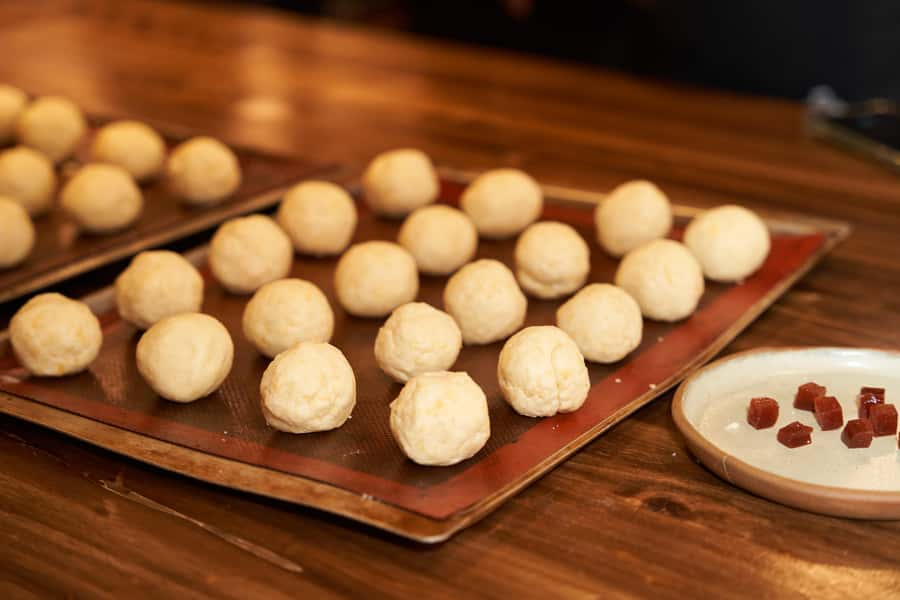
The humita stew gratin brings a different texture and a more regional feel to the menu. Humita is based on corn and has deep roots in Andean and northwestern South American cooking. In this class, you prepare it as a baked, gratinated dish.
This course helps break up the menu. After the bread and empanadas, the creamy corn-based preparation offers something softer and more spoon-friendly. It also shows that Argentine food is not limited to beef, grilled dishes, and pastries.
The class explains the origin and background of the recipes as you work. That context makes the humita more memorable because you understand why it belongs in the menu. You are tasting a dish with a place in the region’s food traditions, not simply filling another spot on the plate.
As with the other dishes, the cooking is cooperative. You may help with preparation rather than independently making a complete serving. For most people, that keeps the experience relaxed. For serious home cooks, it is worth remembering that this is a cultural cooking session first and a technical masterclass second.
Flamed dulce de leche crepes with a final toast
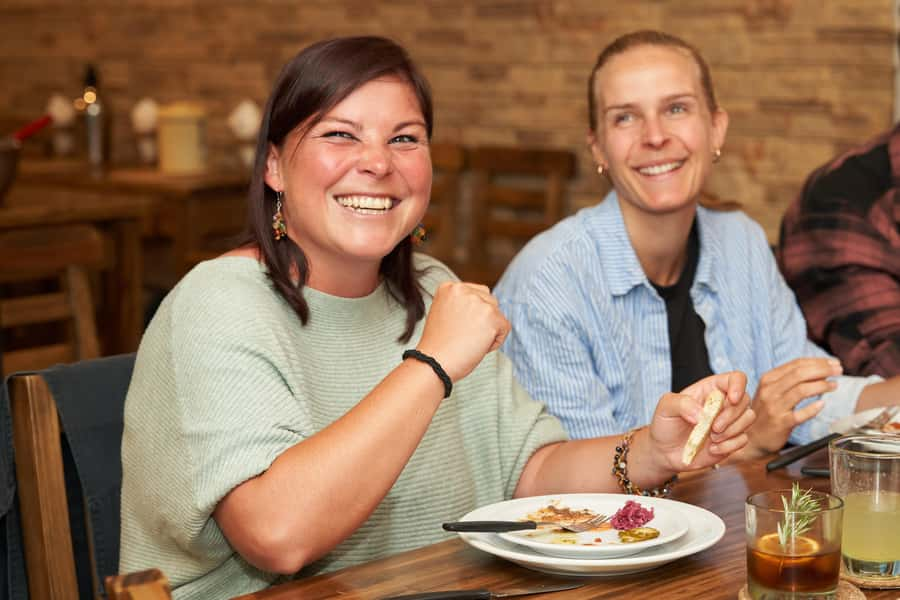
Dessert is a strong finish: crepes with dulce de leche, ice cream, homemade limoncello, and a flambéed presentation. Dulce de leche is one of Argentina’s signature flavors, so this course gives you a sweet reference point for the country’s food culture.
The crepes are prepared during the session, then served with ice cream and the dulce de leche. The flamed finish adds a bit of theater without changing the basic appeal of the dish. Homemade limoncello rounds out the dessert pairing.
This is also where the five-step structure becomes clear. The welcome picada functions as the opening tasting, followed by the four dishes prepared by the group: chipá, beef empanadas, humita, and dessert crepes. The menu feels like a full meal rather than a short tasting class.
If you prefer savory food, dessert is still useful because it shows how central dulce de leche is to Argentine eating. If you have dietary restrictions, confirm the lactose-free adaptation before arriving, since this course normally includes dairy in several forms.
Durigutti wines from Mendoza with the finished meal
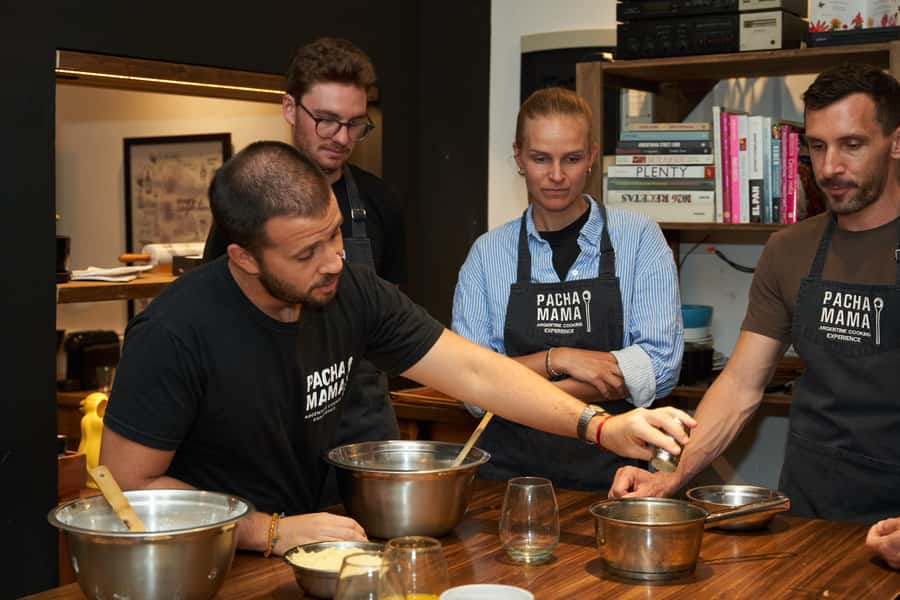
Once the cooking is complete, everyone sits down to eat. Durigutti wines from Las Compuertas in Mendoza are paired with the menu, giving the meal a connection to Argentina’s major wine-producing region.
The wine is included in the $75 price, along with vermouth, water, and homemade lemonade. That makes the cost easier to assess. You are paying for instruction, several courses, drinks, a social meal, and recipe materials, not just for a single cooking demonstration.
The wine pairing also gives you a chance to think about how Argentine wines work with local food. You can taste the meal as a series of combinations rather than a pile of unrelated dishes. If you do not drink alcohol, the nonalcoholic choices mean you can still take part in the meal, though the supplied information does not specify a separate nonalcoholic pairing.
The shared table is central to the experience. You eat what you helped prepare, exchange travel stories, and meet people from different countries. The class has been praised for its friendly chefs, good organization, and relaxed group atmosphere. The host named in the feedback is Franco, and his staff are described as attentive and professional.
Group size, timing, and the pace of the class
The published details give slightly different group limits, with one section listing up to 10 participants and another listing capacity for up to 14. Either way, this is intended to be a small-group class rather than a large food tour.
A small group makes a real difference here. You have a better chance to take a turn with the preparation, ask questions, and speak with the chef. The tradeoff is that a group activity cannot give each person constant individual attention.
The duration is also presented in two ways. The main activity information says three hours, while the detailed description says three and a half hours, and private groups may be adapted to two and a half hours. Check the starting time and expected end time before scheduling another activity.
The pace is well suited to an afternoon or early evening. You begin with a drink and picada, cook several dishes, then sit down for the meal. It is not a quick class you squeeze between two museum visits. Give yourself room to enjoy the conversation and food.
Who should book Pachamama
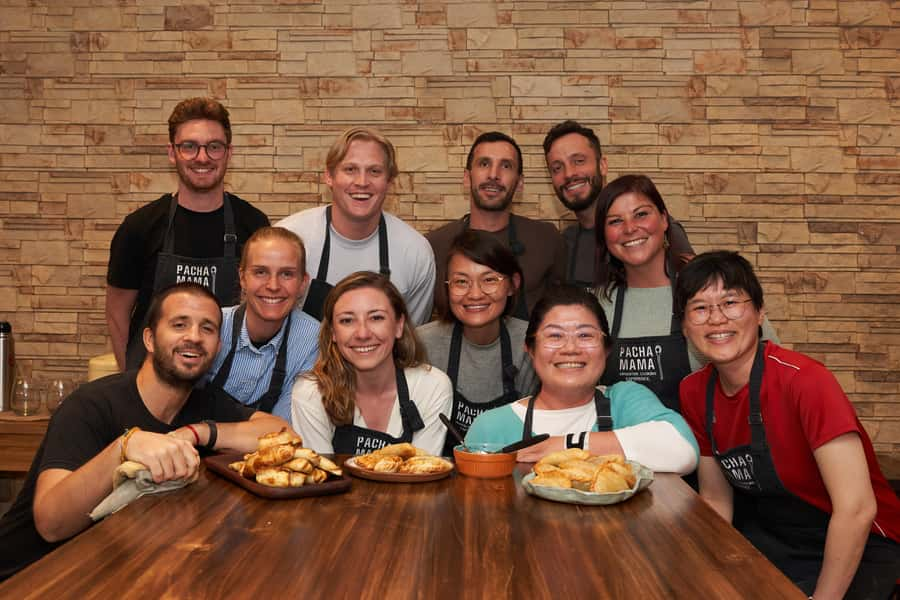
I would recommend this experience to you if you want an activity that combines food, culture, and meeting people. It suits couples, solo visitors, and small groups of friends who enjoy learning by doing.
It is also a good choice for first-time visitors who want a quick introduction to Argentine staples. You leave knowing more about empanadas, chimichurri, mate, humita, dulce de leche, and local wine than you would after a standard restaurant meal.
Vegetarians can request an adapted menu, and gluten-free and lactose-free versions are available. Still, you should provide those details in advance rather than assuming every substitute will be ready on arrival.
Families may like the hands-on format, though the supplied information does not give a minimum age or specific child policy. Ask before booking if you are considering the class with young children.
This is less suitable if you want a professional cooking school with individual workstations, advanced knife skills, or a dish-by-dish lesson that you can reproduce perfectly at home. The group effort is part of the appeal, but it also limits how much of each recipe you personally make.
The $75 price and what you receive
At $75, Pachamama is not the cheapest way to eat in Buenos Aires. You can find excellent local food for less at ordinary restaurants. The comparison changes once you count the experience itself.
Your price covers the welcome picada, vermouth cocktail, four prepared dishes, a full shared meal, Durigutti wines, water, lemonade, and limoncello. You also receive a recipe book in PDF form through a QR code, photographs from the class, and local recommendations.
The strongest value comes from combining instruction and dining. You get a guided look at Argentine food, then eat the results in a social setting. For someone who would otherwise book a meal and a separate cultural activity, the package makes practical sense.
The food is repeatedly described as delicious, and the organization receives strong praise. One fair limitation remains: because the dishes are made as a group, the class may give you more cultural understanding than precise, individual cooking practice.
Cancellation is flexible, with a full refund available if you cancel at least 24 hours ahead. You can also reserve now and pay later. Hotel pickup and drop-off are not included, so you need to arrange your own way to the venue. The activity is listed as wheelchair accessible.
Should you book Pachamama?
Book it if you want to eat Argentine classics, learn where they come from, and share a relaxed table with other people. The wine pairing, useful recipes, dietary flexibility, and friendly staff make it a strong choice for a food-focused afternoon in Buenos Aires.
Think twice if your main goal is private instruction or making every dish entirely on your own. For most people, the group format is a benefit rather than a problem, but it is important to know what you are buying.
The best strategy is to schedule Pachamama near the beginning of your Buenos Aires visit. You will gain a better sense of local flavors, pick up restaurant ideas, and have a few recipes to look for during the rest of your stay.
FAQ
Where does Pachamama take place?
The experience takes place in Buenos Aires Province, Argentina. The supplied details do not provide a more specific street address.
How much does the experience cost?
The price is $75 per person.
How long does the class last?
The activity information lists three hours, while the detailed description says three and a half hours. Private groups can be adapted to two and a half hours.
What language is the class conducted in?
The standard experience is given in English. Private groups can request Spanish.
What food is included?
The menu includes a picada with homemade preserves, pickles, and local bread; chipá with barbecue sauce and fermented spicy sauce; beef empanadas with chimichurri; humita stew gratin; and flamed dulce de leche crepes with ice cream and homemade limoncello.
Are drinks included?
Yes. The experience includes Durigutti wines from Las Compuertas, a vermouth cocktail, water, homemade lemonade, and homemade limoncello with dessert.
Can the menu accommodate dietary restrictions?
Yes. The menu can be adapted for vegetarian, gluten-free, and lactose-free diets.
Is hotel pickup included?
No. Hotel pickup and drop-off are not included.
Is the experience wheelchair accessible?
Yes, the activity is listed as wheelchair accessible.
Can I cancel for a refund?
Yes. You can cancel up to 24 hours in advance for a full refund. You can also reserve now and pay later.
Just added around the world
- The Mediterranean Diet & Lifestyle Cooking Class.★ 5.0 · 11 reviews
- Gourmet Cooking Class & Culture in the rural Montes de Malaga.★ 5.0 · 37 reviews
- Cooking Classes and olive oil tasting.The real taste of Greece!★ 5.0 · 56 reviews
- Beach day experience + Mexican Cooking Class + Massage★ 4.5 · 21 reviews
- Italian Pasta Cooking Class in Denver (Includes 3-Course Meal)★ 5.0 · 3 reviews
- Corfood bites – Cooking classes by Christos★ 5.0 · 77 reviews
- Authentic Beachfront Mexican Cooking Class Cafe Jaguar Costa Maya★ 5.0 · 50 reviews
- Market Tour and Cooking Class from Colombo★ 5.0 · 5 reviews
Cooking Classes, compared.

Half-Day Thai Cooking Class at Organic Farm in Chiang Mai
Read our review →

3 in 1 Cooking Class near Navona: Fettuccine, Ravioli & Tiramisu
Read our review →
Pasta & Tiramisu Cooking Class with Unlimited Wine
Read our review →
Hanoi Cooking Class: Culture, Local Market & Meaning CSR Impact
Read our review →
5 Traditional Dishes Hanoi Cooking Class with Market Trip
Read our review →
Cooking Class and Lunch at a Tuscan Farmhouse with Local Market Tour from Florence
Read our review →