
REVIEW · INDIA
New Delhi: 5-Hour Traditional Cooking Class with Local Chef
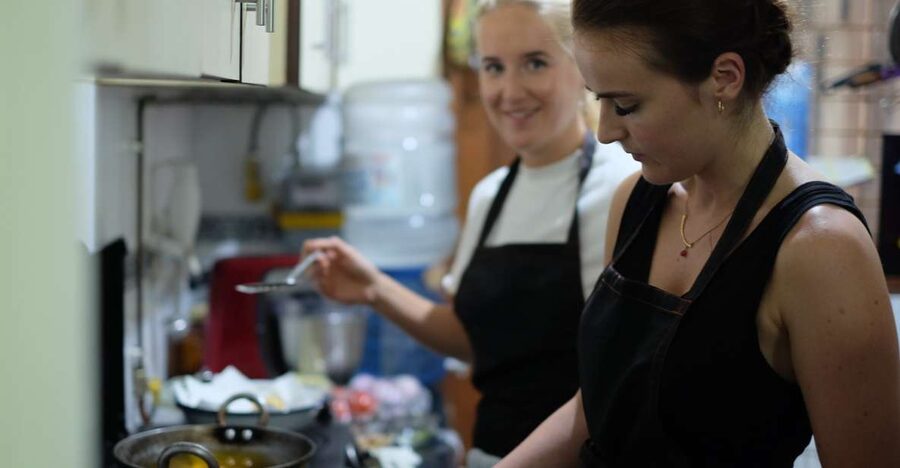
Indian cooking starts with the spice tin. This five-hour class takes you into a New Delhi chef’s home, where you learn how spices, tempering, lentils, breads, chutney, and sweets work together. I like the hands-on format and the chance to eat what you prepare, rather than simply watching a demonstration.
I also like the small group of no more than six people and the spice gift pack, which lets you keep practicing after you leave India. The main drawback is location: Dwarka Sector 22 is a long way from some central Delhi hotels, and hotel pickup is not included. One participant found the taxi ride longer than expected, though the class proved worth the extra time.
Key points at a glance
- Five hours in a local chef’s home: This is a personal cooking lesson, not a large demonstration.
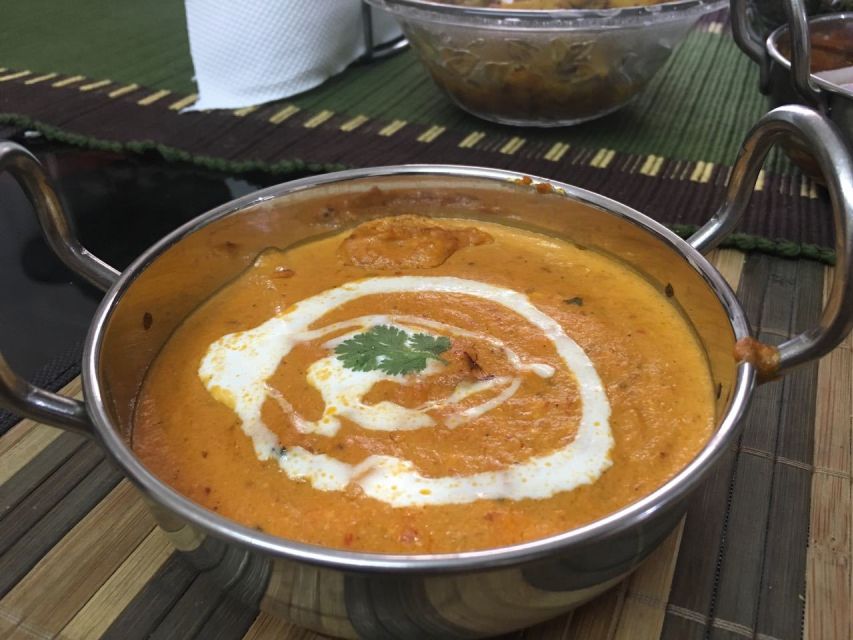
- A vegetarian Indian menu: Expect pakoda, chutney, roti, parantha or puri, daal, vegetables, masala chai, and a dessert such as kheer or halwa.
- Spice lessons with a practical purpose: You learn how ingredients affect flavor, not just the names of spices.
- Small groups of up to six: You should have room to ask questions and take part in the cooking.
- A useful take-home gift: The included spice pack helps you repeat some recipes at home.
- Plan your transport carefully: Meet outside Dwarka Sector 22 Metro station, with no hotel transfers included.
What this New Delhi cooking class is really like
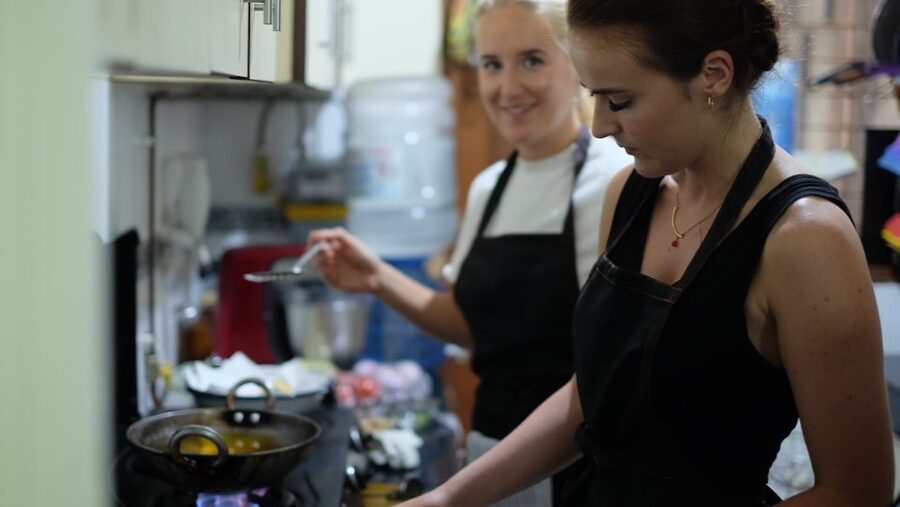
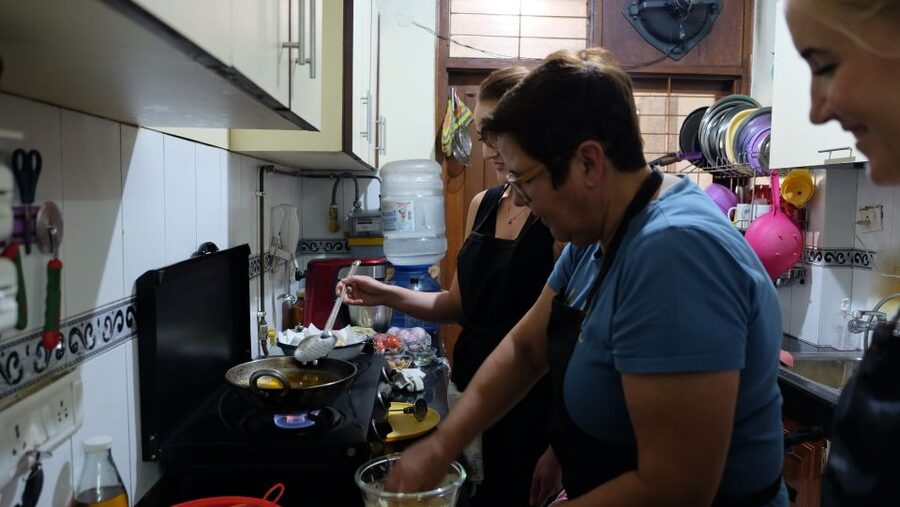
This experience is designed to give you a working introduction to Indian home cooking in five hours. You are not just shown finished dishes. The focus is on handling ingredients, understanding spices, preparing several basic foods, and sitting down to eat at least some of what you make.
The setting matters. A chef’s home gives the lesson a more personal feel than a restaurant kitchen or a formal culinary school. You get a look at food as part of everyday life, including its social and health roles. The class also covers how one ingredient can change the effect of another, which is the kind of information that helps you cook with confidence instead of following recipes blindly.
The standard class centers on vegetarian dishes from several Indian regional traditions. Meat is not included, but it can be added if you arrange it in advance. If you specifically want chicken, lamb, or another meat dish, confirm that request before booking rather than assuming it can be added on the day.
A few more cooking classes around India worth a look
- Pink City Cooking Class
★ 5.0 · 452 reviews - Five Course Cooking Class & Meal
★ 5.0 · 250 reviews - Veg and Non veg : Private Cooking Class in Delhi home (7 meal)
★ 5.0 · 226 reviews
Arriving at Dwarka Sector 22 Metro station
The meeting point is in front of Dwarka Sector 22 Metro station. This is one of the most important practical details because hotel pickup and drop-off are not part of the $60 price.
Dwarka is in southwest New Delhi, and the ride can take longer than you expect if you are staying in another part of the city. One participant specifically found the journey from the hotel farther than anticipated, so allow extra time and budget for a taxi or other transport. The positive side is that the class takes place at a real home, rather than in a centrally located tourist venue designed for quick access.
If you are using the Metro, the meeting point is clear and easy to identify from the information provided. You should still check the class start time and plan your route before the day begins. A late arrival could cut into a five-hour session that already has a lot to cover.
Meeting chef Shikha in her home
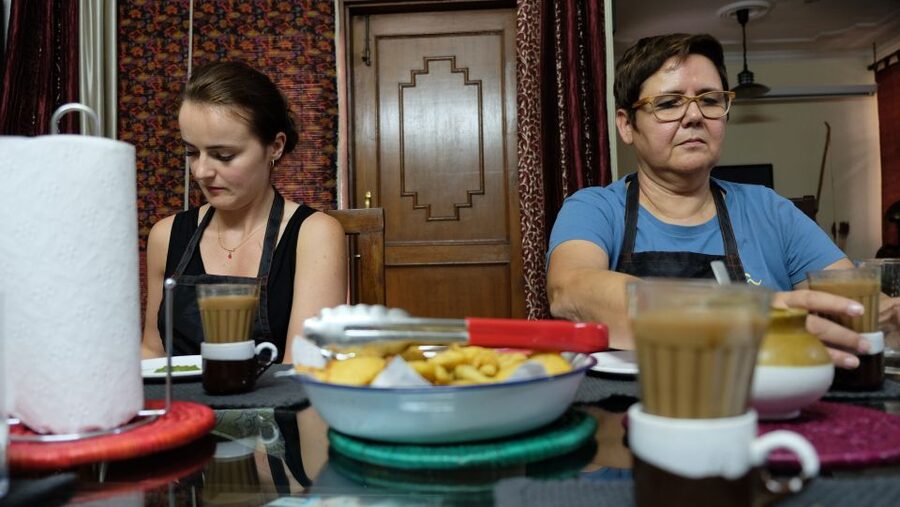
The class is led in English or Hindi by a local chef. Shikha is named as one of the instructors, and her welcoming manner and clear explanations were especially praised. That matters in a cooking class because a friendly teacher can make it easier for you to ask basic questions about spice levels, technique, and unfamiliar ingredients.
The group is limited to six people. I consider that a strong feature at this price because you are more likely to get direct help while chopping, mixing, kneading, or preparing a tempering. A larger group could turn the class into a demonstration where only the people nearest the counter get to participate.
The exact order of activities can vary, but you should expect a lesson built around several dishes rather than one long recipe. The chef explains the role of spices, the effect of different ingredients, and some of the social and health significance of Indian foods. Those points give the cooking a useful cultural setting without turning the class into a lecture.
Learning the logic behind Indian spices
For many people, the most useful part of the class is not memorizing a spice list. It is learning how spices are used in different stages of cooking.
You can expect discussion of proper spice use and the way one ingredient affects another. Tempering is also highlighted in the experience, and it is an important technique in many Indian kitchens. Spices are heated in oil or another cooking medium so their flavor spreads through the dish. The timing and order matter, and a local chef can explain the difference more clearly than a recipe alone.
The class also helps you understand why Indian food is not simply hot food. Heat, fragrance, sweetness, sourness, texture, and the character of lentils or vegetables all play different roles. You may leave with a better sense of how to adjust a dish instead of adding more chili whenever the flavor feels flat.
A spice gift pack is included. This is a modest extra, but it adds real value because you can use the spices to repeat some of the techniques at home. The pack also gives you a practical reminder of the lesson, rather than leaving you with only photographs and a full stomach.
Same place, a different thing to cook:
- Indian Cooking Class in an Authentic Local Home – Learn 6 Dishes
★ 5.0 · 195 reviews - Durga Cooking Class
★ 5.0 · 159 reviews - Private Guided Cooking Workshop Experience in Jodhphur
★ 5.0 · 158 reviews - Jaipur Market Tour & Vegetarian Rajasthani Home Cooking Class
★ 5.0 · 113 reviews
Making pakoda and chutney from scratch
The sample menu begins with pakoda and chutney. Pakoda are fritters, and they offer a useful introduction to texture, seasoning, and frying. You learn how the mixture should come together and how the chutney provides contrast.
This first course is also a good way to see how Indian meals balance crisp food with fresh or strongly seasoned accompaniments. The chutney is not just decoration. It can change the whole bite by adding another layer of taste and texture.
The information does not specify the exact vegetables or recipe used, so you should not expect one fixed version every time. That is a reasonable feature of a home-based class, where the chef may choose ingredients from a local cuisine or use what is suitable for the session.
Rolling roti, parantha, or puri
The bread portion covers roti and parantha or puri. These breads look simple, but they require attention to dough, shaping, and cooking. You get a chance to work with more than one style of Indian bread and see how the methods differ.
Roti is generally a flatbread cooked without deep frying, while parantha and puri offer different textures and cooking methods. The class description does not promise every bread on every day, so the exact selection may depend on the session. Still, this part should give you a useful sense of how bread supports a meal instead of serving as an afterthought.
For you, the value is in learning a repeatable kitchen skill. A dish that requires a long list of rare ingredients can be hard to recreate at home. Flatbreads are different. Once you understand the dough and technique, you can practice them again with ordinary ingredients.
Preparing one or two daals
The class includes one or two lentil dishes. Daal is a central part of many Indian meals, and learning it gives you a solid base for future cooking. You should learn how lentils are cooked, seasoned, and finished with spices.
The class places special attention on tempering, which is often the step that gives daal its final character. A plain pot of lentils can become fragrant and layered once seasoned oil and spices are added at the right point.
The menu allows for one or two daals, not a guarantee of every possible lentil preparation. That distinction is worth keeping in mind if you are booking mainly for a particular regional recipe. The broader goal is to understand the method and the role of seasoning.
Cooking one or two vegetable dishes
The vegetable course adds another main component to the meal. The exact dishes are not listed, but the class focuses on vegetarian food from a few Indian cuisines.
This is helpful if you want to understand how Indian cooks make vegetables the center of a meal. The lesson is not built around using meat to carry the flavor. Instead, you learn how spices, cooking time, texture, and accompaniments make vegetables satisfying.
You should ask about dietary needs before attending if you have allergies or strict restrictions. The provided details confirm a vegetarian focus, but they do not list every ingredient or promise a specific allergy-free menu.
Ending with masala chai and a local sweet
Masala chai is included, along with kheer or halwa. These drinks and desserts bring the session to a natural close and show how Indian cooking uses spices beyond savory dishes.
Making chai can teach you how tea, milk, sweetness, and spices are balanced. Kheer and halwa offer two different approaches to dessert, though the exact sweet served may vary. Since the menu says one or two local desserts, you may prepare more than one, but you should not assume both will always appear.
The food is not simply something to taste while standing at a counter. At least one meal, snacks, and non-alcoholic drinks are included. That makes the five-hour length easier to manage and gives you time to sit down and enjoy the results.
Is $60 a fair price?
At $60 per person, the class is not the cheapest food activity in New Delhi. It becomes better value when you count what is included: five hours of instruction, a local chef, hands-on preparation, at least one meal, snacks, non-alcoholic drinks, and a spice gift pack.
The small group also matters. Six people is a manageable number for a cooking lesson, especially when everyone needs time with dough, spices, and pans. You are paying for personal attention and cultural context, not only for a meal.
You should also count transport separately. Since hotel pickup and drop-off are not included, your total cost will be higher than the advertised price. The location may make this less convenient for some visitors, but it is part of the tradeoff for visiting a chef’s home in Dwarka.
Alcohol is not included. That is unlikely to matter if your main goal is cooking, but it is worth knowing that the meal comes with non-alcoholic drinks instead.
Who will enjoy this class most?
I would recommend this experience to anyone who wants to understand Indian food through basic techniques rather than a quick tasting. It suits curious home cooks, couples, families, and small groups who prefer direct instruction and a meal they help prepare.
Vegetarians should find the standard menu especially suitable. You can ask about meat dishes in advance, but they are not part of the normal class. People looking for a highly specific recipe should also confirm the menu before booking, since the sample dishes may vary.
This may not suit you if you want a central Delhi activity with hotel transport included. It is also a poor fit if you dislike spending several hours cooking, or if you want a restaurant-style meal with no practical work. The class asks you to take part.
The activity is wheelchair accessible, which is useful for visitors who need that feature. Still, the available information does not describe every part of the route from the Metro station to the home, so you should confirm any detailed mobility needs before booking.
Booking, timing, and cancellation details
The activity lasts five hours, and you need to check availability for starting times. The instructor speaks Hindi and English, and the small group is capped at six participants.
You can reserve now and pay later, which helps if your Delhi schedule is still changing. Free cancellation is available up to 24 hours in advance for a full refund. Those terms make it easier to fit the class into a busy itinerary, but you still need to allow enough time for the journey to Dwarka.
Should you book the Dwarka cooking class?
Book it if you want a personal, practical introduction to vegetarian Indian cooking and do not mind traveling across New Delhi for it. The strongest reasons are the small group, the home setting, the clear focus on spices and tempering, and the chance to take home a spice pack.
Think twice if you are staying far from Dwarka, have limited time, or expect hotel transfers to be included. For most food-focused visitors, though, the extra taxi time can make sense. Five hours gives you enough room to cook several dishes, eat properly, ask questions, and leave with skills you can use long after your Delhi trip.
FAQ
How long does the cooking class last?
The class lasts five hours.
Where does the experience meet?
The meeting point is in front of Dwarka Sector 22 Metro station in New Delhi.
Is hotel pickup and drop-off included?
No. Hotel pickup and drop-off are not included.
What language does the chef speak?
The instructor speaks Hindi and English.
How many people can join the class?
The group is limited to six participants.
What food is included?
The experience includes at least one meal, snacks, and non-alcoholic drinks. The sample menu includes pakoda, chutney, roti, parantha or puri, one or two daals, one or two vegetarian dishes, masala chai, and kheer or halwa.
Are meat dishes included?
No. The standard class focuses on vegetarian Indian food. Meat dishes can be added if requested in advance.
Are spices provided to take home?
Yes. A gift pack of essential spices is included.
Is the activity wheelchair accessible?
Yes. The activity is listed as wheelchair accessible.
Can I cancel for a full refund?
Yes. You can cancel up to 24 hours in advance for a full refund.
Just added around India
- Private tour to learn Traditional Indian Art, craft & Cooking★ 5.0 · 4 reviews
- Chennai Super Market Tour and Cooking Class with a Fun Local★ 5.0 · 9 reviews
- Neighborhood Market Tour & South Indian Cooking Class in Chennai★ 5.0 · 7 reviews
- Traditional Chettinad Cooking Class in a Local Home near Chennai★ 4.5 · 12 reviews
- Chennai Dosa Making Class & Home-Dining Experience with Jyashree★ 5.0 · 8 reviews
- Cooking experience in Bangalore, a half day tour★ 5.0 · 5 reviews
- Discover Bangalore’s Cuisine: Private Half-Day Cooking Experience★ 5.0 · 3 reviews
- Traditional Gowda Cooking Class and Meal in a Bangalore Home★ 5.0 · 31 reviews
Cooking Classes, compared.

Half-Day Thai Cooking Class at Organic Farm in Chiang Mai
Read our review →

3 in 1 Cooking Class near Navona: Fettuccine, Ravioli & Tiramisu
Read our review →
Pasta & Tiramisu Cooking Class with Unlimited Wine
Read our review →
Hanoi Cooking Class: Culture, Local Market & Meaning CSR Impact
Read our review →
5 Traditional Dishes Hanoi Cooking Class with Market Trip
Read our review →
Cooking Class and Lunch at a Tuscan Farmhouse with Local Market Tour from Florence
Read our review →
Cooking Class, Market & Thai Herbs Garden Tour
Read our review →Lists this class appears in