
REVIEW · CAMPANIA, ITALY
Naples: Hands-On Pasta Class Making Gnocchi & Tagliatelle
Fresh pasta tastes better when you make it. This two-hour Naples class puts you at the table with a local chef to shape soft potato gnocchi, roll pasta dough, and eat the results in the city’s historic center. I like the hands-on format, and I like that your meal includes a local appetizer and a drink, not just a demonstration. The main point to check is the pasta menu: the experience is described as gnocchi and tagliatelle, while the inclusions also mention fettuccine and ravioli.
The class costs $41 per person, a fair price for instruction, food, a drink, equipment, and a chef diploma. I also appreciate the lively teaching style reported with chefs Daniele, Alex, and Lucas, who kept the class moving and fun. It may not suit you if you need wheelchair access, and anyone under 18 must attend with a parent or legal guardian.
Key points to know before you book
- You make two pasta styles by hand: Expect potato gnocchi plus long fresh pasta, with tagliatelle and fettuccine used in the description.
- The food is part lesson, part lunch or dinner: You prepare the pasta, make tomato sauce, then sit down to eat what you cooked.
- San Marzano tomatoes anchor the sauce: The recipe uses DOP tomatoes, extra virgin olive oil, basil, and sea salt.
- The class is in central Naples: Naplesbay Cooking Lab is near the Duomo Cathedral, making it easy to fit into a day in the historic center.
- A drink and appetizer are included: You receive one alcoholic or non-alcoholic drink, plus a local appetizer during the class.
- The tone is social and active: You will be cooking much of the time, rather than standing back and watching a chef work.
What this Naples pasta class is really like
This is a compact cooking experience built around two Italian pasta traditions. You start at Naplesbay Cooking Lab, in the historic center a short walk from the Duomo Cathedral. That location matters because you do not need to spend half your day crossing the city for a two-hour activity.
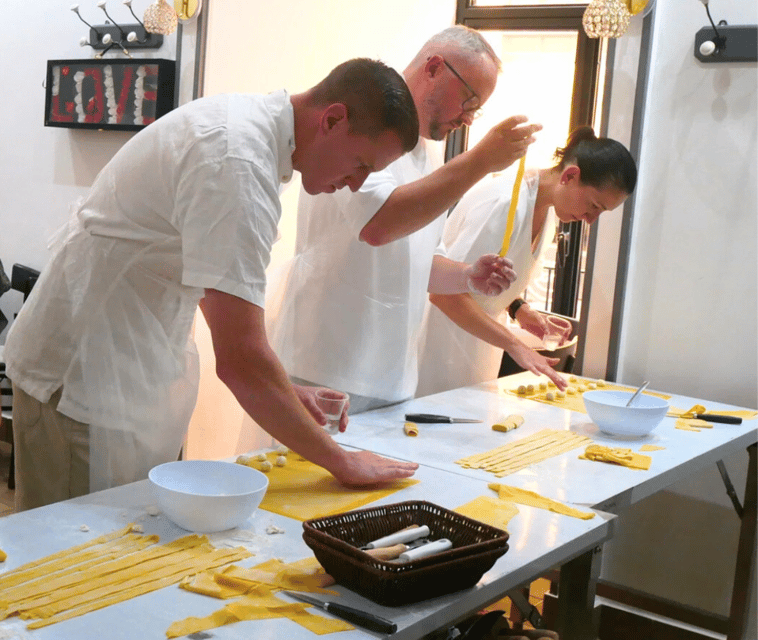
The class focuses on simple ingredients and traditional methods. You work with potato dough for gnocchi, then mix and knead pasta dough before rolling and cutting it into long ribbons. A local chef guides each stage, explains the small details, and shares family cooking traditions from Naples.
The tone appears to be relaxed rather than formal. Chef Daniele is described as funny and good at keeping the pace moving, while Chef Alex is noted for being attentive and ready to answer questions. Lucas also received warm praise for making a family group feel welcome and helping them pick up useful tricks.
You should expect an active class. You are not simply watching a pasta demonstration while someone else does the difficult work. You handle the ingredients, use the kitchen tools, and take part in shaping the meal.
More Pasta Making Classes in Naples
- Naples: Pasta Making Class with Starter and Drink
★ 4.9 · 1,060 reviews - Naples: Pasta Cooking Class with Tiramisù and a Drink
★ 4.6 · 415 reviews - Amazing Pizza and Pasta Class at Savio’s kitchen cooking school
★ 5.0 · 104 reviews
Making soft potato gnocchi from scratch
Gnocchi is the star of the class. These small potato dumplings look easy, but texture makes or breaks them. Too much flour can make them heavy. Too little structure can leave them falling apart in the pot.
The chef shows you how to work toward a light, tender result that can hold sauce without becoming dense. That is a useful lesson because gnocchi often seems simpler than it is. At home, the most common mistake is treating the dough like bread dough and working it too much.
You will shape the potato mixture into pieces suitable for cooking and sauce. The exact shaping tools and method can vary, but the supplied kitchen tools and apron are included, so you do not need to arrive with equipment.
This part should appeal to you if you enjoy learning the reason behind a dish, not just copying a recipe. The chef’s advice on texture is more valuable than a list of ingredients alone. You leave with a better sense of how the dough should feel in your hands.
Rolling and cutting the fresh pasta
The second task moves from potatoes to flour and dough. You mix and knead the pasta, roll it out, and cut it into long, silky ribbons. The experience describes these as tagliatelle, though fettuccine is also used in the details.
For a visitor, this is one of the most satisfying parts because the change is visible. A rough mass of dough becomes smooth, thin pasta ready for the pot. Traditional tools and professional techniques help you see how fresh pasta gets its shape without relying entirely on modern machines.
The wording also mentions ravioli among the included pasta preparations. Since the main description centers on gnocchi and tagliatelle, I would confirm the exact second pasta when you book. Tagliatelle and fettuccine are similar long ribbon pastas, while ravioli is a filled pasta and would make for a different lesson.
That small inconsistency does not ruin the experience, but it matters if you are choosing the class mainly to learn filled pasta. Ask the provider what will be prepared on your chosen date.
The tomato sauce uses Naples’s strongest ingredients
While the dough is being prepared, you make a fresh tomato sauce. The listed ingredients are San Marzano DOP tomatoes, extra virgin olive oil, basil, and sea salt. That is a short list, and that is the point.
San Marzano tomatoes are closely linked with Campania, the region around Naples. The DOP designation identifies a protected product made under specific regional standards. You are not dealing with a complicated sauce full of distractions. The class shows how good tomatoes, oil, herbs, and careful cooking can carry a meal.
As the sauce cooks, the room fills with the smell of tomato and basil. This gives the class a natural rhythm. You prepare the dough, let the sauce develop, then return to the pasta before sitting down to eat.
The lesson is useful for home cooks because a sauce like this is realistic to repeat. You do not need a long ingredient list or special equipment. The quality of the tomatoes and the handling of the pasta do much of the work.
Same place, a different thing to cook:
- Naples: Neapolitan Pizza and Tiramisu Cooking Class
★ 4.9 · 258 reviews - Naples Pizza and Tiramisu Cooking Class
★ 5.0 · 173 reviews - Naples: Traditional Italian Food Cooking Class at Restaurant
★ 4.8 · 106 reviews - Naples Pizza Class: Learn, Bake & Eat the Authentic Pizza Taste
★ 5.0 · 103 reviews
An appetizer, a drink, and your own pasta
The meal begins with a local appetizer served during the experience. You also receive one alcoholic or non-alcoholic drink, with local wine mentioned as a pairing for the finished pasta.
That extra food makes the $41 price easier to judge. You are paying for a class, but you are also receiving a small meal, a drink, kitchen equipment, an apron, and instruction. The class ends with lunch or dinner made from the pasta you prepared, rather than a token taste.
The final meal is also where the social side becomes clear. You sit down with the other participants and eat the gnocchi and ribbon pasta with sauce. One particularly appealing detail is that people leave with a full belly and a sense that they made something worth eating, not just something decorative for a photograph.
If you have a large meal planned immediately afterward, keep the class portions in mind. The experience includes an appetizer and two pasta dishes, so it is designed to function as a meal.
Why the teaching style matters
Cooking classes can go wrong in two ways. The chef can move so quickly that beginners feel lost, or the lesson can become so technical that the fun disappears. The available feedback points to a useful middle ground here.
Chef Daniele is described as keeping things moving with humor, without allowing the class to become boring or overly technical. That balance matters in a two-hour session. You have enough time to learn, but not enough time for a long culinary lecture.
Chef Alex is described as attentive and available for questions. That is especially useful when several people are working with dough at once. Pasta requires hands-on correction, and a chef who watches the process can help you avoid turning the dough too dry or too thick.
Lucas received praise for helping a family learn practical tricks. That suggests the class works for mixed skill levels. You do not need previous pasta-making experience, and you should not feel that the class is aimed only at serious cooks.
The language options are Italian, English, Spanish, and French. This gives you a reasonable chance of following the explanations in a language you understand well. Still, cooking is physical and visual, so watching the chef’s technique will remain important even when language is not your first concern.
The historic-center setting and practical details
The meeting point is Naplesbay Cooking Lab, near the Duomo Cathedral in central Naples. Plan to arrive with enough time to find the lab without rushing. The location is convenient for combining the class with a walk through the old center.
A free luggage deposit is included. That can help if you are moving between accommodations or have bags with you during the day. I would still confirm the exact storage arrangements when you arrive, especially if you are carrying valuables.
The experience lasts two hours, which makes it easy to fit into a busy Naples schedule. It can work as a midday meal or an early evening activity. The set length also keeps the class from taking over an entire sightseeing day.
The activity is not wheelchair accessible. That is an important limitation, not a minor footnote, so check the physical setup before reserving if you have mobility needs. Participants under 18 must be accompanied by a parent or legal guardian.
You can cancel up to 24 hours before the start for a full refund, and the reserve-now, pay-later option keeps your plans flexible. Those policies are useful in Naples, where transport delays and changing schedules can affect a short stay.
Is $41 good value for Naples?
At $41 per person, this is good value if you want both a cooking lesson and a proper meal. The price covers two hours of instruction, kitchen tools, an apron, a chef’s hat, an appetizer, one drink, and the pasta you prepare.
You also receive a chef diploma as a souvenir. It is a small touch, but families and first-time cooks may enjoy taking home a reminder of the experience. The more important souvenir is the technique, especially the feel of gnocchi dough and the process of rolling fresh pasta.
The value is strongest for people who would otherwise pay separately for lunch and a short activity. You are not just eating pasta in Naples. You are learning how the dish comes together and then eating your own work.
The value is less clear if you want an advanced culinary course. The class is designed for a broad audience, with humor, simple explanations, and a social atmosphere. It gives you useful foundations, but not a professional kitchen qualification.
Who will enjoy this class most?
I would recommend it to families, couples, solo visitors who like meeting people, and anyone who wants a break from churches and museums. It also makes sense on a rainy day. A wet afternoon in Naples becomes far more pleasant when you are kneading dough, laughing with the group, and eating a warm meal afterward.
The class suits beginners because the chef leads each step. It also works for home cooks who want to improve their pasta technique without committing to a full-day course.
Food-focused visitors will appreciate the focus on Campania ingredients and the use of San Marzano DOP tomatoes. You get a clear lesson in the Neapolitan preference for good ingredients prepared simply.
I would hesitate to recommend it to someone seeking a quiet, private meal or a highly specialized pasta workshop. The social format, group energy, and broad teaching style are part of the appeal. If you prefer a private chef and a tailored menu, this may feel too general.
Should you book the Naples pasta class?
Book it if you want an affordable, active food experience close to the Duomo. The strongest reasons are the hands-on work, the generous meal, the local ingredients, and the chefs’ light teaching style. You will leave with practical pasta skills, a full stomach, and a recipe you can try at home.
Before paying, confirm whether your session includes tagliatelle, fettuccine, or ravioli alongside the gnocchi. That is the only notable point that needs clarification. If the class menu suits you and you do not need wheelchair access, $41 is a sensible spend for two hours of cooking and dinner in central Naples.
FAQ
How long does the pasta class last?
The class lasts two hours. Starting times vary, so you need to check availability for your preferred date.
Where does the class meet?
It meets at Naplesbay Cooking Lab in the historic center of Naples, a short walk from the Duomo Cathedral.
What pasta will I prepare?
The main description lists potato gnocchi and fresh tagliatelle. Other details also refer to fettuccine and ravioli, so confirm the exact second pasta with the provider before booking.
Is a meal included?
Yes. You eat the pasta you prepare as lunch or dinner, and a local appetizer is served during the experience.
Is a drink included?
Yes. One alcoholic or non-alcoholic drink is included. Local wine is mentioned as a pairing with the pasta.
Which languages are available?
The class is offered in Italian, Spanish, French, and English.
Is the activity wheelchair accessible?
No, the activity is not wheelchair accessible. Participants under 18 must attend with a parent or legal guardian.
Just added around Naples
- Naples: 3 Recipes Cooking Class at Local’s Home★ 4.8 · 5 reviews
- Naples: Pasta and Tiramisu Cooking Class with Local Chef★ 4.9 · 50 reviews
- Naples: Traditional Italian Food Cooking Class at Restaurant★ 4.8 · 106 reviews
- Naples: Fresh Pasta Cooking Class and Dinner with a Local★ 4.9 · 69 reviews
- Naples: Markets and Cooking Class at Local’s Home★ 4.7 · 3 reviews
- Naples: Pasta and Gelato Cooking Class★ 4.9 · 8 reviews
- Cooking Lesson: Neapolitan pasta homemade★ 4.8 · 4 reviews
- Cooking Class with Chef Alfio★ 5.0 · 3 reviews
Pasta Making Classes, compared.


3 in 1 Cooking Class near Navona: Fettuccine, Ravioli & Tiramisu
Read our review →
Pasta & Tiramisu Cooking Class with Unlimited Wine
Read our review →
Pasta Making Class with Wine, Limoncello, and Dessert
Read our review →
Rome Cooking Class: Make Pasta and 3 Spritz Cocktails
Read our review →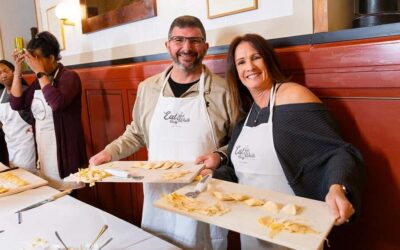
3-in-1 Fettuccine, Ravioli, and Tiramisu Cooking Class
Read our review →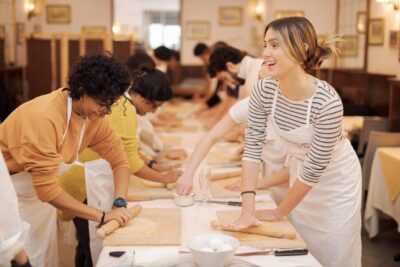
Fettuccine Pasta Cooking Class in Rome’s City Center
Read our review →Lists this class appears in