
REVIEW · MAHARASHTRA, INDIA
Mumbai Coastal Cooking: From Fishing Net to Flavourful Plate
Mumbai’s best food stories begin near the water. This three-hour private experience combines a visit to an old fishing village, a tuk-tuk ride, a fish market walk, and a home cooking class for $21 per person. You get a close look at a side of Mumbai that is easy to miss among the city’s grand stations, busy roads, and famous sights.
I especially like the chance to meet local fisherwomen in colorful sarees and watch traditional net weaving before sitting down to cook. I also like the personal scale: host Kavitha speaks excellent English, and her husband Ravi may join the meal and conversation. The main point to consider is that access to the fishing village can change. When restrictions closed the village to one booking, the experience shifted to several hours of cooking and conversation at Kavitha’s home, which still proved deeply rewarding.
- A personal welcome from Kavitha: Cook in a local home rather than a formal school kitchen.
- Mumbai seafood from market to plate: Prepare fish curry, fried fish, roti or chapati, and other coastal dishes.
- A look at fishing traditions: See boats, net weaving, fishing methods, docks, and the daily fish trade.
- A tuk-tuk ride through local Mumbai: Travel between the meeting point and the fishing community by auto-rickshaw.
- A private three-hour format: Ask questions freely and shape the conversation around food, family, and local life.
- A flexible plan: Village access may sometimes be restricted, with the cooking session becoming the main event.
Why This Experience Feels Different
Many Mumbai food activities keep you at a restaurant or cooking studio. This one begins with the people and places behind the meal. You see how fishing supports a community, how seafood reaches the market, and how a home cook turns everyday ingredients into a proper meal.
That connection matters. Fish curry tastes better when you understand the work behind the fish, the market where it was bought, and the household traditions that guide the cooking. You are not simply shown a recipe. You are invited into a conversation about food and daily life in Mumbai.
The experience is also private, so you are not trying to hear a host over a large group. If you are curious about Indian food beyond restaurant menus, you can stop and ask about spices, preparation methods, bread, family habits, and the differences between dishes.
There is a small but important caveat. The advertised route is not guaranteed in every case. Access restrictions prevented one planned village visit, and the group instead spent about three to four hours at Kavitha’s home. That change may disappoint you if the fishing village is your main reason for booking, but it can also give you more time with the host and a closer look at ordinary home life.
Starting with Mumbai’s Fishing Heritage
Mumbai began as a group of seven islands, and fishing was an important occupation long before the modern city spread across them. This experience uses that history as a starting point, taking you toward one of the city’s oldest fishing settlements.
You meet at a designated point, which can vary according to the option you book. From there, a tuk-tuk carries you toward the fishermen’s village. The ride is part of the experience, not just a way to fill the gap between stops. An auto-rickshaw puts you close to street life and lets you see the city at a slower, more immediate pace than a private car.
The route includes a historic festive ground linked with British history. The information provided does not specify the exact story connected with the ground, so you should think of it as a brief heritage stop rather than a full history lecture. The value comes from seeing how an old community space fits into the modern city.
Your English-speaking host or greeter helps make the setting easier to understand. Since this is a private group, you can ask for context as you go instead of saving every question for the end.
A few more cooking classes around India worth a look
- Cooking Class Hoi An:Local Market, Basket Boat, Fishing & Cooking
★ 5.0 · 3,660 reviews - Hoi An Cooking Class(Local market,Basket Boat,Fishing & Cooking)
★ 5.0 · 1,323 reviews - Hoi An: Market Experience with Optional Fishing and Cooking
★ 4.7 · 928 reviews
Boats, Nets, and the Work Behind the Meal
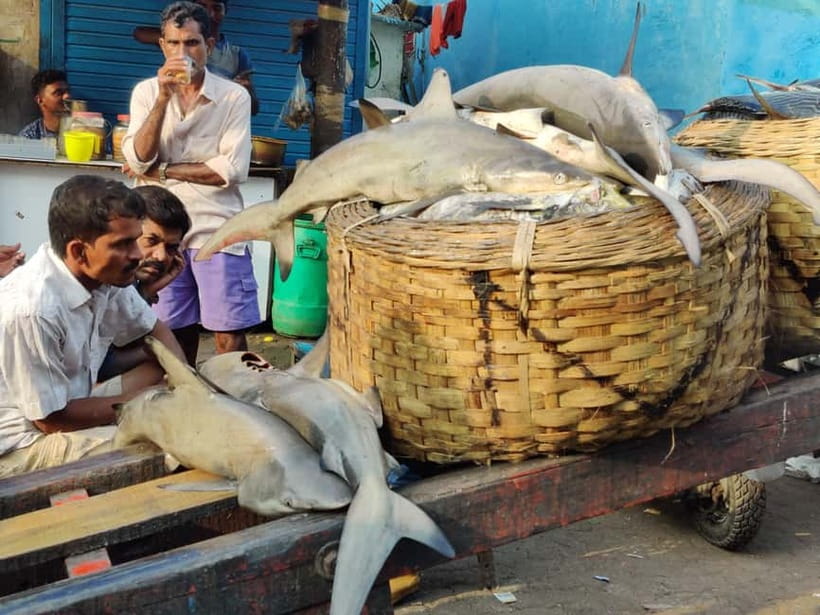
At the local beach, you can see fishing boats and observe the equipment used by the community. The focus is not on a staged performance. You are watching practical skills connected to work, food, and family income.
Net weaving is one of the more unusual parts of the outing. It gives you a better sense of the care required before a catch ever reaches the market. You also see traditional fishing techniques and walk through the fishermen’s docks.
This section suits anyone who likes to understand how a place functions. It is less polished than a major Mumbai attraction, which is precisely the point. Docks, boats, nets, and market activity show you the working side of coastal life.
You should keep your expectations sensible. The activity lasts about three hours in total, so the village and dock visits cannot be long, detailed field studies. Think of them as a compact introduction before the cooking session takes center stage.
The Fish Market and Its Daily Rhythm
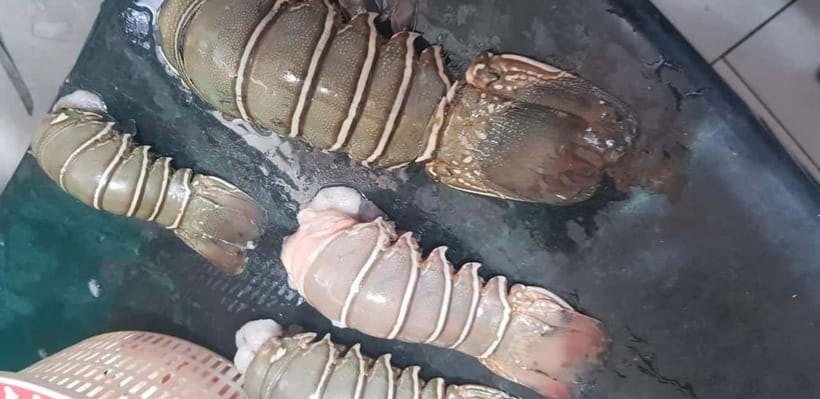
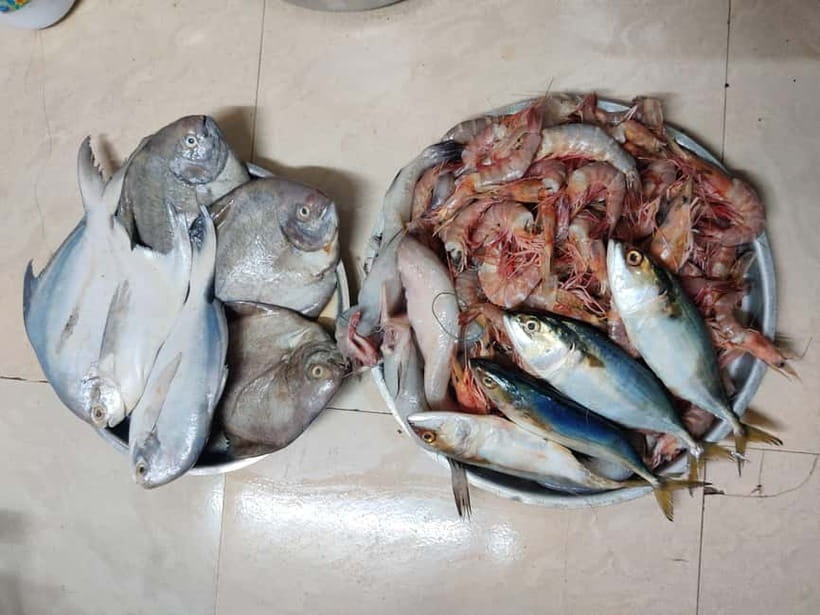
The fish market offers the strongest link between the fishing community and your meal. You walk among sellers, fresh catches, and local shoppers, with fisherwomen in colorful sarees forming much of the scene.
A market can be more revealing than a museum because it shows what people buy, sell, cook, and eat that day. You get a sense of the social side of seafood, not just the ingredients. The atmosphere may be lively and crowded, and you should be ready for the smells and close movement that come with a working fish market.
The host’s presence is especially useful here. Local markets can feel confusing when you do not know the names of the fish or the customs around buying them. With English guidance, you can ask questions and connect the market items to the dishes you later prepare.
The market visit may not happen in exactly the same form every time. One booking involved shopping in a real residential area reached by metro rather than following the original village route. That change brought the cooking experience closer to normal local routines, but it also shows why you should allow some flexibility in your expectations.
Cooking Fish Curry in Kavitha’s Home
The heart of the experience is the cooking session with Kavitha. Instead of standing at a demonstration counter while someone else does the work, you can help prepare the meal and follow each stage up close.
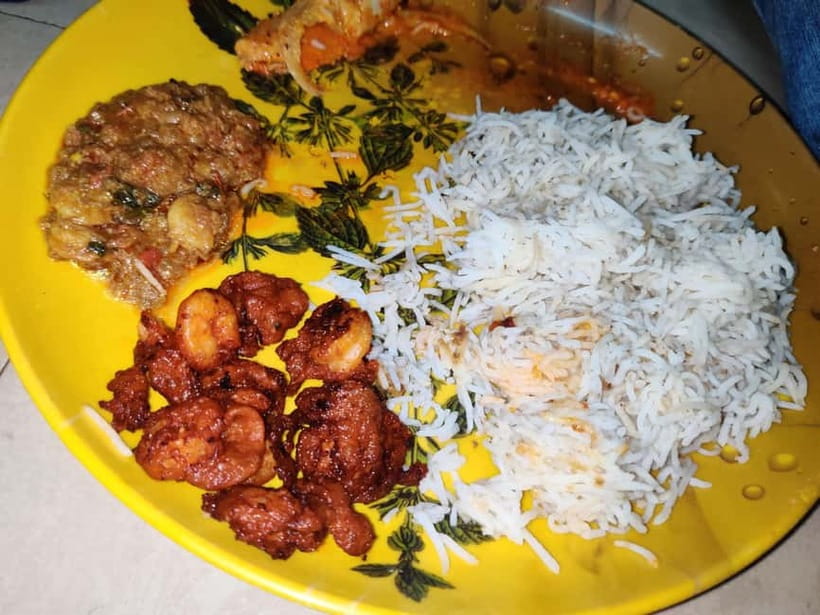
The menu can include fish curry, fried fish such as mandeli, rice, roti, chapati, chicken dishes, local fisherman’s bread, and a sour-spicy drink. Not every dish is guaranteed on every booking, since the exact plan may depend on the host and available ingredients. Still, the emphasis is clear: this is a coastal Indian meal built around home cooking rather than restaurant presentation.
Kavitha’s teaching style is patient and practical. One participant helped fry a batch of mandeli, while another learned about fish curry, fried fish, roti, and chapati. You can expect guidance with the steps, not just a plate placed in front of you.
The meal itself becomes a lesson in balance. Fish curry brings the main coastal flavor, while rice and bread make it a complete home meal. Fried fish offers a different texture, and the sour-spicy drink adds another sharp note. These details help you understand how a household meal is assembled, rather than treating each dish as an isolated recipe.
You should not book this as a professional cooking course. The experience is short, personal, and informal. You are learning through conversation and participation, not receiving a formal certificate or technical training.
Same place, a different thing to cook:
- Pink City Cooking Class
★ 5.0 · 452 reviews - Five Course Cooking Class & Meal
★ 5.0 · 250 reviews - Veg and Non veg : Private Cooking Class in Delhi home (7 meal)
★ 5.0 · 226 reviews - Indian Cooking Class in an Authentic Local Home – Learn 6 Dishes
★ 5.0 · 195 reviews
The Conversation Is Part of the Meal
The strongest part of this activity may be the time spent talking with Kavitha and Ravi. Kavitha speaks very good English, and the conversation can move well beyond instructions about frying fish or shaping bread.
The hosts talk about life, food, and personal dreams. That makes the visit feel less like a performance for tourists and more like an exchange between people sharing a meal. If you enjoy asking questions and listening, you will get more from this than someone who wants to rush from one photo stop to the next.
A home setting also changes what you notice. You see how food is prepared in an everyday environment, and you gain a more grounded sense of local life. One participant said the visit challenged earlier assumptions about life in Dharavi. That is a useful reminder to avoid judging a neighborhood from the outside. A short conversation over food can correct a lot of lazy impressions.
Of course, a private home visit requires courtesy. Ask before photographing people or household spaces, follow the host’s lead, and remain open to a different pace. This is not a show built around constant entertainment. Some of the best moments may come while the food cooks and conversation wanders.
What $21 Buys You
At $21 per person, the price is strong for a private three-hour activity that combines transport, a fishing village visit, a fish market, and cooking. You are paying for more than ingredients. The cost also covers the host’s time, local access, conversation, and the chance to take part in a meal inside a home.
The value is highest if you would otherwise spend money on separate food and sightseeing activities. A standard meal might give you the taste, while a market visit might give you the setting. This experience connects both, then adds instruction and personal contact.
The price is less compelling if you want a tightly controlled sightseeing tour with every stop guaranteed. Village access can be restricted, and the meeting point may vary by booking option. You should value the human connection and cooking lesson more than a fixed checklist of attractions.
The private format also matters. A larger group may cost less per person, but it usually gives you less time to ask questions or handle the food. Here, the small setting lets you take part at your own pace.
Timing, Language, and Practical Expectations
The stated duration is three hours, although one home-based visit lasted about four hours. Allow a little flexibility if you have another booking afterward. Cooking and conversation do not always stop neatly at the advertised minute.
The host or greeter speaks English, and the main cooking communication is also in English. That makes the activity suitable if you want explanations rather than simply watching a recipe. The available information does not promise a specific language beyond English.
Transportation includes a tuk-tuk ride, and one reported plan used the metro to reach a residential shopping area. The exact transport sequence may depend on the meeting point and the option you choose. Confirm those details when booking, especially if you are planning a tight Mumbai day.
Cancellation is flexible enough for most visitors: you can cancel up to 24 hours before the activity for a full refund, and you can reserve now and pay later. Those terms help if your wider India itinerary is still changing.
The experience is listed for a private group. That makes it a good choice for couples, families, or friends who prefer a direct connection with the host. It may be less suitable if you want a large social group or a formal tour with a microphone and printed schedule.
Who Will Enjoy This Most
I would choose this experience if food is your way into a city. You do not need to be an experienced cook. The cooking is hands-on, but the host provides guidance, and the focus is on learning through doing.
It also suits you if you want a more personal Mumbai experience. The fishing docks, market, and home meal offer a side of the city that is not found in a standard sightseeing circuit.
Couples and small private groups should find the format especially comfortable. You can ask about food, family, local customs, or the fishing trade without competing with a large crowd.
You may want to skip it if you dislike seafood, feel uneasy in working markets, or prefer exact schedules. The meal centers on fish, and the route can change. You should also be comfortable entering a local home and taking part in a relaxed conversation.
Should You Book Mumbai Coastal Cooking?
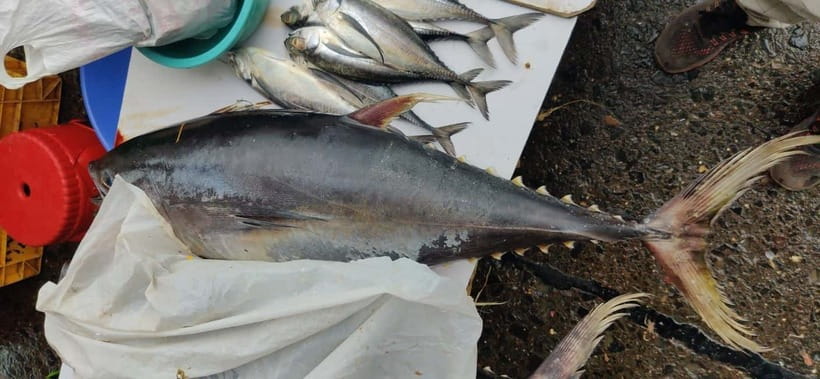
Yes, if your priority is personal contact, home cooking, and a close look at everyday Mumbai life. Kavitha and Ravi’s warm hosting, strong English, and generous conversation are major reasons to book. The fish curry, fried mandeli, rice, roti, and chapati give you a meal you can remember, not just a quick tasting.
Book with a flexible attitude about the fishing village. Access restrictions can redirect the plan toward a longer home session, and that may turn out to be the best part. If you need every advertised stop to happen exactly as written, choose a more conventional city tour. If you want a modestly priced, private experience that connects Mumbai’s fishing traditions with the food on your plate, this is a very good choice.
FAQ
Where does the experience take place?
The activity takes place in Maharashtra, India, in and around Mumbai’s fishermen’s village, local market areas, and a host’s home. The meeting point may vary depending on the option booked.
How long does the activity last?
The listed duration is three hours. Some home-based visits have lasted about four hours, so it is sensible to keep your schedule flexible.
What language does the host speak?
The host or greeter speaks English. Kavitha and her husband Ravi are also described as speaking very good English.
Is the experience private?
Yes. The activity is arranged for a private group.
Is transportation included?
Yes. A tuk-tuk ride is included. Depending on the plan, local transport such as the metro may also be used during the shopping portion.
What food will I learn to prepare?
The cooking can include fish curry, fried fish, rice, roti, chapati, chicken dishes, local fisherman’s bread, and a sour-spicy drink. The exact dishes may vary.
Will I definitely visit the fishermen’s village?
Not always. Access restrictions can prevent the village visit, in which case the experience may focus on cooking and conversation at the host’s home.
Can I cancel the booking?
Yes. You can cancel up to 24 hours in advance for a full refund. You can also reserve now and pay later.
Just added around India
- Private tour to learn Traditional Indian Art, craft & Cooking★ 5.0 · 4 reviews
- Traditional Chettinad Cooking Class in a Local Home near Chennai★ 4.5 · 12 reviews
- Chennai Super Market Tour and Cooking Class with a Fun Local★ 5.0 · 9 reviews
- Neighborhood Market Tour & South Indian Cooking Class in Chennai★ 5.0 · 7 reviews
- Chennai Dosa Making Class & Home-Dining Experience with Jyashree★ 5.0 · 8 reviews
- Cooking experience in Bangalore, a half day tour★ 5.0 · 5 reviews
- Discover Bangalore’s Cuisine: Private Half-Day Cooking Experience★ 5.0 · 3 reviews
- Traditional Gowda Cooking Class and Meal in a Bangalore Home★ 5.0 · 31 reviews
Cooking Classes, compared.

Half-Day Thai Cooking Class at Organic Farm in Chiang Mai
Read our review →

3 in 1 Cooking Class near Navona: Fettuccine, Ravioli & Tiramisu
Read our review →
Pasta & Tiramisu Cooking Class with Unlimited Wine
Read our review →
Hanoi Cooking Class: Culture, Local Market & Meaning CSR Impact
Read our review →
5 Traditional Dishes Hanoi Cooking Class with Market Trip
Read our review →
Cooking Class and Lunch at a Tuscan Farmhouse with Local Market Tour from Florence
Read our review →
Cooking Class, Market & Thai Herbs Garden Tour
Read our review →Lists this class appears in