
REVIEW · QUEBEC, CANADA
Montreal: Cooking Class & Lunch with Michelin-Trained Chef
Great cooking starts with better questions. This private Old Port experience pairs a Michelin-trained chef with a three-course meal shaped by Montreal’s Caribbean, Asian, Persian, French, and Quebecois food traditions. I like the focus on useful skills, especially sauce ratios and flavor building, and I like that you help create the meal rather than simply watch a chef work.
Chef Rob also brings an unusual mix of culinary training and food-writing experience, so the lesson reaches beyond a fixed recipe. The main drawback is timing: the start time can shift between 12:30 and 1:30 p.m. and is confirmed only 24 to 48 hours ahead because of farm deliveries. That matters if you are trying to fit this into a tight sightseeing schedule.
Key things to know before booking
- You cook part of a private three-course menu: Each person collaborates on one course, then sits down to taste the finished meal.
- Sauces get serious attention: You learn professional ratios and how sauces bring balance to a dish.
- Montreal’s food cultures shape the menu: Courses may draw from Caribbean, Asian, Middle Eastern, Persian, French, and Quebecois cooking.
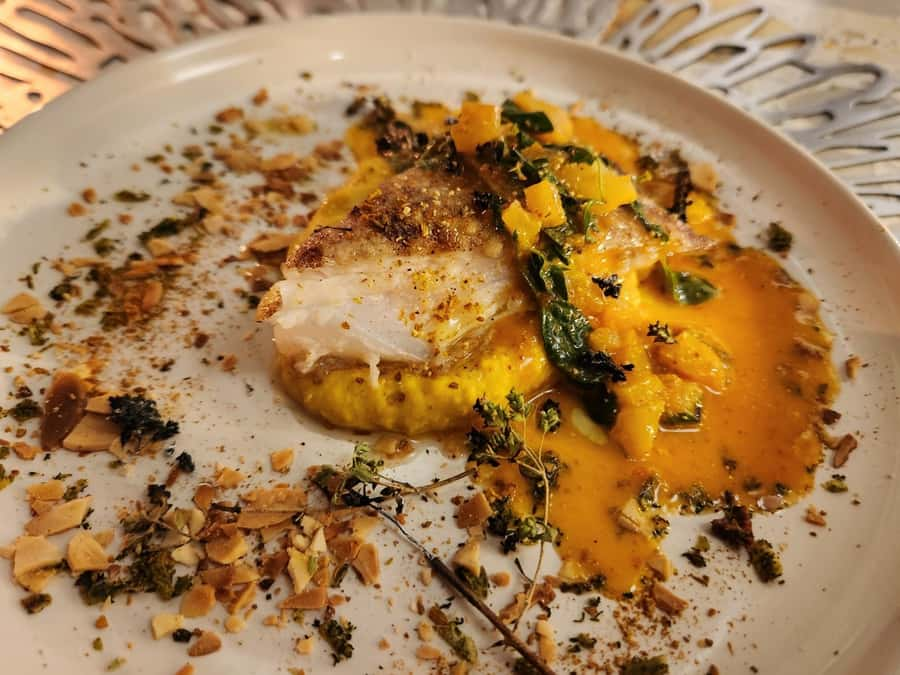
- Chef Rob teaches technique, not just recipes: Searing, pan-roasting, oven poaching, cutting, seasoning, and plating all enter the lesson.
- The class takes place in the Old Port: The meeting point is 375 Rue Saint-Paul East, with a quiet walk upstairs to the private setting.
- The price is $128 per person: That covers 2.5 hours of instruction and a three-course tasting, while drinks are not included.
A cooking class built around Montreal’s mixed food culture
Montreal is a city where French cooking sits comfortably beside Caribbean, Asian, Middle Eastern, Persian, and Quebecois traditions. This class uses that mix as its organizing idea. You are not simply handed a classic French recipe and told to reproduce it. Instead, each course tells part of Montreal’s food story through ingredients, sauces, spices, and cooking methods.
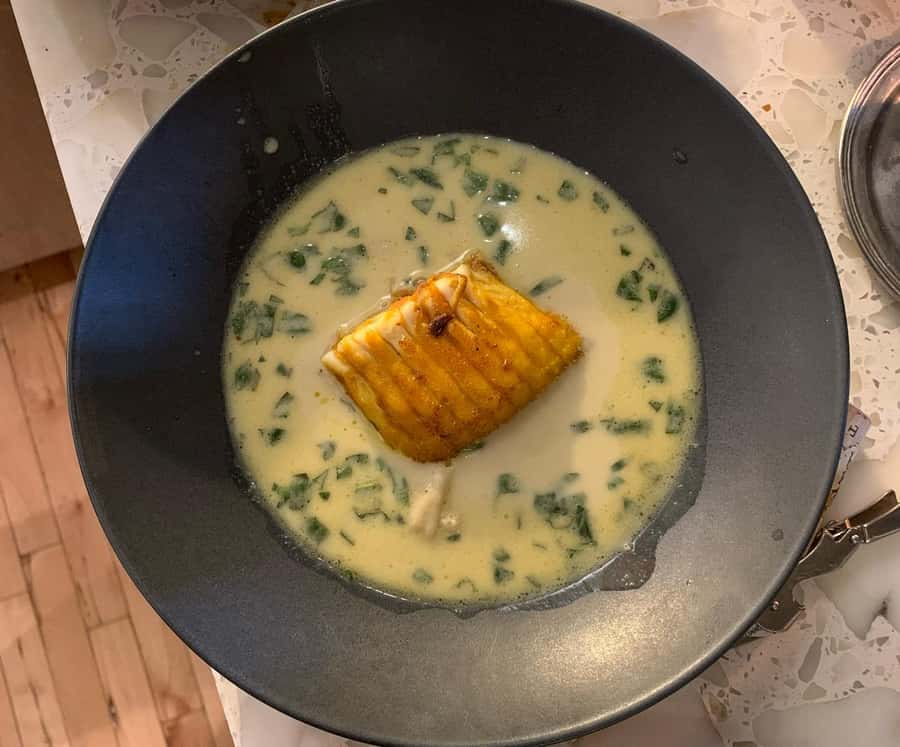
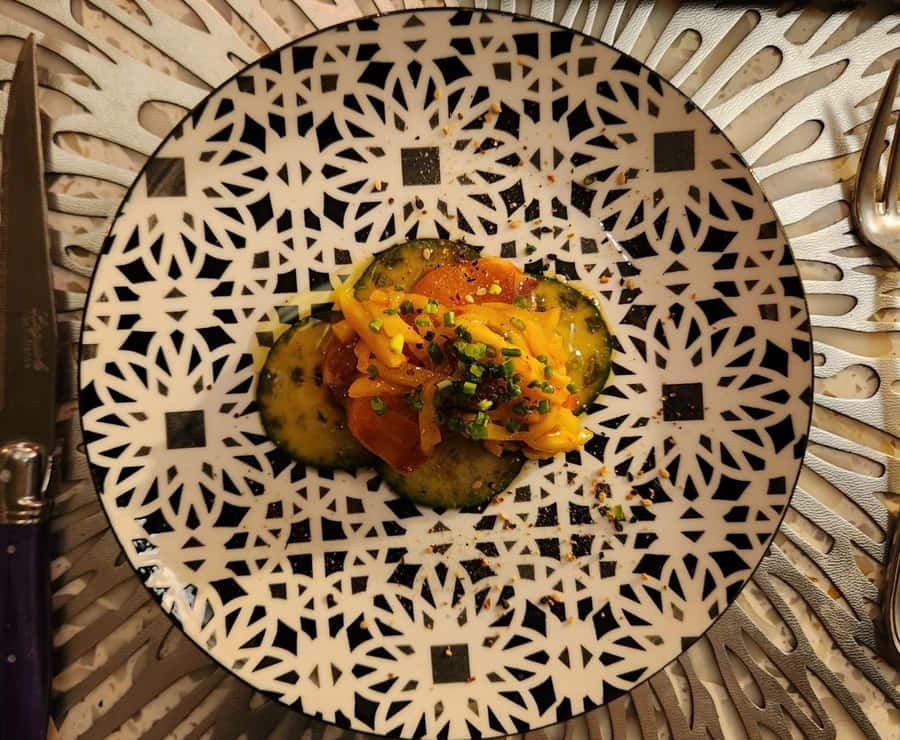
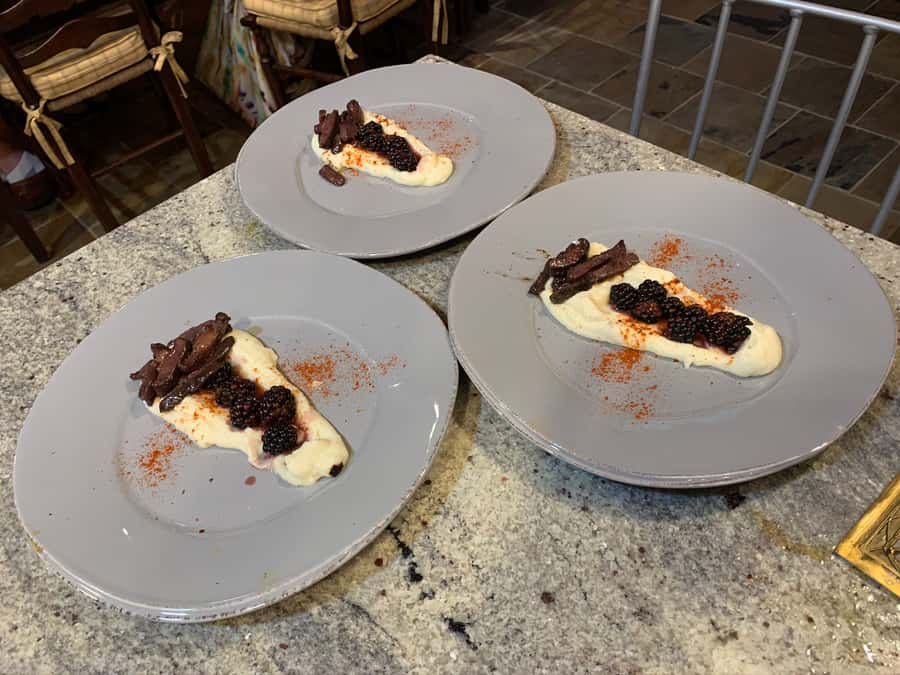
That approach is useful for a home cook. You learn how ingredients work together, rather than memorizing a narrow set of steps. One dish described from the class combined smoked pork belly with cucumber, mango, and Caribbean spices. Another featured salmon with an unusual sauce and carefully paired scallions. These combinations are different enough to feel special, yet practical enough to spark ideas for your own kitchen.
The exact menu changes. That is a strength if you enjoy seasonal cooking, but it also means you should not book expecting one specific dish. Farm and fish deliveries affect the start time and likely help shape what is prepared.
More Lunch Trips in the world:
- Cooking Class and Lunch at a Tuscan Farmhouse with Local Market Tour from Florence
★ 5.0 · 4,831 reviews - Paris Cooking Class and Lunch with Wine plus Market Visit Option
★ 5.0 · 1,024 reviews - Austrian Apple Strudel Cooking Class including Lunch in Salzburg
★ 5.0 · 929 reviews
Meeting Chef Rob in Montreal’s Old Port
The meeting point is 375 Rue Saint-Paul East, in the Old Port area. You text when you are downstairs and buzz number 5. Once inside, you are asked to keep quiet in the hallways while walking upstairs.
This is not a large culinary school with rows of workstations. It is a private group experience in the chef’s home, with a relaxed setting and direct contact with the instructor. That format can be more personal than a standard class, particularly if you want to ask why a sauce broke, how to fix a seasoning problem, or when to stop cooking a piece of fish.
Chef Rob’s teaching style comes through in the practical details. He explains not only what to do, but why an ingredient belongs with another. That distinction is important. A recipe can produce one successful dinner, while an understanding of flavor pairing can help you make many.
The private format also suits mixed-skill groups. A serious home cook can ask detailed questions, while a less confident cook can work through the basics without feeling lost in a large room.
How the 2.5-hour class unfolds
The experience usually takes place in the afternoon and lasts about two and a half hours. It combines instruction, hands-on preparation, and a three-course lunch.
You begin with an introduction to global food cultures and the ideas behind the menu. This gives the meal some context instead of treating each course as an isolated plate. The food may draw on several traditions, but the purpose is not to offer a lecture on every cuisine. It is to show how techniques and flavor pairings travel across borders and appear in Montreal kitchens.
Next comes the hands-on work. Each person collaborates on one course. Depending on the menu, you might practice searing, pan-roasting, oven poaching, cutting, seasoning, or plating. The class is designed around professional habits, so small actions matter: how you slice, when you add spice, how you reduce a sauce, and how you arrange food on the plate.
After cooking, Chef Rob serves the three-course tasting. This is a helpful part of the format because you get to see the finished result from the perspective of a diner. You can compare the balance, texture, temperature, and presentation with the work you helped prepare.
The pace should feel more like a guided lunch than a rushed cooking competition. Still, the activity is not a passive meal. You should arrive ready to participate, ask questions, and handle food preparation.
Why the sauce lesson may be the best part
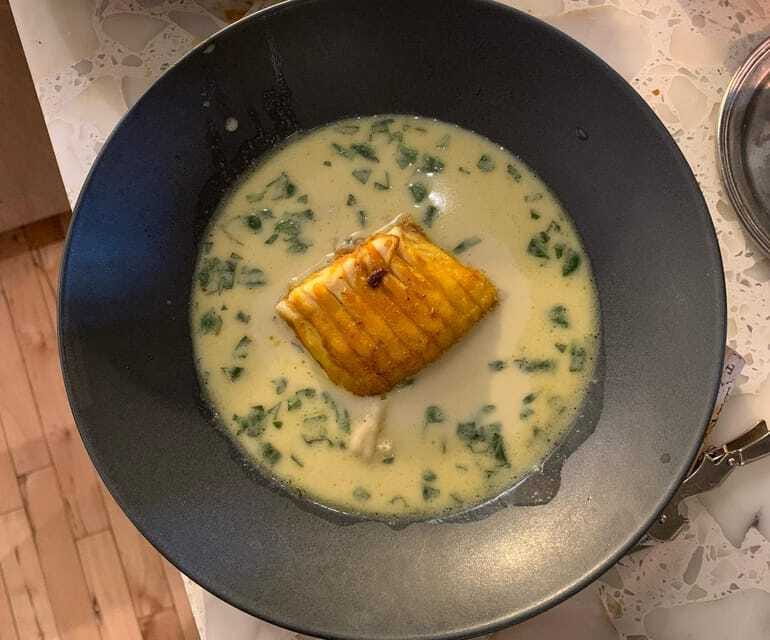
Several aspects of the class deserve attention, but the sauce work may have the greatest value after you return home. Chef Rob teaches professional ratios and explains how sauces are built. That can change the way you cook because a sauce often decides whether a dish tastes flat or complete.
You may work with more than one sauce during the session. The point is not simply to copy ingredients. You learn how acidity, fat, seasoning, sweetness, and texture affect balance. That gives you a way to adjust a dish when the ingredients or quantities change.
The lesson also covers flavor building. Chef Rob takes time to explain why certain ingredients work together, including combinations that may not be obvious at first. One especially useful example involved scallions paired with salmon, even for a diner who normally avoids onions and scallions. The class showed how an ingredient can change when it is treated and matched carefully.
This is the kind of instruction that helps you cook with more confidence. You may leave with fewer exact recipes than you would from a standard demonstration, but you gain a better sense of how to make decisions at the stove.
A few more cooking classes around the world worth a look
- Half-Day Thai Cooking Class at Organic Farm in Chiang Mai
★ 5.0 · 19,087 reviews - Florence: Pasta Cooking Class with Unlimited Wine
★ 4.9 · 10,285 reviews - 3 in 1 Cooking Class near Navona: Fettuccine, Ravioli & Tiramisu
★ 5.0 · 7,376 reviews - Florence: Pasta & Tiramisu Cooking Class with Unlimited Wine
★ 4.9 · 6,708 reviews
Searing, slicing, and plating like a professional
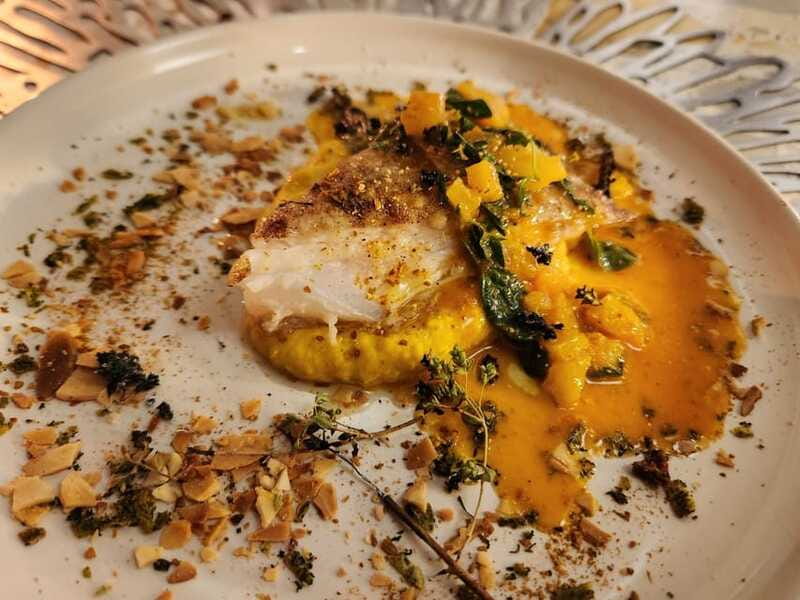
The class includes an introduction to plating, but it is not only about making a plate look pretty. Good plating helps you think about portion, contrast, texture, and the order in which flavors reach your mouth.
You also learn practical cutting skills. One example focused on cutting cherry tomatoes without losing their juices. That sounds small, but it reflects the class’s general approach: professional results often depend on simple movements done with care.
Other lessons can include searing, pan-roasting, and oven poaching. These methods give you different ways to manage heat and texture. A good sear can provide color and flavor, while gentler cooking can protect delicate fish or other ingredients.
Duck preparation has also been part of the teaching, along with unusual ways of adding spices. Since the menu varies, you should treat these as examples of the level of technique rather than guaranteed parts of your session.
The plating lesson is especially useful if you enjoy hosting at home. The goal is not to turn your dining room into a fine-dining restaurant. It is to show how a few thoughtful choices can make a home-cooked dish look composed and inviting.
The three-course tasting after the work is done
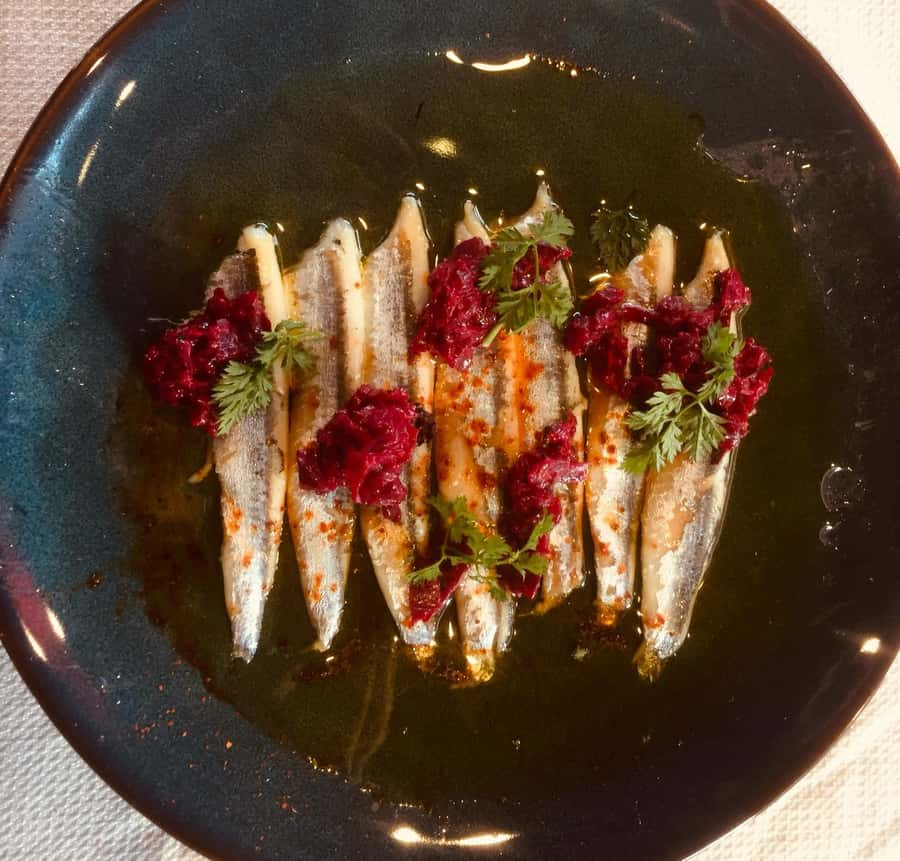
Once the preparation is complete, you sit down to a three-course tasting menu. The meal may include Caribbean, Asian, Persian, French, or Quebecois influences, with each course offering a different angle on Montreal’s food culture.
The tasting is the reward for the work, but it also lets you assess the techniques in practice. A sauce you helped prepare is no longer an exercise in a bowl. It is part of a finished plate, balanced with the main ingredient and accompanying elements.
Past dishes have included salmon, smoked pork belly, cucumber, mango, Caribbean spices, and complex sauces. The range suggests that this is not a class for anyone who wants a narrow, traditional menu. You should expect creative combinations and flavors from several regions.
Pairings may also be discussed. Some participants have enjoyed wine or adult beverage pairings, while another particularly praised a non-alcoholic tea pairing with rare flavors. Since drinks are listed as not included, ask about any pairing option and its cost before you arrive.
The three courses make the $128 price easier to assess. You are not paying only for lunch, and you are not paying only for a cooking demonstration. The fee covers private instruction, hands-on preparation, culinary discussion, and a complete meal.
Is $128 per person good value?
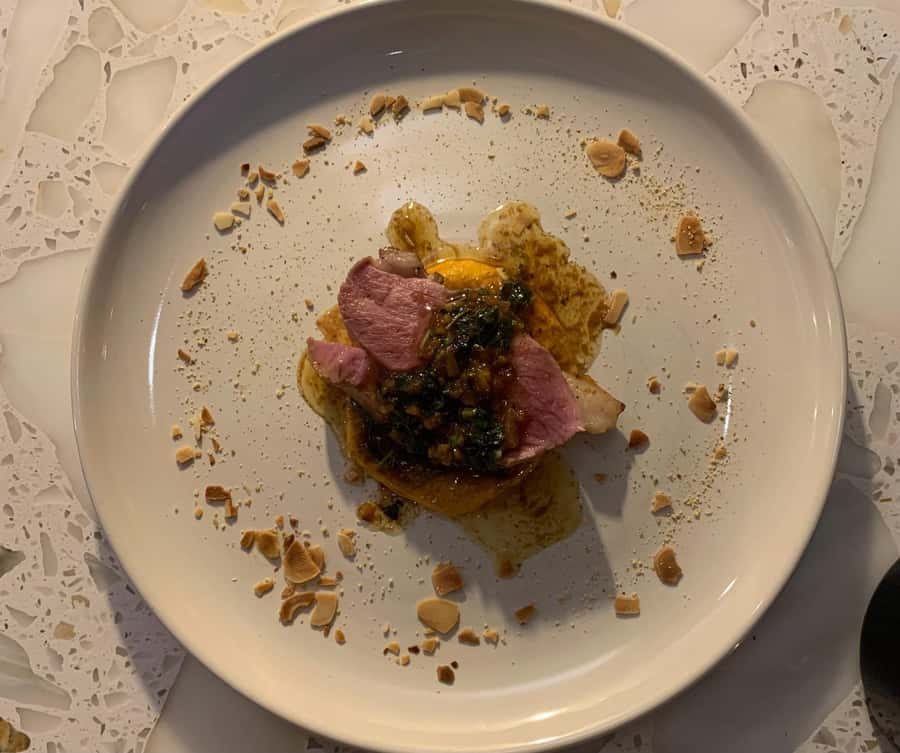
At $128 per person, this is not a cheap lunch. It is also not directly comparable with an ordinary restaurant meal. The better comparison is a private cooking lesson followed by a three-course tasting.
The value is strongest if you want to learn skills you can use later. Sauce ratios, flavor building, cutting technique, heat control, and plating can all carry into your everyday cooking. You also receive direct attention from a Michelin-trained chef rather than a generic group presentation.
The price is less compelling if you mainly want to eat. Montreal offers many ways to have a good meal without spending this much or giving up two and a half hours of your day. This class makes sense when the meal and the instruction are equally important.
Drinks are not included, so plan for that extra cost if you want wine, beer, or another pairing. The activity is private, which adds value for couples, families, or a small group with shared interests. It also means the price may feel more reasonable when divided across a special occasion or a small party.
Timing, accessibility, and planning around the class
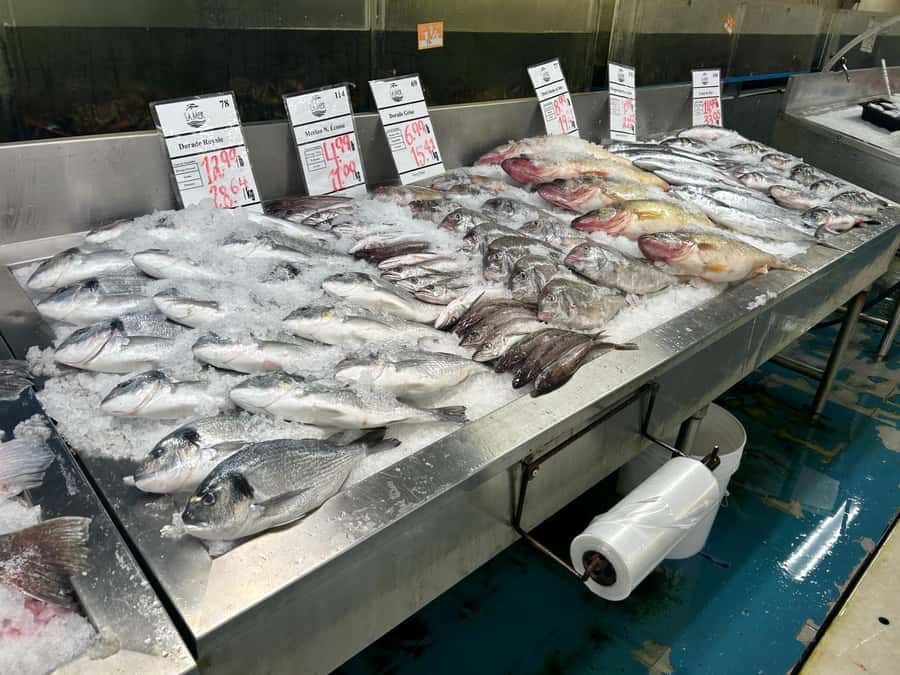
The start time varies between 12:30 and 1:30 p.m. and is confirmed 24 to 48 hours before the class. The reason given is coordination with farmers and fishermen. That flexibility may help produce better ingredients, but it makes the day harder to plan around.
I would avoid scheduling a major museum visit, train departure, or timed attraction immediately afterward. Give yourself room for the full 2.5 hours, plus the possibility that the final course or conversation runs a little longer.
The activity is conducted in English and is wheelchair accessible. It is offered for private groups, which can make the setting more comfortable for families or friends who want to learn together.
You can cancel up to 24 hours in advance for a full refund, and you can reserve while paying later. Those policies help if your Montreal plans are still taking shape, though the changing start time is the bigger practical issue.
Who will enjoy this most?
I would recommend the class to home cooks who want to understand technique instead of collecting another recipe. It is also a good choice for food-focused visitors who want personal contact with a chef and a meal connected to Montreal’s many food cultures.
Couples and small private groups should find the format appealing. You can work together, eat together, and ask questions without the feel of a large public class. The relaxed setting also works well for people who want a social afternoon rather than a formal examination of cooking skills.
This may not suit you if you need a fixed start time, avoid hands-on preparation, or want a traditional Quebec menu from beginning to end. It is also not the best pick if you are only looking for the lowest-cost lunch.
Final call: book it for skills, not just food
Book this experience if you want a private cooking lesson that ends with a thoughtful three-course meal. Chef Rob’s strongest contribution is his focus on sauces, pairings, and the reasons behind each step. The food offers a useful taste of Montreal’s mixed culinary identity, and the hands-on work gives the afternoon real substance.
Skip it if your schedule cannot handle a start time confirmed only shortly before the activity, or if you would rather spend $128 on a restaurant meal without instruction. For curious home cooks, though, this is the sort of class that can keep paying off after your Montreal visit, especially when you find yourself making a sauce, adjusting a spice blend, or plating dinner with more care.
FAQ
Where does the cooking class meet?
The meeting point is 375 Rue Saint-Paul East in Montreal’s Old Port. Text when you are downstairs and buzz number 5.
How long does the experience last?
The cooking class and lunch last 2.5 hours.
What time does the class begin?
The start time varies between 12:30 and 1:30 p.m. It is confirmed 24 to 48 hours ahead because of farm deliveries.
What language is the class offered in?
The instructor teaches in English.
Is the experience private?
Yes. The activity is offered as a private group experience.
What food cultures influence the menu?
The menu may draw from Caribbean, Asian, Middle Eastern, Persian, French, and Quebecois food cultures.
Do I cook during the experience?
Yes. Each participant collaborates on one course and learns professional techniques such as searing, pan-roasting, oven poaching, and plating.
What is included in the price?
The $128 price includes the cooking instruction, an introduction to global food cultures, lessons on sauce ratios, flavor building and plating, and a three-course tasting menu.
Are drinks included?
No. Drinks are not included in the stated price. Beverage pairings may be available, so ask about the options and cost before the class.
Can I cancel for a refund?
Yes. You can cancel up to 24 hours in advance for a full refund. You can also reserve now and pay later.
Just added around the world
- Aroidee’s Farm-Fresh Thai Cooking Experience★ 5.0 · 8 reviews
- Signature Thai Cooking Course★ 5.0 · 79 reviews
- Private Half-Day Thai Cooking Class in Chiang Mai★ 5.0 · 4 reviews
- Half Day Guided Thai Cooking Class in Chiang Mai★ 5.0 · 13 reviews
- Online Thai and Akha Cooking Class★ 5.0 · 70 reviews
- Private Virtual Thai Cooking Class★ 5.0 · 9 reviews
- Northern Thai Cooking Class in Chiang Mai in a Countryside Home★ 5.0 · 2 reviews
- 5 Hour Morning Thai Cooking Course★ 5.0 · 31 reviews
Cooking Classes, compared.

Half-Day Thai Cooking Class at Organic Farm in Chiang Mai
Read our review →

3 in 1 Cooking Class near Navona: Fettuccine, Ravioli & Tiramisu
Read our review →
Pasta & Tiramisu Cooking Class with Unlimited Wine
Read our review →
Hanoi Cooking Class: Culture, Local Market & Meaning CSR Impact
Read our review →
5 Traditional Dishes Hanoi Cooking Class with Market Trip
Read our review →
Cooking Class and Lunch at a Tuscan Farmhouse with Local Market Tour from Florence
Read our review →
Cooking Class, Market & Thai Herbs Garden Tour
Read our review →Lists this class appears in