REVIEW · SOUTH WEST REGION, NIGERIA, NIGERIA
Lagos, Nigeria: Nigerian Cooking Class and Market Visit
Food can open Lagos faster than a guidebook. This five-hour experience combines a local market visit in Oniru with hands-on Nigerian cooking at Aisha’s home. I like the small private format, and I like that you do more than watch: you shop for ingredients, handle the cooking, and take the finished food home. The main consideration is that market life can be hot, crowded, and fast-moving, so comfortable shoes, water, sunscreen, and a firm grip on your phone are wise.
I also like the practical gifts: a locally made Adire apron and a PDF recipe book with measurements and instructions. Since the price is $175 for up to two people, it is a stronger value for a pair than for a solo visitor, especially because the fee includes the market tour, private instruction, food, and take-home materials.
Key points to know before booking
- Oniru market comes first: Shop for fresh ingredients, learn about Nigerian spices, and see how everyday buying and bartering work.
- Aisha teaches in her own home: The setting is personal, small, and suited to questions and hands-on practice.
- The menu covers Nigerian favorites: Possible dishes include jollof rice, stew, egusi, fufu, puff puff, meat pie, and pepper soup.
- You cook rather than simply watch: The goal is to repeat the recipes in your own kitchen.
- Two useful take-home items are included: You receive an Adire tie-dye apron and a PDF recipe book.
- The format is private: The booking covers one group of up to two people, with English instruction and wheelchair access.
Why this Lagos food experience feels different
Many food activities stop after the meal. This one begins with the ingredients and the people who sell them. That matters because Nigerian cooking depends on more than a list of spices. You need to see what is fresh, learn how ingredients are selected, and understand the pace of a local market before you start cooking.
The experience is hosted by Aisha, a home cook who teaches Nigerian food and culture. Her role is important here. This is not presented as a formal restaurant workshop with a large class and a fixed demonstration. It is a private session in her home, designed for one-to-one teaching or a very small group.
That format gives you room to ask simple questions. You can stop and ask how a spice is used, why a dish needs a particular preparation method, or how to manage the recipe at home. Aisha’s patience was praised by Lade, who said the meals turned out great and delicious. Eleanor also described Aisha as welcoming and passionate about sharing Nigerian culinary traditions.
The class is conducted in English. It is also wheelchair accessible, which makes it more practical for many visitors, though the market portion may still be worth discussing with the provider in advance if you have specific mobility needs.
More Cooking Classes with a Market Tour in the world:
- Hanoi Cooking Class: Culture, Local Market & Meaning CSR Impact
★ 5.0 · 5,147 reviews - 5 Traditional Dishes Hanoi Cooking Class with Market Trip
★ 5.0 · 4,890 reviews - Cooking Class and Lunch at a Tuscan Farmhouse with Local Market Tour from Florence
★ 5.0 · 4,831 reviews
Starting at the Oniru market
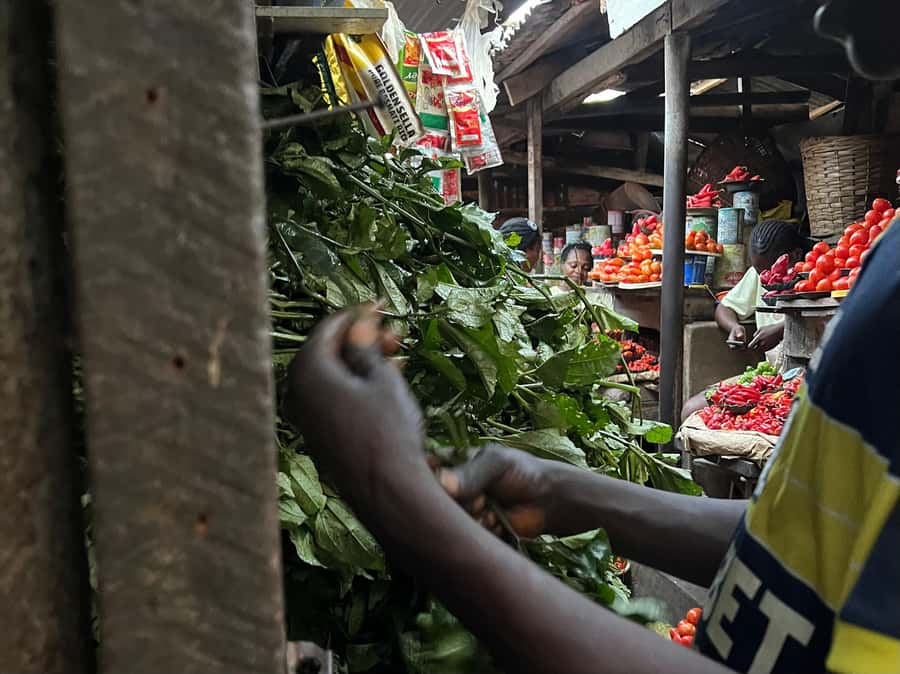
The first part takes you to a local market in the Oniru beach neighborhood. The market is not just a place to collect ingredients. It is your first lesson in how food moves from seller to kitchen.
You can expect a quick, active setting, with people shopping, selling, comparing prices, and making deals. Aisha introduces you to the spices used in Nigerian food and helps you select fresh meats and other ingredients for the class. The chance to take part in bartering gives the visit a practical edge. You are not simply looking at stalls while someone explains them from a distance.
Keep your phone secure. The activity description makes that point plainly, and crowded markets require attention to your belongings. Wear shoes that can handle several hours on your feet, and bring water, sunscreen, and a sun hat. A second note about bringing a hat appears in the instructions, so the message is clear: protect yourself from the heat.
The market can be the most unpredictable part of the day. The pace may feel intense if you are used to calm, neatly arranged food shops. That is also the point. You see the everyday setting behind dishes such as jollof rice, egusi, and pepper soup, rather than meeting those foods only after they have been prepared for a restaurant table.
The market is described as being in Oniru, while the experience itself is listed under Lagos and Lagos Island. If the exact meeting point matters to your plans, confirm it before you go. The supplied information does not include transport arrangements, so you should also make your own way to the agreed meeting point unless the provider tells you otherwise.
From fresh ingredients to the cooking table
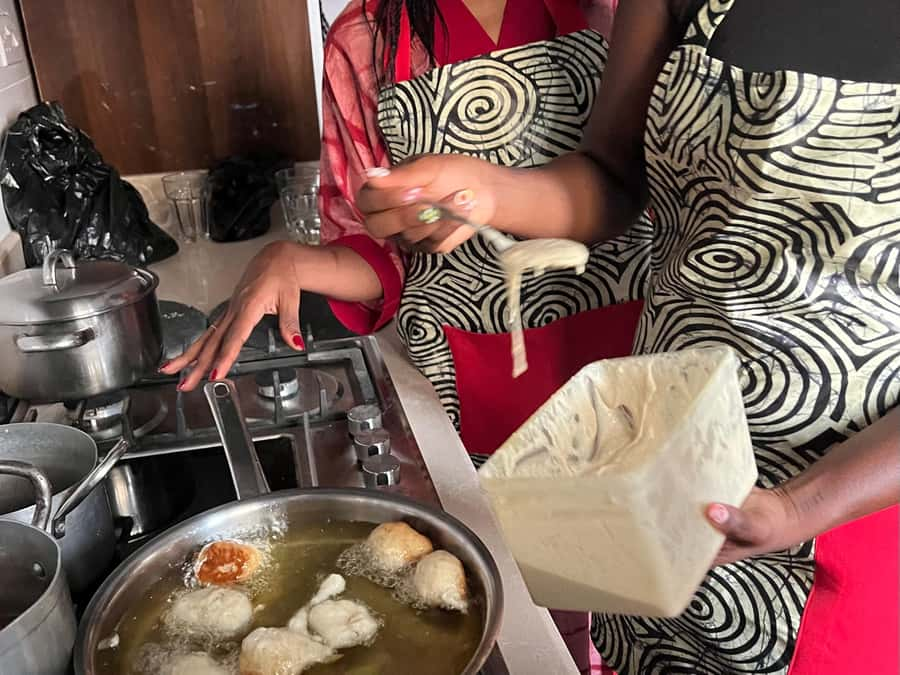
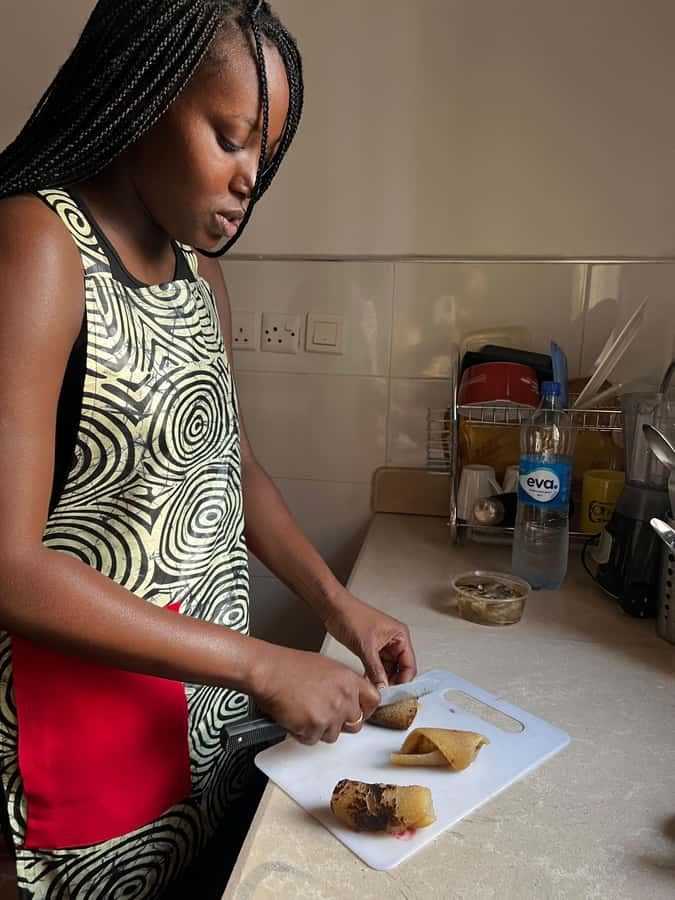
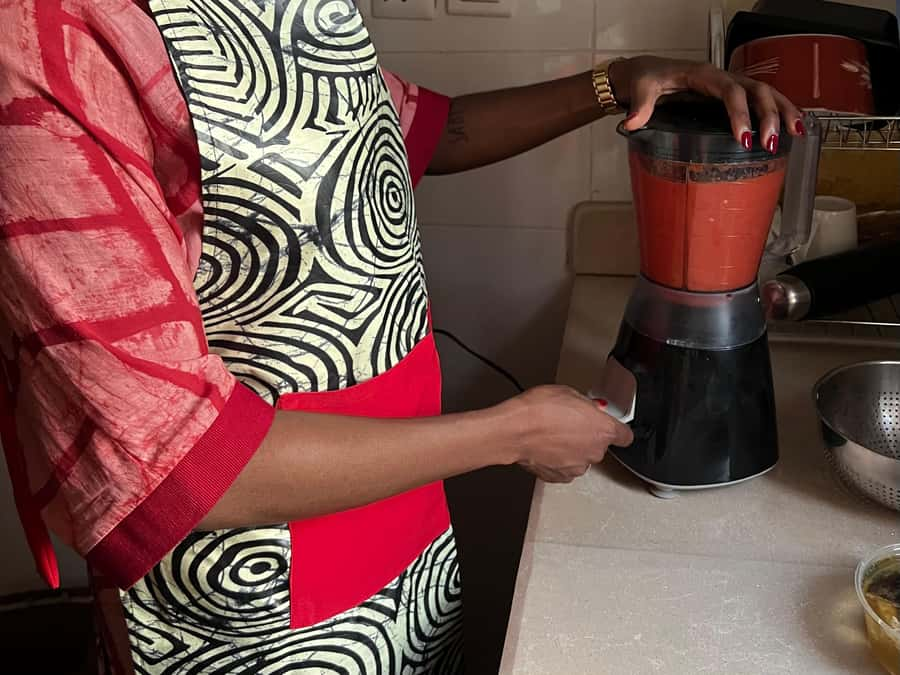
After shopping, you return to the kitchen for the practical part of the experience. Aisha takes you through the preparation step by step, with the emphasis on doing the work yourself.
This is especially useful if you have eaten Nigerian food but have never tried to make it. Dishes that look simple on a plate can involve unfamiliar ingredients, timing, and preparation methods. The class is meant to show you how to repeat the process at home, not just how to follow along for one meal.
The possible menu is broad:
- Jollof rice
- Stew
- Egusi
- Fufu
- Puff puff
- Meat pie
- Pepper soup
The information does not promise that every dish will be made in one session. A five-hour class can include several items, but the exact selection may depend on the day and the cooking plan. Ask Aisha which dishes are scheduled when you book, especially if one particular recipe is your main reason for going.
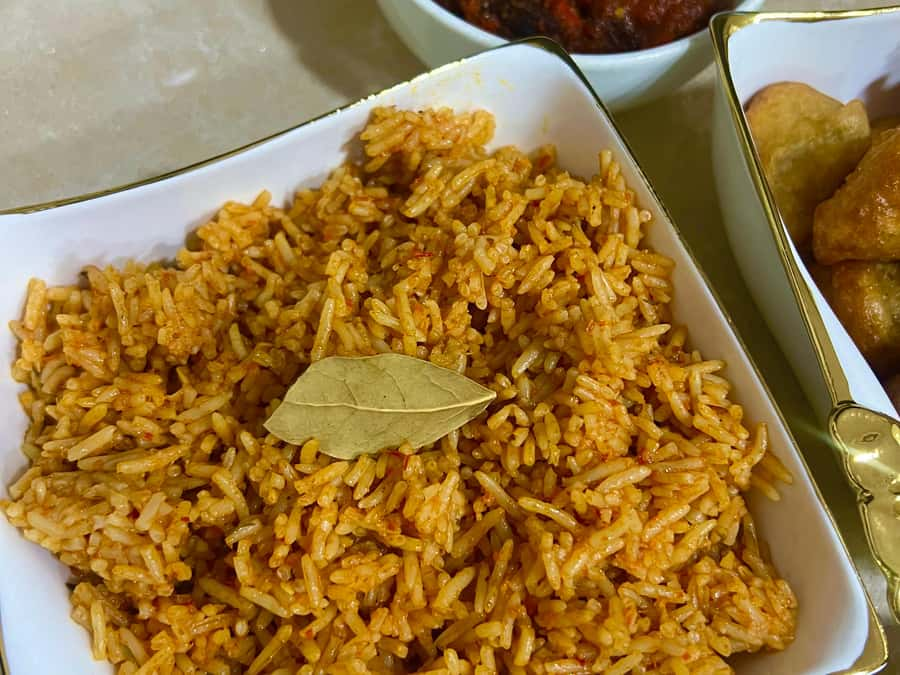
Jollof rice is a natural favorite for many first-time learners because it brings together rice, seasoning, and a cooked sauce in one well-known Nigerian dish. Egusi introduces another side of the cuisine, with ground melon seeds used in a thick soup. Fufu gives you a chance to learn about a staple served alongside soups and stews.
Puff puff and meat pie add a different touch. They show that the session is not limited to one kind of dish or one meal course. Pepper soup brings yet another set of seasoning ideas. The variety is useful, but it also means you should not expect a quiet, slow lesson focused on just one recipe.
What you actually take home
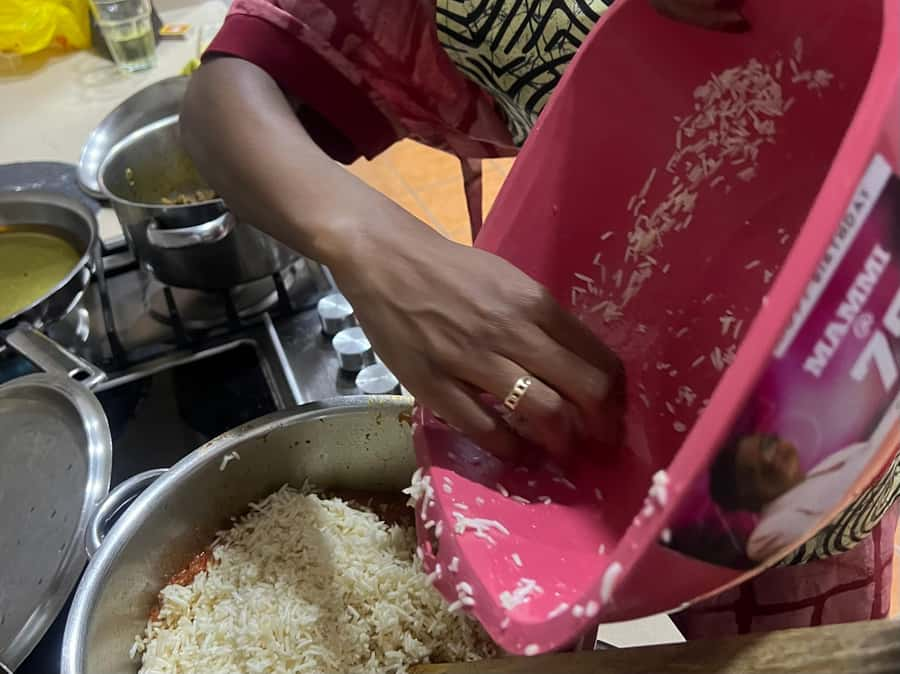
The cooked food is yours to take home. That is a welcome detail because it lets you enjoy the results later instead of rushing through a large meal at the end of a long class. It also gives you a chance to compare what you made with the instructions in the recipe book.
You receive a PDF recipe book containing measurements and directions for the dishes prepared in the class. This is more useful than a souvenir menu. Nigerian cooking may use ingredients and methods that are new to you, and written quantities help you recreate the meal after the Lagos visit is over.
The Adire apron is another thoughtful inclusion. Adire is a locally made tie-dye textile tradition, and the apron connects the cooking lesson with Nigerian craft. You use it during the class, then take it with you. It is both practical and more personal than a generic branded souvenir.
Bring a way to save the PDF after the experience. The supplied information does not specify how it is delivered, so make sure you know where to find it before leaving if you want to cook from it soon.
A few more cooking classes around the world worth a look
- Half-Day Thai Cooking Class at Organic Farm in Chiang Mai
★ 5.0 · 19,087 reviews - Florence: Pasta Cooking Class with Unlimited Wine
★ 4.9 · 10,285 reviews - 3 in 1 Cooking Class near Navona: Fettuccine, Ravioli & Tiramisu
★ 5.0 · 7,376 reviews - Florence: Pasta & Tiramisu Cooking Class with Unlimited Wine
★ 4.9 · 6,708 reviews
Private size and the value of $175
The price is $175 per group of up to two people. For two people, that works out to $87.50 each. For one person, you pay the full group price, so the value is better for a couple or two friends booking together.
Still, the fee includes five hours of private or very small-group attention, a market tour, hands-on instruction, cooked food to take home, an Adire apron, and a PDF recipe book. That is a fuller package than a short demonstration followed by a tasting.
The private format is the strongest part of the value. You are not paying for a large class where the instructor must divide attention among many cooking stations. You can ask questions as they arise and get direct help with the preparation. Eleanor’s comments point to this strength: she found the explanations made even complex dishes feel manageable.
The price may feel high if you mainly want to eat Nigerian food. It makes more sense if you want to understand the ingredients and cook the dishes again. It also suits someone who values a personal introduction to Lagos food culture rather than a quick restaurant meal.
There are only two published ratings, both five out of five, so the early response is very positive but still limited. Lade praised Aisha’s patience and the successful results. Eleanor singled out the fresh ingredients, jollof rice, puff puff, and egusi soup. Those comments support the main promise of the experience, but I would still confirm the exact menu before booking.
Who should book this class?
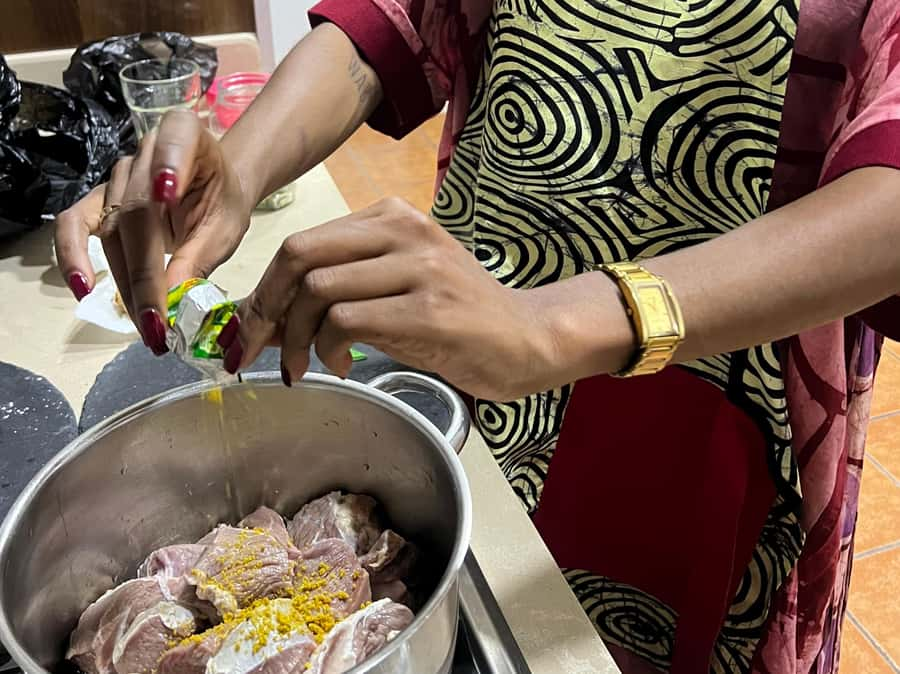
I would recommend it to a couple, two friends, or a solo visitor who genuinely enjoys cooking. It works particularly well if you want to bring a piece of Nigerian food culture into your own kitchen after your trip.
It also suits someone who prefers direct contact with a local host. Aisha’s home setting makes the experience feel personal, but that setting comes with a clear requirement: you must present an international passport for identification. A copy is accepted, so you do not necessarily need to carry the original. Make sure you have the required identification available.
This is not designed for young children. The restrictions state that it is not suitable for children under five and also not suitable for children under thirteen. Those two age notes are not perfectly clear together, so families should confirm the permitted age before booking.
I would be more cautious about booking if you dislike markets, heat, standing, or unfamiliar cooking tasks. The market portion is part of the value, not a short stop you can skip. Smoking is not allowed, including indoors, and alcohol and drugs are prohibited.
Practical details for a smoother visit
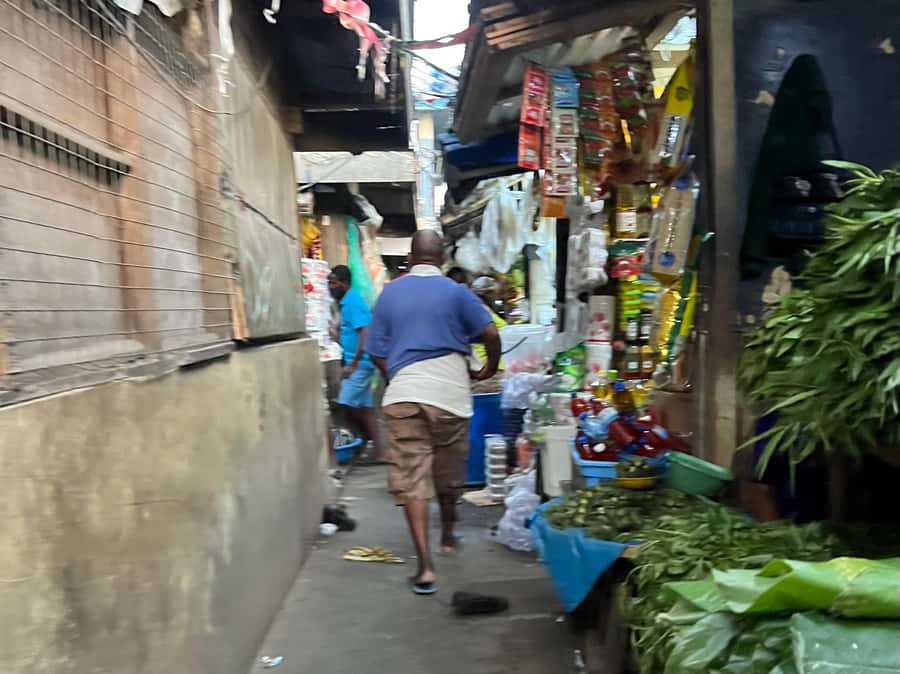
The activity lasts five hours, but a starting time is chosen from the available options at booking. Since the experience includes both a market visit and cooking, leave enough space around it rather than scheduling a tight appointment immediately afterward.
Wear comfortable shoes and light clothing suitable for a warm market and kitchen setting. Bring water, a sun hat, sunscreen, and your passport or an accepted copy. Keep your phone and other valuables secure while shopping.
English is the teaching language. The group is private, and the activity is listed as wheelchair accessible. If you need a particular arrangement for the market, contact the provider before confirming so you know how the full route will work.
You can cancel up to 24 hours before the experience for a full refund. The reserve-now, pay-later option also helps if you are still arranging your Lagos schedule.
Should you book the Nigerian cooking class?
Book it if you want more than a meal. The best reasons are the market visit, direct instruction from Aisha, the small group size, and the chance to cook recognizable Nigerian dishes yourself. The Adire apron and recipe book add lasting value, while the take-home food lets the lesson continue after the class.
Think twice if your main goal is a quick tasting, if you are uncomfortable in crowded markets, or if you are traveling alone and do not want to pay the full $175 group price. For two people who enjoy food and want a personal cultural activity in Lagos, this is a strong choice. It gives you ingredients, techniques, context, and a useful way to remember the city at home.
FAQ
How long does the Nigerian cooking class and market visit last?
The experience lasts five hours.
Where does the market visit take place?
The market portion is described as taking place in the Oniru beach neighborhood of Lagos. The activity is listed under Lagos and Lagos Island, so confirm the exact meeting point before you go.
What dishes might be prepared?
Possible dishes include jollof rice, stew, egusi, fufu, puff puff, meat pie, and pepper soup. The exact selection is not specified, so ask which dishes are planned when booking.
Is the cooking class private?
Yes. It is a private group experience for up to two people, with one-to-one cooking instruction available.
What is included in the price?
The price includes the local market tour, hands-on cooking class, education about Nigerian cuisine and culture, cooked food to take home, an Adire tie-dye apron, and a PDF recipe book.
Do I need to bring identification?
Yes. Because the class is hosted in Aisha’s home, you must present an international passport for identification. A copy is accepted.
Can I cancel the booking?
Yes. You can cancel up to 24 hours in advance for a full refund. A reserve-now, pay-later option is also available.
Just added around the world
- Aroidee’s Farm-Fresh Thai Cooking Experience★ 5.0 · 8 reviews
- Signature Thai Cooking Course★ 5.0 · 79 reviews
- Private Half-Day Thai Cooking Class in Chiang Mai★ 5.0 · 4 reviews
- Half Day Guided Thai Cooking Class in Chiang Mai★ 5.0 · 13 reviews
- Online Thai and Akha Cooking Class★ 5.0 · 70 reviews
- Private Virtual Thai Cooking Class★ 5.0 · 9 reviews
- Northern Thai Cooking Class in Chiang Mai in a Countryside Home★ 5.0 · 2 reviews
- 5 Hour Morning Thai Cooking Course★ 5.0 · 31 reviews
Cooking Classes with a Market Tour, compared.

Hanoi Cooking Class: Culture, Local Market & Meaning CSR Impact
Read our review →
5 Traditional Dishes Hanoi Cooking Class with Market Trip
Read our review →
Cooking Class and Lunch at a Tuscan Farmhouse with Local Market Tour from Florence
Read our review →
Cooking Class, Market & Thai Herbs Garden Tour
Read our review →
Authentic Cooking Class with Market & Farm Visit
Read our review →
Paella Cooking Experience & Boqueria Market Tour
Read our review →
Cooking Class Hoi An:Local Market, Basket Boat, Fishing & Cooking
Read our review →