
REVIEW · GULF OF THAILAND, THAILAND
Koh Lanta: Evening Course at Lanta Thai Cookery School
Good food makes a better souvenir. This four-hour evening class at Lanta Thai Cookery School combines a small garden visit, clear instruction, and hands-on cooking in a teak-wood house south of Long Beach. I especially like the chance to prepare four dishes from scratch and the useful hotel pickup along Koh Lanta’s main road. The only caution is that the class can feel busy when the group reaches its upper limit or when another group uses the same cooking area.
The setting is another strong point. Fresh herbs, spices, and vegetables come from the on-site organic garden, and teachers such as San, Prim, and Aon have earned praise for being warm, patient, and funny. Still, you should arrive hungry: you eat the dishes as you finish them, and four courses add up quickly.
Key points at a glance
- Four dishes, chosen together: Pick from soups, curries, salads, stir fries, noodles, and desserts, with the exact menu changing by class.
- Your own cooking station: The group agrees on four dishes, but each participant prepares and cooks their own food.
- A garden-to-table setting: Tour the garden for a closer look at the herbs, spices, and vegetables used in Thai food.
- Friendly local teaching: Thai chefs explain each step in English and Thai, with practical help throughout the class.
- Useful take-home extras: You receive a cooking book, leftovers to share, and a certificate at the end.
- Convenient evening transport: Songtaew pickup and return are included for hotels on the main road between Saladan and Kantiang Bay.
Arriving by songtaew from Saladan to Kantiang Bay
The afternoon begins with pickup from your hotel by songtaew, a Thai passenger vehicle. The service covers hotels along the main road between Saladan and Kantiang Bay, with the exact pickup time confirmed after booking.
This matters on Koh Lanta, where getting around can take planning. You do not need to arrange a separate taxi for the evening or worry about finding the cooking school after dark. If your hotel is not on the stated route, a hotel change is not included, so confirm the pickup area before you book.
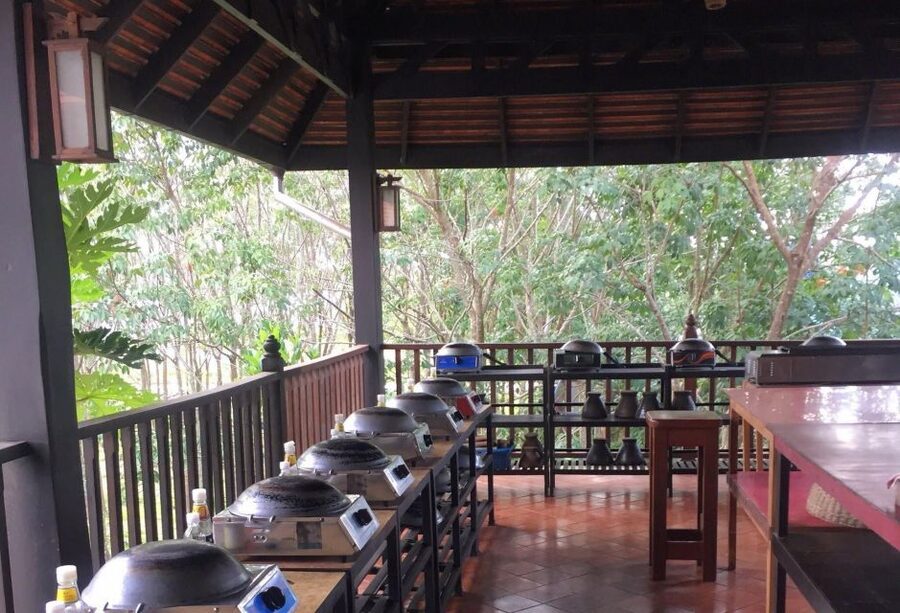
The school sits just inland from Phra Ae Beach, also called Long Beach. The class takes place in a spacious teak-wood house, giving the lesson a more local feel than a hotel kitchen or enclosed cooking studio. The setting is part of the appeal, especially when the garden is green and the evening air is comfortable.
Bring comfortable shoes and breathable clothing. Leave large bags and luggage behind, since they are not allowed in the cooking area.
More Thai Cooking Classes in Thailand:
- Half-Day Thai Cooking Class at Organic Farm in Chiang Mai
★ 5.0 · 19,087 reviews - Chiang Mai: Cooking Class, Market & Thai Herbs Garden Tour
★ 4.9 · 4,824 reviews - Thai and Akha Cooking Class in Chiang Mai
★ 5.0 · 4,358 reviews
The garden tour puts Thai ingredients in context
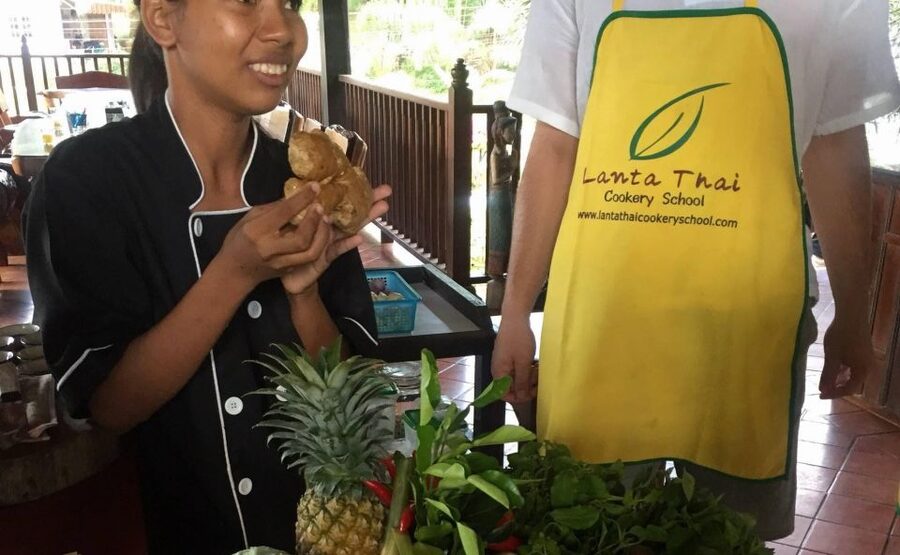
After arrival, you begin with a welcome drink and an introduction from the Thai chef. The garden visit helps you identify ingredients before they reach the chopping board. You see the herbs, spices, and vegetables growing on site, with many of them used in the evening’s dishes.
That small step adds real value. Thai recipes often list ingredients that are familiar by name but less clear in practice. A garden walk can help you understand what fresh galangal, herbs, chilies, or other aromatics look like before they are chopped, mixed, and cooked.
The school’s garden also explains why the food feels connected to the place. You are not simply following a recipe printed on a card. You are learning how a few fresh ingredients become soup, curry paste, salad, or stir-fry sauce.
The garden portion is not the main event, and you should not expect a long agricultural tour. Its purpose is practical: to give you a quick look at the raw materials and help you connect Thai cooking with fresh produce.
Choosing four dishes from a changing Thai menu
The class offers ten possible dishes, but the group prepares four. The menu can change from one course to another, so you may not have every option on every evening.
Available dishes include:
- Tom Kha, a coconut soup with chicken, seafood, prawns, or vegetables
- Vegetarian spring rolls with a Thai dipping sauce
- Golden Bag Thung Thong with chicken and prawns, including its sauce
- Som Tam, or Thai green papaya salad
- Mixed vegetables with oyster sauce
- Seafood in a special tamarind sauce
- Massaman curry with beef or chicken, including the curry paste
- Larb with chicken or seafood, a spicy salad from Isan
- Sweet and sour stir-fried chicken or seafood
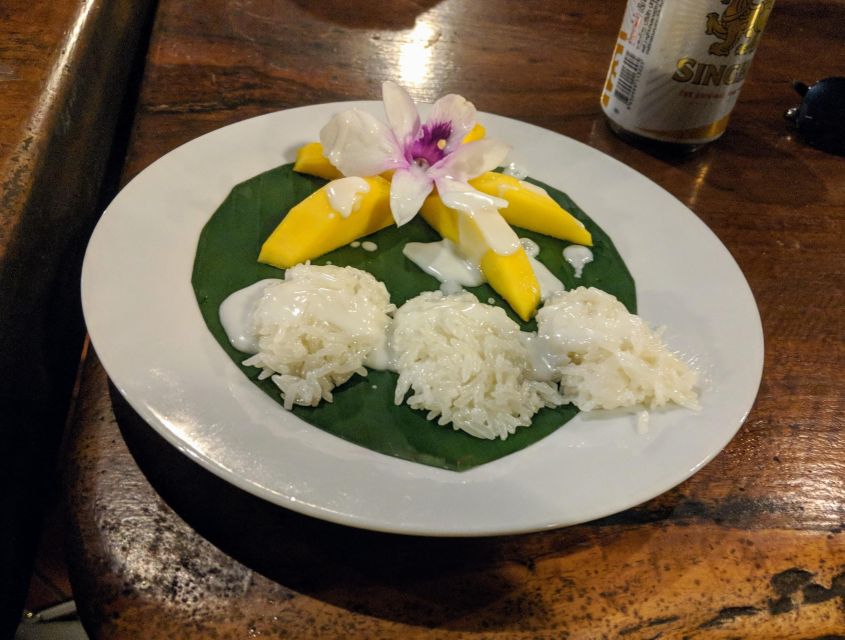
- Sticky rice with ripe mango
This group choice is both fun and practical. You get some say in the meal, but you also need to compromise. If you arrive with a particular dish in mind, it may not be selected if the rest of the group prefers other choices.
The menu gives you a good spread of Thai cooking styles. Tom Kha shows how coconut milk and aromatics create a soft, fragrant soup. Massaman curry teaches you about paste-making rather than relying only on a ready-made jar. Som Tam brings heat, freshness, and texture. Sticky rice with mango provides an easier finish after the more involved savory dishes.
The class also handles dietary preferences well. All dishes can be made vegetarian, vegan, non-spicy, or as spicy as you like. Tell the school when you book, and mention allergies before cooking begins. You can then enjoy the same shared class without being left with plain rice while everyone else eats curry.
Four individual cooking stations, not a group demonstration
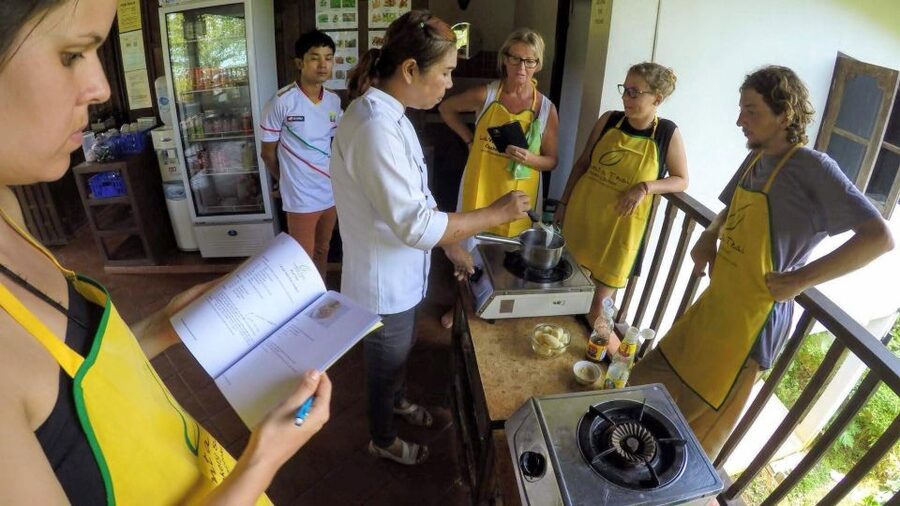
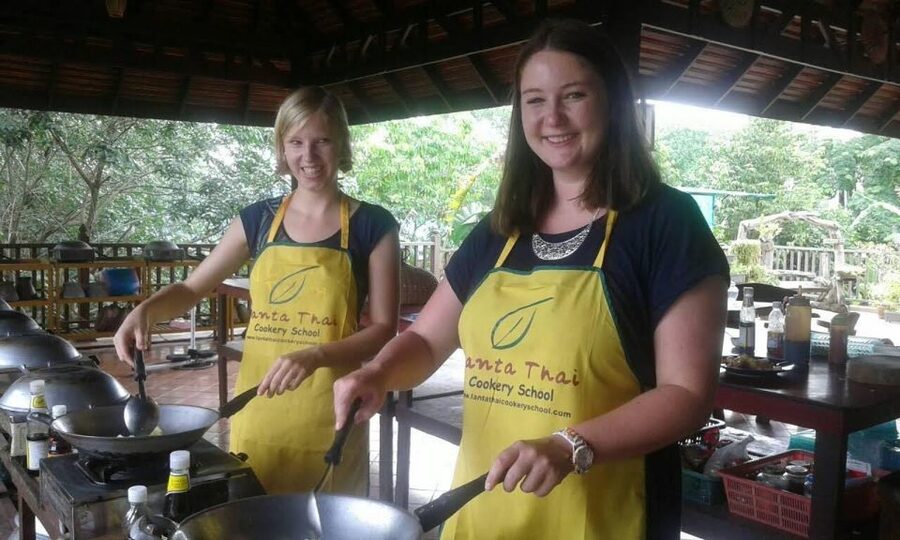
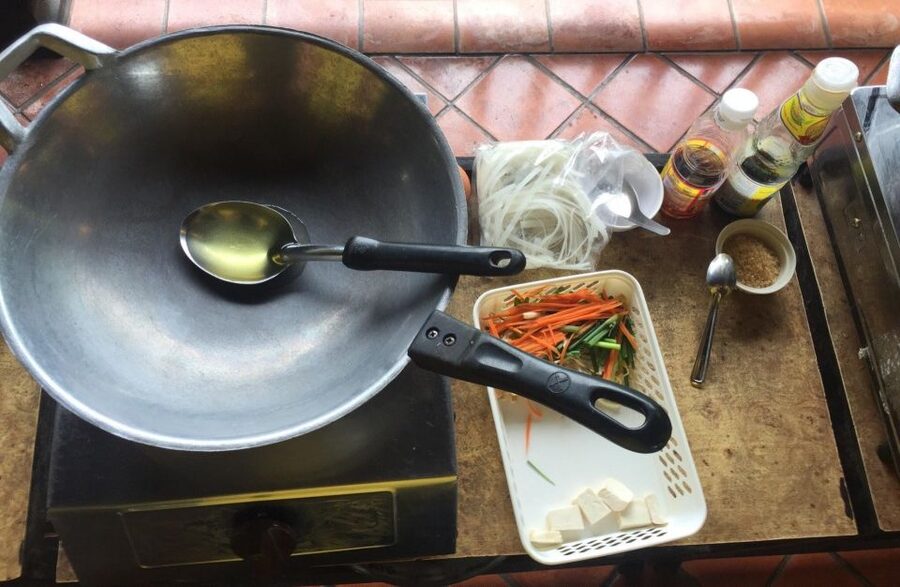
The most important detail is that you do the preparing and cooking yourself. The group selects four dishes together, but each person makes their own food under the chef’s direction.
That format gives you more useful practice than watching a teacher cook a single large portion. You chop, season, stir, assemble, and adjust your own dish. If you make a mistake, the chef can help before it reaches the table.
Teachers including Aon and Chien are described as experienced Thai cooks, while several classes have been led by San, Prim, and other friendly instructors. The strongest praise centers on the teaching style: clear explanations, patience, humor, and a willingness to help without taking over.
English and Thai are spoken. You should not expect a formal culinary lecture. Instead, the instruction is practical and direct, which suits a holiday cooking class. You learn what to add, when to add it, and how the finished dish should look and taste.
This is also a social evening. You cook beside other people, compare results, and share the rhythm of the meal. A group of seven to ten feels more personal, while a full group of twelve can be noisier and less relaxed. One recent class had thirteen participants and another group in the same area, which made the final part feel rushed. The advertised maximum is twelve, but group conditions may vary, so ask about the expected size if personal attention is important to you.
More Evening Classes in Thailand:
- Chiang Mai: Evening Cooking Class and Local Market Visit
★ 4.9 · 648 reviews - Evening Cooking Class in Organic Farm with Local Market Tour
★ 5.0 · 394 reviews - Tingly Thai Cooking School Evening Class
★ 5.0 · 335 reviews - Cooking Evening Class Chiang Mai Visit Organic Garden and Market
★ 5.0 · 187 reviews
Eating each dish as you finish it
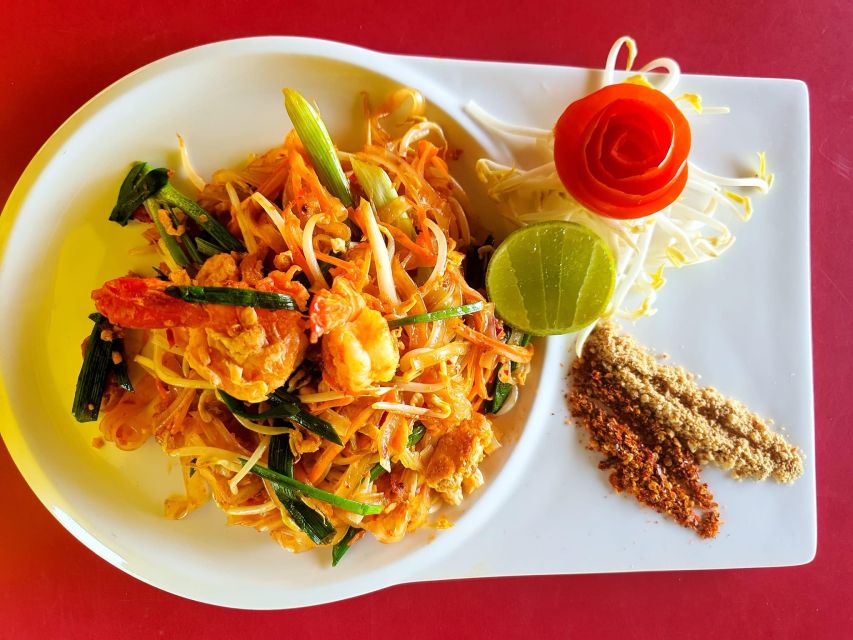
The class ends in a feast, but it is not necessarily one large meal served all at once. You eat the dishes as you complete them. This lets you taste each recipe while it is fresh and helps you understand how Thai meals are built.
It also means you should arrive hungry. Four individual dishes can be a lot of food, especially when the menu includes curry, noodles, spring rolls, soup, or sticky rice with mango.
The meal is more satisfying because you made it yourself, but it is also a chance to check the chef’s advice. Was your curry paste smooth enough? Did your Som Tam balance sour, sweet, salty, and spicy flavors? Did the vegetables stay crisp? These small comparisons turn dinner into a useful lesson.
Leftovers can be taken away to share with family or friends. That is a thoughtful inclusion, especially if you cannot finish everything. The class also provides drinking water, coffee, tea, fruit, and rice.
Some class participants have enjoyed beer or other drinks during the evening, but alcohol is not listed as an included item. Plan to pay separately if drinks are available and you want them.
What the $64 price includes
At $64 per person, the value depends on how much you use the class as a meal, lesson, and cultural activity rather than treating it as dinner alone.
The price includes:
- Round-trip hotel transfer within the stated pickup area
- Four dishes
- Drinking water, coffee, tea, fruit, and rice
- A cooking book
- Leftovers to take home
- A cooking certificate
A restaurant meal would cost less in some parts of Thailand, but it would not give you the same practical lesson or take-home recipes. The included transport also removes one extra cost and a bit of evening hassle.
The cooking book makes the experience more useful after Koh Lanta. You can try the recipes at home, and the certificate gives the evening a pleasant finishing touch. Do not expect a professional chef qualification. It is a souvenir of participation and a reminder of what you learned.
For families, the price can be worthwhile because children get a real task rather than simply sitting at the table. Children can choose two dishes only, so families should keep that rule in mind. Children under two are not suitable for this activity.
Who will enjoy this Koh Lanta cooking class?
I would recommend the class to you if you enjoy food, prefer active experiences, or want an evening away from the beach and restaurant routine. It suits couples, solo visitors, friends, and families whose children are old enough to follow cooking instructions.
It is especially good for people who want to bring home something practical. A photograph fades quickly; a recipe you can cook for friends has a longer life. The cooking book, certificate, and leftovers make the experience feel complete without adding extra purchases.
You should think twice if you dislike group decisions or want a private lesson. The four dishes are selected together, and the class can become crowded at full capacity. You may also find the pace quick near the end, particularly if several people are working in the same area.
The activity is a good fit for vegetarians and vegans because substitutions are available. It also works for people who enjoy mild food, since dishes can be prepared non-spicy. If you want a true Thai kick, ask for extra heat, but make your preference clear before cooking starts.
Practical timing and what to bring
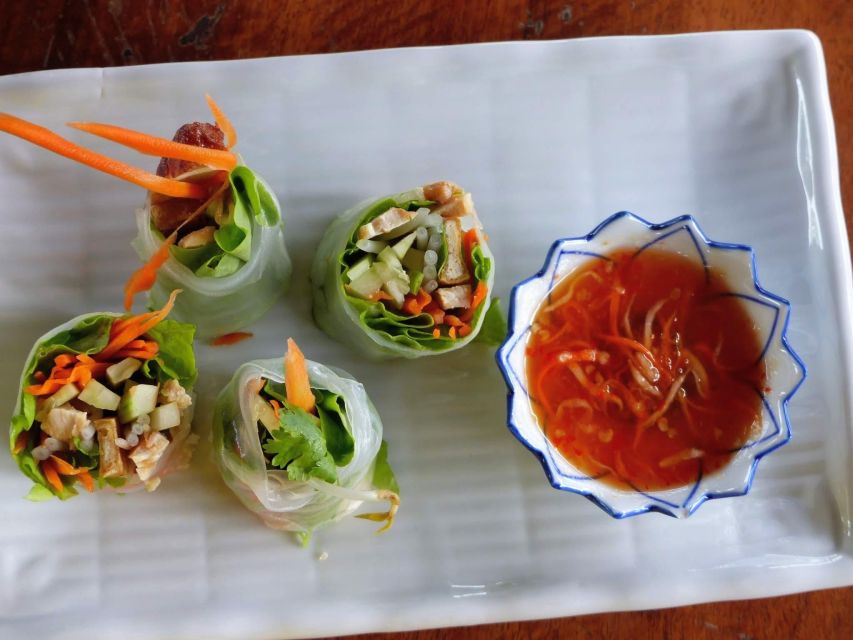
The full experience lasts about four hours and takes place in the evening. Pickup happens in the afternoon, with the precise time sent by email after booking. Since the school serves food throughout the lesson, do not schedule a tight evening appointment afterward.
Wear light, breathable clothing and shoes you can stand and move around in. Avoid large bags, which are not allowed. Koh Lanta’s warm weather makes comfort more important than dressing up.
Book with dietary needs stated clearly. Vegetarian, vegan, non-spicy, and custom spice levels are supported, but the school needs to know in advance. Also tell the staff about allergies before ingredients are prepared.
Cancellation is flexible: you can cancel up to 24 hours ahead for a full refund. You can also reserve now and pay later, which helps if your Koh Lanta schedule is still shifting.
The best reasons to book, and the main limits
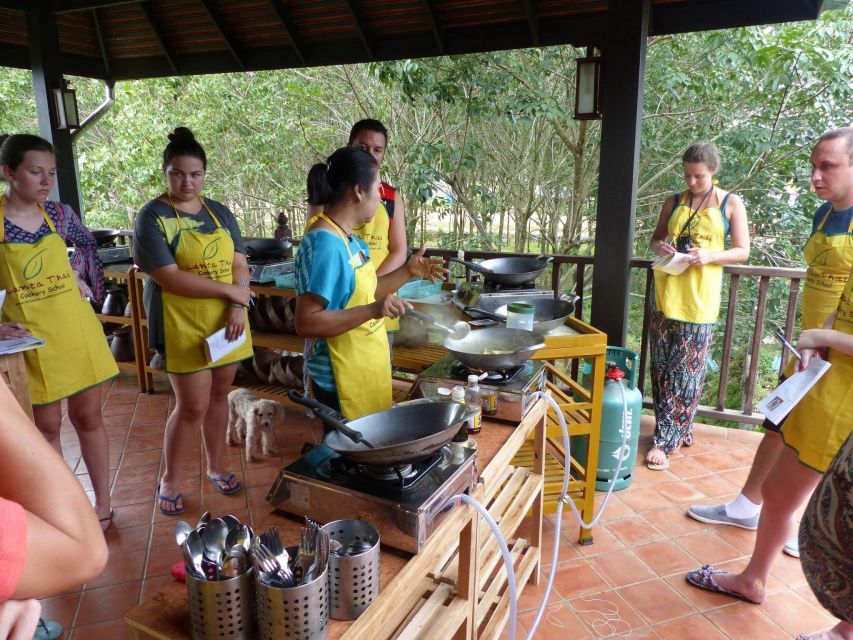
The strongest part of the experience is the teaching. The instructors are repeatedly praised for warmth, humor, and patience, and that matters when you are handling unfamiliar ingredients. The school feels friendly rather than formal.
The second strength is the hands-on format. You are not just watching a demonstration and receiving a plate. You make four dishes yourself, eat them as you go, and take recipes home.
The setting adds another layer. A teak-wood house, an organic garden, and locally sourced herbs make the class feel tied to Koh Lanta. It is still a structured tourist activity, but it has more local character than a standard hotel cooking demonstration.
The weak spot is group size. Most classes appear to run smoothly, but a full room or a second group in the same cooking area can make the evening feel frantic. If your class has seven to ten people, you are more likely to receive the personal attention that makes this experience special.
Should you book Lanta Thai Cookery School?
Yes, if you want a friendly, practical evening and you like the idea of cooking your own Thai dinner. At $64, the combination of transport, four dishes, instruction, food, recipes, leftovers, and a certificate is solid value.
Book it with realistic expectations. You are joining a shared class, not hiring a private chef. The group chooses the menu, the pace can quicken near the end, and the school may feel busy when numbers are high.
For the best experience, arrive hungry, state your dietary needs early, wear comfortable clothes, and ask about the expected group size. If you enjoy learning by doing, this is one of Koh Lanta’s more useful food experiences. You leave with a full stomach, a few recipes, and a better sense of what makes Thai cooking work.
FAQ
How long is the Lanta Thai Cookery School evening course?
The course lasts four hours. Pickup takes place in the afternoon, and the exact pickup time is confirmed by email after booking.
How many dishes do I cook?
You cook four dishes from a choice of up to ten options. The group selects the four dishes together, while each participant prepares and cooks their own portions.
Is hotel pickup included?
Yes. Round-trip songtaew transfer is included for hotels along the main road between Saladan and Kantiang Bay on Koh Lanta. A hotel change is not included.
Can the dishes be vegetarian or vegan?
Yes. All dishes can be prepared vegetarian or vegan, and they can also be made non-spicy or as spicy as you prefer. Tell the school about your requirements when booking.
What food and drinks are included?
The class includes drinking water, coffee, tea, fruit, and rice. You also eat the dishes you prepare and can take leftovers with you.
Are children allowed to join?
Children under two years old are not suitable for the activity. Children who join can choose two dishes only.
What do I receive at the end of the class?
You receive a cooking book and a cooking certificate. You can also bring leftover food home to share with family or friends.
Just added around Thailand
- Aroidee’s Farm-Fresh Thai Cooking Experience★ 5.0 · 8 reviews
- Signature Thai Cooking Course★ 5.0 · 79 reviews
- Private Half-Day Thai Cooking Class in Chiang Mai★ 5.0 · 4 reviews
- Half Day Guided Thai Cooking Class in Chiang Mai★ 5.0 · 13 reviews
- Online Thai and Akha Cooking Class★ 5.0 · 70 reviews
- Private Virtual Thai Cooking Class★ 5.0 · 9 reviews
- Northern Thai Cooking Class in Chiang Mai in a Countryside Home★ 5.0 · 2 reviews
- 5 Hour Morning Thai Cooking Course★ 5.0 · 31 reviews
Thai Cooking Classes, compared.
Half-Day Thai Cooking Class at Organic Farm in Chiang Mai
Read our review →
Cooking Class, Market & Thai Herbs Garden Tour
Read our review →
Phuket Thai Cooking Class with Market Tour Option
Read our review →
Tingly Thai Cooking School Half-Day Cooking Class
Read our review →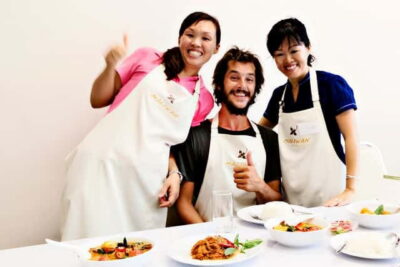
Lists this class appears in