
REVIEW · KERALA, INDIA
Kerala: Cooking Class in Munnar
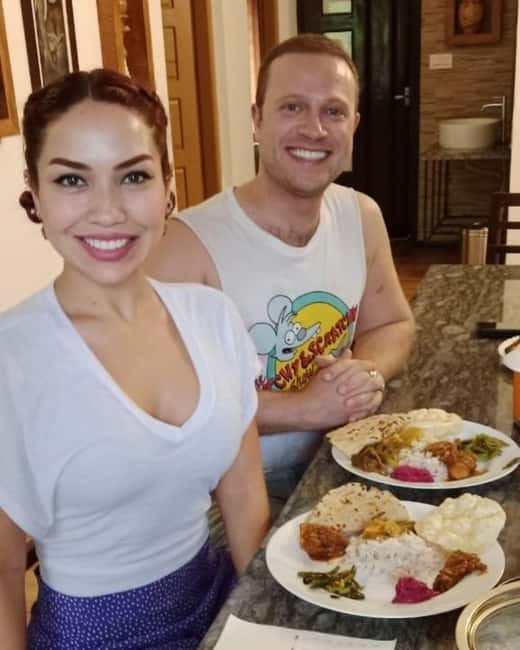
Food opens doors quickly. This four-and-a-half-hour cooking class gives you a hands-on look at Kerala cuisine in a local home, with about six dishes, traditional methods, and explanations of each dish’s health benefits. I like the small-group format, which is listed as no more than four people per session, and I like that ingredients, recipes, pen and paper, and the cooking demonstration are included. The main drawback is a confusing pickup description: some details mention hotel pickup from Kochi, while the itinerary says pickup and drop-off are not included and lists Munnar Info as the starting point.
I also like the focus on Ammikallu, the traditional grinding stone used to prepare fresh spices. It gives the class a useful link to everyday Kerala cooking rather than treating the food as a simple restaurant demonstration. The $21 price is appealing, but you should confirm the meeting point, transport, and dietary suitability before paying.
Key Details Before You Book
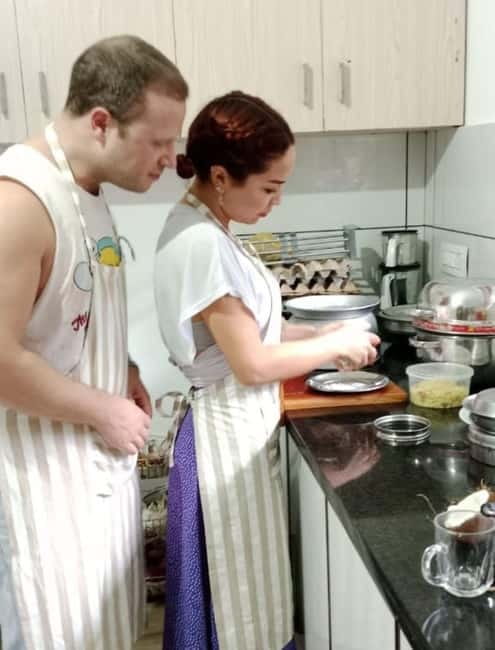
- Six Kerala dishes in one session: You learn through demonstrations and participation, rather than simply watching a chef cook.
- Traditional spice preparation: The class explains the use of Ammikallu, a grinding stone that helps create the fresh aroma associated with Kerala food.
- A small setting: The practical limit is four people per session, although the activity information also mentions a small group of up to six.
- Around 4.5 hours in total: This is a substantial afternoon activity, not a quick one-hour recipe lesson.
- Vegetarian information needs confirming: The notes say to inform the provider about vegan or vegetarian requirements, but the same material also lists both groups as unsuitable.
- Strong early feedback: The experience has a 5 out of 5 rating from two reviews, including a verified February 2025 booking from Ryan in the United States, who described it as amazing.
Why Kerala Food Makes This Class Worth Your Afternoon
Kerala cooking is built around fresh spices, coconut oil, rice, vegetables, and seafood. That mix gives the class a wider scope than a lesson centered on one famous dish.
You may begin with the foods most associated with a Kerala breakfast, such as appam, dosa, idli, puttu, or tapioca. These dishes show how rice, fermented batters, and root vegetables can form the base of a meal without relying on heavy sauces.
The class also introduces the idea of a Kerala sadhya, the large vegetarian meal commonly connected with the Onam festival. A sadhya is served with rice and a range of side dishes, including sambar, aviyal, kichadi, thoran, pappadom, curd, and rasam.
You should not assume that every one of these dishes will be prepared during your session. The information says that about six Kerala dishes are demonstrated, but it does not provide a fixed menu. That is one of the first things I would ask about if you have a favorite dish or a food allergy.
The cooking lesson also covers non-vegetarian traditions. Kerala cuisine includes fish, prawns, crabs, clams, and squid, with fish curry, clam fry, and prawn fry listed as examples.
That variety matters. You are not only learning a recipe. You are seeing how Kerala food can move from a simple breakfast to a large festival meal and then to seafood cooking shaped by the region’s access to the coast.
A few more cooking classes around India worth a look
- Pink City Cooking Class
★ 5.0 · 452 reviews - Five Course Cooking Class & Meal
★ 5.0 · 250 reviews - Veg and Non veg : Private Cooking Class in Delhi home (7 meal)
★ 5.0 · 226 reviews
Meeting at Munnar Info and Reaching the Cooking Class
The stated starting point is Munnar Info, with the class location listed as Creek Way Munnar. The itinerary shows a return to Munnar Info after the session.
One detail needs careful checking before you book. The highlights describe pickup from your hotel in Kochi and transport to the class, but the included section says hotel pickup and drop-off are not included. The schedule also says the person who booked is picked up from the office at 1:45 pm.
These details do not fully agree. I would contact Munnar Info before booking and ask three direct questions: Is the meeting point Munnar Info or a hotel, is transport included, and does the 1:45 pm pickup apply to every booking?
This matters because Kochi and Munnar are separate destinations, and the activity itself is described as taking place in Munnar. Do not plan around a Kochi hotel pickup until the provider confirms it in writing.
If transport is not included, you will need to arrange your own way to Munnar Info or Creek Way Munnar. The price is low enough that a separate transfer could change the total cost, especially for a solo participant.
What Happens During the 4.5 Hour Class

The cooking class lasts about four and a half hours. That gives the instructor time to show several dishes, explain ingredients, and let you take part in the process.
The session is described as interactive. You should expect more than a formal demonstration, since the purpose is to give you an idea of how to cook the dishes yourself.
A useful class should help you understand the order of cooking, not just the ingredient list. Kerala recipes often depend on when spices, coconut, curry leaves, oil, and vegetables meet in the pan. The supplied details do not provide a step-by-step menu, but the emphasis on traditional methods suggests that technique is part of the lesson.
The chef also explains the health benefits of the dishes. That can help you understand why particular ingredients are used, though you should treat these explanations as general food information rather than medical advice.
You receive a recipe along with pen and paper. This is a small but valuable inclusion. A cooking class is easy to enjoy and hard to remember, so written recipes give you a better chance of making the food again at home.
The ingredients are included as well. You do not need to shop for spices or measure out supplies before the class, and you can focus on the cooking itself.
Ammikallu, Coconut Oil, and the Taste of Kerala
The most distinctive detail in this class is the use of Ammikallu. This traditional grinding stone is used to grind fresh spices by hand.
That method takes more time than using a modern electric grinder, but it helps you see how spice pastes were traditionally prepared. It also gives the class a physical connection to the food. You are not simply hearing that fresh spices matter. You are shown how they are processed.
Coconut oil is another key part of the explanation. The class describes it as an important source of Kerala food’s aroma. The oil contributes more than cooking fat, since it can help shape the character of a dish from the first stage of preparation.
You may also hear about the balance between spice, coconut, rice, and sour or cooling ingredients. The available details do not promise a specific lesson on regional differences, so do not expect a full survey of every Kerala cooking style. The focus is practical: learn several dishes and understand the methods behind them.
This is where I see the best value. At $21, the class gives you access to ingredients, instruction, recipes, and a local cooking setting. You are paying for a cultural activity with something useful to take home, not just for a meal.
Same place, a different thing to cook:
- Indian Cooking Class in an Authentic Local Home – Learn 6 Dishes
★ 5.0 · 195 reviews - Durga Cooking Class
★ 5.0 · 159 reviews - Private Guided Cooking Workshop Experience in Jodhphur
★ 5.0 · 158 reviews - Jaipur Market Tour & Vegetarian Rajasthani Home Cooking Class
★ 5.0 · 113 reviews
The Six Dish Demonstration and What It Means for You
The class mainly demonstrates six Kerala dishes. The exact selection is not stated, so you should ask for the menu if you need to avoid a particular ingredient or want to learn seafood, breakfast food, or sadhya dishes.
If breakfast items are included, you may get a lesson in batter, steaming, griddling, or cooking tapioca. If the menu leans toward a sadhya, you may see how several vegetable side dishes are prepared to be served with rice.
The listed examples include sambar, aviyal, kichadi, thoran, pappadom, curd, and rasam. These represent different textures and flavors, from vegetable preparations to soupy dishes and crisp accompaniments.
Seafood may also be part of the wider Kerala cooking tradition covered in the class. Fish curry, clam fry, and prawn fry are specifically named, but the information does not guarantee that any particular seafood dish will be cooked during your visit.
That uncertainty is not a problem for most people. It simply means you should treat the class as a general introduction to Kerala cooking rather than a fixed masterclass in one recipe.
For me, the ability to ask questions in a small group would be more useful than a long menu. With four people or fewer, you have a better chance to ask about spice levels, substitutions, cooking times, and how to repeat the recipe at home.
Group Size, Accessibility, and Dietary Concerns
The practical maximum is four participants per session. Elsewhere, the activity is described as a small group limited to six people. Since those figures conflict, confirm the actual group limit when you reserve.
Either limit is smaller than a large commercial food tour. A four-person session should make it easier to see the cooking, handle ingredients, and ask the chef for help.
The activity is listed as wheelchair accessible. That is useful information, but accessibility can depend on the exact entrance, cooking surface, seating, and bathroom arrangement. If you use a wheelchair, I would still ask Munnar Info for details before arrival.
Dietary information is the biggest concern. The notes say vegans and vegetarians should inform the provider before the class. At the same time, the activity is marked as not suitable for vegans and vegetarians.
Do not assume a meat-free menu will be available. Contact the provider and ask whether the lesson can be adapted, whether shared cooking surfaces are used, and which dishes contain dairy, seafood, or other animal products.
The rules also prohibit smoking, alcohol, and drugs. Alcoholic drinks are not allowed in the vehicle. These are straightforward restrictions, but they matter if transport is confirmed as part of your booking.
Is $21 Good Value for a Munnar Food Experience?
At $21 per person, the class is priced attractively for a half-day cooking activity. The fee includes the demonstration, ingredients, pen and paper, and recipes.
The value becomes stronger if you take part in the preparation and receive clear instruction on how to repeat the dishes. It becomes weaker if you spend most of the session watching or if you must pay separately for a long transfer.
The price also needs to be viewed alongside the setting. A local home cooking class offers a different type of experience from eating at a restaurant. You get to see preparation methods, ask questions, and learn why ingredients are used.
The session is not designed for someone seeking a quick lunch. At 4.5 hours, it takes a sizable part of your day. I would book it on an afternoon when you do not have another tightly timed activity.
The 1:45 pm pickup reference suggests an afternoon schedule, but the start time should be confirmed because availability varies by date. The activity is valid for one day, and you can check available starting times when booking.
Free cancellation up to 24 hours in advance adds useful flexibility. You can also reserve now and pay later, which helps if your Munnar plans are not final.
Who Will Enjoy This Munnar Cooking Class?
I would recommend this class to you if food is one of your main reasons for visiting Kerala. It suits people who want practical contact with local cooking rather than a sightseeing stop that lasts an hour.
It is also a good match for curious beginners. You do not need to be an experienced cook to learn how spices are ground, how ingredients are combined, and how a regional meal is built.
Families and small groups may appreciate the limited size, provided the provider confirms the actual maximum. The class gives you a shared activity with a clear result: you learn recipes and cooking methods you can try later.
It may not suit you if your schedule is packed, if you dislike long cooking demonstrations, or if you need guaranteed vegan or vegetarian food. The dietary notes require a direct check before booking.
It is also not ideal if you expect confirmed hotel transport from Kochi. That promise is unclear in the available details, and the Munnar meeting point suggests a different arrangement.
My Verdict on the Kerala Cooking Class in Munnar
I would consider booking this class for the combination of a low price, a small setting, traditional spice preparation, and practical recipes. The emphasis on Ammikallu and coconut oil gives the lesson a useful local character, and the six-dish format should give you a broad first taste of Kerala cuisine.
The experience has a 5 out of 5 rating from two reviews, and Ryan from the United States gave a verified booking an enthusiastic one-word assessment: amazing. That is positive, though the small number of ratings means I would keep expectations sensible.
Before you pay, confirm the meeting point, transport, group size, exact menu, and whether vegan or vegetarian substitutions are possible. If those details work for you, $21 is a fair price for a relaxed, food-focused afternoon in Munnar.
FAQ
Where does the cooking class start?
The stated starting location is Munnar Info. The class location is listed as Creek Way Munnar, and the itinerary ends back at Munnar Info.
How long does the class last?
The cooking class lasts approximately 4.5 hours.
How much does the experience cost?
The listed price is $21 per person.
Is hotel pickup included?
The information is inconsistent. One description mentions pickup from a hotel in Kochi, while the included section says hotel pickup and drop-off are not included. Confirm the transport arrangement with Munnar Info before booking.
What is included in the price?
The price includes a demonstration of Kerala dishes, cooking ingredients, pen and paper, and recipes.
How many dishes are demonstrated?
About six Kerala dishes are demonstrated during the session. The exact menu is not specified.
Can vegans and vegetarians join?
The information says vegans and vegetarians should notify the provider before the class, but it also lists both groups as unsuitable. Ask Munnar Info to confirm if a suitable menu can be prepared.
What is the cancellation policy?
You can cancel up to 24 hours in advance for a full refund.
Is the class wheelchair accessible?
The activity is listed as wheelchair accessible. You should still confirm the specific access arrangements with the provider before attending.
Just added around India
- Private tour to learn Traditional Indian Art, craft & Cooking★ 5.0 · 4 reviews
- Chennai Super Market Tour and Cooking Class with a Fun Local★ 5.0 · 9 reviews
- Neighborhood Market Tour & South Indian Cooking Class in Chennai★ 5.0 · 7 reviews
- Traditional Chettinad Cooking Class in a Local Home near Chennai★ 4.5 · 12 reviews
- Chennai Dosa Making Class & Home-Dining Experience with Jyashree★ 5.0 · 8 reviews
- Discover Bangalore’s Cuisine: Private Half-Day Cooking Experience★ 5.0 · 3 reviews
- Cooking experience in Bangalore, a half day tour★ 5.0 · 5 reviews
- Traditional Gowda Cooking Class and Meal in a Bangalore Home★ 5.0 · 31 reviews
Cooking Classes, compared.

Half-Day Thai Cooking Class at Organic Farm in Chiang Mai
Read our review →

3 in 1 Cooking Class near Navona: Fettuccine, Ravioli & Tiramisu
Read our review →
Pasta & Tiramisu Cooking Class with Unlimited Wine
Read our review →
Hanoi Cooking Class: Culture, Local Market & Meaning CSR Impact
Read our review →
5 Traditional Dishes Hanoi Cooking Class with Market Trip
Read our review →
Cooking Class and Lunch at a Tuscan Farmhouse with Local Market Tour from Florence
Read our review →
Cooking Class, Market & Thai Herbs Garden Tour
Read our review →Lists this class appears in