
REVIEW · SOUTH AEGEAN, GREECE
Greek Cuisine Cooking Class in Santorini
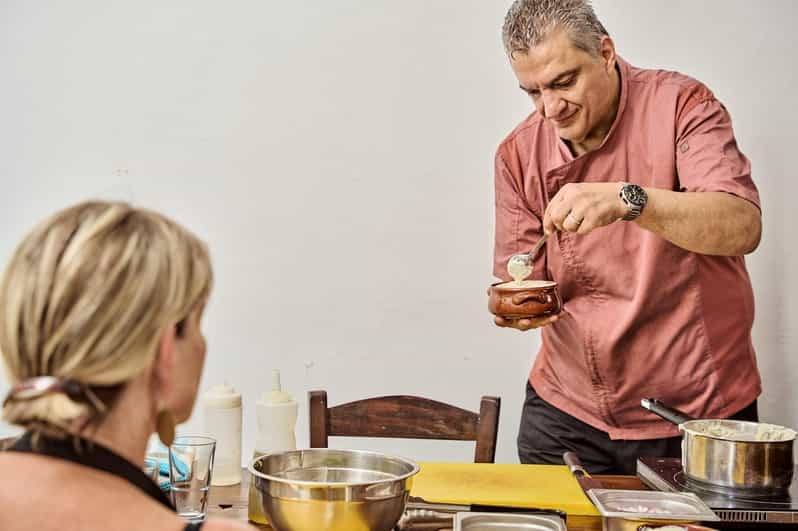
Food can explain a place faster than a guidebook. This 3.5-hour cooking class in Megalochori gives you a practical taste of Greek home cooking, with a professional chef guiding a small group through moussaka, tzatziki, Greek salad, pasticio, and tomato fritters. I like the limited group size of eight, which gives you a fair chance to handle the food rather than watch from the edge. I also like that the meal ends with local Greek wine and recipes to take home.
The main caution is consistency. Several people had a warm, personal evening with chef Christos, but one booking ended early after a serious scheduling problem and an uncomfortable interaction with the chef. That does not cancel out the strong food and teaching reports, but it is worth keeping in mind before you pay $141 per person.
Key points at a glance
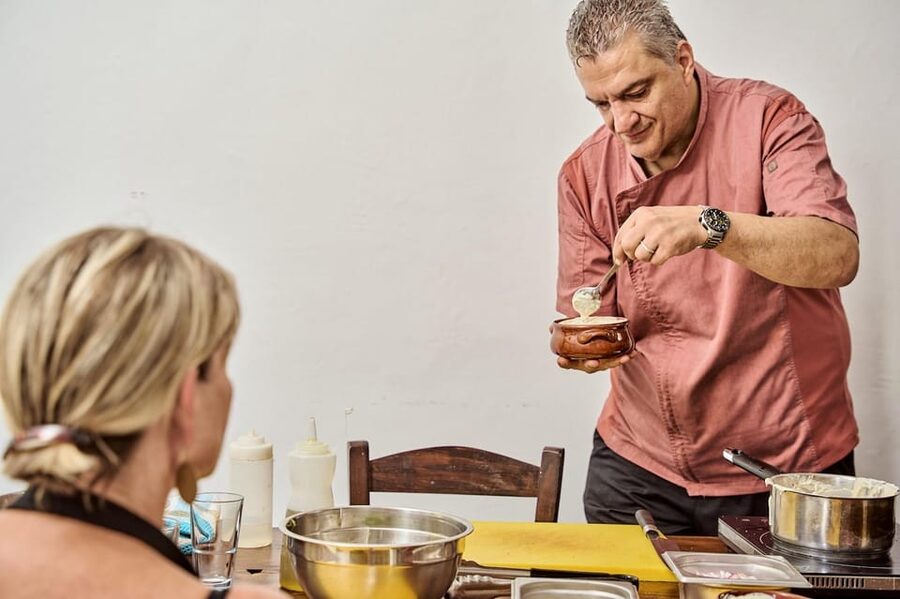
- Cook five Greek dishes: You prepare moussaka, tzatziki, Greek salad, pasticio, and tomato fritters rather than simply watching a demonstration.
- Meet in Megalochori: The class takes place at Feggera Restaurant, about 150 meters from the public parking area in the village.
- Small group setting: With a maximum of eight participants, you should have room to ask questions and take part in the work.
- Learn from chef Christos: Several strong reports praise his friendly teaching, useful answers, and ability to add a local twist or adjust dishes for vegetarian diners.
- Eat what you prepare: The class finishes with a shared lunch or dinner, accompanied by a glass of local Greek wine.
- Plan your own ride: Transportation is not included, so you must reach Megalochori independently.
Why Megalochori is a good setting for a cooking class
Megalochori gives this activity a quieter village setting than a class held in one of Santorini’s busy cliff towns. You meet at Feggera Restaurant, only about 150 meters from the village’s public parking area. That makes the meeting point fairly simple if you are driving or using a taxi.
The location also adds a useful change of pace to a Santorini trip. Many visitors spend their days chasing caldera views and sunset crowds. A cooking class brings you into a restaurant kitchen and dining room, where the focus is on food, conversation, and local habits.
The meeting point is not a hotel pickup location. You need to arrange transportation yourself, and that matters on an island where travel times can vary. Give yourself enough time to find the public parking area and walk the final 150 meters to Feggera Restaurant.
Because the activity is in a village, you may want to pair it with a short walk through Megalochori before or after the class. The cooking experience itself is the main event, though, so do not book it expecting a broad sightseeing tour of Santorini.
More Greek Cooking Classes in Greece:
- Greek Cuisine Cooking Class in Santorini with Recipes and Wine
★ 5.0 · 969 reviews - Greek Cooking Class in Athens Including Rooftop Dinner with Acropolis View
★ 5.0 · 826 reviews - Greek Small-Group Athens Cooking Class & Dinner
★ 5.0 · 574 reviews
The first hour: getting to work with Greek ingredients
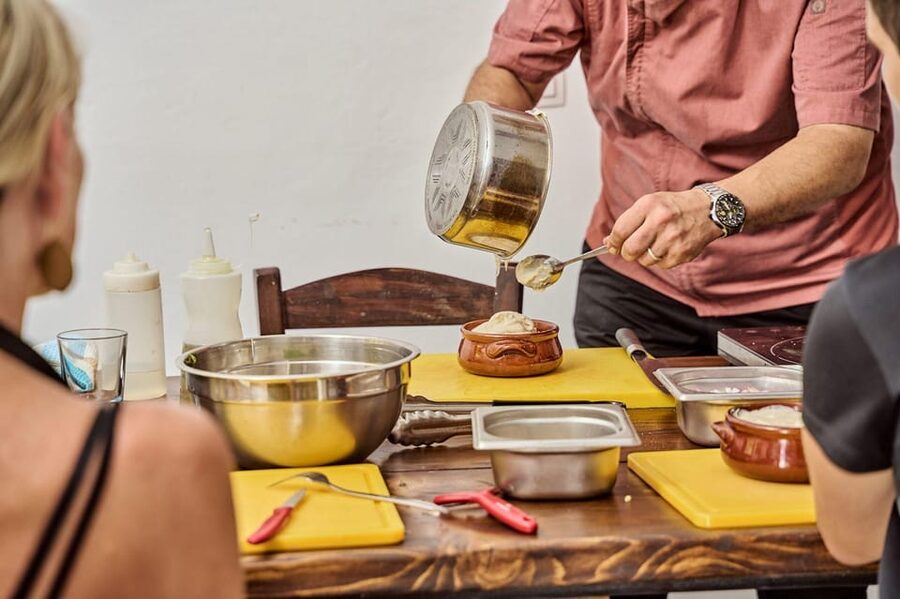
After introductions, you receive cooking utensils and ingredients and begin working with the group. This is not a formal demonstration where you sit and take notes while the chef does everything. The stated format is hands-on, so you should expect to chop, mix, assemble, and follow instructions under supervision.
That format is one of the best reasons to book. You learn what the food feels like at each stage, not just what the finished plate looks like. A chef can explain technique as you work, including how to handle mixtures, season dishes, and follow the steps in the correct order.
The exact order of the recipes is not specified, but the menu includes five familiar Greek dishes:
- Moussaka
- Tzatziki
- Greek salad
- Pasticio
- Tomato fritters
The selection gives you a good spread of Greek cooking styles. Moussaka and pasticio are baked dishes that require preparation and assembly. Tzatziki offers a cool, simple contrast. Greek salad keeps the meal fresh, while tomato fritters provide a crisp, savory dish that feels especially suited to a shared table.
You should ask questions as you go. Christos received strong praise for answering questions and explaining new techniques, and one particularly good part of the class was the ability to learn both traditional recipes and a local version of some dishes. If you have an interest in cooking beyond taking photographs, this is where the class earns its price.
Moussaka and pasticio: the heavier Greek classics
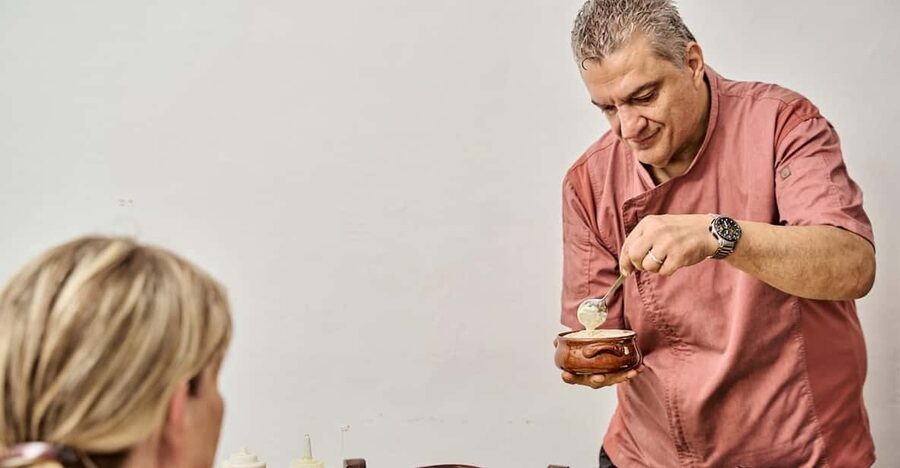
Moussaka is one of the dishes most people associate with Greek cooking. It is a layered baked dish, and preparing it in a class helps you understand the work behind a plate that often arrives at a restaurant looking effortless.
Pasticio, sometimes written pastitsio, is another baked specialty. It is a pasta dish with a hearty, comforting character. Preparing both dishes in the same session gives you a useful look at how Greek cooking handles oven-baked meals, sauces, and layered textures.
These recipes may take more time than the simpler dishes, which is one reason the class lasts three and a half hours. You are not paying for a quick recipe demonstration. You are allowing time for preparation, instruction, cooking, and the final meal.
The value depends on how much you participate. If you prefer to sit back while someone else cooks, this may feel long. If you want to leave with techniques you can repeat at home, the extended schedule makes sense.
Tzatziki, salad, and tomato fritters bring balance
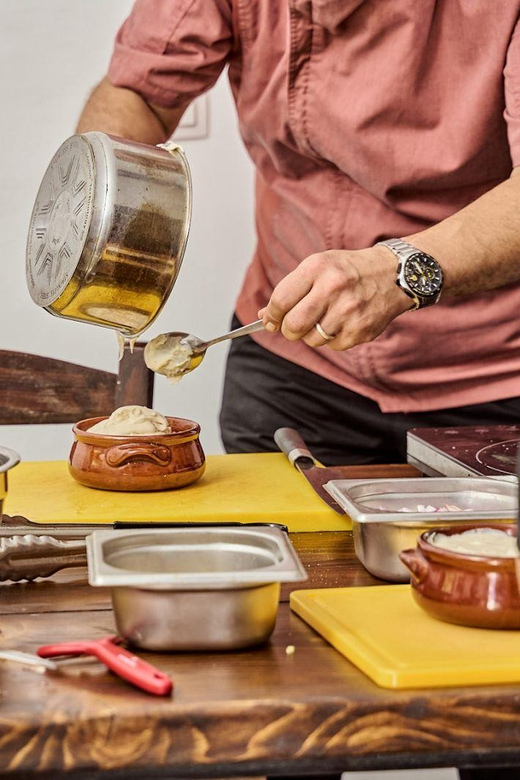
The lighter dishes keep the menu from feeling too heavy. Tzatziki is a straightforward Greek staple, but simple food still rewards good technique. The chef’s advice can help you understand how the ingredients should come together rather than simply handing you a finished bowl.
Greek salad is familiar to many diners, yet making it as part of a full Greek menu helps show how it fits into a larger meal. It is not just a side dish. It gives the table freshness alongside the baked dishes.
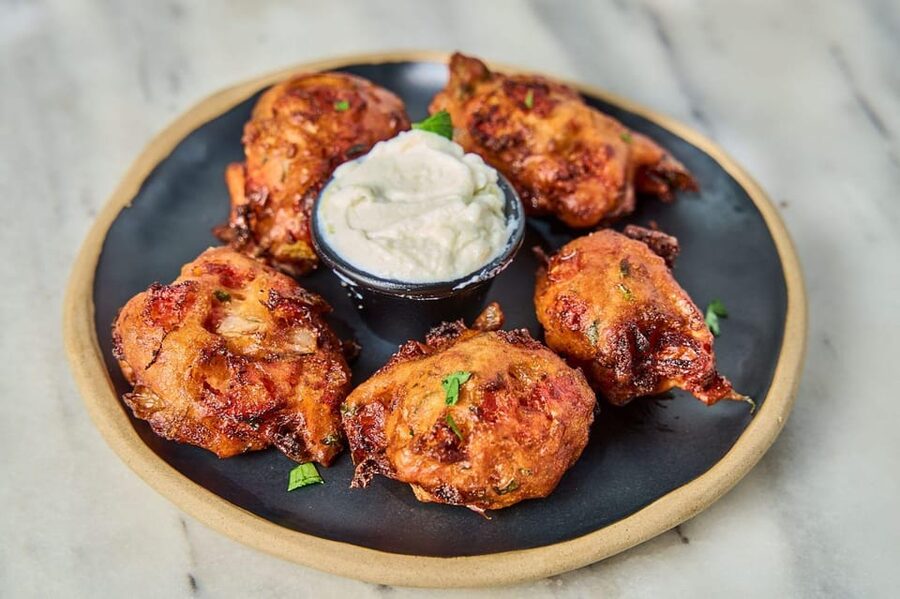
Tomato fritters add another texture and flavor to the meal. They also give you a chance to work with a dish that may be less familiar than moussaka or tzatziki. The combination makes the class more interesting than an activity focused on one famous recipe.
The menu is particularly useful for a vegetarian meal. One person specifically noted that the chef adapted the cooking to vegetarian needs and included a local variation. Still, if you have allergies or other dietary restrictions, ask about them before booking. The available information confirms vegetarian accommodation, but it does not promise a full range of special-diet options.
A few more cooking classes around Greece worth a look
- Athens: Classic Cooking Class with Market Visit and Wine
★ 5.0 · 1,101 reviews - Athens: Food Market Visit and Cooking Class with Wine
★ 4.9 · 1,087 reviews - Naxos: Half-Day Cooking Class at Basiliko Family Tavern
★ 5.0 · 887 reviews - Exclusive Cooking Experience in our Cave Home by Petra Kouzina
★ 5.0 · 572 reviews
A small group makes the instruction more useful
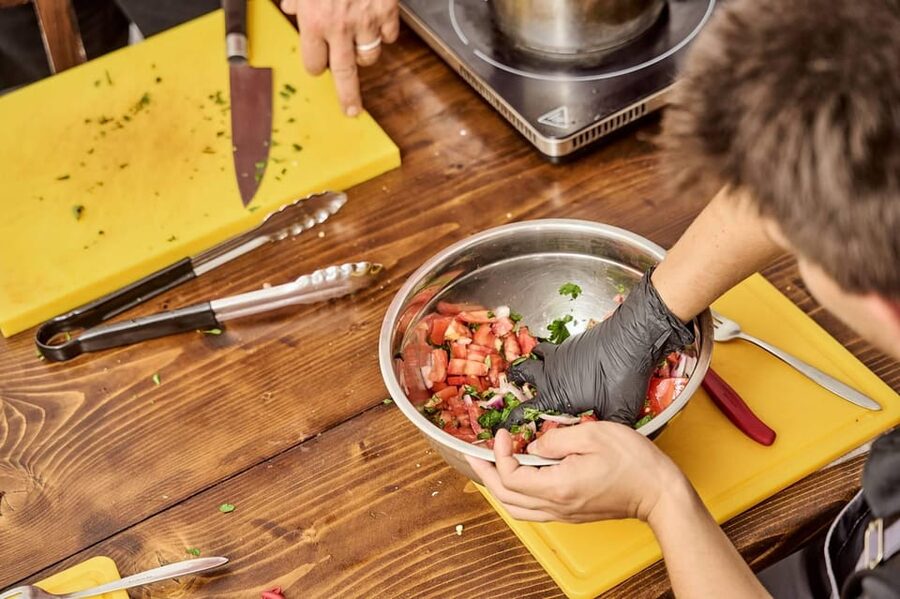
The class is limited to eight participants. That is a practical number for a shared kitchen session. You are less likely to spend the whole time standing behind someone else, and you should have more chances to ask about the food.
A small group also changes the mood. You cook alongside other food-focused people, then sit down together for the meal. That social part is built into the activity, so it works best if you are comfortable sharing a table and cooperating during preparation.
The group size does not guarantee a private lesson. You will still be working as part of a group, and some tasks may be shared. If you want one-on-one instruction or a private menu designed around your preferences, this is not described as that kind of class.
English and Greek are the listed teaching languages. English-speaking participants should be able to follow the instruction, and the class has been praised for clear explanations and useful answers.
The meal at the end is more than a tasting
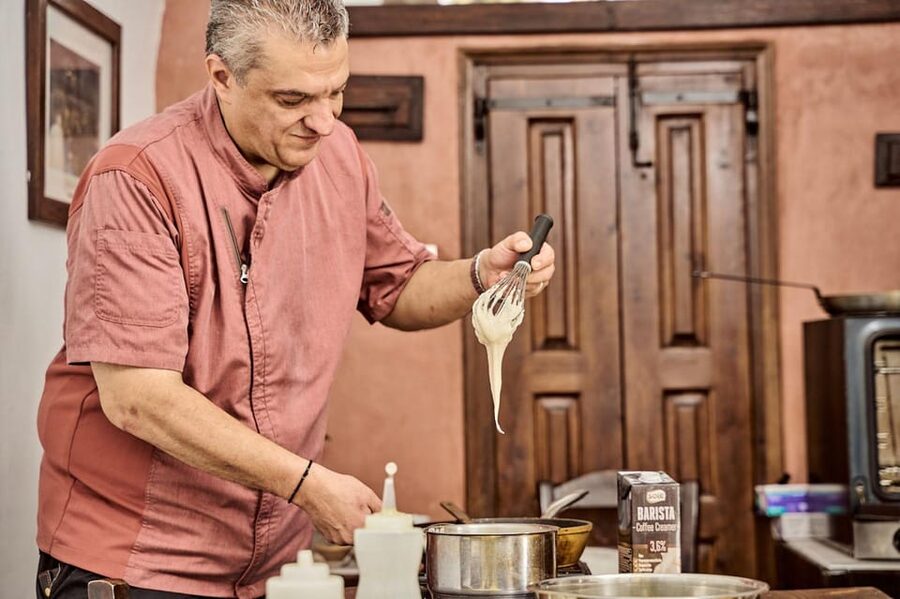
Once the dishes are ready, you sit down to eat what you helped prepare. That closing meal is important because it turns the class into a complete outing rather than a short kitchen lesson.
You receive a glass of local Greek wine with the food. The wine is included, as are the ingredients, utensils, and meal. You are not expected to buy basic supplies or pay extra simply to taste the dishes you made.
The final meal also lets you compare the separate recipes as one Greek table. Moussaka and pasticio provide substance, while tzatziki, salad, and tomato fritters add contrast. Several strong accounts describe the food as delicious, and one person called the dinner the best part of a final night in Santorini.
Recipes are also sent home after the class, according to one detailed account. That makes the experience more useful after your holiday. You can try to repeat the dishes rather than letting the evening become a pleasant but fading memory.
The meal is listed as either lunch or dinner, depending on the available start time. Check the schedule when booking, since the timing affects how well it fits with your other Santorini plans.
The chef can make or break the evening
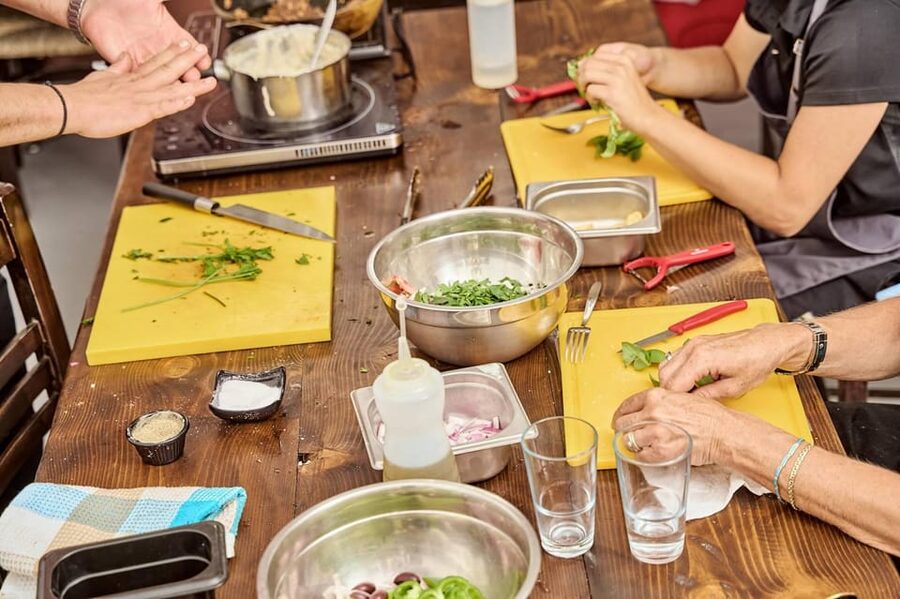
The strongest praise centers on Christos. He is described as friendly, informative, and willing to answer questions. Good instruction matters here because the menu includes several dishes, and the class relies on the chef to keep the cooking organized.
A particularly positive account describes an interactive class where everyone had a chance to cook and try something new. Another notes that the chef offered both traditional recipes and a local twist, including adjustments for vegetarian diners.
There is also a serious warning. One booking reported arriving to find the chef absent, then being asked to return six and a half hours later because the two daily sessions had supposedly been combined. That person said no message had arrived and that the change had not been agreed to. The same account described the chef as rude and left after about two and a half hours.
This is a major service concern, even though it conflicts with the warmer accounts. I would confirm the start time shortly before the class and keep your booking details available. If a sudden change is suggested, ask for clear confirmation before altering your plans.
The mixed record means I would not book this as the one activity your whole holiday depends on. I would book it as a food experience with strong potential, while keeping a little flexibility around the schedule.
Is $141 per person a fair price?
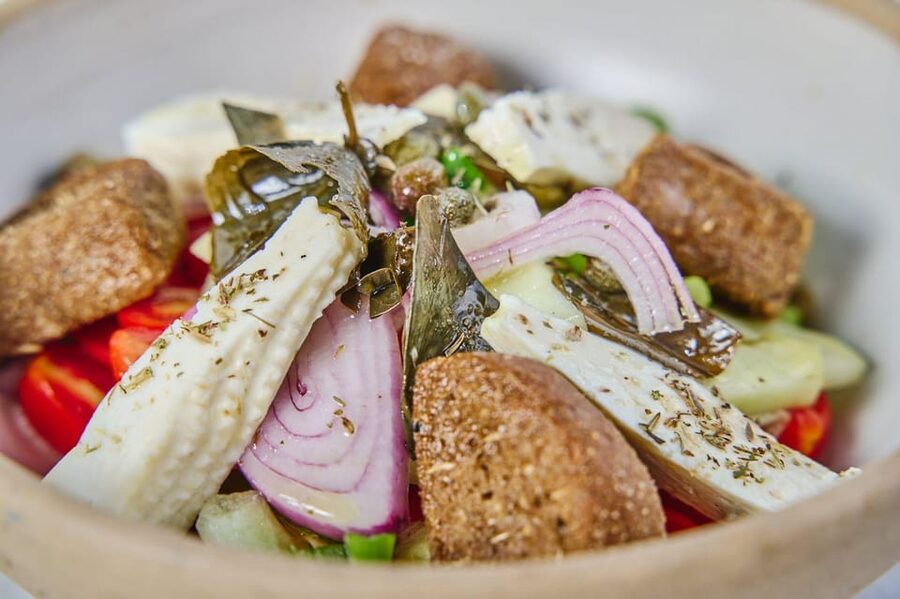
At $141 per person, this is not a budget meal. The price includes a three-and-a-half-hour class, a professional chef, ingredients, utensils, five prepared dishes, a meal, and a glass of local wine.
The value is strongest if you would otherwise pay for both a good restaurant meal and a separate cooking activity. You get dinner, instruction, social time, and recipes in one package. The small group size also helps justify the cost, since you are paying for participation rather than only a seat at a demonstration.
The price is less attractive if you mainly want to eat Greek food. A restaurant meal will likely take less time and may cost less, though it will not give you the cooking skills or recipes.
I would also factor in transportation. Since no transfer is included, your total cost may rise if you need a taxi to Megalochori. The nearby public parking area helps if you have a car, but the activity does not remove the need to plan your route.
Who should book this class?
I would recommend it to you if you enjoy cooking, want a meal with a social element, or like taking practical memories home from a trip. It is also a good fit for a final evening in Santorini, provided the class time suits your plans and you are comfortable with the reported scheduling uncertainty.
Vegetarian diners may find this especially useful because the food has been adapted to vegetarian needs in at least one session. Ask in advance so the chef knows what you require.
The class is not suitable for babies or young children. The supplied age information gives two limits, under 10 and under 16, so families should confirm the current minimum age before booking. In practical terms, I would treat it as an adult-oriented activity unless the provider confirms otherwise.
You should skip it if you dislike group cooking, need guaranteed transport, or want a polished restaurant dinner with no work involved. You should also think twice if a last-minute schedule change would disrupt your plans.
Should you book the Greek Cuisine Cooking Class?
I would book this if Greek food is one of your main reasons for visiting Santorini and you want to learn by doing. The menu is generous, the group is small, the wine and meal are included, and the recipes give the experience value beyond the evening itself.
The strongest version of the class appears to be warm, interactive, and well taught, with Christos explaining techniques and adding local touches. The one serious complaint about scheduling and attitude cannot be ignored, so confirm the details before you go and avoid placing an important ferry, flight, or sunset plan immediately afterward.
For food lovers, the potential reward is high: a village setting, five Greek dishes, a shared table, and something useful to cook at home. At $141, it is a splurge, but a reasonable one if you want a lesson as well as dinner.
FAQ
Where does the cooking class take place?
The class takes place at Feggera Restaurant in Megalochori, Santorini.
How far is Feggera Restaurant from public parking?
The meeting point is about 150 meters from the public parking area of Megalochori Village.
How long does the class last?
The cooking class lasts 3.5 hours.
What dishes will I prepare?
You will prepare moussaka, tzatziki, Greek salad, pasticio, and tomato fritters.
Is the class hands-on?
Yes. You take part in preparing the food with cooking utensils and ingredients provided for the class.
Is a meal included?
Yes. You eat a meal featuring the dishes you prepared.
Is wine included?
Yes. A glass of local Greek wine is included with the meal.
How many people can join the class?
The class is limited to eight participants.
What languages are spoken?
The instructor teaches in English and Greek.
Is transportation included?
No. You must make your own way to Feggera Restaurant in Megalochori.
Can I cancel for a full refund?
You can cancel up to 24 hours in advance for a full refund.
Can I reserve now and pay later?
Yes. The activity allows you to reserve your place and pay later.
Is the class suitable for children?
The activity is not suitable for babies or young children. The supplied age information lists restrictions for children under 10 and under 16, so confirm the current minimum age before booking.
Just added around Greece
- Authentic and Traditional Cooking Class in Chania Crete★ 5.0 · 5 reviews
- Private Cooking Class – A Culinary Journey in Argostoli★ 5.0 · 2 reviews
- Chania Cooking Class in Crete with rustic, delicious and homely Cretan food!★ 4.5 · 14 reviews
- Private Greek Cooking Class in Athens-Learn to Cook with Angelina★ 5.0 · 3 reviews
- Cook with Katerina: Authentic Greek Home Cooking Class in Athens★ 5.0 · 15 reviews
- Private Walking Meze Cooking Course★ 5.0 · 6 reviews
- Cooking Class in Athens: Learn the Art of Phyllo with Christina★ 5.0 · 24 reviews
- Greek Cooking Class with Acropolis View★ 5.0 · 76 reviews
Greek Cooking Classes, compared.
Greek Cuisine Cooking Class in Santorini with Recipes and Wine
Read our review →
Greek Cooking Class in Athens Including Rooftop Dinner with Acropolis View
Read our review →
Greek Small-Group Athens Cooking Class & Dinner
Read our review →
Greek Cuisine Cooking Class and 3-Course Dinner
Read our review →
Traditional Greek cooking class and lunch or dinner with an Acropolis view
Read our review →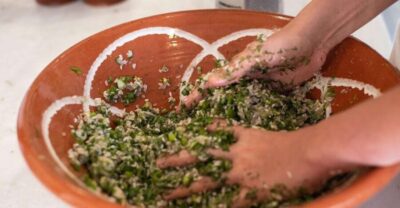
Greek Cooking Class with a Local Chef, Wine, & Meal in Drios
Read our review →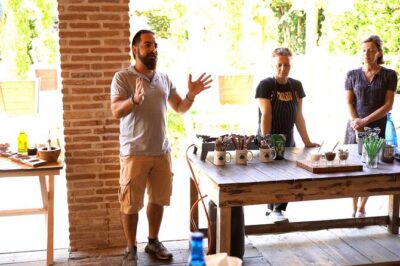
Half-Day Greek Cooking Class of Zakynthian Culture with Lunch
Read our review →Lists this class appears in