
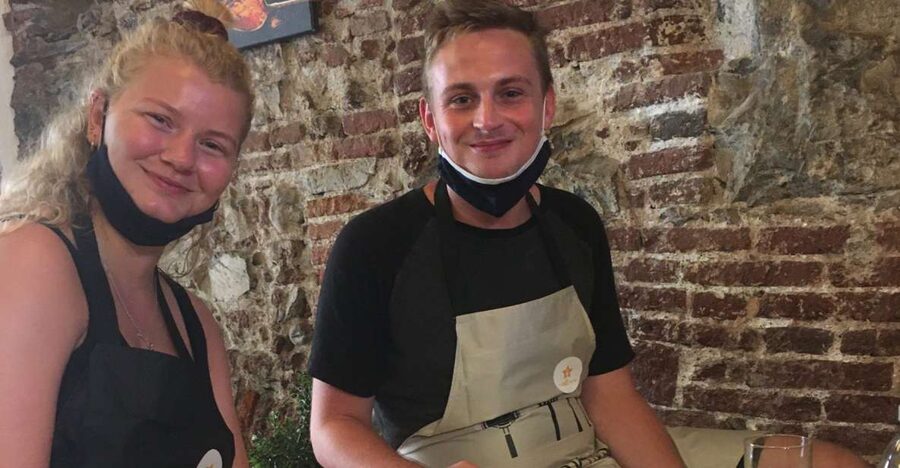
REVIEW · LIGURIA, ITALY
Genova Cooking Class with Tasting
Pesto tastes better when you make it. This 3.5-hour Genoa class turns Ligurian food into a hands-on meal, with fresh basil, pine nuts, and local guidance at the center. I like the small group size, limited to 10 people, and the chance to work in a small local restaurant rather than simply watch a demonstration.
I also like the mix of recipes: pesto Genovese, cheese-filled focaccia, and Canestrelli biscuits from the hills near Genoa. The main consideration is that the class is not suitable for wheelchair users, and the fourth recipe is not identified in the available details, so anyone with food allergies should contact the local partner before booking.
Key points at a glance
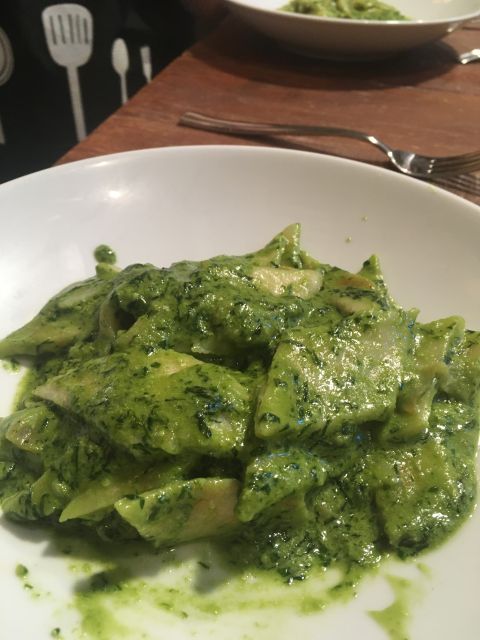
- Pesto made the Genoese way: Learn the small but important details behind a good pesto using fresh basil and pine nuts.
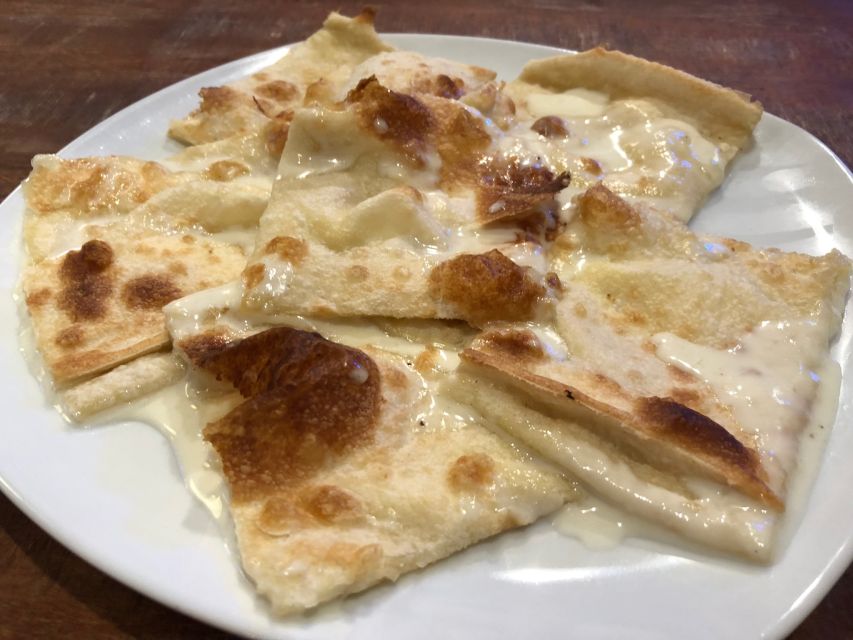
- Cheese focaccia by hand: Work with the dough for Focaccia con formaggio, made from two thin layers filled with Stracchino cheese.
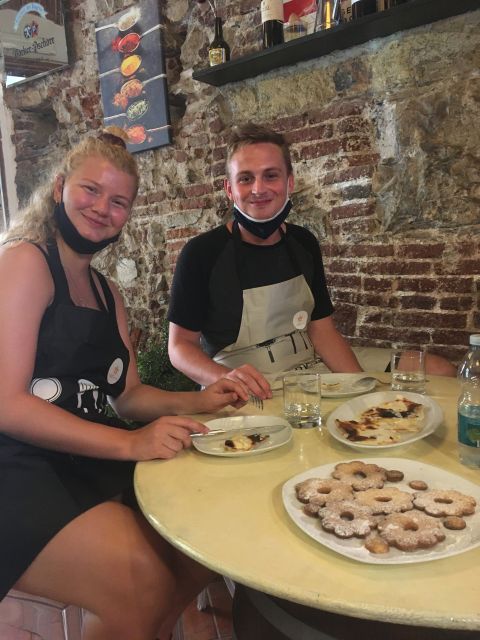
- Canestrelli from Torriglia: Prepare handmade biscuits linked to a village in the hills behind Genoa.
- Small local setting: The class takes place in a small restaurant, giving the meal a more personal feel than a large cooking school.
- Three and a half hours well spent: You have enough time to cook, ask questions, and eat what you make.
- A compact international class: The group is capped at 10, with instruction in English or Italian.
Meeting at Columbus House in central Genoa
Your class begins in front of Christopher Columbus’ House on Via di Porta Soprana. The meeting point is easy to identify by the historic house and sits at coordinates 44.405578, 8.935160.
I would arrive a little early. The class begins from a busy part of central Genoa, and you will want time to find Via di Porta Soprana without rushing. The meeting point is not the cooking venue itself, so follow the meeting instructions carefully and avoid bringing a large bag.
This location also gives you a useful first glimpse of Genoa’s old center. You are starting near one of the city’s better-known historic landmarks, then moving into a food experience that explains the city through its kitchen. That is a good match for Genoa, where narrow streets, port traditions, and simple local ingredients all meet at the table.
The activity does not include transportation from a hotel, airport, or cruise terminal. You should plan your route to the meeting point yourself. Comfortable shoes are recommended, which is sensible for a city center with uneven walking surfaces.
More Food and Drink Trips in Italy:
- Small Group Cooking Class & Market Food Tour in Florence
★ 5.0 · 1,574 reviews - Pasta Making & Wine Tasting with Dinner in Frascati from Rome
★ 5.0 · 1,326 reviews - Rome: Pasta Making with Wine Tasting and Dinner in Frascati
★ 4.9 · 979 reviews
Why the small restaurant setting matters
The class takes place in a small local restaurant, according to the available description of the setting. That detail matters. A restaurant kitchen or dining room gives the lesson a more useful connection to real food service than a staged studio can provide.
You are not just collecting a recipe card. You are handling ingredients, shaping dough, and preparing food that you eat with the group. The setting also keeps the class personal. With no more than 10 participants, you should have a better chance to see the work clearly and ask for help.
The small size does not mean the class will be quiet or private. You will be cooking alongside other people, and the social side is part of the appeal. The strongest praise for this experience focuses on the friendly atmosphere, the pleasure of working together, and the balance between learning and eating.
Past instruction included Veronica, Bernardo, and Marco. Their explanations focused on the little choices that affect pesto, and one particularly enjoyable part involved working the focaccia dough. Staff can change, so I would not book solely on the promise of meeting those three people. Still, their presence gives you an idea of the practical, friendly tone the class aims for.
Pesto Genovese, Genoa’s signature lesson
Pesto is the natural centerpiece of a Genoa cooking class. The sauce was born here, and the class focuses on making it with local fresh basil and pine nuts.
You will learn that pesto is not simply a matter of throwing ingredients into a blender. The instructors explain the small details that affect the final result. Those tips are valuable because pesto has few ingredients, so each one matters. When there is nowhere for poor ingredients or rough handling to hide, technique becomes easy to notice.
The class description does not list every step or tool used, so I would not assume a particular traditional method beyond the stated focus on an authentic recipe. The useful promise is that you will prepare the sauce yourself, taste it immediately, and receive practical advice from local professionals.
I like this format for first-time cooks because it makes a familiar food easier to understand. Pesto is also one of the easiest dishes to repeat at home after your trip. Fresh basil and pine nuts may vary by country and season, but the handling tips can still help you make a better sauce in your own kitchen.
The tasting is part of the lesson, not an afterthought. You can compare your work with the group’s result and ask questions while the flavors are fresh. That makes the pesto portion more useful than a quick sample handed to you at the end.
Cheese focaccia and the work of the dough
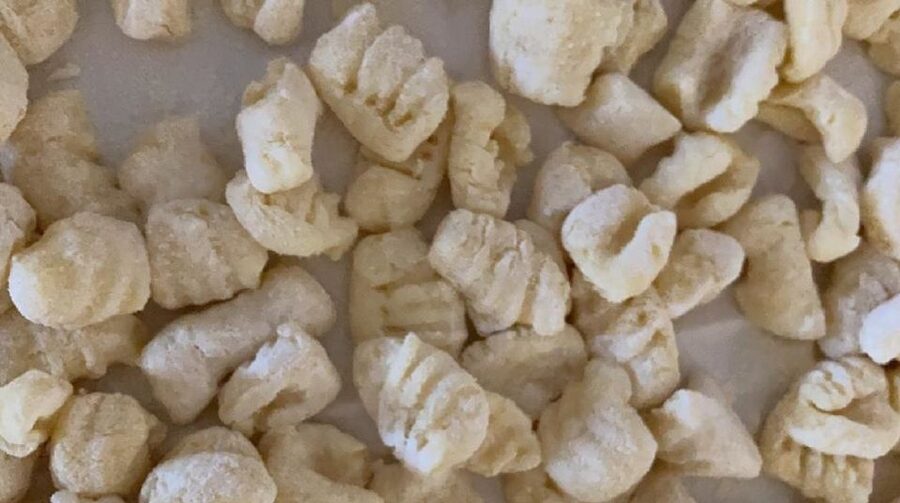
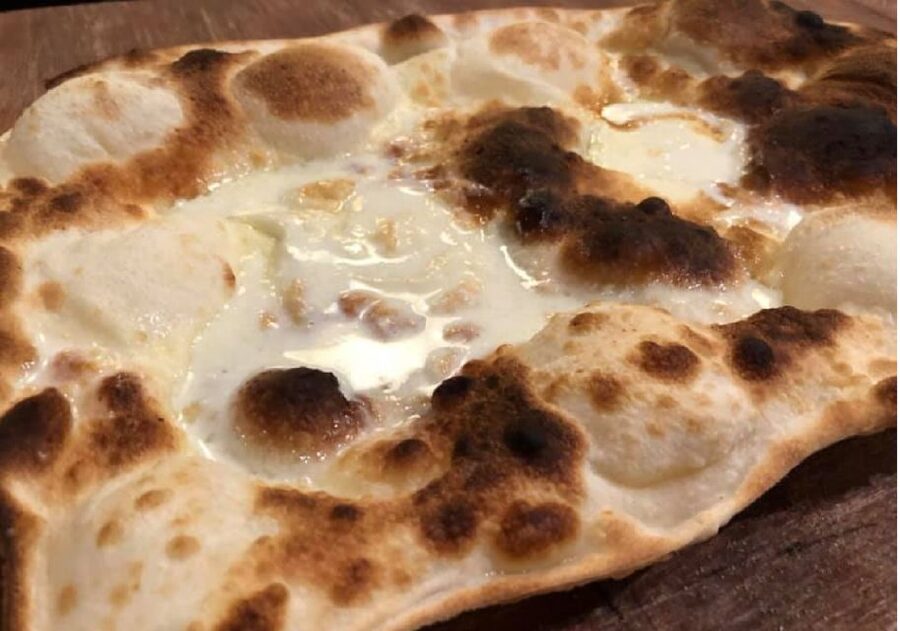
The focaccia portion centers on Focaccia con formaggio, a specialty made with two very thin layers of dough and Stracchino cheese between them. This is different from the thick, olive-oil-soaked focaccia many people first picture.
The dough work is one of the most hands-on parts of the class. You get to feel how thin the layers need to be and see how the soft cheese fits between them. That physical work gives you a better sense of the dish than watching a chef prepare it from across a counter.
This is also where the class may feel less tidy than a standard food tasting. Flour, dough, and soft cheese require some work, and your result may not look perfect. That is part of the value. You are learning how the dish is built, not entering a focaccia competition.
The available feedback gives particular attention to the fun of handling the dough. I would expect this section to suit families, couples, and friends who enjoy doing something together. If you prefer a polished meal with no kitchen work, this class may feel more active than you want.
A few more cooking classes around Italy worth a look
- Florence: Pasta Cooking Class with Unlimited Wine
★ 4.9 · 10,285 reviews - 3 in 1 Cooking Class near Navona: Fettuccine, Ravioli & Tiramisu
★ 5.0 · 7,376 reviews - Florence: Pasta & Tiramisu Cooking Class with Unlimited Wine
★ 4.9 · 6,708 reviews - Cooking Class and Lunch at a Tuscan Farmhouse with Local Market Tour from Florence
★ 5.0 · 4,831 reviews
Canestrelli from the hills behind Genoa
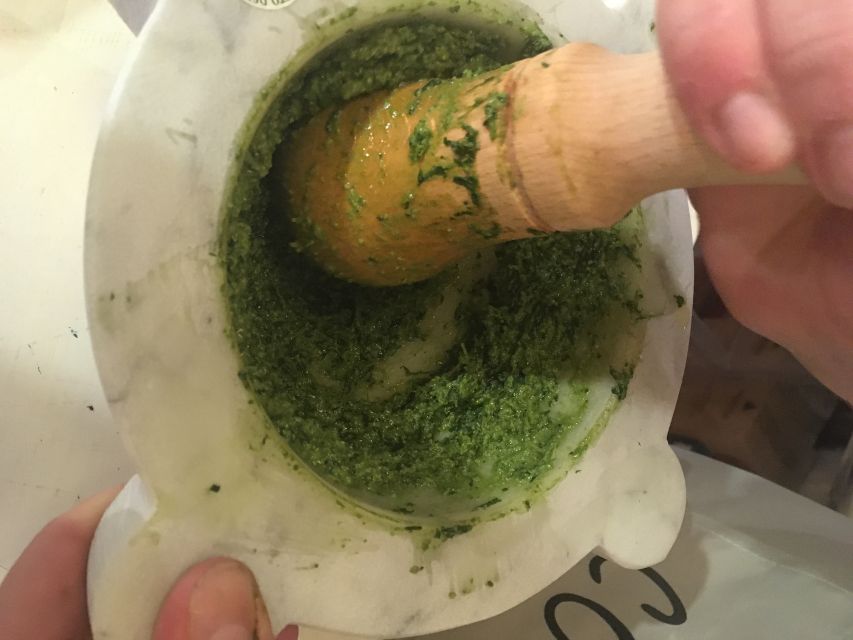
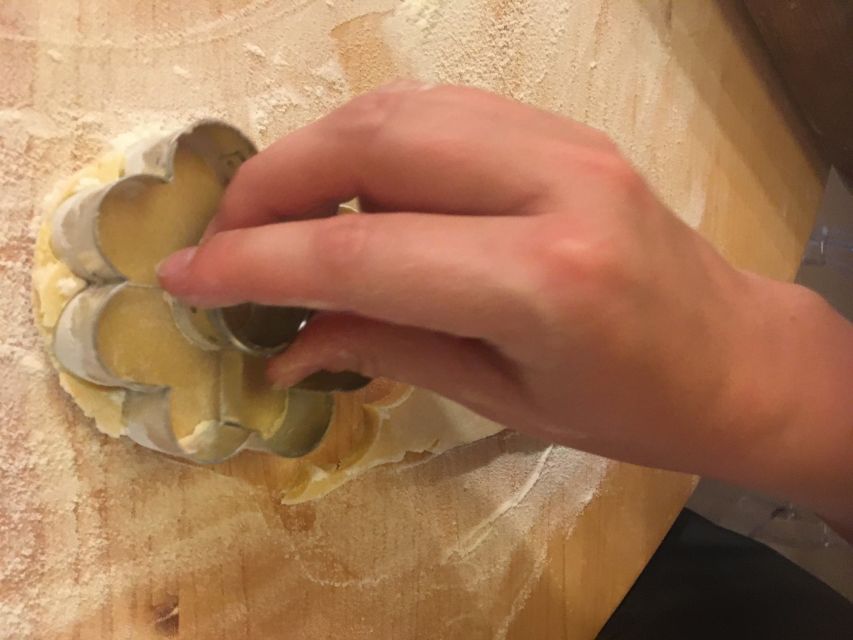
Canestrelli are handmade biscuits associated with Torriglia, a small village in the hills behind Genoa. Including them gives the class a wider view of Ligurian food. You are not only learning dishes connected to the city center, but also a sweet from the nearby inland area.
The biscuit lesson should add a pleasant change of pace after the pesto and focaccia. You move from fragrant herbs and dough to a simple baked treat, then taste the finished result with the group.
The details provided do not specify the full ingredient list, baking time, or shape of the biscuits. I would avoid expecting a full pastry course. Instead, think of Canestrelli as one part of a regional sampler, with enough instruction to understand what makes the biscuit local and traditional.
For a food-focused visit, that regional link is useful. Genoa is often treated as a port city and a gateway to the coast, but Ligurian cooking also reaches into the hills behind it. Torriglia adds that inland connection without requiring a separate excursion.
The fourth recipe and what the schedule allows
The class promises four traditional recipes from Genoa and Liguria. The named dishes are pesto Genovese, cheese focaccia, and Canestrelli. The available information does not identify the fourth recipe, so I would confirm the complete menu if that detail matters to you.
That small gap is worth noting, but it does not weaken the main idea of the class. Three and a half hours gives you time to prepare several foods, receive instruction, and sit down for a shared tasting. It is long enough to feel like a real activity, but short enough to fit into a day of exploring Genoa.
You should not expect a full restaurant meal with a long series of courses. The food is what you make, and the menu can depend on the class plan. If you want a precise list for dietary or personal reasons, ask the local partner before you reserve.
The shared tasting is an important part of the schedule. After working in the kitchen, you eat with the other participants. That turns the class into both a lesson and a social meal, with the reward arriving at the end of each preparation.
What makes the three-and-a-half-hour format worthwhile
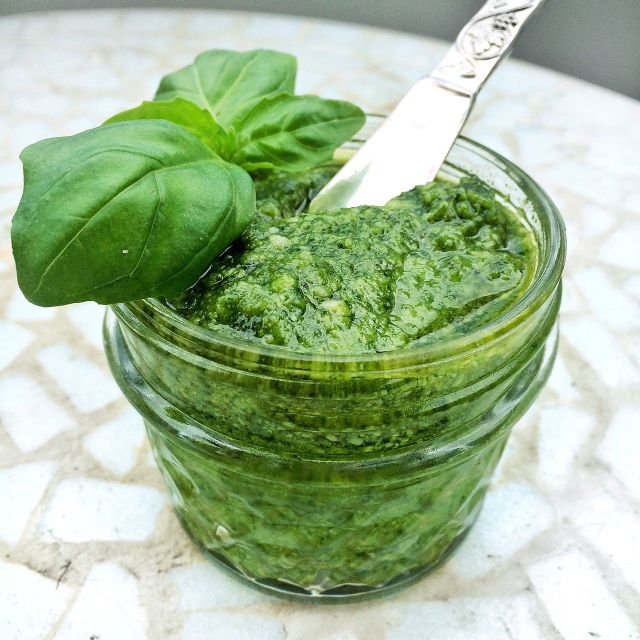
A short demonstration can show you how pesto looks. This class asks you to prepare it, work dough, make biscuits, and taste the results. That extra involvement is why I see value in the length, even before considering the booking price.
No price is supplied here, so I cannot judge the exact cost in euros. I would compare it with the price of a typical meal in Genoa, then ask what you are receiving beyond food: professional instruction, a small group, local context, and recipes you can try again at home.
The class is particularly useful if you are planning to eat many Ligurian dishes during your stay. You will recognize pesto Genovese on menus, understand why cheese focaccia is different from ordinary focaccia, and connect Canestrelli with the hills around Genoa.
If the class costs considerably more than a normal meal, the value depends on your interest in participation. You are paying for the activity as much as the tasting. If you only want to sample local food, a food market or restaurant may suit you better. If you enjoy learning by doing, the three-and-a-half-hour format makes more sense.
The reserve-now, pay-later option lets you hold a place without paying immediately. Free cancellation is available up to 24 hours before the activity for a full refund. Those terms are useful if your Genoa schedule may change, though you should still check the final conditions when booking.
Group size, languages, and the right type of participant
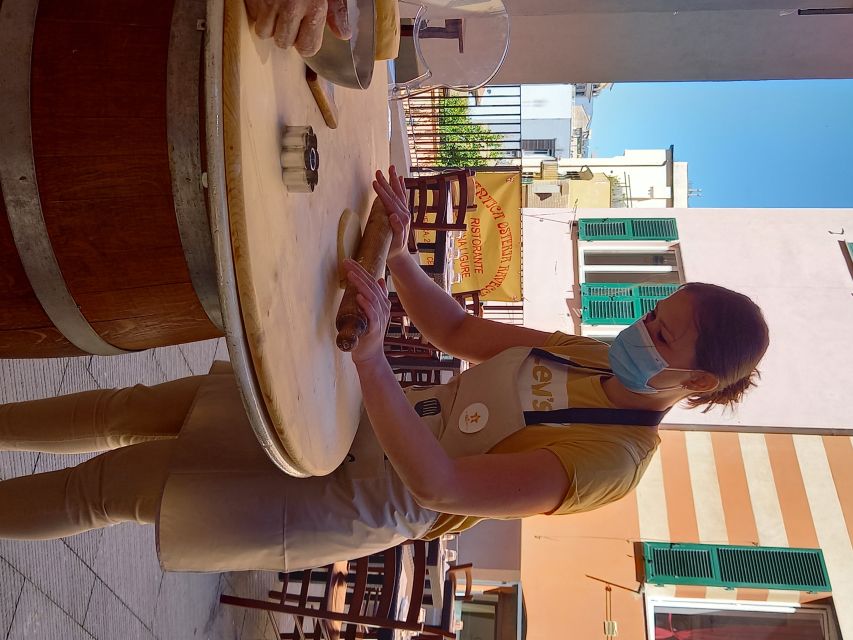
The group is limited to 10 participants. That is small enough for a personal lesson, while still giving the class a social feel. You should have more access to the instructors than in a large demonstration, though the exact amount of individual attention will depend on the group.
Instruction is available in English and Italian. If you understand either language, you should be able to follow the lesson. The available details do not promise interpretation in other languages.
I think this class suits:
- Couples who want an activity beyond sightseeing
- Families with older children who enjoy hands-on food preparation
- Solo visitors who like meeting people over a shared meal
- Home cooks interested in pesto and regional baking
- Cruise or short-stay visitors with half a day available in Genoa
It may not suit you if you need wheelchair access, want a completely passive tasting, or plan to bring luggage into the class. Pets and large bags are not allowed. Food allergies also require advance notice to the local partner, and you should not assume that every recipe can be changed.
Practical advice before you go
Wear comfortable shoes. You will be taking part in food preparation, and practical clothing is better than anything delicate or formal.
Do not bring large bags or luggage. The rules specifically exclude them, and a small restaurant setting may not have space for bulky belongings. Pets are also not permitted.
Tell the local partner about food allergies of any kind before the class. This is especially important because the experience includes several prepared dishes and a shared tasting. The supplied information does not promise allergy-free substitutions, so ask before booking rather than hoping to solve the issue at the table.
The class is not suitable for wheelchair users. If accessibility is important for you, contact the provider before making plans, since the available information gives no further details about the venue.
I would also leave room in your schedule after the class. The activity lasts 3.5 hours, but central Genoa offers plenty to see before and after the food lesson. Do not schedule it so tightly that a small delay leaves you rushing to your next stop.
Should you book this Genoa cooking class?
I would book this class if you want to understand Ligurian food through your own hands. The strongest reasons are the small group, the local restaurant setting, the focused pesto lesson, and the chance to prepare cheese focaccia and Canestrelli rather than only taste them.
I would skip it if you have serious dietary concerns that cannot be accommodated, need wheelchair access, or prefer a short food sample with no preparation. I would also confirm the fourth recipe if the exact menu is important to you.
For most food-minded visitors, this looks like a friendly and useful half-day activity. You leave with more than a full stomach: you gain a clearer sense of how Genoa’s best-known foods are made and why simple Ligurian ingredients deserve careful handling.
FAQ
How long does the Genoa cooking class last?
The cooking class lasts 3.5 hours.
Where is the meeting point?
Meet in front of Christopher Columbus’ House on Via di Porta Soprana in Genoa. The listed coordinates are 44.405578, 8.935160.
What languages are available?
The live guide can provide the class in English or Italian.
How many people are in the group?
The class is limited to 10 participants.
Which Ligurian foods will I prepare?
The class includes pesto Genovese, cheese-filled focaccia made with Stracchino, and Canestrelli biscuits from Torriglia. It also includes a fourth traditional recipe, but that dish is not identified in the available details.
Can I attend if I have a food allergy?
You must inform the local partner about food allergies of any kind before attending. The available details do not promise specific substitutions.
What should I bring?
Bring comfortable shoes. Pets, luggage, and large bags are not allowed.
Is the class suitable for wheelchair users?
No. The experience is listed as unsuitable for wheelchair users.
Can I cancel my booking?
You can cancel up to 24 hours in advance for a full refund. A reserve-now, pay-later option is also available.
Just added around Italy
- Cooking Class in a Sicilian countryhouse★ 5.0 · 5 reviews
- Cesarine: Home Cooking Class & Meal with a Local in Catania★ 4.5 · 10 reviews
- Cesarine: Market Tour & Home Cooking Class in Catania★ 4.0 · 6 reviews
- Cooking Class in Taormina with Lunch Included★ 5.0 · 2 reviews
- Cooking Class and Wine Pairing in Capri★ 5.0 · 57 reviews
- Cooking class in Capri for small groups★ 4.0 · 4 reviews
- Private Cooking Class Experience in Reggio Calabria★ 5.0 · 5 reviews
- Lezione di Cucina : Pasta Fresca★ 5.0 · 12 reviews
Cooking Classes, compared.

Half-Day Thai Cooking Class at Organic Farm in Chiang Mai
Read our review →

3 in 1 Cooking Class near Navona: Fettuccine, Ravioli & Tiramisu
Read our review →
Pasta & Tiramisu Cooking Class with Unlimited Wine
Read our review →
Hanoi Cooking Class: Culture, Local Market & Meaning CSR Impact
Read our review →
5 Traditional Dishes Hanoi Cooking Class with Market Trip
Read our review →
Cooking Class and Lunch at a Tuscan Farmhouse with Local Market Tour from Florence
Read our review →
Cooking Class, Market & Thai Herbs Garden Tour
Read our review →Lists this class appears in