REVIEW · ROME, ITALY
Fettuccine Ravioli and Tiramisu Cooking Class in Rome
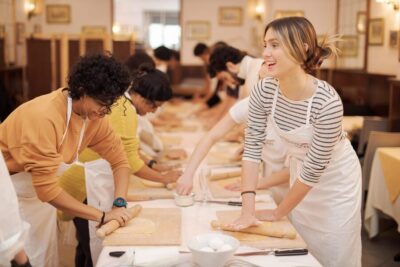
Fresh pasta brings people together fast. This three-hour class near Piazza Navona lets you make fettuccine, ravioli, and tiramisu from scratch, then sit down to eat what you prepared. I like the central location and the mix of hands-on work with a relaxed meal, including wine and a final coffee or limoncello.
The class also earns strong marks for its warm instructors. Chefs such as Maria, Leo, Lori, Mattia, Mimi, Tommy, and Leonardo are praised for patience, humor, and making beginners feel capable. The main consideration is group size, which can reach 20 people, and one useful warning: confirm the meeting address before you leave, since conflicting location details have caused confusion for at least one booking.
Key Points to Know Before You Book
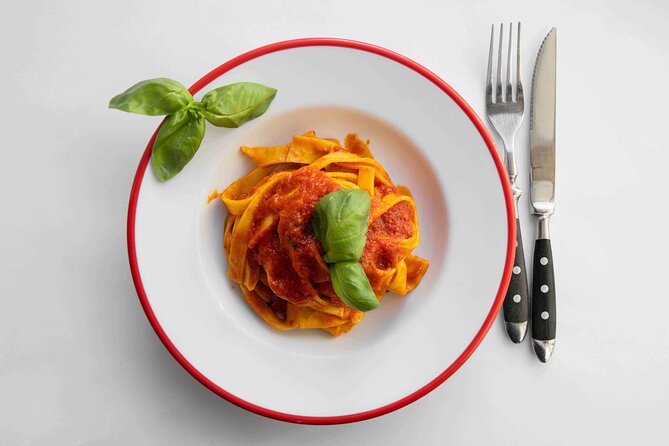
- You make three Italian staples: Prepare fresh fettuccine, stuffed ravioli, and classic tiramisu.
- The setting is central: Meet at Via Giuseppe Zanardelli 14, close to Piazza Navona and public transportation.
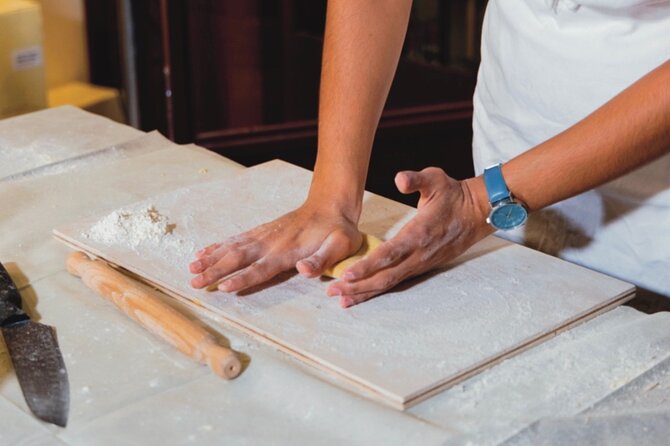
- The chef does more than demonstrate: You roll, cut, stuff, and shape the pasta yourself.
- The meal is part of the experience: Eat your pasta and dessert together with a glass of wine.
- It suits first-time cooks: The recipes are approachable, and the chefs help correct mistakes without fuss.
- The group may be sizable: Up to 20 people can attend, though smaller classes may finish in about two hours.
Why This Rome Cooking Class Works So Well
Rome offers no shortage of pasta, pizza, and tiramisu. The value here is that you stop being only an eater for a few hours. You handle the dough, learn how little flour and egg can produce a surprising amount of pasta, and then taste the result at the same table.
I especially like the balance between instruction and social time. You are not expected to spend three hours in a silent classroom. The chefs keep the pace moving, answer questions, and add enough humor to make mistakes feel normal. After the cooking, you sit with the group and share the meal.
The class has a perfect overall rating from 254 published ratings, and every listed rating recommends the experience. That does not mean every detail will suit every person, but it does point to a clear pattern: the teaching style, food, and shared meal are the main strengths.
The price is $84.69 per person. That is more than a simple Roman lunch, but it covers instruction, ingredients, three dishes, wine, water, and the social experience. You also receive recipes, giving the class value after you return home. For a family or couple looking for an activity beyond sightseeing, the price is reasonable if you care about learning as well as eating.
More Pasta Making Classes in Rome
- 3 in 1 Cooking Class near Navona: Fettuccine, Ravioli & Tiramisu
★ 5.0 · 7,376 reviews - Rome: Pasta Making Class with Wine, Limoncello, and Dessert
★ 4.9 · 3,177 reviews - Rome Cooking Class: Make Pasta and 3 Spritz Cocktails
★ 5.0 · 2,937 reviews
Arriving Near Piazza Navona
The class begins at Via Giuseppe Zanardelli 14, 00186 Rome. The address places you in central Rome, near Piazza Navona, so you can fit the cooking session between major sights, a morning walk, or an evening meal.
This location is one of the class’s practical advantages. You do not need to spend half a day reaching a distant kitchen. Afterward, you are still close to the historic center and can continue exploring on foot.
The meeting point is near public transportation, but you should still allow time to find the exact entrance. Rome’s central streets can be confusing, and the class may be held at Restaurant Gusto, which is named in the experience details. Check the address in your final confirmation before setting out.
One booking had two different meeting locations in the email and went to the original address successfully. That confusion appears to be the exception, not the rule, but it is worth taking seriously. If your confirmation gives two addresses, contact the provider before class rather than guessing.
The First Task: Making Tiramisu
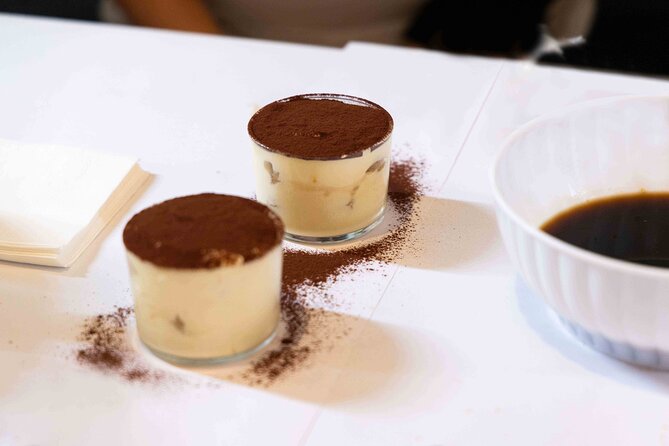
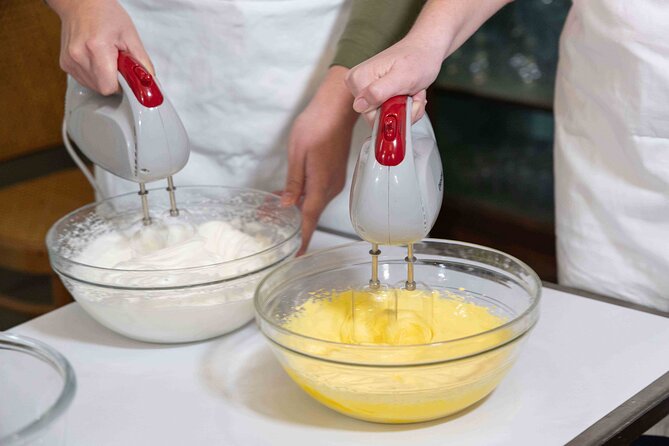
The class begins with preparation, and tiramisu is one of the easiest places to gain confidence. You prepare the creamy mascarpone mixture and espresso-soaked biscuits, then assemble your own classic Italian dessert.
This part is useful for beginners because it does not require advanced kitchen skills. You learn the basic order of the ingredients and see how a few familiar products become a proper Italian dessert.
The tiramisu also gives the class a smart rhythm. While it rests, attention shifts to the pasta. By the time the meal arrives, the dessert is ready to serve.
The final tiramisu receives especially strong praise. If you have a sweet tooth, this may be the part you look forward to most. It also travels well as a lesson: the ingredients are easy to find, and the method is simple enough to repeat at home.
Rolling Dough Into Fettuccine
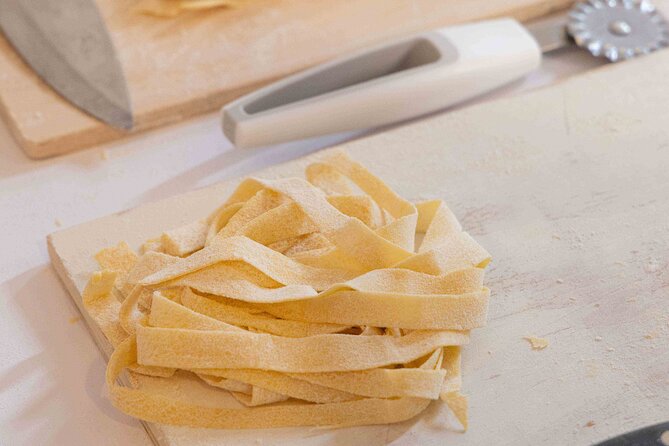
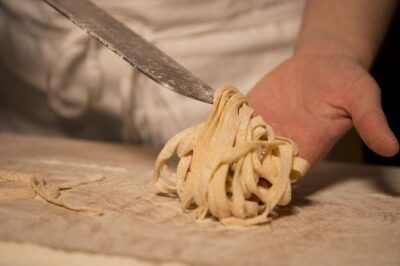
Next comes the pasta dough. You roll it out, cut it, and turn it into fettuccine. This is where the experience becomes truly hands-on. You are not merely watching a chef prepare fresh pasta while standing behind a counter.
The recipe is approachable. Several people describe being surprised by how much pasta comes from just one egg and one cup of flour. That small lesson explains why fresh pasta remains such a practical home-cooking tradition: the basic ingredients are simple, but the result feels special.
Rolling the dough takes a little effort. Chef Matt is praised for patiently helping with this stage, and Chef Maria is noted for giving useful tricks and taking time with each person. If your first sheet is uneven, do not worry. The class is designed for real people, not pasta machines.
The fettuccine comes with your choice of sauce:
- Tomato and basil
- Cacio e pepe
- Amatriciana
These choices let you pick a familiar Roman flavor. Cacio e pepe keeps things simple and sharp with cheese and pepper, while amatriciana offers a more robust sauce. Tomato and basil is the safe choice if you prefer a lighter, familiar taste.
One point is worth clarifying. You prepare the pasta, but the class may handle the final cooking while you relax. That is not a problem for most people, since cooking a large amount of pasta for a full group can be awkward. Still, if you expect to boil and plate every noodle yourself, adjust your expectations.
More Tiramisu and Dessert Classes in Rome
- Rome: 3-in-1 Fettuccine, Ravioli, and Tiramisu Cooking Class
★ 4.9 · 2,704 reviews - Fettuccine & Tiramisù: Cooking Class with Wine & Limoncello
★ 4.9 · 2,103 reviews - Rome: Pasta & Tiramisu Cooking Class near the Spanish Steps
★ 4.8 · 1,395 reviews - Cooking Class in the Heart of Rome: Pizza and Tiramisu Making
★ 5.0 · 1,330 reviews
Stuffing Ravioli With Butter and Sage
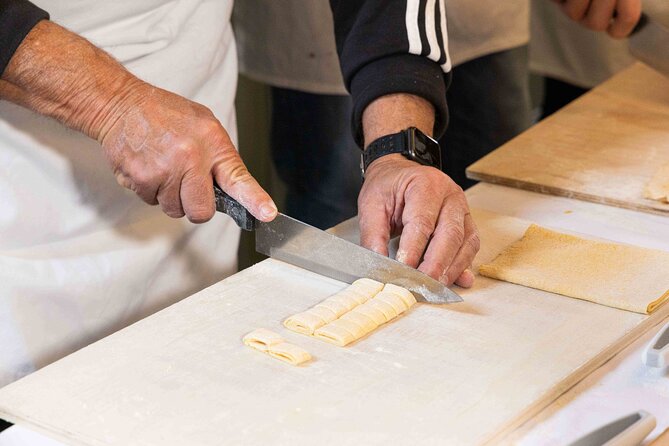
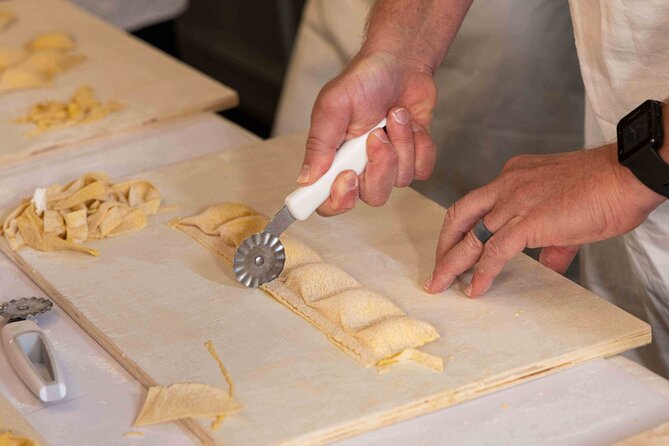
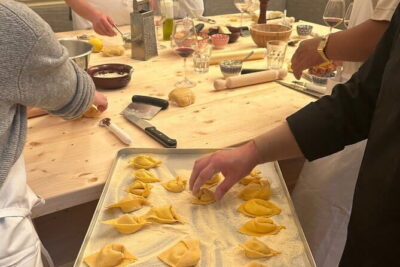
Ravioli adds a second type of pasta and a different skill. You roll the dough, add filling, seal it, and cut the individual pieces. The work is more detailed than fettuccine, but the chef guides you through it.
The ravioli is served with butter and sage sauce. This is a classic pairing because it does not overpower the pasta. The sauce lets you notice the texture of the dough and the filling instead of burying everything under a heavy topping.
This is also the stage when a helpful teacher matters most. Ravioli can split if it is not sealed properly or if too much filling is added. The chefs are praised for walking around, answering questions, and helping people fix mistakes. Leonardo, in particular, is described as warm and funny, with a knack for making people feel comfortable when the dough does not behave.
The class is not a competition. You will likely leave with better pasta-making skills, but the point is to enjoy the process. If you are cooking with children, the shaping and cutting can be especially entertaining, although younger children may need close help with the hands-on work.
Choosing a Sauce and Sitting Down to Eat
Once the pasta preparation is complete, the group moves into the meal portion. You have time to sit, enjoy a drink, and talk while the pasta is cooked.
That pause is one of the best features of the schedule. The first half requires concentration and some physical work, especially when rolling the dough. The meal gives you a chance to relax instead of rushing straight into another task.
The included drinks are Italian wine and water, followed by a final sip of limoncello or coffee. Additional food or drinks are not included, so do not assume that every beverage on the menu is covered.
The meal is served in a shared setting. This works well for solo visitors, couples, families, and small groups who enjoy meeting people from different places. One solo participant felt included, and family groups appreciated sitting together after cooking. The class creates a natural reason to talk, since everyone has just made the same dishes.
The food itself is the reward. You do not leave with a separate restaurant meal prepared by someone else. You eat the fettuccine, ravioli, and tiramisu connected to the work you just completed. That makes a basic pasta dish feel more memorable.
What the Chefs Do Best
The instructor can make or break a cooking class. Here, the strongest praise centers on teaching style rather than technical showmanship.
Maria is described as patient, clear, and willing to give everyone time. Leo is praised for excellent instruction and a well-planned class. Lori receives credit for giving individual attention, including to people who did not speak English comfortably. Matt is noted for helping with the rolling stage, while Tommy brings humor and gives useful assistance.
The chefs do not all teach in exactly the same way, so the tone may vary by session. Still, the repeated qualities are clear: patience, energy, and a willingness to help. That matters if you are nervous around dough or have never made pasta.
English is the listed language. One experience included two non-English speakers who still received individual attention, but you should book this class expecting instruction in English.
Group Size, Timing, and the Pace of the Class
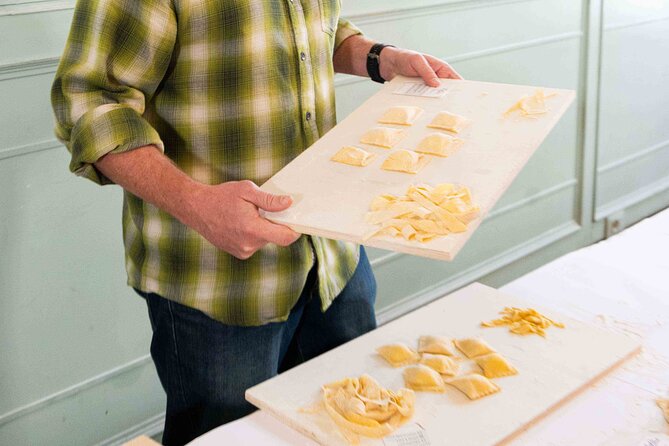
The maximum group size is 20 people. That is large enough to create a lively meal and a chance to meet new people, but it may mean less one-to-one time than you would receive in a private lesson.
The stated duration is about three hours. One smaller class finished in roughly two hours, so the actual timing can vary. A group of 20 may take longer to shape, cook, and serve the food than a smaller group.
I would plan on the full three-hour window, especially if you have another timed activity afterward. If the class ends early, you gain extra time in central Rome. Planning around the shorter estimate could leave you rushed.
The cooking itself takes place mainly in the first half. After that, you sit down, have a drink, and eat while the pasta is cooked. This makes the class feel more like a combined lesson and meal than a nonstop kitchen workshop.
Is It Good for Families and Solo Visitors?
This is one of the more flexible food activities in Rome. Families with children have enjoyed making the pasta and dessert together, and several family groups treated it as a highlight of their Italy trip.
Children who like shaping dough should have plenty to do. The class also gives families a shared task, which can be a welcome change from walking through museums or moving between crowded landmarks. Parents should remember that the class is still a real cooking session, so some stages require attention and patience.
Solo visitors can also fit in easily. The shared table gives you an easy way to meet people, and the cooking provides conversation without forcing awkward small talk. If you prefer quiet, private instruction, this may feel too social, especially with a full group.
Couples and friends get the best of both worlds: a practical activity and a meal. You can compare your ravioli shapes, laugh at imperfect dough, and then enjoy the results together.
What You Take Home Besides a Full Stomach
The most useful souvenir is the recipe. Recipes are provided at the end, so you can make the dishes again at home instead of allowing the experience to fade into a holiday memory.
You also learn a few basic habits that matter more than a complicated recipe. You see how to work pasta dough, how to cut fettuccine, how to seal ravioli, and how to assemble tiramisu. These are repeatable skills, not just a one-time demonstration.
The class can also change your view of Italian cooking. The dishes may look restaurant-like, but the core methods are not out of reach. With a little practice, you can prepare fresh pasta for family or friends and explain that the technique came from Rome.
Small Drawbacks to Keep in Mind
The class is highly praised, but it is not perfect for every type of cook. A group of up to 20 can feel busy, and you may not personally cook the pasta all the way through. If you want an intimate chef lesson or a serious culinary course, look for a smaller class.
The three-hour duration is approximate. A small class may finish faster, while a full class may use most of the scheduled time. Keep your afternoon or evening flexible.
The price does not include gratuity or extra food and drinks. Wine, water, and the listed final coffee or limoncello are included, but anything beyond that costs extra.
Finally, confirm the meeting point. The listed start is Via Giuseppe Zanardelli 14, and the activity ends there. Since one booking received conflicting address information, checking your confirmation is a sensible step.
Who Should Book This Experience?
I would choose this class if you want a central Rome activity that mixes food, instruction, and conversation. It is especially suited to first-time pasta makers, families, solo visitors, and anyone who wants a break from sightseeing crowds.
You should also book it if you value an activity that continues after the holiday. The recipes and basic techniques give you something useful to take home, and the meal makes the instruction feel worthwhile.
I would skip it if you want a private class, a quiet dining experience, or a detailed lesson in advanced Italian cooking. The format is social, practical, and friendly rather than formal.
At $84.69, the class is a fair buy for three dishes, a chef-led lesson, drinks, and a shared meal in central Rome. Add the recipes and the chance to recreate the food later, and the value improves. Free cancellation is available until 24 hours before the start time, which gives you some flexibility when planning a busy Rome itinerary.
Final Verdict: Book It for Food and People
This is a strong choice for a hands-on afternoon or evening in Rome. You make fettuccine, ravioli, and tiramisu, then eat together with wine and a final Italian drink. The food is memorable, but the real strength is the friendly teaching style.
Book it if you want to cook without feeling judged, meet people around a shared table, and take home recipes you can actually use. Just confirm the address, allow the full three hours, and remember that a large group may mean more shared instruction than private attention.
FAQ
Where does the cooking class begin?
The class begins at Via Giuseppe Zanardelli 14, 00186 Roma RM, Italy. The activity ends back at the meeting point.
How long does the class last?
The scheduled duration is approximately three hours. A smaller class may finish in about two hours, but you should plan around the full three-hour window.
What food will I prepare?
You will prepare fresh fettuccine, ravioli, and a classic tiramisu. The fettuccine comes with a choice of tomato and basil, cacio e pepe, or amatriciana sauce. The ravioli is served with butter and sage.
Are drinks included?
Italian wine and water are included. The experience also includes a final sip of limoncello or coffee. Additional food and drinks are not included.
Is the class taught in English?
Yes. English is the offered language for the experience.
How many people can join the class?
The class can have a maximum of 20 participants.
Can I cancel for a full refund?
Yes. You can cancel for a full refund if you do so at least 24 hours before the experience start time. Changes or cancellations made less than 24 hours before the start time are not accepted for a refund.
Just added around Rome
- Testaccio: Home Cooking Cacio e Pepe, Amatriciana, Carbonara★ 4.9 · 57 reviews
- Super Fun Pasta and Gelato Cooking Class by the Vatican★ 5.0 · 6 reviews
- Spritz and Spaghetti Traditional Cooking Class in Rome★ 4.9 · 30 reviews
- ROME:Hands-On Lasagna & Marsala Tiramisu Cooking Experience”★ 5.0 · 3 reviews
- Rome: Trastevere Pasta Making Class★ 4.9 · 33 reviews
- Rome: Vatican Food Tours, Cooking classes & Free Tours★ 4.9 · 11 reviews
- Rome: Traditional Pasta and Tiramisu Cooking Class★ 5.0 · 4 reviews
- Rome: Small Group Pasta cooking class near Piazza Navona★ 4.9 · 8 reviews
Pasta Making Classes, compared.
3 in 1 Cooking Class near Navona: Fettuccine, Ravioli & Tiramisu
Read our review →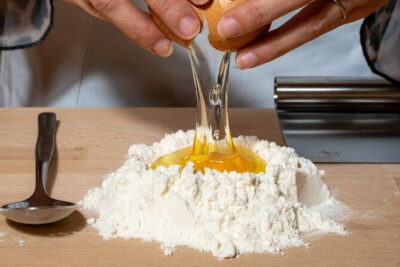
Pasta & Tiramisu Cooking Class with Unlimited Wine
Read our review →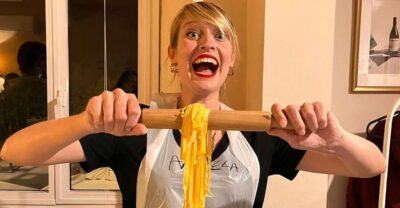
Pasta Making Class with Wine, Limoncello, and Dessert
Read our review →
Rome Cooking Class: Make Pasta and 3 Spritz Cocktails
Read our review →
3-in-1 Fettuccine, Ravioli, and Tiramisu Cooking Class
Read our review →