
REVIEW · LUCCA, ITALY
Every Day Cooking Class in Lucca Italy
Pasta is Lucca’s most delicious lesson. This small-group cooking class turns a two-and-a-half-hour meal into a friendly look at Italian food culture, with fresh pasta, tiramisù, local wine or an aperitivo, and stories about each dish. I especially like the hands-on format and the chance to cook inside Cremeria Opera’s working gelato and pastry kitchen. I also like that the class is limited to 10 people, so the teacher can offer useful help instead of leaving you to watch from the back.
The main drawback is practical: there are no gluten-free options, so this is not a good fit if you need to avoid gluten. The $156.38 price is also not cheap for a 2-hour-30-minute activity, though it includes food, drinks, instruction, and a full meal rather than just a demonstration.
Key points to know before booking
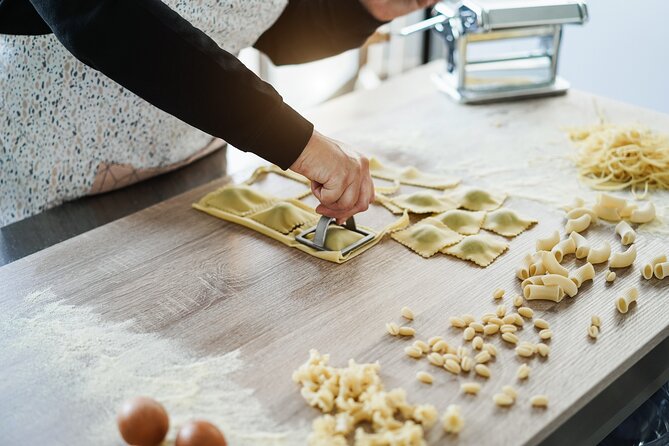
- Fresh pasta is made by hand, then cooked and served with butter and Parmesan or, in some classes, ragù.
- Tiramisù is part of the core menu, and you learn why the dessert has its famous name.
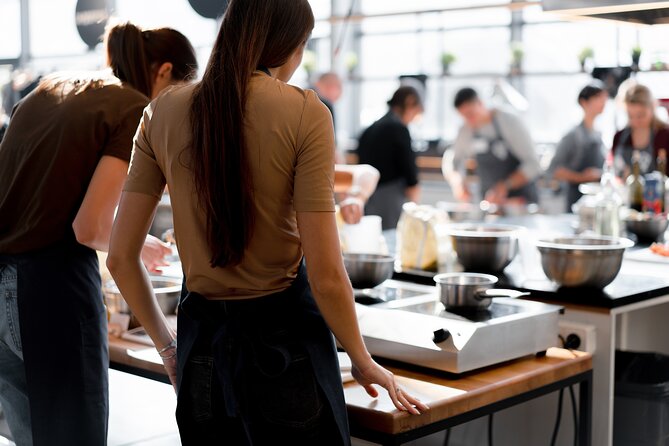
- The class takes place in a commercial gelato and pastry kitchen, giving the setting a real working-food feel.
- Teachers including Giulia, Giuliana, Julie, and Juliette are praised for patience, warmth, and clear instruction.
- The food menu may vary, with past classes including pasta fritta, ragù, filled pasta, castagnaccio, and gelato.
- The group is capped at 10, and the experience starts at 3:30 p.m. at Via dei Bichi 150.
What happens during the 3:30 p.m. class
The class begins at 3:30 p.m. at Via dei Bichi, 150, in Lucca. It ends at the same location, which makes the meeting point easy to manage if you are spending the day inside the city and want a fixed afternoon plan.
The first part is social rather than formal. You receive a local wine or a typical aperitivo drink, then settle into the food lesson. That opening matters because the class is built around the Italian idea that eating is a shared moment, not simply fuel between sightseeing stops.
You will work through the menu with the instructor. The advertised core is fresh pasta and tiramisù, but the exact dishes can change. Some sessions have included homemade pasta with ragù, pasta fritta, filled pasta, and castagnaccio, a Tuscan dessert made with chestnut flour. One class also ended with gelato, which makes sense in a kitchen operated by a gelato and pastry business, but you should not treat every extra dish as guaranteed.
The format is practical. You are not only watching someone roll dough or explain a recipe. You should expect to mix, shape, cook, and taste the food yourself. That is especially useful if you want skills you can repeat at home rather than a one-time meal with a cooking theme.
A few more cooking classes around Italy worth a look
- Florence: Pasta Cooking Class with Unlimited Wine
★ 4.9 · 10,285 reviews - 3 in 1 Cooking Class near Navona: Fettuccine, Ravioli & Tiramisu
★ 5.0 · 7,376 reviews - Florence: Pasta & Tiramisu Cooking Class with Unlimited Wine
★ 4.9 · 6,708 reviews
Inside Cremeria Opera’s working kitchen
The setting gives this class a useful edge. Instead of taking place in a generic meeting room, it happens in the commercial kitchen connected with Cremeria Opera’s gelato and pastry work. You get a look at a real food business, with the atmosphere of a place that actually makes desserts and serves customers.
A working kitchen can feel more authentic than a polished studio, though it may also be less theatrical. You are there to cook, not to pose for a staged food show. The space has been described as large enough for a group, and the 10-person limit keeps the activity from becoming unwieldy.
One particularly warm feature is the family feel. A father-and-daughter team has hosted the class, and the interaction between them was singled out as special. The exact teaching team may vary, with names including Giulia, Giuliana, Julie, and Juliette appearing in the experience feedback. The useful point is that the class has a personal, family-run character rather than a large tour-company production.
Making fresh pasta from scratch
Fresh pasta is the heart of the experience. If you have never made pasta, you should find the process manageable because the instruction is hands-on and the teachers are described as patient. Juliette, in particular, was praised for giving extra tips, while Giuliana was praised as both a strong teacher and a welcoming host.
The class also gives you a chance to understand why pasta remains such a daily part of Italian cooking. The lesson is not just about getting dough onto a plate. It connects the method to Italian habits, family meals, and the pleasure of making a basic ingredient carefully.
Once the pasta is prepared, you cook it and eat it. One class served the pasta with butter and Parmesan, a simple combination that lets the fresh dough do most of the work. Other sessions have included ragù and filling for pasta, so the lesson may offer more than one sauce or preparation technique.
That variation is worth noting. If your main goal is a specific pasta shape or a guaranteed ragù recipe, you should confirm the current menu before booking. If you are happy to learn the fundamentals and accept a seasonal or instructor-led menu, the flexibility is part of the appeal.
The strongest benefit is that the food feels achievable. One participant enjoyed the lesson enough to make the pasta and ragù again for family the next evening. That is a good sign for anyone who wants a cooking class that leads to a real home meal, not an impressive recipe you never attempt again.
Tiramisù first, dessert later
Tiramisù is included in the advertised menu, and it is prepared as part of the class rather than simply brought out at the end. You make the dessert and place it in the refrigerator to cool while you move on to the pasta.
That order is smart. Tiramisù needs time to chill, so preparing it early gives the dessert a chance to set while the main dish comes together. It also gives the class a clear rhythm: make the sweet course, turn to the pasta, then sit down to eat.
You also learn where the name tiramisù comes from. That small history lesson adds context without turning the class into a lecture. The best food instruction explains not only what you are doing, but why the dish matters in Italian culture.
The dessert work is also a good reason to choose this experience over a pasta-only workshop. You leave with two familiar Italian recipes and two different types of kitchen practice. Pasta teaches dough and cooking technique. Tiramisù teaches assembly, timing, and balance.
Same place, a different thing to cook:
- Cooking Class and Lunch at a Tuscan Farmhouse with Local Market Tour from Florence
★ 5.0 · 4,831 reviews - Rome: Pasta Making Class with Wine, Limoncello, and Dessert
★ 4.9 · 3,177 reviews - Pastamania – Florence Pasta Making Class
★ 5.0 · 3,050 reviews - Rome Cooking Class: Make Pasta and 3 Spritz Cocktails
★ 5.0 · 2,937 reviews
Tuscan dishes beyond the standard menu
The most interesting part of the menu may be its regional variation. Along with fresh pasta and tiramisù, previous classes have featured dishes tied to Lucca and Tuscany, including pasta fritta and castagnaccio.
Pasta fritta gives you a taste of a local preparation that many visitors may not encounter in a standard restaurant. Castagnaccio offers a different side of Tuscan cooking, using chestnut flour for a rustic dessert rather than relying on the better-known tiramisù.
Ragù has also appeared, including instruction on its basic preparation and on fillings for pasta. If you enjoy learning the building blocks behind a dish, this is valuable. You are not limited to one finished plate. You may learn how a sauce, filling, pasta, and dessert fit into a complete meal.
The menu is not described as fixed, so keep your expectations open. The safest assumption is that you will make fresh pasta and tiramisù, with regional dishes or gelato possible depending on the session. You can ask the provider, Cremeria Opera, for the current menu if a particular dish matters to you.
How much food and drink you receive
The class opens with local wine or an aperitivo drink. That is more than a welcome beverage. It sets up the social side of the class and gives you something to enjoy while the cooking begins.
The meal includes a starter drink, fresh pasta as the main course, and tiramisù for dessert. Some sessions have produced enough food for leftovers to take away, and one class included gelato. Still, the amount and extras may depend on the menu and the group.
At $156.38 per person, you are paying for instruction, ingredients, drinks, and a sit-down meal in one package. Compared with paying separately for a restaurant meal and a short demonstration, the value is reasonable if you care about learning. It is less compelling if you only want to eat pasta cheaply.
I would judge the price by your priorities. For a visitor who wants a relaxed food activity, the cost covers an entire afternoon-style experience and gives you recipes to use later. For a serious cooking student seeking advanced technique, the 2-hour-30-minute length may feel brief. This is an approachable introduction, not a professional culinary course.
The teachers and the small-group feel
The instruction is one of the class’s best features. Giulia is praised for her presentation and for explaining the story behind the meal. Giuliana is described as a strong host and teacher, while Julie is noted for her understanding of Tuscan food and Juliette for patience and practical tips.
Because the group has a maximum of 10 people, you should have a better chance to ask questions and get help with dough, shaping, or cooking. That matters for beginners, who often need a quick correction before a small mistake becomes a ruined batch of pasta.
The family connection also gives the class warmth. You are likely to get conversation and encouragement, not only instructions delivered from a distance. The tone appears friendly and relaxed, which suits people who want to cook with a partner, family member, or small group of friends.
The class has also worked well for vegetarians. One participant specifically appreciated being included through the full meal with a vegetarian option. Since the standard information only rules out gluten-free preparation, you should still confirm current vegetarian details if they are important to you.
Timing, location, and who should book
The 3:30 p.m. start works well after a morning walking around Lucca. You can spend the earlier part of the day exploring, then head to Via dei Bichi for an activity that carries you into the evening. The meeting point is near public transportation, which helps if you are not staying within easy walking distance.
The activity lasts about two and a half hours, so you should keep the rest of your evening flexible. Since the class ends back at the starting point, you will not need to arrange a separate return location.
I would recommend this class most strongly to:
- First-time pasta makers who want patient guidance.
- Couples, families, and small groups looking for a shared activity.
- Food lovers who enjoy learning the story behind familiar dishes.
- Visitors interested in Tuscan recipes, not only restaurant tasting.
- People who want recipes they can repeat at home.
I would be more cautious if you need gluten-free food, dislike group activities, or want a fixed, highly specialized menu. The class is social and practical, not designed around dietary customization or advanced chef training.
Booking, cancellation, and useful planning notes
Confirmation is provided when you book, and the experience is offered in English. Since it is booked an average of 89 days ahead, planning early is sensible, especially if your Lucca dates are fixed.
You can cancel for a full refund up to 24 hours before the start time. Changes or cancellations made within 24 hours are not accepted for a refund, and the cut-off follows local time in Lucca.
Wear something comfortable for kitchen work, though the supplied details do not specify a dress code. More important is arriving ready to take part. The value comes from making the food, not simply sitting down to eat it.
Should you book the Lucca cooking class?
I would book it if you want an easygoing, hands-on food experience with local character. The commercial kitchen, family-style teaching, small group, and mix of pasta, dessert, drinks, and food stories give you more than a basic pasta demonstration.
The price is the main question. At $156.38, it makes sense when you count the meal, wine or aperitivo, instruction, recipes, and the chance to repeat the dishes at home. It is not the right choice if your only aim is an inexpensive lunch.
Book early if you want a specific date, and confirm the menu if you need vegetarian food or hope to make a particular Tuscan dish. Avoid it if you require gluten-free preparation. For everyone else, this is a friendly way to put Lucca on your plate, one sheet of pasta at a time.
FAQ
Where does the cooking class begin?
The class begins at Via dei Bichi, 150, 55100 Lucca LU, Italy.
What time does the experience start?
The start time is 3:30 p.m.
Where does the activity end?
The activity ends back at the meeting point on Via dei Bichi.
How long does the cooking class last?
The experience lasts approximately 2 hours and 30 minutes.
What food is included?
The advertised menu includes an aperitivo or local wine, fresh pasta, and tiramisù. Menus used in some sessions have also included ragù, pasta fritta, filled pasta, castagnaccio, and gelato.
Is the experience offered in English?
Yes. The class is offered in English.
How many people can join?
The maximum group size is 10 travelers.
Are gluten-free options available?
No. The activity does not offer gluten-free options.
Can I cancel for a full refund?
Yes. You can cancel at least 24 hours before the experience start time for a full refund. Cancellations and changes made less than 24 hours before the start time are not accepted for a refund.
Just added around Italy
- Cooking Class in a Sicilian countryhouse★ 5.0 · 5 reviews
- Cesarine: Home Cooking Class & Meal with a Local in Catania★ 4.5 · 10 reviews
- Cesarine: Market Tour & Home Cooking Class in Catania★ 4.0 · 6 reviews
- Cooking Class in Taormina with Lunch Included★ 5.0 · 2 reviews
- Cooking Class and Wine Pairing in Capri★ 5.0 · 57 reviews
- Cooking class in Capri for small groups★ 4.0 · 4 reviews
- Private Cooking Class Experience in Reggio Calabria★ 5.0 · 5 reviews
- Lezione di Cucina : Pasta Fresca★ 5.0 · 12 reviews
Cooking Classes, compared.
Half-Day Thai Cooking Class at Organic Farm in Chiang Mai
Read our review →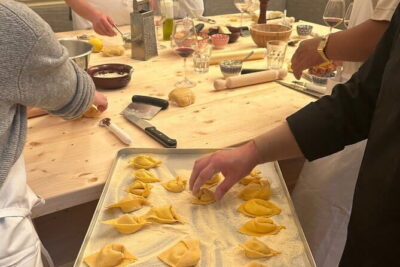
3 in 1 Cooking Class near Navona: Fettuccine, Ravioli & Tiramisu
Read our review →
Pasta & Tiramisu Cooking Class with Unlimited Wine
Read our review →
Hanoi Cooking Class: Culture, Local Market & Meaning CSR Impact
Read our review →
5 Traditional Dishes Hanoi Cooking Class with Market Trip
Read our review →
Cooking Class and Lunch at a Tuscan Farmhouse with Local Market Tour from Florence
Read our review →
Cooking Class, Market & Thai Herbs Garden Tour
Read our review →Lists this class appears in