
REVIEW · ADDIS ABABA, ETHIOPIA
Ethiopian Cooking Class and Coffee Ceremony with a Local in Addis with transfers
Ethiopia tastes better when you cook it at home. This private Addis Ababa experience takes you beyond restaurant dining and into Daniel and Tigist’s kitchen, where you help prepare Ethiopian dishes, eat with the family, and roast coffee in the country where coffee began. I like the personal home setting and the chance to learn directly from Tigist, who learned to cook beside her mother. I also like that Daniel brings more than cooking skills, with a background in social anthropology and more than a decade in Ethiopian tourism.
The main consideration is that this is not a polished cooking school with a fixed menu or professional classroom. The menu changes with the season, and the class focuses on one traditional dish plus injera unless you arrange an additional dish in advance. If you want a predictable menu or several hours of intensive instruction, this may feel limited.
Key points at a glance
- A real home kitchen: You cook with Daniel and Tigist in their Addis Ababa home rather than in a commercial studio.
- Injera is part of the lesson: You learn how to pour and cook Ethiopia’s famous spongy flatbread.
- The menu is pan-Ethiopian: Tigist and Daniel come from Oromia but prepare dishes from around the country.
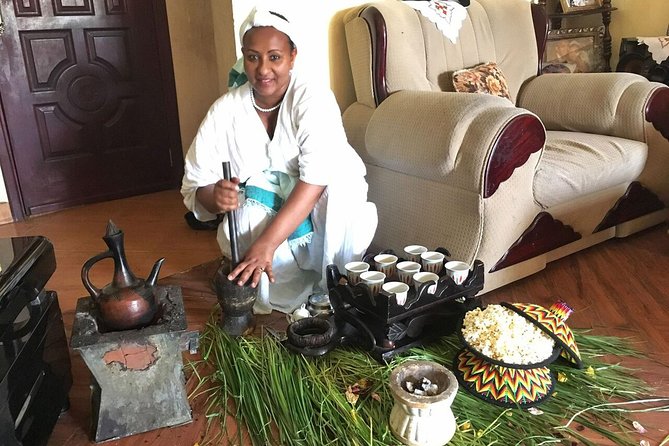
- Coffee is part of the culture: You roast beans and take part in a traditional Ethiopian coffee ceremony.
- Private hotel transfers included: Pickup and drop-off make this a practical four-hour evening plan.
- Personal conversation matters: Daniel speaks excellent English and enjoys discussing food, culture, history, politics, and daily life.
Why this home-based Addis experience feels different
Many food activities teach you how to follow a recipe. This one is designed more as a visit to an Ethiopian home, with cooking as the way you get to know the family and the country.
Daniel and Tigist host the experience together. Tigist learned to cook by helping her mother as a child, then ran her own kitchen after marrying Daniel. That background matters because you are learning from someone whose cooking grew out of everyday Ethiopian life, not from a formal culinary syllabus.
Daniel adds another layer. He has a master’s degree in Social Anthropology and has led trips around Ethiopia for more than ten years. He speaks perfect English and enjoys discussing subjects that reach beyond food, including Ethiopian history, politics, and cultural differences. If you like asking questions, you should have plenty to talk about.
The setting is especially useful if your time in Addis Ababa is short. You do not have to spend the evening trying to find a highly rated local restaurant or arrange separate transport to a distant neighborhood. Pickup and drop-off are included, and the activity lasts about four hours.
The trade-off is clear. You are visiting a family home, not entering a restaurant kitchen built for tourists. The pace, menu, and atmosphere may feel more personal and less standardized. That is the point for many people, but it is worth knowing before you book.
More Coffee Stops in the world:
- Da Nang Cooking Class with Coffee Tasting and Market Visit
★ 5.0 · 310 reviews - Hanoi Cooking Class: Pho/Bun Cha/Banh Xeo…+Free Egg/Salt Coffee
★ 5.0 · 267 reviews - Market Tour and Cooking Class with a Coffee Ceremony at a Home in Addis Ababa
★ 5.0 · 32 reviews
Hotel pickup makes the 3:30 pm start simple
The experience begins at 3:30 pm, with pickup from your hotel in Addis Ababa. You need to provide the hotel name and full address when booking. The same transfer arrangement takes you back after the meal and coffee ceremony.
This is a useful feature in Addis Ababa, especially if you are planning around a busy sightseeing day. You can finish your afternoon activities, return to your hotel, and then leave for the cooking experience without arranging another taxi or trying to navigate to a private residence.
Because the activity is private, only your group participates. That gives you more freedom to ask questions, request a vegetarian preparation, or spend more time on a technique that interests you. It also means the experience may feel quieter and more conversational than a large class.
The pickup is not just a minor convenience. It also lets the hosts decide where the experience works best without asking you to find an unfamiliar residential area on your own. One particularly praised aspect of the experience is the opportunity to see more of Daniel’s neighborhood in the hills on the outskirts of Addis Ababa and ask questions about life there.
Still, confirm your hotel details carefully. The transfer depends on the address you provide, and the start time is fixed at 3:30 pm.
Meeting Daniel and Tigist in their home kitchen
Once you arrive, the focus shifts from sightseeing to conversation and food preparation. You are not simply handed a plate of Ethiopian food. You take part in preparing it, with Tigist showing you how the dishes come together.
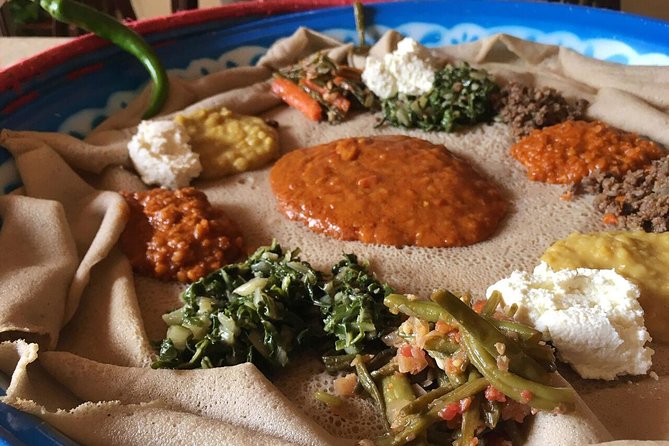
The cooking class lasts about one and a half to two hours. The exact dish can vary, but the cooking may include shiro, a stew made with chickpea or broad bean flour, or tibs, stir-fried meat prepared with vegetables and spices. You also learn about injera, the soft, spongy flatbread that forms the base of many Ethiopian meals.
The home setting gives the lesson a useful context. Ethiopian food is often eaten communally, with dishes served on injera and shared at the table. Making the bread yourself helps you understand why it is so central to the meal. The technique is not just a side note. You learn how to pour the batter and cook the injera properly.
The menu is pan-Ethiopian rather than limited to one local style. Daniel and Tigist are from Oromia, but they enjoy cooking dishes from different parts of Ethiopia. That makes this a good choice if you want a broad introduction to Ethiopian food instead of a lesson focused only on the hosts’ home region.
The class is private and personalized, but you should not expect a printed curriculum. The experience is shaped by the hosts, the available ingredients, and the season. Menu changes are part of the arrangement. If you have a dish you especially want to learn, ask about it when booking.
Learning injera, shiro, and tibs
Injera is likely to be the most distinctive part of the lesson. Its soft texture and slightly tangy character make it unlike the flatbreads served in many other cuisines. Here, the important thing is not merely tasting it. You watch and help with the process of pouring and cooking the batter.
For many people, injera is the dish that makes the class worthwhile. You can find Ethiopian food in restaurants around the world, but preparing the bread in a home kitchen gives you a better sense of the work behind the meal. It also helps you recognize how the bread functions as both food and utensil at the table.
Shiro offers a different lesson in Ethiopian cooking. The stew is based on chickpea or broad bean flour, making it an important vegetarian possibility. Its inclusion also shows how Ethiopian cooking can be hearty without relying on meat.
Tibs gives the class a meat-based option. It is stir-fried with vegetables and spices, so you get to see another approach to Ethiopian flavor and texture. The dish offered depends on the menu and season, so you should not assume both shiro and tibs will be prepared during your visit.
The practical lesson here is to keep your expectations flexible. You will learn a traditional dish and injera, but you may not make every item listed in the general description. If you want an additional dish, request it before booking. It will extend the cooking time, so allow for a longer visit than the standard four-hour estimate.
Vegetarian cooking is available, but you must request it in advance. The same applies to allergies, dietary restrictions, and cooking preferences. Do not wait until you arrive, since the hosts need time to plan the menu.
A few more cooking classes around the world worth a look
- Half-Day Thai Cooking Class at Organic Farm in Chiang Mai
★ 5.0 · 19,087 reviews - Florence: Pasta Cooking Class with Unlimited Wine
★ 4.9 · 10,285 reviews - 3 in 1 Cooking Class near Navona: Fettuccine, Ravioli & Tiramisu
★ 5.0 · 7,376 reviews - Florence: Pasta & Tiramisu Cooking Class with Unlimited Wine
★ 4.9 · 6,708 reviews
Sitting down to a private Ethiopian meal
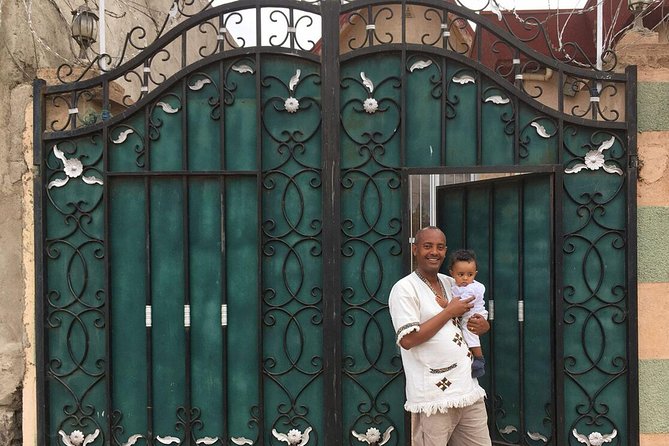
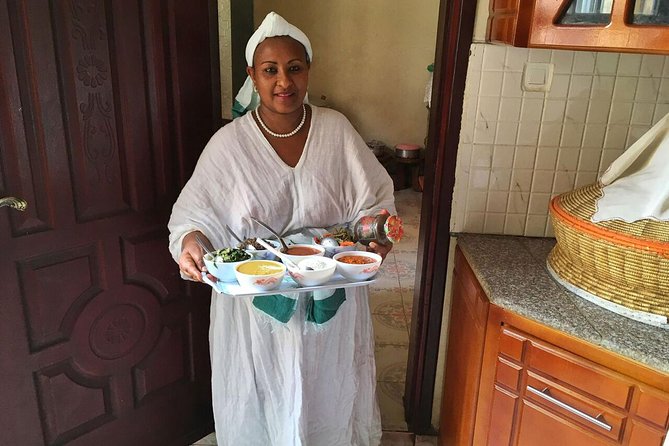
After the cooking portion, you eat what you have prepared with your hosts. The meal is included, along with nonalcoholic beverages, bottled water, coffee, and tea.
I like this part because the food does not arrive as an isolated restaurant course. You have seen at least some of the preparation, handled the ingredients, and watched the injera being made. That creates a stronger connection between the meal and the culture behind it.
The private format also gives you room to talk over the table. Daniel is comfortable discussing food, history, politics, and cultural differences, so the meal can become a relaxed conversation rather than a quick serving between activities.
The hosts’ three boys may join the experience if your visit takes place on a weekend. This can make the home atmosphere feel even more personal, but it also means you should expect a family setting rather than a quiet, formal dinner.
Alcoholic drinks are not included. The included beverage arrangements cover coffee, tea, bottled water, and other stated nonalcoholic options. If you want alcohol, you should plan to pay separately, if available.
Roasting beans and taking part in the coffee ceremony
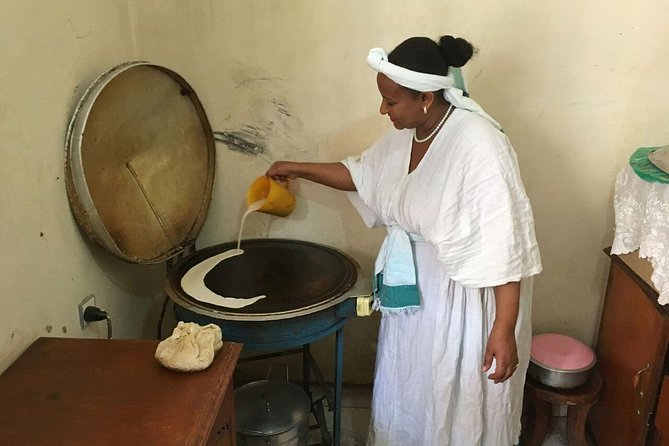
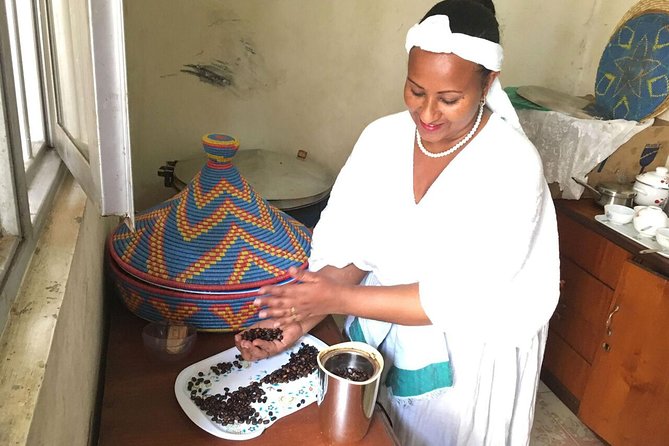
Coffee is not an afterthought here. You roast the beans yourself and then take part in a traditional Ethiopian coffee ceremony.
Ethiopia is widely associated with coffee’s origins, and the ceremony gives the drink a cultural setting that a standard café visit cannot provide. The important part is the process: roasting the beans, preparing the coffee, and sharing it in a social setting.
This is a good finish to the activity because it slows the evening down after the hands-on cooking. You get to sit, drink, and continue the conversation with Daniel and Tigist. It also gives you another way to understand Ethiopian hospitality, where coffee is connected with time spent together rather than simply getting caffeine quickly.
The coffee ceremony is likely to appeal to anyone who enjoys food traditions and daily customs, not just serious coffee fans. You do not need to know anything about Ethiopian coffee before arriving. The hosts guide you through the process.
The description does not specify the number of servings or every step of the ceremony, so I would treat it as a cultural demonstration and shared experience rather than a formal barista lesson. If you want technical coffee instruction, this may not be the right activity. If you want to understand why coffee matters in Ethiopia, it fits well.
What the $154 price includes
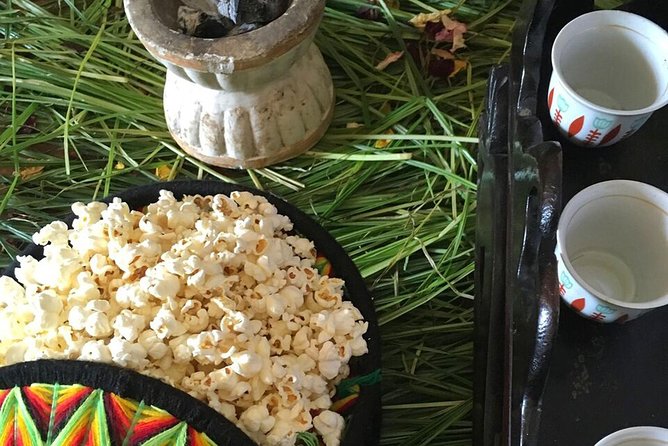
At $154 per person, this is not the cheapest way to eat in Addis Ababa. You could spend far less on an ordinary local meal. The value comes from the private structure and the amount bundled into the evening.
Your price includes:
- Hotel pickup and drop-off
- A private cooking class
- The meal prepared with your hosts
- Coffee and tea
- Bottled water
- Taxes, fees, and handling charges
- Gratuities
That package reduces the small extra costs that can add up during a private activity. You are paying for the hosts’ time, instruction, meal, transport, and conversation, not just for a plate of food.
The price makes the most sense for couples, families, and small groups who want a personal cultural activity. It is also useful for a first visit to Addis Ababa, when arranging transport and finding local food experiences can take more effort than expected.
The value is weaker if your main goal is simply to eat Ethiopian food cheaply. It is also less compelling if you prefer a large professional cooking school with a fixed recipe list and formal equipment.
The experience is often booked about 35 days ahead, which suggests you should reserve early if the 3:30 pm time fits your schedule. The cancellation policy allows a full refund when you cancel at least two full days before the start time. Changes or cancellations inside that window are not refunded.
Who should book this experience
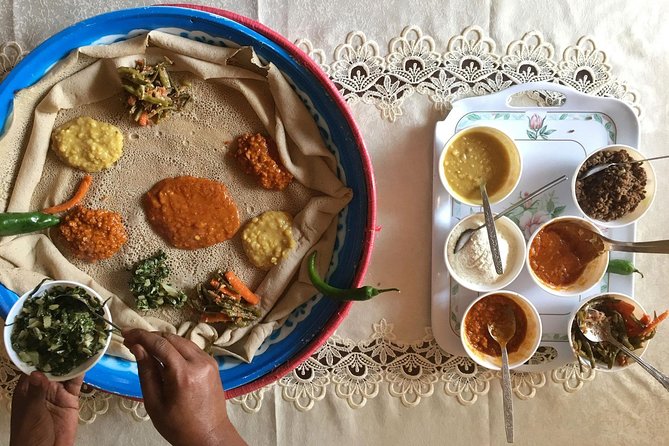
I would recommend it most strongly to you if you want to meet local people and learn through conversation. Daniel’s background makes the discussion a central part of the experience, while Tigist provides the practical cooking instruction.
It suits:
- First-time visitors to Ethiopia
- Couples and small private groups
- People interested in home cooking
- Anyone curious about injera and Ethiopian coffee
- Vegetarian diners who notify the hosts ahead of time
- Visitors with only a few evenings in Addis Ababa
- Families who are comfortable with a home setting
It may not suit you if you want a full professional kitchen class, a guaranteed list of several dishes, or a tightly timed demonstration. The menu varies, and the hosts may focus on one traditional dish plus injera.
The four-hour length is also worth considering. With pickup, cooking, eating, coffee, and return transport, this is an evening commitment. That is convenient if you want one complete cultural activity, but it may not fit well beside a packed nighttime schedule.
Should you book the Addis Ababa cooking class?
Book this experience if you want personal contact, home cooking, and coffee culture in one evening. The strongest reasons are the private setting, Tigist’s family-based cooking experience, Daniel’s ability to discuss Ethiopian culture, and the chance to make injera instead of only ordering it.
I would especially choose it over a restaurant meal if you have limited time in Addis Ababa and want an activity that combines food with local conversation. The included transfers also remove much of the evening’s practical hassle.
Skip it if you need a fixed menu, a formal culinary course, or the lowest possible food price. The menu can change, an extra dish must be arranged in advance, and the activity is best understood as a home visit with cooking rather than a commercial cooking school.
With a 4.9 rating, 100 percent recommendation rate, and a particularly strong response to the family welcome and neighborhood insight, this is a solid choice for a meaningful Addis Ababa evening. Go with an open schedule, tell the hosts about dietary needs early, and expect a personal Ethiopian meal rather than a staged performance.
FAQ
Where does the cooking class take place?
The class takes place in Daniel and Tigist’s home kitchen in Addis Ababa. It is a private visit to a local home, not a commercial cooking school.
What time does the experience start?
The scheduled start time is 3:30 pm.
How long does the experience last?
The experience lasts approximately four hours. The cooking portion takes about one and a half to two hours, with time also used for the meal and coffee ceremony.
What dishes might I learn to prepare?
The menu may include shiro, a chickpea or broad bean stew, or tibs, stir-fried meat with vegetables and spices. You also learn how to pour and cook injera.
Is a vegetarian option available?
Yes. A vegetarian option is available, but you need to request it when booking.
Can I request a specific additional dish?
Yes. You can request an additional dish in advance. Doing so will extend the cooking time.
Are hotel transfers included?
Yes. Hotel pickup and drop-off are included. You must provide your hotel name and address when booking.
Is coffee included?
Yes. You roast coffee beans and take part in a traditional Ethiopian coffee ceremony. Coffee and tea are included, while alcoholic drinks are not.
Just added around the world
- Aroidee’s Farm-Fresh Thai Cooking Experience★ 5.0 · 8 reviews
- Signature Thai Cooking Course★ 5.0 · 79 reviews
- Private Half-Day Thai Cooking Class in Chiang Mai★ 5.0 · 4 reviews
- Half Day Guided Thai Cooking Class in Chiang Mai★ 5.0 · 13 reviews
- Online Thai and Akha Cooking Class★ 5.0 · 70 reviews
- Private Virtual Thai Cooking Class★ 5.0 · 9 reviews
- Northern Thai Cooking Class in Chiang Mai in a Countryside Home★ 5.0 · 2 reviews
- 5 Hour Morning Thai Cooking Course★ 5.0 · 31 reviews
Cooking Classes, compared.

Half-Day Thai Cooking Class at Organic Farm in Chiang Mai
Read our review →

3 in 1 Cooking Class near Navona: Fettuccine, Ravioli & Tiramisu
Read our review →
Pasta & Tiramisu Cooking Class with Unlimited Wine
Read our review →
Hanoi Cooking Class: Culture, Local Market & Meaning CSR Impact
Read our review →
5 Traditional Dishes Hanoi Cooking Class with Market Trip
Read our review →
Cooking Class and Lunch at a Tuscan Farmhouse with Local Market Tour from Florence
Read our review →
Cooking Class, Market & Thai Herbs Garden Tour
Read our review →Lists this class appears in