
REVIEW · SANTORINI, GREECE
Cooking Class in Traditional cave house in Santorini!
Come hungry for Santorini flavor. This three-hour class brings you into an authentic stone cave house in Megalochori, where Alexandra and Elinor guide you through a local meal rather than a polished restaurant demonstration. I like the small-group setting, with no more than 15 people, and I like that the food is tied closely to Santorini ingredients and family-style recipes. The main caution is value: at $133.08 per person, the lesson needs to feel as important to you as the meal itself.
The class includes lunch, wine, cooking equipment, and all ingredients. You will prepare dishes such as tomato fritters, Santorini fava, salad, and garlic pasta, then eat together in the cave house or beneath the bougainvillea. The food is vegetarian, and the cooking is partly hands-on and partly demonstration, so this suits curious home cooks more than anyone expecting three hours of nonstop kitchen work.
Key points at a glance
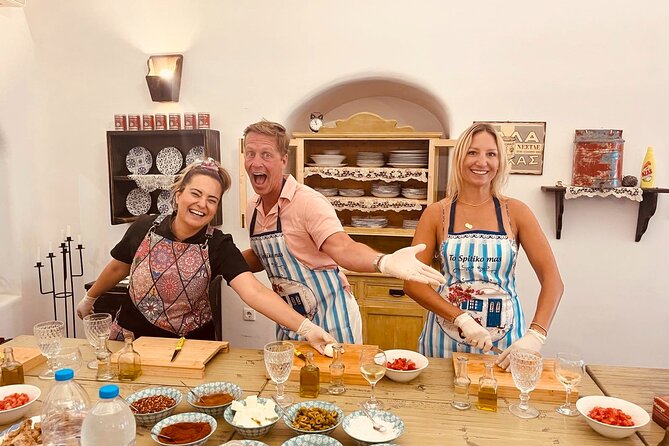
- Authentic Megalochori setting: Cook inside an old Santorini cave house filled with local character and traditional details.
- Alexandra’s lively instruction: Her humor, warmth, and stories about food and island customs are a major part of the experience.
- Local dishes you can recreate: Tomato fritters, Santorini salad, fava, and garlic pasta use simple ingredients and practical methods.
- Assyrtiko served throughout: Local Santorini wine accompanies both the preparation and the final lunch.
- Maximum group size of 15: The class is social, but still small enough for questions and personal help.
- A generous meal: The portions can be substantial, so skip a heavy breakfast and consider bringing a container if you hope to save food.
Entering the Megalochori cave house
The class begins at To Spitiko Mas in Megalochori at 11 a.m. You make your own way there, since private transportation is not included. The location is near public transportation, but you should still allow time to find the meeting point in the village.
Megalochori gives this experience a different feel from Santorini’s famous cliffside towns. The focus here is not on caldera views or luxury hotels. It is on an old village home and the food traditions that developed in island kitchens.
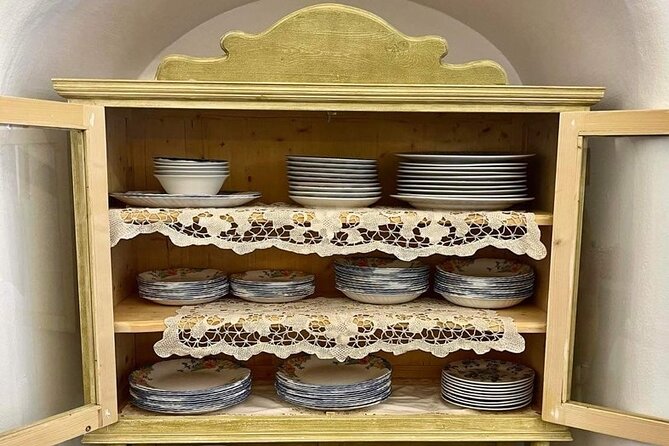
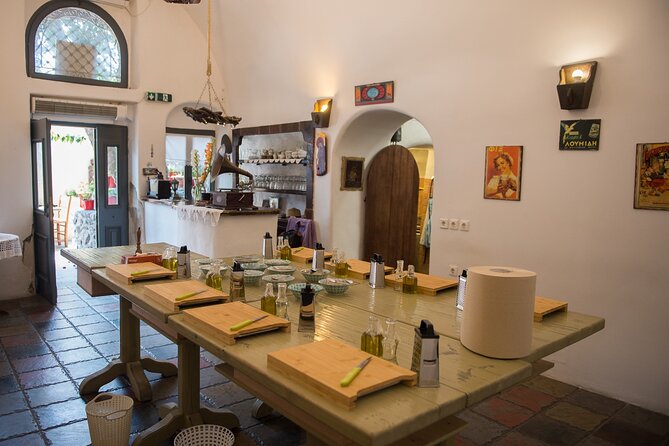
The cave house is one of the strongest parts of the class. It gives you a setting with real character instead of a modern teaching kitchen. You may cook inside among old household objects and traditional details, or eat under the bougainvillea tree when conditions suit. That setting helps explain why humble dishes can carry so much meaning in Santorini.
The cave house also adds a cultural layer to the class. Alexandra and Elinor share information about the home, the ingredients, and the way food was prepared in earlier generations. You are not only following a recipe. You are getting a glimpse into how a Santorini meal fits into village life.
A few more cooking classes around Santorini worth a look
- Greek Cuisine Cooking Class in Santorini with Recipes and Wine
★ 5.0 · 969 reviews - Exclusive Cooking Experience in our Cave Home by Petra Kouzina
★ 5.0 · 572 reviews - Santorini: Cooking Class with Lunch and Wine Tasting
★ 4.8 · 289 reviews
The welcome, wine, and kitchen setup
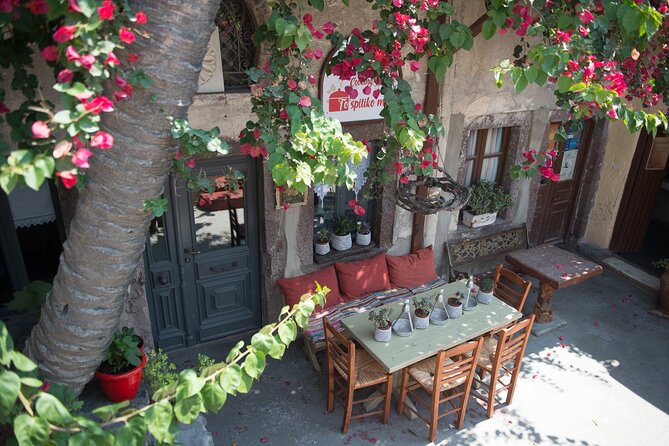
Once the group gathers, the hosts introduce the class and begin preparing the meal. The equipment and ingredients are included, so you do not need to bring kitchen tools or shop for anything in advance.
Assyrtiko wine is served throughout the preparation. This is Santorini’s best-known local white wine, and it gives the class a clear sense of place. The wine is not reserved only for the final meal. You can sip as you chop, stir, watch, and ask questions.
That detail helps make the experience feel social rather than like a formal lesson. The class has plenty of laughter, and the hosts encourage questions. Alexandra is described as especially funny and energetic, while Elinor helps create a friendly, well-organized atmosphere. If you enjoy learning through stories and conversation, you will get more from this class than from a quiet demonstration.
One practical point: the cooking is not fully hands-on from beginning to end. Some parts involve watching the chef demonstrate, then helping with preparation. That balance works well for families, beginners, and people who enjoy food but do not want to manage every technical step. Serious cooks who expect to make every dish alone may find it less demanding than expected.
Making Santorini salad from island ingredients
The meal begins with Santorini salad, made with tomatoes, cucumber, onions, green peppers, capers, and feta cheese. It is a straightforward dish, but the point is the ingredients rather than complicated technique.
Santorini is known for produce that can handle the island’s dry growing conditions. The local tomato is especially important to the island’s food culture, and it appears again in the tomato fritters. Here, you get a useful lesson in how a simple salad depends on fresh produce, salty capers, creamy feta, and good balance.
This part of the class is likely to be accessible to all ages. A 12-year-old participant was said to manage the experience well, and the activity has also worked for families with teenagers. The recipes are simple enough to take home, which is one of the class’s better values. You are not learning a restaurant trick that requires special equipment.
Tomato fritters, the class favorite
The tomato fritters are one of the most memorable dishes on the menu. The recipe combines local tomatoes with flour, spices, and herbs, creating a traditional island dish with a crisp outside and soft, flavorful center.
The preparation shows how island cooks made good use of available produce. Tomatoes become more than a salad ingredient. They turn into a filling dish that can be served as a starter or snack.
This is also the kind of recipe you can reasonably repeat at home. Several dishes in the class are described as practical and easy to recreate, and the fritters are a good example. You will not need a long list of hard-to-find ingredients or specialized tools.
The class can produce more food than you expect. Portions are generous, and one attendee wished take-away containers had been provided. If you hope to save leftovers, bring your own container, but do not assume the class will supply one. Also, avoid eating a large breakfast before the 11 a.m. start. By the end, you will have a serious lunch in front of you.
Same place, a different thing to cook:
- Santorini Family Farm Food & Wine Tour with Cooking Class
★ 5.0 · 107 reviews - Private Santorini Cooking Class & Wine Tasting Tour
★ 5.0 · 87 reviews - Santorini: Private Cooking Class and Wine Tasting Tour
★ 5.0 · 72 reviews - Santorini Cooking Class with Wine Tasting & Lunch
★ 4.9 · 36 reviews
Santorini fava and the value of simple food
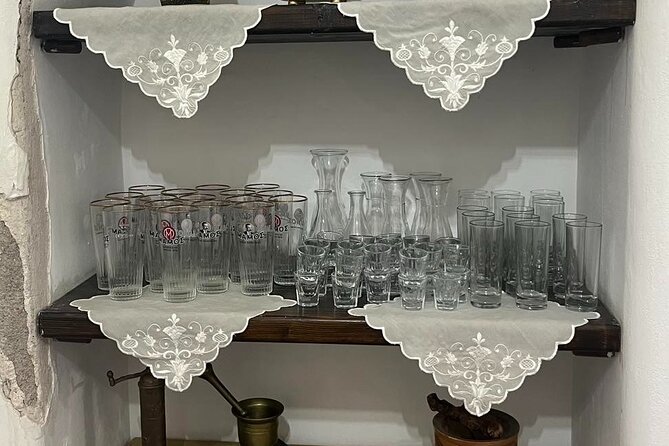
Santorini fava is another central part of the meal. Despite its name, this dish is made from locally sourced beans and served as a smooth spread. It is a staple of Santorini cooking and shows how a few basic ingredients can produce something satisfying.
The fava may appeal to you if you enjoy vegetable-based food with a soft texture and savory flavor. It also reinforces the traditional character of the class. You are not making generic Greek food chosen only because it is familiar to visitors. The menu focuses on dishes tied to Santorini itself.
The vegetarian menu is worth noting before you book. Most people will find the meal filling, especially with several starters, pasta, wine, and lunch portions. One participant felt it was not quite enough for the men in their family, so very big eaters should set expectations accordingly. This is a substantial vegetarian meal, not a meat-centered feast.
Garlic pasta as the main course
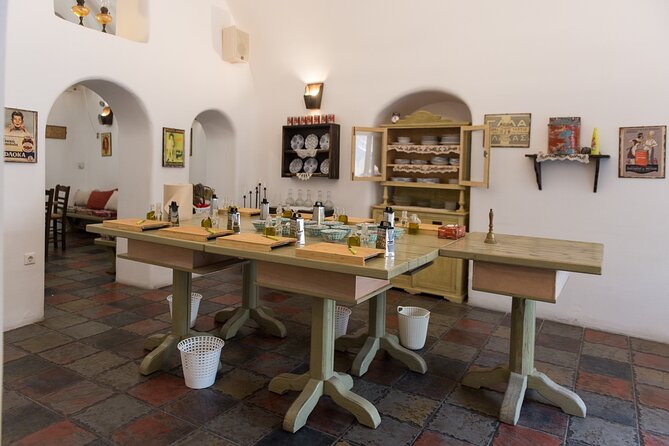
The main dish is Santorini garlic pasta in a red sauce. The recipe is traditional, direct, and built around strong flavor rather than elaborate technique.
One useful detail is that you may not make the pasta from scratch. The cooking experience focuses on preparing the dish and its sauce, not necessarily producing the pasta itself. If making fresh pasta is the main reason you want a cooking class, this could disappoint you. If your goal is to learn an island recipe you can repeat at home, it remains a sensible choice.
The garlic pasta also gives the meal a warm, familiar center after the lighter starters. By this stage, the group has worked together, sampled the food, and settled into the rhythm of the class. The final dish feels less like a separate demonstration and more like the reward for the shared preparation.
The menu is described as a five-course lunch, while the listed dishes identify the salad, tomato fritters, fava, and garlic pasta. You should expect a generous sequence of local dishes, but the exact presentation may vary.
Lunch under bougainvillea with Assyrtiko
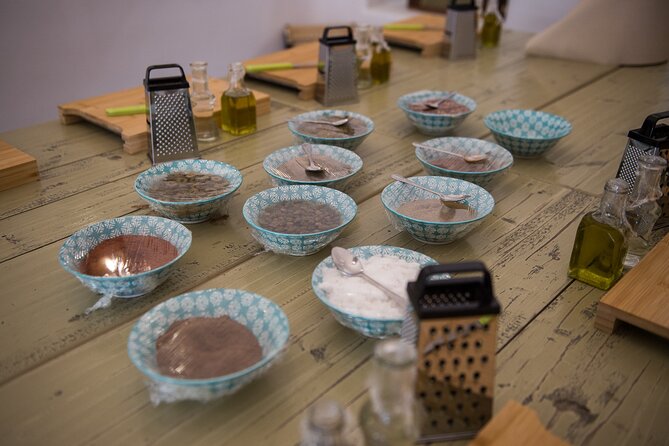
After the preparation, you sit down to eat what the group has made. Lunch takes place in the traditional cave house or under the bougainvillea tree, depending on the setup and conditions.
This shared meal is the heart of the experience. You are not simply handed a plate and sent away. You eat alongside the hosts and other people from the class, which creates an easy chance to talk and compare impressions.
The Assyrtiko continues during lunch. The wine pairing makes sense with the fresh salad, tomato fritters, fava, and garlic-based pasta. It is also included in the price, so you do not need to budget separately for drinks during the class.
The mood is relaxed and lively. Alexandra’s humor is repeatedly praised, and her approach appears to be warm rather than formal. She explains the background of dishes and ingredients, while Elinor helps with hosting and photographs. If you prefer a quiet, highly structured lesson, the social energy may feel distracting. For most people, it is part of the appeal.
What $133.08 buys you
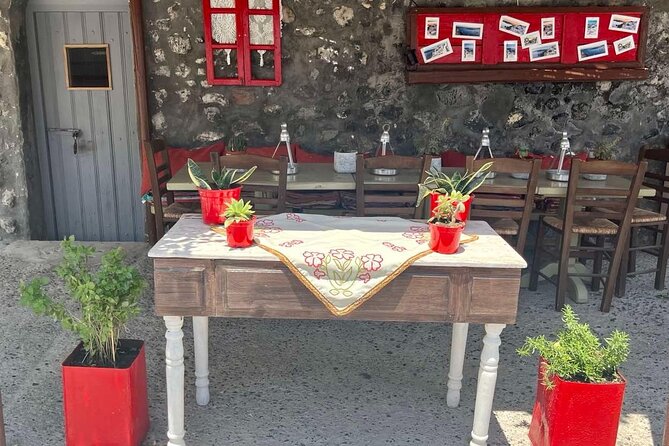
At $133.08 per person, this is not a budget lunch. The value comes from the full package: a three-hour activity, a meal, local wine, ingredients, equipment, cultural explanation, and access to a distinctive cave-house setting.
I would judge the price based on your priorities. If you only want to eat inexpensive local food, this class costs more than a tavern meal. If you want a memorable activity that combines cooking, conversation, and a meal you helped prepare, the price is easier to justify.
The small group matters here. A maximum of 15 people does not guarantee a private lesson, but it limits the crowd and gives you a better chance to ask Alexandra or Elinor questions. Some sessions may be much smaller, and one group ended up with a private class. You should not count on that, but a lower headcount can make the experience feel more personal.
The cooking lesson itself may not fill all three hours. Some of the time goes toward eating, talking, drinking wine, and learning about the setting. That is part of the product, but it explains why a few people felt the class was pricey for the amount of actual cooking.
Who will enjoy this class most
I would recommend this experience to you if you want food to be a doorway into Santorini culture. It works especially well for:
- Couples looking for a relaxed shared activity
- Families with children or teenagers
- Beginners who want clear recipes rather than advanced technique
- Home cooks interested in vegetarian Greek dishes
- People who enjoy wine, conversation, and informal teaching
- Anyone who wants time away from Santorini’s most crowded sightseeing spots
The class is also a good choice if you are tired of simply looking at food. You take part, then sit down to eat it. That makes the memory more lasting than another restaurant lunch.
You may want to choose something else if you need a meat-based menu, expect to make fresh pasta, or want nonstop hands-on work. It is also not the best fit if you are watching every euro. The food is plentiful, but the real value lies in the setting, hosts, stories, and shared activity.
Practical details before you book
The activity starts at 11 a.m. and lasts about three hours. The experience ends back at the meeting point, so you can plan another Santorini activity afterward, though the generous lunch may make a slow afternoon appealing.
Your booking confirmation is normally issued at once. If you book within two days of the date, confirmation can take up to 48 hours and depends on availability. The experience is offered in English and uses a mobile ticket.
Free cancellation is available if you cancel at least 24 hours before the start time. Changes or cancellations made inside that period are not accepted for a refund. The class also needs a minimum number of participants, and if that minimum is not reached, you are offered another date or experience, or a full refund.
One small issue deserves attention. The experience details have led at least one person to expect an apron, but an apron was offered for purchase at 15 euros instead. Ask about this before you arrive if an apron matters to you, and do not assume it is included.
Is this Santorini cooking class worth booking?
Yes, for most food-focused visitors, I think it is worth booking. The traditional cave house, local menu, Assyrtiko wine, and entertaining instruction give you more than a standard cooking lesson. Alexandra and Elinor appear to be the main reason the class feels warm and personal rather than mechanical.
Book it if you want a social cultural activity and are happy with a vegetarian meal that includes some watching as well as cooking. Skip it if you want advanced kitchen training, handmade pasta, or a low-cost lunch. Bring an appetite, arrive with realistic expectations about the hands-on time, and consider packing a container for leftovers.
FAQ
Where does the cooking class take place?
It takes place at To Spitiko Mas in Megalochori, Santorini, inside traditional stone cave houses or beneath a bougainvillea tree.
What time does the class begin?
The class starts at 11 a.m.
How long does the experience last?
The cooking class and lunch take approximately three hours.
What food will I prepare?
The menu includes Santorini salad, tomato fritters, Santorini fava, and Santorini garlic pasta. The experience is described as a five-course traditional lunch.
Is wine included?
Yes. Local Santorini Assyrtiko wine is served during the preparation and lunch.
Is transportation included?
No. Private transportation is not included. The meeting point is near public transportation.
How large is the group?
The experience has a maximum of 15 participants.
Can I cancel for a refund?
Yes. You can cancel for a full refund up to 24 hours before the experience start time. Cancellations or changes made less than 24 hours in advance are not accepted.
Just added around Santorini
- Santorini: Hands on Cooking Class with a Chef★ 4.7 · 16 reviews
- Santorini: Vineyard and Winery Tour with Cooking Class★ 4.9 · 5 reviews
- Santorini: Cooking Class with a Professional incl. Full Meal★ 5.0 · 2 reviews
- Santorini: Greek Cooking Class with Wine Tasting★ 5.0 · 7 reviews
- Santorini Cooking Class with Wine Tasting & Lunch★ 4.9 · 36 reviews
- Santorini: Cooking Class and Easy Hike★ 5.0 · 11 reviews
- Santorini: Private Cooking Class and Wine Tasting Tour★ 5.0 · 72 reviews
- Santorini Family Farm Food & Wine Tour with Cooking Class★ 5.0 · 107 reviews
Cooking Classes, compared.
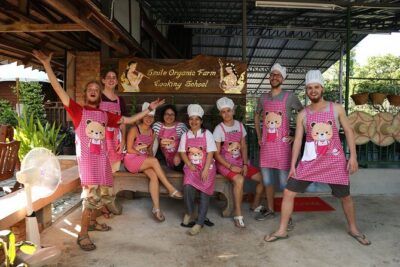
Half-Day Thai Cooking Class at Organic Farm in Chiang Mai
Read our review →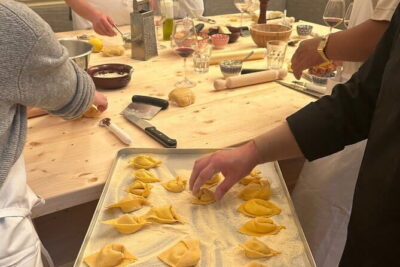
3 in 1 Cooking Class near Navona: Fettuccine, Ravioli & Tiramisu
Read our review →
Pasta & Tiramisu Cooking Class with Unlimited Wine
Read our review →
Hanoi Cooking Class: Culture, Local Market & Meaning CSR Impact
Read our review →
5 Traditional Dishes Hanoi Cooking Class with Market Trip
Read our review →
Cooking Class and Lunch at a Tuscan Farmhouse with Local Market Tour from Florence
Read our review →
Cooking Class, Market & Thai Herbs Garden Tour
Read our review →Lists this class appears in