
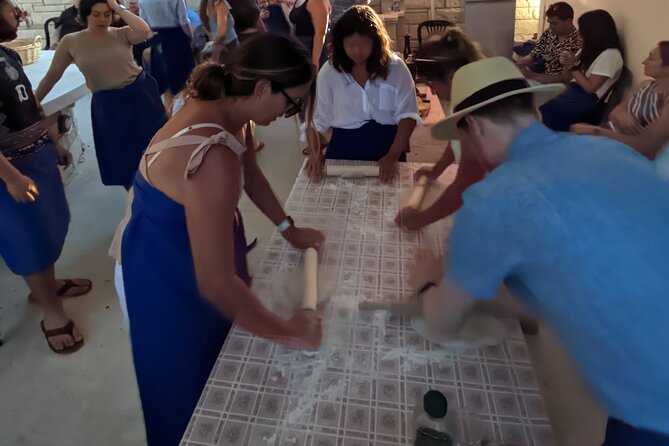
REVIEW · CRETE, GREECE
Chania Cooking Class-The Authentic Enjoy traditional Cretan meal
Fresh food, old recipes, open-air cooking. This Chania cooking class brings you into a Cretan family setting near Nerokouros, where you help prepare a full meal rather than simply watch a chef work. I especially like the hands-on menu, from lamb kleftiko to grape leaves, and the warm welcome from Veerna, Kosti, Alex, and their family. The main drawback is timing: you may not eat the first dishes until about three hours into the class.
I also like the setting, with an outdoor kitchen, olive trees, garden seating, and shade on hot days. Wine, soft drinks, lunch or dinner, and every cooking ingredient are included, which makes the price easier to justify. Still, the class can be large, with a maximum of 40 people, and transportation from Chania costs extra.
Key things to know before booking
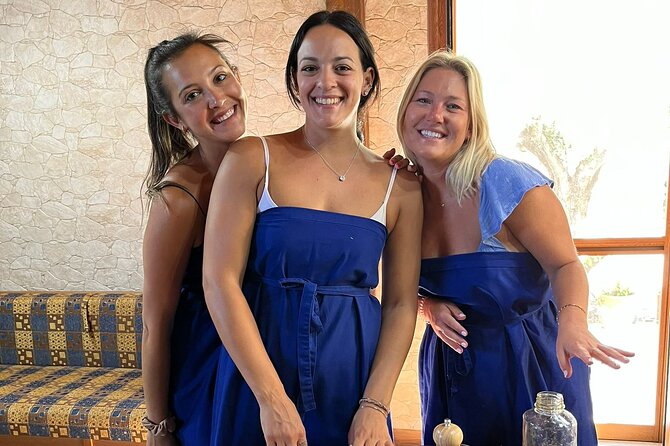
- The meal is genuinely hands-on: You prepare lamb kleftiko, stuffed vegetables, dolmades, savory and sweet kalitsounia, dakos, tzatziki, and Cretan salad.
- The setting feels like a family home: Cooking takes place near an olive grove, with an outdoor kitchen and garden seating.
- Veerna leads the class: She is praised for clear instruction, humor, patience, and a warm welcome.
- Plan for four to five hours: Lunch runs from 10:00 to 14:00, while dinner runs from 16:00 to 20:00, though the exact length depends on group size.
- Come prepared to wait for the meal: Appetizers are prepared late in the session, then served first while the hot dishes finish.
- Transfers are optional: Pickup may be arranged for an extra fee in a nine-seat van or electric vehicle.
Why this Chania cooking class feels different
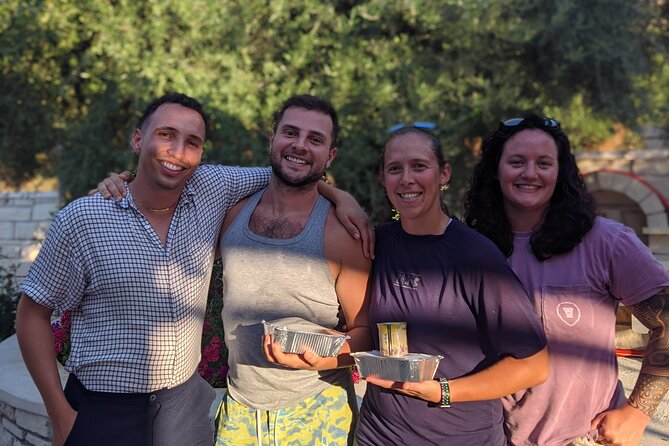
Many cooking classes give you one recipe, a short demonstration, and a quick plate of food. This one is built around a complete Cretan meal. You work through several dishes, sit down together, and learn why the food matters to the island.
The class takes place in Nerokouros, just outside Chania. The exact location is sent after confirmation, and the activity begins and ends at the cooking-class meeting point. That means you are leaving the harbor and old town area for a more residential, rural setting. The olive trees, garden, and outdoor cooking space are a big part of the appeal.
I like the social design of the experience. You are not placed at a private workstation with a recipe card and left alone. You roll dough, chop vegetables, stuff grape leaves, shape pies, and work alongside other people. Several reviews describe the atmosphere as relaxed and family-like, which seems to be one of the strongest reasons this class earns such high marks.
Veerna is the central teacher, with help from family members including Kosti and Alex. The class also includes stories about Cretan food and family traditions. That personal link gives the meal more meaning than a standard restaurant lunch.
A few more cooking classes around Greece worth a look
- Athens: Classic Cooking Class with Market Visit and Wine
★ 5.0 · 1,101 reviews - Athens: Food Market Visit and Cooking Class with Wine
★ 4.9 · 1,087 reviews - Greek Cuisine Cooking Class in Santorini with Recipes and Wine
★ 5.0 · 969 reviews
Welcome coffee and the meaning of kleftiko
Your arrival begins with a homemade refreshment or Greek coffee, along with homemade cookies. It is a simple start, but it sets the tone. You have time to settle in before the cooking begins, rather than being pushed straight toward a cutting board.
The first lesson introduces the Mediterranean-based menu. You also learn about kleftiko, the lamb dish at the center of the meal. The name is linked to the idea of a thieves dinner, traditionally cooked slowly in a sealed pouch or container. Here, the dish is prepared with lamb, goat cheese, and vegetables.
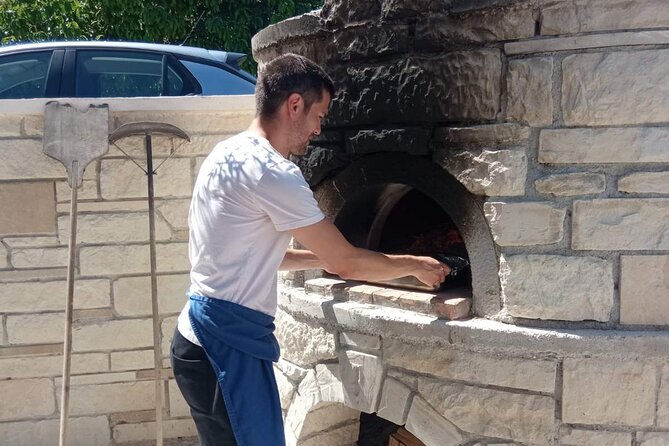
That cultural explanation matters. You are not just folding meat and vegetables into a packet. You are learning how a dish connects to Cretan life, cooking methods, and local ingredients. The final version is cooked in an outdoor wood oven, according to the detailed cooking accounts provided by participants.
The class does not rush through the menu. That is good for beginners and useful for experienced cooks who want to understand the technique. One trained chef particularly appreciated the clear instruction, while another person noted that even first-time cooks could follow the steps.
Stuffed vegetables and dolmades by hand
Next comes one of the most recognizable parts of Greek home cooking: stuffed vegetables and dolmades. Tomatoes, peppers, and zucchini are filled with rice and herbs. Grape leaves are rolled around a similar filling.
This section gives you plenty to do. You handle the vegetables, prepare the filling, and learn how to wrap the dolmades so they hold together during cooking. These are modest ingredients, but the process shows how Cretan cooking turns rice, herbs, and garden produce into a satisfying main course.
The dishes are also a good fit for mixed groups. Meat eaters have the lamb, while the stuffed vegetables and grape leaves add variety for anyone who prefers lighter food. The menu is not presented as a vegetarian class, though, so you should ask about special dietary needs before booking if that matters to you.
Rolling dough for savory and sweet kalitsounia
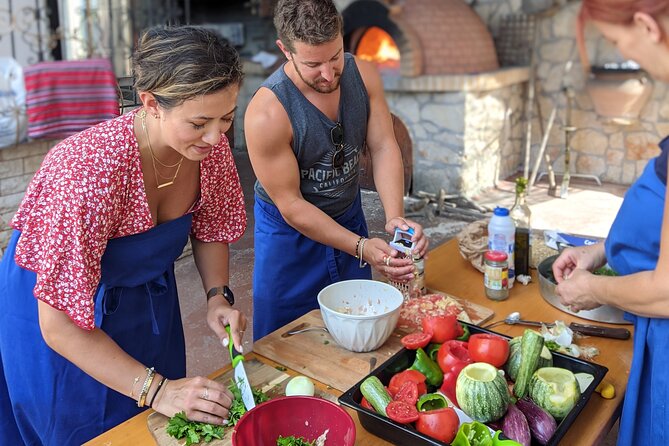
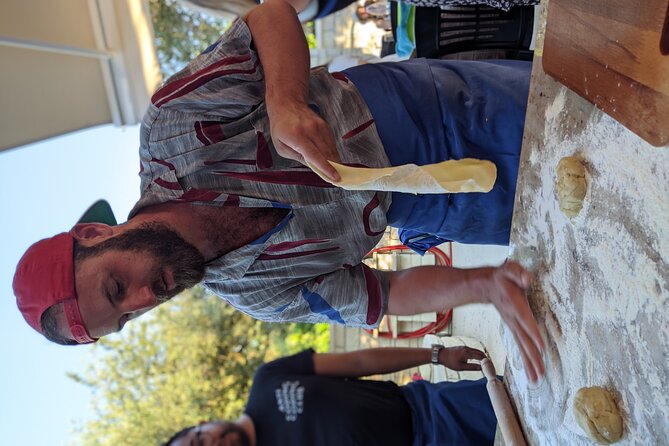
The kalitsounia lesson is likely to be one of the most memorable parts of the class. You use rolling pins to make the dough, then prepare both savory and sweet versions.
The savory pies are filled with cheese, wild greens, and herbs from the organic garden. The sweet kalitsounia are filled with cheese and served with honey. This gives you a useful lesson in how the same basic pastry can move from a salty starter to a dessert.
Making the dough yourself also adds real work to the experience. You are not simply placing store-bought pastry into a baking dish. The process takes time and coordination, especially in a larger group. One detailed account specifically praised making the phyllo pastry from scratch and later receiving the recipes to try at home.
If you enjoy cooking, this is the point where the class feels most rewarding. If you prefer a quick meal with little participation, it may feel like work. That is not a flaw, but you should book this for the activity as much as for the food.
Same place, a different thing to cook:
- Naxos: Half-Day Cooking Class at Basiliko Family Tavern
★ 5.0 · 887 reviews - Greek Cooking Class in Athens Including Rooftop Dinner with Acropolis View
★ 5.0 · 826 reviews - Greek Small-Group Athens Cooking Class & Dinner
★ 5.0 · 574 reviews - Exclusive Cooking Experience in our Cave Home by Petra Kouzina
★ 5.0 · 572 reviews
Dakos, tzatziki, and salad come last
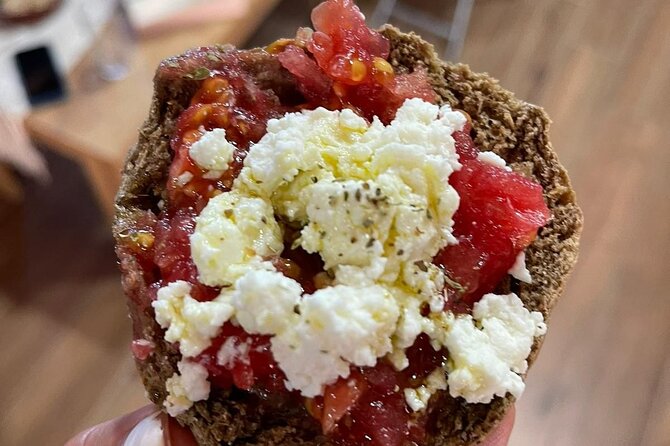
The class prepares the appetizers near the end, although they are the first dishes served. This unusual order is practical because the main dishes need more cooking time.
Dakos, also called ntakos, uses traditional Cretan baked bread or rusks topped with grated tomato and goat cheese. The menu may also include olives and other fresh toppings. The result is simple, crisp, and full of tomato flavor.
Tzatziki brings together yogurt, cucumber, and garlic. The Cretan salad adds another fresh element to a meal that already includes lamb, rice, pastry, cheese, and honey. These dishes require less cooking than the stuffed vegetables or kleftiko, so they work well as the first course once everyone sits down.
Here is the timing point you should not miss: some people do not eat until roughly three hours into the class. I recommend having a small breakfast or early snack before a daytime session, particularly if you are hungry in the morning. You will have homemade cookies and drinks at the start, but this is not a quick lunch stop.
The shared meal is the main event
Once the cooking is complete, you sit down to eat the food you prepared. The menu is generous: dakos, tzatziki, savory kalitsounia, kleftiko, stuffed vegetables, dolmades, sweet kalitsounia, and yogurt with spoon sweet.
The kleftiko is the centerpiece. The lamb is cooked in a pouch with goat cheese and vegetables, producing the tender dish people remember most. The wood-oven cooking adds a sense of occasion, especially after you have helped assemble it.
Dessert continues the Cretan theme. Sweet kalitsounia are served with honey, and Greek yogurt comes with spoon sweet made from wild fruit. Spoon sweets are fruit preserves served in small portions, often with yogurt or a drink. The menu gives you a good view of Cretan cooking from savory opening bites to a sweet finish.
Local wine and soft drinks are included. The wine is not an optional add-on that quietly raises the bill at the table. It is part of the meal and helps create the long, social rhythm associated with Greek dining.
The class is also a good choice for people who enjoy meeting others. Couples, families, solo participants, and groups can share the work and the final table. A solo participant described meeting people from other countries as part of the evening’s appeal. Families with older children have also enjoyed the format, including children aged 16 and 19.
Setting, group size, and the pace of the class
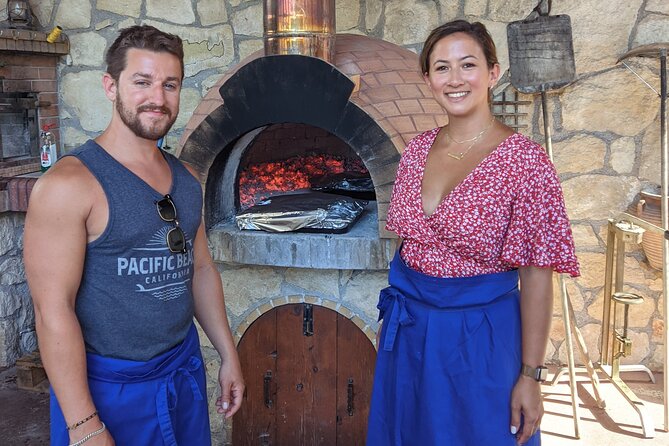
The property is described as picturesque, with an olive grove, garden, and shaded outdoor cooking and eating areas. That shade matters in Crete, especially during a hot afternoon. You are still taking part in a four-hour food activity, but the setting keeps it from feeling like a lesson in a closed room.
Group size needs a closer look. The stated maximum is 40 people, although several accounts describe groups closer to 20 and one group of 27. A larger group can create a lively social mood, but it may also mean waiting for a turn or sharing a task.
The teaching team helps balance this. Veerna and her family are repeatedly praised for making sure people receive instruction and take part. Still, if you want one-on-one coaching or a quiet private lesson, ask about the expected group size before booking.
The pace is another point in the class’s favor. It lasts about four hours, sometimes four to five depending on the number of participants. That is enough time to prepare several dishes without turning the class into a rushed demonstration. It also means you should not schedule a tight afternoon activity immediately afterward.
Price, pickup, and what the cost covers
The listed price is $133.08 per person. The pricing information also gives adult admission as 105 EUR, with children aged 5 to 12 priced at 50 EUR and children aged 0 to 4 admitted free. Because the dollar and euro figures can change with booking conditions and exchange rates, check the final price shown when you reserve.
For that cost, you receive the class, ingredients, lunch or dinner, alcoholic drinks, soft drinks, and dessert. That is good value if you want a complete meal and a cultural activity in one booking. You would otherwise pay separately for a substantial restaurant meal, wine, and a half-day experience.
Transportation is not included in the base price. Pickup can be arranged for an extra fee based on your location. The service uses a nine-seat van and an electric vehicle, and you may share the ride with other people attending the class.
Pickup has been arranged from hotels and the port for a modest additional fee in some cases. If you are arriving by cruise ship or staying outside central Chania, ask about the transfer when booking. If you arrange your own transport, remember that the class meeting point is in Nerokouros, not in Chania’s old harbor.
The exact address is emailed after confirmation. Confirmation is provided at booking, and the activity is offered in English.
Who should book this experience
I would recommend this class to you if food is one of the main ways you connect with a place. It is also a strong choice for couples, families with older children, groups of friends, solo participants, and anyone who wants an activity with conversation built in.
You do not need to be an experienced cook. The instructions are designed for beginners, and the cooking is divided into manageable tasks. At the same time, more experienced cooks should find enough technique and context to keep the session interesting.
You may want to skip it if you dislike long meals, group activities, or hands-on kitchen work. The class is not ideal for anyone who needs to eat immediately after arrival. It is also not the best match if you want a private lesson with a small group guaranteed.
For solo participants or groups smaller than four, availability may depend on joining another group. Large groups of more than 10 can ask about a discount.
Practical details that can save you trouble
Bring an appetite, but do not arrive starving. The first proper food may come late in the session, even though homemade cookies and drinks are offered at the start.
Choose the lunch session from 10:00 to 14:00 or the dinner session from 16:00 to 20:00. Allow extra flexibility because the duration can stretch to five hours depending on the group.
Tell the host about dietary needs before you arrive. The standard menu includes lamb, goat cheese, yogurt, wheat-based pastry, and other dairy products, so the published menu is not suited to every diet.
Service animals are allowed. The experience ends back at the meeting point, unless you arrange an optional paid transfer. Free cancellation is available when you cancel at least 24 hours before the start time. Cancellations or changes made inside that window are not refunded or accepted.
Should you book the Chania Cooking Class?
I would book this if you want more than a restaurant meal in Chania. The class gives you a full Cretan menu, direct instruction from Veerna and her family, a beautiful outdoor setting, and enough time to share food with people from several countries.
The best reason to go is the combination of cooking and hospitality. You make the food yourself, but the family welcome is just as important as the recipes. Book it with four to five free hours, eat a small snack beforehand, and ask about pickup and group size if those details matter to you.
For a practical introduction to Cretan food, this is one of the strongest choices near Chania. Just remember that you are signing up for a slow, social cooking day, not a quick tasting.
FAQ
Where does the Chania cooking class take place?
The class begins and ends at the Chania Cooking Class meeting point in Nerokouros, Crete. The exact location is emailed after confirmation.
How long does the cooking class last?
The class lasts about four hours, but it can take four to five hours depending on the number of participants.
Is hotel pickup included?
Transportation is not included in the base price. Pickup can be arranged for an extra fee based on your location, using a nine-seat van or an electric vehicle.
What food will I prepare?
You prepare dakos, tzatziki, Cretan salad, savory kalitsounia, lamb kleftiko, stuffed vegetables, dolmades, sweet kalitsounia, and yogurt with spoon sweet.
Are drinks included?
Yes. Local wine, alcoholic beverages, and soft drinks are included.
Is the class offered at lunchtime or in the evening?
You can choose a lunch session from 10:00 to 14:00 or a dinner session from 16:00 to 20:00.
What is the cancellation policy?
You can cancel at least 24 hours before the start time for a full refund. Cancellations or changes made less than 24 hours before the start time are not refunded or accepted.
Just added around Greece
- Authentic and Traditional Cooking Class in Chania Crete★ 5.0 · 5 reviews
- Private Cooking Class – A Culinary Journey in Argostoli★ 5.0 · 2 reviews
- Chania Cooking Class in Crete with rustic, delicious and homely Cretan food!★ 4.5 · 14 reviews
- Private Greek Cooking Class in Athens-Learn to Cook with Angelina★ 5.0 · 3 reviews
- Cook with Katerina: Authentic Greek Home Cooking Class in Athens★ 5.0 · 15 reviews
- Private Walking Meze Cooking Course★ 5.0 · 6 reviews
- Cooking Class in Athens: Learn the Art of Phyllo with Christina★ 5.0 · 24 reviews
- Greek Cooking Class with Acropolis View★ 5.0 · 76 reviews
Cooking Classes, compared.
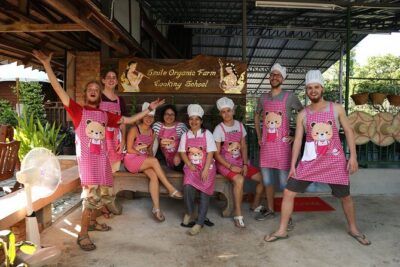
Half-Day Thai Cooking Class at Organic Farm in Chiang Mai
Read our review →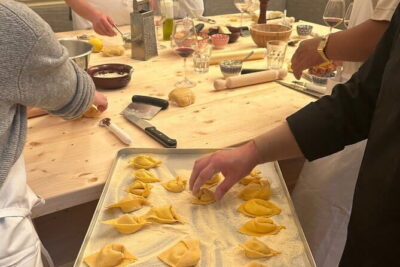
3 in 1 Cooking Class near Navona: Fettuccine, Ravioli & Tiramisu
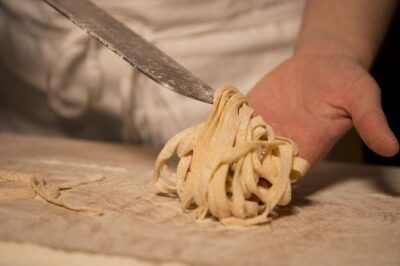
Read our review →
Pasta & Tiramisu Cooking Class with Unlimited Wine
Read our review →
Hanoi Cooking Class: Culture, Local Market & Meaning CSR Impact
Read our review →
5 Traditional Dishes Hanoi Cooking Class with Market Trip
Read our review →
Cooking Class and Lunch at a Tuscan Farmhouse with Local Market Tour from Florence
Read our review →
Cooking Class, Market & Thai Herbs Garden Tour
Read our review →Lists this class appears in