
REVIEW · BISHKEK, KYRGYZSTAN
Central Asian Lagman Cooking Master Class
Stretch, pull, and eat. This Bishkek cooking class gives you a hands-on way to understand lagman, the Central Asian meat-and-noodle dish, rather than simply ordering it at a restaurant. You prepare the dough, work the noodles, cut vegetables, and sit down to eat the finished meal with refreshments.
I like the small group size, capped at 10 people, and the fact that you do the cooking yourself instead of watching a chef do all the work. The $70 price also includes the ingredients, drinks, dinner, instruction, and an English translator when needed. The main drawback is that the class can feel a little loose at times, especially if many people arrive together and the kitchen team is not fully prepared for a teaching session.
The meeting point is Apple Hostel Bishkek on Chymkentskaya 1B. The class lasts about 2 hours and 5 minutes, and it ends back at the same location. It is a good fit if you want a social food experience with real participation, but less so if you expect a polished professional cooking school.
Key Points Before You Book
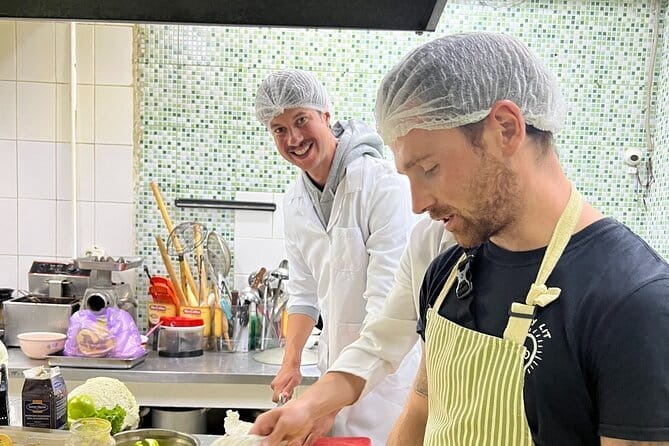
- You make the noodles from scratch: Learn the process from dough preparation through stretching and shaping.
- The group is limited to 10 people: This keeps the class personal, although organization may vary.
- Dinner and refreshments are included: You eat the lagman you helped prepare.
- An English translator may assist: This is useful for following cooking instructions and cultural explanations.
- The class costs $70: The value comes from combining a meal, cooking lesson, local food context, and a small group.
- No private transport is provided: Plan your own way to Apple Hostel Bishkek and back.
Why Lagman Makes a Good Bishkek Cooking Class
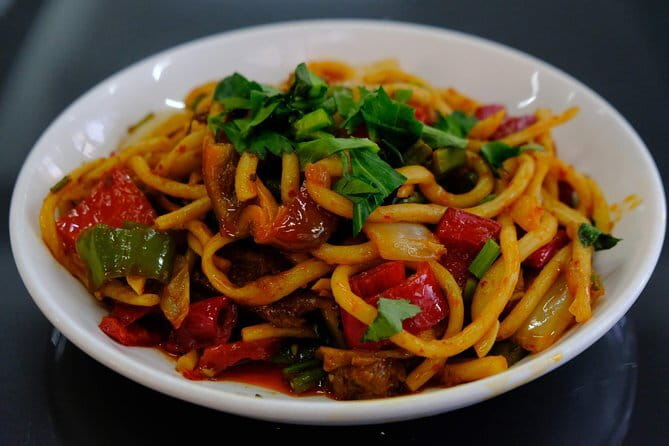
Lagman is more than noodles with sauce. It is one of Central Asia’s most familiar traditional meals, and the class uses the dish to explain food customs and culinary history in the region. That context gives the cooking more meaning. You are not just learning a recipe. You are learning why a particular dish matters in Kyrgyzstan and nearby Central Asian cultures.
The meal combines noodles, meat, vegetables, and a seasoned sauce. The preparation is especially suited to a class because the noodles require technique. You learn how to make the dough, roll it, and work it until it becomes long and flexible. That process is more interesting than simply chopping ingredients and stirring a pot.
I like this kind of food lesson because it gives you something practical to take home. You can recreate lagman after your trip, and the noodle method becomes a story to share with friends or family. It is a much better souvenir than another refrigerator magnet.
A few more cooking classes around the world worth a look
- Half-Day Thai Cooking Class at Organic Farm in Chiang Mai
★ 5.0 · 19,087 reviews - Florence: Pasta Cooking Class with Unlimited Wine
★ 4.9 · 10,285 reviews - 3 in 1 Cooking Class near Navona: Fettuccine, Ravioli & Tiramisu
★ 5.0 · 7,376 reviews
Arriving at Apple Hostel Bishkek
The class begins at Apple Hostel Bishkek, located at Chymkentskaya 1B in Bishkek. The activity also ends there, so you do not need to arrange a separate ride from a distant restaurant or cooking studio.
Private transportation is not included. You need to reach the hostel on your own, using local transport, a taxi, or another suitable option. The meeting point is near public transportation, which makes the location practical, but you should still allow enough time to find the entrance and arrive ready to start.
The mobile ticket is useful for keeping your booking details on your phone. Confirmation is provided at the time of booking. Since the group is small, arriving on time matters. A late arrival could affect the start of the shared preparation, especially with a class that lasts just over two hours.
Preparing the Dough and Ingredients
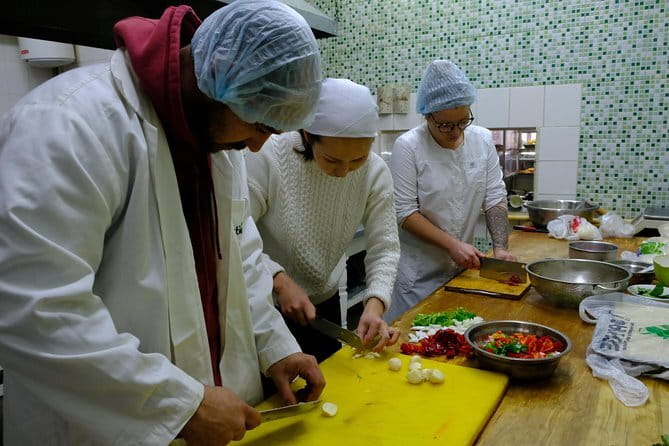
The cooking begins with preparation. You work with the ingredients as a group and get step-by-step instructions from the cooking team. The class is designed for participation, so you should expect to handle the dough, vegetables, and other components rather than stand back and watch.
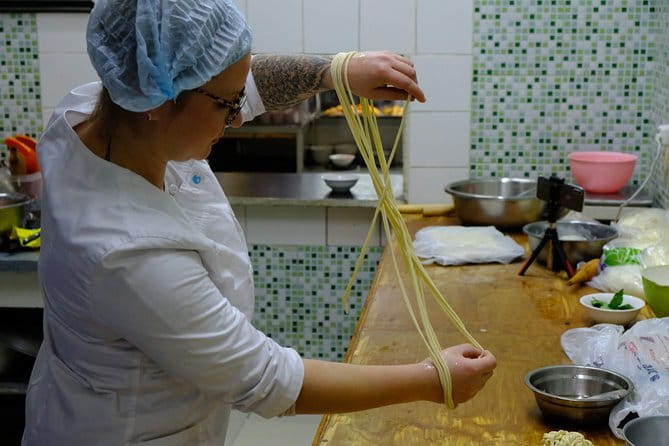
The noodle process is the heart of the experience. You make the dough, roll it, and learn the special technique used to make the noodles long and flexible. This is the part that gives lagman its character, and it also requires more care than ordinary pasta.
The available feedback makes clear that participants actually get to make the dough and roll it. You also cut vegetables and receive a clear demonstration of the method. That hands-on structure is one of the best reasons to choose this class. Many cooking activities quietly turn into demonstrations, but this one is intended to put the work in your hands.
You may not produce perfect noodles on the first attempt. That is part of the fun. The technique takes practice, and the class gives you a chance to understand the basic movements without needing professional equipment or previous cooking experience.
Learning the Long Noodle Technique
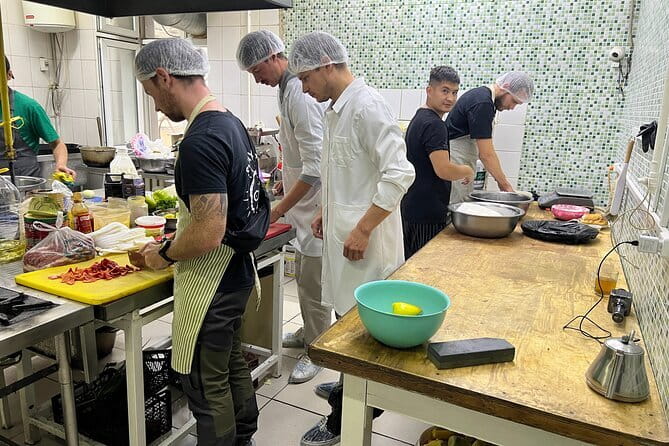
The noodle lesson is not only about ingredients. It is about handling the dough correctly. You learn how the dough should be prepared and worked so it can stretch without breaking. The goal is a long, flexible noodle, not a pile of short pieces.
This is a useful lesson for home cooks because the important skill is the process. You learn what to do with the dough from the start, how to roll it, and how to shape it. The instructions are given step by step, and an English translator can help explain the techniques and cultural information.
One point to keep in mind is that the kitchen may have a more informal teaching style than a formal culinary school. A cooking instructor may prefer to prepare the food herself, while the class organizer wants participants to take part. That difference can make the session feel less tidy than expected.
For me, that tradeoff is acceptable if you prefer an authentic home-style experience. If you want precise timing, printed recipes, and a carefully staged demonstration, you may find the organization a little rough around the edges.
Same place, a different thing to cook:
- Florence: Pasta & Tiramisu Cooking Class with Unlimited Wine
★ 4.9 · 6,708 reviews - Hanoi Cooking Class: Culture, Local Market & Meaning CSR Impact
★ 5.0 · 5,147 reviews - 5 Traditional Dishes Hanoi Cooking Class with Market Trip
★ 5.0 · 4,890 reviews - Cooking Class and Lunch at a Tuscan Farmhouse with Local Market Tour from Florence
★ 5.0 · 4,831 reviews
Cutting Vegetables and Building the Meal
After the dough and noodles, you help prepare the rest of the meal. The class includes cutting vegetables and working through the steps needed to bring the lagman together. The ingredients are supplied, so you do not need to shop or bring special cooking tools.
The group format matters here. With a maximum of 10 people, there is enough scope for shared work while keeping the class from becoming a crowd. You may work beside other participants and compare your progress as the dish comes together.
The available information does not specify every ingredient or the exact seasoning mix, so you should not expect a fixed list of details before arriving. What is clear is that the class teaches the dish from the beginning and covers both the noodles and the meal preparation.
That makes the experience useful for different kinds of cooks. Beginners can follow the instructions and learn the basic method. More confident cooks can pay closer attention to the noodle technique and the way the vegetables and sauce are combined.
Eating the Lagman You Prepared

Once the cooking is finished, you sit down for dinner. The meal includes the lagman you helped make, along with refreshment drinks. This final part gives the class a natural ending. You do not rush straight out after the last cooking step.
Eating together also creates time for stories and conversation about Kyrgyz food culture. The class description emphasizes the social side of the meal, and that is an important part of the value. You get a shared table experience rather than a simple lesson followed by a quick taste.
The food itself is likely to feel more satisfying because you have worked on it. You handled the dough, prepared ingredients, and watched the meal take shape. Even if your noodles are uneven, the result has a personal connection that a restaurant order cannot match.
The dinner is included in the $70 price, as are the ingredients and non-alcoholic refreshments. That makes the cost easier to judge. You are paying for more than a meal, but the experience is still worthwhile only if you want the instruction and social setting. If you simply want to eat lagman, a restaurant will almost certainly be a simpler choice.
A Small Group With an Informal Feel
The maximum of 10 participants is one of the class’s strongest practical features. A group this size gives you a reasonable chance to follow the instructions, handle the ingredients, and ask for help. It also makes the shared meal more personal.
The tradeoff is that a small group does not automatically mean a perfectly organized class. On one occasion, the organizer was reportedly surprised by how many people had booked, creating some initial confusion. The kitchen cook also seemed more comfortable preparing the food independently than leading a formal lesson.
That detail is worth taking seriously, but it does not cancel out the class’s strengths. The positive experiences point to the hands-on work as the main success. Participants made the dough, rolled it, cut vegetables, and learned by doing.
I would approach the class with a flexible attitude. Expect a local cooking session with guidance, not a professional kitchen school with a strict timetable. If the atmosphere is relaxed and the instruction is clear, the informal style can feel friendly rather than problematic.
Is $70 Good Value in Bishkek?
At $70, this is not a cheap meal. The price needs to cover several parts of the experience: all cooking ingredients, refreshments, dinner, instruction, cultural background, and a small group of no more than 10 people.
I consider the price reasonable for someone who values participation. The class gives you a skill, a meal, and a cultural explanation within a little over two hours. It also avoids the common problem of paying for a cooking experience and receiving only a demonstration.
The value is weaker if you are mainly interested in eating. The class takes time, and you need to travel to the meeting point yourself. You also need to accept that the organization may be informal. In that case, spending $70 on a restaurant meal and another activity may suit you better.
The strongest value comes from the noodle lesson. Learning how to make long, flexible lagman noodles is the part you can carry home. The dinner and drinks make the lesson more enjoyable, but the practical skill is what gives the price lasting value.
Who Will Enjoy This Class Most?
I would recommend this experience to first-time visitors who want a direct connection with Kyrgyz food. It is also a good choice for solo visitors, couples, families, and small groups who enjoy doing something together rather than sitting through a standard sightseeing activity.
You do not need previous cooking-class experience. The instructions are designed to guide you through the process, and the hands-on format lets you learn by copying the demonstrated movements.
Families should note that the activity lasts more than two hours and requires attention during dough preparation and vegetable cutting. The available information does not give a minimum age, so parents should confirm suitability before booking for young children.
This is less suitable for anyone who wants a quiet, highly polished, private lesson. The class cannot be combined with another master class, so you should treat it as a stand-alone activity rather than part of a cooking package.
Booking, Cancellation, and Practical Details
You receive confirmation when you book, and the mobile ticket makes arrival simple. The activity operates with a maximum of 10 participants, although a minimum number is also required. If that minimum is not met and the class is canceled, you will be offered another date or experience, or receive a full refund.
Free cancellation is available up to 24 hours before the start time. Cancel at least 24 hours ahead for a full refund. Cancellations or changes made within 24 hours are not accepted for a refund, and the cut-off follows Bishkek local time.
Service animals are allowed. The meeting point is near public transportation, but private transportation is not included. The activity begins and ends at Apple Hostel Bishkek.
Should You Book the Lagman Master Class?
Book it if you want to make the meal, not just eat it. The real strength is the noodle work, from preparing the dough to rolling and stretching it into long, flexible strands. The included dinner, drinks, ingredients, cultural stories, and English translation add useful value.
Go in expecting a friendly, informal class rather than a tightly managed culinary production. Some confusion may occur, and the kitchen team may need encouragement to let everyone take part. Still, the chance to prepare lagman yourself makes this a worthwhile Bishkek activity for food lovers and curious beginners.
If your priority is a polished lesson with exact timing, you may prefer another option. If you want a memorable local meal and a skill you can try at home, the $70 price is fair.
FAQ
Where does the lagman cooking class begin?
The class begins at Apple Hostel Bishkek, Chymkentskaya 1B, Bishkek 720030, Kyrgyzstan.
Where does the activity end?
The activity ends back at the meeting point at Apple Hostel Bishkek.
How long does the cooking class last?
The class lasts approximately 2 hours and 5 minutes.
How many people can join the class?
The workshop has a maximum of 10 participants.
What is included in the price?
The price includes food ingredients, refreshment drinks, dinner, and the cooking activity.
Is private transportation included?
No. Private transportation is not included, so you must make your own way to the meeting point.
Will I make the noodles myself?
Yes. The class teaches you how to make the noodles from start to finish, including the technique used to make them long and flexible.
Is dinner included after the cooking?
Yes. You eat the lagman prepared during the class, and refreshments are included.
Can this class be combined with another master class?
No. This master class cannot be combined with other master classes.
What is the cancellation policy?
You can cancel at least 24 hours before the start time for a full refund. Cancellations or changes made within 24 hours are not accepted for a refund.
Just added around the world
- Aroidee’s Farm-Fresh Thai Cooking Experience★ 5.0 · 8 reviews
- Signature Thai Cooking Course★ 5.0 · 79 reviews
- Private Half-Day Thai Cooking Class in Chiang Mai★ 5.0 · 4 reviews
- Half Day Guided Thai Cooking Class in Chiang Mai★ 5.0 · 13 reviews
- Online Thai and Akha Cooking Class★ 5.0 · 70 reviews
- Private Virtual Thai Cooking Class★ 5.0 · 9 reviews
- Northern Thai Cooking Class in Chiang Mai in a Countryside Home★ 5.0 · 2 reviews
- 5 Hour Morning Thai Cooking Course★ 5.0 · 31 reviews
Cooking Classes, compared.

Half-Day Thai Cooking Class at Organic Farm in Chiang Mai
Read our review →

3 in 1 Cooking Class near Navona: Fettuccine, Ravioli & Tiramisu
Read our review →
Pasta & Tiramisu Cooking Class with Unlimited Wine
Read our review →
Hanoi Cooking Class: Culture, Local Market & Meaning CSR Impact
Read our review →
5 Traditional Dishes Hanoi Cooking Class with Market Trip
Read our review →
Cooking Class and Lunch at a Tuscan Farmhouse with Local Market Tour from Florence
Read our review →