
REVIEW · SARDINIA, ITALY
Cagliari: Sardinian Cooking Class with Meal and Drinks
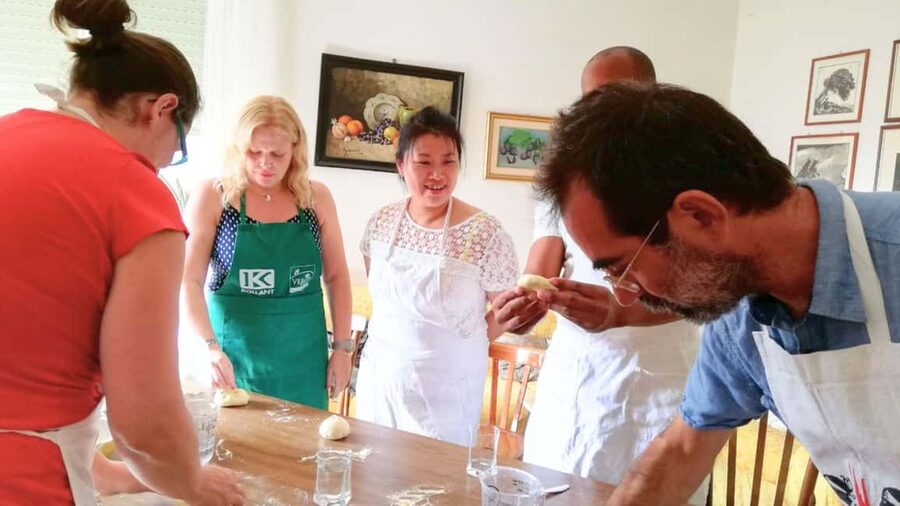
Pasta shaped like wheat ears tells a story. In Cagliari, this three-hour cooking class gives you a hands-on lesson in culurgiones, the stuffed pasta of southern Sardinia, followed by a generous meal with local cheeses, cold cuts, wine, dessert, and digestif. I like the family connection behind the recipe: Damiano learned it from his grandmother, who still prepares it for Sundays and holidays. I also like the small size, with no more than eight people, because you get room to practice rather than simply watch.
The main consideration is that this is a home-style workshop, not a polished restaurant kitchen. You will wash your hands, wear an apron, and use gloves when needed, but the setting may feel informal. That is part of its charm, though anyone seeking a formal culinary school atmosphere may find it a little relaxed.
The meeting point is in front of Zuzy Café. From there, you take part in a class led by Damiano and his sister, with instruction in Italian and English. The price is $105 per person, which is fair if you value both the lesson and the complete meal that follows. You are not just paying for a plate of pasta. You are paying for time at the table, local food, and a recipe you can try again at home.
Key details before you book
- You make culurgiones from dough to finished pasta: The class covers the dough, filling, shaping, and the special a spighedda closure.
- The recipe comes from Jerzu: This town in Ogliastra has its own style, and the class follows Damiano’s family version.
- The meal is part of the experience: You begin with local cheeses and cold cuts, then eat culurgiones with two toppings, wine, water, dessert, and digestif.
- The group is limited to eight: That keeps the workshop personal and gives you a better chance to get help with the tricky pasta seal.
- Food needs must be reported ahead of time: Vegetarian requests and intolerances should be sent to the number on your booking voucher.
- Children under seven cannot take part: The class is wheelchair accessible, but pets are not allowed.
Why culurgiones matter in Sardinia
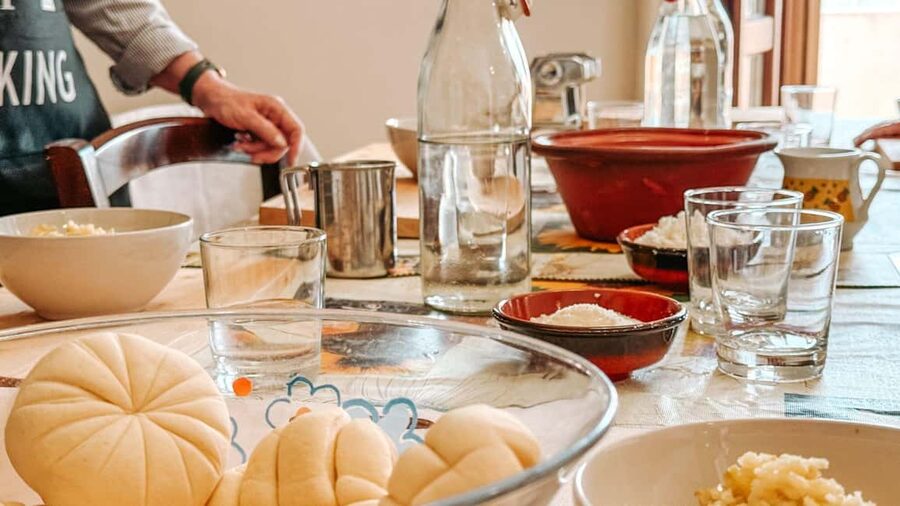
Culurgiones are not ordinary ravioli. Their shape and folded edge carry a strong local identity, especially in Ogliastra on Sardinia’s southeast coast. The particular style taught here comes from Jerzu, where recipes can differ from one town to the next.
That local variation is one of the best reasons to take this class. You are not learning a generic Italian pasta recipe that could come from anywhere. You are learning one family’s version of a dish linked to a specific Sardinian area, then hearing how the recipe fits into Sunday meals and holidays.
The name of the signature fold is a spighedda, meaning the pasta is closed in a form resembling an ear of wheat. It is the part that may test your patience. The filling has to stay inside, and the edge needs to be sealed neatly. Damiano shows both the traditional method and a simpler version, which is useful if your first attempts look more rustic than elegant.
That practical approach makes the class suitable for beginners. You do not need to arrive with pasta-making skills. You need only enough patience to repeat the fold until your fingers understand the movement.
A few more cooking classes around Italy worth a look
- Florence: Pasta Cooking Class with Unlimited Wine
★ 4.9 · 10,285 reviews - 3 in 1 Cooking Class near Navona: Fettuccine, Ravioli & Tiramisu
★ 5.0 · 7,376 reviews - Florence: Pasta & Tiramisu Cooking Class with Unlimited Wine
★ 4.9 · 6,708 reviews
Meeting Damiano and preparing your work area
The class meets in front of Zuzy Café in Cagliari. The supplied information does not give a detailed walking route from the café or describe the exact building entrance, so check your voucher carefully for the meeting time and any last instructions.
Damiano teaches with his sister, and the atmosphere is designed to feel like cooking at home with family. One earlier participant described the apartment setup as well arranged for the activity, which fits the relaxed nature of the class. You should expect a working home kitchen rather than a large commercial studio with rows of professional stations.
Before handling food, everyone washes their hands. You receive an apron, and gloves are used when needed. These steps matter because the activity involves preparing food that will later be served to the group. The hosts describe the workshop as home cooking while still following standard hygiene rules throughout.
You receive a scivedda, a container used during the preparation. This small cultural detail adds something more than a photo opportunity. It gives you the same type of practical object used in a Sardinian kitchen and helps the process feel rooted in local household cooking.
Mixing, tasting, and shaping the filling
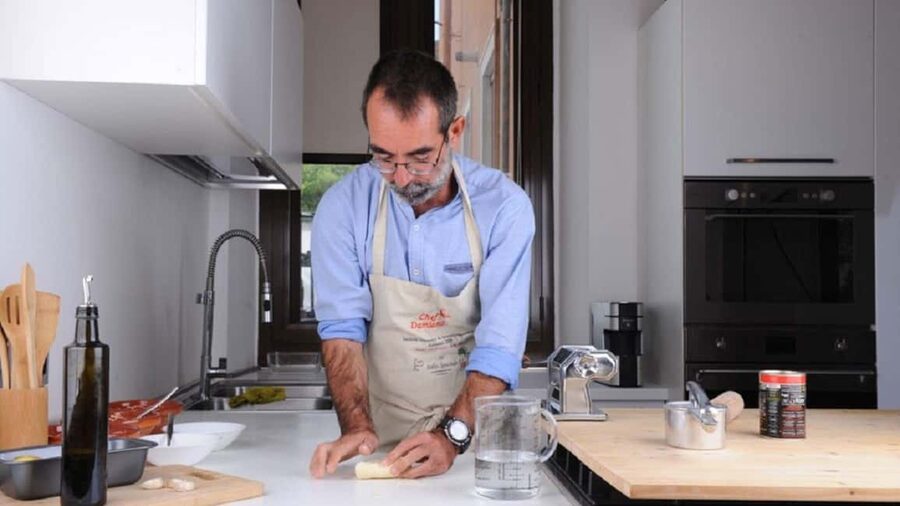
The dough is prepared in advance and allowed to rest before you work with it. That saves time during a three-hour class and lets the lesson concentrate on the parts you can most easily practice: handling the pasta and making the filling.
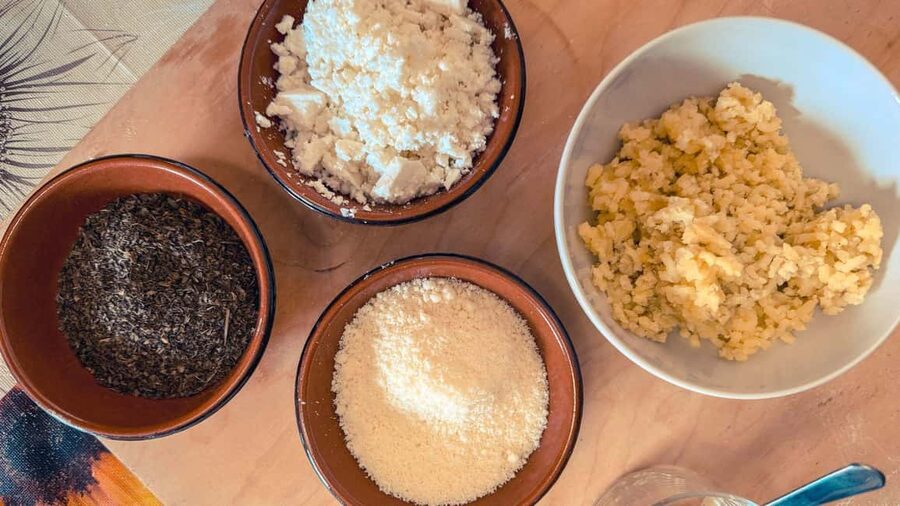
You prepare the filling and taste the ingredients along the way. The information provided does not list every ingredient, so you should not expect a detailed menu in advance unless you ask the hosts. This tasting stage is still useful because you can understand how the filling should taste before it is enclosed in the pasta.
Damiano explains common mistakes and offers guidance as you work. One particularly useful part of the class is the comparison between the traditional sealing technique and a simplified version. If you want to reproduce the dish at home, that distinction could save you from giving up after a few misshapen pieces.
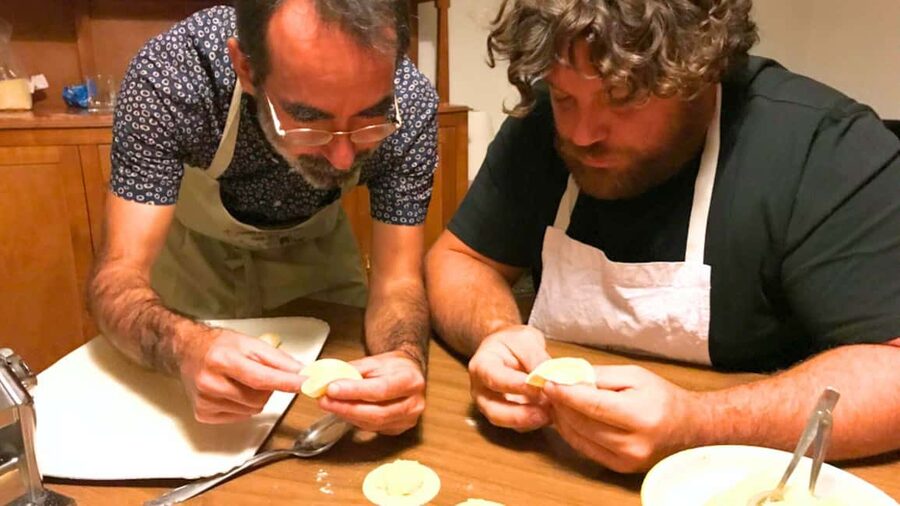
I would treat the first batch as practice, not a test. The point is to learn the motion, feel the dough, and understand how much filling the pasta can hold. The group size helps here. With up to eight participants, you should have a reasonable chance to ask for help rather than wait behind a crowd.
The tricky a spighedda fold
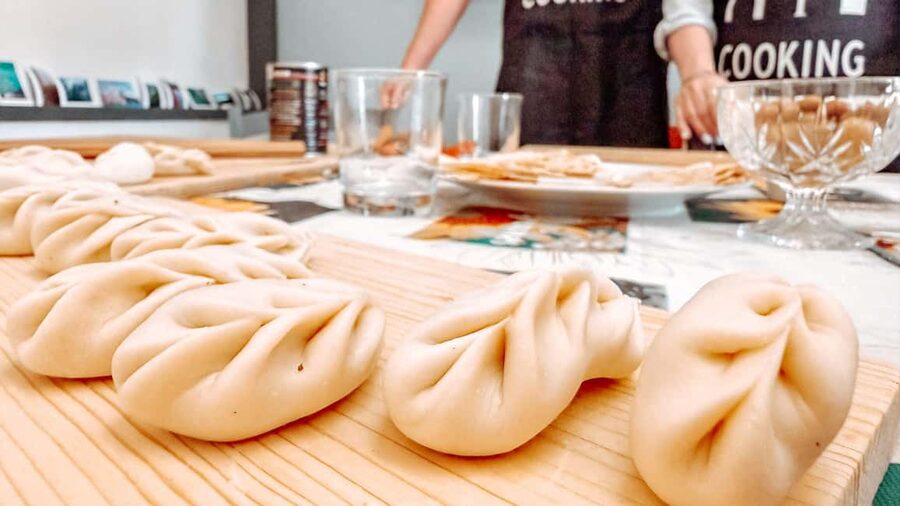
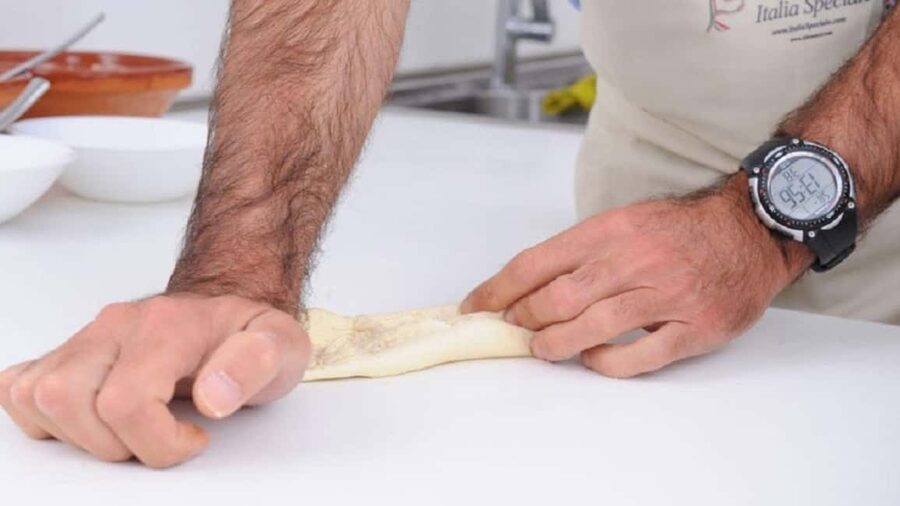
Once the filling is ready and the rested dough is on the table, you begin making the culurgiones. The distinctive closure is worked by hand, with the edge pinched and folded to create the wheat-ear pattern.
This is the most skill-based part of the workshop. It is also where the class offers the most lasting value. You can buy fresh pasta in many places, but learning how a regional shape is made gives you a better understanding of Sardinian food than simply eating it.
Do not worry if your first pieces look uneven. The class is presented as a lesson, not a competition. Damiano is patient and explains the common pitfalls, including the need to seal the pasta properly. His sister helps with the process, and qualified staff can replace the hosts if an unexpected last-minute problem prevents Damiano or his sister from leading the session.
Because you make the pasta yourself, the final meal feels earned. You have seen the dough become filled pasta, and you can recognize the work behind each folded edge when the dish arrives at the table.
Same place, a different thing to cook:
- Cooking Class and Lunch at a Tuscan Farmhouse with Local Market Tour from Florence
★ 5.0 · 4,831 reviews - Rome: Pasta Making Class with Wine, Limoncello, and Dessert
★ 4.9 · 3,177 reviews - Pastamania – Florence Pasta Making Class
★ 5.0 · 3,050 reviews - Rome Cooking Class: Make Pasta and 3 Spritz Cocktails
★ 5.0 · 2,937 reviews
From kitchen table to Sardinian meal
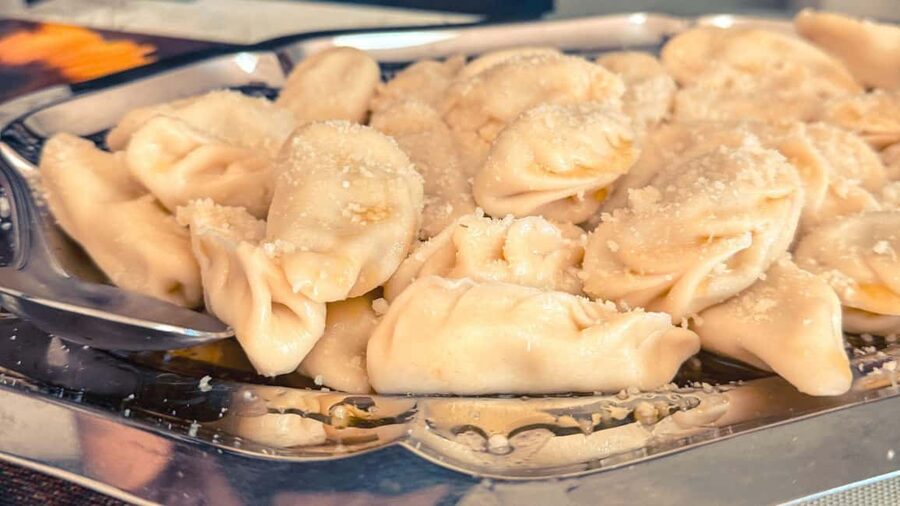
After the culurgiones are shaped, everyone sits down for an aperitif while the water comes to a boil. The first course includes local cheeses and cold cuts with a glass of wine. This pause is important because it changes the pace of the experience. You are no longer standing over the work surface. You are sharing food and conversation before the main dish.
The class follows the idea of slow life, with time given to eating as well as cooking. That makes this a better fit for you if you enjoy social meals and local customs. It may feel less suitable if you want a quick class followed by an immediate return to sightseeing.
The main meal is culurgiones served with two toppings. Having two preparations lets you compare how the same pasta works with different accompaniments. The hosts have also prepared a creative interpretation of the dish on at least one occasion, but you should not assume that a special variation will be served every time.
Water and wine accompany the meal. The experience also includes dessert and a digestif, creating the shape of a festive Sardinian meal rather than a small cooking sample. The meal is one of the strongest reasons the $105 price can make sense. You receive food before the main course, the pasta you helped make, drinks, and a sweet finish, along with three hours of instruction and company.
How the class feels for different kinds of visitors
This is a strong choice for couples who want a shared activity beyond sightseeing. It also works well for families with older children, friends, and small celebrations. One group used the class to mark a mother’s 70th birthday, and the activity was enjoyed across several ages.
The age limit matters. Children under seven are not suitable for the class, so families with very young children should choose another activity. The workshop also involves handling food and following several steps, so children who attend should be comfortable taking part in a structured kitchen activity.
You do not need to be an experienced cook. The instruction is aimed at ordinary home cooks, and the hosts focus on showing you how to work with the dough and avoid mistakes. If you already make pasta regularly, you may find the regional shape and family recipe more valuable than the basic kitchen instruction.
The class is offered in Italian and English. That makes it accessible to English-speaking visitors, though food preparation always benefits from watching closely as well as listening. A demonstration of the hand movement can be easier to follow than words alone.
Dietary needs, accessibility, and practical limits
Tell the organizers about food intolerances or vegetarian needs using the number on your booking voucher. Do this before the activity rather than waiting until you arrive. One participant with a gluten-free diet was accommodated, but you should still give advance notice so the hosts can prepare properly.
The class is wheelchair accessible. The supplied information does not provide further details about the kitchen layout, bathroom facilities, or the exact type of access, so you may want to ask for more information if you have specific mobility requirements.
Pets are not allowed. The experience lasts three hours, and starting times vary, so you need to check availability when choosing a date. It is wise to avoid booking the class too close to another fixed activity because the meal and conversation are part of the experience, not an optional extra.
Free cancellation is available up to 24 hours before the start time for a full refund. You can also reserve now and pay later, which helps if your Cagliari plans may change.
Is $105 a fair price?
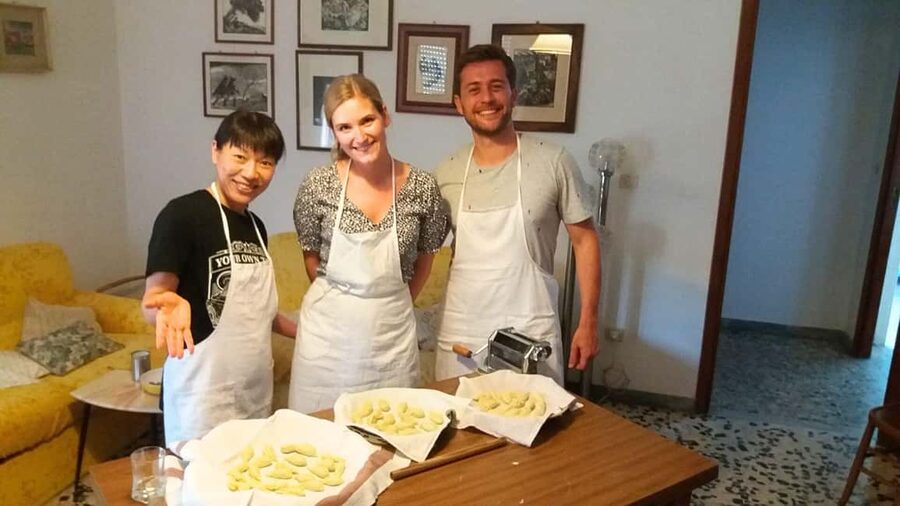
At $105 per person, this is not a budget meal. The value depends on how you measure the experience. If you want the cheapest plate of pasta in Cagliari, this is the wrong purchase. If you want instruction, a small group, local food, several drinks, and a long meal, the price is easier to justify.
The strongest value comes from the combination of learning and eating. Many food activities give you a demonstration and a taste. Here, you handle the pasta, practice a regional fold, and then eat the finished dish with two toppings. The cheeses, cold cuts, wine, dessert, and digestif add to the meal rather than leaving you hungry after a small sample.
The personal story also matters. Damiano learned this recipe from his grandmother, and it remains tied to family Sundays and holidays. That connection gives the class a sense of place that a standard pasta lesson may not provide.
The parts I would remember most
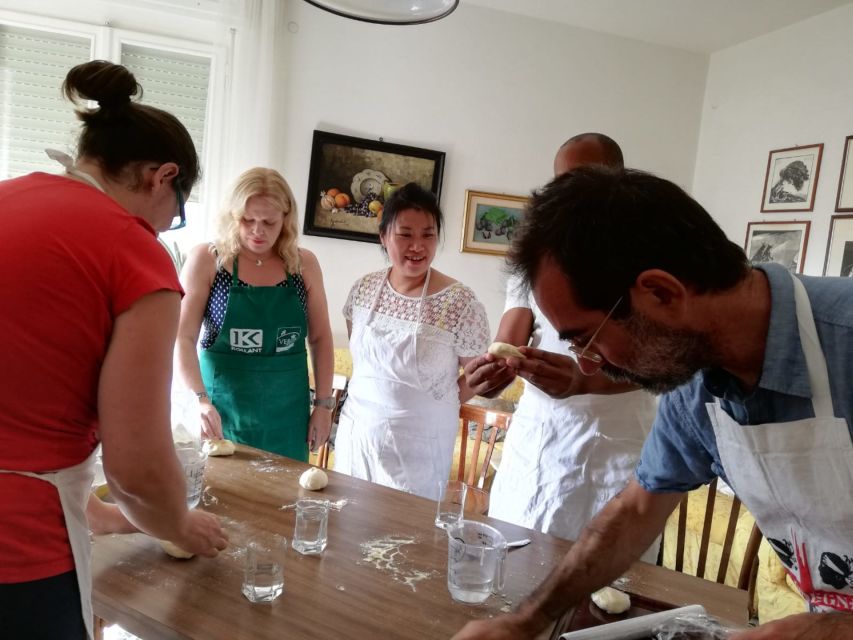
I would remember the a spighedda fold first. It is the detail that makes culurgiones recognizably Sardinian, and it gives you a skill to take home.
I would also remember the change in pace after the cooking. You finish shaping the pasta, sit down with local cheeses and cold cuts, and wait for the water to boil while sharing wine. That movement from work to meal reflects the social side of Sardinian food.
The hosts are another major strength. Damiano is described as friendly, patient, and good at explaining common problems. His sister adds to the welcoming family feel, and the small group keeps the class from becoming impersonal.
The only caution is that the setting and service can vary if Damiano or his sister has a last-minute problem. Qualified staff may take over, but if the family connection is the main reason you are booking, that possibility is worth knowing.
Should you book the Cagliari culurgiones class?
Book this class if you want to do more than eat Sardinian food. You will learn a regional recipe, practice a difficult pasta shape, hear about a family tradition from Jerzu, and sit down to a full meal with wine and dessert.
I would especially recommend it for couples, small groups, food-focused visitors, and families with children over seven. It is also a good birthday activity or a rainy-day plan in Cagliari.
Skip it if you dislike hands-on cooking, need a very formal kitchen setting, or want a short tasting with no time at the table. For everyone else, the combination of patient teaching, family history, generous food, and a group capped at eight makes this one of the more personal food activities available in Cagliari.
FAQ
Where does the cooking class meet?
The meeting point is in front of Zuzy Café in Cagliari.
How long does the experience last?
The cooking class and meal last three hours.
How much does the experience cost?
The listed price is $105 per person.
What food do I learn to prepare?
You learn to prepare Sardinian culurgiones, a stuffed pasta associated with southern Sardinia. The class follows a recipe from Jerzu in the Ogliastra province.
What meal is included?
The meal includes culurgiones with two toppings, local cheeses and cold cuts, water, wine, dessert, and a digestif.
Who teaches the class?
Damiano and his sister lead the class. Qualified staff may replace them if a last-minute problem prevents them from attending.
Is the class offered in English?
Yes. The class is available in Italian and English.
Are dietary requirements accepted?
You should notify the organizers about food intolerances or vegetarian needs using the number on your booking voucher. A gluten-free request has been accommodated previously.
Is the experience wheelchair accessible?
Yes, the experience is listed as wheelchair accessible.
Can children or pets attend?
Children under seven are not suitable for the class, and pets are not allowed.
Just added around Italy
- Cooking Class in a Sicilian countryhouse★ 5.0 · 5 reviews
- Cesarine: Home Cooking Class & Meal with a Local in Catania★ 4.5 · 10 reviews
- Cesarine: Market Tour & Home Cooking Class in Catania★ 4.0 · 6 reviews
- Cooking Class in Taormina with Lunch Included★ 5.0 · 2 reviews
- Cooking Class and Wine Pairing in Capri★ 5.0 · 57 reviews
- Cooking class in Capri for small groups★ 4.0 · 4 reviews
- Private Cooking Class Experience in Reggio Calabria★ 5.0 · 5 reviews
- Lezione di Cucina : Pasta Fresca★ 5.0 · 12 reviews
Cooking Classes, compared.

Half-Day Thai Cooking Class at Organic Farm in Chiang Mai
Read our review →

3 in 1 Cooking Class near Navona: Fettuccine, Ravioli & Tiramisu
Read our review →
Pasta & Tiramisu Cooking Class with Unlimited Wine
Read our review →
Hanoi Cooking Class: Culture, Local Market & Meaning CSR Impact
Read our review →
5 Traditional Dishes Hanoi Cooking Class with Market Trip
Read our review →
Cooking Class and Lunch at a Tuscan Farmhouse with Local Market Tour from Florence
Read our review →