REVIEW · BUENOS AIRES PROVINCE, ARGENTINA
Buenos Aires: Empanada & Alfajor Cooking Lesson in Palermo
Good food makes Buenos Aires easier to understand. This 150-minute class in Palermo brings Argentine culture to the kitchen through hands-on empanadas and alfajores, with a native guide explaining the ingredients, customs, and small tricks behind each dish. I especially like the choice of meat or vegan empanadas, and the chance to drink mate while you cook. The one thing to keep in mind is that not every part may be equally hands-on for every person in the group.
The price is $49 per person, which feels fair if you value a full meal, cooking instruction, recipes you can repeat at home, and cultural conversation in one sitting. Families are welcome, and children can take part, though younger cooks may be more interested in shaping dough and eating than in every technical step.
Key details at a glance
- You make two Argentine staples: Prepare empanadas and dulce de leche alfajores rather than simply watching a demonstration.
- Meat and vegan options are available: The class can suit mixed groups with different diets.
- Mate is part of the lesson: You get a taste of Argentina’s shared tea tradition alongside the food.
- The class meets in Palermo: The address is listed as Gorriti 4882, with another reference to Gorriti 4886, so confirm the exact door before setting out.
- Several languages are supported: Instruction is available in English, Spanish, and Portuguese.
- It works in any weather: The activity runs in rain or shine and takes place indoors.
Why empanadas and alfajores matter in Argentina
Empanadas are more than a convenient snack in Argentina. They are a familiar national food, made in many styles and filled with different combinations of meat, vegetables, cheese, or other ingredients. Their folded edges also carry a practical lesson: the shape helps keep the filling inside, but learning to seal and decorate them takes a bit of practice.
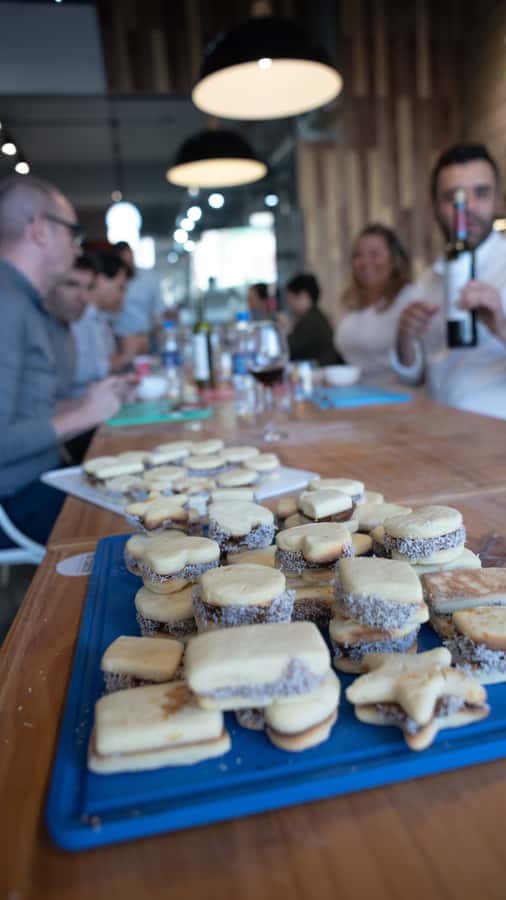
Alfajores are the sweet counterpoint. These soft cookies are joined with creamy dulce de leche, Argentina’s beloved caramel-like milk spread. Making them from scratch gives you a better sense of their texture and balance than simply buying a packaged version from a shop.
I like this pairing because it covers two sides of Argentine eating. The empanadas are savory and filling, while the alfajores give the class a proper dessert. You are not just preparing isolated recipes. You are learning foods that appear in everyday meals, celebrations, bakeries, and family kitchens.
A few more cooking classes around the world worth a look
- Half-Day Thai Cooking Class at Organic Farm in Chiang Mai
★ 5.0 · 19,087 reviews - Florence: Pasta Cooking Class with Unlimited Wine
★ 4.9 · 10,285 reviews - 3 in 1 Cooking Class near Navona: Fettuccine, Ravioli & Tiramisu
★ 5.0 · 7,376 reviews
Arriving in Palermo and settling into the class
The meeting point is on Gorriti in Palermo, Buenos Aires. Hotel pickup and drop-off are not included, so you need to make your own way there. Since the supplied information gives both Gorriti 4882 and Gorriti 4886, check the booking details or message the provider for the precise entrance.
The class is led by a professional local instructor, with guides such as Carolina, Catalina, Tomás, Lourdes, Paulina, Nyla, Layla, and Graziela praised for their warmth and clear teaching. The exact guide can vary, but the repeated strength of the experience is the personal approach. You should expect a social kitchen lesson rather than a formal culinary school.
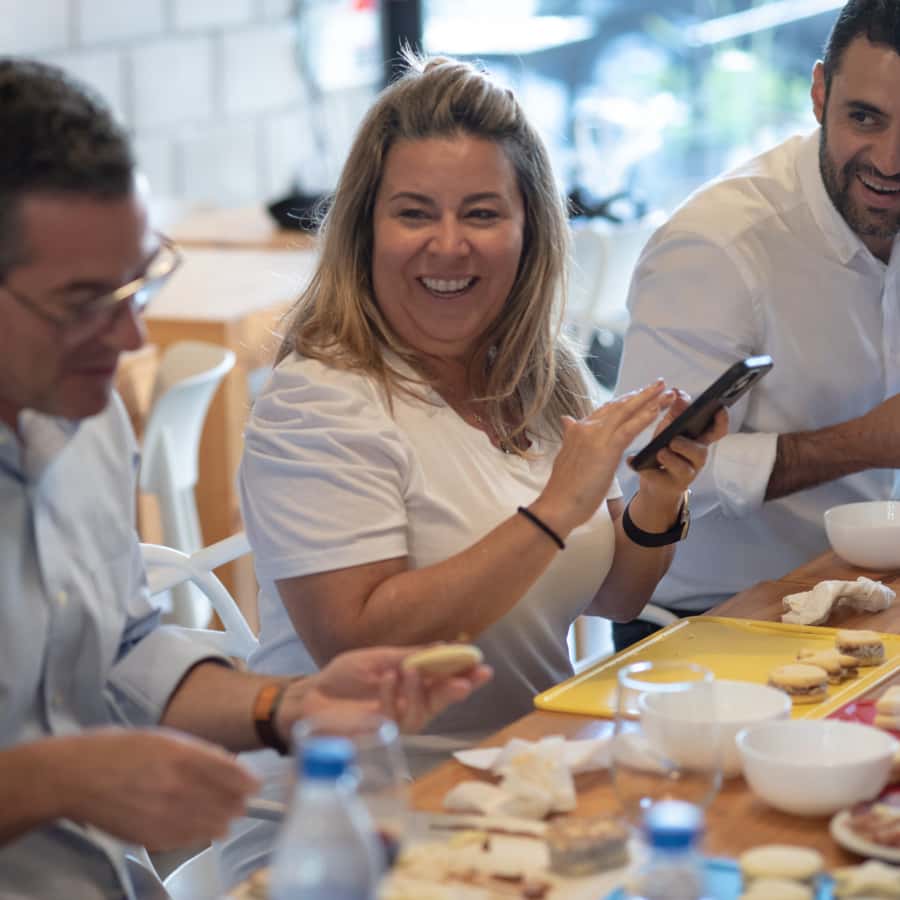
The atmosphere appears relaxed and welcoming. You may be cooking with people from several countries, which adds a pleasant social layer to the meal. One useful feature is that the instructor divides tasks so the preparation does not feel overwhelming. That matters in a shared class, where one person can otherwise end up doing all the chopping while everyone else watches.
First course: shaping and filling Argentine empanadas
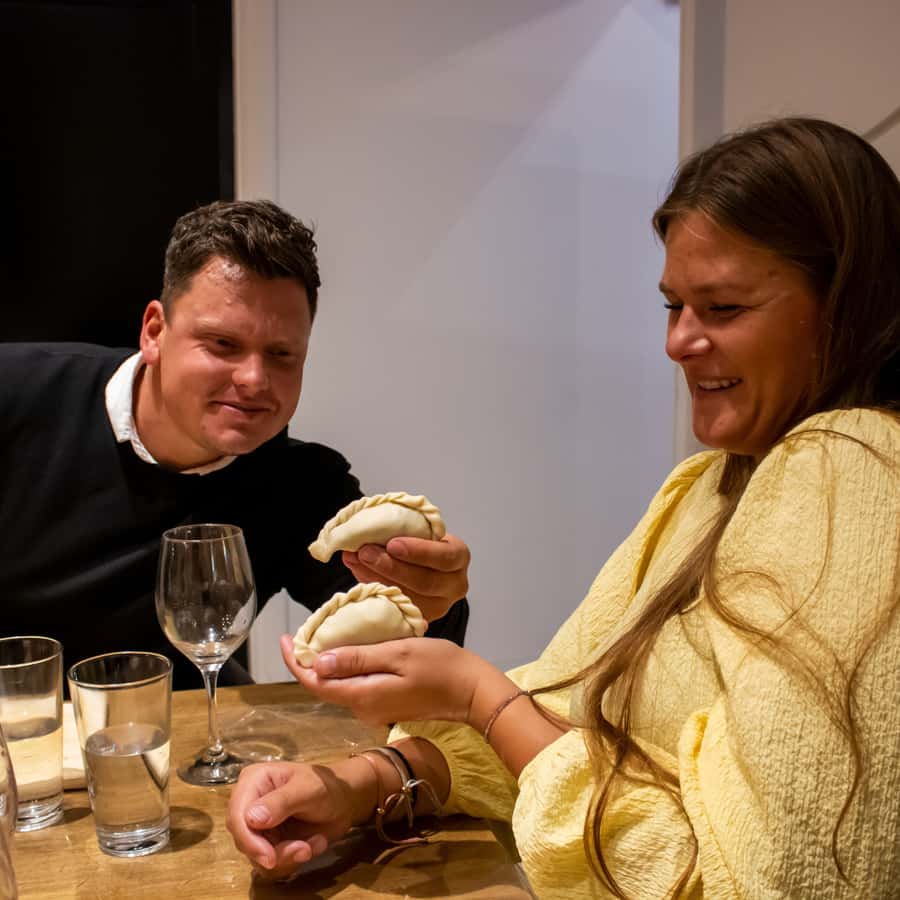
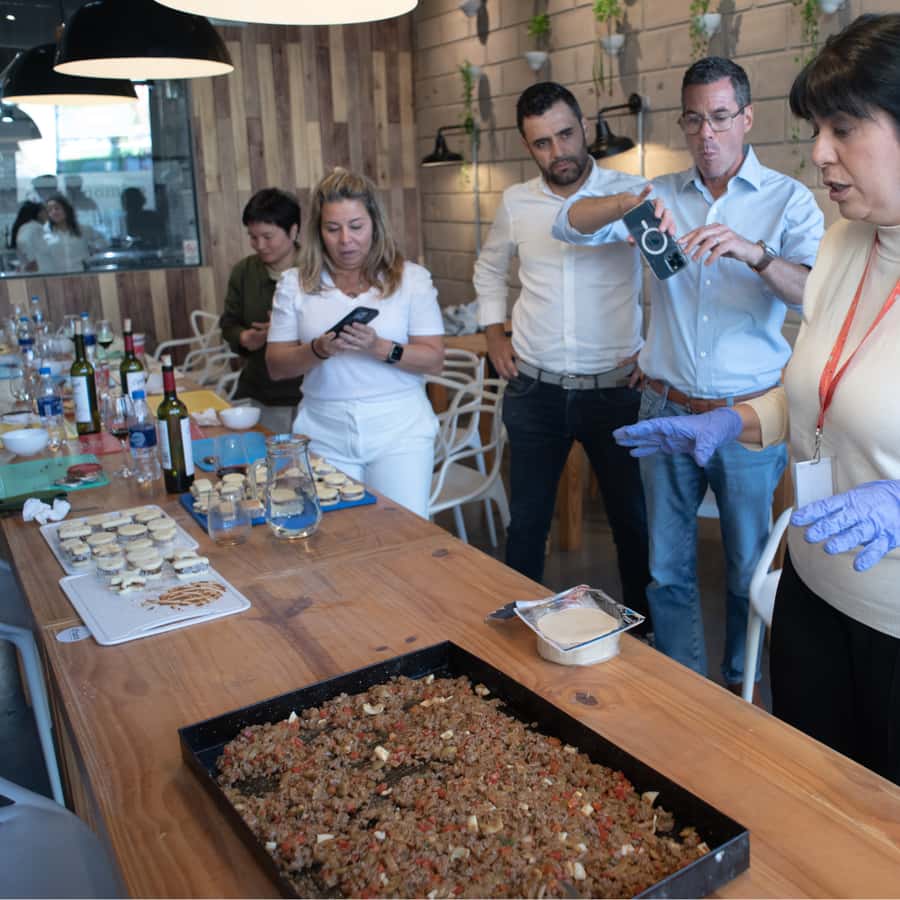
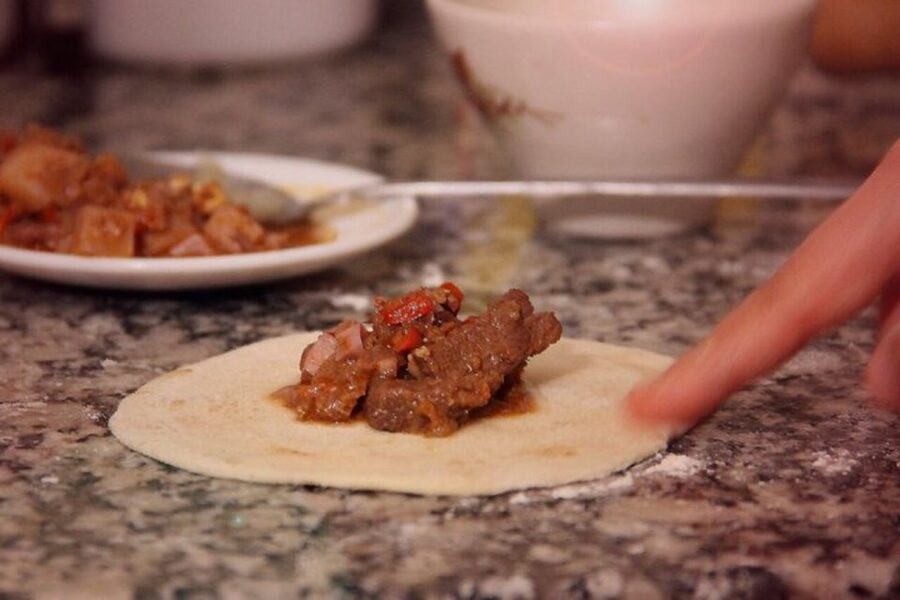
The empanada portion comes first. Your guide explains the basic ingredients and walks you through preparation before you fill and fold the pastries. Meat fillings are available, and vegan options make the activity workable for plant-based diners. The exact filling choices are not specified, so ask your instructor what is planned if you have allergies or strict dietary needs.
The folding is the part that turns a simple pastry into a small lesson in local technique. You will work on sealing the dough and forming the characteristic edge. It may look easy when the guide does it. Your first attempt may look more like a pastry envelope that survived a small argument, but the class gives you time to improve.
A useful detail from the cooking process is the comparison between packaged empanada dough and freshly made dough. That gives you a practical point of reference for cooking at home. Fresh dough offers a more involved method, while prepared wrappers can make the recipe quicker on a busy evening.
The experience is described as fully hands-on overall, but one family found that some portions involved more demonstration than active cooking. That is worth knowing if you want every person in your party working continuously. In a group setting, you may share certain jobs or watch while another participant completes a step.
Once the empanadas are ready, you get to eat what you made. This is one of the strongest parts of the format. You can judge the folding, filling, and texture right away instead of leaving with only notes and a recipe.
Second course: making dulce de leche alfajores
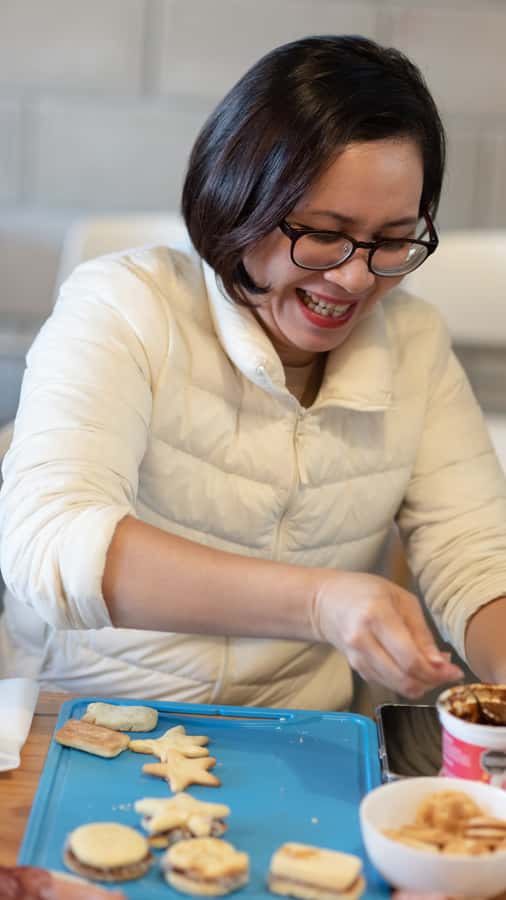
The alfajor lesson follows with the sweet dough and filling. You mix, bake, and assemble the cookies, then sandwich them with dulce de leche. This gives you a clear sequence from raw ingredients to finished dessert.
The alfajores are especially good for families because the work has several stages. One person can help with mixing, another can shape the cookies, and someone else can spread the filling. The assembly is also rewarding for children, since the final result looks like a real bakery treat.
The key ingredient is dulce de leche, a thick, sweet milk caramel that appears throughout Argentine cooking. It can be very rich, so the cookie provides a useful balance. You will likely want to pace yourself, especially after eating empanadas.
Several people who took the class later planned to make alfajores at home, and one participant taught the recipe to a parent after returning home. That is a good sign for the recipe’s practicality. Still, the class does not promise a printed recipe or take-home ingredients, so ask your guide how the instructions will be shared if you want an exact written version.
Same place, a different thing to cook:
- Florence: Pasta & Tiramisu Cooking Class with Unlimited Wine
★ 4.9 · 6,708 reviews - Hanoi Cooking Class: Culture, Local Market & Meaning CSR Impact
★ 5.0 · 5,147 reviews - 5 Traditional Dishes Hanoi Cooking Class with Market Trip
★ 5.0 · 4,890 reviews - Cooking Class and Lunch at a Tuscan Farmhouse with Local Market Tour from Florence
★ 5.0 · 4,831 reviews
Mate tea and the social side of Argentine food
Mate is included, and it gives the class a cultural layer beyond cooking. The tea is traditionally shared, so learning about it while sitting with a local guide helps connect the drink to Argentine social habits. You are not simply handed a beverage between tasks. It becomes part of the conversation about daily life and food.
Some past sessions also included wine, and a few people enjoyed comparing wines with the meal. Wine is not listed as an official inclusion, so you should treat it as a possible extra rather than a guaranteed part of every class. Mate, however, is specifically included.
This social time is valuable because the class is not built around rushing from one cooking station to another. After preparing the food, you have time to sit, eat, and talk. The meal becomes a chance to ask about Argentina and compare food customs with people from other countries.
How good is the instruction?
The strongest pattern is clear, patient teaching. Tomás was praised for giving detailed directions and useful cooking tips. Carolina was appreciated for guiding each step with patience and enthusiasm. Layla was noted for keeping everyone involved and making the meal feel easy to manage.
That does not mean every session will feel identical. Different instructors lead the activity, and group size or energy can affect how much individual attention you receive. Still, the guide is central to the value of the class, and the available evidence points to a friendly, capable teaching style.
You do not need to arrive as an experienced cook. One person who already knew how to make empanadas still learned new things, while another appreciated how simple the instructions were. This is a useful balance: beginners should not feel lost, but confident home cooks are unlikely to be bored.
The class also suits people who prefer cooking over watching. The food is not prepared entirely for you. You mix, shape, fill, bake, and assemble with help from the instructor. If you want a serious professional kitchen lesson with advanced knife work, this is probably too casual. If you want practical recipes and a good meal, it fits better.
Family appeal and group dynamics
This is one of the better food activities for a mixed-age family. Children can take part in shaping dough and assembling alfajores, while adults can focus on the cultural background and cooking methods. The full session lasts two and a half hours, long enough to feel substantial but short enough to fit into a busy Buenos Aires day.
The main family consideration is participation. Not every child or adult may be actively cooking at every moment, especially when the guide demonstrates a technique or when ingredients are shared. A family with children around school age and older should find plenty to do, but you may want to set expectations that this is a group class, not a private lesson.
The social format also works well for solo visitors and couples. You get an easy way to meet people without signing up for a large sightseeing bus. The food creates a natural topic of conversation, and the meal at the end gives the session a comfortable finish.
Is $49 a fair price?
At $49 per person, the class is not the cheapest way to eat empanadas in Buenos Aires. You could buy both foods for less at a bakery or casual restaurant. That comparison misses the point, though. You are paying for ingredients, instruction, cultural context, a local guide, mate tea, and the chance to reproduce the dishes later.
The value is strongest if you enjoy cooking or want a meaningful indoor activity. A simple meal becomes a two-and-a-half-hour experience, and you leave with skills rather than only a full stomach. The value is also good for families, since the activity gives everyone a shared project.
The calculation is less favorable if you dislike group activities or only want a quick introduction to Argentine food. The class takes 150 minutes, and some of that time may involve watching another participant complete a step. You should book it for the social and practical experience, not just for the amount of food.
One useful bonus is the flexibility of meat or vegan empanadas. That can save a mixed group from arranging separate meals afterward, though you should still discuss allergies and dietary restrictions before booking.
Practical details before you book
The activity is offered in English, Spanish, and Portuguese. Choose the language that lets you follow cooking instructions comfortably, especially during dough preparation and folding.
It is wheelchair accessible, according to the supplied activity information. Hotel transfers are not included, so plan your route to Palermo separately.
The experience runs in rain or sunshine, which makes it a sensible choice for a wet afternoon. It also gives you a break from outdoor sightseeing during hot or unsettled weather.
Free cancellation is available up to 24 hours before the start time for a full refund. You can also reserve now and pay later, which helps if your Buenos Aires schedule is still changing. Starting times vary, so check availability for your chosen date.
What to bring and how to get the most from it
Arrive ready to work with your hands. Cooking dough and filling pastries can get messy, so wear comfortable clothes rather than your finest dinner outfit. The experience includes the ingredients and mate tea, but no hotel transport.
If you have a particular dietary requirement, contact the provider before you arrive. Vegan empanadas are available, but the details of the filling and the handling of other ingredients are not provided.
Ask for the recipes in a form you can use at home. Pay close attention to the empanada fold and the consistency of the alfajor dough. Those are the steps most likely to make the difference between a neat result and a delicious but slightly unruly one.
Finally, leave room for the dessert. The empanadas are the main savory dish, but the alfajores are often the part people most want to repeat at home.
Who should book this Palermo cooking class?
I would recommend it to families, couples, solo visitors, and anyone who likes food with a story attached. It is particularly useful early in your Buenos Aires stay, since you learn about two foods you can look for throughout Argentina and gain context for mate and local eating habits.
It is also a strong rainy-day plan. The indoor setting, included food, and steady two-and-a-half-hour schedule make it more dependable than an outdoor activity.
I would hesitate only if you want a private, highly technical cooking lesson or if every person in your group must be actively cooking at all times. For most people, the warm teaching, practical recipes, and meal at the end make $49 reasonable.
Should you book it?
Yes, if you want to do more than sample Argentine food. This class lets you prepare empanadas, fold them yourself, make dulce de leche alfajores, drink mate, and talk with a local guide. The exact instructor may change, but the consistently praised strengths are patience, friendliness, and clear instruction.
Before booking, confirm the exact Gorriti address, ask about dietary needs, and check whether wine is included in your particular session. If those details suit you, this is a friendly and useful way to spend an afternoon in Palermo, with recipes you can carry far beyond Buenos Aires.
FAQ
Where does the cooking class meet?
The meeting point is on Gorriti in Palermo, Buenos Aires. The information gives Gorriti 4882 and also Gorriti 4886, so confirm the exact address before arriving.
How long does the experience last?
The class lasts 150 minutes, or two and a half hours.
What foods will I prepare?
You will prepare Argentine empanadas and dulce de leche alfajores. You will mix, cook, and assemble the food with guidance from the instructor.
Are vegan empanadas available?
Yes. Meat and vegan empanada options are available.
Is mate tea included?
Yes. Local mate tea is included, along with the ingredients for the empanadas and alfajores.
Which languages are available?
The live guide can lead the class in English, Spanish, or Portuguese.
Is the class wheelchair accessible?
Yes, the activity is listed as wheelchair accessible.
Can I cancel or pay later?
You can cancel up to 24 hours in advance for a full refund. The reserve-now, pay-later option lets you book without paying immediately.
Just added around the world
- Aroidee’s Farm-Fresh Thai Cooking Experience★ 5.0 · 8 reviews
- Half Day Guided Thai Cooking Class in Chiang Mai★ 5.0 · 13 reviews
- Signature Thai Cooking Course★ 5.0 · 79 reviews
- Private Half-Day Thai Cooking Class in Chiang Mai★ 5.0 · 4 reviews
- Online Thai and Akha Cooking Class★ 5.0 · 70 reviews
- Private Virtual Thai Cooking Class★ 5.0 · 9 reviews
- Northern Thai Cooking Class in Chiang Mai in a Countryside Home★ 5.0 · 2 reviews
- 5 Hour Morning Thai Cooking Course★ 5.0 · 31 reviews
Cooking Classes, compared.
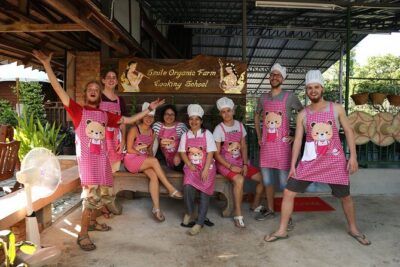
Half-Day Thai Cooking Class at Organic Farm in Chiang Mai
Read our review →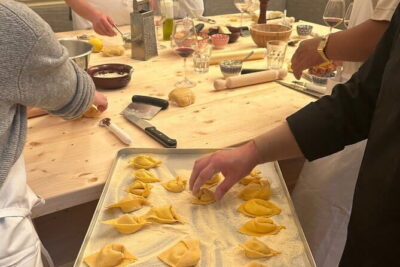
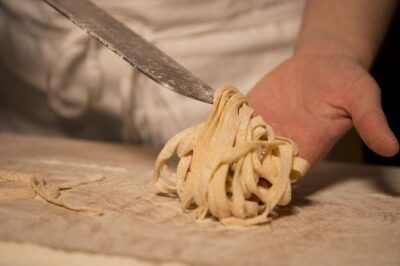
3 in 1 Cooking Class near Navona: Fettuccine, Ravioli & Tiramisu
Read our review →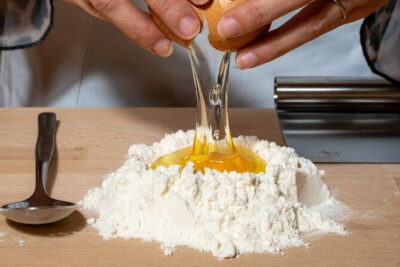
Pasta & Tiramisu Cooking Class with Unlimited Wine
Read our review →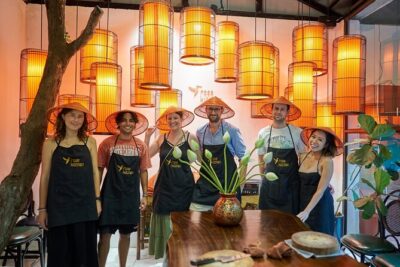
Hanoi Cooking Class: Culture, Local Market & Meaning CSR Impact
Read our review →
5 Traditional Dishes Hanoi Cooking Class with Market Trip
Read our review →
Cooking Class and Lunch at a Tuscan Farmhouse with Local Market Tour from Florence
Read our review →