
REVIEW · CENTRAL HUNGARY, HUNGARY
Budapest: Small-Group Cooking Class & Market Tour with Local
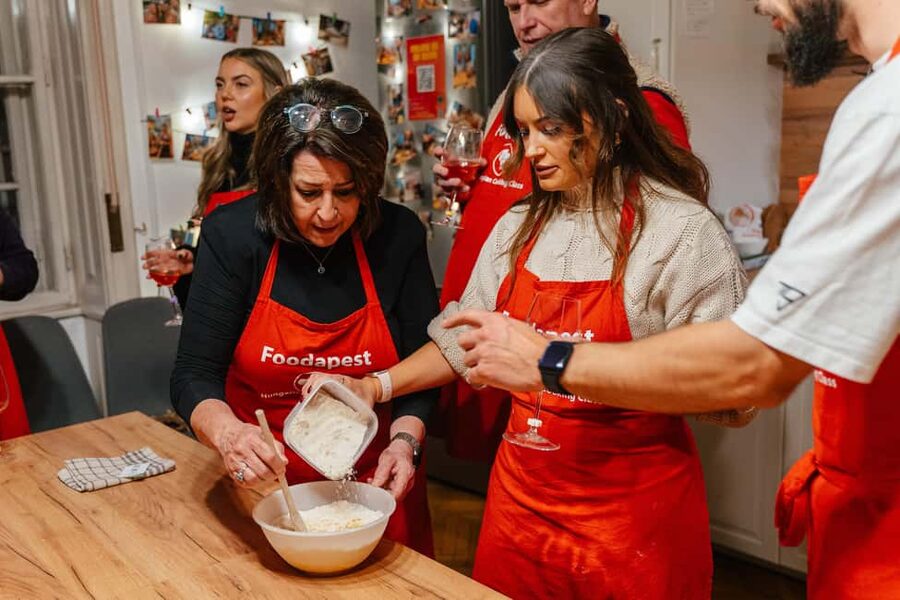
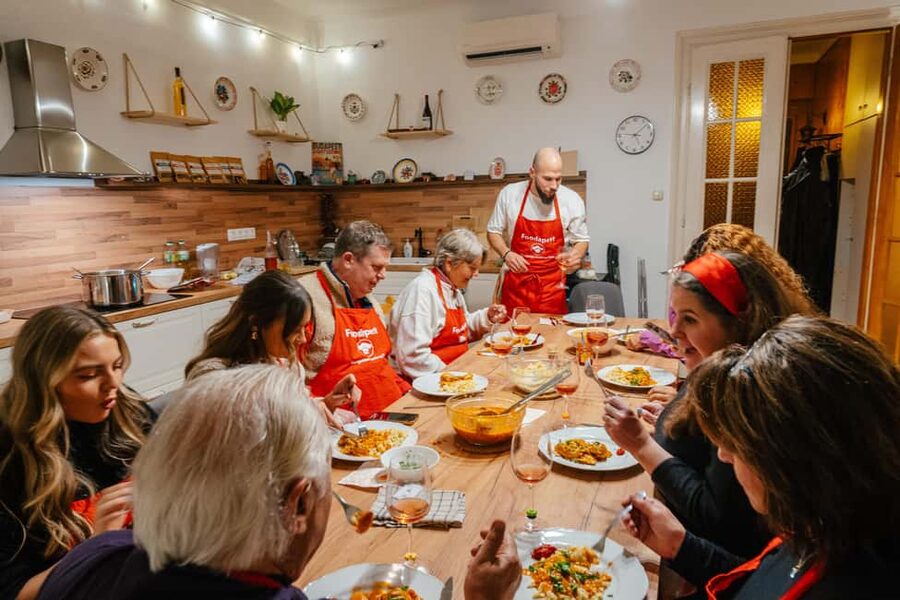
Good food makes Budapest feel personal. Foodapest combines a guided visit to Central Market Hall with a hands-on class in a local apartment, giving you a useful introduction to Hungarian cooking, customs, and everyday hospitality. For four hours, you taste your way through the market, prepare a traditional main course and dessert, then sit down with wine and the people you met along the way.
I especially like the market tastings, which can include Hungarian cold cuts, cheeses, pickles, local wine, and pálinka. I also like the relaxed communal setup: you are not simply watching a chef perform, but chopping, stirring, learning kitchen techniques, and sharing the work. The main consideration is that the experience is social rather than private, and one dish may taste milder than you expect if you associate Hungarian food with heavy heat and strong spice.
The class costs $100 per person. That is not bargain-lunch pricing, but it covers a market tour, food tastings, a full cooking lesson, drinks, a meal, recipes, and a postcard souvenir. If you want a polished restaurant meal, spend your money elsewhere. If you want to understand how dishes such as chicken paprikash, goulash, or stuffed cabbage rolls fit into Hungarian home cooking, the price makes good sense.
Key details before you book
- Central Market Hall comes first: You explore Budapest’s famous indoor market and taste products from local producers before cooking.
- You cook family-style: The class is built around recipes learned in Hungarian home kitchens, including a grandmother’s chicken paprikash recipe.
- The apartment setting keeps it personal: The cooking takes place in a local Budapest-style apartment rather than a formal culinary school.
- Drinks are part of the experience: Expect Hungarian wine, cold cuts, cheeses, pickles, soft drinks, water, and a tasting of Hungarian spirits.
- Dietary needs can be handled: Vegetarian, vegan, and gluten-free options are available if you share your needs ahead of time.
- You leave with something practical: The recipe booklet and handwritten historic postcard are useful reminders of the afternoon.
Starting at Central Market Hall
The experience begins at Budapest’s Central Market Hall, one of the city’s best places to see food as part of daily life. The market is housed in a grand historic building, but the appeal here is not only the architecture. Your guide uses the stalls to explain ingredients, customs, and the difference between products you may know from Hungarian restaurant menus and those used at home.
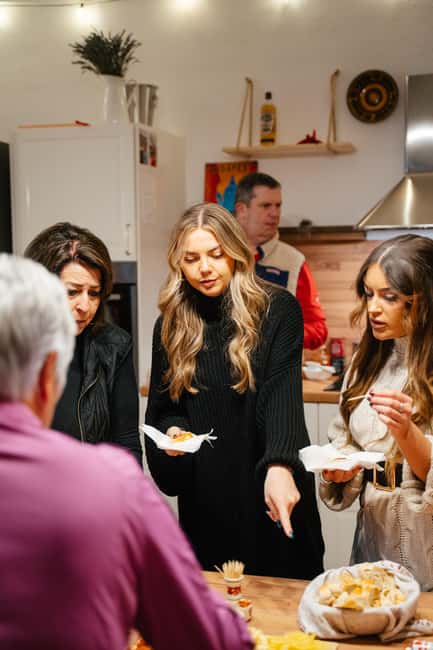
This is a good setting for a first look at Hungarian cuisine because you can see paprika, pickled vegetables, cured meats, cheeses, and other local products before they appear in your cooking pot. The tasting stops make the tour active. You are not simply walking behind a guide while trying to remember facts. You are sampling small portions and building a flavor vocabulary.
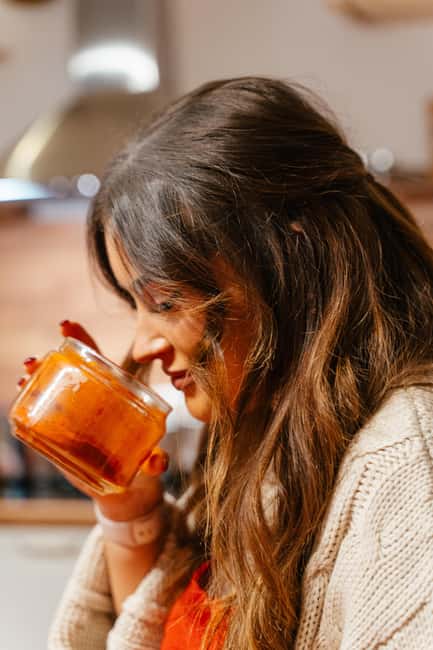
One detail I appreciate is the attention to paprika. Hungary is not limited to one kind of paprika, and the experience can help you notice differences between sweet, smoky, and spicy varieties. That matters later in the class, since paprika is a major part of the country’s cooking but is not meant to taste the same in every dish.
Some of the strongest moments happen below the main market level. The tour can include a look at the downstairs area, a relief map, pickled produce, and a small tasting of pálinka, Hungary’s fruit brandy. The spirit is strong, so take the word small seriously. This is a cultural sample, not a drink to rush.
Your guide may also offer practical tips about buying souvenirs. That is useful because the market can tempt you with paprika, packaged foods, and other edible gifts, but not everything is equally convenient to carry home. A local guide can help you understand what is worth buying and how the products fit into Hungarian food culture.
More Cooking Classes with a Market Tour in Budapest:
- Budapest Cooking Class & Market Tour with Local Guide & Wines
★ 5.0 · 553 reviews - Hungarian Cooking and optional Local Market Tour
★ 4.5 · 98 reviews - Easy Cooking Class Budapest – with Market Walk (local wine & pálinka included)
★ 5.0 · 62 reviews
From market ingredients to a local apartment
After the market visit, you move to the cooking venue at Kinizsi u. 22-6/B in the ninth district. For evening classes, the meeting point is the apartment directly, so check the start time and meeting instructions carefully before setting out.
The apartment format is one of the class’s main strengths. It changes the mood from a scheduled demonstration to a shared meal in someone’s home. Several of the hosts, including George, Kinga, Mesi, Marcell, Ben, and Emese, have been praised for making people feel included and at ease. The exact host depends on the date, but the teaching style appears to be friendly, clear, and informal.
Do not expect a polished restaurant kitchen with each station isolated from the next. The communal arrangement means you work near other people, pass ingredients around, and talk while the food comes together. That is ideal if you enjoy meeting people from different countries. It may be less appealing if you want a quiet, highly structured lesson focused only on technique.
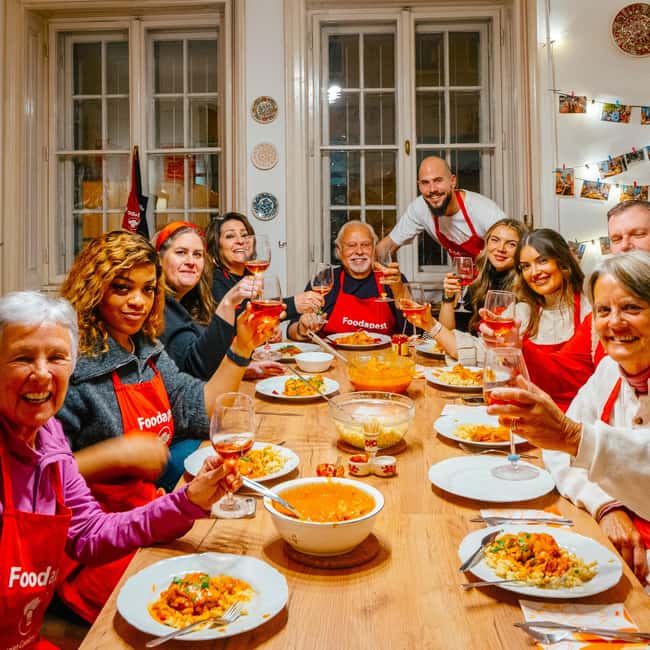
The group size can vary. Some classes have had around nine people, while other accounts describe a larger social group. This matters because the class works best when you are willing to participate and share the work. The hosts make a real effort to keep people involved, but a communal class is naturally less personalized than a private lesson.
Choosing your Hungarian main course
Before the class, you need to state your meal preference from chicken paprikash, goulash, or stuffed cabbage rolls. Tell the operator about dietary restrictions in advance, especially if you need a vegetarian, vegan, or gluten-free version.
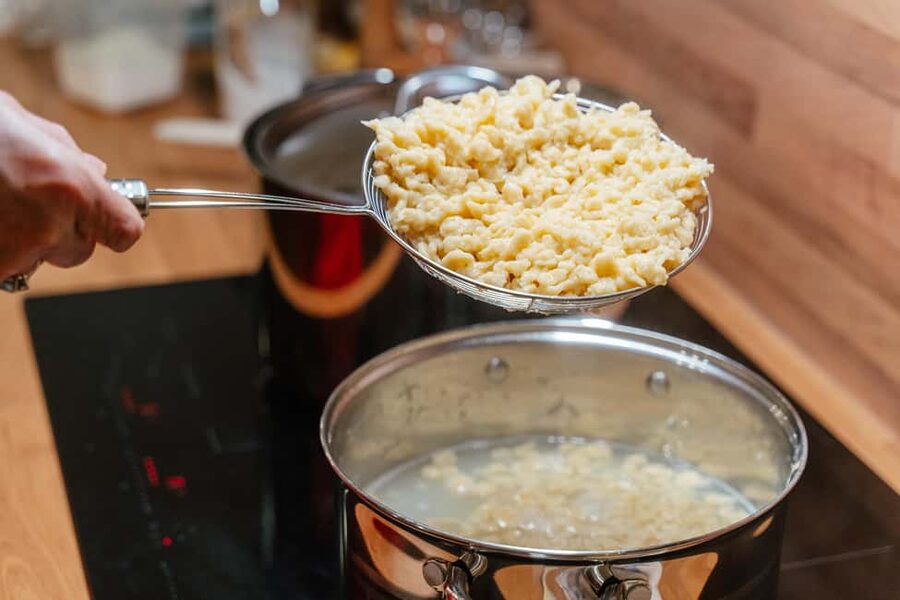
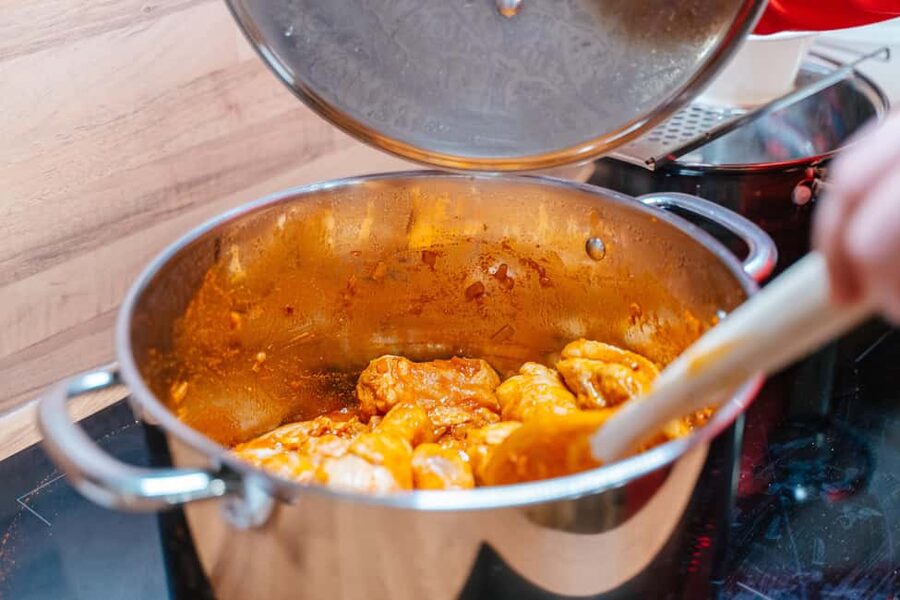
Chicken paprikash is the dish most often connected with the class. It usually provides a useful lesson in how onions, paprika, seasoning, and cooking liquid work together. The class also includes dumplings on some occasions, giving you another chance to practice a simple side dish rather than treating the main course as a one-pot exercise.
Goulash offers a different look at Hungarian cooking, with a heartier stew-style approach. Stuffed cabbage rolls show another side of the cuisine, using preparation and assembly as part of the lesson. Since the exact menu depends on your selection and the class arrangement, confirm what you will prepare when booking.
The recipes come from family cooking traditions rather than being presented as restaurant tricks. One particularly appealing detail is the use of a grandmother’s recipe for chicken paprikash. That does not mean the dish will match every version you have eaten in Budapest. It means you are learning one household’s way of doing it, which is often more interesting than a standardized recipe.
The teaching also reaches beyond the dish itself. You may learn basic cutting skills, ways to handle paprika, and small techniques that transfer to other recipes. That gives the class lasting value. You can cook the same dish at home, but you may also come away with better habits for preparing onions, chopping ingredients, or building flavor.
A social meal with wine and pálinka
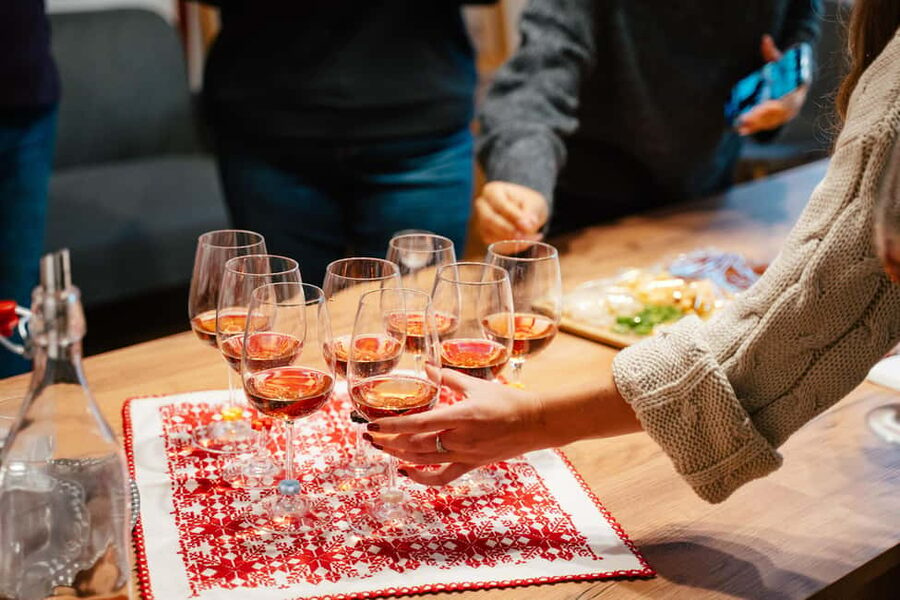
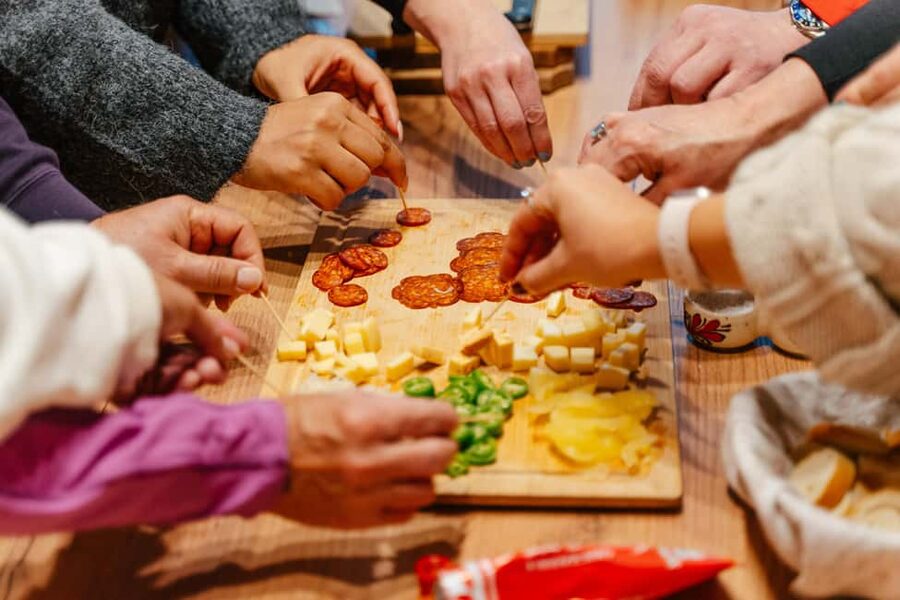
Foodapest treats the meal as part of the lesson, not just the reward at the end. Cold cuts, cheeses, pickles, and other welcome tastings help fill the early part of the experience while the group gets acquainted. Wine is paired with the food, and soft drinks and water are also provided.
The drinks help create a relaxed atmosphere, but you should keep your own pace. Some sessions have been generous with wine, and pálinka is also included. Four hours of cooking, tasting, and drinking can pass quickly, so water is your friend.
The social side is a major reason to choose this class. Solo visitors can meet people without having to arrange a group in advance, while couples and families have a natural way to interact with other participants. Families with older children have found the format suitable, including children around twelve and thirteen, though younger children may find the standing, chopping, and shared work less engaging.
The food itself is generally a strong point. Several class experiences have produced meals that participants preferred to restaurant versions. Still, taste is personal. One visitor found the chicken paprikash bland and expected more forceful flavor from Hungarian food. That is a useful warning: traditional Hungarian cooking can be aromatic and paprika-led without being fiery or aggressively seasoned.
You can always ask questions about seasoning during the class. If you like more heat, ask which paprika or condiment would be appropriate rather than adding chili automatically. The point is to understand the balance of the dish, not simply make it hotter.
A few more cooking classes around Budapest worth a look
- Premium Hungarian Home Cooking Experience with Chef Marti
★ 5.0 · 169 reviews - Hungarian Home Cooking Class with Chef Marti
★ 5.0 · 30 reviews - Budapest Market Tour & Home Cooking Class with local Chef & Guide
★ 5.0 · 23 reviews - Chefparade Cooking School_ Hungarian menu
★ 4.7 · 22 reviews
Why the market and class work well together
A cooking lesson on its own can feel detached from place. You learn a recipe, eat it, and leave. Here, the market visit gives the ingredients a setting and a story.
You see the products before using them. You taste pickles before they accompany the meal. You hear about paprika before it enters the pan. You meet vendors and learn how locals regard the market. That sequence makes the final meal more memorable because you can connect it to what you saw earlier in the day.
The tour also gives you a gentle introduction to Budapest beyond the famous sights. You learn about food customs, Hungarian geography, and local habits while walking through a place residents use for shopping. It is not a broad city tour, and it will not replace a proper history walk, but it gives you a practical angle on the city.
I also like the postcard idea. Each participant receives a one-of-a-kind handwritten historic postcard from Hungarian citizens. It is a small item, but it feels more personal than a standard branded souvenir. Pair it with the recipe booklet and you have two reminders of the class that are easy to take home.
What the four hours feel like
The experience has a clear rhythm:
- You meet at Central Market Hall for the daytime version and begin with a guided walk and tastings.
- You learn about Hungarian ingredients, produce, food customs, and local shopping.
- You continue to the apartment venue with fresh ingredients.
- You prepare a traditional main course and dessert with the group.
- You taste cold cuts, cheeses, pickles, wine, and Hungarian spirits during the experience.
- You sit down to eat what you made and receive the recipes and postcard.
Four hours is long enough to make the outing feel substantial without taking up an entire day. It works especially well on a day when you want a break from museums and monuments. The venue is air-conditioned, which is a real advantage during Budapest’s hot summer months.
The pace may not suit someone who wants a quick demonstration. Cooking involves waiting for ingredients to soften, dishes to cook, and people to finish their tasks. That time is filled with conversation and drinks, so the class depends on your willingness to enjoy the company as much as the food.
Value at $100 per person
At $100, this is a premium half-day activity. You are paying more than the cost of visiting Central Market Hall on your own and eating a casual meal nearby. The comparison is not quite fair, though, because the price also includes instruction, ingredients, equipment, tastings, wine, a spirit sample, a dessert, recipes, and a hosted social experience.
The strongest value comes from the combination of activities. A market tour alone might give you facts and samples. A cooking class alone might give you a recipe. This experience connects the two, then adds a meal and conversation.
It is also good value for solo visitors who would otherwise need to organize their own food tour and social evening. Couples should consider the price against the cost of a special dinner plus a separate activity. Families need to decide if everyone in the group enjoys cooking and tasting, since the experience is not designed as a sightseeing tour with constant movement.
The price is less attractive if you do not drink alcohol, dislike group activities, or mainly want to eat rather than cook. You can still join, since soft drinks and water are offered, but some of the social rhythm is built around wine and spirit tasting.
Who should book this class
I would choose Foodapest if you want an easy introduction to Hungarian food and prefer meeting local people over sitting through a formal cooking demonstration. It is particularly well suited to:
- Solo visitors who want a friendly group activity
- Couples seeking a shared cultural experience
- Food-focused visitors who want to understand ingredients before eating them
- Families with older children who can take part in kitchen tasks
- Home cooks looking for recipes they can repeat
- People with vegetarian, vegan, or gluten-free needs who notify the host in advance
I would think twice if you want a private class, a professional culinary-school setting, or a strict, technical lesson. The atmosphere is informal and social. The reward is connection and practical knowledge, not a certificate or a restaurant-style presentation.
Should you book Foodapest?
Yes, if you want Budapest to feel less like a collection of sights and more like a place where people shop, cook, eat, and talk. The Central Market Hall visit gives the class context, the apartment makes it personal, and the family recipes give you something useful to take home.
Book it with realistic expectations. You will share the kitchen, the menu may be gentler than expected, and the drink-centered atmosphere is part of the experience. Tell the host your dietary needs and dish preference ahead of time, arrive ready to participate, and let the group conversation do some of the work.
For $100, Foodapest is a strong choice for an authentic, social afternoon in Budapest, especially if chicken paprikash, paprika, local wine, and a handwritten postcard sound better to you than another few hours inside a museum.
FAQ
How long does the Foodapest cooking class last?
The experience lasts four hours.
How much does the experience cost?
The price is $100 per person.
Where does the experience take place?
The daytime experience begins with a guided visit to Budapest’s Central Market Hall and continues at a local apartment at Kinizsi u. 22-6/B, 1092 Budapest. Evening classes meet at the apartment directly.
What dishes can I choose from?
You can choose chicken paprikash, goulash, or stuffed cabbage rolls. Tell the operator your preference in advance.
Are vegetarian, vegan, and gluten-free options available?
Yes. Vegetarian, vegan, and gluten-free options are available if you provide your dietary requirements beforehand.
What food and drinks are included?
The experience includes cold cuts, cheeses, pickles, the main course and dessert prepared during class, wine, a Hungarian spirit tasting, soft drinks, and water.
Is the cooking class taught in English?
Yes. The host and instruction are in English.
What do I take home after the class?
You receive a recipe booklet and a one-of-a-kind handwritten historic postcard from Hungarian citizens.
Just added around Budapest
- Hungarian Home Cooking Class with Chef Marti★ 5.0 · 30 reviews
- 4-Hour Open Air Gulash Cooking with nature in Hungary★ 5.0 · 2 reviews
- Authentic Jewish Cooking Class by a Professional chef★ 5.0 · 8 reviews
- Budapest Market Tour & Home Cooking Class with local Chef & Guide★ 5.0 · 23 reviews
- Hungarian Cooking Class with Nelli – ONLINE over Zoom★ 5.0 · 16 reviews
- Easy Cooking Class Budapest – with Market Walk (local wine & pálinka included)★ 5.0 · 62 reviews
- Budapest: Cooking School – Hungarian Menu & Local Market★ 5.0 · 7 reviews
- Hungarian Premium Cooking Class with 4-course meal★ 5.0 · 15 reviews
Cooking Classes with a Market Tour, compared.
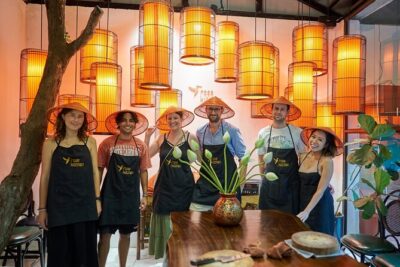
Hanoi Cooking Class: Culture, Local Market & Meaning CSR Impact
Read our review →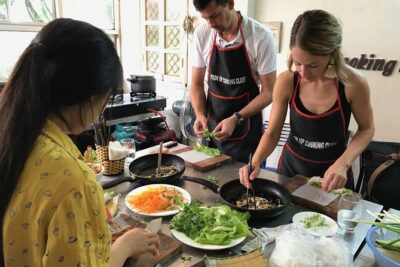
5 Traditional Dishes Hanoi Cooking Class with Market Trip
Read our review →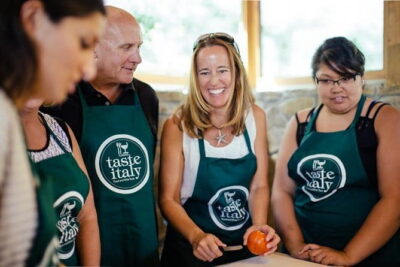
Cooking Class and Lunch at a Tuscan Farmhouse with Local Market Tour from Florence
Read our review →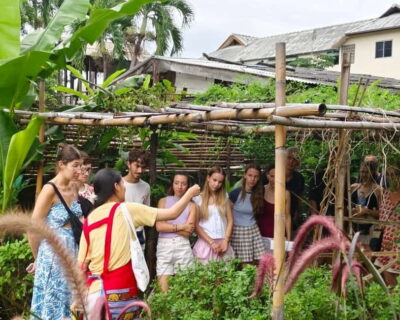
Cooking Class, Market & Thai Herbs Garden Tour
Read our review →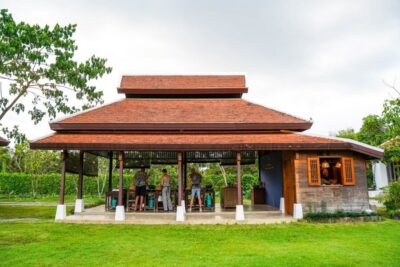
Authentic Cooking Class with Market & Farm Visit
Read our review →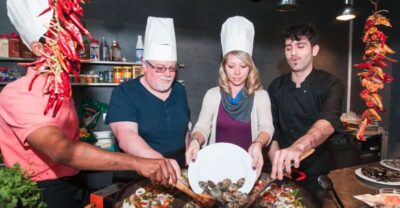
Paella Cooking Experience & Boqueria Market Tour
Read our review →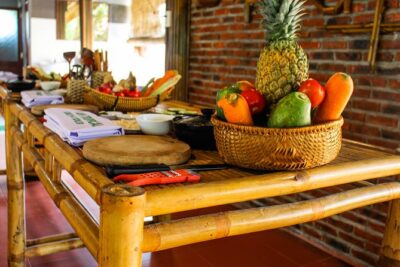
Cooking Class Hoi An:Local Market, Basket Boat, Fishing & Cooking
Read our review →
Hoi An Cooking Class(Market,BasketBoat Crabfishing&Cooking Class)
Read our review →Lists this class appears in