
REVIEW · CENTRAL GREECE, GREECE
Athens: Greek Cooking Class with Meal and Drinks
Greek comfort food gets a vegan makeover. In Koukaki, near the Acropolis, this 3.5-hour class turns familiar dishes such as moussaka, spanakopita, fava, and tzatziki into a hands-on meal shared around one table. I like the small class size of up to 14 people, which gives you a real task instead of leaving you to watch a chef work. I also like the friendly team format, where you cook several dishes with guidance from hosts such as Alexandra, Dimitra, Mirka, and Konstantinos.
The main thing to understand before booking is that every dish is vegan. That is a strength if you want plant-based Greek cooking, but it may surprise you if you are expecting traditional dairy-based feta or a meat-filled moussaka. Another consideration is that the class divides the cooking between two teams, so you will not personally prepare every recipe.
Key points at a glance
- Vegan Greek classics: Prepare moussaka with cashew béchamel, spanakopita, fava, tzatziki, almond feta, dakos, koulouri, and ekmek.
- Small, social format: A maximum of 12 to 14 people keeps the class personal and encourages teamwork.
- A full shared meal: You eat the dishes you help make, with wine, beer, ouzo, infused water, coffee, and soft drinks included.
- Useful skills for home: You may work with filo pastry, plant-based sauces, dips, breads, and Greek seasonings.
- Near the Acropolis: The class takes place at Soybird Studio in Koukaki, central Athens.
- Recipes to take home: An English digital recipe book lets you repeat the dishes after your holiday.
Why this Athens cooking class is different
Many cooking classes give you one recipe, a short demonstration, and a small taste at the end. This class aims for something bigger: a shared Greek feast prepared by the whole group.
The menu includes starters, main dishes, breads, dips, and dessert. You might help with moussaka, make a spinach-filled spanakopita, prepare yellow split-pea fava, or work on almond-based feta. The exact division of tasks depends on the group, but the format gives everyone something practical to do.
The class is also fully vegan. That does not mean it is limited to salads or plain vegetable dishes. Cashews provide the creamy base for the béchamel, almonds take the place of feta, and plant-based yogurt is used in tzatziki. Several people who do not follow a vegan diet found the dishes satisfying, especially the moussaka and the desserts.
I see this as a useful introduction to the way Greek food can be adapted without losing its central pleasures: olive oil, herbs, pastry, legumes, vegetables, sesame, garlic, and lemon. If you want to learn meat-based Greek recipes, this is not the right class. If you want to understand the structure and flavors of Greek cooking while trying something different, it offers a thoughtful alternative.
More Greek Cooking Classes in Athens:
- Greek Cooking Class in Athens Including Rooftop Dinner with Acropolis View
★ 5.0 · 826 reviews - Greek Small-Group Athens Cooking Class & Dinner
★ 5.0 · 574 reviews - Athens: Greek Cooking Class & Dinner on a Rooftop
★ 5.0 · 383 reviews
Arriving at Soybird Studio in Koukaki
The cooking school is in central Athens, in the Koukaki area near the Acropolis. The supplied directions are simple but a little unusual: search for SOYBIRD in Google Maps, then look for the ground-floor space on the far right-hand side of the building in front of you.
Give yourself time to find it. The class asks you to arrive 10 minutes early, and this matters because the opening introduction sets up the rest of the session. There is no hotel transfer, so you need to make your own way to the studio.
The space is described as modern, clean, and well organized, with good equipment and a creative design. You receive an apron, and the ingredients and tools are provided. Comfortable clothes are the only specific item you need to bring.
The cooking school is wheelchair accessible. Children under eight cannot join, so families with younger children will need another food activity.
The first kitchen briefing and team setup
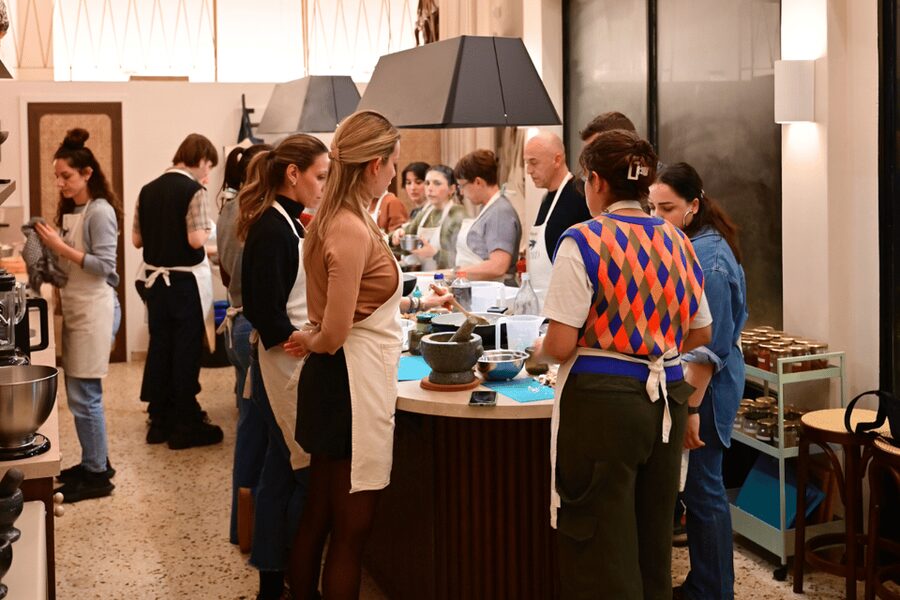
The class begins with a short introduction from the English-speaking host. The instructors vary, but the names praised most often include Alexandra, Dimitra, Mirka, Dimi, Konstantinos, Fotini, Dina, and Merka. Their teaching style is warm and practical, with an emphasis on letting you do the work while stepping in when you need help.
You then split into two small teams. Each team helps prepare two dishes, although the full group works through the menu together and may assist one another as the cooking develops.
This arrangement has two benefits. First, you are not crowded around a single work surface trying to see one demonstration. Second, you have a clear responsibility, which keeps the class moving. The tradeoff is simple: you may cook four dishes or help with several parts of the meal, but you will not master every recipe during the 3.5 hours.
One useful tip is to ask questions early. Hosts are there to guide you, and the class is suitable for complete beginners as well as confident home cooks. Several past participants appreciated being allowed to work independently while still receiving patient help with unfamiliar steps.
Cooking moussaka with cashew béchamel
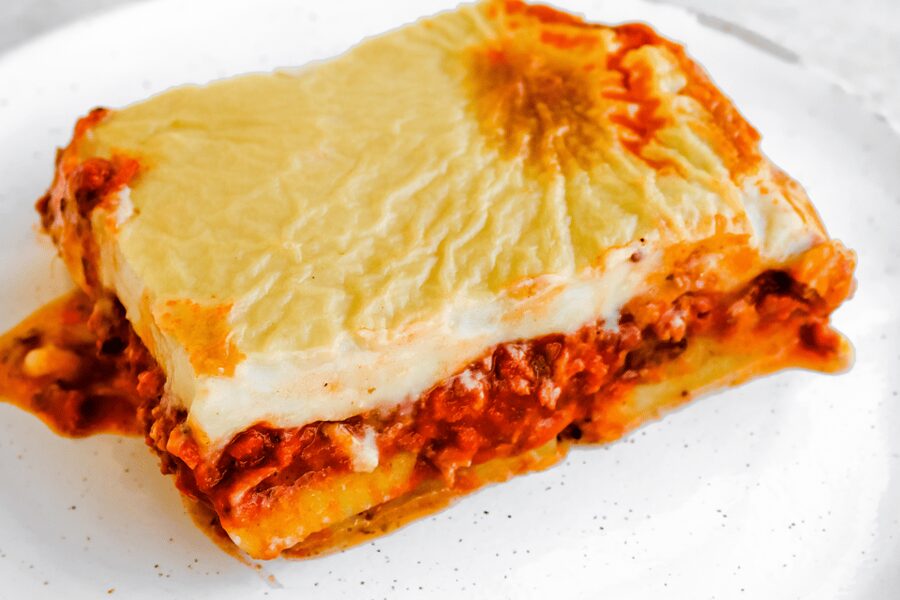
Moussaka is likely to be the anchor dish of the class. In its familiar form, it often includes meat and a dairy-based sauce. Here, the dish uses a vegan filling and cashew béchamel.
That substitution is more than a novelty. It shows you how texture can come from nuts and vegetables rather than cream, butter, or cheese. The béchamel is also one of the recipes that can be useful at home because it can serve as a base for other baked dishes.
You may not prepare every part of the moussaka yourself, since the teams share the work. Still, watching the dish come together gives you a clear idea of how Greek home cooking builds flavor in layers. The finished moussaka is also one of the strongest tests of the class for non-vegans, and it has been described as especially satisfying.
Come hungry. The finished meal is much larger than a tasting plate, and the class produces enough food for a substantial shared lunch or dinner.
A few more cooking classes around Athens worth a look
- Athens: Classic Cooking Class with Market Visit and Wine
★ 5.0 · 1,101 reviews - Athens: Food Market Visit and Cooking Class with Wine
★ 4.9 · 1,087 reviews - Athens: Greek Cuisine Cooking Class and 3-Course Dinner
★ 4.8 · 270 reviews - Traditional Greek cooking class and lunch or dinner with an Acropolis view
★ 5.0 · 250 reviews
Rolling filo for spanakopita
Spanakopita brings a more hands-on pastry skill to the table. The dish combines spinach with filo, and the class may include making the filo pastry itself rather than simply opening a packet.
Rolling filo can be messy, but that is part of its appeal. You learn through your hands, and the result does not need to look like a bakery display to taste good. The instructors guide you through the process and help keep the work manageable for beginners.
This is one of the places where the team format works well. One person can handle the filling while another works on the pastry. You also get to see how a group kitchen manages several tasks at once, which is closer to real home cooking than a quiet one-person demonstration.
If pastry is the skill you most want to learn, tell the host when you arrive. The class has several recipes competing for attention, so you may not get a long private lesson.
Fava, tzatziki, and almond feta
The smaller dishes are not filler. They show off three different approaches to Greek-style plant-based food.
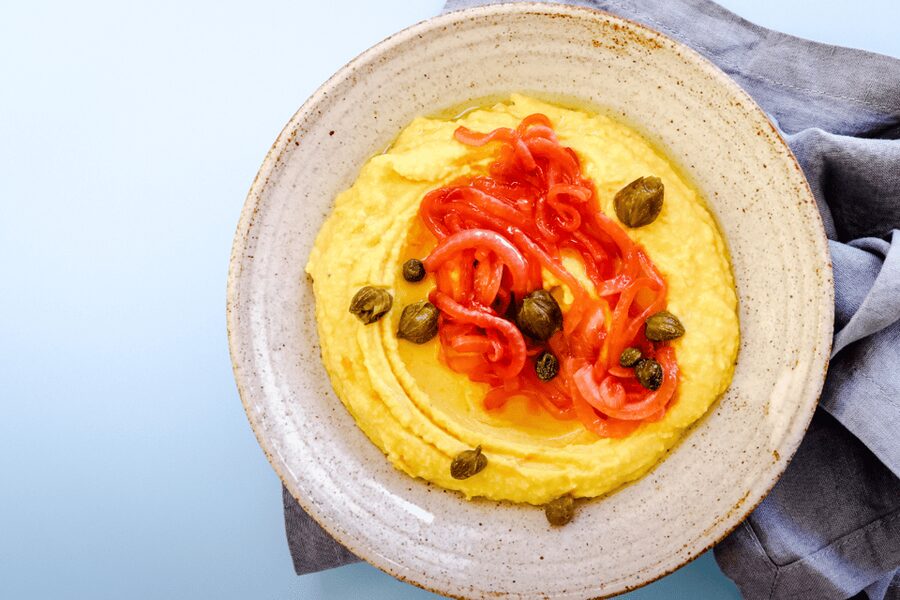
Fava is a yellow Greek split-pea purée, similar in spirit to hummus but with its own earthy flavor and smooth texture. It is simple food, yet it demonstrates how legumes become a satisfying centerpiece when seasoned well.
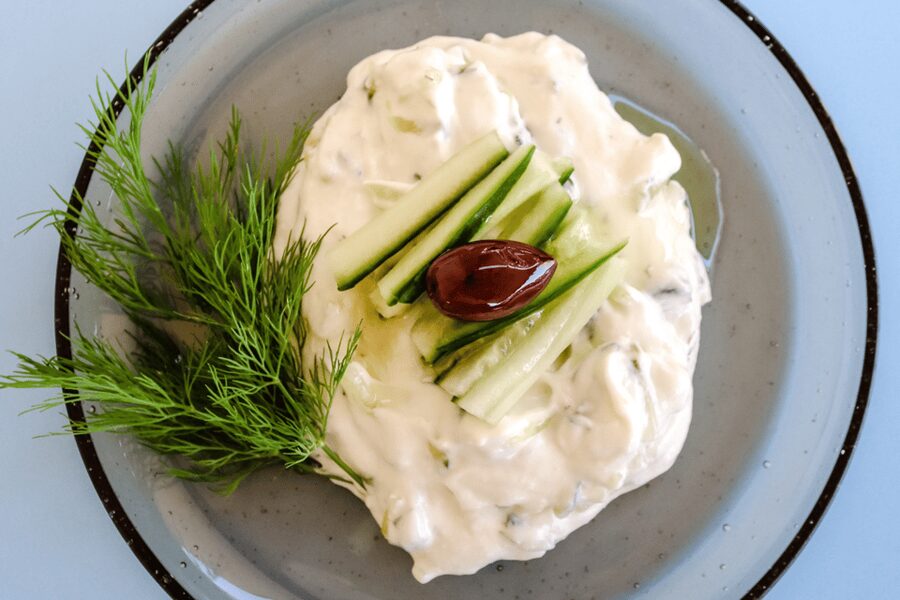
Tzatziki uses plant-based yogurt with cucumber and the familiar cool, garlicky character associated with the dish. If you usually think of tzatziki as dependent on dairy, this version gives you a useful comparison.
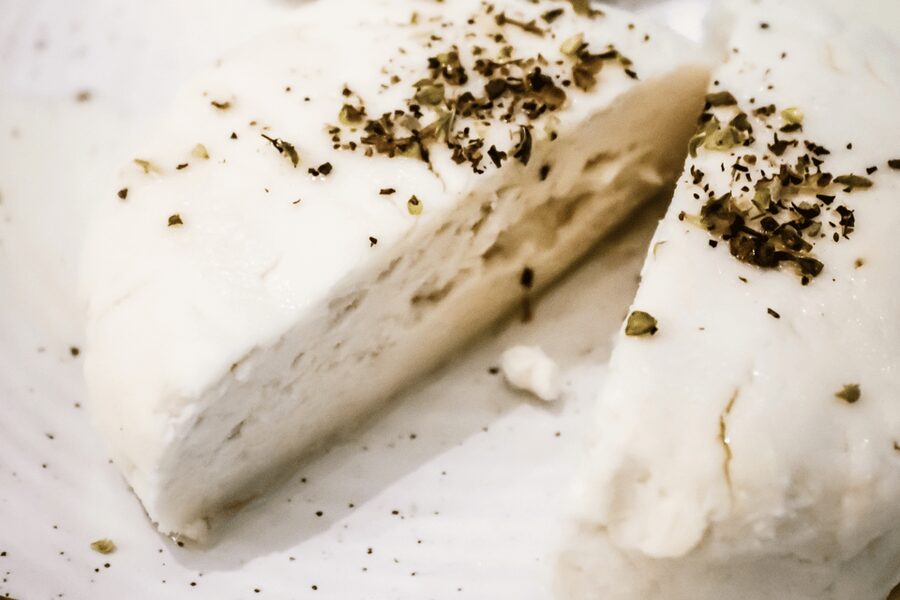
The almond feta is perhaps the class’s most distinctive item. Almonds provide the base for a crumbly, savory cheese alternative. It will not taste identical to sheep’s milk feta, and you should not expect that. Its value is in showing how acidity, salt, texture, and herbs can create a convincing companion for bread, salads, and small plates.
Together, these recipes explain why the menu works for people who are curious about vegan food but do not want a meal built around imitation meat.
Dakos, koulouri, and ekmek complete the spread
The menu reaches beyond the better-known moussaka and spanakopita.
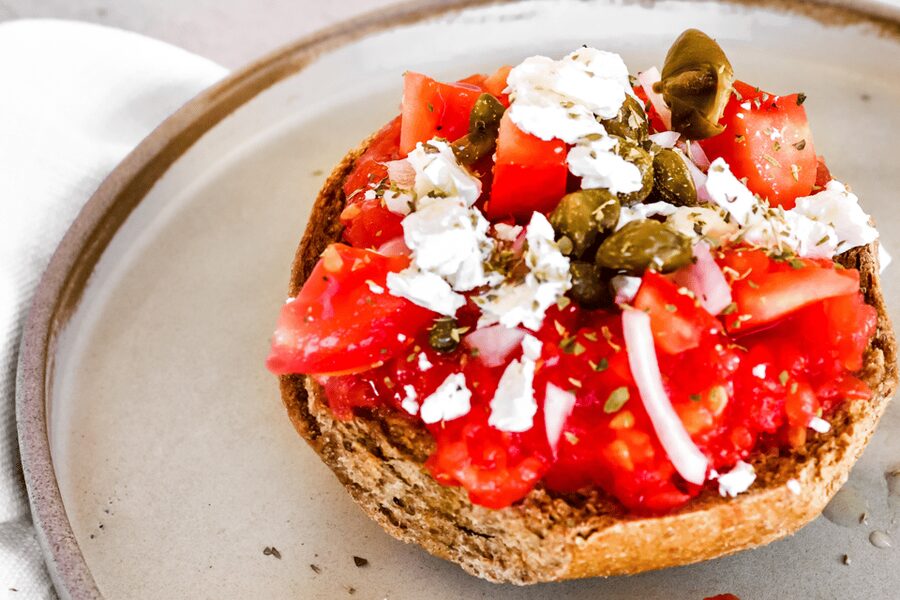
Dakos is a Cretan-style dish built around crisp bread or rusks, tomatoes, and savory toppings. It brings freshness and crunch to a table otherwise filled with soft dips and baked dishes.
Koulouri refers to sesame-coated Greek bread rings. Making or handling bread adds another texture to the class and gives you something practical to repeat at home.
Ekmek provides the sweet finish. It is a Greek dessert specialty and helps turn the cooking session into a full meal rather than a series of savory samples.
The final spread may contain eight or nine plates, depending on the day. That variety is one of the best parts of the class, but it also explains why the team system is necessary. There is simply too much food for every person to prepare every dish in detail.
Sitting down for the shared Greek feast
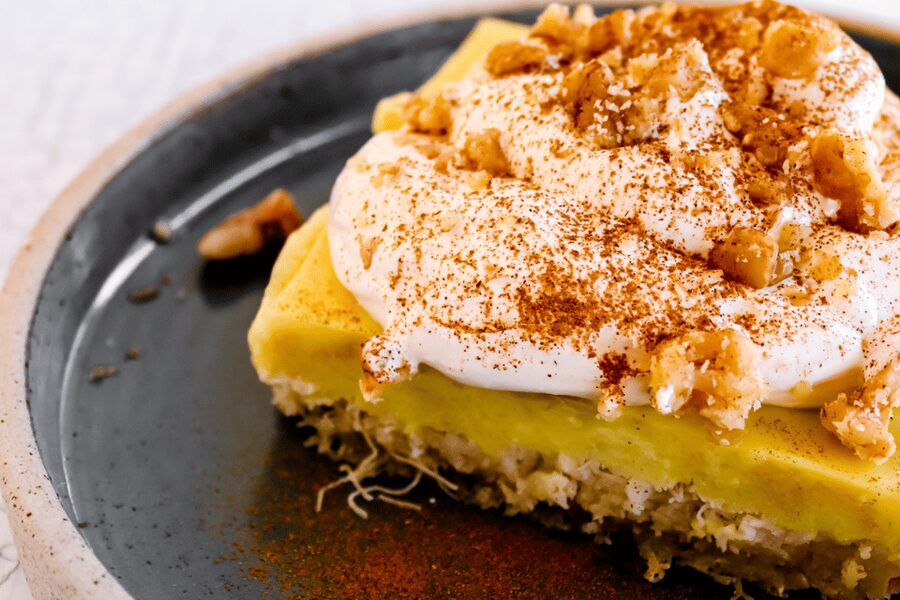
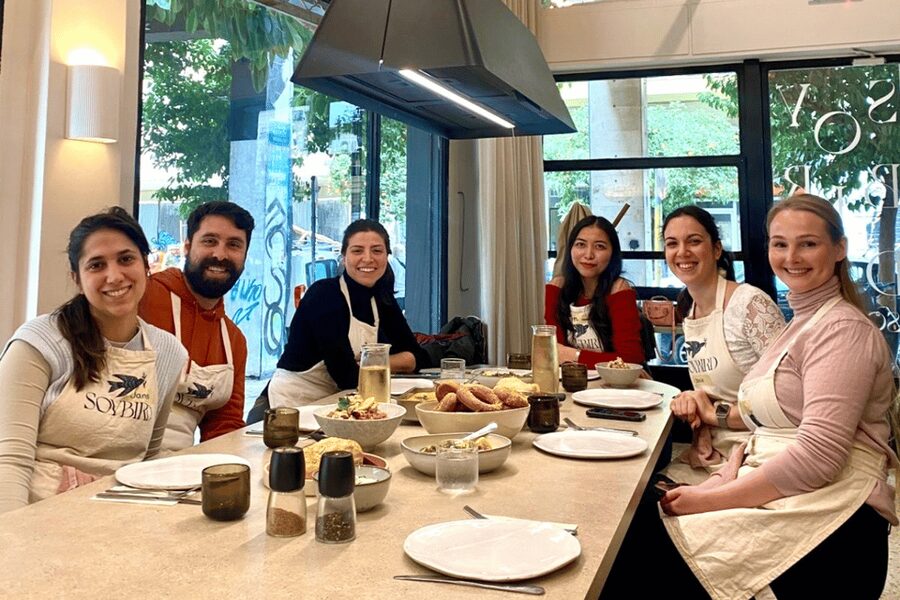
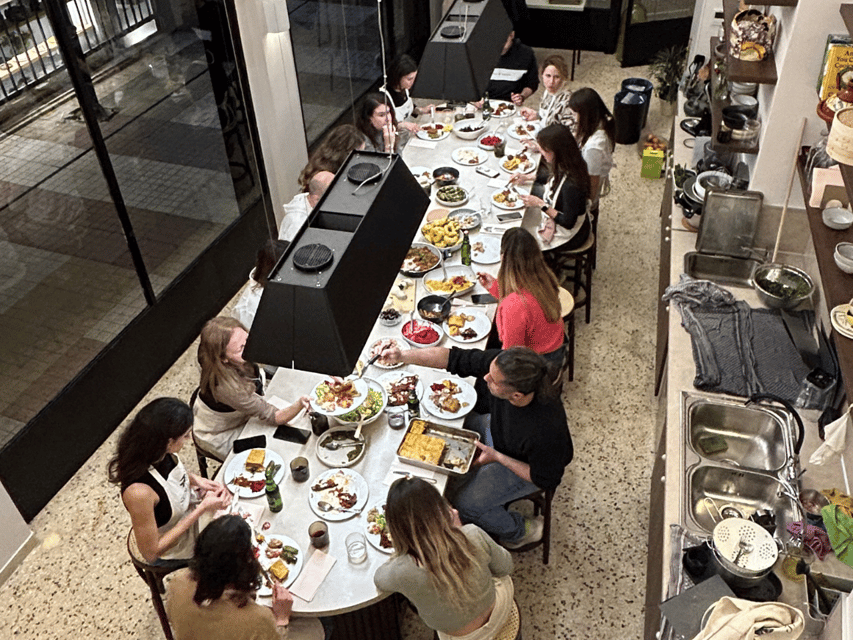
Once the cooking is finished, everyone sits together and eats what the group has made. The meal is served buffet-style, so you can try small portions of everything and return for more of your favorites.
Drinks are part of the package. The stated inclusions cover water, infused water, coffee, soft drinks, white wine, beer, and ouzo. The more specific booking information mentions one glass of wine or a beer, while the class description also lists ouzo and other drinks, so you should confirm the current serving arrangement if that matters to you.
The shared table is not an afterthought. It is where the class becomes social. Solo visitors can meet other people, and couples or friends can enjoy a relaxed evening with a wider group. Hosts such as Konstantinos and Fotini have been praised for creating an atmosphere that feels more like cooking with friends than attending a formal lesson.
You should plan your schedule around the full 3.5 hours. This is not a quick afternoon stop between the Acropolis and dinner. It is dinner, and possibly a generous one.
Teaching style and the role of the hosts
The strongest part of this activity is the human side. The hosts are described as patient, cheerful, attentive, and good at explaining steps calmly. Dimitra and Alexandra receive particular praise for helping people feel comfortable, while Mirka is known for an encouraging approach.
The class does not appear to depend on a single personality or one fixed chef. Different instructors lead different sessions, but the common thread is active guidance. You are expected to chop, stir, shape, roll, season, and assemble rather than stand back with a camera.
That makes the class suitable for mixed groups. Experienced home cooks can ask about techniques and flavor adjustments, while beginners can follow the instructions without feeling exposed. One participant even found the class enjoyable for a teenager with autism, although individual needs and comfort levels will naturally differ.
The only limitation is that a lively group can mean less individual attention than a private lesson. With up to 14 people, you will have room to participate, but you will still share the instructor with everyone else.
What the $93 price includes
At $93 per person, the value depends on how you use the class. You are paying for 3.5 hours of instruction, fresh ingredients, kitchen equipment, an apron, drinks, and a full meal. You also receive a digital recipe book in English.
I consider that a fair package for Athens, especially because the food is substantial rather than decorative. You are not paying for a single dish and a small sample. The group prepares a broad menu and eats together afterward.
The digital recipes improve the value. A cooking class is easy to enjoy and then forget, but written recipes give you a chance to repeat the moussaka, fava, almond feta, or ekmek at home. The recipes may also be adapted. Non-vegan cooks can use the techniques with regular dairy ingredients if they prefer, while plant-based cooks can recreate the dishes as taught.
The price does not include transport to the studio. It also does not give you a private class unless you arrange a separate group booking.
Who should book this class
I would recommend it most strongly to:
- People who want a full meal and not just a cooking demonstration.
- Vegetarians and vegans looking for Greek dishes without meat or dairy.
- Curious omnivores who enjoy learning how familiar food can be changed.
- Solo visitors who like meeting people at a shared table.
- Couples and friends who want a social evening near the Acropolis.
- Home cooks interested in filo, plant-based sauces, legumes, dips, and Greek desserts.
You may want to skip it if your priority is learning traditional meat dishes, eating authentic dairy feta, or working privately with one chef. You should also avoid scheduling a major evening activity immediately afterward. The class lasts 3.5 hours, and the shared meal is meant to be enjoyed at an easy pace.
Booking, timing, and practical advice
Classes require at least six participants and normally run as planned. In the rare case that a class cannot take place, you should be informed at least 24 hours ahead.
Free cancellation is available up to 24 hours before the activity for a full refund. The reserve-now, pay-later option can help if your Athens schedule is still changing.
Arrive 10 minutes early, wear comfortable clothes, and search for SOYBIRD for directions. Since the studio is on the ground floor, it is wheelchair accessible. The activity is conducted in English, with English and Greek-speaking hosts.
My best practical advice is to eat lightly beforehand. The group may produce more food than you expect, and taking a serious lunch before class would be a mistake.
Should you book the Soybird Greek cooking class?
Book it if you want to do more than sample Greek food. The hands-on work, generous menu, friendly instructors, and shared table create a useful connection between cooking and culture.
The vegan format is the key decision. It is not traditional moussaka in the narrowest sense, but it keeps the Greek flavors and cooking habits while showing you different ingredients. At $93, the combination of instruction, drinks, dinner, and recipes makes good sense for a food-focused afternoon or evening in Athens.
I would choose this class for a relaxed day near the Acropolis, especially if you are traveling with someone who enjoys food, conversation, and practical skills. Arrive hungry, accept that you will not cook every dish, and let the meal do the talking.
FAQ
Where does the cooking class take place?
It takes place at Soybird Studio in Koukaki, central Athens, near the Acropolis. Search for SOYBIRD in Google for directions. The school is on the ground floor on the far right-hand side of the building in front of you.
How long does the class last?
The cooking class lasts 3.5 hours. Check the available starting times when booking.
Is the class entirely vegan?
Yes. The menu uses vegan versions of Greek dishes, including moussaka with cashew béchamel, plant-based tzatziki, almond feta, spanakopita, fava, dakos, koulouri, and ekmek.
What drinks are included?
The class includes water, infused water, coffee, soft drinks, white wine, beer, and ouzo. The specific inclusion also states one glass of wine or a beer.
How many people can join?
The maximum group size is 14 people. Classes usually begin with a minimum of six participants.
Do I cook every dish on the menu?
No. The group cooks through the dishes in two teams, and each person helps with two dishes or several parts of the meal. You will not necessarily prepare every recipe personally.
Are recipes provided after the class?
Yes. You receive a digital recipe book in English so you can recreate the dishes at home.
Is the class suitable for children and wheelchair users?
The class is wheelchair accessible. Children under eight are not permitted to participate.
Just added around Athens
- Private Greek Cooking Class in Athens-Learn to Cook with Angelina★ 5.0 · 3 reviews
- Cook with Katerina: Authentic Greek Home Cooking Class in Athens★ 5.0 · 15 reviews
- Private Walking Meze Cooking Course★ 5.0 · 6 reviews
- Cooking Class in Athens: Learn the Art of Phyllo with Christina★ 5.0 · 24 reviews
- Greek Cooking Class with Acropolis View★ 5.0 · 76 reviews
- Athens: Traditional Vegan Cooking Class incl. Drinks★ 5.0 · 41 reviews
- Greek Meze Cooking class and dinner with an Acropolis view★ 5.0 · 41 reviews
- Hands On Greek Cooking Classes in Athens★ 5.0 · 7 reviews
Greek Cooking Classes, compared.
Greek Cuisine Cooking Class in Santorini with Recipes and Wine
Read our review →
Greek Cooking Class in Athens Including Rooftop Dinner with Acropolis View
Read our review →
Greek Small-Group Athens Cooking Class & Dinner
Read our review →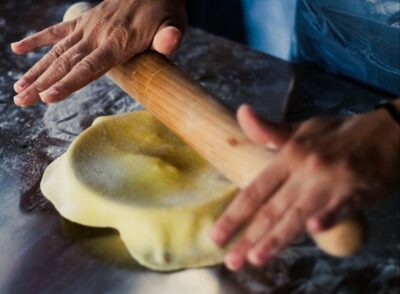
Greek Cuisine Cooking Class and 3-Course Dinner
Read our review →
Traditional Greek cooking class and lunch or dinner with an Acropolis view
Read our review →
Greek Cooking Class with a Local Chef, Wine, & Meal in Drios
Read our review →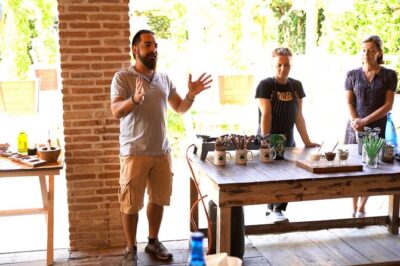
Half-Day Greek Cooking Class of Zakynthian Culture with Lunch
Read our review →Lists this class appears in