
REVIEW · ETHIOPIA
Addis abeba Full Cooking class.
Food is your best welcome to Addis. This four-hour experience combines a local home cooking class with a quick city outing, giving you hands-on time with Abraham and Selam, not just a meal in a restaurant. I like the chance to bake injera yourself, and I like that lunch includes what you have prepared. The main consideration is price: at $90 per person, it is not the cheapest way to see Addis, especially if you only want a cooking lesson.
The outing also includes Shola Market and the National Museum, home of Lucy, so you get more than a kitchen visit. I appreciate the small group limit of seven and airport pickup, which make this a useful choice during a short Addis stop. Still, the market and museum visits may feel brief if cooking is your main goal.
Key points at a glance
- Bake injera in a real home kitchen: Learn how fermented batter becomes Ethiopia’s famous sour, spongy flatbread.
- Cook shiro wot from scratch: Prepare a smooth, spicy chickpea stew and eat it with your fresh injera.
- Take part in a coffee ceremony: Roast fresh beans and prepare Ethiopian coffee with your host.
- See Shola Market and Lucy: Add two important Addis stops before settling into the cooking class.
- Travel in a small group: The maximum group size is seven, with English or French guiding available.
- Useful for airport layovers: Pickup and drop-off make the four-hour format practical for a short visit, provided your schedule allows enough extra airport time.
From Shola Market to the National Museum
The day begins with pickup from Addis Ababa Bole International Airport or your hotel. At the airport, the team waits with a banner showing your name, which is useful in a busy arrivals area. You then meet your guide and driver before setting off through the city.
The first stop is Shola Market, where local sellers offer a wide range of goods. The description does not promise a set shopping list or a special market demonstration, so think of this as a short look at everyday Addis commerce rather than a guided shopping expedition.
That distinction matters. If you enjoy seeing how a city works, the market adds useful context before you sit down to cook. You may see the sort of food and household goods that connect with the dishes later in the day. If you prefer a focused class, you may find the stop takes time away from the kitchen.
The route continues through Addis Ababa to the Ethiopia National Museum. Here you see Lucy, the famous hominid fossil, a major reason many people visit the museum. The museum stop gives the tour a little more substance than a standard food activity, though the information provided does not state how long you spend inside or what other exhibits are included.
I would treat these early stops as a bonus, not the central purpose of the outing. The cooking class is where the experience becomes personal. Shola Market and Lucy help you get your bearings, but the local home is the part that gives the day its character.
A few more cooking classes around the world worth a look
- Half-Day Thai Cooking Class at Organic Farm in Chiang Mai
★ 5.0 · 19,087 reviews - Florence: Pasta Cooking Class with Unlimited Wine
★ 4.9 · 10,285 reviews - 3 in 1 Cooking Class near Navona: Fettuccine, Ravioli & Tiramisu
★ 5.0 · 7,376 reviews
Entering a local home kitchen
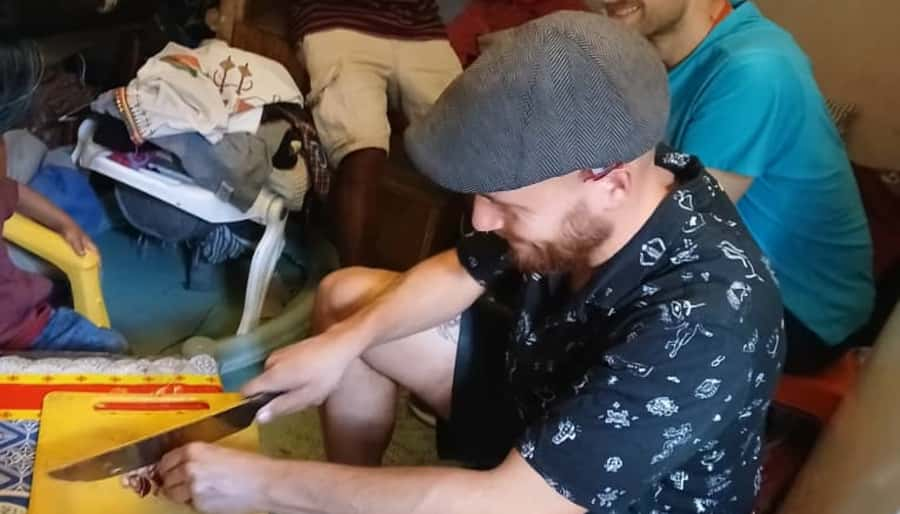
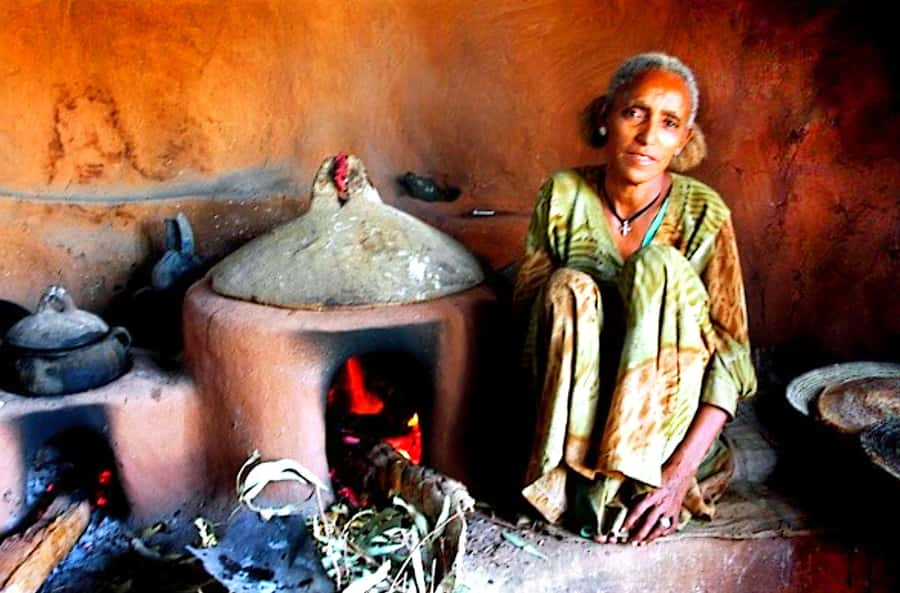
After the city visits, you go to a local home for the cooking lesson. The class takes place in a small home kitchen, and the cooking area may be shared with neighbors. That detail is important because this is not a polished culinary school with restaurant-style equipment and a spacious demonstration counter.
For many people, that is exactly the appeal. You see how food is prepared in a real domestic setting, then take part instead of simply watching a chef work. Selam leads the cooking at home, while Abraham helps guide the visit and translate when needed. Abraham speaks English, and English and French guiding are offered.
One particularly warm account describes cooking with Selam and her family, then eating in her living room. Another describes the kitchen as a small shared neighborhood space. You should expect a close, informal setting rather than a formal dining room.
That also means you should arrive ready to adapt. The supplied information does not list the exact cooking equipment, seating arrangement, or accessibility details. Comfortable shoes are recommended, and warm clothing is sensible for Addis Ababa. Bring a camera if you want to record the food, market, museum, or coffee ceremony, but stay respectful in a private home.
The small group limit of seven helps here. A large class would be awkward in a home kitchen. With fewer people, you have a better chance to handle the food yourself and ask questions. The experience is most appealing if you want contact with local hosts, not if you expect a quiet, highly organized cooking school.
Making injera, Ethiopia’s everyday staple
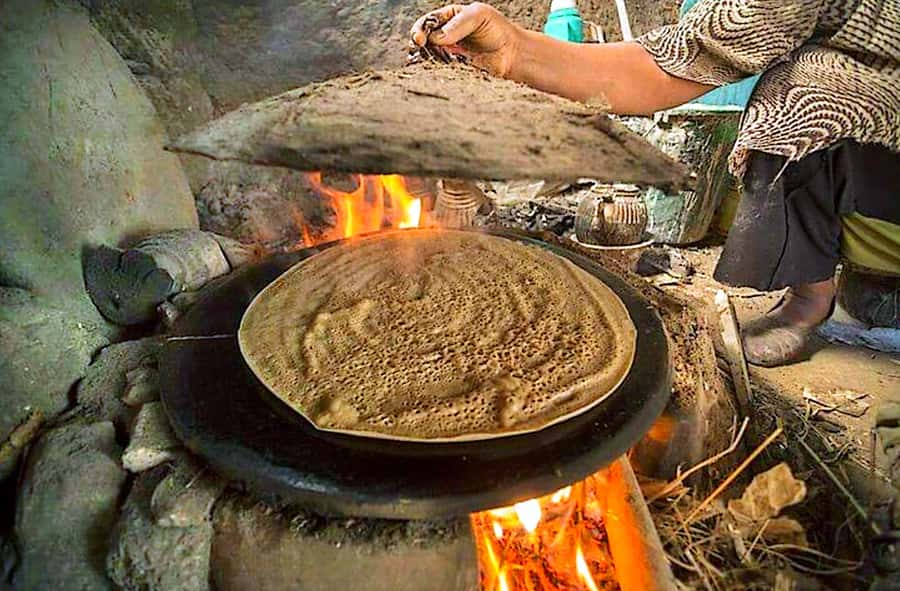
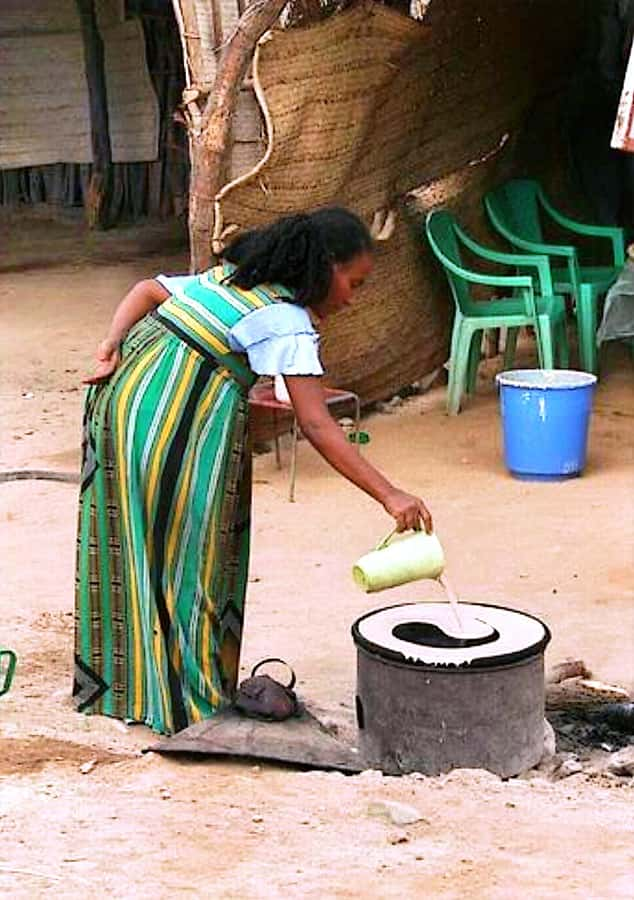
The main lesson is injera, the large, soft flatbread used to scoop up stews and other food. Its surface has a foam-like texture, and its slightly sour flavor comes from fermentation. The batter is fermented for three days before cooking, so the class teaches you how the final cooking stage works rather than taking you through the entire fermentation process from start to finish.
You learn to bake injera in three color varieties: white, brown, and red. The different colors give the lesson a useful visual element, and they show that injera is not one single product with one fixed appearance.
The cooking process is worth watching closely. Injera is more than a side dish. It functions as the plate, utensil, and main starch in the meal. You tear off pieces and use them to pick up the food, so making the bread helps you understand how the rest of the meal is eaten.
The class gives you a chance to try the work yourself. That hands-on part is a major strength. It is one thing to eat injera at a restaurant; it is another to see the batter, handle the cooking, and understand why the finished bread has its distinctive texture.
Do not expect to take home a written recipe unless that is arranged separately. The provided details promise instruction and tasting, but not a printed recipe or ingredients to carry away. If you want to recreate the dish later, take notes and ask questions during the class.
Cooking shiro wot beside the bread

Alongside the injera, you prepare shiro wot, also written as shiro wate in the activity details. It is a spicy stew made from puréed chickpeas. The smooth texture makes it a good match for the soft injera, and the dish gives you a second practical lesson after the bread.
This is a useful pairing because you are not learning an isolated recipe. You are preparing the bread and the stew that are meant to be eaten together. Once both are ready, you taste your own cooking as lunch.
The menu is focused. The included meal is the injera and shiro you prepare, rather than a long spread of several Ethiopian dishes. That can be a strength if you want to learn the basics without rushing through too many recipes. It may feel limited if you are hoping to master a whole collection of Ethiopian food in four hours.
The description calls the stew spicy, but it does not give an exact heat level. If you are sensitive to chile, ask Abraham or Selam about the seasoning before cooking. The information does not mention dietary substitutions, so you should raise allergies or dietary needs before booking rather than assume changes are available.
Eating what you make is one of the simple pleasures of the day. The meal has a clear connection to your work in the kitchen, and lunch is included in the $90 price. You are not paying only for a plate of food. You are paying for instruction, transport, the city stops, the hosts’ time, and the chance to cook in a local home.
Same place, a different thing to cook:
- Florence: Pasta & Tiramisu Cooking Class with Unlimited Wine
★ 4.9 · 6,708 reviews - Hanoi Cooking Class: Culture, Local Market & Meaning CSR Impact
★ 5.0 · 5,147 reviews - 5 Traditional Dishes Hanoi Cooking Class with Market Trip
★ 5.0 · 4,890 reviews - Cooking Class and Lunch at a Tuscan Farmhouse with Local Market Tour from Florence
★ 5.0 · 4,831 reviews
Roasting coffee in the Ethiopian way
Coffee gets its own full lesson. With help from your host, you make coffee using freshly roasted beans. The activity details call this a full Ethiopian coffee class, though they do not spell out every step or ceremony item.
That leaves room for the host to shape the session around the group. You can expect to participate rather than simply receive a cup. The roasting and preparation connect the drink to its ingredients, and they provide a calmer finish after the cooking work.
The coffee ceremony is especially valuable if you have limited time in Ethiopia. It gives you a cultural activity that is not just sightseeing and not just eating. You sit with your hosts, learn through conversation, and share something prepared together.
At the same time, do not book this expecting a long specialist coffee workshop. The total experience lasts four hours and also includes a market, museum, transport, injera, and shiro. The coffee segment is part of a broad introduction to Ethiopian food culture.
What $90 includes, and where the value sits
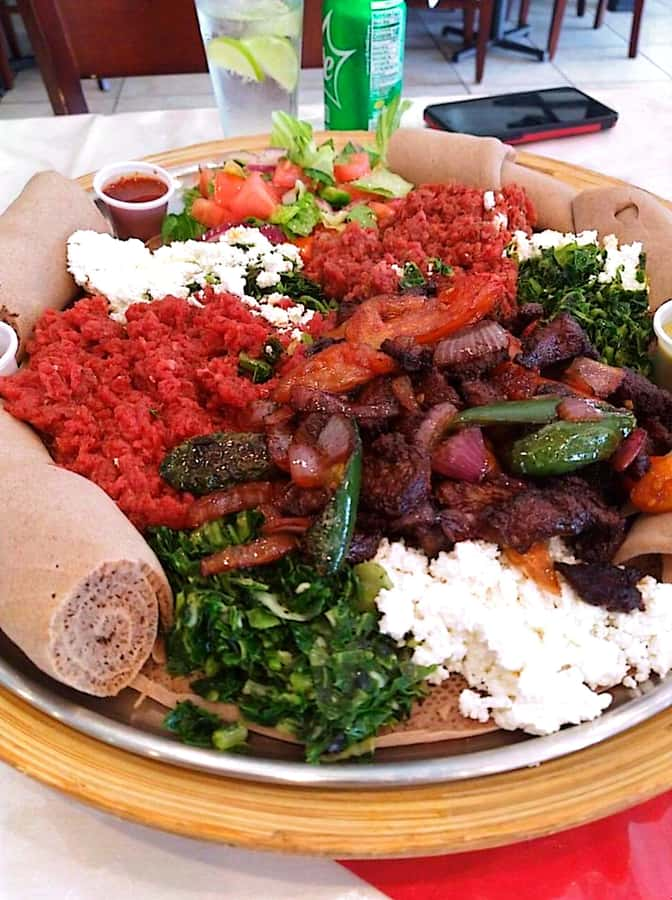
The price is $90 per person. Included are airport or hotel pickup, drop-off, lunch, the full injera and shiro cooking classes, the coffee class, and entrance fees.
That is a fairer price if you use the transport and the added stops. A taxi to a home, a separate museum visit, and a cooking lesson could take more planning, especially on a short stay. The small group format and personal setting also add value that is hard to measure on a receipt.
Still, one person who took the class felt the price could be lower. I understand that concern. This is not a low-cost local lunch, and the class uses a simple home setting rather than an expensive culinary venue. The value depends on what you want from the day.
I would consider it good value for:
- A first visit to Addis Ababa
- A short stop with limited time
- Someone who wants direct contact with local hosts
- A person who values participation over passive sightseeing
- A small group that wants pickup and drop-off included
I would think twice if you already have transport, know Addis well, or mainly want an advanced cooking course. The experience is broad and personal, not a highly technical chef training session.
Breakfast and dinner are not included. Gratuity is also not included, so carry some extra money if you want to thank the guide or hosts. Alcohol and drugs are not allowed.
The guide, group size, and timing
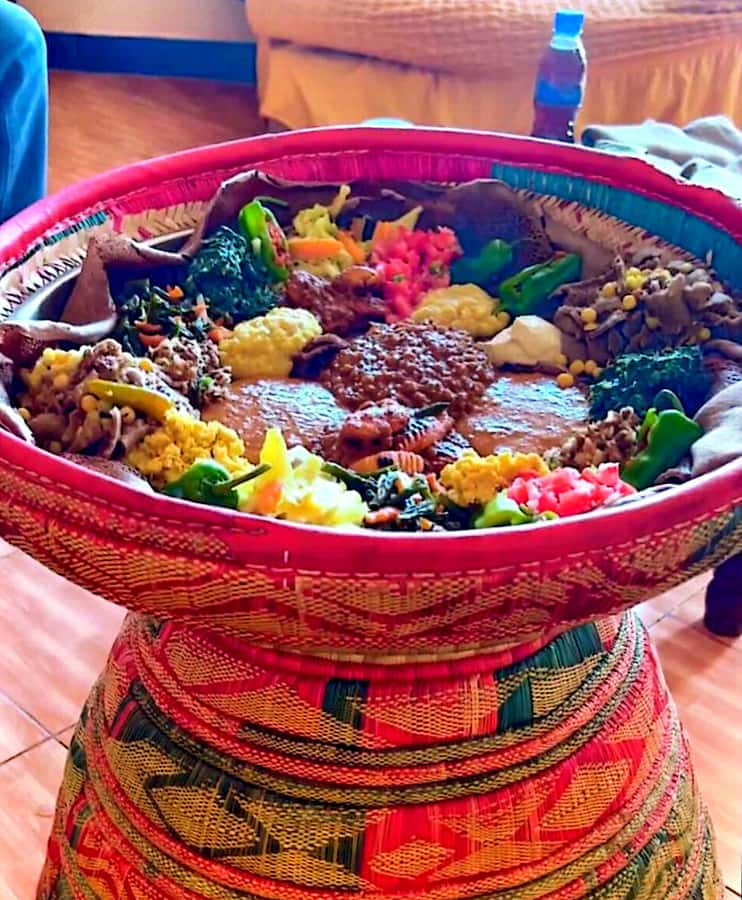
Abraham is the main name to know. He handles the guiding and translation, and one account specifically praised his friendly manner and good English. Selam is the host who teaches the home cooking, and the personal connection with her is a central part of the experience.
One account also names Reta as an excellent guide in Ethiopia. Since the main activity description identifies Abraham and Selam, confirm the assigned guide when you book if that matters to you.
The four-hour duration is long enough for several distinct parts of the day, but it is still a compact introduction. You have the transfer, Shola Market, the National Museum, injera, shiro, coffee, and lunch within that window. Exact starting times depend on availability, so check the schedule before booking.
The small group limit is seven people. That is a sensible maximum for a private home kitchen, but the actual group may be smaller or may include the full number. If you are visiting during an eleven-hour layover, as one person did, the format can work well. Build in a generous margin for airport procedures and traffic, since the tour duration does not include your required airport buffer.
Free cancellation is available up to 24 hours before the start time, and you can reserve now and pay later. Those terms help if your flight or Addis schedule is still moving, but you should still check the exact start time against your arrival and departure plans.
Who will enjoy this Addis Ababa experience?
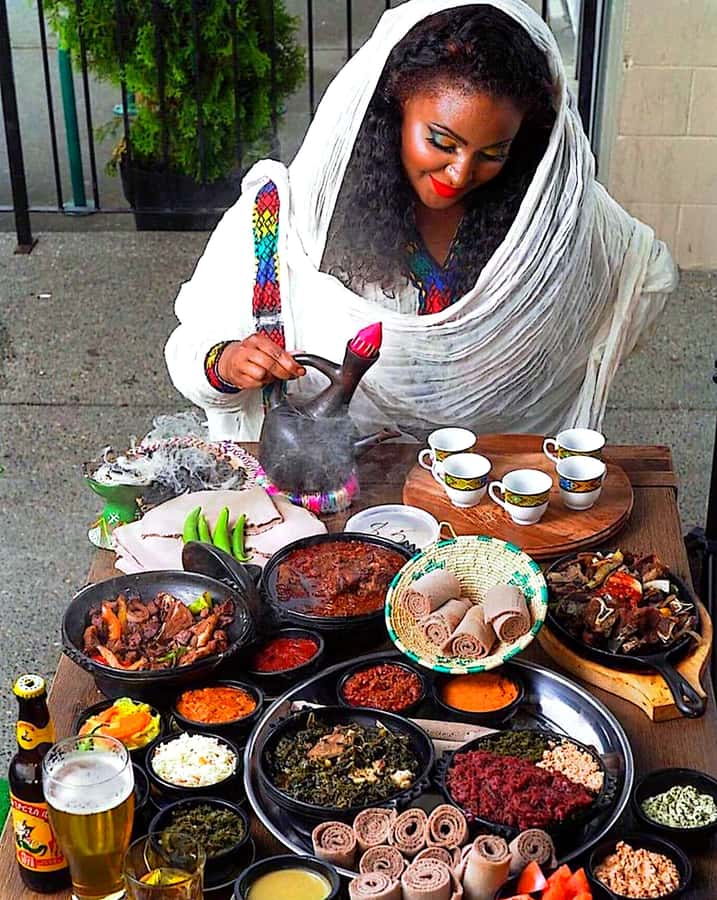
You should book this if you want a close, down-to-earth introduction to Ethiopian food and daily life. The best part is not the number of dishes. It is the combination of a real home, hands-on cooking, conversation, and a meal made by you.
It suits solo visitors, couples, and small groups who enjoy meeting local people. It also suits curious eaters who already like injera and want to understand how it is made. The market and Lucy stop make it useful for someone seeing Addis for the first time.
You may prefer another activity if you want a luxury kitchen, a long market tour, a museum-focused outing, or detailed instruction in many recipes. The home setting can feel tight, and the tour’s $90 price may seem high for a simple menu.
The activity is not suitable for people over 95 years old. No other age restriction is provided. Bring comfortable shoes, warm clothing, and a camera, and avoid alcohol and drugs during the experience.
Should you book it?
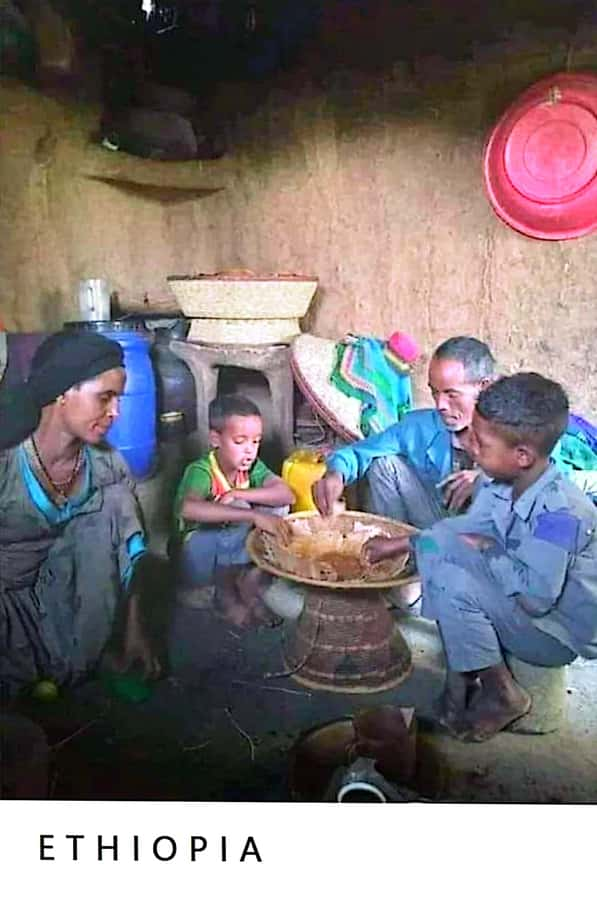
I would book this Addis cooking class if authentic contact matters more to you than a low price. Abraham, Selam, and the home setting give the day a human scale, while injera, shiro wot, coffee, Shola Market, and Lucy cover several sides of Addis in only four hours.
The strongest reason to go is the chance to do the work yourself and then eat the result. The main reason to hesitate is value: $90 is a meaningful spend for a simple meal and a short city visit.
For a first-time visitor with airport pickup needs, limited time, and an interest in Ethiopian food, it is a strong choice. If you already have a full Addis itinerary or want an advanced cooking course, save your money for a more focused lesson.
FAQ
How long does the Addis Ababa cooking class last?
The experience lasts four hours, including pickup, city visits, cooking, coffee preparation, and lunch.
What food will I learn to make?
You will learn to bake injera and cook shiro wot, a spicy puréed chickpea stew. You then taste the food you prepare.
Is the coffee ceremony included?
Yes. The experience includes a full Ethiopian coffee class using freshly roasted coffee beans with help from your host.
Does the tour include airport pickup?
Yes. Pickup and drop-off are included from Addis Ababa airport or your hotel. At the airport, the team waits with a banner showing your name.
What languages are available?
The tour offers live guiding in English and French. Abraham speaks English and can help with translation during the home visit.
Can I cancel the booking?
You can cancel up to 24 hours in advance for a full refund. Reserve now and pay later is also available.
Just added around the world
- The Mediterranean Diet & Lifestyle Cooking Class.★ 5.0 · 11 reviews
- Gourmet Cooking Class & Culture in the rural Montes de Malaga.★ 5.0 · 37 reviews
- Cooking Classes and olive oil tasting.The real taste of Greece!★ 5.0 · 56 reviews
- Beach day experience + Mexican Cooking Class + Massage★ 4.5 · 21 reviews
- Italian Pasta Cooking Class in Denver (Includes 3-Course Meal)★ 5.0 · 3 reviews
- Corfood bites – Cooking classes by Christos★ 5.0 · 77 reviews
- Authentic Beachfront Mexican Cooking Class Cafe Jaguar Costa Maya★ 5.0 · 50 reviews
- Market Tour and Cooking Class from Colombo★ 5.0 · 5 reviews
Cooking Classes, compared.

Half-Day Thai Cooking Class at Organic Farm in Chiang Mai
Read our review →

3 in 1 Cooking Class near Navona: Fettuccine, Ravioli & Tiramisu
Read our review →
Pasta & Tiramisu Cooking Class with Unlimited Wine
Read our review →
Hanoi Cooking Class: Culture, Local Market & Meaning CSR Impact
Read our review →
5 Traditional Dishes Hanoi Cooking Class with Market Trip
Read our review →
Cooking Class and Lunch at a Tuscan Farmhouse with Local Market Tour from Florence
Read our review →