
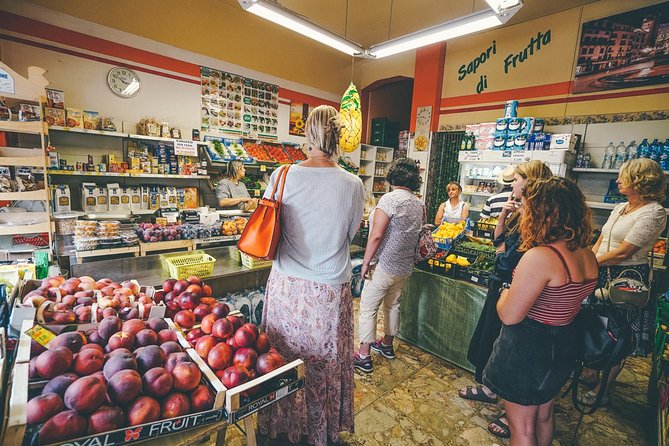
REVIEW · VERONA, ITALY
Verona: Italian Cooking Class with Pasta, Risotto and Tiramisù
Come hungry, leave with new kitchen skills. This small-group cooking class in central Verona gives you a hands-on way to learn three Italian staples, then sit down to eat the meal you made. The format is friendly, practical, and far more useful than simply watching a chef work.
I like the close instruction, with no more than 12 people, and I like the full meal at the end, paired with wine from the Valpolicella area. Instructors such as Silvia, Laura, and Cristina are repeatedly praised for clear English, patience, humor, and personal help. The main drawback is that the class may not suit anyone with limited mobility, and children under 14 cannot join.
The advertised price is $114.93 per person for about three and a half hours. That is not a cheap lunch, but it includes instruction, an aperitif, ingredients, wine, water, the meal, and recipes. If you want to do more than take pictures of Italian food, this is a strong use of a morning in Verona.
Key points before you book
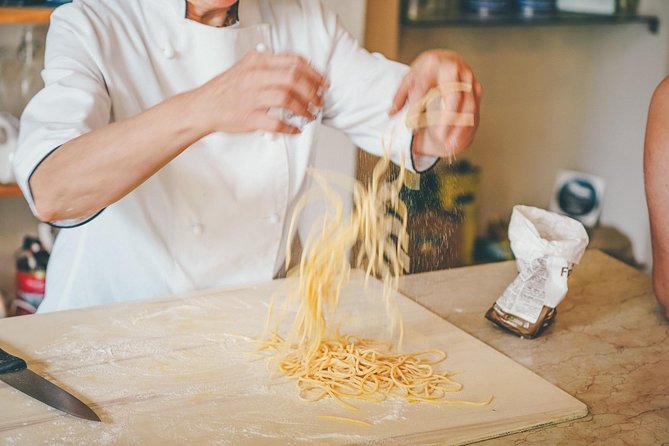
- Three Italian staples in one morning: You prepare fresh pasta, risotto, and tiramisù from scratch.
- A maximum of 12 participants: The group is small enough for individual help with pasta dough, sauces, and risotto.
- Lunch is the final lesson: You eat the food you made, with wine and water included.
- Verona flavors appear on the plate: Seasonal sauces and the local risotto all’Amarone may be part of the menu.
- Several highly praised instructors: Silvia, Laura, Cristina, and Simone are noted for their warmth, patience, humor, and clear teaching.
- Recipes go home with you: The provided cookbook or recipe booklet includes the dishes from class and extra ideas for your own kitchen.
Meeting in central Verona at 10 a.m.
Your morning begins at Via Teatro Ristori 7, 37122 Verona. You meet the chef-instructor there, then walk to the cooking and dining venue in the center of town.
That arrangement matters. You do not need a hotel transfer or a long ride across town, and the activity finishes back at the meeting point. Still, plan to arrive early. A cooking class is not a good place to begin the day by sprinting through Verona with a phone in one hand and a pastry in the other.
The class lasts about three hours and 30 minutes. The timing gives the instructor room to explain techniques, let you practice them, and serve the finished food without turning the morning into a rushed demonstration.
The school is described as clean and well suited to small-group work. Several participants found the setting comfortable and the class well organized from the start. The experience is offered in English, and the instructors are praised for making their explanations easy to follow.
More Pasta Making Classes in Italy:
- Florence: Pasta Cooking Class with Unlimited Wine
★ 4.9 · 10,285 reviews - 3 in 1 Cooking Class near Navona: Fettuccine, Ravioli & Tiramisu
★ 5.0 · 7,376 reviews - Florence: Pasta & Tiramisu Cooking Class with Unlimited Wine
★ 4.9 · 6,708 reviews
A welcome aperitif and the basics of Italian cooking
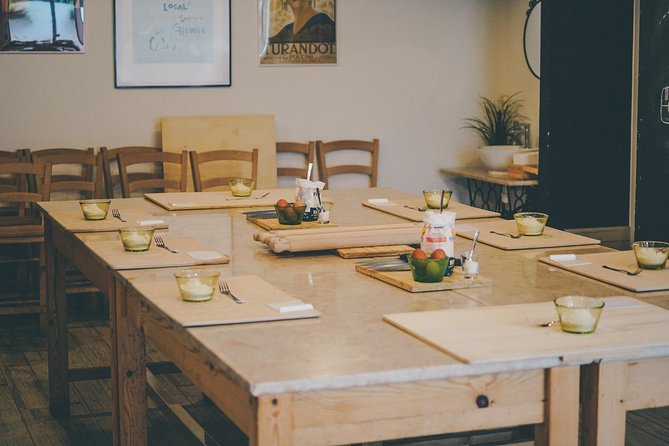
The class includes a welcome aperitif with a glass of wine. Wine and bottled water are also included during the activity. Some participants describe beginning with coffee and an outline of the morning, followed by an explanation of the menu and the cooking plan.
The opening lesson focuses on a central idea in Italian food: simple dishes depend on good ingredients and careful technique. You will hear why fresh pasta, a plain tomato sauce, or a creamy risotto does not need a long list of extras to taste satisfying.
This is useful beyond the class. The instructor does not only tell you what to do. You also get practical advice on texture, timing, ingredient choices, and ways to adapt the recipes at home. Silvia, Laura, Cristina, and Simone are each praised for bringing a different mix of humor, patience, and energy to the work.
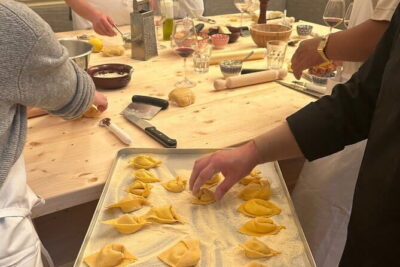
The class is hands-on rather than a chef’s performance. You should expect to mix, shape, stir, taste, and ask questions. If your pasta sheet is too thick or the dough feels wrong, the instructor can guide you through the correction. That personal help is one of the strongest reasons to choose a small-group class.
Fresh pasta, from dough to lunch
The fresh pasta segment is likely to be the most tactile part of the morning. You work with the dough and learn how to handle it before it is paired with a sauce.
The sample menu lists homemade pasta with seasonal sauces such as tomato, vegetables, or ragù. The exact sauce can change, which is worth knowing if you are booking because of one particular dish. The class may also include tomato-topped bruschetta as part of the meal, according to the experience description.
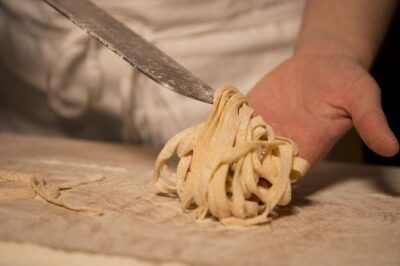
Pasta looks simple until you try to get the texture right. The dough needs to be soft but workable, and rolling it evenly takes some care. One participant specifically appreciated help with rolling pasta sheets, while another noted that the class made authentic pasta seem simple enough to repeat at home.
That is the value here. You are not only eating fresh pasta in Italy. You are learning a process you can repeat with ordinary equipment after you return home. The recipe material also includes additional dishes beyond the three prepared during the class, giving you more to try later.
Risotto with a Verona connection
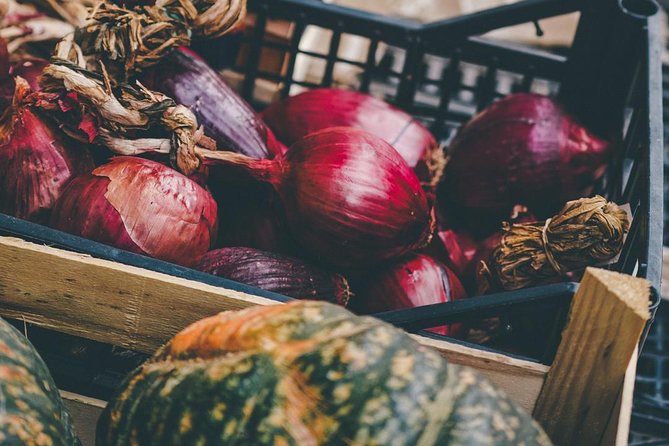
Risotto is the second major cooking lesson. The class presents traditional Italian risotto with vegetables or a local version called risotto all’Amarone.
Amarone is one of the wines associated with the Verona area, so this dish gives the meal a local touch rather than offering only generic Italian favorites. The precise ingredients depend on the season and the day’s menu. You might receive a vegetable risotto, or you might get the Amarone version.
Risotto rewards attention. You need to watch the texture and follow the cooking stages rather than simply leave a pot unattended. The instructor explains the steps clearly, then helps you judge when the rice is ready.
For me, this is an especially useful part of the class because risotto is easy to make poorly at home. The lesson gives you a better sense of how the finished dish should look and feel. You also learn how a local wine can become part of the food, not merely something poured beside it.
More Tiramisu and Dessert Classes in Italy:
- Rome: Pasta Making Class with Wine, Limoncello, and Dessert
★ 4.9 · 3,177 reviews - Rome: 3-in-1 Fettuccine, Ravioli, and Tiramisu Cooking Class
★ 4.9 · 2,704 reviews - Florence: Cooking Class Pasta & Tiramisu Making Unlimited Wine
★ 5.0 · 2,234 reviews - Fettuccine & Tiramisù: Cooking Class with Wine & Limoncello
★ 4.9 · 2,103 reviews
Tiramisù first, because dessert needs time
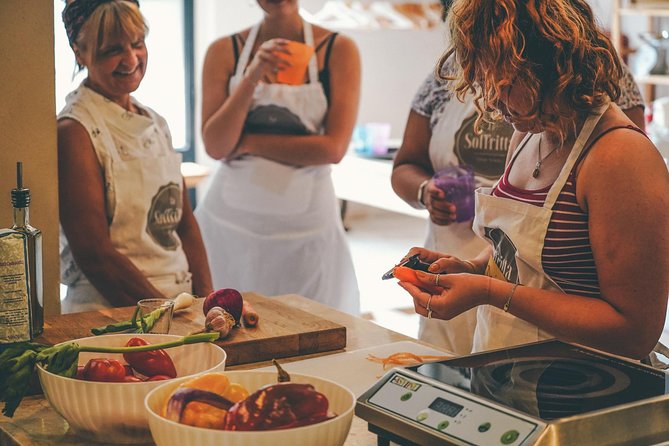
Tiramisù is made during the class rather than delivered as a ready-made finale. The dessert uses sponge cake, coffee, liqueur, cocoa, and sweet mascarpone cheese. The class description also refers to preparing the eggs at the beginning of the dessert lesson.
That early timing makes sense. Tiramisù benefits from time for its layers and flavors to come together. You will learn how the components are prepared and assembled before the dessert is set aside while you work on the pasta and risotto.
The instructor can explain how to handle the cream and how to build the layers. This is also a good place to ask about substitutions and home preparation, since the teaching includes practical alternatives for ingredients and methods.
Tiramisù is familiar, but the hands-on version helps explain why the balance matters. Too much coffee, too little cream, or a soggy layer can throw off the dish. Making it yourself gives you a better chance of reproducing the pleasant texture at home.
Sitting down to eat what you made
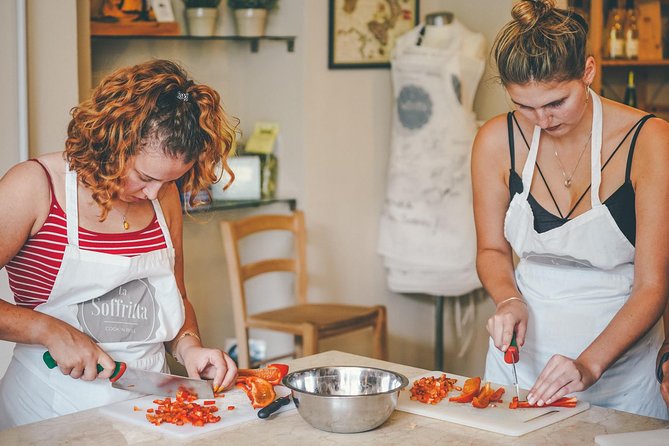
Once the cooking is complete, you sit down for lunch. The meal includes the pasta, risotto, and tiramisù, along with wine and water.
This shared meal is more than a reward for finishing the work. It lets you taste each dish at the right point and compare the result with what the instructor explained. It also gives the class a relaxed social finish. You have spent the morning working beside other people, and lunch provides time to talk without trying to measure flour or stir a pan.
The wine is from the nearby Valpolicella region. It is a fitting local detail, and the inclusion of wine adds value to the price. You are not paying only for a lesson that ends with a small tasting. You receive a proper lunch made from the class menu.
The food is frequently described as delicious, with several participants calling the meal one of the best parts of the morning. That said, the final menu may vary with seasonal ingredients. If you need a particular sauce or have a strict preference, tell the operator about dietary requirements when booking.
Why the small group matters
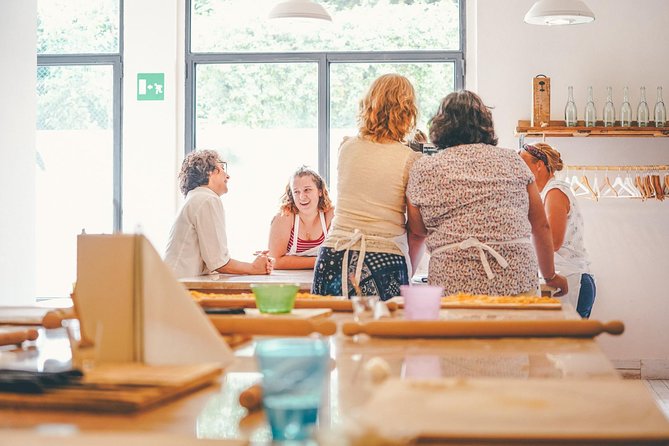
The maximum group size is 12. That is not a private lesson, but it is small enough for the instructor to move around the room and correct mistakes.
The difference is clear with pasta. A chef can demonstrate rolling dough to a large room, but that does not tell you why your own sheet is sticking or tearing. In a group of 12 or fewer, you have a better chance of getting direct help before a small mistake becomes a plate of disappointing noodles.
The class has also received strong praise for its instructors. Laura is noted for speaking excellent English and overseeing a larger class carefully. Silvia is praised for her humor, cooking advice, and warm manner. Cristina is described as patient, friendly, and especially good at explaining food and preparation. Simone is also singled out for making the experience enjoyable.
The teaching style can vary by instructor, as you would expect. One comment praised the main chef but found the assistant less friendly. That is a minor point, but it is useful to keep expectations realistic. The strongest part of the experience is the chef-led instruction, not necessarily a polished performance from every person in the room.
What the price includes at $114.93
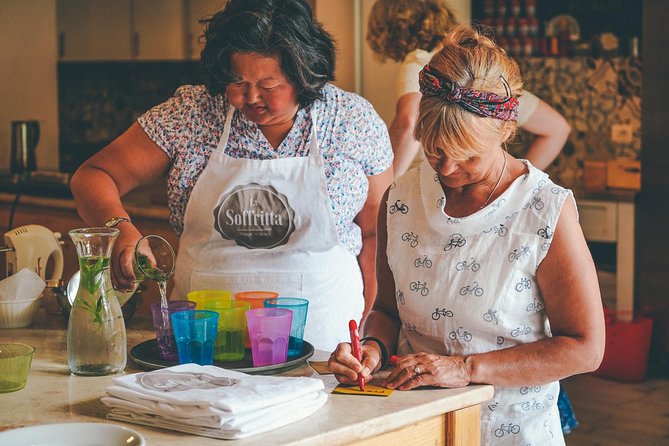
At $114.93 per person, the class costs more than buying lunch in Verona. The comparison is not quite fair, since the price covers a lesson, ingredients, an aperitif, wine, water, and lunch.
The class also includes a recipe booklet or Italian cookbook with recipes and tips. Some sessions provide a light apron to take home, and the recipe material may be supplied through a QR code as well as printed information. The exact format can vary, but you should leave with instructions for recreating the food.
I consider the price reasonable if you value participation and want a food experience with a lasting payoff. It is less appealing if you only want a quick meal or if you are not interested in cooking. You can find a cheaper lunch elsewhere, but you will not get three hours of instruction, a shared kitchen setting, and recipes to use later.
The experience is booked, on average, about 36 days ahead. That suggests you should reserve early if the class is important to your Verona schedule, especially since the group is capped at 12 people.
Who will enjoy this class most?
This is a good choice for couples, friends, solo visitors who enjoy meeting people, and families with older teenagers. Children under 14 are not allowed, and anyone underage must be accompanied by an adult.
You do not need to be an experienced cook. In fact, beginners may gain the most because the chefs explain basic methods and help when the dough or risotto becomes difficult. Experienced home cooks may still enjoy the local angle, the Amarone risotto, and the chance to compare Italian methods with their own.
The class is also well suited to anyone who wants a break from sightseeing. Verona can fill a day with churches, Roman remains, and crowded lanes. A cooking morning changes the pace and gives you something active to do.
It is less suitable if you have limited mobility. Some parts of the activity may not be easy for people with reduced mobility or other disabilities. Contact the provider before booking if you need specific access information.
Dietary requirements should be given when you reserve. The supplied information does not promise that every restriction can be met, so ask before paying if your diet is particularly strict.
A few practical points before you go
The tour runs rain or shine, so poor weather does not normally change the plan. Hotel pickup and drop-off are not included. You need to reach the meeting point on your own.
The tour requires at least two participants. If that minimum is not met and the activity is canceled, you are offered another date or experience, or a full refund.
Free cancellation is available up to 24 hours before the 10 a.m. start time. Changes or cancellations made within 24 hours are not refunded, so check the date and meeting point carefully when booking. One past booking problem involved a payment and date mix-up handled through the booking platform. That was not a problem with the cooking lesson itself, but it is a good reminder to save your confirmation and verify the date before your trip.
Should you book the Verona cooking class?
Yes, if you want an active food experience rather than another seated meal. The class combines three useful recipes, local wine, direct help from an English-speaking chef, and lunch in a central Verona setting.
I would book it early, especially if you want a specific morning. I would also contact the operator first about mobility or dietary needs. If you dislike group activities or have no interest in cooking, spend the money on a restaurant instead.
For most food-minded visitors, this is a practical and enjoyable half-day. You learn enough to repeat the dishes at home, and you get to eat the results before heading back into Verona.
FAQ
Where does the cooking class begin?
The class begins at Via Teatro Ristori 7, 37122 Verona VR, Italy. You meet the chef there and walk to the cooking and dining venue.
What time does the class start?
The start time is 10 a.m. The activity lasts approximately three hours and 30 minutes.
What dishes will I prepare?
The class includes fresh homemade pasta, risotto, and tiramisù. Pasta may be served with a seasonal tomato, vegetable, or ragù sauce. The risotto may use vegetables or Amarone, a local Verona wine.
Is wine included?
Yes. The experience includes a welcome aperitif with a glass of wine, wine during the activity, bottled water, and lunch with beverages. Wine from the Valpolicella area is served with the meal.
Can children join the class?
Children under 14 are not allowed. Underage participants who meet the age requirement must be accompanied by an adult.
What happens if I need to cancel?
You can cancel up to 24 hours before the experience start time for a full refund. Cancellations or changes made less than 24 hours before the start are not refunded.
More Italian Cooking Classes in Italy
- Cooking Class and Lunch at a Tuscan Farmhouse with Local Market Tour from Florence
★ 5.0 · 4,831 reviews - Tuscan Cooking Class and Dinner in Florence
★ 4.5 · 732 reviews - Rome Pasta Making Class with Italian Sauces and Wine Included
★ 5.0 · 645 reviews - Tuscan Cooking Class
★ 5.0 · 584 reviews
Just added around Italy
- Cooking Class in a Sicilian countryhouse★ 5.0 · 5 reviews
- Cesarine: Home Cooking Class & Meal with a Local in Catania★ 4.5 · 10 reviews
- Cesarine: Market Tour & Home Cooking Class in Catania★ 4.0 · 6 reviews
- Cooking Class in Taormina with Lunch Included★ 5.0 · 2 reviews
- Cooking Class and Wine Pairing in Capri★ 5.0 · 57 reviews
- Cooking class in Capri for small groups★ 4.0 · 4 reviews
- Private Cooking Class Experience in Reggio Calabria★ 5.0 · 5 reviews
- Lezione di Cucina : Pasta Fresca★ 5.0 · 12 reviews
Pasta Making Classes, compared.
3 in 1 Cooking Class near Navona: Fettuccine, Ravioli & Tiramisu
Read our review →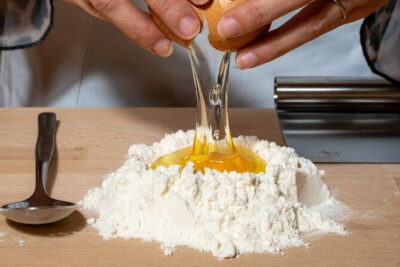
Pasta & Tiramisu Cooking Class with Unlimited Wine
Read our review →
Pasta Making Class with Wine, Limoncello, and Dessert
Read our review →
Rome Cooking Class: Make Pasta and 3 Spritz Cocktails
Read our review →
3-in-1 Fettuccine, Ravioli, and Tiramisu Cooking Class
Read our review →
Fettuccine Pasta Cooking Class in Rome’s City Center
Read our review →Lists this class appears in