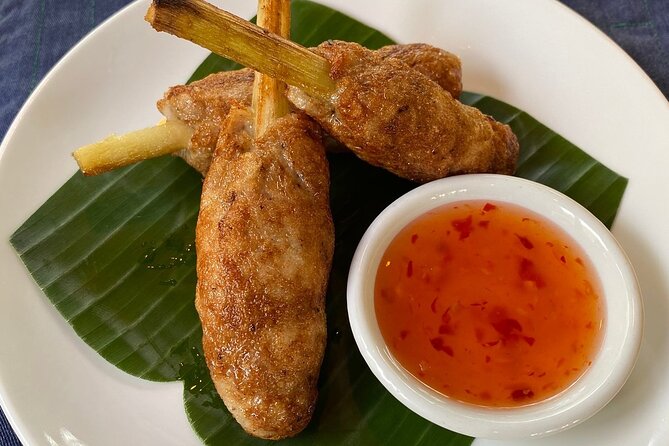
REVIEW · SIEM REAP, CAMBODIA
Cambodian Village Cooking Class
Good food tells you how a place lives. This three-hour Siem Reap experience pairs a walk through Psar Chaa, the Old Market, with hands-on cooking at a rural garden pavilion. I like the market visit, where Sophia explains Cambodian produce and local ingredients, and I like the peaceful setting beside the water for eating the meal you prepare. The main consideration is timing: one late couple once delayed the group, so punctuality matters.
At $32 per person, this is a strong value if you want more than a restaurant meal. You get tuk-tuk pickup and return, a local host, a three-course lunch, drinks, water, a cold towel, and a recipe book. The class is limited to eight people, though a very small booking may also mean the schedule depends on the other participants arriving on time.
Key details before you book
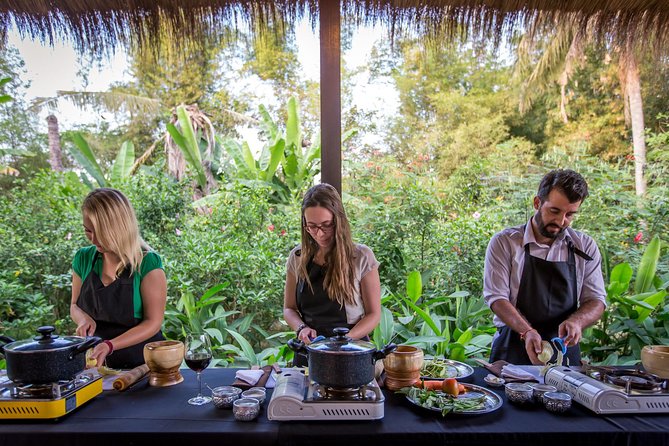
- Three Khmer dishes: Make fresh rice paper spring rolls, Cambodian curry, and bananas in palm sugar.
- Market first: Visit Psar Chaa with a guide before heading to the cooking pavilion.
- Peaceful rural setting: Cook and eat in an open-air garden area overlooking a small lake.
- Tuk-tuk transfers included: Hotel pickup and drop-off are part of the experience.
- Small class size: A maximum of eight people allows for close help at the stove and chopping board.
- Useful souvenir: Take home a recipe booklet so the meal can live beyond Siem Reap.
Why this Siem Reap cooking class works
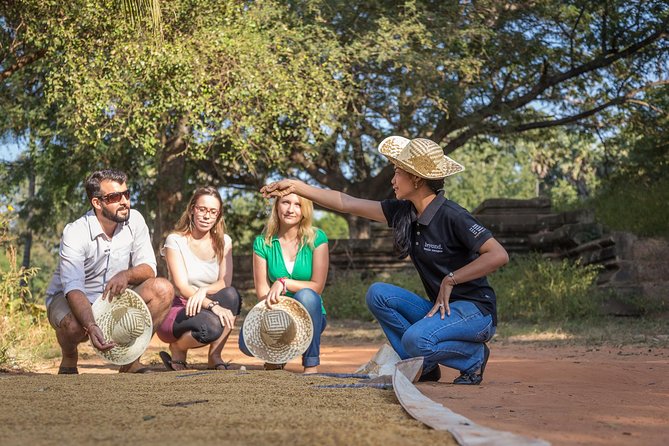
Many cooking classes give you a recipe, a quick demonstration, and a plate assembled by someone else. This one puts the market and the preparation together. You first see the ingredients in their normal setting, then use them in a guided class.
That order matters. At Psar Chaa, you are not simply handed a tray of chopped items. You walk through a working Cambodian market and learn about fruits, vegetables, herbs, meat, fish, and other foods used in Khmer kitchens. Sophia has been praised for taking her time, explaining how ingredients are prepared, and offering small tastes of local delicacies.
The market is described as local rather than arranged just for an audience. It can be a more revealing stop than a standard food demonstration because you see how shopping fits into daily life. I especially like that the class does not treat Cambodian food as a list of exotic ingredients. The guide connects what you see at the stalls with what you later cook.
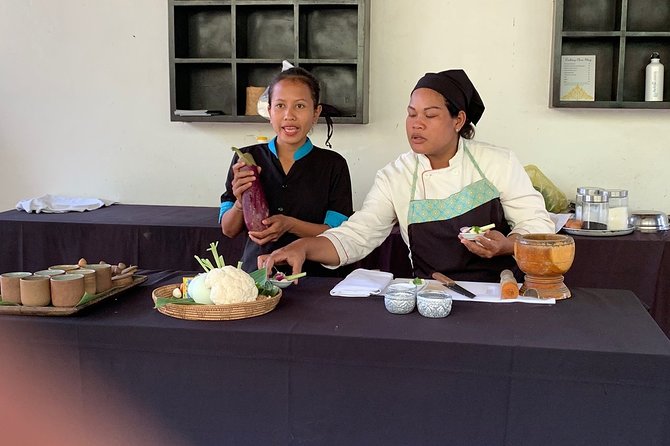
The class itself is designed for participation. You make all three courses with help from a local chef and assistant. The instructors guide you through the work step by step, including basic knife skills and the use of spices and other ingredients.
That makes the experience suitable for a first-time cook. You do not need to arrive with advanced kitchen skills. The teaching style is patient and supportive, and the recipe booklet gives you a practical way to try the dishes at home.
More Farm Cooking Classes in Cambodia
- Afternoon Cooking Class & Village Tour in Siem Reap
★ 5.0 · 12 reviews - Siem Reap Guided Day Trip to Local Village and Cooking Class
★ 5.0 · 7 reviews - Full Day Siem Reap Farm Tour with Cooking Class and Monk Blessing
★ 5.0 · 6 reviews
Psar Chaa, where the lesson begins
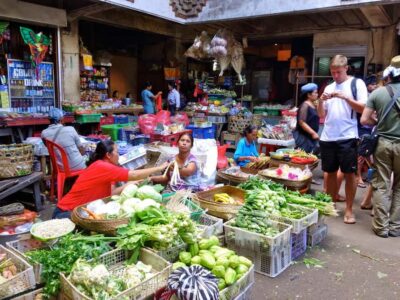
The first stop is Psar Chaa, also called the Old Market, in Siem Reap. Your host leads you around the stalls and explains the ingredients that form the backbone of Cambodian cooking.
Expect the market portion to last roughly 45 minutes, based on the experience described by several participants. The focus is not simply on taking photographs. You learn what different produce is used for, how local foods are prepared, and which items will appear later in your meal.
This part adds real value to the class. A curry can taste good without context, but it becomes more useful when you know what you are looking at and why it is used. The market also gives you a chance to taste a few local foods before cooking, though the exact samples can vary.
The market may be lively and crowded, and this is not a quiet museum-style visit. You should be comfortable walking through a working food market with the sights and smells that come with it. The payoff is a closer look at ordinary Cambodian food culture.
One practical point: the group should meet on time. A delay of nearly 30 minutes affected one small group because other participants arrived late. The company may want to improve its handling of that situation, but you can help yourself and others by being ready when pickup is scheduled.
Tuk-tuk ride from town to the countryside
Hotel pickup and return by tuk-tuk are included, which makes the class easy to fit into a morning or afternoon in Siem Reap. You do not need to arrange a separate taxi or figure out how to reach the cooking pavilion outside town.
The tuk-tuk is also part of the character of the outing. After the Old Market, you leave the central streets and head toward a more rural setting. The ride links the two halves of the experience: first, food in the market; then, food prepared in a garden pavilion.
The available information does not give a fixed pickup time or a list of every hotel served, so check the meeting details when booking. The driver has been praised for arriving on time and speaking good English, but the guide you meet at the market may be a different person.
Cooking beside the lake
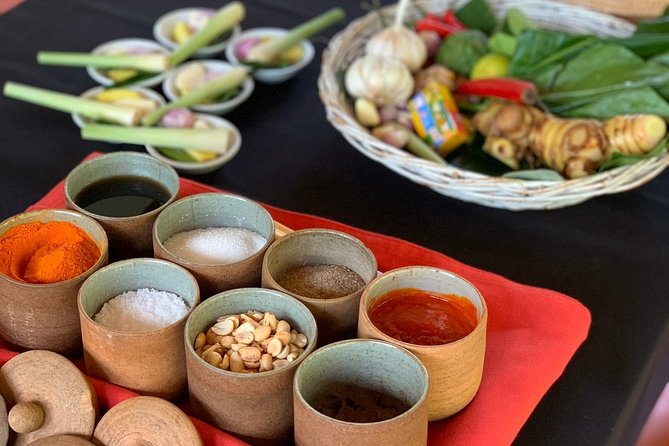
The cooking area is one of the strongest parts of the experience. The class takes place in a purpose-built garden pavilion, described as an open-air kitchen beside a small lake. The setting feels far removed from a standard indoor classroom.
That matters in Cambodia, where heat might make an outdoor cooking lesson sound uncomfortable. In practice, the open-air setup has been described as pleasant, and the heat did not trouble some participants. You still should dress for warm weather, but the garden location appears to make the session easier and more enjoyable than a closed room.
The area is also used for the final meal. After you finish cooking, you sit down in the same peaceful setting and eat the three dishes you prepared. The lake view gives lunch a proper sense of place without turning the meal into a formal restaurant service.
The cooking team receives especially strong praise for patience, humor, and careful instruction. Sophia has been named as a host, while chefs and assistants have included Sinat, Sunat, Pry, Prey, and Sopheap in different accounts. Names are spelled differently in the available descriptions, so the exact chef assigned to your class may vary.
More Farm Cooking Classes in Siem Reap
- Siem Reap: Afternoon Cooking Class & Village Tour
★ 5.0 · 5 reviews - Siem Reap: Guided Day Trip to Local Village & Cooking Class
★ 5.0 · 3 reviews
The three-course Khmer menu
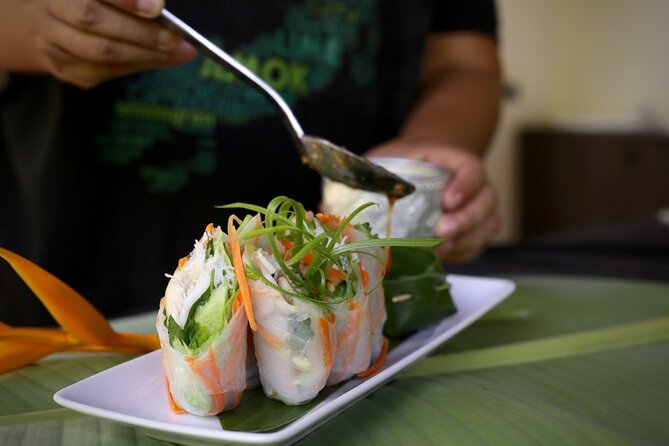
The menu is simple enough to reproduce at home but varied enough to teach several techniques.
Fresh rice paper spring rolls
The spring rolls give you a practical introduction to handling fresh ingredients and assembling a dish. Since you prepare them yourself, you can see how the components fit together rather than simply eating a finished roll.
This is also a good opening course for a group. It offers hands-on work without requiring a long cooking time, leaving room for the instructors to focus on technique and presentation.
Cambodian curry
The curry is the main cooking lesson. It brings together the spices, aromatics, and other ingredients introduced during the market walk. You get a clearer sense of how Khmer food builds flavor, rather than treating curry as a single premade sauce.
The chef supervises each stage, which is useful if you are not confident with chopping or balancing ingredients. The class is meant to be interactive, so you should expect to take part instead of watching from the side.
Bananas in palm sugar
The dessert keeps the menu firmly Cambodian. Bananas in palm sugar show how a few local ingredients can make a satisfying final course.
It is an approachable recipe for home cooks and a pleasant way to finish the class. You leave with three dishes that use different methods and can be repeated without needing an elaborate kitchen.
How hands-on is the class?
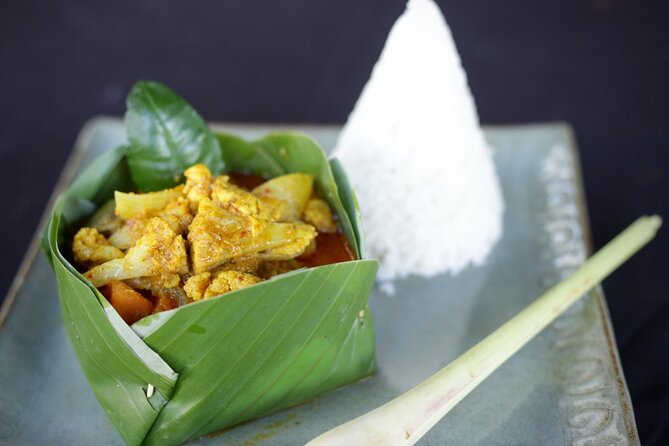
The answer is very hands-on. You do not simply watch a chef prepare lunch. You cook the dishes under supervision, with help when you need it.
The instructors explain the ingredients, preparation steps, and techniques as you work. Basic knife skills are part of the lesson, so this can be useful even if you have never taken a cooking class before.
At the same time, this is not a professional chef-training session. The class lasts about three hours and is built around an enjoyable meal, not advanced culinary theory. If you already cook regularly, you may find the techniques familiar, but the market tour and Cambodian ingredients add local interest.
The maximum group size is eight. That is small enough for the chef to watch what you are doing and answer questions. A booking with only one or two people may receive especially close attention, although the late-arrival problem shows why good timing still matters.
Food, drinks, and what you take home
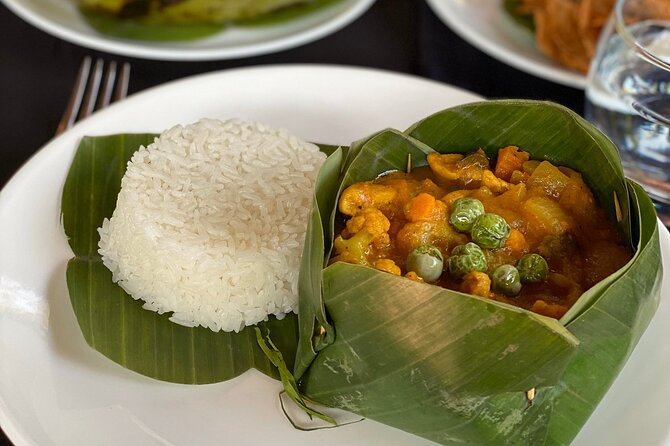
The price includes the three-course meal you prepare, bottled water, and a cold towel. You also get a local beer or soft drink with the meal.
Those small comforts matter after a market walk and a cooking session in a warm climate. The cold towel is a welcome touch, while the drink makes the final meal feel more complete.
The recipe book is the most useful souvenir. It gives you a chance to cook the spring rolls, curry, and banana dessert at home instead of letting the class become a pleasant memory with no follow-up.
You should advise the operator about allergies and dietary needs when booking. Most dietary requirements and allergies can be accommodated, but the information provided does not specify every substitution. Early notice gives the cooking team a fair chance to prepare.
Is $32 good value?
At $32, the class offers more than a cooking demonstration. Your fee covers round-trip tuk-tuk transport, a market tour, an experienced local host, instruction from a chef, the meal, drinks, water, a cold towel, and the recipe booklet.
That package compares well with the cost and effort of arranging each part separately. You also get a half-day activity that combines food, local life, transport, and a quiet rural setting.
The best value comes if you want to cook rather than simply eat. If your main goal is a large meal or a formal culinary school setting, this may not be the right choice. The appeal is the complete connection between market, kitchen, and table.
The experience has a 4.9 rating from 265 reviews and a 99 percent recommendation rate. Those figures suggest a very consistent experience, though one fair criticism concerns the handling of late arrivals. I would treat that as a reminder to arrive promptly, not as a reason to dismiss the class.
Who should book this experience?
I would recommend it to food lovers, first-time cooks, couples, families, and anyone who wants a break from temple visits. It is particularly good for people who like to understand what they are eating and how to recreate it.
Families can take part because the instructors provide clear direction and support. The small group also helps children and beginners get attention without being lost in a large class.
It suits solo visitors too. A small booking may lead to a more personal lesson, and the host and chef provide the social structure that can make a solo activity comfortable.
You may want to skip it if you dislike markets, warm open-air settings, or guided group activities. The experience is also not ideal if you need a strictly timed schedule, since pickup and group coordination can affect the pace.
The class is generally accessible to service animals, which are allowed. Other accessibility details are not provided, so contact the operator if you have specific mobility or access needs.
Booking, cancellation, and planning tips
The tour runs in the morning or afternoon and lasts about three hours. Pickup is offered from your hotel by tuk-tuk, but confirm the pickup instructions and timing after booking.
Most dietary needs can be handled if you explain them at the time of booking. Confirmation is provided when you reserve, and the maximum group size is eight people.
Free cancellation is available up to 24 hours before the start time for a full refund. Changes or cancellations made less than 24 hours before the start time are not accepted for a refund, and the cutoff follows local Siem Reap time.
I would book this on a day when you are not rushing to another major activity. The market, tuk-tuk ride, cooking, and meal fit comfortably into a half-day, but leaving some breathing room makes the experience more pleasant.
Should you book the Cambodian Village Cooking Class?
Yes, if you want an active food experience with a local setting and a useful souvenir. The strongest reasons are the Old Market visit, the patient instruction, the small group size, and the open-air pavilion beside the lake.
At $32, the package is well priced for what it includes. You will not merely receive Cambodian food. You will see ingredients at the market, prepare three dishes, eat your own work, and take the recipes home.
Book it if you can arrive on time and are happy with a relaxed, hands-on class rather than a polished restaurant show. For many people, this will be one of the more memorable ways to spend half a day in Siem Reap after the temples.
FAQ
How long does the Cambodian Village Cooking Class last?
The experience lasts approximately three hours and is available in the morning or afternoon.
What dishes will I cook?
You will prepare fresh rice paper spring rolls, Cambodian curry, and bananas in palm sugar.
Is hotel transportation included?
Yes. Hotel pickup and drop-off by tuk-tuk are included.
How many people can join the class?
The activity has a maximum of eight participants.
Is the meal included?
Yes. You eat the three-course meal you prepare during the class. A local beer or soft drink, bottled water, and a cold towel are also included.
Can dietary requirements and allergies be accommodated?
Most dietary requirements and allergies can be catered to. You should provide the details when booking.
What is the cancellation policy?
You can cancel at least 24 hours before the start time for a full refund. Cancellations or changes made within 24 hours are not accepted for a refund.
Just added around Siem Reap
- Siem Reap: Morning Cooking Class & Market Tour★ 5.0 · 7 reviews
- Siem Reap: Khmer Cooking Class at a Local’s Home★ 5.0 · 2 reviews
- Siem Reap: Guided Day Trip to Local Village & Cooking Class★ 5.0 · 3 reviews
- Siem Reap: Cambodian Desserts Cooking Lesson with Tastings★ 4.8 · 9 reviews
- Siem Reap: Half-Day Cambodian Cooking Class★ 4.9 · 6 reviews
- Cambodian Cooking Class★ 4.9 · 25 reviews
- Siem Reap: Afternoon Cooking Class & Village Tour★ 5.0 · 5 reviews
- Afternoon Cooking Class & Village Tour in Siem Reap★ 5.0 · 12 reviews
Farm & Countryside Cooking Classes, compared.
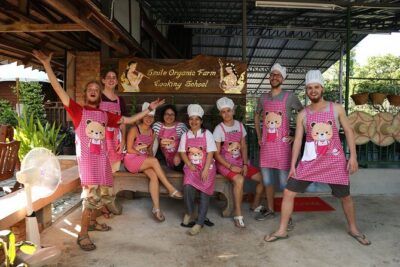
Half-Day Thai Cooking Class at Organic Farm in Chiang Mai
Read our review →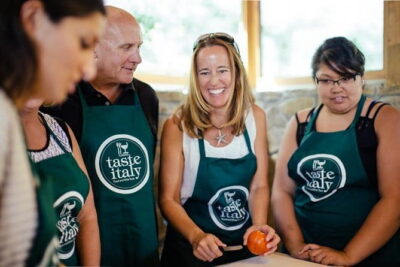
Cooking Class and Lunch at a Tuscan Farmhouse with Local Market Tour from Florence
Read our review →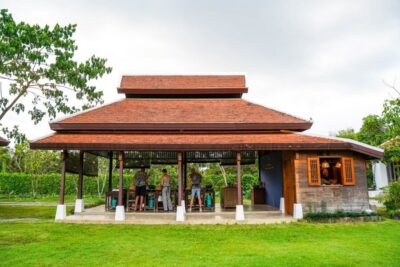
Authentic Cooking Class with Market & Farm Visit
Read our review →