REVIEW · SARAJEVO, BOSNIA AND HERZEGOVINA
Bosnian Cooking Lessons
Bring an appetite and a relaxed mood. This four-hour Sarajevo cooking class combines hands-on instruction, a home-cooked dinner, and a panoramic city view. I especially like the chance to learn several classic dishes in one sitting, and the warm teaching style of Mersiha and Mustafa makes the class feel personal rather than formal. The main consideration is that transportation is not included, so you need to plan your own way to the meeting point.
The burek lesson is the star for anyone curious about Bosnian food. Stretching phyllo dough thin enough for a proper pastry takes patience, and the class treats the process with good humor. I also like that recipes and step-by-step videos are provided afterward, giving you a real chance to cook the dishes at home.
Key points to know before booking
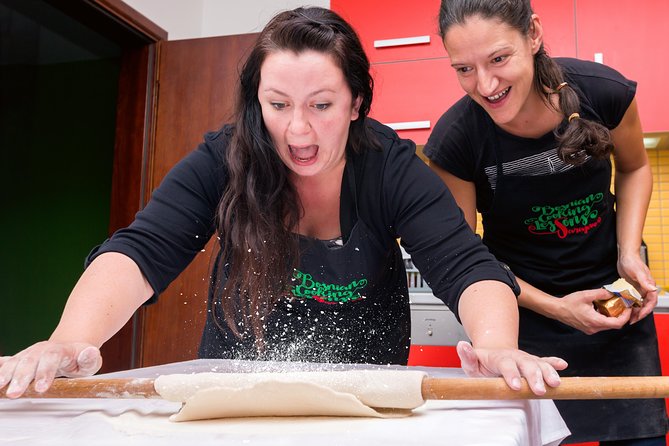
- Burek is made by hand: You learn how to stretch and roll phyllo dough with potato, meat, or cheese filling, depending on the season.
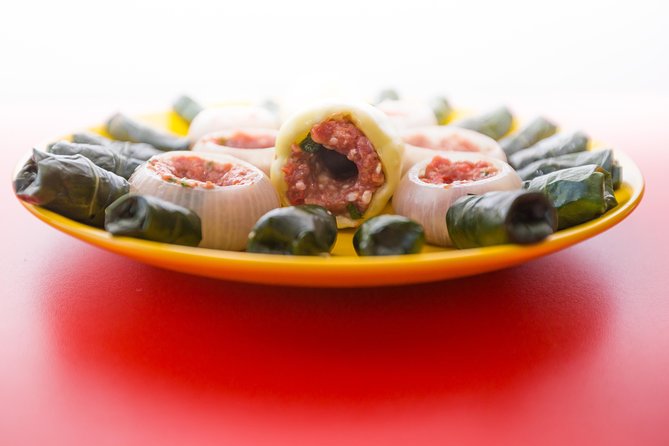
- Several Bosnian staples share the table: The class covers sogan dolma, japrak, dolma, and burek before you sit down to eat.
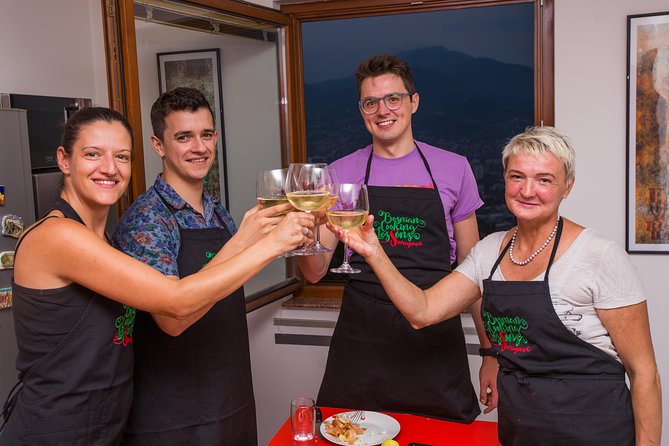
- Mersiha and Mustafa host in a home setting: The atmosphere is friendly, conversational, and more like being welcomed for dinner than attending a restaurant demonstration.
- Wine is part of the experience: Herzegovina wine, coffee, tea, soft drinks, and a welcome drink are served while you cook.
- The group is kept small: The maximum is 13 people, which gives the class a more manageable feel than a large culinary workshop.
- You leave with useful follow-up material: Recipes and step-by-step videos help you recreate the meal after returning home.
A Sarajevo afternoon built around food
The class begins at 2:30 pm and lasts about four hours. That timing gives you a full afternoon activity without taking over your entire day, though you should avoid scheduling another fixed event immediately afterward.
You meet at Skendera Kulenovića in Sarajevo. The experience ends at the same meeting point. Private transportation is not included, so you need to arrange your own route. A walk from central Sarajevo can take around 40 minutes, with city views along the way, but check the exact route and allow extra time if you are carrying bags or visiting during hot weather.
Once you arrive, you are offered a welcome drink, coffee, or tea. The setting includes a panoramic view of Sarajevo, which adds a pleasant sense of place before the cooking begins. This is not just a lesson about recipes. It is also a chance to talk about daily life, family food, and Bosnia and Herzegovina through the people preparing the meal.
The hosts are Mersiha and Mustafa, and Mersiha leads much of the cooking instruction. Her mother may also be part of the welcome and meal. The tone is friendly and relaxed, with plenty of room for questions about food, local customs, Sarajevo, and practical matters such as nearby activities or bus travel.
A few more cooking classes around the world worth a look
- Half-Day Thai Cooking Class at Organic Farm in Chiang Mai
★ 5.0 · 19,087 reviews - Florence: Pasta Cooking Class with Unlimited Wine
★ 4.9 · 10,285 reviews - 3 in 1 Cooking Class near Navona: Fettuccine, Ravioli & Tiramisu
★ 5.0 · 7,376 reviews
Part One: three kinds of stuffed vegetables
The first part of the class focuses on stuffed vegetables. This is a useful introduction to the balance of minced meat, rice, onions, and spices that appears in many Bosnian home kitchens.
Sogan dolma
Sogan dolma uses onions filled with minced meat, rice, and spices. The preparation shows how a simple everyday ingredient can become a carefully assembled main dish.
You get to work with the filling rather than simply watching a chef prepare it. That matters because the texture and amount of filling affect how the onions cook. The method also gives you a better feel for the patience behind Bosnian home cooking.
Japrak
Japrak consists of mangel or spinach leaves rolled around minced meat, rice, and spices. The leaves bring a different texture and require a lighter touch during assembly.
This is a good part of the class for cooks who enjoy learning by hand. You are not only memorizing ingredients. You are learning how to roll, portion, and arrange the food so it holds together during cooking.
Same place, a different thing to cook:
- Florence: Pasta & Tiramisu Cooking Class with Unlimited Wine
★ 4.9 · 6,708 reviews - Hanoi Cooking Class: Culture, Local Market & Meaning CSR Impact
★ 5.0 · 5,147 reviews - 5 Traditional Dishes Hanoi Cooking Class with Market Trip
★ 5.0 · 4,890 reviews - Cooking Class and Lunch at a Tuscan Farmhouse with Local Market Tour from Florence
★ 5.0 · 4,831 reviews
Dolma
The class also includes peppers filled with minced meat, rice, and spices. This familiar format looks simple, but preparing several stuffed vegetables side by side helps you compare how shape, skin, and filling work together.
The three dishes create a useful progression. Onions, leafy greens, and peppers each need slightly different handling, yet they share the same comforting style of filling. You finish this section with a clearer understanding of why stuffed vegetables are such an important part of Bosnian cooking.
Part Two: learning the art of burek
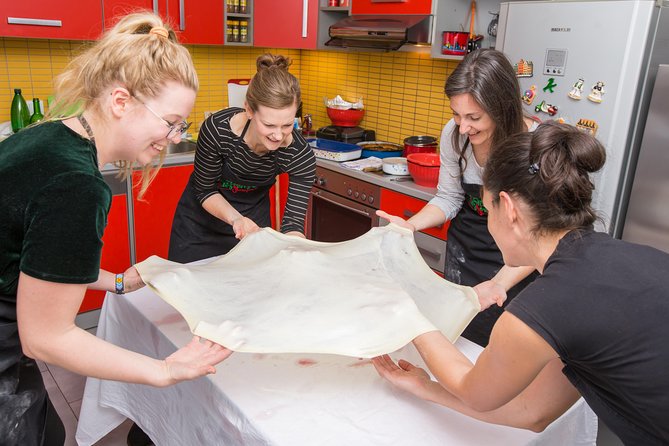
Burek is the most distinctive part of this experience for many people. The pastry uses thin phyllo dough rolled with a filling that can include potatoes, meat, or cheese, depending on the season.
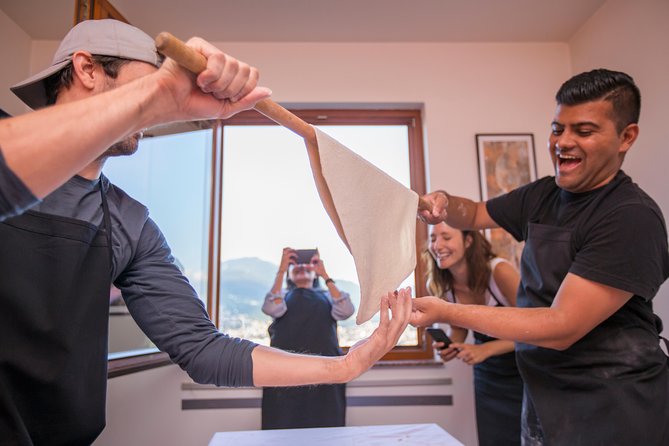
The key lesson is stretching the dough. You need to work carefully without tearing it, then spread the filling and roll it into shape. The hosts make this feel approachable, even if your first attempt is not perfectly thin or tidy.
The class description jokes that a couple of glasses of wine can help you feel brave enough to stretch the dough. That humor captures the spirit of the experience, but you are not required to drink alcohol. Herzegovina wine is served, along with soft drinks, coffee, and tea.
Burek is worth learning here because the finished pastry can look mysterious when you buy it from a bakery. Once you have handled the dough yourself, you understand the work behind its crisp layers. You also leave with a recipe you can attempt at home, although you may need some practice before your pastry looks as neat as the host’s.
The filling varies with the season, so you should not book expecting one guaranteed version. Meat, potato, or cheese may be used. Vegetarian and vegan options are available when requested in advance.
Eating the meal you helped prepare
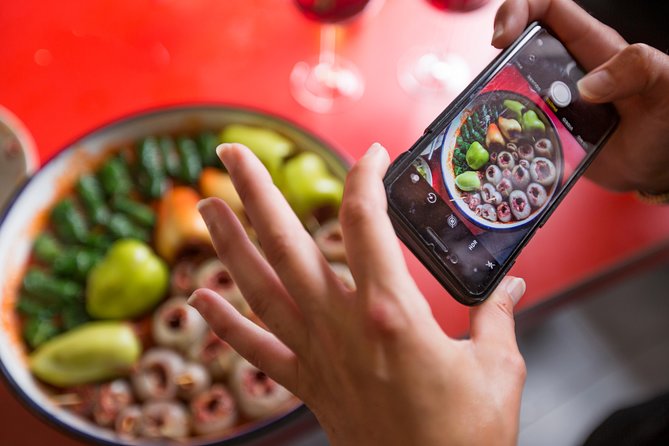
After the cooking is finished, you sit down to eat the food made during the class. Dinner is included, and this shared meal is one of the strongest parts of the afternoon.
The value here goes beyond getting fed. You can taste the effect of the techniques you have just practiced. A stuffed pepper or rolled leaf becomes more memorable when you know how it was assembled, and burek has a different appeal when you have struggled with the dough yourself.
You also have time to ask questions after the meal. That open period is useful if you want to discuss ingredient substitutions, serving ideas, or how to repeat the recipes in your own kitchen.
Coffee or tea is included, and alcoholic beverages are served. Soft drinks are also available as part of the learning experience. If you do not drink, the class still offers plenty of nonalcoholic choices, and you can take part fully without wine.
The warm, personal hosting style
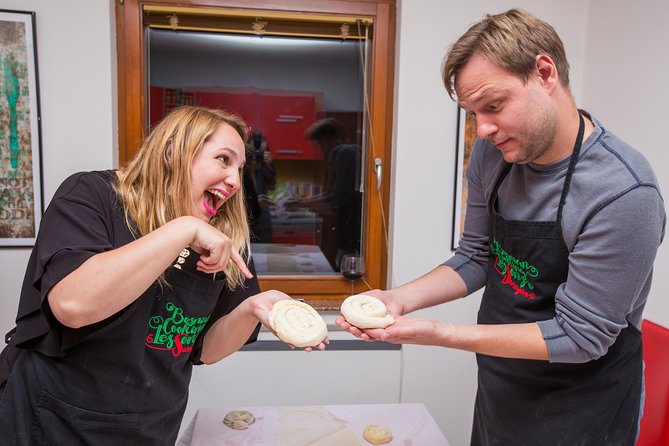
The most praised feature of this class is the hospitality. Mersiha is described as patient, kind, chatty, and clear in her instruction. Mustafa adds to the welcoming atmosphere and conversation.
That matters in a cooking class because the kitchen can feel awkward when you are unsure what to do with your hands. The teaching style here appears forgiving rather than strict. If your dough handling is clumsy, you receive guidance instead of a lecture.
The class also works well for solo visitors. One solo participant particularly appreciated being welcomed warmly and having photos taken during the lesson. If you are traveling alone, that small touch can make the afternoon feel more complete.
Language should not be a major concern for most English-speaking participants. One Japanese-speaking participant with limited English found Mersiha easy to understand and appreciated her patience and care. Still, cooking involves gestures and demonstration, so you will not need to follow every word to learn the basic techniques.
The home setting is another important part of the experience. You are invited into a personal space rather than placed in a polished cooking studio. That can make the afternoon feel genuine, but it also means you should expect a more informal setting than a professional culinary school.
Sarajevo views and local conversation
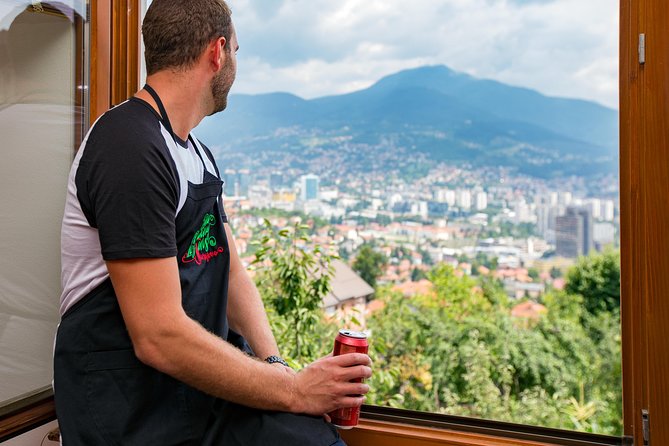
The panoramic view gives the class a strong sense of location. You are not cooking in an anonymous room. You are looking out across Sarajevo while learning dishes tied to Bosnian family life.
Conversation is part of the activity. Mersiha shares stories about growing up in Bosnia, while the hosts can offer suggestions for other local activities and practical travel advice. This is especially helpful early in a Sarajevo visit, when you may still be working out how to use buses or plan nearby outings.
The class also provides a gentle way to engage with Bosnia after visiting more difficult historical sites. Sarajevo carries painful memories, and the cooking lesson does not erase them. It offers another side of the city: hospitality, ordinary family food, humor, and the pleasure of sitting down together.
That balance may matter to you if your itinerary includes museums or exhibitions connected with the war. Food cannot explain every part of Bosnia, but it can give you a human, everyday connection to the place.
What the $96.79 price includes
At $96.79 per person, this is not the cheapest meal you can buy in Sarajevo. You could eat burek or stuffed vegetables at a local restaurant for much less.
The price makes more sense if you value instruction, company, and the chance to cook several dishes yourself. You are paying for about four hours of hosting, ingredients, wine and other drinks, dinner, a scenic setting, and recipes and videos to use later.
The group maximum is 13 people. That is not a private class, but it is small enough to offer a better chance to participate than a large workshop. The final value depends on what you want from the afternoon. If you mainly want a low-cost meal, this will feel expensive. If you want a cultural activity that sends you home with practical cooking skills, the cost is easier to justify.
The free cancellation policy also gives you some flexibility. You can cancel for a full refund if you do so at least 24 hours before the 2:30 pm start time. Cancellations or changes made less than 24 hours in advance are not accepted for a refund.
Who will enjoy this class most
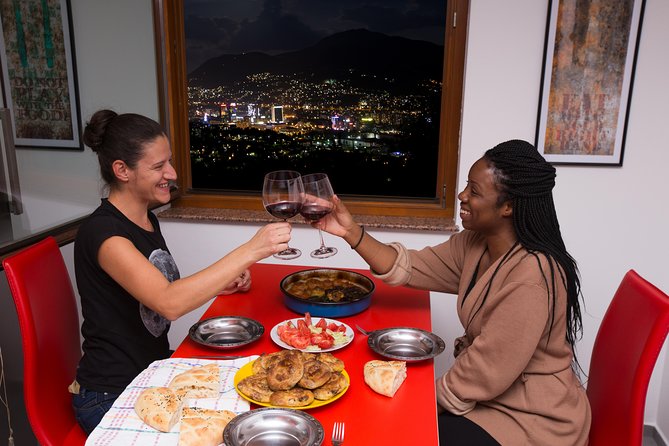
I would recommend this experience to you if you enjoy food, small-group activities, and meeting local hosts in a home setting. It is especially well suited to solo visitors, couples, families, and friends who want more than a standard restaurant meal.
You do not need advanced cooking skills. The class is designed around participation and guidance, and the hosts help with delicate tasks such as assembling and stretching the burek dough.
Vegetarians and vegans can request suitable options in advance. The listed dishes normally include minced meat, so do not wait until arrival to mention dietary needs.
This may not be the best choice if you dislike social activities, do not want to cook, or prefer a tightly scheduled sightseeing tour. It also may not suit you if you need private transportation, since that is not included in the advertised price.
Practical tips for a smoother afternoon
Arrive with enough time to find Skendera Kulenovića. The meeting point is not a city-center restaurant, and private transportation is not included.
Eat lightly beforehand. Dinner comes after the cooking, and you will want room for the dishes you have prepared.
Wear clothes that are comfortable for kitchen work. Burek dough can require repeated handling, and you may spend much of the lesson standing or working at a counter.
Request vegan or vegetarian food when booking. The standard menu centers on meat, rice, vegetables, and pastry, so advance notice is important.
If you drink wine, pace yourself. The class is social, but the main attraction is learning the food. Coffee, tea, and soft drinks are available too.
Keep the rest of the evening open if possible. The activity lasts about four hours, and the meal and conversation are part of the experience rather than a quick final course.
Should you book Bosnian Cooking Lessons?
Book it if you want Sarajevo through its food and people, not just through monuments and museums. The class offers a rare chance to make several Bosnian dishes, learn the difficult art of burek, enjoy a home-cooked dinner, and talk with hosts who are generous with local stories and advice.
I would skip it only if you want a cheap meal, private transport, or a formal cooking-school setup. For everyone else, the combination of hands-on work, wine, views, and warm hosting makes the $96.79 price reasonable. Request dietary options in advance, confirm your route to the meeting point, and come ready to stretch dough with a little patience and humor.
FAQ
How long does the Bosnian cooking class last?
The activity lasts approximately four hours.
What time does the class start?
The class starts at 2:30 pm.
Where does the experience begin and end?
It begins at Skendera Kulenovića, 71000 Sarajevo, Bosnia and Herzegovina, and ends back at the same meeting point.
What dishes will I learn to make?
The class covers sogan dolma, japrak, dolma, and burek. The stuffed dishes use minced meat, rice, spices, onions, leaves, or peppers. Burek may use potato, meat, or cheese depending on the season.
Are vegetarian and vegan options available?
Yes. Vegetarian and vegan options are available upon request.
Are drinks included?
Yes. The experience includes a welcome drink, coffee and or tea, alcoholic beverages, wine, and soft drinks.
Is dinner included?
Yes. Dinner made during the class is included.
How many people can join the class?
The maximum group size is 13 people.
Is transportation included?
No. Private transportation is not included. You are responsible for getting to the meeting point.
Can I cancel for a full refund?
Yes, if you cancel at least 24 hours before the local start time. Cancellations or changes made less than 24 hours before the start are not eligible for a refund.
Just added around the world
- Aroidee’s Farm-Fresh Thai Cooking Experience★ 5.0 · 8 reviews
- Signature Thai Cooking Course★ 5.0 · 79 reviews
- Private Half-Day Thai Cooking Class in Chiang Mai★ 5.0 · 4 reviews
- Half Day Guided Thai Cooking Class in Chiang Mai★ 5.0 · 13 reviews
- Northern Thai Cooking Class in Chiang Mai in a Countryside Home★ 5.0 · 2 reviews
- Online Thai and Akha Cooking Class★ 5.0 · 70 reviews
- Private Virtual Thai Cooking Class★ 5.0 · 9 reviews
- 5 Hour Morning Thai Cooking Course★ 5.0 · 31 reviews
Cooking Classes, compared.
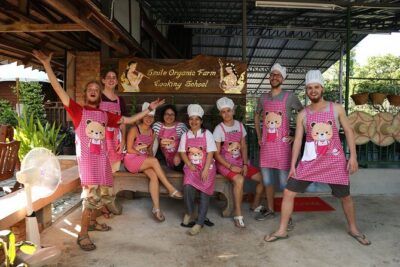
Half-Day Thai Cooking Class at Organic Farm in Chiang Mai
Read our review →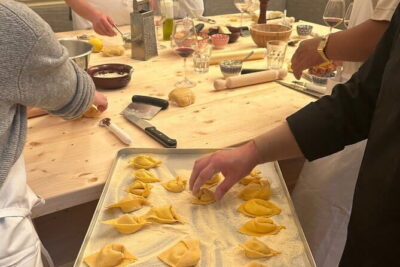
3 in 1 Cooking Class near Navona: Fettuccine, Ravioli & Tiramisu
Read our review →
Pasta & Tiramisu Cooking Class with Unlimited Wine
Read our review →
Hanoi Cooking Class: Culture, Local Market & Meaning CSR Impact
Read our review →
5 Traditional Dishes Hanoi Cooking Class with Market Trip
Read our review →
Cooking Class and Lunch at a Tuscan Farmhouse with Local Market Tour from Florence
Read our review →