REVIEW · KHAO LAK, THAILAND
Riverside Thai Cooking Class in Khao Lak with Market Tour
Come hungry, leave with recipes. This four-hour Khao Lak experience combines a morning market visit with hands-on cooking at Riverside Thai Cooking. I like the freedom to choose the Thai dishes you want to prepare, and I like that the class uses fresh market ingredients, avoids plastic shopping bags, and composts food scraps for the herb garden.
Chef Apple is the heart of the experience. She explains ingredients clearly, speaks excellent English, and gives each person time to prepare and cook. The main consideration is the schedule: the market visit belongs to the morning class, while the afternoon class includes a sweet Thai dessert instead. Pickup also does not cover Khok Kloi or Thai Muang Beach.
The best parts of the Riverside cooking experience
- A real Khao Lak market visit: Learn about Thai herbs, spices, fruits, vegetables, and fish before cooking with them.
- Choose your own dishes: Pick the Thai food you most want to learn, with options such as curry, salads, soup, and sticky rice with mango.
- Chef Apple’s patient teaching: She demonstrates each step, adjusts spice levels, and gives individual help without rushing.
- A small class of no more than seven: The group size leaves room for questions and hands-on practice.
- Fresh, low-waste cooking: Ingredients come from the daily market, shopping uses no plastic bags, and scraps become compost.
- A meal you actually prepared: Sit down together and sample the dishes made by the group, with water, soda, coffee, or tea.
Starting at Khao Lak’s local market
The morning begins with hotel pickup and a drive to a local market in Khao Lak. This is not just a quick stop to collect a bag of chilies. Chef Apple uses the visit to explain the ingredients that give Thai food its character.
You can expect to see fresh herbs, spices, vegetables, fruits, and fish. Some produce may be familiar, while other items may be new to you. That makes the market useful even if you already cook Thai food at home. You begin to connect the names and smells of ingredients with the dishes you will make later.
The market also gives you a look at ordinary food shopping in the area. You are seeing ingredients in their everyday setting, not only arranged for a cooking demonstration. Chef Apple helps you understand what to buy and how the ingredients fit into Thai recipes.
A small but welcome detail is the use of no-plastic shopping bags. Leftover food waste is turned into compost for the Riverside herb garden. These choices do not transform the class into an environmental workshop, but they show care in how the food is sourced and handled.
If you want to buy Thai ingredients or spices for home, the market visit is a good time to ask questions. One useful part of the experience is learning which seasonings suit the dishes you like, rather than simply being handed a fixed basket of ingredients.
Keep in mind that the market tour is specifically part of the morning class. If you book the afternoon session, you should expect a different format, including a sweet Thai dessert rather than the market visit.
More Cooking Classes with a Market Tour in Thailand
- Chiang Mai: Cooking Class, Market & Thai Herbs Garden Tour
★ 4.9 · 4,824 reviews - Chiang Mai: Authentic Cooking Class with Market & Farm Visit
★ 4.9 · 4,546 reviews - Phuket Thai Cooking Class with Market Tour Option
★ 5.0 · 2,665 reviews
Arriving at the Riverside cooking school
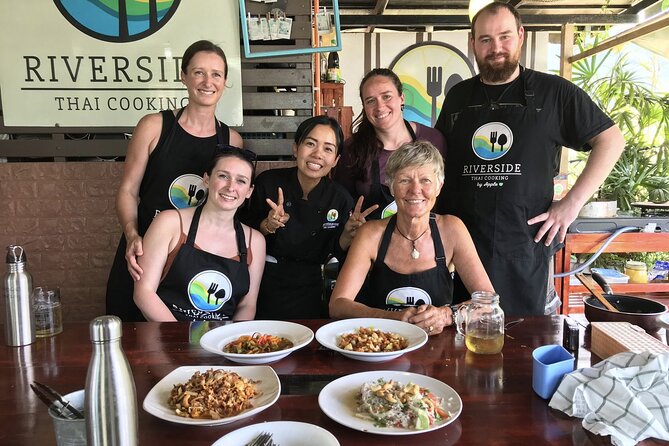
After the market, you head to the Riverside cooking school. Descriptions of the setting point to an open cooking area surrounded by greenery and a herb garden, giving the class a relaxed outdoor feel. The setting matters because you are not simply standing in a commercial demonstration kitchen watching someone else cook.
The ingredients are prepared for your selected recipes, then you work through the process yourself. Depending on your menu, that can include chopping vegetables, preparing herbs, making curry paste, mixing seasonings, and cooking the final dish.
The class is limited to seven people, with at least two required for it to operate. That is a useful size. You have enough company to share dishes, but the group should remain small enough for Apple to watch your technique and answer questions.
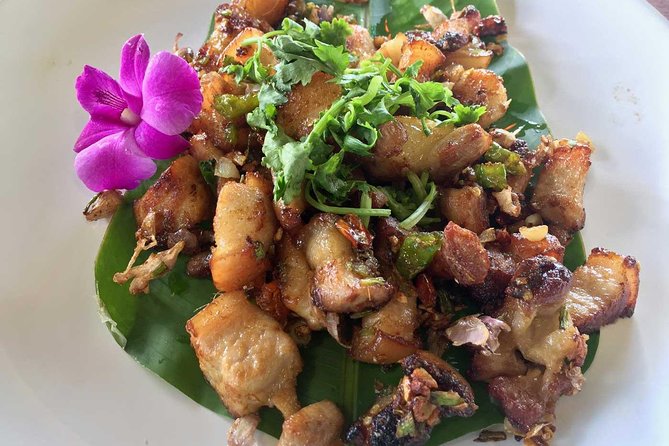
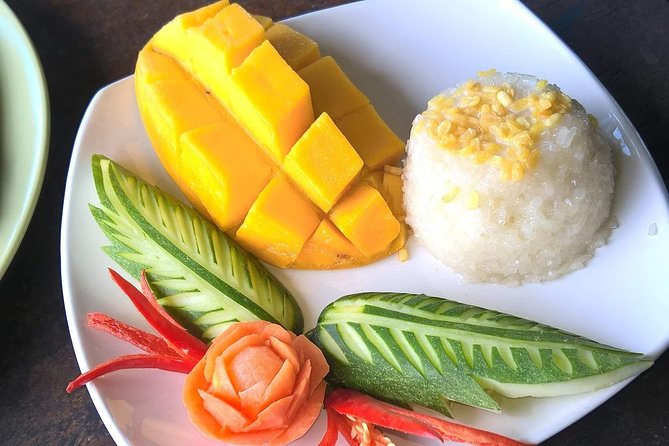
Several dishes may be prepared during one session. Groups have made combinations such as banana blossom salad, spicy glass noodle salad, and Panang curry. Other examples include chicken Tom Yum, Massaman curry, mango sticky rice, and spring rolls.
Your exact choices depend on the menu arrangements for your class, so do not assume every named dish will be available every time. The important point is that you are not locked into one single recipe chosen for the whole group.
Learning Thai methods, not just following a recipe
The strongest part of this class is the practical instruction. Apple begins with the basics of Thai curry pastes and seasonings, then moves into preparation and cooking methods. She explains what she is doing before you try it yourself.
Curry paste can be especially worthwhile. Making it from scratch shows how much work goes into a dish that is often reduced to a spoonful from a jar at home. During one class, a participant even took leftover curry paste home, giving the lesson a useful second life after the holiday.
Thai spring rolls are included in the class. You learn to prepare them as a group, and the finished rolls become part of the meal. Sweet spring rolls with banana and chocolate have also been part of the experience, making this a fun choice if you want something beyond the usual savory version.
The recipes are explained in English, and you receive written recipes and instructions to take home. Some cooking schools move so fast that your notes become a blur. Here, the combination of demonstrations, hands-on work, and a recipe booklet gives you a better chance of repeating the dishes later.
Spice levels are discussed during the cooking process. That matters if you enjoy Thai food but are not ready for full-strength heat. The class can take account of whether you prefer milder or hotter food, although you should still explain your preference clearly at the start.
Choosing dishes that make the class worthwhile
Your dish choices shape the day. If you want to understand Thai cooking, choose recipes that teach a technique rather than simply selecting several similar dishes.
A curry is a strong choice because it can involve paste-making, aromatics, coconut milk, and careful seasoning. A salad such as banana blossom or spicy glass noodle salad shows a different side of Thai food, with texture and balance playing a larger role.
Tom Yum gives you a lesson in sour, salty, spicy, and aromatic flavors. Mango sticky rice offers a sweeter finish, though the supplied details identify sweet Thai dessert with the afternoon class. Ask about the available choices when booking if one particular recipe is the main reason you want to attend.
Groups of friends can make this especially enjoyable because each person can select a different dish. You then get to taste several recipes instead of eating only your own work. A group of six, for example, has enough variety to create a generous shared meal without making the class feel too large.
If you are attending alone, the two-person minimum is worth noting. The class needs at least two people to run, so confirm that the session is operating before making detailed plans around it.
More Thai Cooking Classes in Thailand:
- Half-Day Thai Cooking Class at Organic Farm in Chiang Mai
★ 5.0 · 19,087 reviews - Thai and Akha Cooking Class in Chiang Mai
★ 5.0 · 4,358 reviews - Bangkok: Hands-on Thai Cooking Class and Market Tour
★ 4.9 · 1,614 reviews - Bangkok: Tingly Thai Cooking School Half-Day Cooking Class
★ 4.9 · 1,191 reviews
Presentation, lunch, and the best part of the class
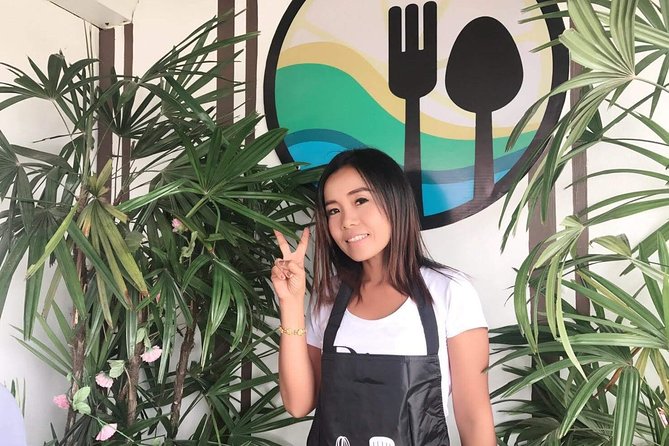
Thai food is meant to appeal to more than your sense of taste. After cooking, Apple shows you simple presentation ideas and even some basic food carving tricks. You do not need to become a professional fruit carver, but a few small touches can make a home-cooked meal look far more inviting.
Then you sit down and eat what the class has prepared. You can also try the other dishes made by the group, which turns lunch into a shared tasting rather than a plate of food prepared only for you.
Drinking water, Coca-Cola, coffee, and tea are included. The experience does not include alcohol, so plan accordingly if you were expecting a drink with lunch.
The food is the main reward, but the shared meal also helps you see how the separate cooking tasks fit together. One person may have made a curry, another a salad, and another spring rolls. At the table, you get a broad sample of Thai flavors and cooking styles.
What Chef Apple adds to the experience
Chef Apple receives repeated praise for her calm, friendly teaching style. She explains ingredients at the market, demonstrates preparation, and works with individuals while the group cooks.
Her English is described as excellent, which is important in a class where small details matter. The difference between a fragrant curry and a flat one may come down to when an ingredient goes into the pan or how a paste is cooked. Clear instruction helps you understand those details.
She is also supported by assistants during some classes. That gives the session more help at the workstations and keeps the class moving without making it feel rushed.
I would choose this class for people who want instruction rather than a simple food demonstration. You get to chop, mix, cook, taste, and present the dishes yourself. Families and groups of friends should find the format easy to enjoy, while solo participants can still benefit if the class has reached its minimum number.
Is $68.95 good value in Khao Lak?
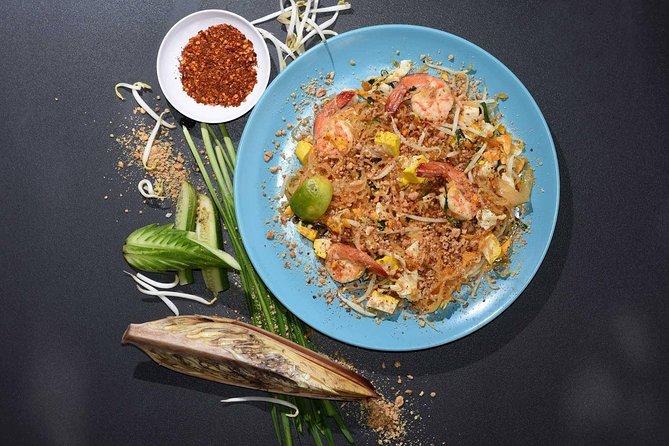
At $68.95 per person, this is not the cheapest lunch activity in Khao Lak. The value comes from what the price includes: round-trip hotel transfer, the morning market tour, ingredients, instruction, a recipe booklet, spring rolls, lunch, and non-alcoholic drinks.
You are also paying for a small class with a maximum of seven people. That makes a difference. A large cooking demonstration may cost less, but it usually gives you less time with the instructor and less control over the food.
The market stop adds real value because it gives context to the dishes. You learn what the ingredients look like before they reach the cooking table, and you can ask how to recognize or use them.
The price makes the most sense if you care about Thai food and want skills you can use at home. If you only want a quick meal or a short cultural stop, the four-hour commitment may feel too long. If you plan to cook Thai food again, the recipe booklet and curry-paste lesson make the cost easier to justify.
Hotel pickup and drop-off also remove the need to arrange separate transport within the covered areas. Pickup is not included from Khok Kloi or Thai Muang Beach, so those staying there should check transport before booking.
Timing, group size, and practical planning
Allow about four hours for the full experience. The morning option includes the market and lunch, so it works well as a half-day activity rather than something to squeeze between several major sightseeing stops.
Wear clothes you do not mind cooking in. That is simple advice, but chopping, mixing, and preparing curry paste is more hands-on than sitting through a demonstration.
The class starts and ends at Riverside Thai Cooking Class at 23, 10 Soi Ruamjai, Khao Lak, Amphoe Takua Pa, Phang Nga 82220. Hotel round-trip transfer is provided where available, while the listed meeting point gives you a clear fallback if you are arranging your own transport.
You receive confirmation at booking. Free cancellation is available if you cancel at least 24 hours before the start time. Changes or cancellations inside that window are not accepted for a refund.
Who should book the Riverside Thai Cooking Class?
I would recommend it most strongly to you if Thai food is one of the pleasures of your holiday and you want to know how it is made. The combination of market shopping, scratch cooking, recipe notes, and a shared meal gives the class more substance than a standard afternoon activity.
It is also a good choice for couples, families, and friend groups. Everyone can choose a dish, then share the results. The seven-person maximum keeps the teaching personal, while the minimum of two means you should not expect a private class if you are booking alone.
The morning class is the better pick if you want the full experience. You get the market tour, fresh ingredients, cooking instruction, and lunch. Choose the afternoon session if the dessert element appeals more to you or if a morning market visit does not fit your schedule.
Should you book it?
Book this class if you want to cook, not just watch. Chef Apple’s clear instruction, the small group size, and the chance to choose your own dishes make it a strong food experience in Khao Lak.
Choose the morning session for the market tour and the fullest connection between shopping and cooking. Skip it only if you dislike hands-on kitchen work, need a very short activity, or are staying outside the included pickup area and do not want to arrange transport.
For everyone else, the combination of fresh ingredients, homemade curry paste, spring rolls, and a shared lunch gives you both a pleasant half-day and practical Thai recipes to try at home.
FAQ
How long does the Riverside Thai Cooking Class last?
The experience lasts approximately four hours.
Does the class include a local market tour?
Yes. The morning class includes a tour of the local Khao Lak market, where you learn about herbs, spices, produce, and other ingredients. The afternoon class has a sweet Thai dessert instead.
Can I choose which Thai dishes to cook?
Yes. You can choose the Thai dish you want to make. Available examples have included curries, salads, Tom Yum, mango sticky rice, and spring rolls.
Is hotel pickup and drop-off included?
Hotel round-trip transfer is included, but pickup is not provided from Khok Kloi or Thai Muang Beach.
How many people can join the class?
At least two people are required for the class to operate, and the maximum group size is seven travelers.
What is included with the cooking class?
The experience includes ingredients, English recipes and instructions, a market tour for the morning class, Thai spring rolls, lunch, drinking water, Coca-Cola, coffee, and tea.
Just added around Thailand
- Aroidee’s Farm-Fresh Thai Cooking Experience★ 5.0 · 8 reviews
- Signature Thai Cooking Course★ 5.0 · 79 reviews
- Private Half-Day Thai Cooking Class in Chiang Mai★ 5.0 · 4 reviews
- Half Day Guided Thai Cooking Class in Chiang Mai★ 5.0 · 13 reviews
- Online Thai and Akha Cooking Class★ 5.0 · 70 reviews
- Private Virtual Thai Cooking Class★ 5.0 · 9 reviews
- Northern Thai Cooking Class in Chiang Mai in a Countryside Home★ 5.0 · 2 reviews
- 5 Hour Morning Thai Cooking Course★ 5.0 · 31 reviews
Cooking Classes with a Market Tour, compared.
Hanoi Cooking Class: Culture, Local Market & Meaning CSR Impact
Read our review →
5 Traditional Dishes Hanoi Cooking Class with Market Trip
Read our review →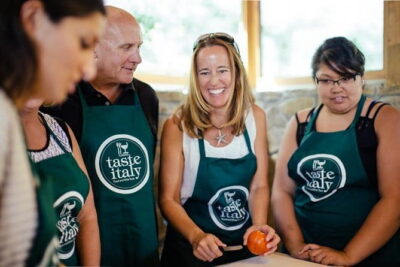
Cooking Class and Lunch at a Tuscan Farmhouse with Local Market Tour from Florence
Read our review →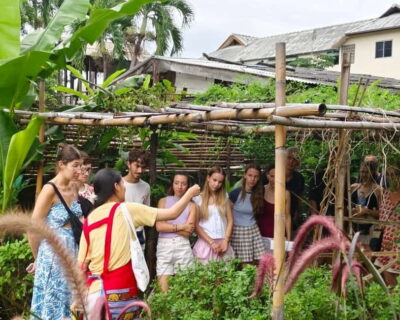
Cooking Class, Market & Thai Herbs Garden Tour
Read our review →
Authentic Cooking Class with Market & Farm Visit
Read our review →
Paella Cooking Experience & Boqueria Market Tour
Read our review →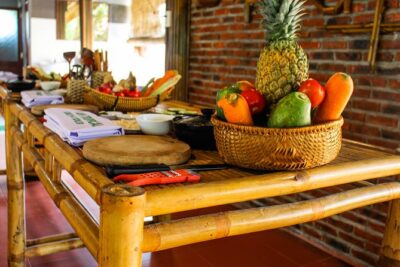
Cooking Class Hoi An:Local Market, Basket Boat, Fishing & Cooking
Read our review →