
REVIEW · CHIANG MAI PROVINCE, THAILAND
Chiang Mai : Traditional Northern Cooking Class
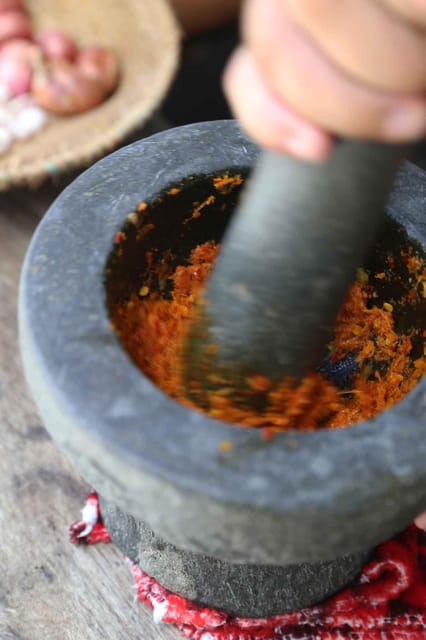
Cook Northern Thai food over charcoal. That simple idea gives Baannoi Nornmuan’s three-hour class its appeal. I like the hands-on menu, especially the chance to make Khao Soi and sticky rice rather than simply eat them, and I like the family-run setting, where cooking feels personal instead of polished for show.
I also like the small group limit of 10, which gives you room to ask questions and work with the ingredients. The main consideration is the pace: three hours is enough for a focused class, but not enough for a broad survey of every Northern Thai dish. Some food preparation may also feel rustic, particularly if you prefer a modern cooking studio.
Key points before you book
- Khao Soi takes center stage: You prepare the classic Northern noodle soup with chicken, noodles, spices, and its creamy curry base.
- Sticky rice is treated as a skill: You learn how to get the texture right for this everyday Northern staple.
- Charcoal cooking adds character: The class includes cooking on a porch over charcoal, giving the session a down-to-earth feel.
- The menu covers several Northern flavors: You make Northern curry with pork, chili sauce with pork, and an egg grilled on a banana leaf.
- Small groups keep it practical: With no more than 10 participants and instruction in English or Thai, you should have a chance to take part.
- The price is fair for a meal and a lesson: At $38 per person, you get several dishes, instruction, and a three-hour food experience.
Why this class feels different from a standard cooking lesson
Many cooking classes in Chiang Mai are built around familiar tourist favorites. This one puts Northern Thai food at the center, including dishes and methods that tell you something about daily cooking in the region.
The menu is not just a list of recipes. Sticky rice shows how texture matters in Northern food. Chili sauce teaches you to balance heat, salt, and savory pork. The banana-leaf egg introduces a simple local cooking method that uses a natural wrapper rather than a pan or baking dish.
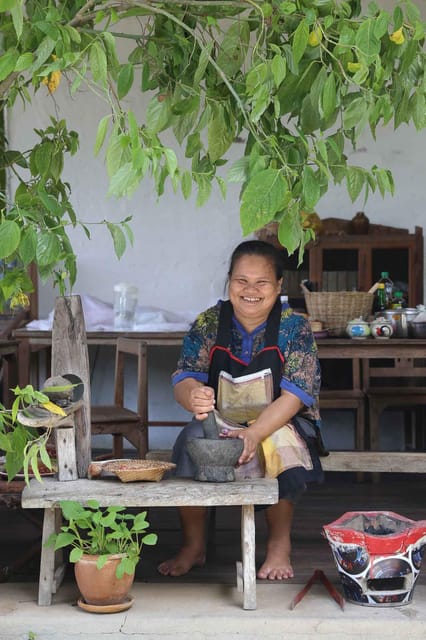
I like that the class appears to focus on technique without making the session feel formal. One particularly useful detail is the charcoal cooking on a porch, described as part of the experience. That setting matters. It suggests you are learning food preparation in a practical household style, not only watching a chef assemble dishes under bright studio lights.
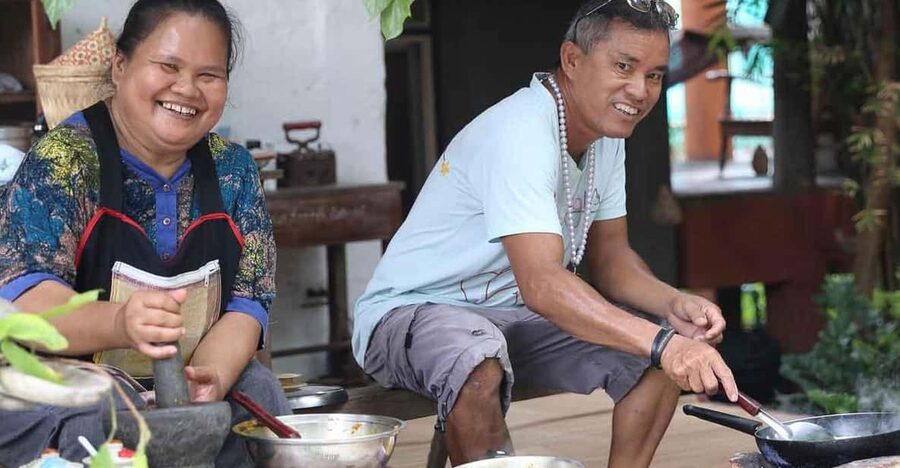
The family connection is another strong point. The class is conducted by family members, giving it a more personal character. You may find the surroundings and method less sleek than a purpose-built culinary school, but that is also where much of the appeal lies.
A few more cooking classes around Chiang Mai worth a look
- Half-Day Thai Cooking Class at Organic Farm in Chiang Mai
★ 5.0 · 19,087 reviews - Chiang Mai: Cooking Class, Market & Thai Herbs Garden Tour
★ 4.9 · 4,824 reviews - Chiang Mai: Authentic Cooking Class with Market & Farm Visit
★ 4.9 · 4,546 reviews
The three-hour format and how the session unfolds
The full class lasts three hours. That is a comfortable length for cooking several dishes without turning the day into a full-time kitchen project.
The exact start time depends on availability, so check before booking. Since the session includes multiple recipes, you should expect the time to be divided between preparation, cooking, instruction, and eating. The experience is most useful when you take part rather than simply watch.
A small group of up to 10 people helps here. You should have better access to the instructor, cooking equipment, and ingredients than you would in a large demonstration class. It also gives you a better chance to ask why a certain spice is used or how a sauce should look before serving.
Instruction is available in English and Thai. That makes the class accessible to English-speaking visitors, though the level of explanation can still depend on the group and the instructor’s style. If you want to remember the recipes, keep a few notes on your phone or ask questions as you go.
Sticky rice: the quiet lesson at the heart of Northern food
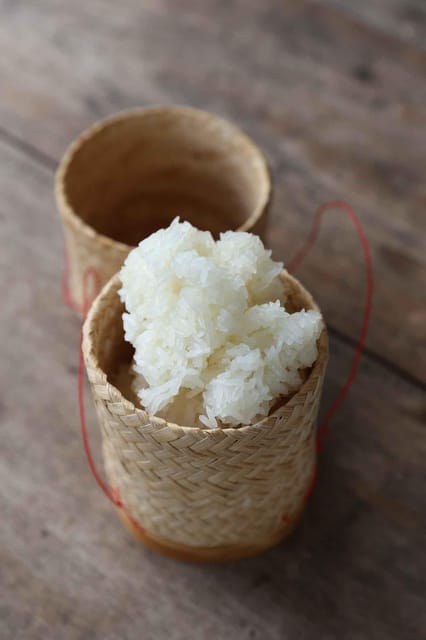
Sticky rice may sound like the least exciting item on the menu, but it is one of the most useful things to learn. In Northern Thailand, sticky rice is not just a side dish. It is a basic part of the meal, and its texture affects how you eat it and what foods pair well with it.
The class focuses on preparing sticky rice properly, including the method needed to produce its familiar chewy texture. That makes this more than a quick cooking demonstration. You get a practical lesson in a food that appears across Northern meals.
For you, the value is simple: sticky rice is one of the easier recipes to remember and repeat at home, provided you have the right equipment and ingredients. The class can show you what the finished texture should feel like, which is often more helpful than reading a recipe.
Do not expect sticky rice to be treated as a grand centerpiece. Its importance is quieter. It gives you a better understanding of how Northern food is built, with rice, sauces, grilled items, and curry working together.
Northern pork curry and the balance of spices
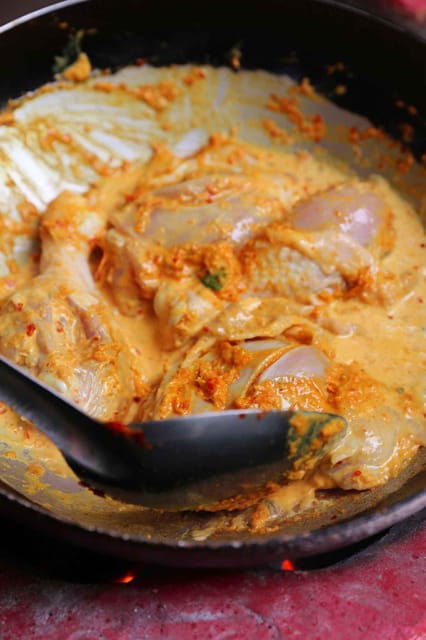
The Northern curry with pork brings the stronger spice lesson. You learn how a curry gets its flavor from a mixture of aromatics and spices rather than from one powerful ingredient.
This part of the class should appeal to you if you want to understand how Thai food balances heat with savory and fragrant notes. The goal is not simply to make the hottest dish possible. Northern cooking depends on balance, and the curry gives you a chance to see how the ingredients work together.
The pork also makes the dish substantial. It is not a small tasting portion designed only for display. Along with sticky rice and the other recipes, it forms part of a filling meal.
The practical benefit is that you can compare the curry with the chili sauce later in the class. Both bring heat and savory flavor, but they do so in different ways. Paying attention to that difference will help you order food more confidently in Chiang Mai restaurants.
Same place, a different thing to cook:
- Thai and Akha Cooking Class in Chiang Mai
★ 5.0 · 4,358 reviews - Chiang Mai: Cooking Class with Market and Pickup
★ 4.9 · 1,365 reviews - Chiang Mai: Cooking Class with Organic Farm at Mama Noi
★ 4.9 · 1,151 reviews - Full Day Thai Cooking at Farm (Chiang Mai)
★ 5.0 · 1,127 reviews
Making Khao Soi from scratch
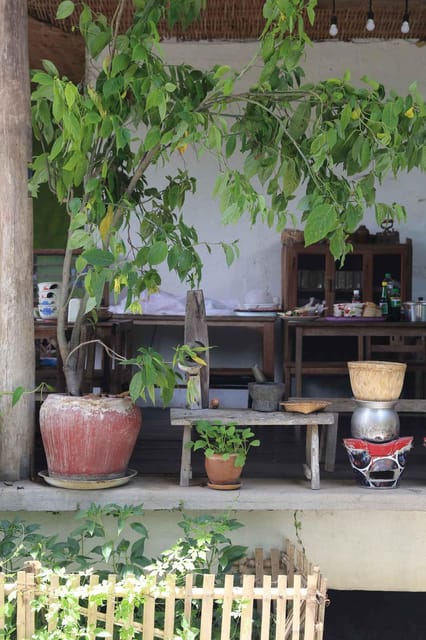
Khao Soi is likely to be the dish most people look forward to. This Northern noodle soup combines noodles, curry flavor, and contrasting textures. The class teaches you to prepare Khao Soi with chicken, using the ingredients and techniques needed to create the dish rather than merely serving a finished bowl.
I like this inclusion because Khao Soi is strongly tied to Chiang Mai’s food identity. Eating a bowl in town is easy. Learning how its parts come together gives you a better sense of why the dish is so satisfying.
The texture is central. Silky noodles meet the thicker curry soup, creating a bowl that feels both soft and substantial. The class highlights the relationship between noodles, spice, and soup, so you are not only memorizing a recipe. You are learning what makes the dish work.
Khao Soi can involve several steps, and the three-hour schedule means the instructor will likely keep the process focused. That is useful for a first class, though you should not expect a restaurant-chef level lesson on every possible variation. You will leave with the basic method and a clear idea of the flavor profile.
Pork chili sauce and the art of controlled heat
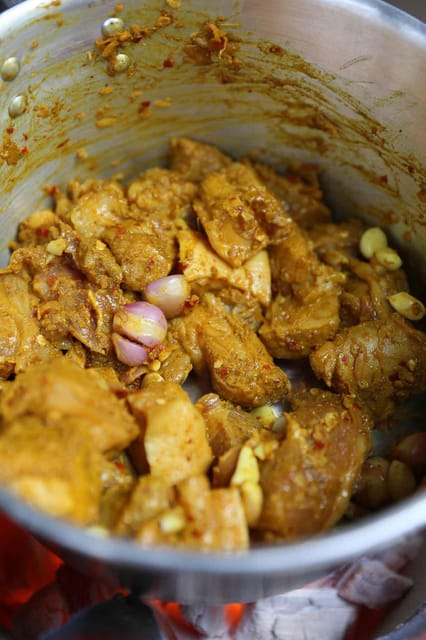
The homemade chili sauce with pork is a good change of pace from the curry and noodle soup. Here the lesson turns toward dipping and seasoning, with a sauce designed to add heat and savory depth to the meal.
This is where you can pay attention to balance. A good chili sauce should not flatten every other flavor. It needs enough heat to be lively, but also enough savory and aromatic character to work with sticky rice and other dishes.
The class gives you the chance to make the sauce yourself, so you can see how its flavor changes as ingredients are combined. That hands-on step is more useful than being handed a prepared condiment. You can ask questions, taste the result, and understand what you might adjust when making it later.
If you are sensitive to chili, this is one dish where you should communicate clearly with the instructor. The available information does not specify how spicy the food will be, so it is sensible to ask before adding extra chili.
Grilled egg on banana leaf
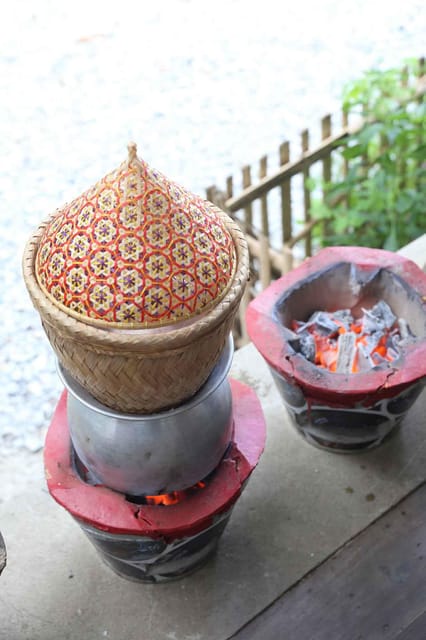
The grilled egg is the class’s most unusual technique. You cook the egg on a banana leaf, using the leaf as a natural surface and adding a smoky note through grilling.
This small dish shows how Northern cooking can make use of simple local materials. It also breaks up the class rhythm. After working with curry, soup, and chili sauce, you get to handle a recipe built around grilling and natural elements.
Cooking on banana leaf is the sort of detail you may remember long after the meal. It connects the food to the setting and gives you a method to talk about when you return home. The charcoal fire adds to that sense of place.
The drawback is that rustic cooking can be less predictable than working on modern equipment. Heat may vary, and the process may feel less controlled. That is not a reason to avoid the class, but it is worth knowing if you expect a polished kitchen environment.
Fresh ingredients and a family-run atmosphere
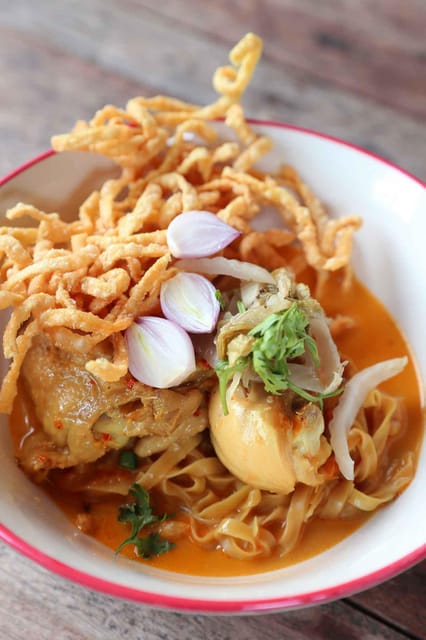
The ingredients are prepared and ready for use, with freshness emphasized as part of the session. That matters in a short class because you can spend your time cooking rather than watching someone handle every preliminary task.
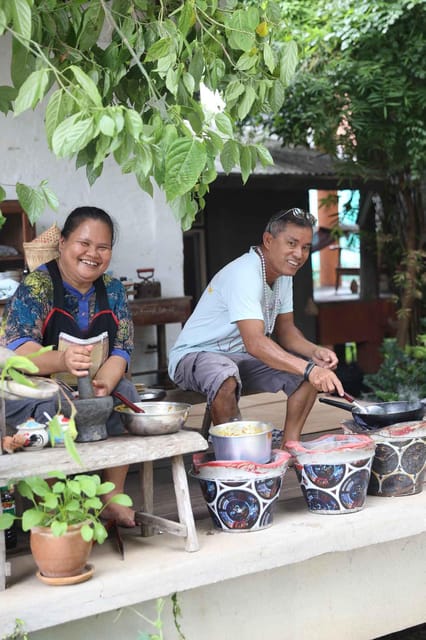
At the same time, the experience does not appear to hide all the work behind a professional kitchen. The family members who lead the class create a setting that feels down to earth. You can expect a friendly, personal approach, with space to ask questions about preparation.
The tone is likely to be informal rather than theatrical. One useful detail is the porch setting and charcoal fire. If you want staged entertainment, this may feel too simple. If you want to see how food can be prepared in a genuine household style, that simplicity is a strength.
The warm welcome is part of the value. Food classes work best when you feel comfortable making mistakes, asking basic questions, and tasting as you go. The available feedback points to friendly staff and professional organization, which is a good combination for beginners.
Is $38 a good value?
At $38 per person, this class offers solid value if you want more than a single meal. You receive three hours of instruction and prepare several dishes: sticky rice, Northern pork curry, chicken Khao Soi, pork chili sauce, and grilled egg on banana leaf.
That is a substantial menu for the price. You are paying for food, guidance, and the chance to learn methods you can try again. The value is especially good if you enjoy cooking or want a food activity that gives you something to do, rather than another short tasting stop.
It is less useful for you if you are mainly looking for a quick lunch. The class takes three hours, and some of that time is spent preparing food that you could order in minutes at a restaurant. The point is the process.
The small group also helps justify the price. A limit of 10 participants should make the instruction more personal than a large class, though the precise amount of individual attention will depend on the group.
Who should book this Chiang Mai cooking class?
I would recommend it to first-time visitors who want a clear introduction to Northern Thai food. You get several of the region’s key flavors in one sitting, including curry, noodles, sticky rice, chili, pork, chicken, and smoky grilled food.
It also suits home cooks. The recipes are distinct enough to teach useful ideas, and you can compare different ways of handling heat, texture, and seasoning. The food is not presented as a single complicated showpiece, but as a set of dishes that fit together.
Families and small groups may enjoy the format, provided everyone can take part in a three-hour activity. The small-group limit keeps the class from feeling crowded, and the informal setting may be comfortable for people who prefer a relaxed lesson.
You should think twice if you want luxury surroundings, a modern cooking school, or a highly technical chef-led course. The charm here comes from the family atmosphere, porch cooking, charcoal heat, and straightforward food. That will suit some people perfectly and feel too basic to others.
Free cancellation up to 24 hours before the activity gives you some protection if your Chiang Mai schedule changes. You can also reserve now and pay later, which is useful when you are arranging several days of sightseeing.
Should you book Baannoi Nornmuan?
Book this class if you want to understand Northern Thai food by making it yourself. The strongest reasons are the focused menu, the small group, the family-led setting, and the chance to cook over charcoal while learning Khao Soi, curry, chili sauce, sticky rice, and banana-leaf egg.
I would choose it over a generic Thai cooking class if Chiang Mai food is your main interest. The experience is not flashy, and that is the point. You get a friendly, practical introduction to local dishes, with enough variety to make the three hours worthwhile.
Skip it only if you want a short activity or a polished culinary studio. For everyone else, $38 is a reasonable price for a full meal, several techniques, and a more personal look at Northern cooking.
FAQ
How long does the traditional Northern cooking class last?
The class lasts three hours.
How much does the class cost?
The price is $38 per person.
What dishes are included?
The menu includes sticky rice, Northern curry with pork, Khao Soi with chicken, chili sauce with pork, and grilled egg on a banana leaf.
Is Khao Soi included in the class?
Yes. You learn to prepare Khao Soi with chicken, a traditional Northern noodle soup.
What languages are spoken during the class?
Instruction is available in English and Thai.
How large is the group?
The class is limited to 10 participants.
Is the cooking class wheelchair accessible?
Yes. The activity is listed as wheelchair accessible.
Can I cancel the booking?
Yes. You can cancel up to 24 hours in advance for a full refund.
Just added around Chiang Mai
- Aroidee’s Farm-Fresh Thai Cooking Experience★ 5.0 · 8 reviews
- Signature Thai Cooking Course★ 5.0 · 79 reviews
- Private Half-Day Thai Cooking Class in Chiang Mai★ 5.0 · 4 reviews
- Half Day Guided Thai Cooking Class in Chiang Mai★ 5.0 · 13 reviews
- Private Virtual Thai Cooking Class★ 5.0 · 9 reviews
- Northern Thai Cooking Class in Chiang Mai in a Countryside Home★ 5.0 · 2 reviews
- Online Thai and Akha Cooking Class★ 5.0 · 70 reviews
- 5 Hour Morning Thai Cooking Course★ 5.0 · 31 reviews
Cooking Classes, compared.

Half-Day Thai Cooking Class at Organic Farm in Chiang Mai
Read our review →

3 in 1 Cooking Class near Navona: Fettuccine, Ravioli & Tiramisu
Read our review →
Pasta & Tiramisu Cooking Class with Unlimited Wine
Read our review →
Hanoi Cooking Class: Culture, Local Market & Meaning CSR Impact
Read our review →
5 Traditional Dishes Hanoi Cooking Class with Market Trip
Read our review →
Cooking Class and Lunch at a Tuscan Farmhouse with Local Market Tour from Florence
Read our review →
Cooking Class, Market & Thai Herbs Garden Tour
Read our review →Lists this class appears in