REVIEW · LAZIO, ITALY
Rome: Pasta, Ravioli & Tiramisu Cooking Class by Colosseum
Come hungry and leave with recipes. This three-hour class near the Colosseum gives you a practical taste of Roman food culture, with local chefs showing you how to make handmade pasta, ravioli, sauces, fillings, and tiramisu. I like the small group of no more than 10 people, which gives the class a friendly, personal feel. I also like the generous supply of Italian wine, served throughout the cooking and meal.
The main consideration is that this is not a good fit for people with severe nut allergies, and gluten-free cooking may not be possible. You also need to arrive on time, since late arrivals are not guaranteed participation. For most visitors, though, this looks like a relaxed and tasty way to spend an evening in Rome.
Key points at a glance
- Two handmade pasta preparations: Learn to mix, roll, cut, and fill pasta from scratch, including ravioli.
- Tiramisu made by hand: Prepare the creamy dessert layer by layer, with a recipe to take home.
- Local chefs with lively personalities: Marco, Max, and Alex are praised for making the class clear, social, and fun.
- Wine included throughout: Italian wine flows during the class, with soft drinks available as an alternative.
- Small group setting: The class is limited to 10 participants, so you should receive more help than in a large demonstration.
- Colosseum location: The class ends back at the meeting point, with the famous monument nearby for a possible evening visit afterward.
What this Rome cooking class is really like
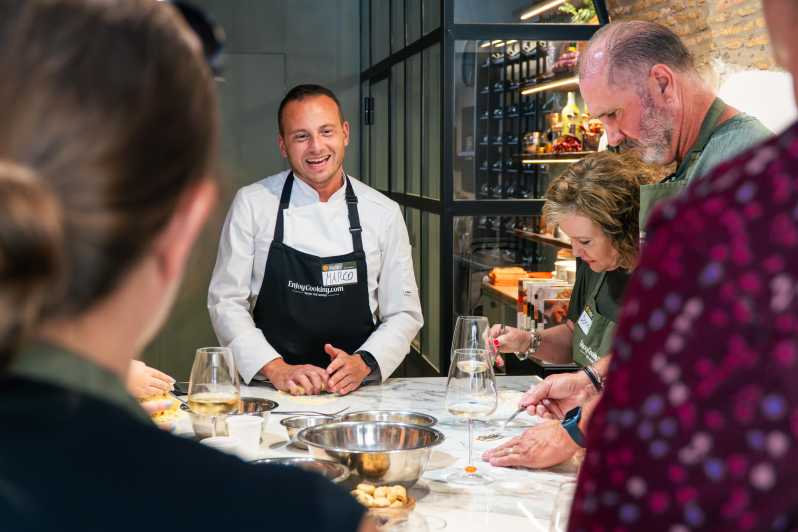
This is not a show where you sit and watch a chef do all the work. You make the food yourself, with guidance along the way. That difference matters. By the end, you should understand the feel of pasta dough, the care needed for ravioli filling, and the order in which tiramisu comes together.
The class lasts about three hours. Exact starting times depend on the date and option you choose, so check availability before planning the rest of your evening. Since the activity begins and ends at the meeting point, you arrange your own transportation.
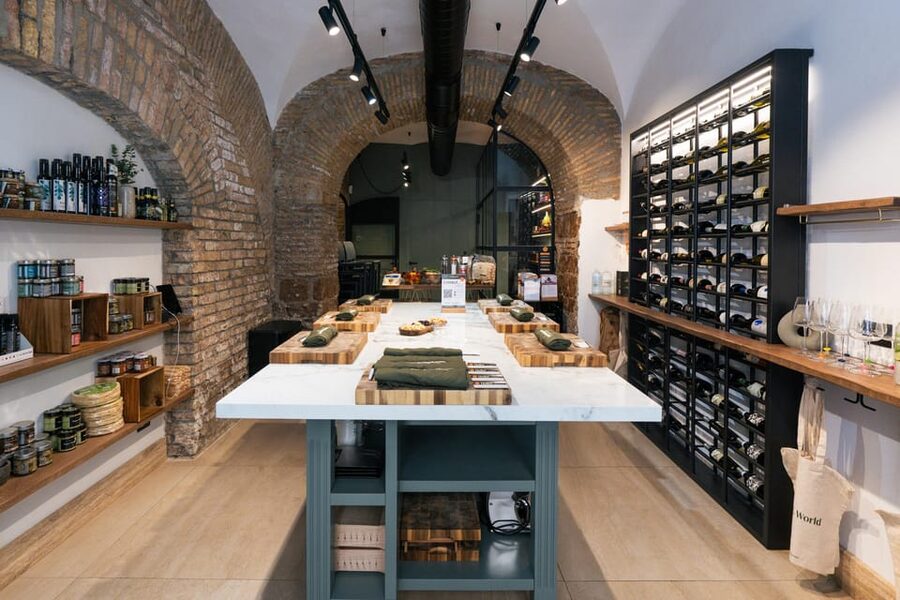
The setting is designed for a small group, with a maximum of 10 participants. That is a useful size for a cooking class. You have enough company to make the meal social, but you are less likely to disappear at the back of the room. The kitchen setup has also been praised for being attractive and well arranged, which helps the evening feel like a special activity rather than a basic lesson.
The teaching language is English. The chefs focus on the food itself, but the class also offers a glimpse into the habits behind Italian cooking: fresh preparation, simple ingredients, careful technique, and sharing the finished meal at the table.
More Pasta Making Classes in Rome
- 3 in 1 Cooking Class near Navona: Fettuccine, Ravioli & Tiramisu
★ 5.0 · 7,376 reviews - Rome: Pasta Making Class with Wine, Limoncello, and Dessert
★ 4.9 · 3,177 reviews - Rome Cooking Class: Make Pasta and 3 Spritz Cocktails
★ 5.0 · 2,937 reviews
Mixing and shaping handmade pasta
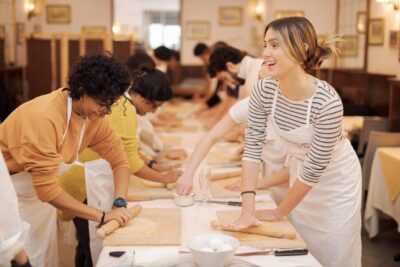
The first major task is making pasta dough from scratch. You combine the ingredients, work the dough, and learn how it should feel before rolling it out. This is the useful part of the class, because pasta making often looks easier than it feels when you first try it at home.
You will practice rolling and cutting the dough, then prepare the filling and sauce. The class covers more than pasta shape alone. The chefs explain the fillings and sauces as well, so you get a better idea of how a finished dish is built.
Ravioli is the star of this section. You fill the pasta, seal it, and prepare it for cooking. This requires a little care: too much filling can make the edges difficult to close, while poorly sealed pasta can open in the water. Having a chef nearby should help beginners avoid the usual mistakes.
The recipes are provided, which makes this more useful than a meal you simply enjoy and forget. You can try the dishes again at home. One practical warning from the class experience is that you may want a pasta machine afterward, especially if you plan to make fresh pasta often. You can still learn a great deal by hand, but rolling dough evenly takes practice.
The pasta lesson also gives you a chance to ask about ingredients. One private-class group especially appreciated learning about where ingredients came from, while another found the discussion of fillings and sauces as valuable as the pasta work itself. That suggests the lesson is aimed at teaching the full dish, not just producing something attractive for a photograph.
Making tiramisu from the creamy layers up
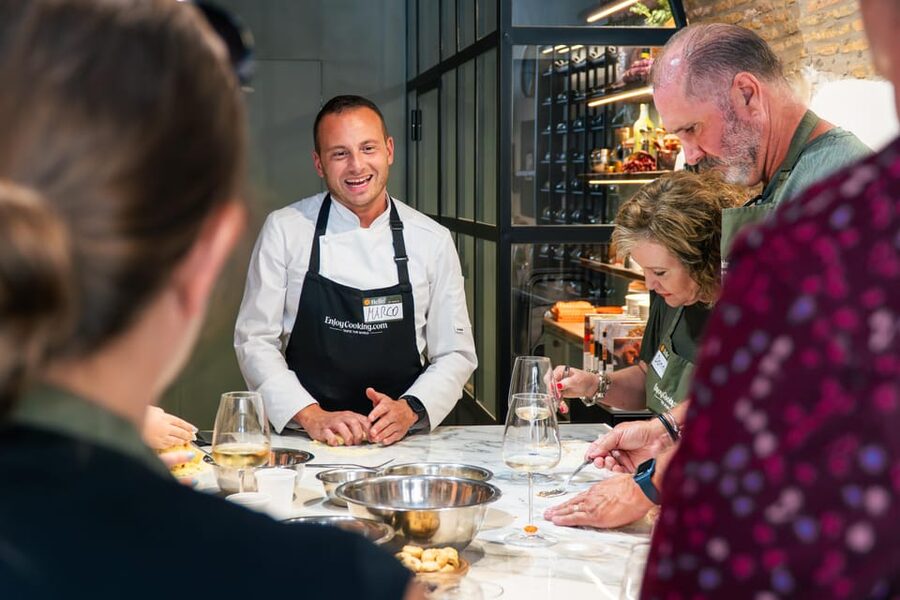
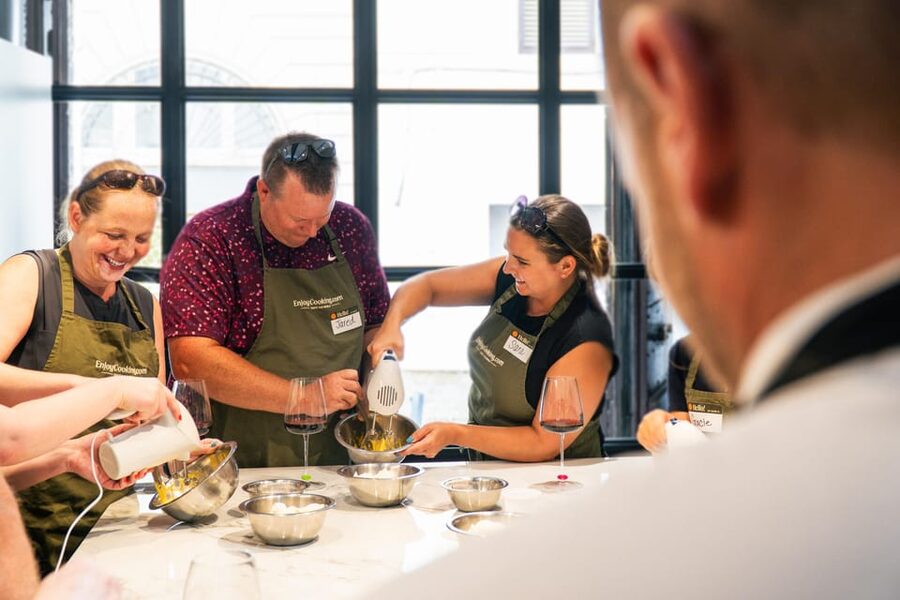
After the pasta work, you prepare tiramisu. This is a good second recipe because it changes the pace of the class. Instead of rolling dough and filling ravioli, you focus on building a dessert one layer at a time.
The chefs guide you through preparing the creamy mixture and assembling the dessert. You make each part rather than receiving a finished portion. The recipe is included, so you can repeat it at home.
The tiramisu has been a major favorite in the class. One participant called it the best they had ever tasted, while another was already planning to recreate it at home. That praise should be taken as a sign that the dessert receives real attention, not as a promise that every palate will agree.
The mention of savoiardi biscuits is useful if you want to copy the recipe later. You may need to search for the right biscuits and other Italian ingredients at home. One group specifically planned to look for proper savoiardi and mozzarella after returning from Rome.
Tiramisu also makes this class appealing to people who are less interested in pasta technique. You still get a complete Italian meal, and the dessert is a straightforward recipe to share with family or friends later.
Wine, conversation, and the shared meal
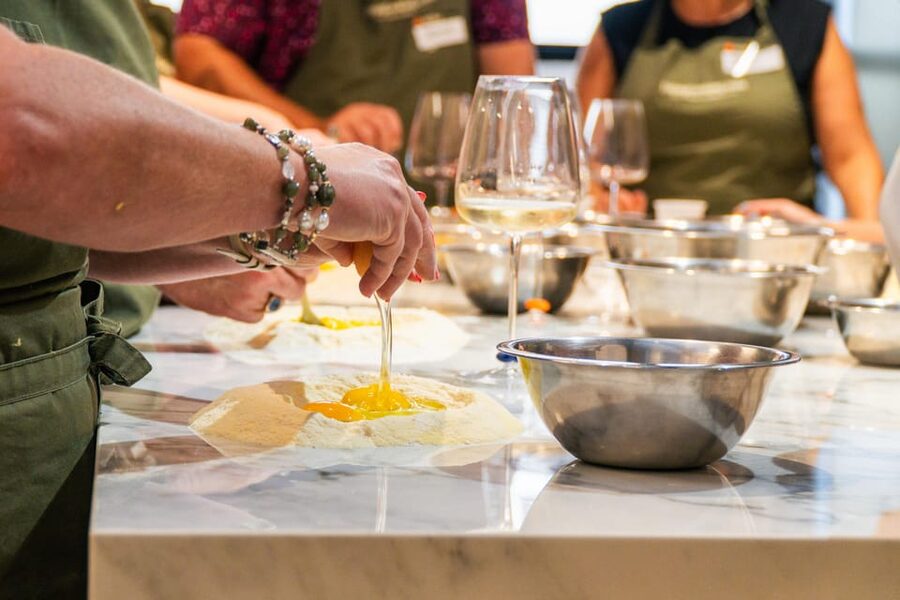
Italian wine is included and described as free-flowing throughout the experience. You pour it yourself, which keeps the arrangement informal. Soft drinks are also available, so you do not have to drink wine to take part.
The wine is not just an extra drink added to the price. It helps shape the evening into a social meal rather than a strict cooking lesson. Snacks are placed in the middle of the table, and the group eventually sits down together to eat what it has made.
That social format is one of the strongest reasons to book this activity if you are traveling alone or want an easy evening with other people. A solo visitor particularly enjoyed meeting the group, laughing with the chef, and learning while drinking wine. Couples and families can also take part without needing previous cooking experience.
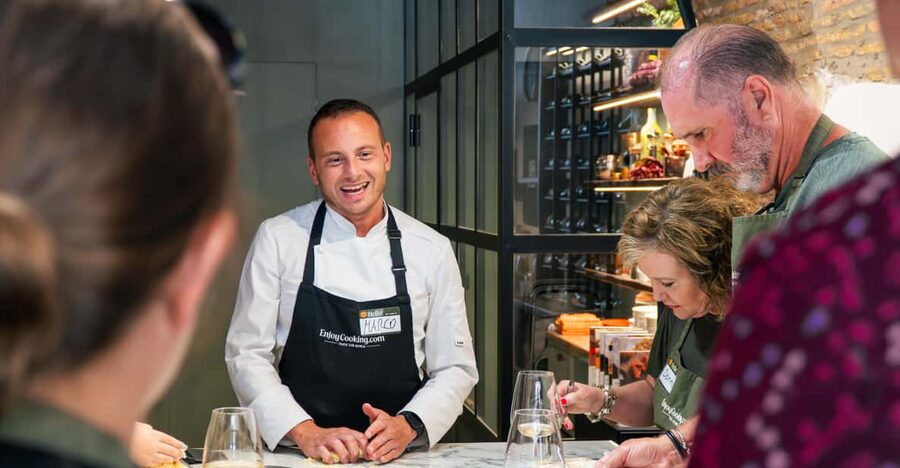
The guides are an important part of the mood. Marco is repeatedly praised for his humor, warmth, and ability to make people feel comfortable. He even kept teenagers engaged during a private class. Max is described as both entertaining and clear, while Alex is praised for making the food approachable and the class enjoyable.
The personalities may vary depending on your date, but the teaching style appears to be friendly rather than formal. That is good news if you feel nervous about cooking in front of strangers. You are not expected to arrive with advanced skills.
Still, the wine deserves a practical note. Three hours of cooking, eating, and free-flowing wine can make the evening longer and more indulgent than planned. If you have an early tour the next morning, pace yourself.
More Tiramisu and Dessert Classes in Rome
- Rome: 3-in-1 Fettuccine, Ravioli, and Tiramisu Cooking Class
★ 4.9 · 2,704 reviews - Fettuccine & Tiramisù: Cooking Class with Wine & Limoncello
★ 4.9 · 2,103 reviews - Rome: Pasta & Tiramisu Cooking Class near the Spanish Steps
★ 4.8 · 1,395 reviews - Cooking Class in the Heart of Rome: Pizza and Tiramisu Making
★ 5.0 · 1,330 reviews
Why the small group matters
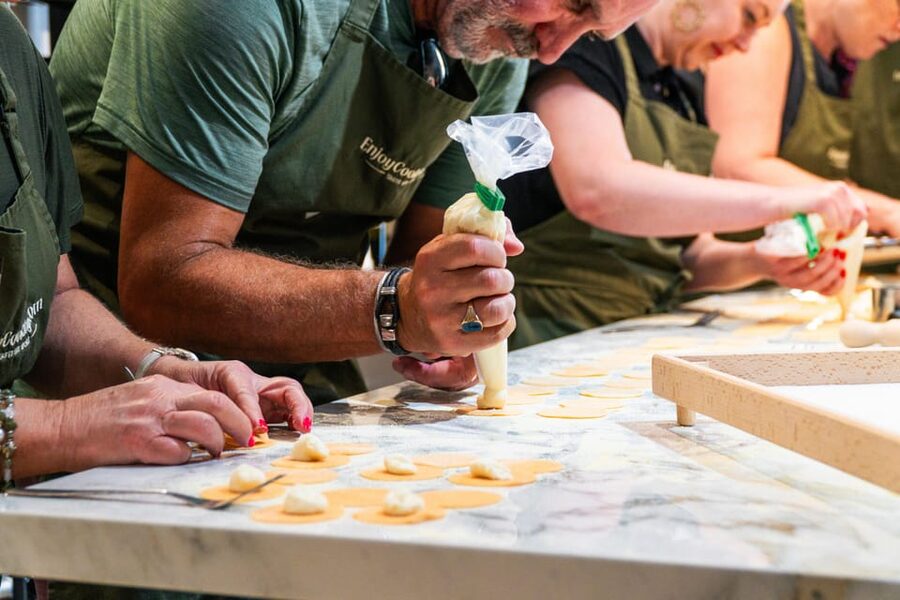
A maximum of 10 participants is one of the most useful details here. Cooking classes can become frustrating when several people need help at once. A smaller group gives the chef more time to check your dough, explain your ravioli seal, or answer questions about ingredients.
The class may be even smaller on some dates. One group found itself in a private lesson because nobody else had booked the same time slot. That is not something you should assume will happen, but it shows how the size can vary.
A small group also helps with the meal at the end. You have room to talk, compare pasta shapes, and share the results without the experience feeling like a crowded workshop. The atmosphere is part of the value, especially if this is one of your few planned evenings in Rome.
The tradeoff is that the class depends partly on the chemistry of the group and the style of the chef. A lively group can make the night memorable. A quieter group may produce a calmer class. The guides seem to work hard to keep things friendly, but no cooking class can control every personality at the table.
The Colosseum setting and planning your evening
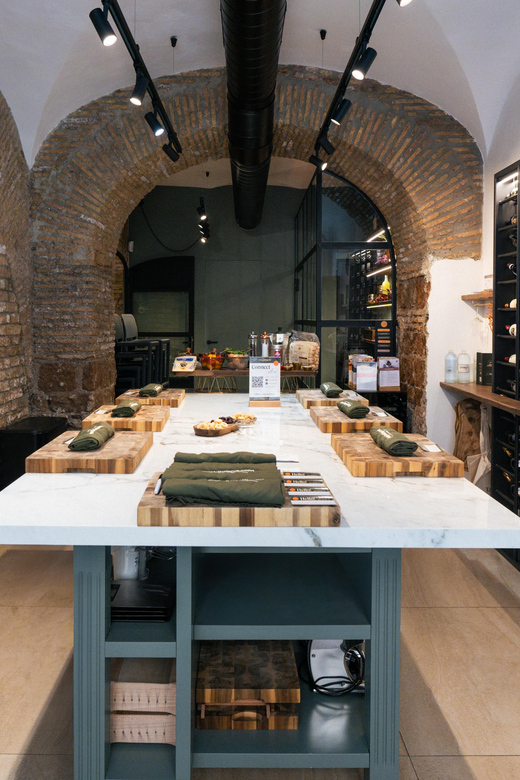
The experience takes place by the Colosseum, but it is primarily a cooking class, not a guided monument visit. Do not book it expecting an indoor tour of the Colosseum or a history lesson about ancient Rome.
The location does make it easy to combine food with sightseeing. One participant recommended walking around the Colosseum afterward, when the monument is lit at night. That can be a fine plan if your class ends at a suitable time, but check your confirmed meeting point and the exact start time before building your evening around it.
Meeting points may vary depending on the option booked. Read the booking details carefully and leave enough time to reach the correct location. Transportation is not included, and the activity returns to the meeting point at the end.
Wear clothes suitable for cooking. This is not the place for your most delicate outfit. The activity runs in all weather, since the cooking takes place indoors, but rain or heat may still affect your journey to the meeting point.
Who should book this class?
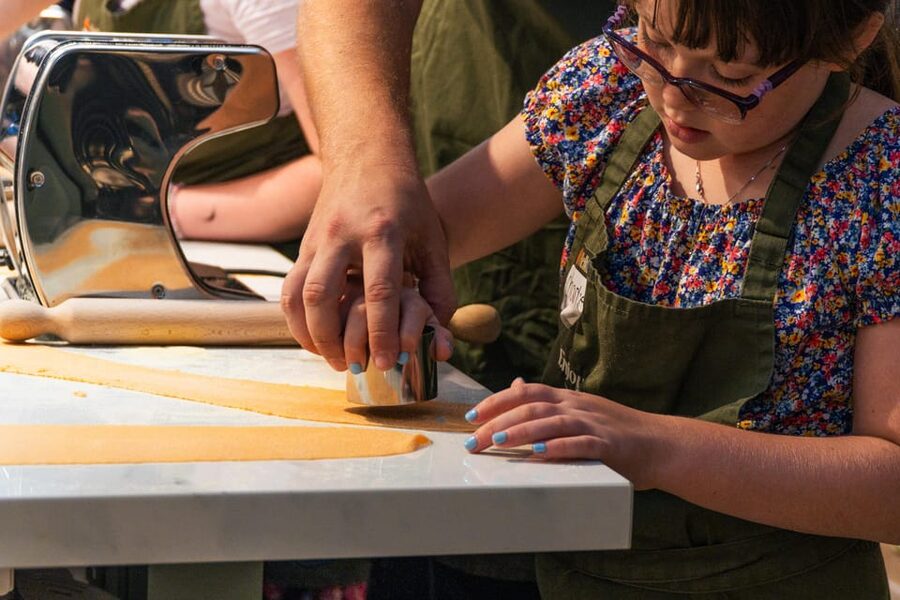
I would recommend it to you if you want an active food experience rather than another sightseeing tour. It works especially well for:
- Couples looking for a relaxed evening activity
- Families with older children or teenagers
- Solo visitors who want an easy social setting
- Beginners who want clear instruction
- Pasta fans who want recipes they can use at home
- Anyone who enjoys wine, conversation, and a shared meal
You do not need cooking experience. The chefs guide you through each stage, and the class is built for beginners as well as more confident cooks.
This may not suit you if you have a severe nut allergy or need a strict gluten-free meal. The ingredients may contain traces, and those restrictions may not be possible to accommodate. Tell the provider about allergies or dietary needs immediately after booking, but do not assume that every request can be met.
It may also be less appealing if you want a quiet, private meal or a polished restaurant experience. You will be handling food, working beside other people, and eating the results as part of a group.
Is $112.15 a good value?
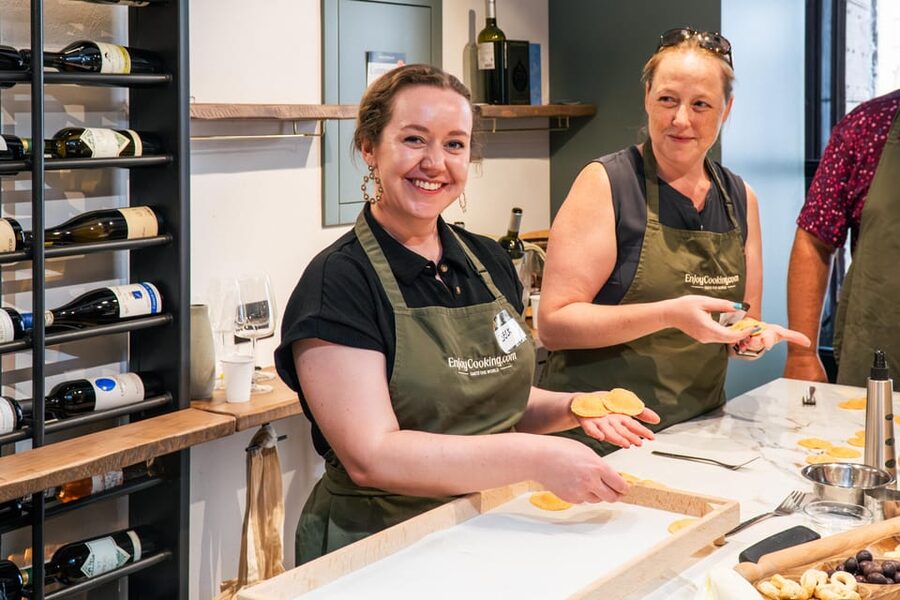
At $112.15 per person, this is not a cheap pasta dinner. The price makes more sense when you count what is included: three hours of instruction, two handmade pasta preparations, ravioli filling and sauce work, tiramisu, Italian wine, and a recipe book.
You are also paying for the setting and the personal attention of a small group. A meal near the Colosseum can cost a great deal on its own, but that would not give you the skills or recipes to repeat the dishes later. If you enjoy cooking, the lesson adds lasting value.
The price is harder to justify if you mainly want to eat Italian food without working for it. You will spend much of the evening mixing, rolling, filling, assembling, and waiting for the final meal. For some people, that is the whole point. For others, a restaurant table will be a better use of the budget.
The included wine improves the value for adults who plan to drink. Soft drinks are available, but you should not book solely for the wine if you do not drink alcohol. The strongest value comes from the combination of instruction, food, recipes, and a small-group evening.
Booking details to keep in mind
You can cancel up to 24 hours before the activity for a full refund. A reserve-now, pay-later option is available, which helps if your Rome schedule is still changing.
Check the starting time and meeting point before booking. Since transportation is not included and the meeting point may differ by option, allow extra time to get there. Late arrivals are not guaranteed entry, so arriving at the last minute is a poor plan.
The class runs regardless of weather. Wear practical cooking clothes, and share allergies or dietary restrictions as soon as you book. Severe nut allergies and gluten-free diets may not be possible to accommodate because of trace ingredients.
Should you book the Rome pasta class?
Yes, if you want a social, hands-on evening and enjoy the idea of making your own dinner. The combination of handmade pasta, ravioli, tiramisu, Italian wine, and a maximum of 10 people gives you more than a standard restaurant meal.
I especially like that the recipes go home with you. Marco, Max, and Alex are praised for making the class friendly and easy to follow, and the food itself receives strong approval. The Colosseum location is a useful bonus for an evening walk afterward.
Skip it if you need strict allergy control, dislike group activities, or would rather spend three hours being served than cooking. For everyone else, this is a good-value Rome experience that lets you take home more than a full stomach.
FAQ
How long does the cooking class last?
The activity lasts three hours. Starting times vary, so check availability for the date you want.
What will I learn to make?
You will make two types of handmade pasta from scratch, including ravioli, along with fillings and sauces. You will also prepare tiramisu.
Is wine included?
Yes. Free-flowing Italian wine is included during the class. Soft drinks are available as an alternative.
How many people are in the class?
The class is limited to a maximum of 10 participants. On some dates, the group may be smaller.
Is the class taught in English?
Yes. The instructor language is English.
Can people with allergies or dietary restrictions attend?
You should report allergies or dietary restrictions immediately after booking. Severe nut allergies and gluten-free diets may not be possible to accommodate because trace amounts could be present.
Just added around Rome
- Testaccio: Home Cooking Cacio e Pepe, Amatriciana, Carbonara★ 4.9 · 57 reviews
- Super Fun Pasta and Gelato Cooking Class by the Vatican★ 5.0 · 6 reviews
- Spritz and Spaghetti Traditional Cooking Class in Rome★ 4.9 · 30 reviews
- ROME:Hands-On Lasagna & Marsala Tiramisu Cooking Experience”★ 5.0 · 3 reviews
- Rome: Trastevere Pasta Making Class★ 4.9 · 33 reviews
- Rome: Traditional Pasta and Tiramisu Cooking Class★ 5.0 · 4 reviews
- Rome: Vatican Food Tours, Cooking classes & Free Tours★ 4.9 · 11 reviews
- Rome: Small Group Pasta cooking class near Piazza Navona★ 4.9 · 8 reviews
Pasta Making Classes, compared.


3 in 1 Cooking Class near Navona: Fettuccine, Ravioli & Tiramisu
Read our review →
Pasta & Tiramisu Cooking Class with Unlimited Wine
Read our review →
Pasta Making Class with Wine, Limoncello, and Dessert
Read our review →
Rome Cooking Class: Make Pasta and 3 Spritz Cocktails
Read our review →
3-in-1 Fettuccine, Ravioli, and Tiramisu Cooking Class
Read our review →