
REVIEW · AGRA, INDIA
Agra Cooking Classes (Pick up and Drop available)
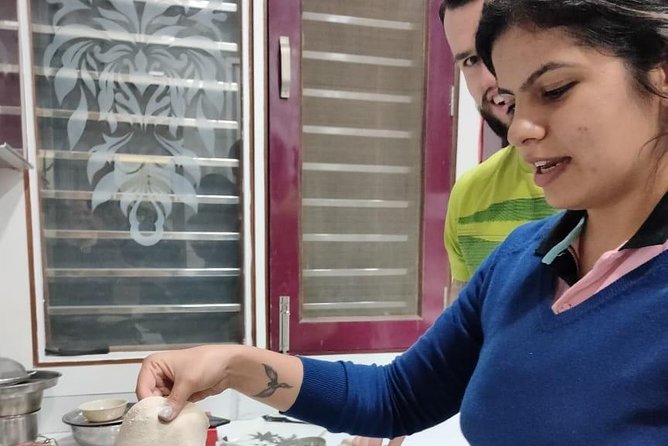
Come hungry, leave with recipes. This two-hour Agra cooking class gives you a rare chance to enter an Indian home, cook a traditional meal with a local family, and sit down to eat what you helped prepare. I like the hands-on cooking and the chance to learn directly from an Indian mother, with her son helping as an interpreter. I also like that pickup and drop-off are available, a real help after a long day around the Taj Mahal.
The main consideration is simple: this is a short home cooking session, not a full food tour or professional chef school. You should also confirm pickup details before setting out, since the listed meeting point is in the Tajganj area and the activity ends back there.
Key Points About the Agra Home Cooking Class
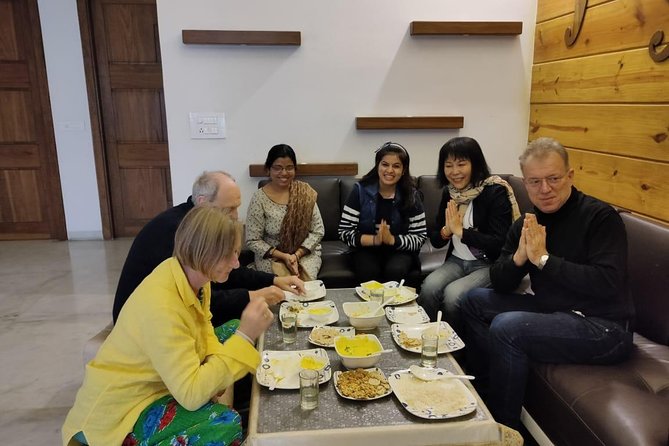
- Cook in a private Indian home: You spend the session with a local host and family rather than in a formal cooking studio.
- Learn several everyday dishes: The class covers roti, kabab, Indian spices, and a vegetarian main dish of your choice.
- Eat the meal you prepare: The cooking ends with a full meal, giving you a direct taste of your work.
- Take the recipes home: Participants have received a recipe list, and a PDF was also promised in one case.
- Private for your group: Only your party takes part, with group discounts available.
- Good value at $8: Equipment, bottled water, cooking instruction, food, and private transportation are included.
Why This Small Class Works So Well in Agra
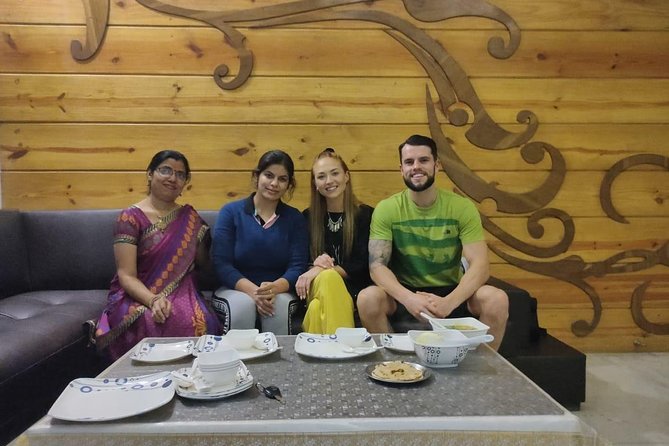
Agra is best known for grand monuments, but the city is also a good place to spend time in an ordinary Indian home. This cooking class gives you that chance without requiring a full day or a large budget.
For about two hours, you learn how Indian home cooking comes together. You are not simply watching someone prepare food in front of you. You help make it, ask questions, handle the ingredients, and then eat the finished dishes.
I especially like the family setup. The cook is described as an Indian mother, while her son helps interpret. That arrangement can make the class feel personal and easier to follow, especially if you are not comfortable speaking English. One participant who was visiting India for the first time said the host explained things slowly and carefully enough to make the cooking and cultural details clear.
That human contact is the real reason to book. You can find Indian food in restaurants all over Agra. It is harder to share a kitchen and a meal with a family.
A few more cooking classes around India worth a look
- Pink City Cooking Class
★ 5.0 · 452 reviews - Five Course Cooking Class & Meal
★ 5.0 · 250 reviews - Veg and Non veg : Private Cooking Class in Delhi home (7 meal)
★ 5.0 · 226 reviews
Starting at the Tajganj Meeting Point
The listed starting point is Trocals, B-3 Rahul Vihar, Agra Shamshabad Raja Kherah Marg, Rajpur Chungi, Indrapuram, Tajganj, Agra, Uttar Pradesh 282001. The experience ends back at the same meeting point.
Pickup and drop-off are available, and private transportation is included. This matters in Agra, where getting around can take more effort than the map suggests. If you are staying near the Tajganj area, the meeting point may be convenient. If you are elsewhere, give the provider your location when booking and make sure you understand where the vehicle will meet you.
The activity has a mobile ticket, and confirmation is provided at booking. I would still keep the meeting address and provider details saved offline, especially if you are using a local SIM or relying on spotty hotel Wi-Fi.
Since the experience lasts around two hours, it fits well between sightseeing plans. You could schedule it after visiting the Taj Mahal, before an evening meal, or during a lighter part of your Agra stay. Avoid placing it too close to a train departure or another fixed appointment, since cooking classes can run a little beyond the stated time.
Meeting the Host and Entering the Kitchen
The class begins with a welcome from the family. The setting is a private home, which gives the experience a different feel from a restaurant lesson. You are seeing how food is prepared in a household setting, with the host guiding you through the steps.
Do not expect a polished cooking school with rows of workstations or a long professional lecture. The appeal is the family atmosphere and the chance to ask questions as you cook. The kitchen and dining room have been described as clean and comfortable, which is important when you are working with food in someone’s home.
The host explains the ingredients and shows you how the dishes are made. Her son may help with interpretation, so communication should be manageable for many international visitors. If you have dietary restrictions, tell the provider in advance. The information specifically mentions a vegetarian main dish of your choice, but it does not list every possible dietary accommodation.
This is also a good moment to ask about spice levels and ingredients. Indian cooking depends on balance, not simply heat. You learn how spices work together, how they are used in home recipes, and how familiar ingredients can taste very different when combined in the Indian style.
Learning Indian Spices and Everyday Ingredients
The class puts useful attention on Indian spices and traditional ingredients. That is one of its strongest features because spices are often the part of Indian cooking that feels least familiar to visitors.
You learn by using the ingredients rather than just hearing a list of names. The host explains how they fit into the dishes, and you get a practical sense of how Indian flavors are built. This can help you recreate the meal at home, even if you cannot find every exact ingredient.
The recipes are meant to be approachable. One participant described the food as easy to follow and suitable for making later for friends. Another appreciated that the ingredients could be found in their home country. That makes this class more useful than a one-time food demonstration. You are given a meal, but you also leave with a method you can try again.
The cooking may be especially helpful if you are new to Indian food. Rather than treating the dishes as mysterious restaurant specialties, the class shows you how they can be prepared in a home kitchen.
Same place, a different thing to cook:
- Indian Cooking Class in an Authentic Local Home – Learn 6 Dishes
★ 5.0 · 195 reviews - Durga Cooking Class
★ 5.0 · 159 reviews - Private Guided Cooking Workshop Experience in Jodhphur
★ 5.0 · 158 reviews - Jaipur Market Tour & Vegetarian Rajasthani Home Cooking Class
★ 5.0 · 113 reviews
Making Roti, Kabab, and a Vegetarian Main Dish
The planned dishes include roti, kabab, and a vegetarian main dish of your choice. This gives the class a nice spread of Indian cooking styles.
Roti adds a basic bread-making element. It is a useful skill because flatbreads are central to many Indian meals, and preparing them helps you understand how the meal is assembled rather than treating bread as a side item.
Kabab brings a different texture and preparation method. The exact type is not specified, so you should not book expecting one particular regional recipe. The vegetarian main dish is also chosen from available options, which gives the session some flexibility.
I like this combination because it keeps the meal varied without making the class too long. In two hours, you can learn several core techniques and still have time to eat. The tradeoff is that the instruction will not cover every detail of Indian cuisine. Think of it as a friendly introduction to a few practical home dishes, not a complete culinary course.
The best approach is to take notes or ask for the recipe details as you go. The host has provided recipe lists after the class, and one participant was still waiting for a promised PDF. If having the recipes matters to you, confirm how they will be sent before leaving.
Sitting Down to Eat What You Cooked
The class ends with a full meal. This is more than a pleasant finish. Eating the food immediately helps you understand how the separate dishes work together.
You can taste the spices, texture, and seasoning after seeing each stage of preparation. Food usually makes more sense once you have handled the ingredients yourself. You also get the satisfaction of eating a meal that you helped create rather than simply watching someone else cook.
Several details point to generous portions and plenty to eat. One participant described the food as excellent and plentiful, while another called the meal tasty, thoughtful, and easy to repeat at home. Those comments suggest that the meal is a central part of the experience, not a small sample served at the end.
The dining room has been described as clean and comfortable. That makes the final part feel relaxed, with time to talk to the family and ask follow-up questions about Indian food and daily cooking.
If you have a sensitive stomach, bottled water is included. Personal expenses are not included, so bring money only if you expect to buy something separately, though no extra purchase is required for the class itself.
What the Family Setting Adds
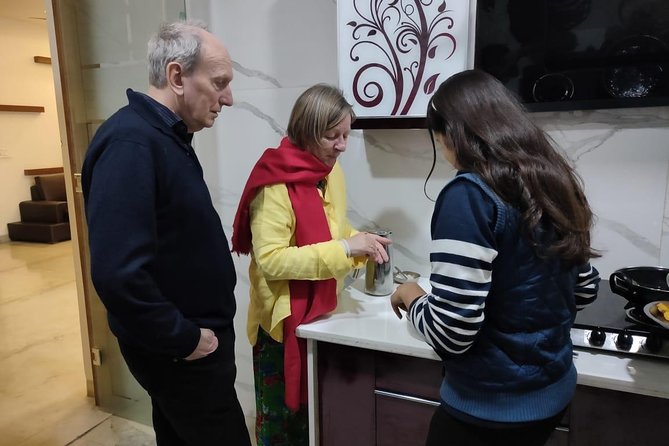
A restaurant cooking lesson can teach technique, but a family home adds context. You see the meal as something people prepare and share, not just as a dish on a menu.
The family connection is particularly useful for visitors who want more than monument photographs in Agra. The class offers a small window into Indian hospitality, with the host welcoming you into her home and preparing food alongside you.
The interpreter role also helps. The mother can focus on teaching, while her son helps explain the steps. That may be useful for anyone who worries about language barriers. One participant with limited English said the careful explanations made it possible to understand both the cooking and aspects of Indian culture.
This does not mean every conversation will be long or that the class becomes a formal cultural lecture. The focus remains food. Still, the setting creates a more personal exchange than you are likely to get in a standard restaurant.
The $8 Price and Overall Value
At $8, this is an unusually inexpensive activity for a private class that includes cooking equipment, bottled water, transportation, and a meal. Even if you counted only the food and transport, the price would be modest. The added value comes from the family setting and the recipes you can use later.
Private transportation can make the price even more appealing if you are traveling with several people. Group discounts are also available, so it is worth checking the rate for your party rather than assuming the listed price is the final total for everyone.
The low price does come with a practical warning. You should keep your expectations realistic. This is not a luxury food experience with elaborate presentation, a professional teaching kitchen, or a long tasting menu. You are paying for a simple, personal introduction to home cooking.
For budget-minded visitors, couples, families, and small groups, the value is strong. It combines an activity, a meal, cultural contact, and transport in about two hours.
Who Should Book This Agra Experience
I would recommend this class to you if you want a personal activity that fits around sightseeing. It works especially well for:
- First-time visitors to India who want a gentle introduction to home cooking
- People who enjoy learning by doing
- Couples and small groups seeking a private experience
- Families looking for a short, practical activity
- Vegetarians who want a specified vegetarian main dish
- Home cooks who want recipes they can repeat later
- Budget visitors who want a meal and activity for one low price
It may be less suitable if you want advanced culinary training, a long market visit, or a detailed tour of Agra’s food scene. The experience does not list a market stop, restaurant visit, or multiple cooking locations.
You should also think about timing. A two-hour session is manageable, but the activity is centered on cooking and eating, so it is best scheduled when you are not rushing to another appointment.
Booking, Pickup, and Cancellation Tips
Pickup and drop-off are available, and the activity returns to the meeting point. Confirm the pickup arrangement with Trocals before the day of the class, especially if you are not staying near Tajganj.
Service animals are allowed, and the location is near public transportation. The class is private, with only your group participating. Group discounts may be available, so ask about them if you are booking for several people.
Free cancellation is available if you cancel at least 24 hours before the start time. Cancellations made within 24 hours are not refunded, and changes within that period are not accepted. The cutoff follows Agra’s local time.
FAQ
How long does the Agra cooking class last?
The class lasts approximately two hours.
Where does the experience start and finish?
It starts at Trocals, B-3 Rahul Vihar, Agra Shamshabad Raja Kherah Marg, Rajpur Chungi, Indrapuram, Tajganj, Agra, Uttar Pradesh 282001, India. The activity ends back at the meeting point.
Is pickup and drop-off available?
Yes. Pickup and drop-off are available, and private transportation is included.
What food will I learn to prepare?
The class includes roti, kabab, and a vegetarian main dish of your choice. You also learn about Indian spices and traditional ingredients.
Is the cooking class private?
Yes. Only your group participates in the activity.
Is cooking equipment provided?
Yes. All cooking equipment is provided, and bottled water is included.
Can I cancel for a full refund?
Yes, if you cancel at least 24 hours before the experience start time. Cancellations within 24 hours are not refunded.
Should You Book the Agra Cooking Class?
Book it if you want a friendly, low-cost way to spend two hours with an Indian family and learn food you can make again at home. The strongest reasons are the private setting, patient instruction, included meal, available recipes, and pickup option.
I would skip it only if you are looking for advanced training, a large menu, or a formal culinary school environment. For most visitors, though, this offers something the Taj Mahal cannot: a chance to sit at a family table, cook with local guidance, and take a practical piece of Agra home with you.
Just added around India
- Private tour to learn Traditional Indian Art, craft & Cooking★ 5.0 · 4 reviews
- Chennai Super Market Tour and Cooking Class with a Fun Local★ 5.0 · 9 reviews
- Neighborhood Market Tour & South Indian Cooking Class in Chennai★ 5.0 · 7 reviews
- Traditional Chettinad Cooking Class in a Local Home near Chennai★ 4.5 · 12 reviews
- Chennai Dosa Making Class & Home-Dining Experience with Jyashree★ 5.0 · 8 reviews
- Cooking experience in Bangalore, a half day tour★ 5.0 · 5 reviews
- Discover Bangalore’s Cuisine: Private Half-Day Cooking Experience★ 5.0 · 3 reviews
- Private South Indian Cooking Class in Bangalore with a Local★ 5.0 · 11 reviews
Cooking Classes, compared.

Half-Day Thai Cooking Class at Organic Farm in Chiang Mai
Read our review →

3 in 1 Cooking Class near Navona: Fettuccine, Ravioli & Tiramisu
Read our review →
Pasta & Tiramisu Cooking Class with Unlimited Wine
Read our review →
Hanoi Cooking Class: Culture, Local Market & Meaning CSR Impact
Read our review →
5 Traditional Dishes Hanoi Cooking Class with Market Trip
Read our review →
Cooking Class and Lunch at a Tuscan Farmhouse with Local Market Tour from Florence
Read our review →
Cooking Class, Market & Thai Herbs Garden Tour
Read our review →Lists this class appears in