
REVIEW · ADDIS ABABA, ETHIOPIA
Unique Ethiopian Cooking Class and Coffee Ceremony with a Local in Addis Ababa
Food opens doors fast. This three-hour Addis Ababa visit brings you into Daniel and Tigist’s home, where you learn to make injera, cook an Ethiopian dish, and roast coffee by hand. I like the small, personal setting and the chance to meet a family rather than sit in a commercial kitchen. I also like that the meal is part of the lesson, not an afterthought.
The outing takes place on the greener outskirts of Addis Ababa, away from the city center’s usual sightseeing circuit. Tigist leads the cooking, while Daniel hosts and helps explain the food and local life. The main drawback is practical: the meeting point can be hard to pin down, hotel pickup is not included, and the $116 price is high compared with a simple restaurant meal or standard cooking demonstration.
What Makes This Addis Ababa Food Visit Special
- You cook in Daniel and Tigist’s family kitchen, not in a purpose-built tourist studio.
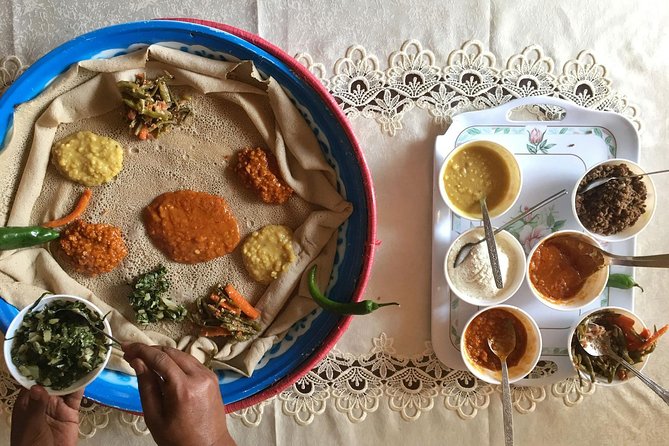
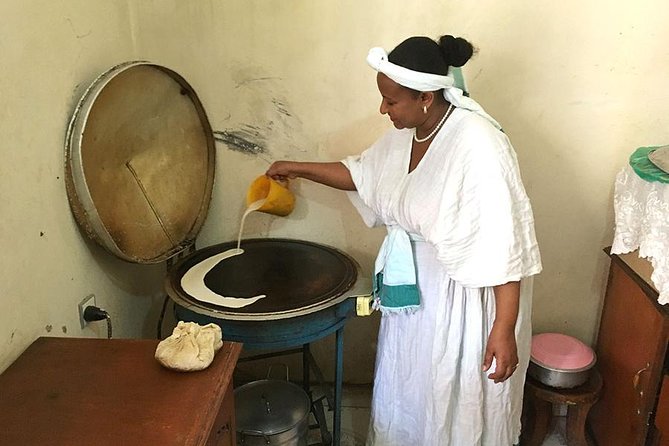
- Injera is part of the lesson, including preparing the batter and learning how to pour the distinctive round flatbread.
- Coffee begins with raw beans, which you roast yourself before the traditional ceremony.
- The menu may include shiro or tibs, with the final dishes changing by season and availability.
- The setting is private and personal, with only your own group taking part.
- Lunch or dinner timing lets you fit the visit around a day of sightseeing in Addis Ababa.
Arriving at a Family Home Outside Central Addis Ababa
The home sits in an outer neighborhood of Addis Ababa that is calmer and greener than the central districts. That location matters. You are not simply being shown a polished version of Ethiopian food. You are seeing the sort of domestic setting where a family prepares meals, displays pictures of their children, and welcomes people into their daily space.
Daniel and Tigist’s house is described as clean, comfortable, and homey. Pictures of their three boys decorate the rooms, and you may meet the children if you visit in the evening or on a weekend. That possibility adds warmth, but it also means the atmosphere is family-based rather than tightly choreographed. If you want a formal class with a fixed script, this may feel loose. If you want conversation and a more natural visit, it is a strong fit.
You arrange your own way to the meeting point. Hotel pickup and drop-off are not included. The stated starting point is an unnamed road in Addis Ababa, so I would confirm the exact location and transport plan before the day of the visit.
One past booking involved confusion over the pickup location, with Japan Market listed at first and Asko Bus Station used later. The journey took about an hour for that party. This does not mean every booking will have the same problem, but it is a useful warning: check the final meeting instructions carefully and allow extra time for Addis Ababa traffic.
More Coffee Stops in the world:
- Da Nang Cooking Class with Coffee Tasting and Market Visit
★ 5.0 · 310 reviews - Hanoi Cooking Class: Pho/Bun Cha/Banh Xeo…+Free Egg/Salt Coffee
★ 5.0 · 267 reviews - Market Tour and Cooking Class with a Coffee Ceremony at a Home in Addis Ababa
★ 5.0 · 32 reviews
Learning Injera, Ethiopia’s Essential Flatbread
The central cooking lesson is injera, the soft, slightly sour flatbread used across much of Ethiopian cuisine. It is not merely something placed under the food. It acts as plate, utensil, and part of the meal itself. You tear off a piece with your right hand, use it to pick up stews or meat, and share the food from the same serving surface.
Tigist shows you how to prepare and pour the batter. The information provided does not promise a complete fermentation lesson from start to finish, and the short class cannot cover every stage in great technical depth. Still, you get to see the key cooking process and try the movement needed to make the flat, lacy bread.
Injera takes practice. The batter must spread in a smooth circle, and the finished bread needs the right texture. Do not expect your first attempt to look like a restaurant version. That is part of the fun. A little unevenness gives you a better feel for the skill involved.
For anyone interested in food technique, this is the most useful part of the visit. You leave with a better understanding of why injera is central to Ethiopian meals, rather than simply remembering that it tastes sour.
Shiro, Tibs, and the Meal You Actually Eat
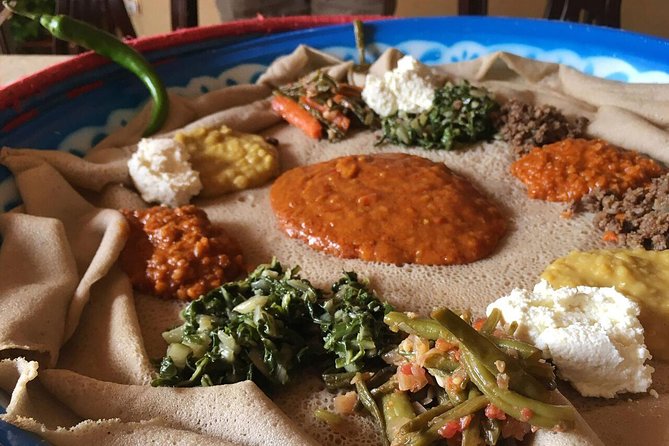
Alongside injera, you might prepare shiro or tibs. Shiro is a stew made with chickpea or broad bean flour, while tibs is stir-fried meat cooked with vegetables and spices. The choice depends on the day, the season, and what ingredients are available.
Shiro is a particularly good introduction to Ethiopian home cooking because it shows how a few basic ingredients can produce a hearty, strongly seasoned dish. Tibs gives you a different lesson, with meat, vegetables, and spices cooked together rather than spooned into a smooth stew.
The menu is not fixed, so you should advise the host about allergies, dietary restrictions, and cooking preferences when you book. A vegetarian option is available. If you want to learn another dish beyond the planned menu, add that request in the booking notes, but expect the cooking period to last longer.
The meal is included, along with beverages and gratuities. That makes the price easier to judge. You are paying for instruction, ingredients, a private host, and a shared meal in a home, not just for a plate of food. Still, at $116 per person, the value depends heavily on how much you care about personal contact and cultural context. If your main goal is to eat cheaply, this is not the right purchase. If you value a private food lesson and a family visit, the cost is more defensible.
Roasting Coffee From Raw Beans
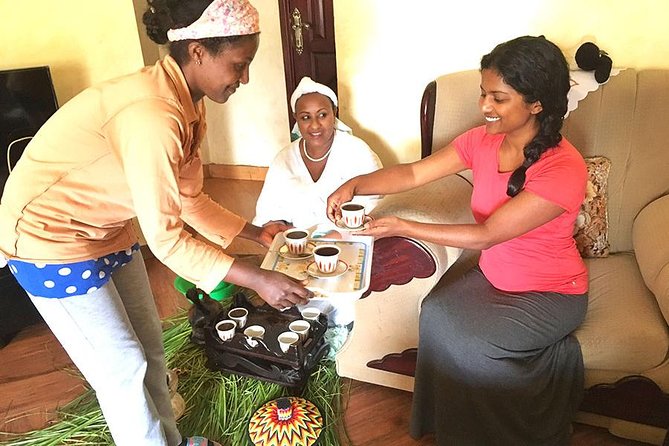
The coffee portion is one of the most memorable parts of the afternoon or evening. You learn to roast coffee beans yourself before taking part in the ceremony. That small step changes your understanding of the drink. Coffee is not treated as a quick caffeine stop here. It is prepared slowly and shared as a social ritual.
The class gives you a chance to see the beans before roasting and then watch them change as they heat. You may also get guidance on how to produce the right roast. The supplied details do not specify every stage of the ceremony, so I would not book expecting a formal lecture on coffee history or a set number of cups. The value is in taking part at home with people who prepare it as part of ordinary life.
I especially like the way the coffee follows the cooking. You first handle food and spices, then sit down with the finished meal and a drink made from beans you helped roast. It gives the visit a natural rhythm instead of feeling like two unrelated activities.
A few more cooking classes around the world worth a look
- Half-Day Thai Cooking Class at Organic Farm in Chiang Mai
★ 5.0 · 19,087 reviews - Florence: Pasta Cooking Class with Unlimited Wine
★ 4.9 · 10,285 reviews - 3 in 1 Cooking Class near Navona: Fettuccine, Ravioli & Tiramisu
★ 5.0 · 7,376 reviews - Florence: Pasta & Tiramisu Cooking Class with Unlimited Wine
★ 4.9 · 6,708 reviews
A Market Stop May Be Possible
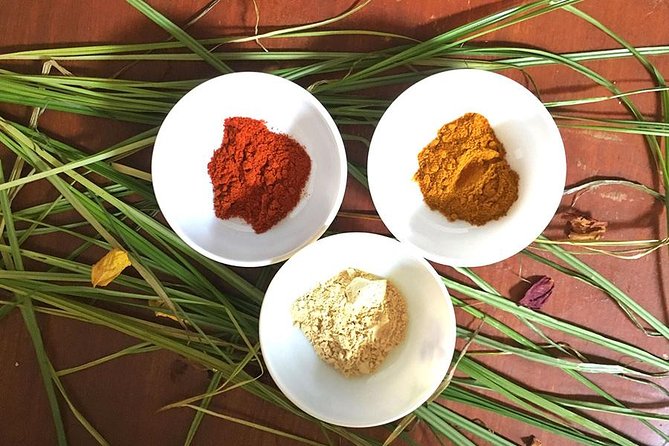
Some arrangements have included a stop at a local market with Daniel before returning home. There, you may discuss herbs, spices, and the ingredients chosen for the meal. This can be a useful addition because it connects the finished dish to the products used in Ethiopian kitchens.
Do not assume the market visit is guaranteed as part of every booking. The main description focuses on the home cooking class and coffee ceremony, while the market appears in individual accounts of the outing. Ask about it when confirming your time if the market is important to you.
If it is included, treat it as a short orientation rather than a separate market tour. The point is to understand the ingredients and perhaps see what Daniel buys for the meal, not to spend hours shopping.
Lunch or Dinner, and the Shape of the Three Hours
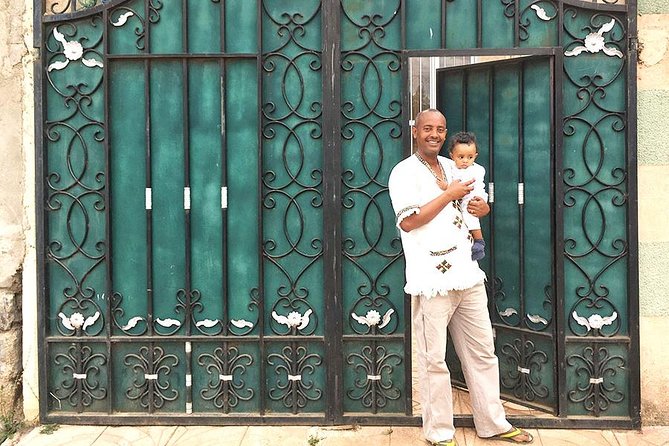
You can choose a lunch or dinner departure. The total visit lasts about three hours, with around two hours devoted to cooking. The remaining time covers arrival, conversation, eating, and the coffee ceremony.
A lunch visit may suit you if you want to spend the evening in central Addis Ababa. A dinner visit can feel more like a family occasion, especially if Daniel and Tigist’s children are at home. The evening option may also be easier to pair with a slower day of sightseeing.
The schedule is not built for rushing. You will need time to listen, ask questions, attempt the recipes, and eat what you helped prepare. If you are trying to fit in several museums or monuments the same day, the outer location and Addis Ababa traffic can make the timetable less predictable.
This is a private activity for your own group. That makes the lesson more flexible than a large class, and you can ask questions without competing for the host’s attention. It also means you should tell the host in advance if you have a particular interest in injera, vegetarian cooking, spices, or an extra dish.
The Family Side of the Experience
Daniel and Tigist are not presented as professional performers. They are local people who cook well and invite you into their home. That difference explains both the charm and the occasional lack of polish.
You may spend time talking about their lives and experiences in Addis Ababa. You may meet their three sons. You may find that the visit feels like a long meal with cooking attached, rather than a class that moves from station to station according to a strict clock.
I think this is the strongest reason to choose the outing. Ethiopian cuisine is easier to understand when you see it in a household setting. You learn not only what goes into shiro or tibs, but also how food, coffee, and conversation fit together.
The tradeoff is that communication and organization may not always be perfect. One person found the pickup arrangements confusing and felt the price was too high for the level of organization. That criticism deserves attention. Confirm the meeting point, ask who will meet you, and make sure your dietary needs have been recorded.
Who Will Get the Most From the $116 Price
I would recommend this most strongly to:
- People who want a private visit rather than a standard group class
- First-time visitors to Ethiopia who want food linked to daily life
- Couples, families, and small groups who enjoy conversation
- Cooks who want to try making injera rather than only eating it
- Coffee drinkers interested in roasting beans by hand
- Visitors with enough schedule flexibility for transport delays
The price works better for a group sharing the personal setting than for someone traveling alone on a strict budget. Group discounts are available, though the exact reduction is not stated, so ask before booking.
It is less suitable if you want a polished culinary school, a central Addis Ababa location, or a guaranteed, tightly timed itinerary. It may also disappoint if you expect to master injera in one afternoon. The class gives you contact with the process, not instant professional skill.
The experience has a 4.7 rating from seven published ratings, which points to strong overall satisfaction but is still a small sample. I would treat the score as encouraging, not as a guarantee that every logistical detail will be perfect.
Booking Tips for a Smoother Visit
Tell the host about allergies, dietary restrictions, and vegetarian needs when you book. The menu can change with the season, so do not assume you will receive a particular dish unless it has been confirmed.
If you want an additional dish, put the request in the notes. Plan for extra cooking time rather than expecting the standard three-hour schedule to remain unchanged.
Confirm the exact meeting point within the 48-hour booking confirmation window. Since the activity does not include hotel transport and the location is outside central Addis Ababa, use a reliable local transport plan and leave a generous buffer.
The experience allows service animals and is near public transportation. Only your group participates, and the activity ends back at the meeting point.
Cancellation is flexible only if handled early. You can receive a full refund by canceling at least two full days before the local start time. Cancellations or changes made inside that period are not refunded or accepted.
Should You Book This Ethiopian Cooking Visit?
Book it if you want food, family life, and coffee in the same visit. The best parts are the home kitchen, Tigist’s instruction with injera, Daniel’s hosting, and the chance to roast coffee from raw beans. The setting feels personal because it is a real home, not a staged classroom.
Think twice if $116 feels steep, if you need hotel pickup, or if precise logistics matter more to you than conversation. Confirm the meeting point and menu requests before you go.
For the right visitor, this is one of the more personal ways to understand Addis Ababa. You will not just take home a recipe. You will leave with a clearer sense of how Ethiopian food is prepared, shared, and folded into family life.
FAQ
How long does the Ethiopian cooking class and coffee ceremony last?
The experience lasts approximately three hours. About two hours are devoted to cooking, with additional time for the meal, beverages, conversation, and coffee ceremony.
Where does the experience take place?
It takes place in Daniel and Tigist’s home kitchen in an outer neighborhood of Addis Ababa. The stated meeting point is an unnamed road in Addis Ababa, and the activity ends back at the meeting point.
Is hotel pickup and drop-off included?
No. Hotel pickup and drop-off are not included, so you must arrange your own way to and from the meeting point.
What dishes might I learn to cook?
You will learn to prepare injera and may also cook shiro, a chickpea or broad bean stew, or tibs, stir-fried meat with vegetables and spices. The menu can vary by season.
Is a vegetarian option available?
Yes. A vegetarian option is available, but you should advise the host when booking. You should also provide details about allergies, dietary restrictions, or cooking preferences at that time.
Can I cancel for a full refund?
Yes, if you cancel at least two full days before the experience’s local start time. Cancellations or changes made less than two full days in advance are not refunded or accepted.
Just added around the world
- Aroidee’s Farm-Fresh Thai Cooking Experience★ 5.0 · 8 reviews
- Signature Thai Cooking Course★ 5.0 · 79 reviews
- Private Half-Day Thai Cooking Class in Chiang Mai★ 5.0 · 4 reviews
- Half Day Guided Thai Cooking Class in Chiang Mai★ 5.0 · 13 reviews
- Online Thai and Akha Cooking Class★ 5.0 · 70 reviews
- Private Virtual Thai Cooking Class★ 5.0 · 9 reviews
- Northern Thai Cooking Class in Chiang Mai in a Countryside Home★ 5.0 · 2 reviews
- 5 Hour Morning Thai Cooking Course★ 5.0 · 31 reviews
Cooking Classes, compared.

Half-Day Thai Cooking Class at Organic Farm in Chiang Mai
Read our review →

3 in 1 Cooking Class near Navona: Fettuccine, Ravioli & Tiramisu
Read our review →
Pasta & Tiramisu Cooking Class with Unlimited Wine
Read our review →
Hanoi Cooking Class: Culture, Local Market & Meaning CSR Impact
Read our review →
5 Traditional Dishes Hanoi Cooking Class with Market Trip
Read our review →
Cooking Class and Lunch at a Tuscan Farmhouse with Local Market Tour from Florence
Read our review →
Cooking Class, Market & Thai Herbs Garden Tour
Read our review →Lists this class appears in