
REVIEW · ANTIGUA, ANTIGUA AND BARBUDA, ANTIGUA AND BARBUDA
St. John’s: Rum Cooking Class with 6 Rum Tastings
Rum tastes better with a view. This four-hour cooking class at Nicole’s Table combines hands-on Caribbean cooking with six regional rum tastings, all in a local home high above the sea. I like the personal setting and the chance to learn how rum works in soup, steak, sides, and dessert. I also like that the recipes are practical enough to make at home.
The main catch is logistics: you must make your own way to Nicole’s Table, and the class is not suitable for wheelchair users. The four-person minimum can also mean a booking is moved to another day if the class does not fill.
Key things to know before booking
- A local home, not a restaurant classroom: You cook and eat on a veranda overlooking the Caribbean Sea.
- Six rums from across the region: The tasting can include rum from Antigua, Guyana, Martinique, and Cuba.
- A full three-course meal: Your cooking becomes lunch, with a starter, main course, sides, and dessert.
- Nicole sets an easygoing tone: You can work hands-on or take a more relaxed approach while she explains the food and Caribbean life.
- A useful cruise-stop schedule: Classes begin at 11:00 and usually finish around 15:00.
- Bring dietary details early: Recipes change with the season, and allergies or special requirements should be shared when booking.
Cooking Caribbean food in Nicole’s home
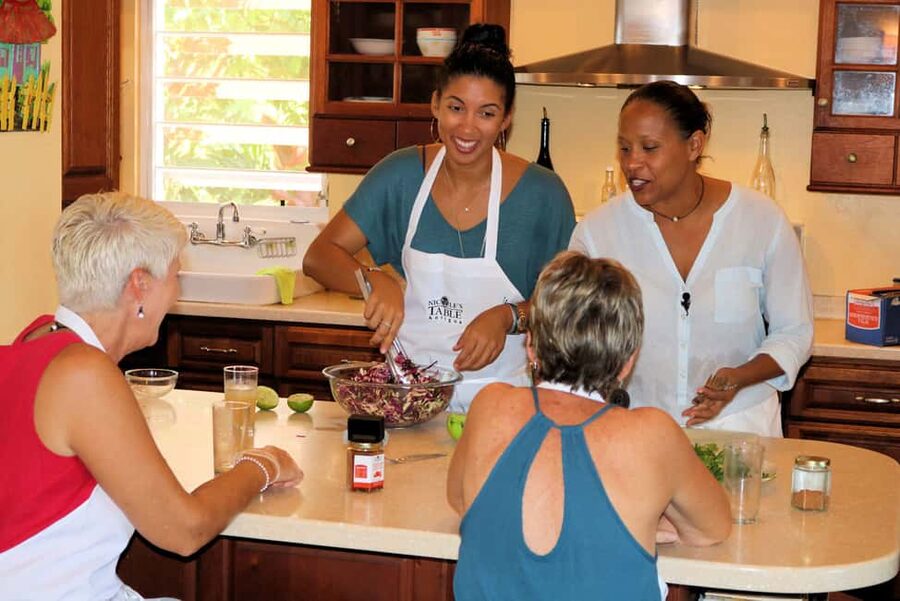
The setting does much of the work here. Nicole’s Table is a private home high on a hill, with a veranda looking across the Caribbean Sea. You are not being ushered through a hotel kitchen or seated in a large commercial dining room. You are visiting a home, meeting Nicole and Adam, and sharing a meal in a setting that feels personal.
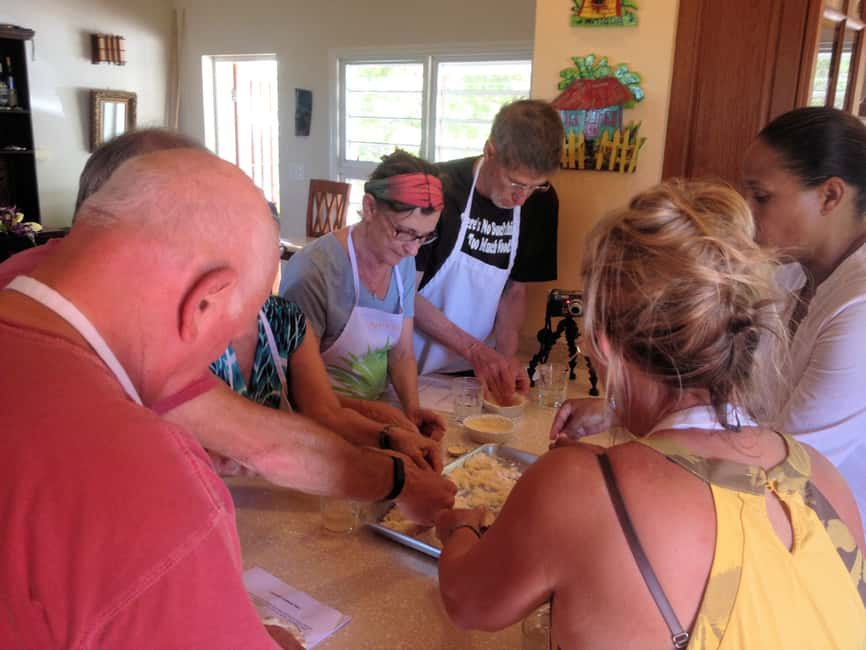
That difference matters. A cooking class can easily become a recipe demonstration with a few token tasks for the visitors. Here, the class is designed to be hands-on, but Nicole also allows you to keep things relaxed. If you enjoy chopping, stirring, seasoning, and asking questions, you can take part throughout. If you prefer to watch, listen, and enjoy the setting, the class can accommodate that style too.
Nicole teaches in an informal way. She explains the food while telling stories about life in the West Indies, so the meal is connected to place rather than presented as a set of disconnected instructions. I like this format for anyone who wants more than a standard sightseeing stop.
The home setting also gives the class a social quality. Previous participants have described Nicole and Adam as warm hosts, and that comes through in the way the day is structured. You are not simply paying for food. You are paying for time in a Caribbean home, conversation, cooking guidance, drinks, and lunch.
A few more cooking classes around the world worth a look
- Half-Day Thai Cooking Class at Organic Farm in Chiang Mai
★ 5.0 · 19,087 reviews - Florence: Pasta Cooking Class with Unlimited Wine
★ 4.9 · 10,285 reviews - 3 in 1 Cooking Class near Navona: Fettuccine, Ravioli & Tiramisu
★ 5.0 · 7,376 reviews
Why rum belongs in the kitchen
Rum is not treated here as something reserved for a cocktail glass. Nicole uses it across the menu, showing how the spirit can add sweetness, warmth, and depth to both savory and sweet dishes.
The background begins in the Caribbean around the 17th century. During the class, you learn about rum’s influence on Caribbean culture and cuisine, then see that influence at work in the food you prepare. This gives the tasting more purpose. You are not sampling six spirits at random. You are learning how rum moves from plantation-era history into modern cooking and drinking traditions.
The regional range is another strong point. Tastings may include rums from Antigua and Guyana, along with examples from Martinique and Cuba. Those places have different rum traditions, so the tasting offers a useful way to compare styles across the Caribbean and nearby South America.
You should pace yourself. Six tastings, a rum punch, and rum used in several courses can add up quickly. The minimum drinking age is 18, and unaccompanied minors are not allowed. Children must be accompanied by an adult, but the class is clearly best suited to adults who enjoy food, conversation, and moderate tasting.
Starting with juice and rum punch
The day typically begins with a local juice and Nicole’s Old-Fashioned Rum Punch. That opening drink sets the tone: casual, local, and tied to the island rather than built around a generic welcome beverage.
The punch also gives you an early example of rum’s role in the Caribbean. It is a drink meant to be enjoyed socially, and it prepares you for the tasting that follows. If you do not drink alcohol, you should ask about your options when booking, since the supplied details do not specify a separate nonalcoholic tasting.
The local juice is useful here because it gives you a break from the alcohol and adds a fresh counterpoint to the punch. Details of the juice can vary, and the menu depends on the season and availability.
The starter: sweet potato soup with rum
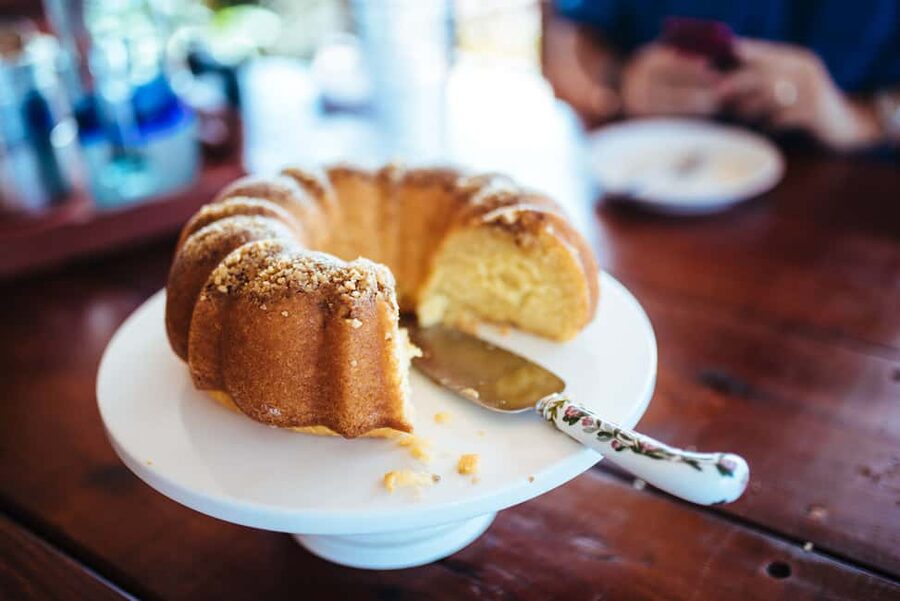
The typical starter is sweet potato soup with rum. This is a smart first cooking lesson because the dish shows how a small amount of rum can support a savory recipe without turning it into a cocktail.
Sweet potato brings natural sweetness and a smooth texture. Rum adds another layer, especially when used carefully. Nicole can explain where it goes, why it works, and how to balance it so the spirit does not overpower the soup.
This is also a recipe with a good chance of earning a place in your home kitchen. You do not need specialist equipment or unusual ingredients to understand the basic method. The class includes a recipe booklet, so you can refer to the dishes after returning home.
The menu may change according to what is available. That is worth accepting as part of the format. You are not signing up for a rigid restaurant menu. You are cooking with the season and learning how Caribbean food adapts to what is on hand.
Same place, a different thing to cook:
- Florence: Pasta & Tiramisu Cooking Class with Unlimited Wine
★ 4.9 · 6,708 reviews - Hanoi Cooking Class: Culture, Local Market & Meaning CSR Impact
★ 5.0 · 5,147 reviews - 5 Traditional Dishes Hanoi Cooking Class with Market Trip
★ 5.0 · 4,890 reviews - Cooking Class and Lunch at a Tuscan Farmhouse with Local Market Tour from Florence
★ 5.0 · 4,831 reviews
The main course: rum-marinated flank steak
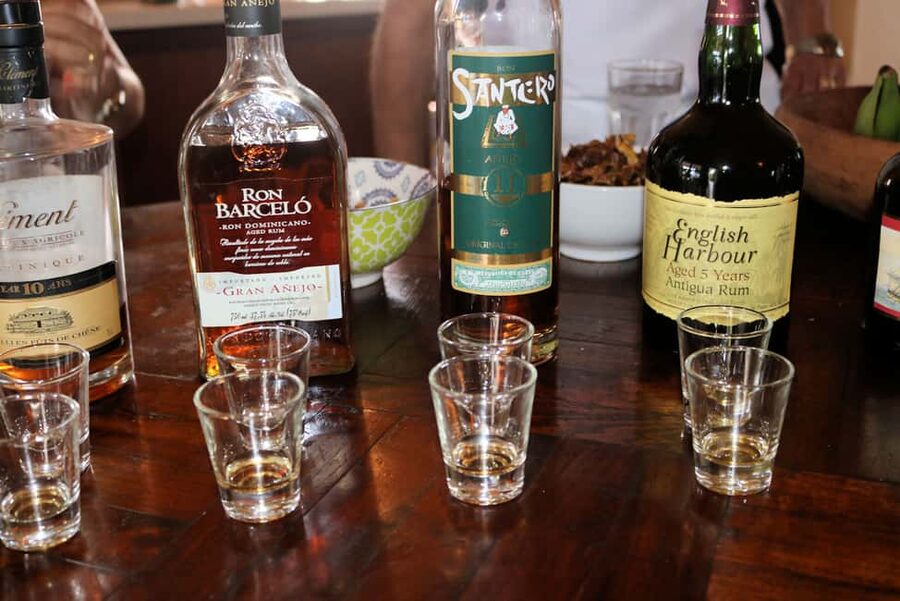
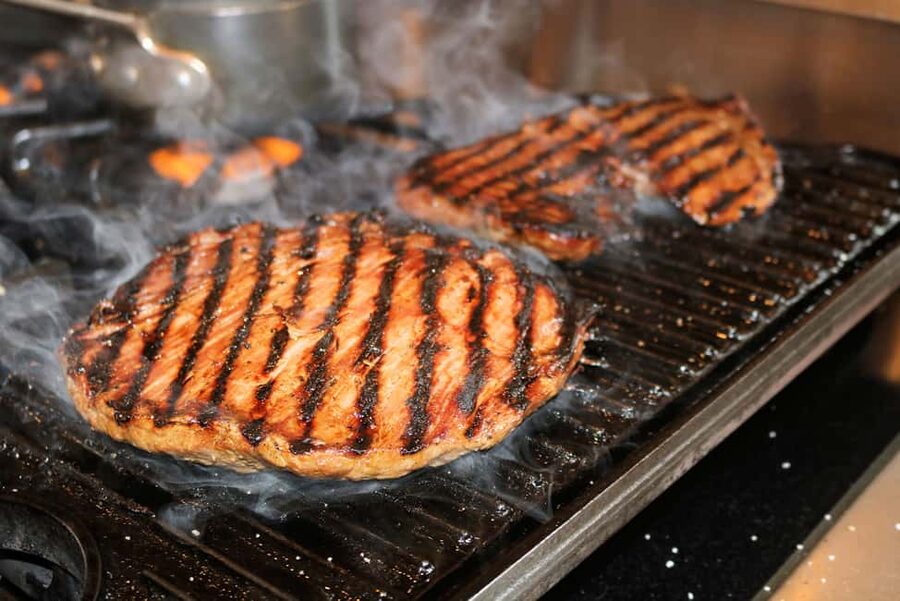
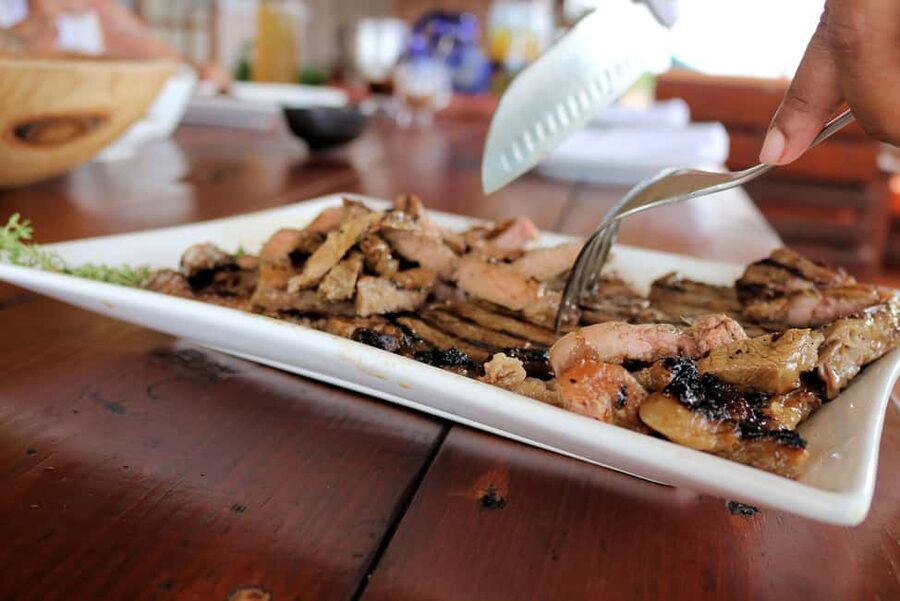
The main course typically features flank steak marinated in rum and brown sugar, served with onion jam. This is the most direct example of rum being used as a marinade, with sweetness and alcohol helping shape the flavor of the meat.
The onion jam adds another sweet and savory element, so the dish is built around balance rather than heat alone. You learn how a marinade works, how brown sugar changes the flavor, and how a sauce or relish can support the main ingredient.
The sides make the plate feel like a proper Caribbean lunch:
- Plantains wrapped in bacon
- Red beans and rice
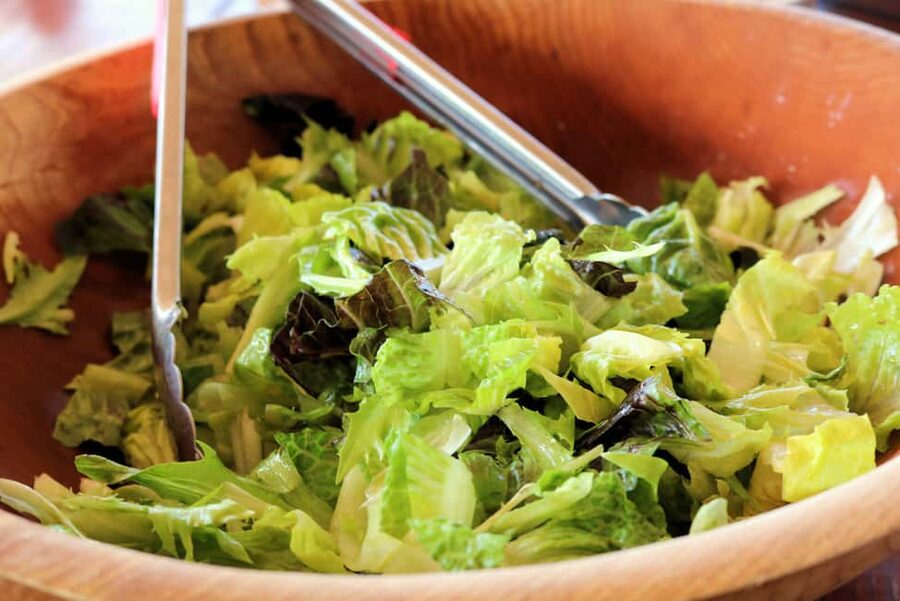
- Garden salad
Plantains wrapped in bacon give you a combination of sweet, salty, and savory flavors. Red beans and rice provide a familiar regional staple, while the garden salad keeps the meal from becoming too heavy. The menu is generous enough to make the class feel like lunch, not just a tasting session with a few sample bites.
If you do not eat beef or pork, tell the provider about your dietary needs at the time of booking. Specific substitutions are not listed, so you should not assume the standard menu can be changed without notice.
Dessert with rum-soaked raisins
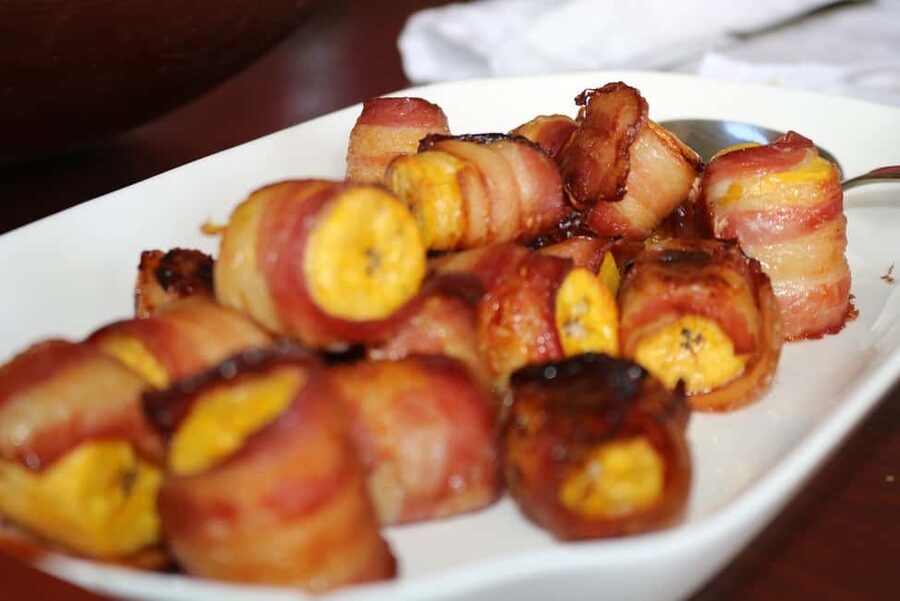
Dessert keeps rum at the center of the meal. Depending on the menu, you may prepare bread pudding with rum-soaked raisins and butter rum sauce, or a butter rum cake.
Both options show a different use of the spirit. In the pudding, rum becomes part of the fruit and sauce. In the cake, it helps shape the dessert itself. The butter rum sauce also gives you another useful technique to take home.
This final course rounds out the lesson. You have seen rum used in a drink, a soup, a marinade, and a dessert. That broad use is what makes the class more interesting than a simple tasting. You leave with a better sense of how one ingredient can work across an entire meal.
The food is also part of the strongest appeal. Past participants have praised the taste of the dishes and the fact that the recipes are easy to make at home. That is a good sign for anyone who wants a practical class rather than a showpiece meal that would be hard to repeat.
Six regional rums and what you get for the price
At $164 per person, this is not a cheap lunch. You should judge the price against the full four-hour package rather than the food alone.
Your cost includes the cooking instruction, meals, drinks, six rum tastings, the recipe booklet, and the home setting. You also receive several hours with Nicole and Adam, including the stories and background that make the meal feel connected to Antigua and the wider Caribbean.
The value is strongest if you would otherwise book several separate activities. A rum tasting, a cooking lesson, and a full lunch would each take time and money. Here they are combined into one half-day visit.
The value is weaker if you do not drink rum, dislike group cooking, or mainly want a quick scenic stop. The class is built around rum, and the cooking portion is central. You should not book it expecting a short demonstration followed by a long stretch of free time.
The six-rum tasting deserves a little caution. It is a chance to compare regional styles, but you should enjoy small tastes slowly. With a rum punch and rum in the meal, the experience is better when approached as a guided tasting rather than a race through six glasses.
Timing your visit from a cruise or hotel
Classes start at 11:00 and usually finish around 15:00. That four-hour window works well for a cruise passenger with a substantial port stop, or for someone staying in Antigua who wants to give one morning and early afternoon to food.
There is no hotel pickup or drop-off. After booking, you receive directions to Nicole’s Table, so allow time to reach the meeting point and confirm your transport plan before the day begins.
This is an important practical point. The hilltop home is part of the appeal, but the experience is not designed as a door-to-door excursion. If you are visiting from a cruise ship, check your ship’s port schedule and leave enough time for the return journey. The advertised class time does not include getting to or from the home.
The class may need to move to another day if it does not reach the four-person minimum. If your party has fewer than four people, joining an existing class is the safest choice. You can also contact Nicole’s Table before booking if your dates are tight.
What the setting and teaching style add
The view is lovely, but the setting matters for more than photographs. Eating on a veranda overlooking the sea gives the meal a clear sense of place. You are not just preparing food that could be served anywhere. You are eating it in the home where the class takes place, with the Caribbean spread out beyond the table.
Nicole’s informal teaching style should suit people who dislike stiff demonstrations. She explains the food, discusses rum, and shares stories about living in the West Indies. Adam takes part in the rum tasting, adding another voice to the day.
The personal approach has a tradeoff. A private-home class may feel less polished than a large cooking school with formal stations and a fixed script. That is not a flaw if you want a relaxed local encounter, but it may not suit you if you prefer strict timing, technical instruction, or a professional kitchen setup.
The class also has physical limits. It is not suitable for wheelchair users, and hand washing is required. If you have flu-like symptoms, you will be asked to wear a mask. These rules are simple, but they are worth knowing before you arrive.
Who should book Nicole’s Table?
I would recommend this class to you if you enjoy food as a way to understand a place. It is especially well suited to couples, friends, adult families, and cruise passengers who want a more personal Antigua activity than a standard beach stop.
You will get the most from it if you:
- Enjoy rum or want to learn how it is used in cooking
- Like informal conversation and home-based experiences
- Want a full meal rather than small samples
- Appreciate recipes you can repeat at home
- Have about four hours available in the middle of the day
- Can arrange your own transport to Nicole’s Table
You may want another activity if you need wheelchair access, do not drink alcohol, have strict dietary restrictions, or want an activity with hotel transportation included. Ask about allergies and dietary needs when booking, since the menu depends on season and availability.
Should you book this Antigua cooking class?
I would book Nicole’s Table if you want a social, food-focused half-day with a strong sense of place. The combination of six regional rums, a three-course lunch, a hilltop home, and Nicole’s relaxed teaching makes this more personal than a standard cooking demonstration.
The best reason to choose it is the mix of food and hospitality. You learn how rum appears in Caribbean cooking, prepare dishes such as sweet potato soup and rum-marinated steak, then sit down to eat what you made. That gives the class a clear beginning, middle, and end.
Just plan carefully. Arrange your own transport, confirm dietary requirements, allow for the four-person minimum, and keep the 11:00 to 15:00 schedule in mind. If those details work for you, this is a memorable choice for an Antigua port day or a relaxed afternoon away from the resort.
FAQ
Where does the cooking class take place?
The class takes place at Nicole’s Table, a local home high on a hill overlooking the Caribbean Sea in Antigua.
How long does the experience last?
The class lasts about four hours. Classes start at 11:00 and usually finish around 15:00.
Is transportation included?
No. Hotel pickup and drop-off are not included, and there is no pickup service. You receive directions to Nicole’s Table after making a reservation.
How many rums are included?
The experience includes tastings of six regional rums. The selection can include rum from Antigua, Guyana, Martinique, and Cuba.
What food is included?
A typical menu includes local juice, rum punch, sweet potato soup with rum, rum and brown sugar marinated flank steak, onion jam, plantains wrapped in bacon, red beans and rice, garden salad, and either rum bread pudding or butter rum cake.
Can I share dietary requirements?
Yes. You should provide specific dietary requirements, especially food allergies, when booking. Recipes depend on the season and ingredient availability.
Is the class suitable for children or wheelchair users?
Children must be accompanied by an adult, and the minimum drinking age is 18. The activity is not suitable for wheelchair users.
Just added around the world
- Aroidee’s Farm-Fresh Thai Cooking Experience★ 5.0 · 8 reviews
- Half Day Guided Thai Cooking Class in Chiang Mai★ 5.0 · 13 reviews
- Signature Thai Cooking Course★ 5.0 · 79 reviews
- Private Half-Day Thai Cooking Class in Chiang Mai★ 5.0 · 4 reviews
- Online Thai and Akha Cooking Class★ 5.0 · 70 reviews
- Private Virtual Thai Cooking Class★ 5.0 · 9 reviews
- Northern Thai Cooking Class in Chiang Mai in a Countryside Home★ 5.0 · 2 reviews
- 5 Hour Morning Thai Cooking Course★ 5.0 · 31 reviews
Cooking Classes, compared.

Half-Day Thai Cooking Class at Organic Farm in Chiang Mai
Read our review →

3 in 1 Cooking Class near Navona: Fettuccine, Ravioli & Tiramisu
Read our review →
Pasta & Tiramisu Cooking Class with Unlimited Wine
Read our review →
Hanoi Cooking Class: Culture, Local Market & Meaning CSR Impact
Read our review →
5 Traditional Dishes Hanoi Cooking Class with Market Trip
Read our review →
Cooking Class and Lunch at a Tuscan Farmhouse with Local Market Tour from Florence
Read our review →