
REVIEW · CENTRAL SLOVENIA, SLOVENIA
Slovenia: Belokranjska Pogača Cooking Class
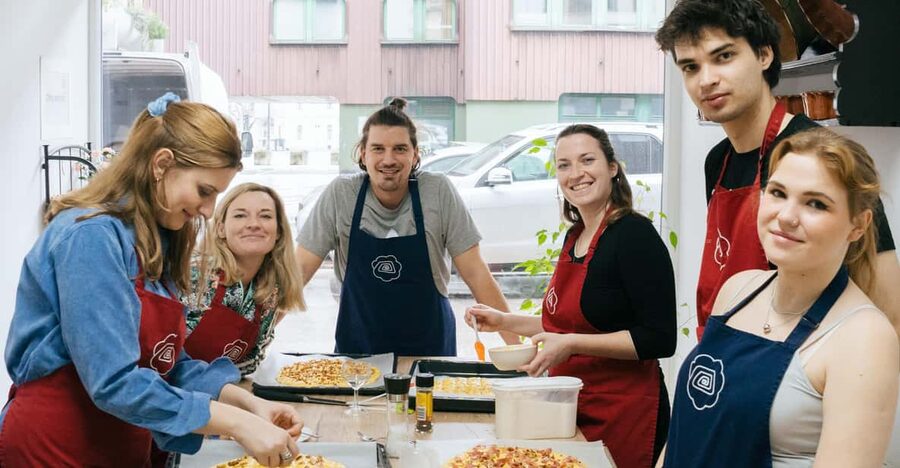
Bread tells Slovenia’s story. This two-hour class gives you a hands-on way to learn about Belokranjska Pogača, a savory bread from the Bela Krajina region, while working beside an instructor who adds plenty of local context. You knead, shape, bake, and taste your own loaf rather than simply watching a demonstration.
I like the small group size, limited to 10 people, and the personal teaching style associated with Luka, whose English is excellent and whose explanations cover both baking and Slovenian culture. I also like the value: at $53 per person, the price includes ingredients, equipment, instruction, and the finished bread. The main consideration is that the class lasts only two hours, so this is a focused baking experience rather than a full meal or a broad Slovenian food tour.
Key points at a glance
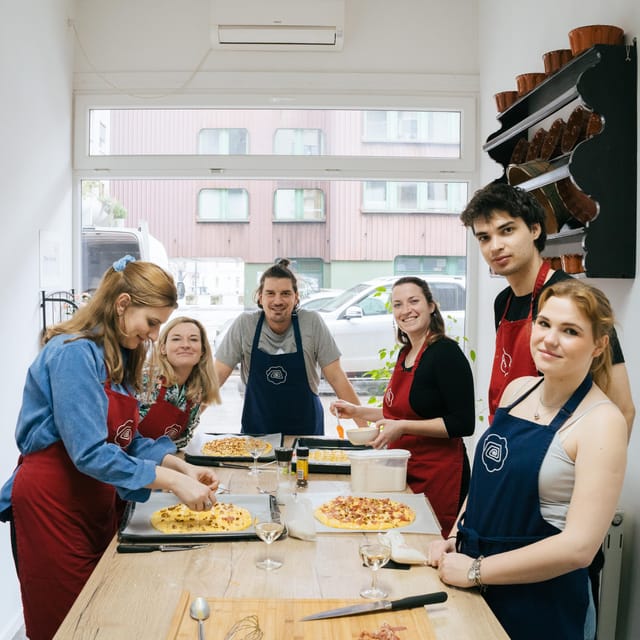
- Bake a traditional Bela Krajina bread: You make Belokranjska Pogača from dough to oven, then taste the warm result.
- Luka adds cultural context: The class includes stories about Slovenian people, history, and local scenery, not just baking instructions.
- Small groups keep it personal: With no more than 10 participants, you should have room to ask questions and work at the kitchen table.
- Good for families: Luka has been praised for working well with children and teenagers.
- Easy to combine with a Ljubljana day: The location can be reached from the city center by bus, though the meeting point takes careful attention.
- Flexible booking: You can cancel up to 24 hours ahead for a full refund and reserve without paying immediately.
Why Belokranjska Pogača is worth your time
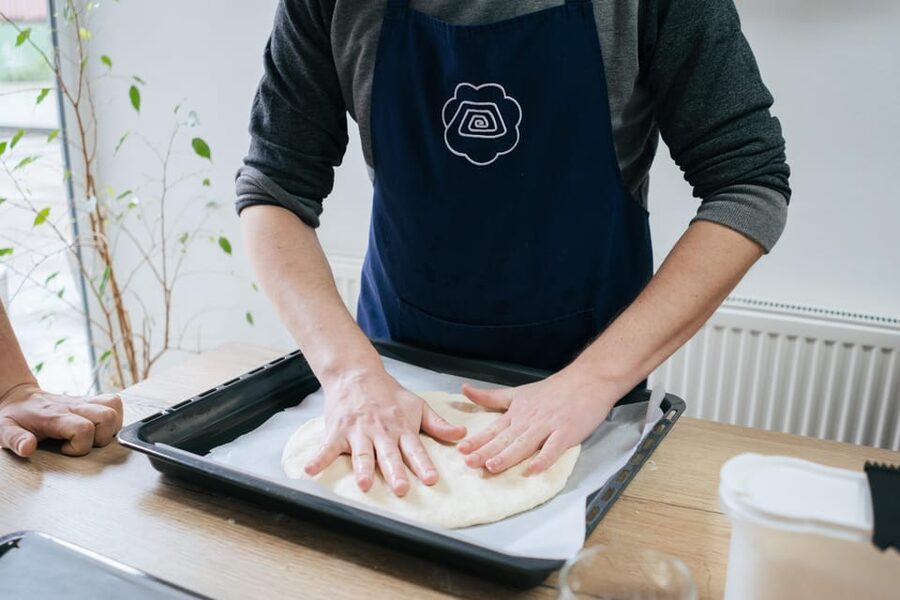
Belokranjska Pogača is more than a loaf of bread. It is tied to Bela Krajina, a southeastern Slovenian region known for its own customs, food traditions, and local identity. The bread’s appeal is simple: soft dough, a golden baked surface, and savory seasoning that makes it easy to share.
That sharing matters. The class presents the bread as food connected with unity, celebrations, and ordinary family meals. You are not just learning a recipe to copy at home. You are being shown why this particular bread matters in Slovenian life.
For a visitor, that makes the class a useful alternative to a standard restaurant meal. A plate of local food can be delicious, but a cooking class gives you a better sense of how food fits into the country’s story. You handle the ingredients, hear the background, and leave with a skill you can use again.
The dish also has a pleasant advantage for a short activity: it is approachable. You do not need advanced baking experience to take part. The class is built around basic actions such as kneading, rolling, and shaping, with an instructor guiding you through each stage.
A few more cooking classes around the world worth a look
- Half-Day Thai Cooking Class at Organic Farm in Chiang Mai
★ 5.0 · 19,087 reviews - Florence: Pasta Cooking Class with Unlimited Wine
★ 4.9 · 10,285 reviews - 3 in 1 Cooking Class near Navona: Fettuccine, Ravioli & Tiramisu
★ 5.0 · 7,376 reviews
Starting at the kitchen table with Luka
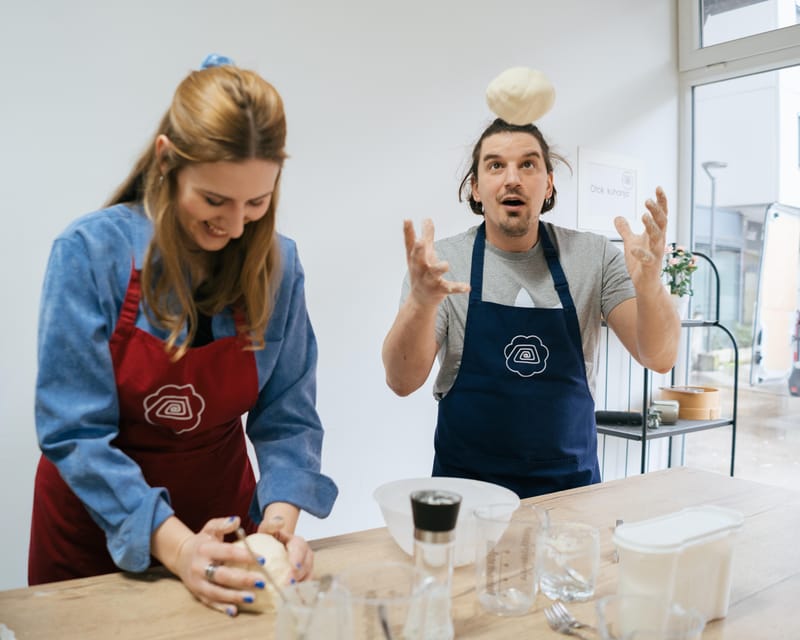
The class begins with an introduction to the bread and its place in Slovenian culture. You can expect to gather around a large kitchen table while Luka explains what you are making and why it is connected to Bela Krajina.
This opening is important because it gives the practical work a sense of place. You learn about the bread before your hands get covered in dough. A cooking activity can feel flat when it treats local food as a craft project only. Here, the cultural explanation helps connect the recipe with Slovenian homes and traditions.
Luka also brings broader conversation into the session. He has shared information about Slovenia, its history, and its scenery while the dough was resting and baking. That makes good use of the waiting periods, which are often the quietest part of a cooking class.
His teaching style appears especially well suited to mixed ages. He has been praised for explaining each step clearly and for handling children and teenagers well. Families should find that useful, since young participants can take part in the physical work instead of sitting through a long lecture.
The language options are English and Slovenian. For English-speaking visitors, the clear instruction is a major benefit. You are less likely to wonder whether you rolled the dough correctly or missed an important step.
Kneading, rolling, and shaping the dough
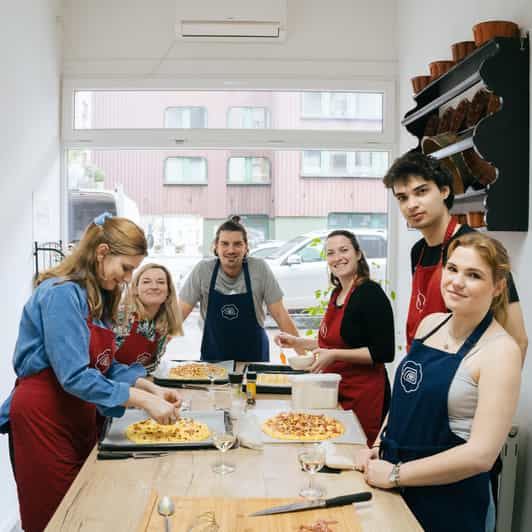
Once the introduction is finished, you move into the hands-on part. You work with the dough, kneading it, rolling it, and shaping it under guidance.
This is where the class earns its price. You are not simply told how Belokranjska Pogača is made. You get to feel the texture of the dough and see how small changes in handling affect the final shape. An experienced instructor can correct your technique as you work, which is much more useful than trying to remember instructions from a demonstration.
The process also suits travelers who like a relaxed pace. There is no need to rush through a long list of dishes. The focus stays on one specialty, so you have time to pay attention to the details and ask questions.
The class description highlights fragrant herbs and soft dough as part of the process. These ingredients help make the bread more than plain table bread. The seasoning gives it character, while the dough provides the soft texture you expect from a fresh bake.
You should also expect the result to vary slightly from person to person. That is part of the fun. The aim is not to produce identical bakery loaves. It is to understand the method and make a good, edible bread with your own hands.
Waiting for the dough, wine, and Slovenian stories
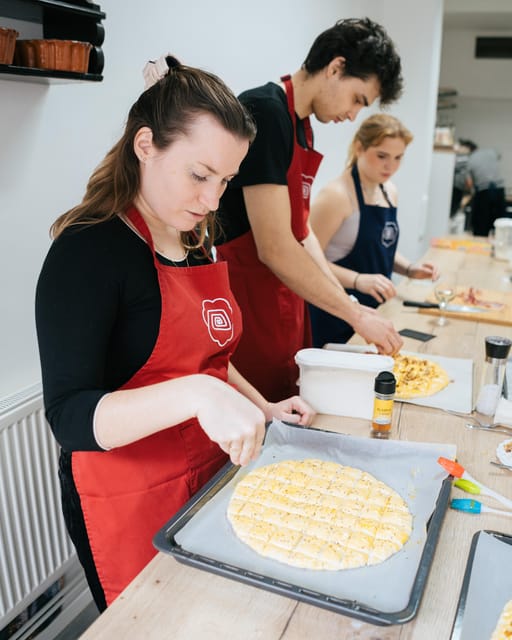
Yeast needs time, and the class makes use of that pause. During the waiting periods, you may have time to talk with Luka, learn more about Slovenia, and enjoy a drink.
One particularly appealing part of the experience is the chance to sample Slovenian wine while the dough proves, rises, and bakes. Drinks are offered as part of the setting, though the exact selection is not specified. If wine is not your preference, it is sensible to confirm the drink arrangements when booking.
These pauses give the class a social quality. You can chat with other participants, compare your dough, and ask about places to visit in Slovenia. In a group of no more than 10, the conversation should remain manageable rather than turning into a crowded workshop.
For solo visitors, this format can be especially pleasant. One participant had a private class because no one else had booked that time, and found the personal attention helpful. A private session cannot be guaranteed, but the small maximum group size gives you a better chance of receiving direct help than a large cooking school would.
The waiting time also keeps the activity from feeling packed too tightly. You are not forced to move from one recipe to another. Instead, the rhythm follows the bread: prepare, wait, bake, and eat.
Same place, a different thing to cook:
- Florence: Pasta & Tiramisu Cooking Class with Unlimited Wine
★ 4.9 · 6,708 reviews - Hanoi Cooking Class: Culture, Local Market & Meaning CSR Impact
★ 5.0 · 5,147 reviews - 5 Traditional Dishes Hanoi Cooking Class with Market Trip
★ 5.0 · 4,890 reviews - Cooking Class and Lunch at a Tuscan Farmhouse with Local Market Tour from Florence
★ 5.0 · 4,831 reviews
The bake and the first warm taste
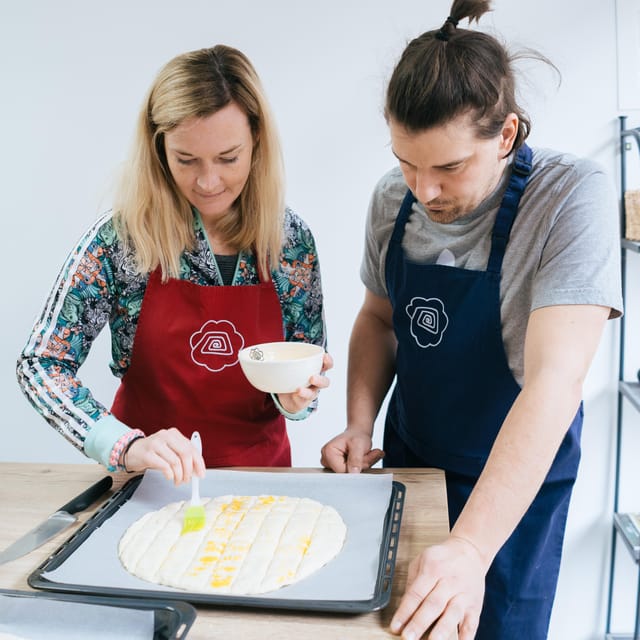
The final stage is the moment when the class becomes a meal. Your shaped bread goes into the oven, and you wait for the surface to turn golden and the kitchen to fill with the smell of baking dough.
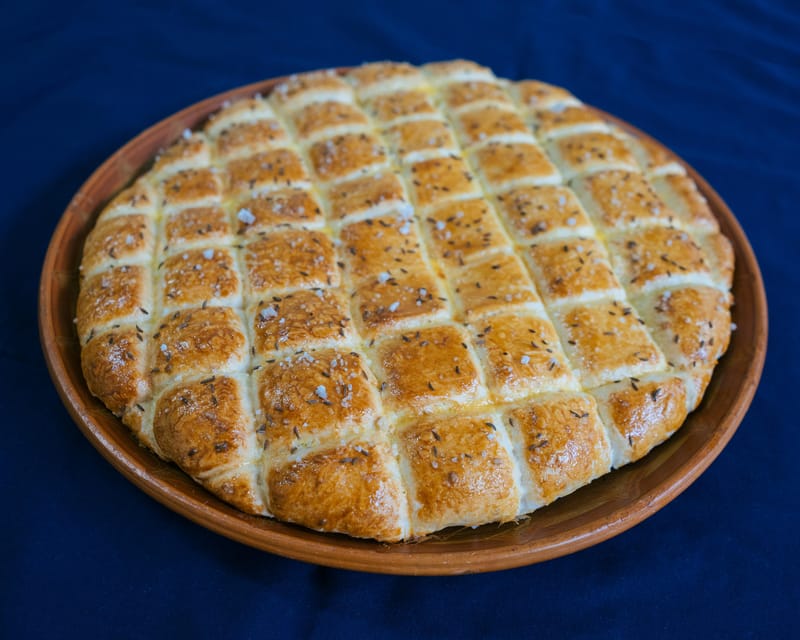
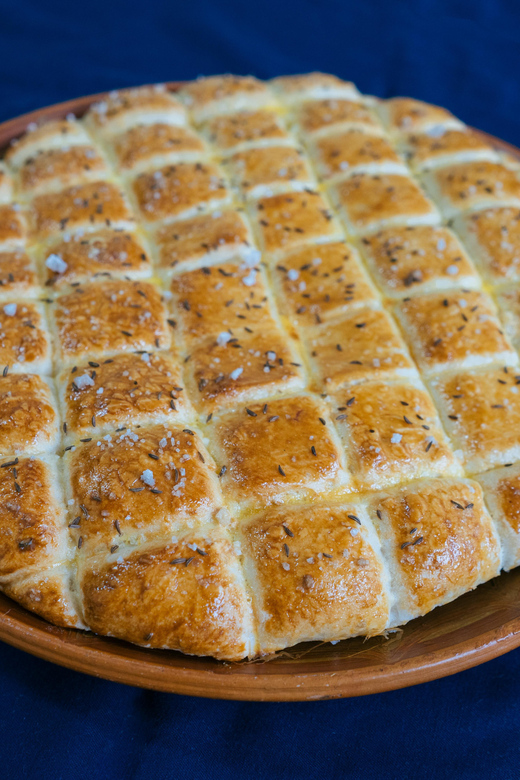
Then you taste the Belokranjska Pogača you helped make. The expected combination is a soft interior, a crusty outside, and savory herbal notes. Fresh from the oven, the bread has an advantage that store-bought bread cannot match.
This tasting is not just a reward at the end. It lets you judge the result of your work immediately. You can see how the shaping and seasoning came together, and you leave with a better understanding of what to repeat at home.
The finished bread is also a practical souvenir, though it is one you eat rather than carry through airport security. If you are planning a full dinner later, remember that the class includes tasting your bake, but it is not described as a complete meal.
Finding the meeting point in central Slovenia
The meeting point requires more attention than a simple address. Once you are in the area, look for a small square surrounded by buildings with a broken concrete fountain in the middle.
There are two useful approaches. You may pass a Chinese restaurant near the old church, or use a small passageway in a building near the bus stop. The shop is identified by a large clear window.
That description is practical, but it is not foolproof for someone arriving in a hurry. Give yourself extra time to locate the square, especially if you do not know the area. A phone with maps and the host’s contact information will help.
The location can be reached from the city center by bus. For parking, free spaces may be available on the platform behind the building in the morning. In the afternoon, call Luka for help with parking. He uses WhatsApp, which makes this easier if your phone has data access.
These details matter because the class itself is only two hours. Losing 20 minutes to parking or searching for the entrance would make the session feel rushed.
What the $53 price includes
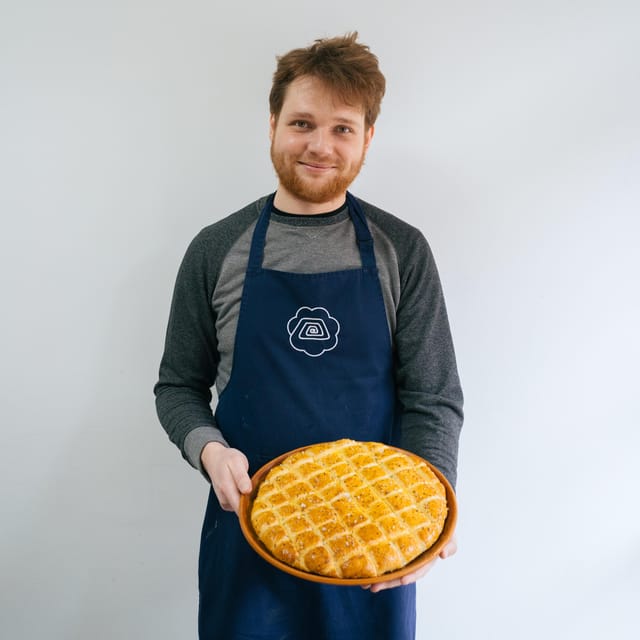
At $53 per person, this class is priced above a casual bakery purchase but offers much more than bread. The fee includes the instructor, all ingredients, cooking equipment, the baking activity, and the chance to eat what you make.
I consider that reasonable value for a small-group cultural activity. You receive direct instruction rather than a short public demonstration, and the experience includes conversation about Slovenia as well as the recipe. The value increases if you enjoy practical activities and would otherwise pay for a food experience during your time in the country.
The price is less compelling if you are looking only for a quick snack or a full lunch. This is not presented as a multi-course cooking class, market visit, or restaurant meal. It concentrates on one traditional bread.
The class can also be a good birthday activity or family outing. One booking was arranged as a birthday surprise during a Ljubljana trip, and the experience worked because it combined food, conversation, and a clear finished result. You leave with more than a recipe, but the recipe is still the central point.
Who will enjoy this baking class most
I would recommend it most strongly to:
- Families with older children and teenagers, since the work is active and the instructor is comfortable teaching younger participants.
- Solo visitors, who may appreciate the warm, conversational format and the possibility of a particularly small session.
- Couples and friends, especially those looking for a shared activity with a local food focus.
- Food-minded visitors, who prefer learning how a dish is made instead of simply ordering it.
- First-time visitors to Slovenia, since the class adds background about the country beyond the kitchen.
It may be less suitable if you want a large tasting menu, a highly technical pastry lesson, or a full-day food excursion. It is also not ideal for someone who dislikes waiting during yeast-based baking. The pauses are used for conversation, but they remain part of the two-hour schedule.
The activity is wheelchair accessible, which is an important practical advantage. If you have specific mobility needs, it is still sensible to confirm the setup in advance, since the available information does not describe every feature of the building.
Booking flexibility and group size
You can cancel up to 24 hours before the activity for a full refund. The reserve now and pay later option lets you hold a place without paying immediately, which is useful when your Slovenia schedule is still changing.
Starting times depend on availability, so check the date carefully before booking. The class is limited to 10 participants, and the instructor works in English and Slovenian.
The provider is listed as Polak Tomaž, while Luka is the host identified with the hands-on instruction and local conversation. If you need help with parking or directions, contacting Luka through WhatsApp is specifically useful for afternoon arrivals.
Should you book the Belokranjska Pogača class?
Book it if you want a friendly, practical introduction to Slovenian food and you like the idea of making one traditional dish from start to finish. The strongest reasons are Luka’s clear teaching, the small group format, the cultural conversation, and the satisfying final taste of warm bread.
Skip it if you need a full meal, a broad survey of Slovenian cooking, or a class packed with several recipes. For everyone else, $53 buys a focused two-hour experience with real participation, local stories, and a useful recipe to take home. Plan your route carefully, arrive early enough to find the square, and you should be ready for a pleasant afternoon at the kitchen table.
FAQ
How long does the Belokranjska Pogača cooking class last?
The class lasts two hours.
How much does the experience cost?
The price is $53 per person.
What is included in the price?
The price includes the hands-on cooking class, instruction, the history and cultural introduction, all ingredients, cooking equipment, and the chance to bake and taste your own Belokranjska Pogača.
What languages are available?
The class is offered in English and Slovenian.
How many people can join the class?
It is a small-group experience limited to 10 participants.
Is the class wheelchair accessible?
Yes, the activity is listed as wheelchair accessible.
Can I cancel for a full refund?
Yes. You can cancel up to 24 hours in advance for a full refund.
Can I reserve now and pay later?
Yes. The reserve now and pay later option allows you to book without paying immediately.
How do I find the meeting point?
Look for a small square surrounded by buildings with a broken concrete fountain in the center. You can approach near the Chinese restaurant by the old church or through a passageway near the bus stop. The shop has a large clear window. Free parking may be available behind the building in the morning, while afternoon parking help is available from Luka through WhatsApp.
Just added around the world
- Aroidee’s Farm-Fresh Thai Cooking Experience★ 5.0 · 8 reviews
- Signature Thai Cooking Course★ 5.0 · 79 reviews
- Private Half-Day Thai Cooking Class in Chiang Mai★ 5.0 · 4 reviews
- Half Day Guided Thai Cooking Class in Chiang Mai★ 5.0 · 13 reviews
- Online Thai and Akha Cooking Class★ 5.0 · 70 reviews
- Private Virtual Thai Cooking Class★ 5.0 · 9 reviews
- Northern Thai Cooking Class in Chiang Mai in a Countryside Home★ 5.0 · 2 reviews
- 5 Hour Morning Thai Cooking Course★ 5.0 · 31 reviews
Cooking Classes, compared.

Half-Day Thai Cooking Class at Organic Farm in Chiang Mai
Read our review →

3 in 1 Cooking Class near Navona: Fettuccine, Ravioli & Tiramisu
Read our review →
Pasta & Tiramisu Cooking Class with Unlimited Wine
Read our review →
Hanoi Cooking Class: Culture, Local Market & Meaning CSR Impact
Read our review →
5 Traditional Dishes Hanoi Cooking Class with Market Trip
Read our review →
Cooking Class and Lunch at a Tuscan Farmhouse with Local Market Tour from Florence
Read our review →