
REVIEW · SINGAPORE
Singaporean Cooking Class With A Professional Chef
Singapore tastes better at the stove. This private three-hour class gives you a practical way to meet local food through your own cooking, with a professional chef explaining ingredients, preparation, and flavor. I especially like the hands-on format and the chance to eat the three dishes you prepare in an outdoor dining room. You also leave with a souvenir apron and recipes, useful reminders of the meal beyond your holiday.
The class costs $118 per person, which is a serious price for lunch, but the private setting and roughly two hours of instruction add value for couples, families, and small groups. One point to check carefully is mobility access: the activity is listed as wheelchair accessible, yet it also says it is not suitable for people with mobility impairments. Ask the provider to clarify before booking.
Key points at a glance
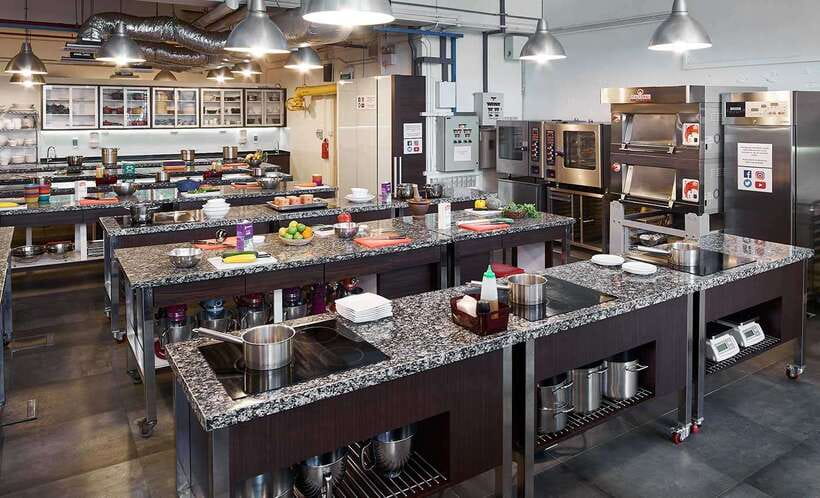
- Three classic dishes: Prepare grilled otak-otak, Singapore laksa, and pandan ondeh ondeh.
- Private instruction: The class is for a private group, with at least two participants.
- A full morning plan: Cooking runs from 10 AM until about noon, followed by an hour of dining.
- Clear, patient teaching: Lynette was praised for explaining ingredients, their uses, and preparation in detail.
- A useful souvenir: You receive an apron and recipes, so the class can continue in your own kitchen.
- Book with practical footwear: Wear closed-toe, comfortable shoes. High heels, bare feet, and open-toed shoes are not allowed.
A Singapore food lesson, not just a meal
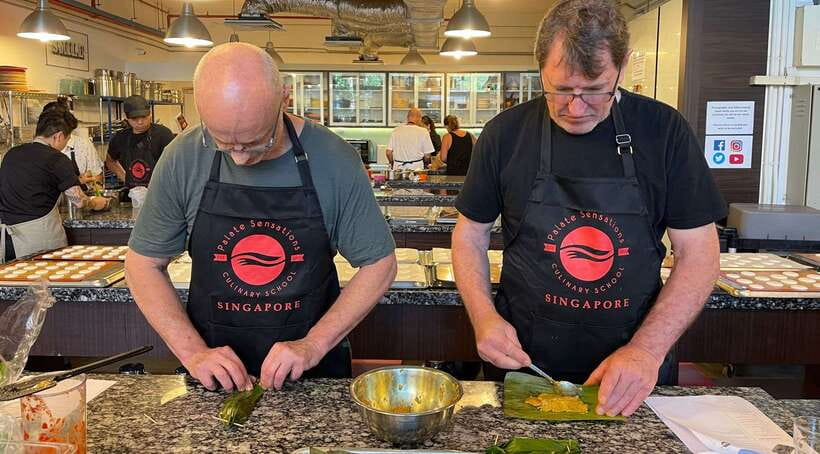
Singaporean cuisine brings together Malay, Chinese, Indian, and other regional influences. You can sample that mix all over the city, but eating a finished dish tells you only part of the story. This class lets you see how the ingredients come together and gives you a chance to handle the preparation yourself.
That matters most if you enjoy food beyond the restaurant table. You learn what goes into the dish, how ingredients are prepared, and how a local recipe becomes lunch. The chef also introduces ingredients used in Singaporean cooking and offers tips on choosing fresh produce.
The format is private, so you are not placed in a large class with strangers. That can make the session more relaxed and allows the chef to adjust the class to your preferences. The minimum is two participants, making this a natural choice for a couple or a small family group.
The teaching language is English. Past class leaders named in the feedback include Lynette, Loretta, and Tina. Lynette received particular praise for clear explanations of ingredients, their purpose, and their preparation. That kind of instruction is more useful than a quick demonstration followed by a race to keep up.
A few more cooking classes around the world worth a look
- Half-Day Thai Cooking Class at Organic Farm in Chiang Mai
★ 5.0 · 19,087 reviews - Florence: Pasta Cooking Class with Unlimited Wine
★ 4.9 · 10,285 reviews - 3 in 1 Cooking Class near Navona: Fettuccine, Ravioli & Tiramisu
★ 5.0 · 7,376 reviews
10 AM: Start with the ingredients
The class begins at 10 AM and ends by 1 PM. Plan on about two hours of cooking and one hour of dining, so this is best treated as a morning activity that leads into lunch.
The opening ingredient session gives the class its local flavor. You are introduced to the produce and other ingredients used in Singaporean cooking, along with advice on selecting fresh items. The supplied information does not list every ingredient or cooking technique, so you should not expect a detailed market tour or a full shopping excursion. The value is in learning how the ingredients function within the dishes you will prepare.
I like this start because it gives context before the work begins. You are not simply handed a printed recipe and told to follow it. You get an explanation of what you are using and why it matters. For cooks who want to repeat the dishes at home, that can be more useful than a long list of measurements.
It is also a good point to tell the chef about your preferences. Each session is private and customizable, though the exact limits of customization are not specified. Ask ahead if you have allergies, dietary restrictions, or a strong dislike of an ingredient.
Otak-otak brings the first taste
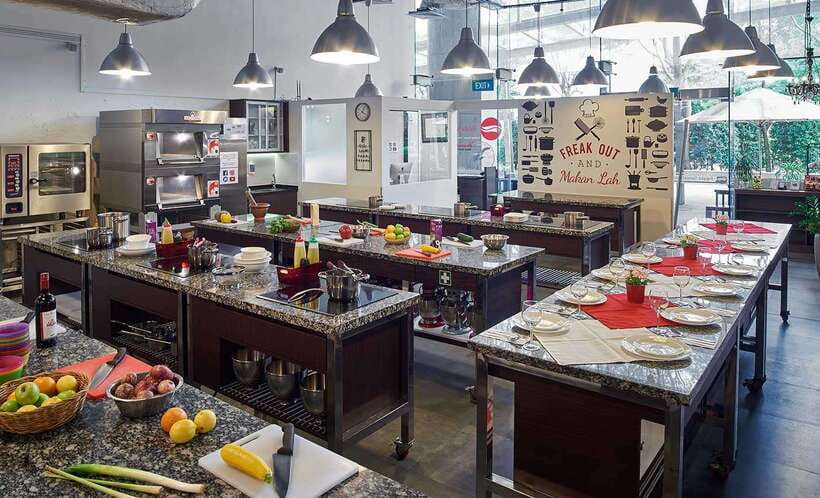
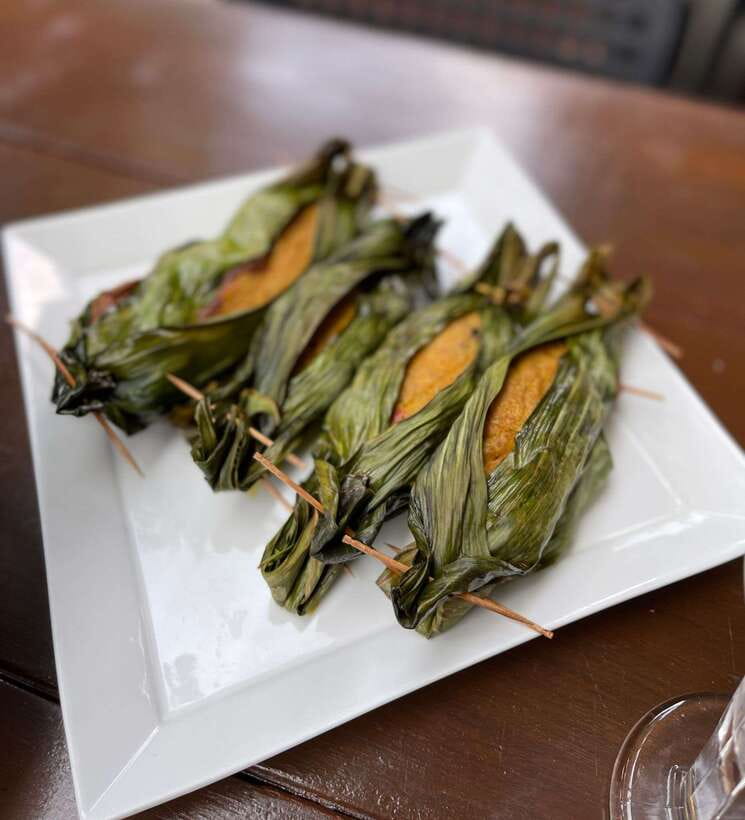
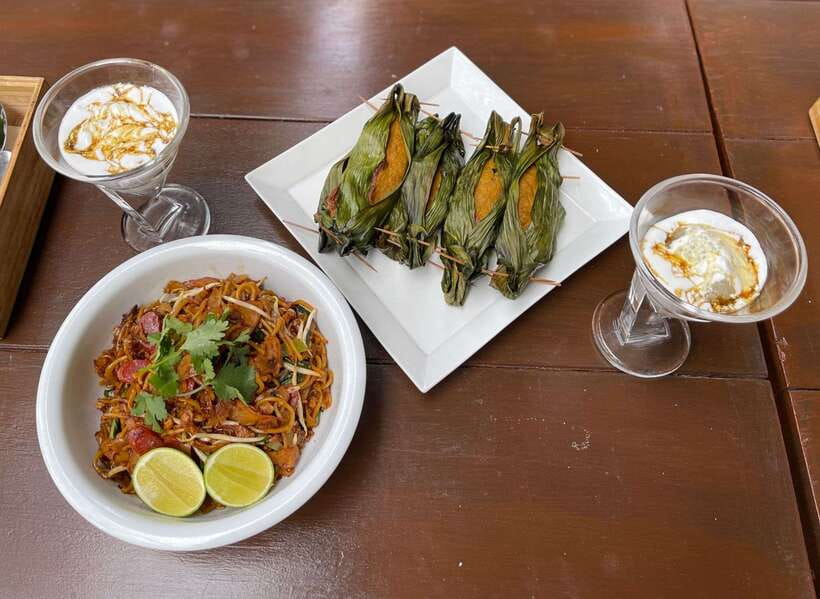
The starter is otak-otak, a grilled fish cake wrapped in banana leaves. It uses ground mackerel fish mixed with tapioca starch and spices.
This is a good first dish for a cooking lesson because it introduces texture, seasoning, and wrapping in one small package. The banana leaf is part of the dish’s presentation, while the fish and spice mixture provide the main flavor. You get to see how a prepared mixture becomes a finished cake rather than simply receiving one on a plate.
The exact spice blend and cooking method are not provided in advance, so the chef’s instruction will be important here. If you are interested in making otak-otak again, pay attention to the consistency of the fish mixture and how the banana leaf is handled.
Otak-otak may be less suitable for anyone who does not eat fish, and no alternative starter is promised. That is one of the practical questions to raise before booking. The menu is fixed enough to describe the experience, but the class is also said to be customizable, so it is worth asking what changes are possible.
Singapore laksa is the main event
The main course is Singapore laksa, a spicy noodle soup served with thick rice noodles and prawns. Its broth uses curry, coconut milk, and spice, giving the dish the combination of heat and creaminess many people associate with laksa.
This is likely the most involved part of the class. A soup with noodles, prawns, coconut milk, and curry gives you several elements to prepare and combine. You can watch how the broth is built, how the noodles fit into the dish, and how the prawns are incorporated into the finished bowl.
I would choose this class partly for the laksa. It is a dish that can seem simple when it arrives at a restaurant, yet the balance of spice, coconut, seafood, and noodles depends on the preparation. A chef-led lesson gives you a better chance of understanding that balance.
The word spicy should be taken seriously if you have a low tolerance for heat. The information does not promise a mild version, so ask about adjustments before the session. Prawns are also part of the stated dish, making an allergy check essential.
The meal is eaten after the cooking portion, so you will not be snacking your way through a series of small samples. You cook first, then sit down to enjoy the dishes you made. That creates a clear payoff after the work.
Same place, a different thing to cook:
- Florence: Pasta & Tiramisu Cooking Class with Unlimited Wine
★ 4.9 · 6,708 reviews - Hanoi Cooking Class: Culture, Local Market & Meaning CSR Impact
★ 5.0 · 5,147 reviews - 5 Traditional Dishes Hanoi Cooking Class with Market Trip
★ 5.0 · 4,890 reviews - Cooking Class and Lunch at a Tuscan Farmhouse with Local Market Tour from Florence
★ 5.0 · 4,831 reviews
Finish with pandan and palm sugar
Dessert is ondeh ondeh, pandan-flavored rice cake balls filled with liquid palm sugar and coated in grated coconut.
This is a small but distinctive ending. Pandan gives the rice cake its fragrance and color, while the palm sugar filling creates a soft center. The grated coconut adds a different texture on the outside.
The liquid filling is the detail to watch. Onde h ondeh is not simply a sweet rice ball, and the center can spill when you bite into it. It is a fitting final lesson because shaping the balls and enclosing the filling require care.
The menu gives you a complete meal: savory fish, a substantial noodle soup, and a sweet rice-based dessert. It is not a broad survey of every Singaporean food, but it offers three different forms, textures, and flavor profiles in a single morning.
Lunch in the outdoor dining room
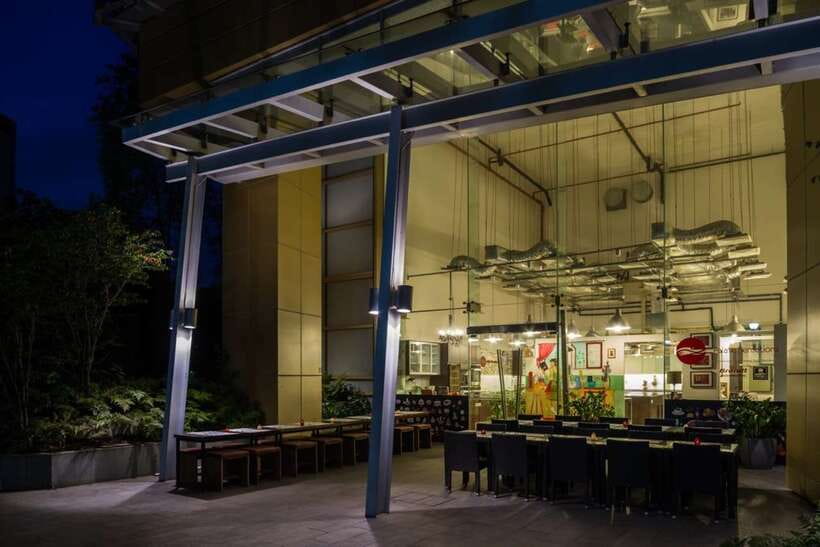
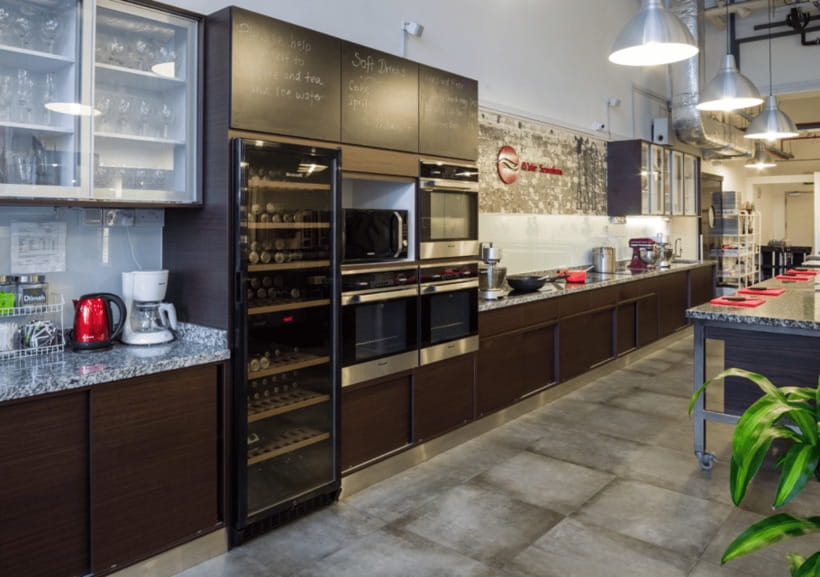
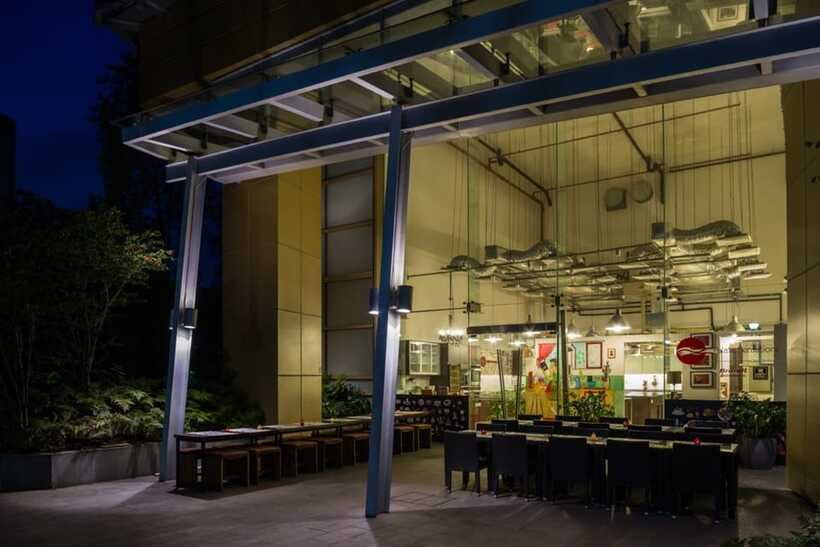
After about two hours of preparation, you spend roughly an hour dining on the three dishes. The meal takes place in an outdoor dining room, which gives the end of the class a more leisurely feel than eating while standing at a work station.
This timing matters. You are not rushing from the final cooking step straight into another sightseeing appointment. The activity ends by 1 PM, so you can plan an afternoon elsewhere in Singapore, but leave enough time to sit down and eat properly.
You may find the dining hour is as valuable as the cooking itself. It gives you time to taste the results, compare the dishes, and talk through the recipes with the chef. Since the class is private, the meal should also feel more personal than a shared group lunch, although the exact seating setup is not described.
The outdoor setting may not suit every weather condition or personal preference. No weather policy is given, so if outdoor dining is important to you, confirm how the meal is handled in poor weather.
What $118 per person really buys
At $118 per person, this is not a budget lunch. You are paying more than the cost of ordering laksa, otak-otak, and dessert at a casual restaurant. The comparison is slightly unfair, though, because the price includes instruction, ingredient guidance, cooking time, a private group setting, the meal, an apron, and recipes to take home.
I see the value most clearly for people who want an activity rather than just food. You receive about three hours of structured time, with two hours focused on cooking and one hour on dining. A private class also means you are not sharing the chef’s attention with a large room of participants.
The value is weaker if you only want a quick introduction to Singaporean food or are mainly looking for an inexpensive meal. In that case, a hawker center or restaurant will cost less and expose you to more dishes. This class makes sense when you want to learn a few recipes and take part in making lunch.
The apron and recipe collection add modest but practical value. The apron is a physical reminder of the class, while the recipes give you a chance to repeat the dishes. The experience does not state whether ingredients or transportation are included, so check the final booking details before comparing it with other food activities.
The private format helps, with one small catch
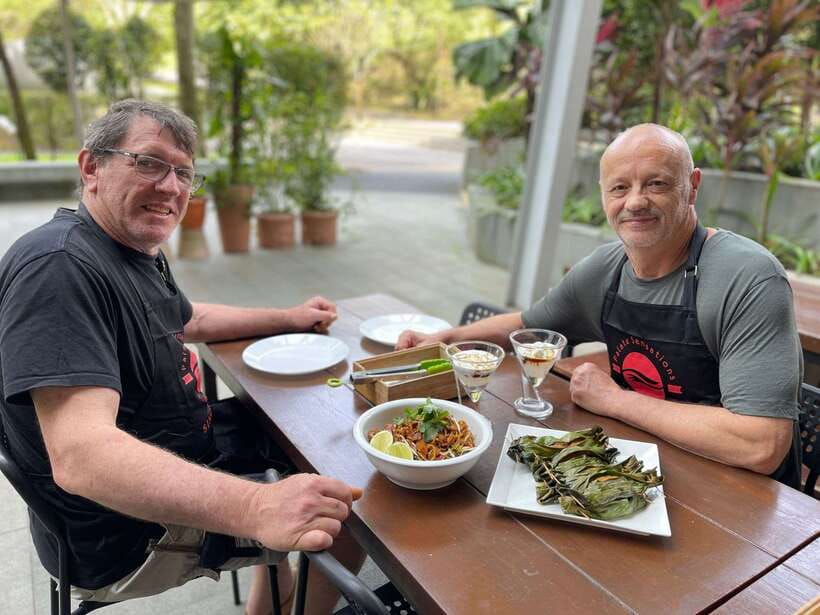
A private group is one of the strongest features here. You can ask questions without worrying about holding up a large class, and the chef can respond to your pace. That is particularly helpful if you are new to cooking or want more detail about the ingredients.
The class requires at least two participants. If you are traveling alone, you should confirm whether a second participant can be arranged, since the stated minimum is two. The activity is not presented as a drop-in solo lesson.
The session is also described as customizable. That gives you some room to shape the experience, but do not assume every menu change is possible. Ask about seafood, spice levels, allergies, and dietary needs in advance. The listed menu contains mackerel and prawns, so this is not automatically suitable for a seafood-free diet.
Who will enjoy this class most
I would recommend this experience to:
- Couples who want a shared food activity rather than another restaurant meal
- Small private groups seeking a three-hour cultural activity
- Home cooks who want Singaporean recipes they can try later
- Food lovers interested in ingredients, preparation, and flavor balance
- Visitors who prefer a slower morning with lunch included
- People comfortable with seafood, spice, coconut, pandan, and grated coconut
It may be less suitable for someone seeking a large social class, a market visit, or a broad tour of Singapore’s food scene. It is also not a good choice if you need a very short activity. The class takes the full morning and includes a sit-down meal afterward.
The accessibility information needs special attention. The activity is marked wheelchair accessible, but it is also listed as unsuitable for people with mobility impairments. Those statements do not fully agree. If you use a wheelchair or have difficulty standing, walking, transferring, or working at a counter, contact Palate Sensations Culinary School directly before paying.
The listed restrictions also exclude people with visual impairments, pre-existing medical conditions, recent surgeries, and children under 2. It is not suitable for people over 80 or over 95, as both age limits appear in the supplied details. These unusual age entries should be clarified if they apply to anyone in your party.
What to wear and bring
Wear comfortable clothes and closed-toe, comfortable shoes. High heels, bare feet, and open-toed shoes are not allowed, so sandals are not a safe choice for this activity.
Bring a camera if you want pictures of the dishes or the cooking process. You will also receive an apron, but the information does not say whether you should wear clothing you do not mind getting messy. Comfortable, practical clothing is the sensible choice.
The class is conducted in English. That makes it a straightforward option for English-speaking visitors, though the supplied information does not list other teaching languages.
Booking flexibility and timing
You can cancel up to 24 hours in advance for a full refund. You can also reserve now and pay later, which helps if your Singapore schedule is still shifting.
Because the class starts at 10 AM and ends around 1 PM, check the timing against hotel checkout, tours, and flights. It is best to leave the rest of the morning open. Booking a rushed appointment immediately afterward would work against the relaxed cooking and dining format.
The activity has an overall rating of 4.1 from five reviews, with three published five-star ratings. The strongest praise focuses on enjoyment, clear instruction, and the quality of the food. Amy described the class as super fun, while Marilyn specifically praised Lynette’s thorough explanations. Mandy singled out Loretta and Tina and said she would do the class again. Those comments point to friendly teaching and a satisfying meal, but the small number of ratings means you should treat the score as a useful signal, not a final verdict.
Should you book the Palate Sensations class?
Book it if you want private, hands-on instruction and a complete Singaporean lunch built around three recognizable dishes. The class is especially appealing if you cook at home and will actually use the recipes afterward.
Think twice if you want the lowest possible food cost, a market tour, or a very flexible menu without checking in advance. Also confirm the accessibility details and any seafood or dietary concerns before booking.
For the right person, $118 buys more than lunch. It buys a morning of cooking, personal instruction, a private group setting, and recipes that can bring a little Singaporean flavor back to your own kitchen.
FAQ
How long does the Singaporean cooking class last?
The class lasts three hours, beginning at 10 AM and ending by 1 PM. About two hours are spent cooking, followed by one hour of dining.
What dishes will I prepare?
The listed menu includes otak-otak as a starter, Singapore laksa with thick rice noodles and prawns as the main course, and pandan-flavored ondeh ondeh filled with palm sugar for dessert.
Is the class private?
Yes. The class is offered for a private group and requires at least two participants.
Is the cooking class taught in English?
Yes. English is the stated language of instruction.
What is included in the price?
The experience includes the cooking class, the three dishes you prepare and eat, dining in the outdoor dining room, a souvenir apron, and recipes to keep.
What should I wear?
Wear comfortable clothes and comfortable closed-toe shoes. High heels, bare feet, and open-toed shoes are not allowed.
Just added around the world
- Aroidee’s Farm-Fresh Thai Cooking Experience★ 5.0 · 8 reviews
- Signature Thai Cooking Course★ 5.0 · 79 reviews
- Private Half-Day Thai Cooking Class in Chiang Mai★ 5.0 · 4 reviews
- Half Day Guided Thai Cooking Class in Chiang Mai★ 5.0 · 13 reviews
- Online Thai and Akha Cooking Class★ 5.0 · 70 reviews
- Private Virtual Thai Cooking Class★ 5.0 · 9 reviews
- Northern Thai Cooking Class in Chiang Mai in a Countryside Home★ 5.0 · 2 reviews
- 5 Hour Morning Thai Cooking Course★ 5.0 · 31 reviews
Cooking Classes, compared.

Half-Day Thai Cooking Class at Organic Farm in Chiang Mai
Read our review →

3 in 1 Cooking Class near Navona: Fettuccine, Ravioli & Tiramisu
Read our review →
Pasta & Tiramisu Cooking Class with Unlimited Wine
Read our review →
Hanoi Cooking Class: Culture, Local Market & Meaning CSR Impact
Read our review →
5 Traditional Dishes Hanoi Cooking Class with Market Trip
Read our review →
Cooking Class and Lunch at a Tuscan Farmhouse with Local Market Tour from Florence
Read our review →