
REVIEW · SAMARQAND REGION, UZBEKISTAN
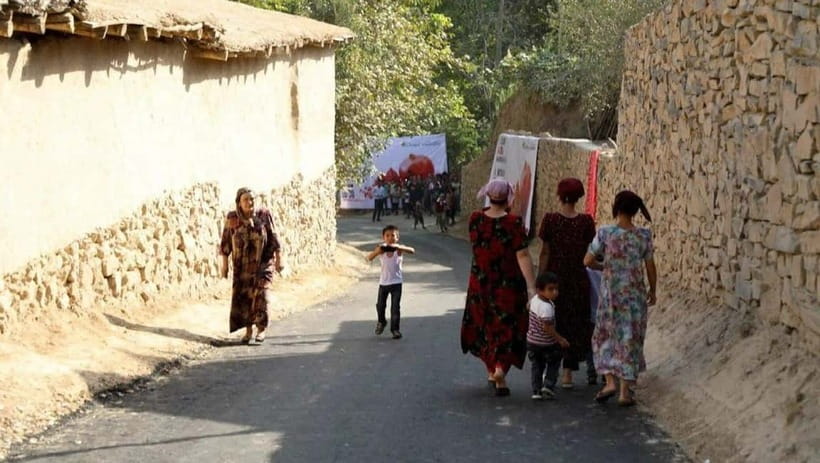
Samarkand: Village Tour with Plov Cooking Class & Home Visit
The best meal may be outside the city. This eight-hour outing takes you from Samarkand into the Samarqand Region for a village walk, a bazaar stop, and a family cooking session. I especially like the chance to prepare plov over a live fire and the warm contact with hosts who open their home to visitors. Guides such as Asrorbek, Javokhir, and Bekjon have also made a strong impression with their friendly English and easy conversation. The main thing to consider is pace: this is a slow rural day, not a packed sightseeing tour.
I also like that the food is part of the daily experience, not a staged restaurant demonstration. You may help with plov, non bread, salads, and market ingredients before sitting down to eat with the family. The drive can take roughly 40 to 60 minutes each way, and the village walk may involve uneven ground, so this is less suitable for anyone with mobility limits.
Key points before you book
- Plov is cooked the traditional way: You help prepare Samarkand’s famous rice dish over a live fire, then eat it fresh with the family.
- The bazaar is part of the story: Ingredients and snacks may be bought at a local market before you reach the village.
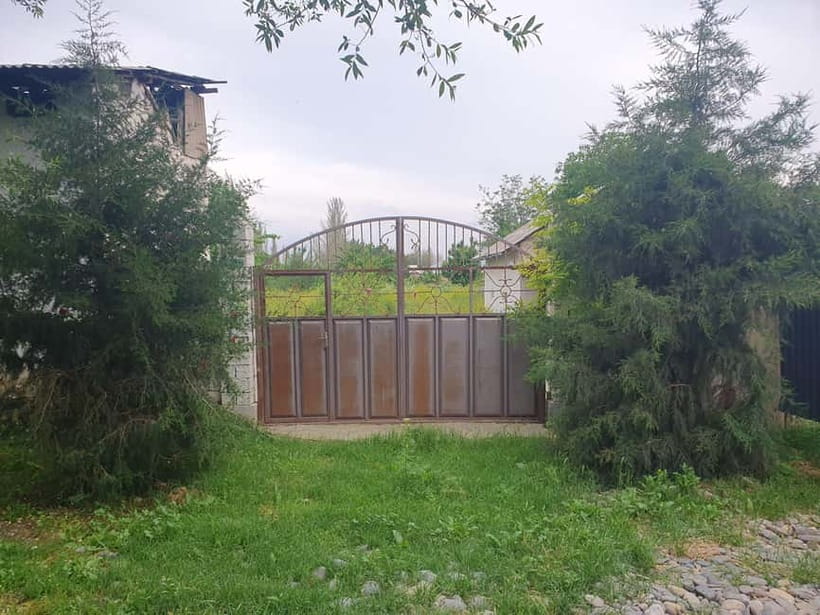
- The home visit feels personal: Conversation, food, gardens, farms, livestock, and family routines give the day its real character.
- Guides add cultural context: Asrorbek, Javokhir, Bekjon, and other guides have been praised for clear English, humor, and thoughtful explanations.
- Expect a long, relaxed day: The experience lasts eight hours, with substantial time spent driving, cooking, eating, and talking.
- The $59 price is strong value: Transport, guiding, the class, a meal, and a rare look at rural life are included, though the transport wording should be confirmed when booking.
Why this day adds something to Samarkand
Samarkand is famous for grand monuments, blue tile, and the great Silk Road story. Those sights are essential, but they can also keep you looking at buildings rather than meeting people. This experience shifts the focus to ordinary Uzbek life, where food, family, farming, and hospitality do the teaching.
I like the balance. You are not simply taken to a house, handed a plate, and sent back to town. The day can include a market visit, a drive through the countryside, a home visit, cooking, a village walk, and time in gardens or farmland. Depending on the day, you might also see traditional crafts, local games, livestock, cotton fields, or a folk music performance.
The strongest part is the personal exchange. Hosts explain customs and daily routines, while the guide helps translate the wider meaning of what you are seeing. Several guides have been praised for keeping conversation moving across cultural topics, including family life, village customs, and differences between Uzbekistan and Europe.
This is especially useful if you want a gentler day after several days of monument-hopping. One of the nicest features is that nothing needs to feel rushed. You may spend hours around the table, eating and talking. That slower rhythm is part of the experience.
More Farm Cooking Classes in the world:
- Half-Day Thai Cooking Class at Organic Farm in Chiang Mai
★ 5.0 · 19,087 reviews - Cooking Class and Lunch at a Tuscan Farmhouse with Local Market Tour from Florence
★ 5.0 · 4,831 reviews - Chiang Mai: Authentic Cooking Class with Market & Farm Visit
★ 4.9 · 4,546 reviews
The drive from Samarkand into the countryside
Pickup is offered from your Samarkand hotel. The drive to the village has taken about 40 minutes for some groups and close to an hour for others, so allow room in your day. If a group has more than five people, you may be asked to meet at a designated point rather than receive a direct hotel pickup. Confirm the arrangement before departure.
The road journey is useful preparation for the village visit. You can watch the city thin out and see people going about rural routines along the way. Your guide may explain local culture and history during the drive, which helps you understand the setting before arriving.
A market stop may come early in the day. Here, the group can buy ingredients for plov and pick up snacks. This is a small but important detail. It shows that the meal is built from ordinary local shopping rather than prepared entirely in advance.
The schedule also lists a short break, photo stop, visit, shopping, and sightseeing period in the Samarqand Region. The precise timing can vary, and the market stop may be brief. If you enjoy photographing daily life, keep your camera ready rather than assuming you will have a long, formal bazaar visit.
Shopping for plov at a local bazaar
The market visit gives the cooking class a useful beginning. Instead of hearing a lecture about Uzbek cuisine, you see ingredients being selected and carried toward the kitchen. That makes the later meal easier to understand.
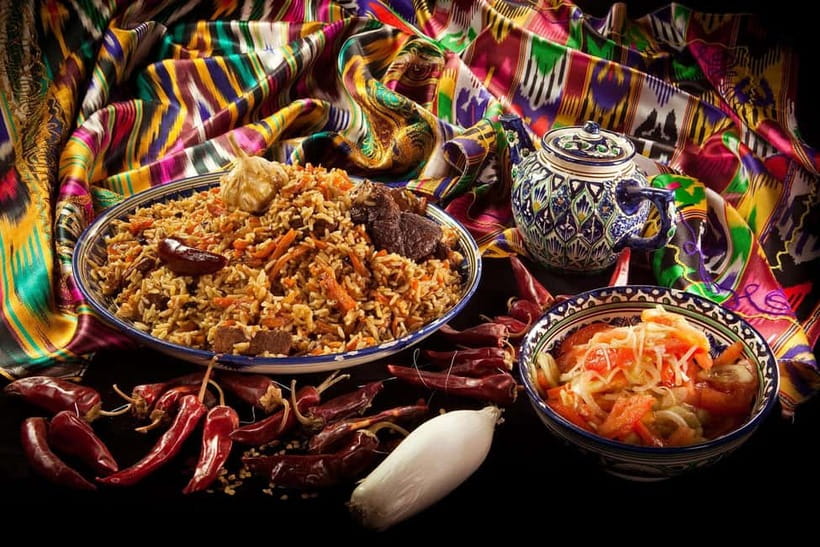
Plov, also called osh, is more than rice with meat and vegetables. It is a major part of Uzbek food culture, often connected with family gatherings and social occasions. Here, the guide and hosts can explain the ingredients and methods used in their own household.
The shopping stop also gives you a chance to ask questions. You can learn what goes into the dish, how food is bought locally, and how a family meal comes together. The reviews describe the guides as particularly good at explaining these details in clear English.
Do not expect the bazaar to be the main attraction of the day. It is a working stop that supports the cooking class. Its value comes from seeing the practical steps behind the meal.
Entering the family home
The home visit is the emotional center of the experience. You are welcomed by a local family and invited to share food, conversation, and time in their home. Hosts have included women who teach the cooking, older family members, and children curious to meet visitors.
The welcome may begin with snacks before the main cooking starts. This is a reminder that Uzbek hospitality often begins at the table. You may find the hosts offering food and conversation before anyone gets down to the formal activity.
The home setting also gives you details that a standard city tour cannot provide. You may see how a traditional house is built, including its materials and layout. A walk through gardens, farmland, or nearby homes can show how rural life connects the house with crops and animals.
Some outings have included a look at cotton fields, a chance to milk a cow, or an invitation to a local wedding or pre-wedding gathering. These moments are not guaranteed, so treat them as possible extras rather than promised stops. They show how flexible the day can be when local events happen to line up with your visit.
The family setting is warm, but remember that you are entering someone’s private world. Dress modestly, ask before photographing people, and follow the host’s lead around food and household spaces.
A few more cooking classes around the world worth a look
- Florence: Pasta Cooking Class with Unlimited Wine
★ 4.9 · 10,285 reviews - 3 in 1 Cooking Class near Navona: Fettuccine, Ravioli & Tiramisu
★ 5.0 · 7,376 reviews - Florence: Pasta & Tiramisu Cooking Class with Unlimited Wine
★ 4.9 · 6,708 reviews - Hanoi Cooking Class: Culture, Local Market & Meaning CSR Impact
★ 5.0 · 5,147 reviews
Cooking plov over a live fire
The cooking class is hands-on, though the exact amount of work you do can depend on the group and the host. You can expect to help prepare ingredients, watch the plov being cooked, and take part in making non bread and salads.
The most memorable detail is the live-fire method. The plov is prepared in a traditional way rather than made on a modern kitchen hob for a quick demonstration. Watching the dish develop over heat gives you a better sense of the care involved, especially as the host explains techniques passed through the family.
The class is not a technical cooking school with written measurements and a formal lesson plan. It is more like being welcomed into a household kitchen. You learn by watching, helping, asking questions, and tasting. If you want to recreate the dish at home, bring a notebook or use your phone to record the ingredients and steps, with permission.
You may also help bake non, the round Uzbek bread that appears on many tables. Fresh bread, salads, and snacks make the meal feel generous and complete. The quantity can be substantial, so arrive ready for a hearty lunch.
The long lunch and the best conversations
Once the food is ready, you sit down for a communal meal. This is where the day slows down in the best way. You share plov and other dishes with your hosts, talk about different cultures, and learn about family routines that are hard to see from a hotel or a monument.
I would not rush this part. The meal may take several hours when conversation is included. One guide, Javokhir, has been praised for keeping the exchange lively while also answering questions about Uzbek traditions. Other guides, including Asrorbek and Bekjon, have been described as friendly, helpful, funny, and polite.
The social setting is particularly valuable for solo visitors. One young woman traveling alone described the experience as helping her feel more comfortable in Uzbekistan. That does not mean the tour is only for solo travelers. Couples, families, and older visitors can also enjoy it, provided they are happy with a relaxed pace and a home-based setting.
Alcohol is not part of the official experience, and smoking indoors is not allowed. Water is provided, but bring extra if you prefer to have your own supply during the drive and village walk.
Walking through village life after lunch
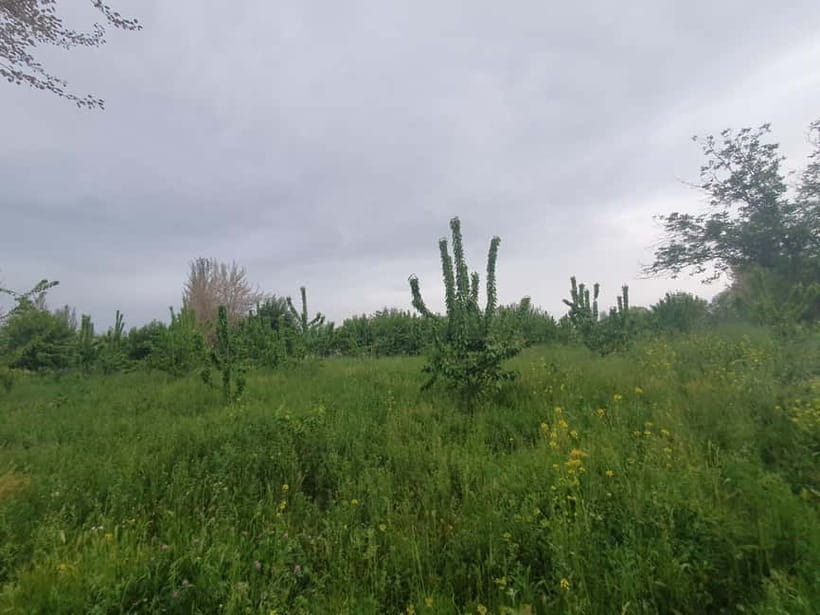
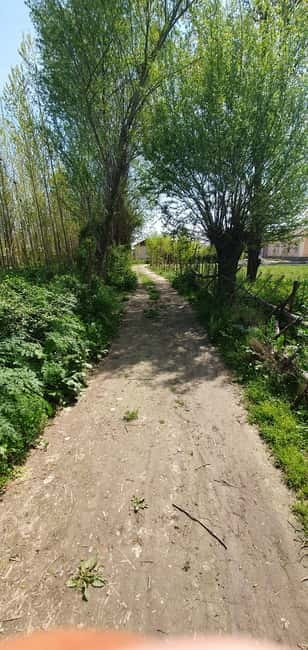
After eating, you may walk through the village or surrounding farmland. The walk can last around 30 minutes, though the full route may vary. It offers a chance to see houses, gardens, fields, livestock, and the broader setting beyond the family home.
The scenery is not the main point. You are not coming for a famous viewpoint or a carefully staged photo stop. You are coming to see how homes, farmland, and daily work fit together. In some places, you may notice mountain views in the distance or seasonal farm activity such as cotton growing and harvesting.
Wear proper walking shoes. Paths may be uneven, and the activity is not recommended for people with mobility impairments. The information also contains a contradiction: the tour is marked wheelchair accessible in one place but says it is not suitable for wheelchair users elsewhere. If access is important to you, contact the provider directly before paying.
A camera is useful, but avoid turning the village into a photo set. Ask before photographing people, homes, or children. A respectful approach usually leads to better interactions anyway.
Music, crafts, and local surprises
The day may finish with a short folk music performance by local musicians using traditional Uzbek instruments. This is listed as optional, so it may not happen on every departure. When available, it gives the visit a pleasant final note without turning the whole outing into a stage show.
You might also encounter traditional crafts, local games, or extra time in the gardens. These activities depend on the hosts, season, and what is happening in the community that day. The flexibility is a strength, but it also means the experience is not a rigid checklist.
I would book this for the human contact rather than for guaranteed add-ons. The core elements are the village visit, home hospitality, cooking class, meal, guide, and transport arrangement. Music and special events are welcome bonuses.
Is $59 a fair price?
At $59 per person, the value is good if you want more than a standard city tour. The price covers guiding, the village visit, the cooking class, a traditional meal, and transportation arrangements. You are also paying for access to a private family setting that would be difficult to arrange independently.
The eight-hour length helps the price make sense. There is time for the drive, market, cooking, meal, conversation, and walk rather than a rushed two-hour demonstration. Small groups can make the experience even better. One account described only two participants, which allowed for easy conversation and personal attention, though group size may change by date.
There is confusing information about transportation. The inclusions say transportation to the village is included, while another section says transportation to the village is not included. Since hotel pickup is also described, ask exactly what the $59 covers before booking. Clarify pickup, return, and any meeting-point instructions.
Free cancellation up to 24 hours before departure and a reserve-now, pay-later option make the booking less risky. Starting times depend on availability, so check the schedule against your other Samarkand plans.
Who should choose this experience?
I would recommend it to you if you:
- Want contact with local people, not only historic monuments
- Enjoy cooking, shared meals, and long conversations
- Prefer a relaxed day to an action-packed excursion
- Are curious about village homes, farming, and family customs
- Want a guided experience in English
- Are comfortable walking on possibly uneven ground
I would hesitate if you have limited mobility, dislike long drives, or want a tightly timed sightseeing program. It is also not the right choice if your main goal is a formal cooking lesson with exact recipes and professional kitchen equipment.
Bring comfortable shoes, a sun hat, sunscreen, and a camera. Dress respectfully for the home visit, keep water close, and leave some flexibility in your schedule. The day works best when you allow local conversation and family hospitality to take the lead.
Should you book the Samarkand village tour?
Yes, if you want one of Samarkand’s most personal cultural experiences. The plov is the tasty excuse, but the real value comes from entering a family home, shopping for ingredients, talking across cultures, and seeing how rural life works beyond the city.
Book it with realistic expectations. You may not receive every extra activity, and the transport and accessibility details need confirmation. But if you are happy with a slow eight-hour day, a generous meal, and genuine contact with local hosts, $59 is a sensible price for a side of Uzbekistan that most independent sightseeing will not show you.
FAQ
How long does the village tour last?
The experience lasts eight hours, including travel from Samarkand, the village visit, cooking class, meal, and return journey.
Where does the tour begin?
Pickup is listed from Samarkand, with hotel pickup available. Groups of more than five people may be directed to a meeting point, so confirm the arrangement in advance.
Is transportation included?
The information is inconsistent. One section includes transportation to the village, while another says it is not included. Ask the provider to confirm exactly what is covered before booking.
Is the tour available in English?
Yes. The experience includes a live English-speaking guide.
What food will I prepare?
The main dish is Samarkand-style plov, also known as osh. You may also help prepare non bread and salads.
Will I eat the food I prepare?
Yes. The experience includes sharing a traditional meal with the local family after cooking.
How far is the village from Samarkand?
The drive has taken about 40 minutes to one hour, depending on the departure and route.
Is the tour wheelchair accessible?
The information conflicts on this point. It is marked wheelchair accessible in one place but also says it is not suitable for wheelchair users. Contact the provider directly to confirm current conditions.
What should I bring?
Bring comfortable walking shoes, a sun hat, sunscreen, and a camera. Water is provided, but you may bring extra.
Can I cancel the booking?
You can cancel up to 24 hours in advance for a full refund. A reserve-now, pay-later option is also available.
Just added around the world
- Aroidee’s Farm-Fresh Thai Cooking Experience★ 5.0 · 8 reviews
- Signature Thai Cooking Course★ 5.0 · 79 reviews
- Private Half-Day Thai Cooking Class in Chiang Mai★ 5.0 · 4 reviews
- Half Day Guided Thai Cooking Class in Chiang Mai★ 5.0 · 13 reviews
- Online Thai and Akha Cooking Class★ 5.0 · 70 reviews
- Private Virtual Thai Cooking Class★ 5.0 · 9 reviews
- Northern Thai Cooking Class in Chiang Mai in a Countryside Home★ 5.0 · 2 reviews
- 5 Hour Morning Thai Cooking Course★ 5.0 · 31 reviews
Farm & Countryside Cooking Classes, compared.

Half-Day Thai Cooking Class at Organic Farm in Chiang Mai
Read our review →
Cooking Class and Lunch at a Tuscan Farmhouse with Local Market Tour from Florence
Read our review →
Authentic Cooking Class with Market & Farm Visit
Read our review →
Hands-On Cooking Class & Farmhouse Tour on the Amalfi Coast
Read our review →Lists this class appears in