
REVIEW · CAMPANIA, ITALY
Positano: Small-group Cooking Class at a Local’s Home
Bring your appetite to Positano’s kitchen. This three-hour class gives you a close look at Italian home cooking, not just a restaurant plate, and you prepare an appetizer, fresh pasta, and dessert from scratch. I especially like the personal setting and the chance to eat what you make with local red and white wines.
I also like that each host draws from family recipes and seasonal ingredients, so the menu tells a story about Campania. The main caution is location: although sold as a Positano experience, one booking was held in Priano, and reaching the host can take extra time. Ask for the exact address before planning your day.
Key points to know before booking

- Three courses from scratch: Prepare a starter, a regional fresh pasta dish, and a typical dessert.
- A true home setting: Your host opens a private home to a small group of curious cooks.
- Food and wine included: Taste all three dishes with water, local red and white wines, and coffee.
- Small group format: The class is limited to 10 participants, giving you more room to work and ask questions.
- Allow time for the commute: The host’s address is sent after booking, and some sessions take place outside central Positano, including Priano.
- Family recipes matter: The cooking lesson is also an introduction to local customs, ingredients, and kitchen habits.
What this Positano cooking class is really about
Positano is famous for cliffside views, steep lanes, and polished restaurants. This class offers a different kind of meal: you enter the world of a local cook, work with your own utensils and ingredients, and sit down to eat the results.
That change of pace has real value. You are not simply watching a chef prepare a dish while standing at a counter. You are handling the ingredients, following the method, and learning the small tricks that make Italian food work at home.
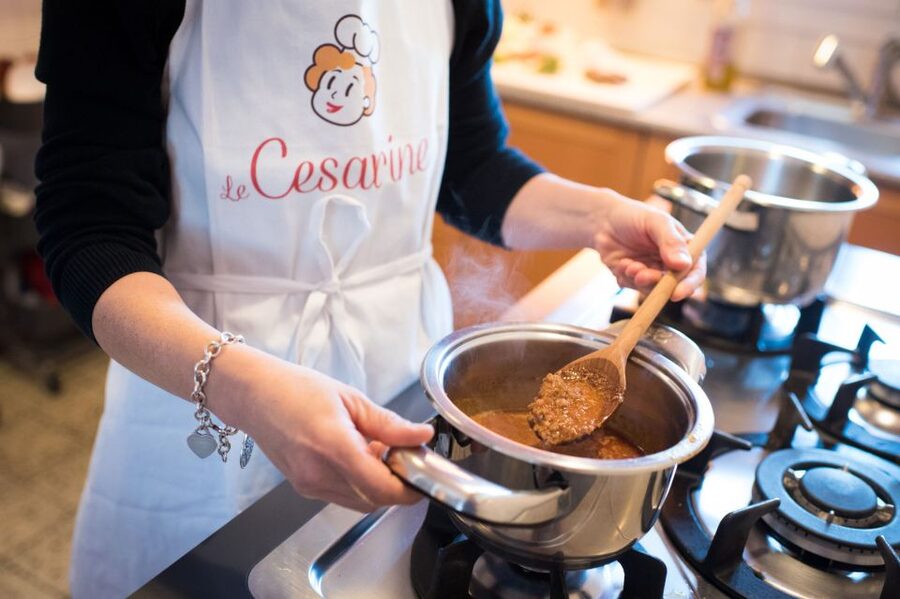
The experience is run by Cesarine, an Italian network of more than 1,000 home cooks in over 500 cities. Each host brings recipes from a family cookbook, so the exact dishes can vary. The sample structure remains steady: a seasonal appetizer, fresh pasta from the region, and a traditional dessert.
I like this format because it leaves room for personality. A formal cooking school can teach technique well, but a home cook can also explain why a family makes a dish in a certain way, what ingredients appear at different times of year, or how the recipe fits into local life.
A few more cooking classes around Italy worth a look
- Florence: Pasta Cooking Class with Unlimited Wine
★ 4.9 · 10,285 reviews - 3 in 1 Cooking Class near Navona: Fettuccine, Ravioli & Tiramisu
★ 5.0 · 7,376 reviews - Florence: Pasta & Tiramisu Cooking Class with Unlimited Wine
★ 4.9 · 6,708 reviews
Arriving at a local home in Campania
The meeting point is not a public shop or fixed restaurant address. Your host’s full location is kept private until you book, then Cesarine sends the address and telephone details after receiving your information.
That means you should not plan the class around a guessed point on a map. Tell the operator where you are staying and how you expect to reach the home. This information helps match you with a suitable cook and gives the operations team a better chance to send clear directions.
The location deserves special attention. The activity is presented as Positano, but a session with hosts Carla and Rocco took place in Priano. The setting received high praise, yet the journey was described as worth the effort. For you, the lesson is simple: check the address as soon as you receive it, then allow extra time for transport.
The address may also affect how you arrange the rest of your day. Positano and the surrounding towns are not flat or quick to cross, and a cooking class is more enjoyable when you are not hurrying up a steep road to arrive on time.
Setting up your workstation and meeting the host
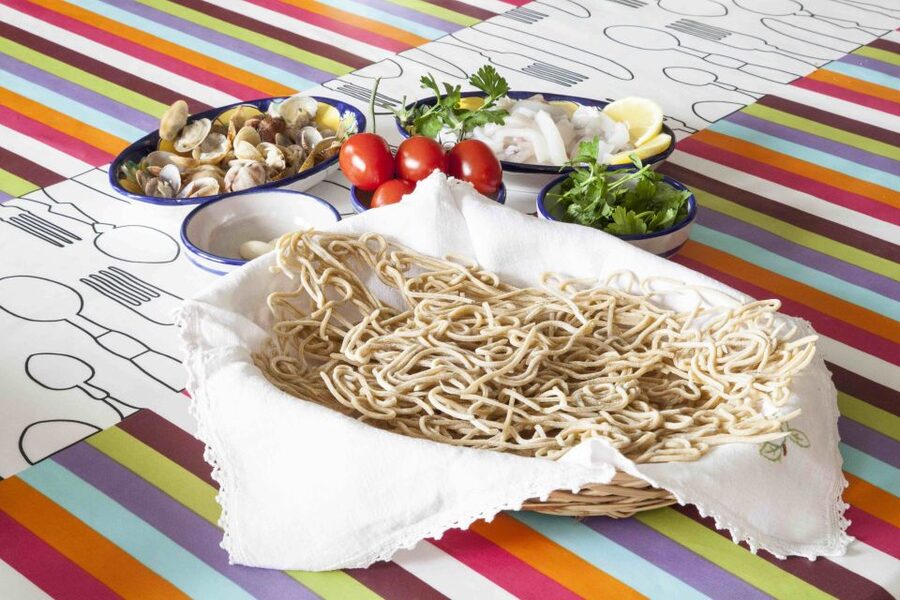
Once you arrive, you receive a workstation with the utensils and ingredients needed for the class. That is an important detail for beginners. You do not need to bring cooking equipment, and you can take part even if you are more comfortable eating pasta than making it.
The group is shared and limited to 10 people. That is small enough to feel personal, though it is not a private lesson. If the class reaches its full size, expect a social kitchen rather than one-on-one instruction.
The teaching language is Italian and English. Your host guides the group through three recipes and explains the practical methods behind them. The tone can vary by personality. Carla and Rocco, for example, were praised for their humor and warm way with the group. Rocco’s dry humor was a particular hit, while Carla was singled out for her cooking and sense of fun.
Those details matter because a cooking class is partly about the food and partly about the people at the table. A friendly host can make a simple preparation feel like an evening with new acquaintances instead of a lesson you merely attend.
Making the seasonal appetizer
The first course is a starter built around seasonal ingredients. The exact recipe is not fixed in the information provided, and that is part of the appeal. You are likely to work with what fits the time of year and the host’s family traditions, rather than a standard menu repeated everywhere.
This first stage also gives you time to settle into the group. You learn how the host organizes the workstation, handles the ingredients, and explains the recipe. If you have limited cooking experience, the appetizer should be a useful warm-up before the pasta work begins.
I would pay close attention to the small instructions here. Italian cooking often depends on timing, texture, and restraint rather than a long ingredient list. The point is not to race through a recipe. It is to see how a local cook turns ordinary ingredients into a dish worth sharing.
If you have an allergy or food intolerance, provide the information when booking or email it to [email protected] with your booking reference and name. Also share the neighborhood where you are staying and your planned way of reaching the host.
Same place, a different thing to cook:
- Cooking Class and Lunch at a Tuscan Farmhouse with Local Market Tour from Florence
★ 5.0 · 4,831 reviews - Rome: Pasta Making Class with Wine, Limoncello, and Dessert
★ 4.9 · 3,177 reviews - Pastamania – Florence Pasta Making Class
★ 5.0 · 3,050 reviews - Rome Cooking Class: Make Pasta and 3 Spritz Cocktails
★ 5.0 · 2,937 reviews
Preparing fresh regional pasta
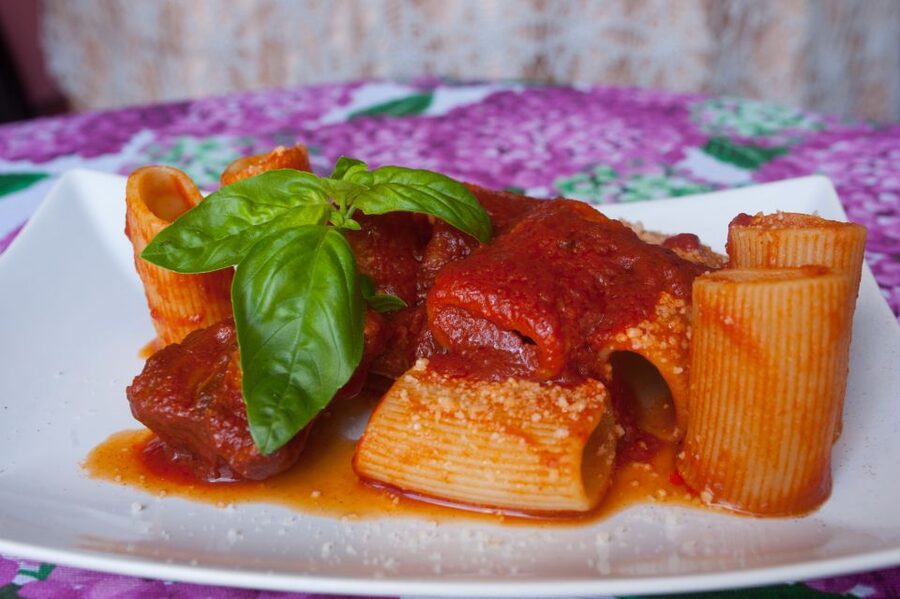
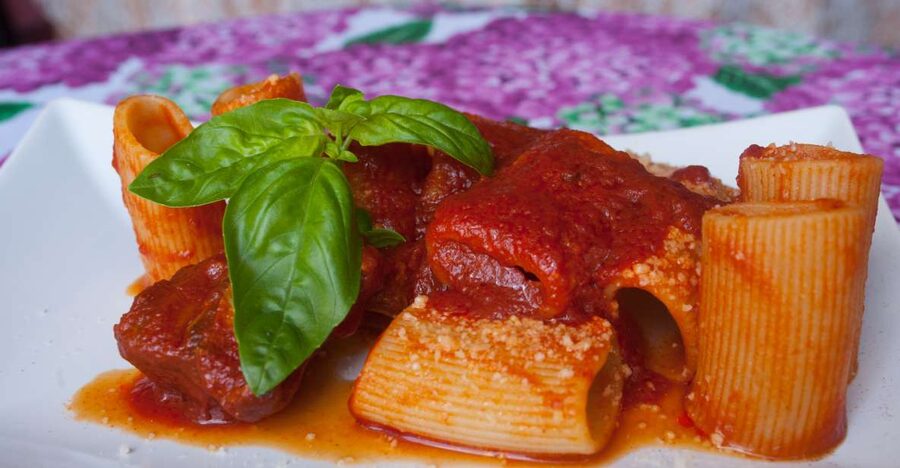
The pasta course is likely to be the main event. Every host serves a fresh pasta dish from the region, but the exact shape and sauce are not specified in advance. That gives the host room to show a recipe tied to family practice and local cooking.
You will prepare the dish under instruction, using the supplied ingredients and utensils. For many people, this is the most useful part of the class because pasta making involves hands-on work you can repeat at home. You are not only tasting a regional specialty; you are learning the sequence that brings it to the table.
The pace should feel social rather than professional. This is not advertised as chef training, and the class is designed for curious visitors, not culinary students. You can expect guidance, a chance to test your skills, and the occasional correction from the person who has made the dish many times.
One booking was led by Chef Antonio, whose teaching and meal earned especially strong praise. The setting was also described as beautifully decorated with a stunning view. That session took place in a restaurant setting, which suggests that the host environment can have its own character even when the food remains the focus.
Finishing with a traditional dessert
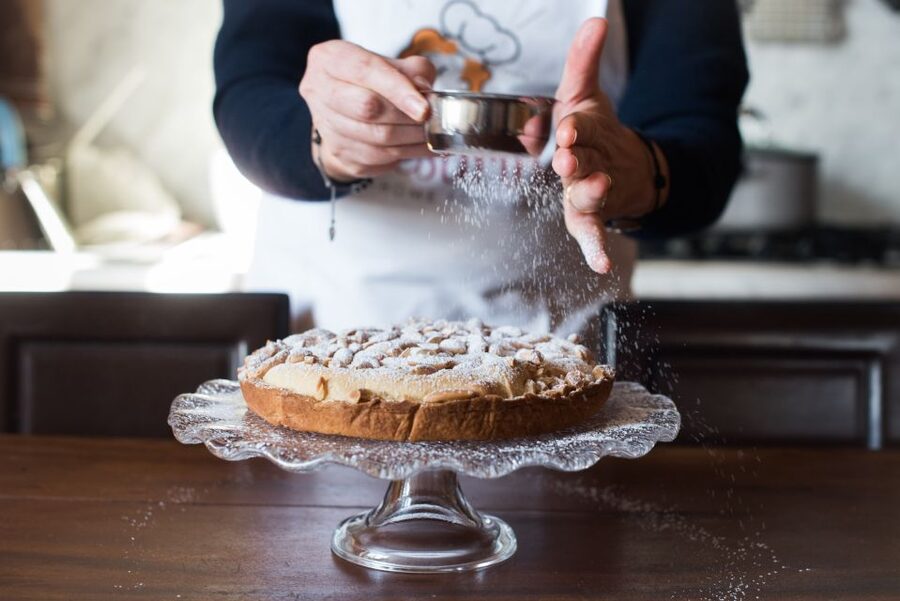
Dessert completes the three-recipe lesson. As with the appetizer and pasta, the exact sweet course depends on the host and the family cookbook. It is described as a typical dessert, so expect something connected to local cooking rather than a generic international pastry.
This final preparation changes the rhythm of the class. By this point, you have worked through the main savory course and can focus on the details that make a meal feel finished. You also have the anticipation of tasting everything soon.
The dessert may be the simplest course, but do not treat it as an afterthought. Italian meals often end with a dish that is modest in size but tied closely to custom. The host’s explanation can give you a better sense of how family recipes move from one generation to the next.
Sitting down to taste all three dishes
After the cooking, you eat the food you prepared. The tasting includes the appetizer, pasta, and dessert, along with water, local red and white wines, and coffee.
This is where the class earns much of its price. You are paying for instruction, ingredients, kitchen use, and a complete meal with drinks. At $243.56 per person, it is not a cheap lunch, but it replaces a separate restaurant meal and adds a three-hour activity with direct contact with a local host.
The value is strongest if you want more than a meal. A restaurant in Positano can give you a beautiful setting and professional service, but it cannot give you the same hands-on connection to a family recipe. If you only want to eat and move on, this class may feel expensive and slow. If you enjoy food, conversation, and learning by doing, the cost makes more sense.
The wine is served as part of the tasting, not as an extra purchase. You can chat with the host and other participants while trying the dishes, which gives the meal a relaxed family-table feel.
The views, the restaurant setting, and the location question
The experience is built around a local home, but the host’s setting may be a major part of the appeal. Antonio’s session had a lovely restaurant interior and a stunning view. Another class with Carla and Rocco took place in Priano and was considered worth the effort to reach.
You should keep your expectations flexible. The strongest reason to book is the cooking and personal contact, not a guarantee of one particular panorama or dining room. The full address arrives only after booking, and the available host determines the setting.
That uncertainty is not necessarily a flaw. It reflects the nature of a network of home cooks rather than a single commercial kitchen. Still, it makes advance planning important. If a sea view is essential to you, confirm what can be confirmed before you commit. If you mainly want a welcoming host and local recipes, the variety may work in your favor.
Who will get the most from the class
I would recommend this activity to couples, families, and small groups who like food with a story. It also suits people who want one slower, social afternoon in Positano instead of another round of sightseeing.
It is a good choice for cooks at different skill levels. Beginners receive tools, ingredients, and guidance. More experienced home cooks can focus on regional methods and the host’s personal approach to familiar dishes.
The class is less suitable if you dislike group activities or want a tightly controlled menu. You may not know the exact recipes before arrival, and the group can include up to 10 people. It is also not suitable for wheelchair users.
People with allergies or food intolerances should share those details before the class. Do not wait until you arrive. The operator specifically asks for this information so it can match you with the right home cook.
Timing, cancellation, and practical planning
The class lasts three hours, but starting times vary. Check the available time before you reserve, then plan your transport around the host’s actual address rather than the broad Positano label.
The activity ends back at the meeting point, which is the host’s home. Since the address is supplied after booking, you should leave room in your schedule for the return journey and avoid booking a tight connection immediately afterward.
You can cancel up to 24 hours in advance for a full refund. The reserve-now, pay-later option lets you hold a place without paying at once, which is useful while you are still arranging your Campania plans.
The class is offered in Italian and English. Local taxes are included, as are the cooking lesson, the three-course tasting, water, wine, and coffee. That makes the price easier to judge than it would be if drinks or ingredients were added later.
My verdict on the Cesarine cooking experience
Book this class if you want to meet a local cook, make three dishes yourself, and turn lunch or dinner into a social occasion. The best parts are the personal hosts, family recipes, regional pasta, and the chance to eat your own work with local wine.
Before booking, confirm the host location and think honestly about the price. A class in Priano can involve a commute, and the advertised Positano label does not guarantee a central Positano address. If you accept that detail, this is a warm and food-focused way to see Campania from inside a kitchen rather than from a restaurant table.
FAQ
How long does the cooking class last?
The class lasts three hours. Starting times vary, so check availability for the date you want.
Where does the class take place?
It takes place in a local host’s home. The full address is provided after booking for privacy reasons.
Is the class actually in Positano?
The experience is listed for Positano, but the host may be located elsewhere nearby. One session took place in Priano, so check the address and transport details before planning your day.
What food will I prepare?
The class includes an appetizer with seasonal ingredients, a fresh pasta dish from the region, and a typical dessert. The exact recipes may depend on the host and family cookbook.
Are drinks included?
Yes. Water, local red and white wines, and coffee are included with the meal.
How many people can join?
It is a shared small-group class limited to 10 participants.
What languages are available?
The experience is offered in Italian and English.
Can I cancel for a refund?
Yes. You can cancel up to 24 hours in advance for a full refund. The reserve-now, pay-later option is also available.
Just added around Italy
- Cooking Class in a Sicilian countryhouse★ 5.0 · 5 reviews
- Cesarine: Home Cooking Class & Meal with a Local in Catania★ 4.5 · 10 reviews
- Cesarine: Market Tour & Home Cooking Class in Catania★ 4.0 · 6 reviews
- Cooking Class in Taormina with Lunch Included★ 5.0 · 2 reviews
- Cooking Class and Wine Pairing in Capri★ 5.0 · 57 reviews
- Cooking class in Capri for small groups★ 4.0 · 4 reviews
- Private Cooking Class Experience in Reggio Calabria★ 5.0 · 5 reviews
- Lezione di Cucina : Pasta Fresca★ 5.0 · 12 reviews
Cooking Classes, compared.

Half-Day Thai Cooking Class at Organic Farm in Chiang Mai
Read our review →

3 in 1 Cooking Class near Navona: Fettuccine, Ravioli & Tiramisu
Read our review →
Pasta & Tiramisu Cooking Class with Unlimited Wine
Read our review →
Hanoi Cooking Class: Culture, Local Market & Meaning CSR Impact
Read our review →
5 Traditional Dishes Hanoi Cooking Class with Market Trip
Read our review →
Cooking Class and Lunch at a Tuscan Farmhouse with Local Market Tour from Florence
Read our review →
Cooking Class, Market & Thai Herbs Garden Tour
Read our review →Lists this class appears in