
REVIEW · GULF OF THAILAND, THAILAND
Phuket: Thai Cooking Class with Market Tour
Thai food tastes better when you make it yourself. This Phuket class combines a local market visit, a tropical garden, and hands-on cooking at family-run Wooddy Kitchen. I especially like the chance to cook with herbs and vegetables picked from the garden, and the choice of three or four dishes makes the class easy to match to your appetite. The main drawback is that people with food allergies are advised not to book, even though vegetarian, vegan, halal, and gluten-free options are available.
The setting also gives this experience more character than a standard indoor cooking lesson. You get a fruit tasting, a garden walk, and a meal you prepare yourself. Small groups and English instruction should help beginners feel comfortable, though the market tour is included only with the four-menu class.
Key points at a glance
- The four-menu class includes a local market tour, where you learn about Thai herbs, spices, and everyday ingredients.
- Wooddy Kitchen is family-run, with an open-air cooking space surrounded by tropical fruit trees and organic gardens.
- You cook three or four Thai dishes, with menus rotating daily and possible choices such as Tom Yum Kung, Green Curry, Pad Thai, Chicken Coconut Soup, and Mango Sticky Rice.
- Garden ingredients go straight into the lesson, giving you a closer look at how fresh herbs and vegetables shape Thai cooking.
- The class suits beginners and experienced cooks, with equipment, ingredients, lunch or dinner, and recipes included.
- Pickup is available from Patong, Karon, and Kata, while transportation outside the complimentary service area may cost extra.
Why this Phuket cooking class feels different
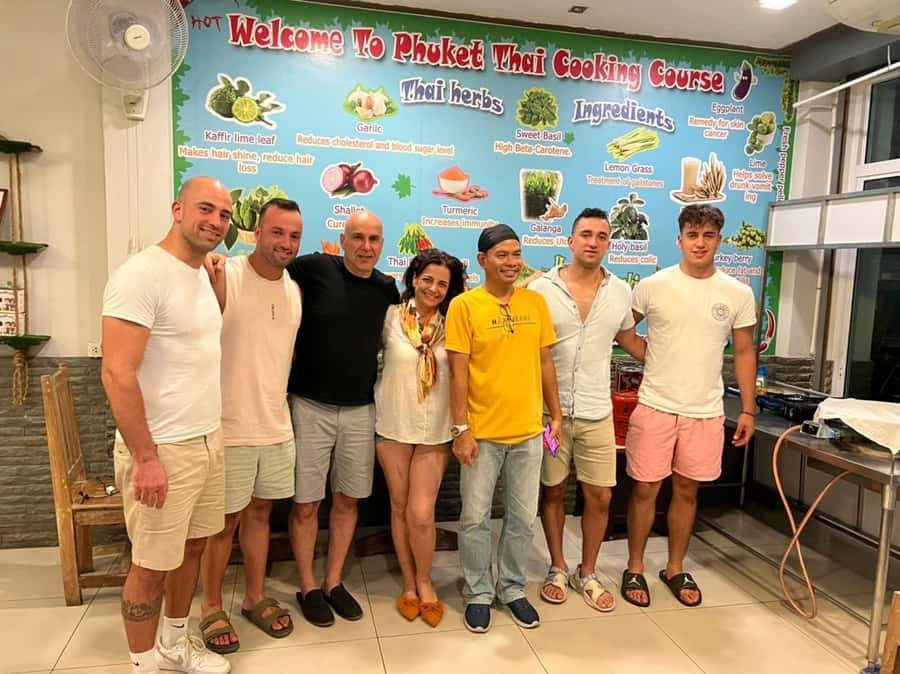
A Thai cooking class can be a pleasant way to fill a few hours. This one adds several layers to the meal. You begin with food culture at the market, continue with a walk through a tropical garden, and finish by cooking and eating your own dishes.
That sequence matters. Thai cuisine depends on fresh herbs, vegetables, coconut, chilies, seafood, and aromatic roots. Seeing ingredients before they reach the cooking station helps you understand why Thai food tastes so fresh and fragrant. You are not simply following a recipe. You are learning what the ingredients look like and how they fit into everyday Thai cooking.
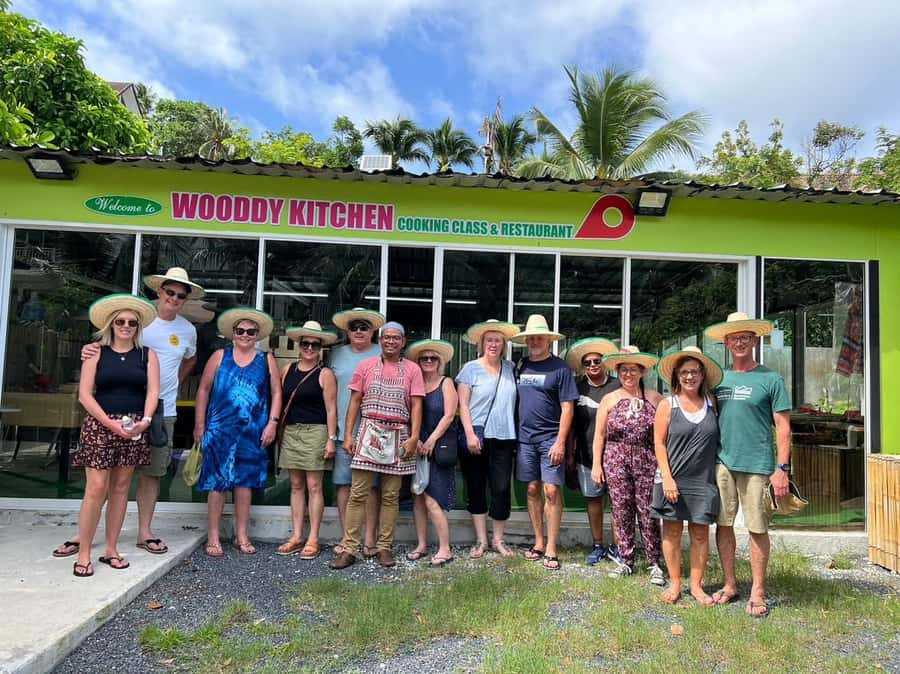
Wooddy Kitchen has operated as a family-run school since 2017. The family setting should appeal to you if you prefer a personal class over a large commercial demonstration. The open-air kitchen also keeps the lesson connected to the garden around you.
The class lasts about three to four hours. That is enough time for instruction, cooking, eating, fruit tasting, and the garden visit without turning the activity into an all-day commitment. You can choose a lunch or dinner session, depending on the available starting times.
More Cooking Classes with a Market Tour in Thailand
- Chiang Mai: Cooking Class, Market & Thai Herbs Garden Tour
★ 4.9 · 4,824 reviews - Chiang Mai: Authentic Cooking Class with Market & Farm Visit
★ 4.9 · 4,546 reviews - Phuket Thai Cooking Class with Market Tour Option
★ 5.0 · 2,665 reviews
Choosing between the three-menu and four-menu classes
The most important choice is the size of your menu. The three-menu class focuses on cooking three dishes. The four-menu option adds another dish and includes the local market tour.
I would choose the four-menu class if you want the fuller cultural experience. The market visit gives you context before you start cooking, and the extra dish makes the session better value if you are keen on Thai food. It also gives you more time to compare different flavors and cooking methods.
The three-menu class may suit you better if you prefer a shorter, lighter activity. You still receive the hands-on lesson, garden tour, fruit tasting, meal, and recipes. The tradeoff is simple: fewer dishes and no market tour.
Menus rotate daily. Possible dishes include Tom Yum Kung, Chicken Coconut Soup, Green Curry, Pad Thai, and Mango Sticky Rice. You should not expect to choose every dish listed. Instead, the available menu depends on the day of your class.
This rotating approach keeps the cooking tied to the ingredients available for the session. It also means you should check the current menu if there is one particular dish you want to learn. If Pad Thai is your main goal, for example, confirm its availability before booking rather than assuming it will appear every day.
Starting at the local market
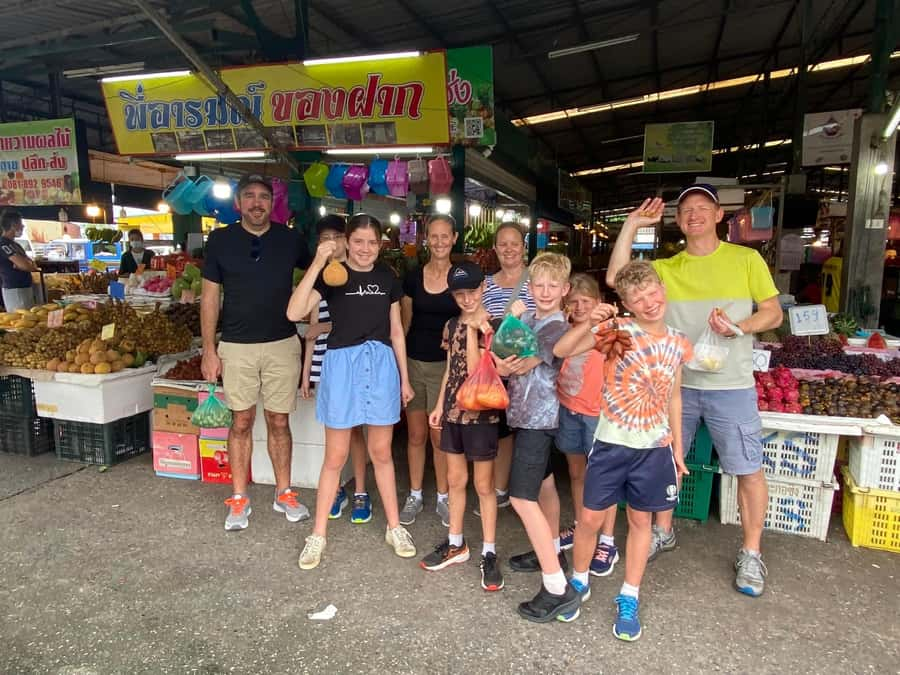
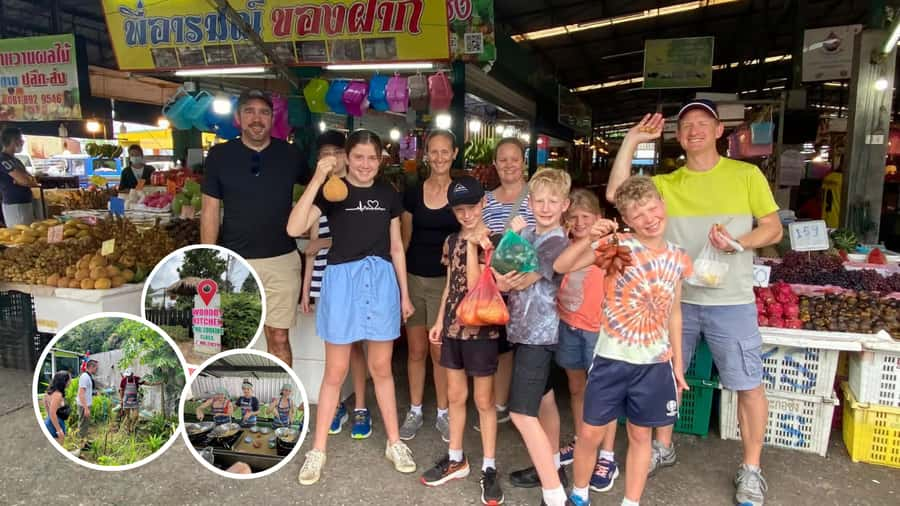
The market tour belongs to the four-menu class. It gives you a guided look at local ingredients and explains the role of Thai herbs and spices in the kitchen.
This is useful because many Thai ingredients are unfamiliar if you normally shop in Western supermarkets. A market visit can show you the raw materials behind familiar dishes, from aromatic herbs to vegetables and seasonings. You get a clearer sense of how much Thai cooking depends on freshness and balance.
The tour is not just a shopping stop before class. It sets up the cooking lesson that follows. When you later work with herbs and vegetables, you have already seen them in a local food setting.
You should wear comfortable shoes, especially since the experience includes both the market and a garden walk. Bring a camera if you enjoy food photography, but keep in mind that the main point is to pay attention to the ingredients and instruction.
The market visit is also one reason I would not automatically choose the cheapest or shortest option. If your interest is cultural as well as culinary, the additional time adds real value.
Cooking in the garden at Wooddy Kitchen
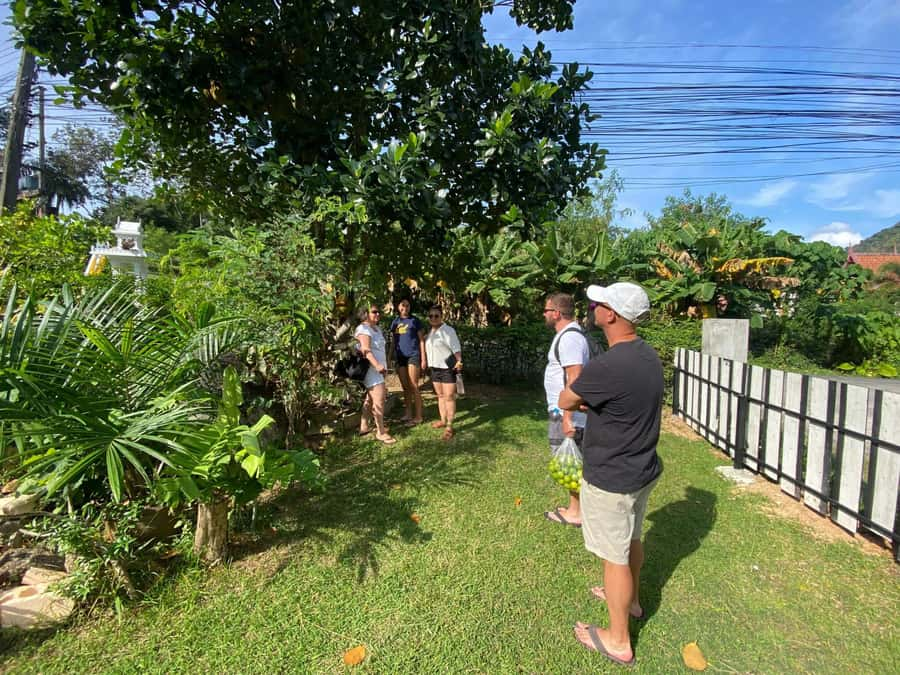
After the market portion, you move to the open-air kitchen at Wooddy Kitchen. The school is surrounded by tropical fruit trees and organic gardens, so the setting feels connected to the food rather than separated from it.
You receive all ingredients and equipment. That makes the class easy for beginners because you do not need to bring cooking tools or shop for anything yourself. The instruction is in English, and small-group availability should make it easier to ask questions and follow each stage.
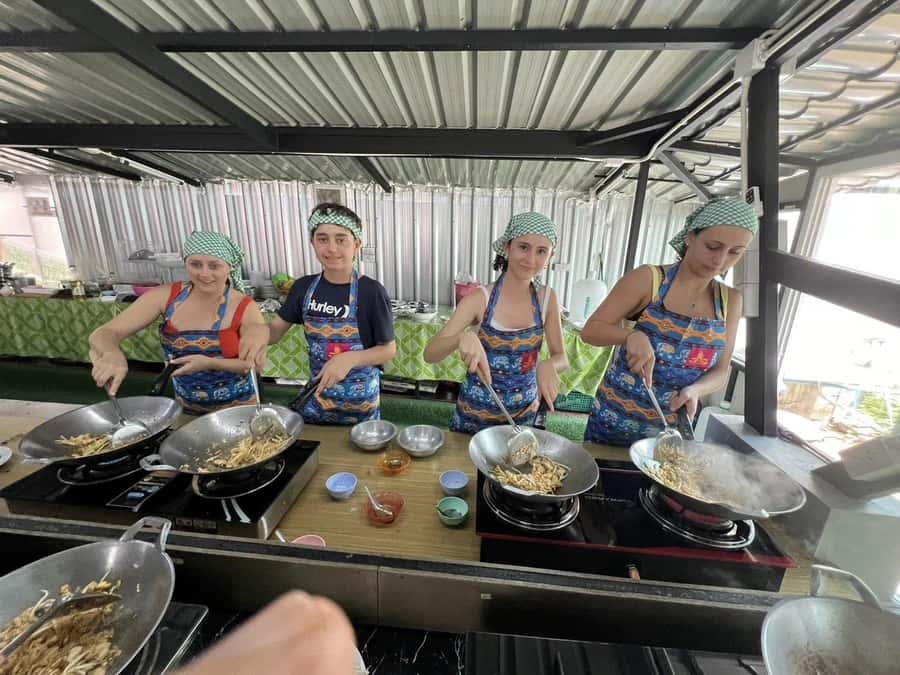
The cooking is hands-on. You prepare the dishes yourself with guidance rather than simply watching a chef work. That difference matters once you return home. A demonstration may show you what a finished curry looks like, but a hands-on class gives you a chance to handle the ingredients and follow the steps in sequence.
Beginners should feel at home here. The class is designed for people with different levels of cooking experience, so you do not need to be an accomplished home cook. If you already cook often, you may appreciate the chance to compare methods and work with ingredients you do not normally use.
The garden setting adds a pleasant break between cooking tasks. You are not spending the full experience at a counter. You also get a garden walk and a tropical fruit tasting, both included in the activity.
More Thai Cooking Classes in Thailand:
- Half-Day Thai Cooking Class at Organic Farm in Chiang Mai
★ 5.0 · 19,087 reviews - Thai and Akha Cooking Class in Chiang Mai
★ 5.0 · 4,358 reviews - Bangkok: Hands-on Thai Cooking Class and Market Tour
★ 4.9 · 1,614 reviews - Bangkok: Tingly Thai Cooking School Half-Day Cooking Class
★ 4.9 · 1,191 reviews
What you may cook during the session
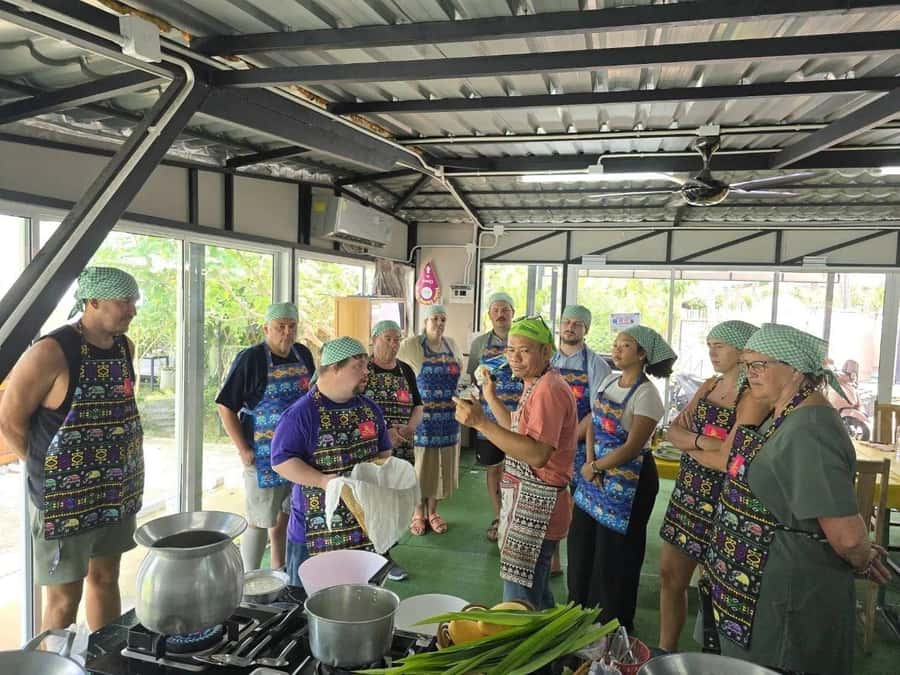
The possible dishes cover several of the best-known parts of Thai cuisine.
Tom Yum Kung brings hot, sour, and aromatic flavors together. It is a good lesson in balance because Thai cooking often depends on several strong tastes working at once rather than one flavor dominating.
Chicken Coconut Soup offers a gentler contrast. Coconut-based soups show how creamy texture can soften heat while keeping the dish fragrant.
Green Curry gives you a chance to work with one of Thailand’s most familiar curry styles. Its appeal comes from the combination of herbs, spices, coconut, and heat.
Pad Thai is a practical favorite for many people because it is familiar from Thai restaurants around the world. Preparing it yourself can help you understand how noodles, sauce, vegetables, and protein come together in one pan.
Mango Sticky Rice brings the class to a sweet finish. It also gives the menu a useful range, since you are not cooking only savory dishes.
The class may include other dishes as well, and the menu changes daily. You should see the examples as possibilities, not promises. That rotating schedule is worth keeping in mind if you have a specific recipe in mind.
Fresh herbs, fruit tasting, and the garden walk
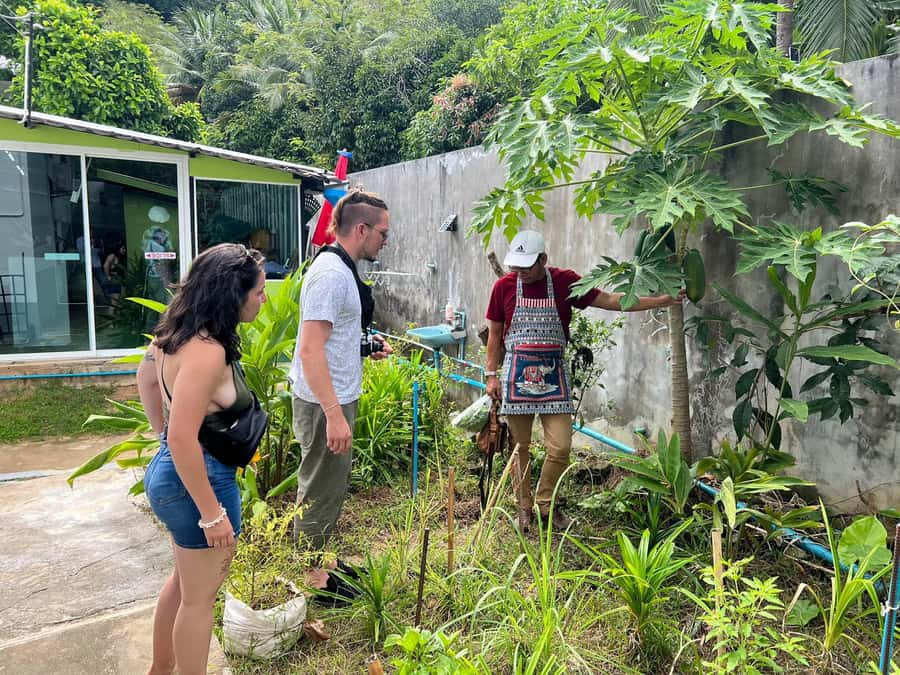
The garden is more than a pretty backdrop. You get to see organic herbs and vegetables growing close to the kitchen, then use garden produce in the cooking lesson.
That short distance between garden and plate is one of the strongest parts of the experience. It gives you a direct connection between Thai cooking and the plants that supply its flavor. You can also ask about ingredients in the setting where they are grown, rather than only seeing them prepared on a work surface.
The tropical fruit tasting adds another local food experience without taking over the class. Thailand is known for its broad range of tropical fruit, and tasting it in a garden setting gives you a simple, enjoyable break from the cooking.
Bring your camera if you want pictures of the garden and food. Comfortable shoes are more useful than formal clothing. Smoking, alcohol, drugs, and pets are not allowed.
Dietary choices and the allergy warning
The class offers halal, vegetarian, vegan, and gluten-free options. You need to tell the operator about dietary restrictions in advance so the kitchen can plan for them.
That flexibility makes the class a good option for many different diets. It is especially helpful if you are traveling with family or a mixed group, since people do not all need to eat the same style of food.
There is an important limit: the experience is not suitable for people with food allergies. Do not treat a gluten-free option as proof that the kitchen can safely handle a serious allergy. If you have an allergy or a medical dietary need, contact the provider before booking and follow the stated guidance.
What the $72 price includes
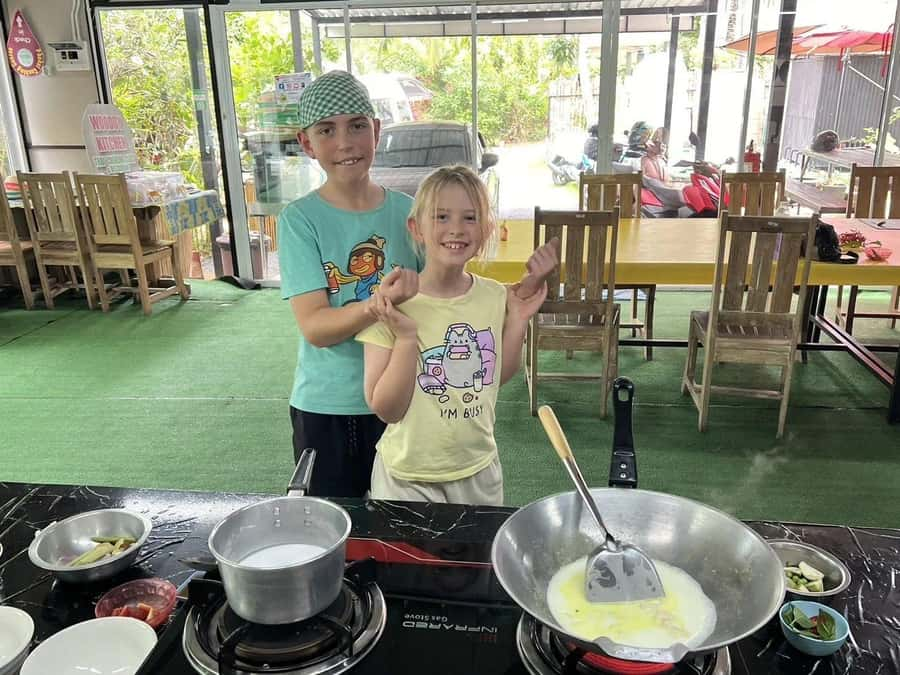
At $72 per person, the price is not just paying for a cooking demonstration. It covers the hands-on class, ingredients, equipment, lunch or dinner, recipes to take home, the fruit tasting, and the garden tour.
The four-menu option also includes the local market visit. Hotel pickup is included from Patong Beach, Karon Beach, and Kata Beach. Taken together, those inclusions make the price reasonable if you value a complete half-day food experience rather than only a meal.
You also avoid the small extra costs that can add up during independent cooking activities. There is no need to buy ingredients, rent equipment, arrange a market guide, or find a separate meal afterward.
The value is weaker if your only goal is to eat Thai food. Phuket has many less expensive meals. This experience earns its price through participation, instruction, the garden setting, and the take-home recipes.
Pickup outside the complimentary service area may involve an additional charge. Check your hotel location when booking. The activity also offers reserve now and pay later, and cancellation is free up to 24 hours in advance, which gives you some flexibility if your Phuket plans change.
Who will enjoy this class most
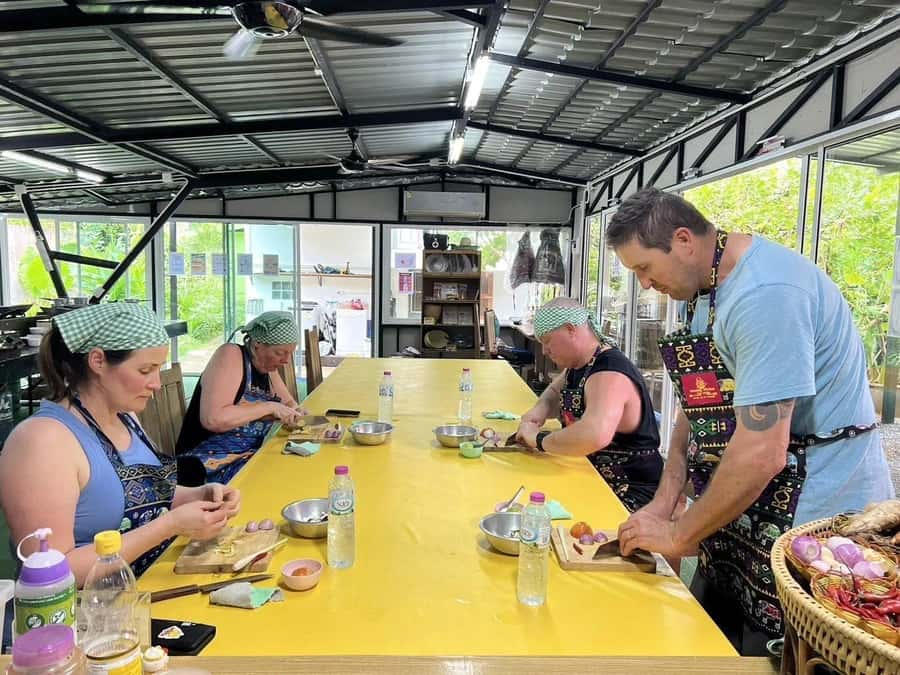
I would recommend this experience to you if you like food, enjoy learning by doing, or want a break from Phuket’s beach routine. It works well for first-time cooks because the lesson supplies the tools and ingredients, and it also gives experienced cooks a chance to work with Thai flavors in a local setting.
Families can benefit from the mix of activities. The market, garden, fruit tasting, and cooking keep the class varied, so you are not focused on one task for the whole three or four hours.
Couples and small groups may appreciate the relaxed, shared meal at the end. The recipes are useful if you want to recreate part of your holiday after returning home.
I would be more cautious if you dislike group activities, have a serious food allergy, or want complete control over the dishes you prepare. The menu rotates daily, and the market tour is limited to the four-menu option.
Practical details before you book
Hotel pickup is available from Patong, Karon, and Kata. If you stay outside those areas, ask about possible additional transportation charges before confirming.
The instructor speaks English, and small-group availability is offered. Starting times vary, so check the schedule for your chosen date. You can book a lunch or dinner experience.
A separate entrance is available for the activity. Bring comfortable shoes and a camera. Do not bring pets, alcohol, or drugs, and smoking is not allowed.
Most important, state dietary restrictions or allergies in advance. The class can accommodate halal, vegetarian, vegan, and gluten-free diets, but people with food allergies should not book this experience.
Should you book Wooddy Kitchen?
Book it if you want more than a restaurant meal. The four-menu option is the strongest choice because the market visit adds useful context, while the garden tour and fruit tasting make the class feel like a broader look at Thai food culture.
Choose the three-menu class if you want the cooking and meal without the longer market portion. At $72, the experience is good value for anyone who will enjoy learning, eating, and taking recipes home. Skip it if you have food allergies or need a fixed menu, since those are the clearest limits.
FAQ
How long does the Thai cooking class last?
The experience lasts about three to four hours. The exact start time depends on availability.
Does every class include a local market tour?
No. The local market tour is included with the four-menu class only.
How many dishes will I cook?
You will cook either three or four authentic Thai dishes, depending on the class you choose.
Which dishes might be on the menu?
Possible dishes include Tom Yum Kung, Chicken Coconut Soup, Green Curry, Pad Thai, and Mango Sticky Rice. Menus rotate daily.
Is the cooking class suitable for beginners?
Yes. The class is hands-on and designed for both beginners and experienced cooks.
Are ingredients and cooking equipment included?
Yes. All ingredients and equipment needed for the class are included.
Are vegetarian or vegan dishes available?
Yes. Vegetarian, vegan, halal, and gluten-free options are available. Tell the provider about your dietary needs in advance.
Can people with food allergies join?
The experience is not suitable for people with food allergies. You should inform the provider about dietary restrictions before booking.
Is hotel pickup available?
Yes. Pickup is included from hotels in Patong Beach, Karon Beach, and Kata Beach. Additional charges may apply outside the complimentary service area.
What should I bring to the class?
Bring comfortable shoes and a camera. Pets, smoking, alcohol, and drugs are not allowed.
Just added around Thailand
- Aroidee’s Farm-Fresh Thai Cooking Experience★ 5.0 · 8 reviews
- Signature Thai Cooking Course★ 5.0 · 79 reviews
- Private Half-Day Thai Cooking Class in Chiang Mai★ 5.0 · 4 reviews
- Half Day Guided Thai Cooking Class in Chiang Mai★ 5.0 · 13 reviews
- Online Thai and Akha Cooking Class★ 5.0 · 70 reviews
- Private Virtual Thai Cooking Class★ 5.0 · 9 reviews
- Northern Thai Cooking Class in Chiang Mai in a Countryside Home★ 5.0 · 2 reviews
- 5 Hour Morning Thai Cooking Course★ 5.0 · 31 reviews
Cooking Classes with a Market Tour, compared.

Hanoi Cooking Class: Culture, Local Market & Meaning CSR Impact
Read our review →
5 Traditional Dishes Hanoi Cooking Class with Market Trip
Read our review →
Cooking Class and Lunch at a Tuscan Farmhouse with Local Market Tour from Florence
Read our review →
Cooking Class, Market & Thai Herbs Garden Tour
Read our review →
Authentic Cooking Class with Market & Farm Visit
Read our review →
Paella Cooking Experience & Boqueria Market Tour
Read our review →
Cooking Class Hoi An:Local Market, Basket Boat, Fishing & Cooking
Read our review →
Hoi An Cooking Class(Market,BasketBoat Crabfishing&Cooking Class)
Read our review →Lists this class appears in