REVIEW · SOUTH OF FRANCE, FRANCE
Nice: Mediterranean Fresh Pasta Cooking Class with Dinner
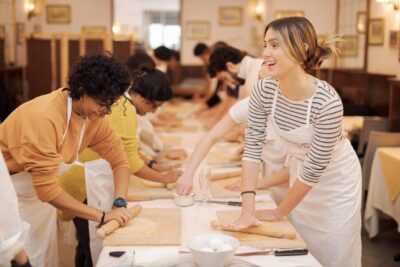
Fresh pasta makes a fine souvenir. In Nice, this 150-minute cooking class turns dinner into a hands-on lesson, beginning with an aperitif and ending with the meal you helped prepare. I like the clear focus on traditional techniques and the small group, limited to 10 people. You get more personal help than in a large demonstration class.
I also like the setting at Villa Joséphine, marked by a yellow Italian-style maisonette and green plants near Avenue Georges Clémenceau. The main consideration is simple: this is a pasta-centered evening, not a full survey of Provençal cooking, and extra food or drinks beyond the included aperitif and dinner cost more.
Key points to know before booking
- Fresh pasta from scratch: You mix, knead, shape, and cook the dough yourself rather than simply watching a chef work.
- Aperitif before the lesson: The opening drink gives you time to meet the chef and the other participants before cooking begins.
- Dinner is part of the class: You sit down to eat the pasta you prepared, with time for conversation and questions.
- Small group of up to 10: The limited size allows for personal guidance during the practical steps.
- Central Nice meeting details: Look for the yellow Italian-style maisonette on Avenue Georges Clémenceau, at ground level in Villa Joséphine.
- Strong early feedback: Four published ratings give the class five stars, with special praise for the warm welcome, food, wine, cleanliness, and friendly atmosphere.
Why this Nice cooking class works
Nice is a good place for a cooking lesson because food here sits at the meeting point of France and the Mediterranean. This experience adds an Italian thread through fresh pasta, while keeping the emphasis on Mediterranean ingredients and methods.
You are not signing up for a quick recipe demonstration. The useful part is the chance to handle the dough yourself. You learn how to mix ingredients, knead the dough, shape it, and cook it. Those steps sound basic until you try to judge texture with your own hands. A chef can correct your technique as you work, which is more useful than simply taking notes.
I like that the class begins with a welcome aperitif. It gives the evening a gentle start instead of dropping you straight at a work surface. You can meet the professional chef and the other participants, hear about the menu, and get an introduction to the ingredients and methods.
The atmosphere also appears to be a major part of the appeal. One published rating described the evening as being like dinner with old friends, with nice wine, good conversation, and delicious food. That is a useful clue for setting expectations: the class aims to feel social and relaxed, not stiff or overly formal.
More Pasta Making Classes in France:
- Florence: Pasta Cooking Class with Unlimited Wine
★ 4.9 · 10,285 reviews - 3 in 1 Cooking Class near Navona: Fettuccine, Ravioli & Tiramisu
★ 5.0 · 7,376 reviews - Florence: Pasta & Tiramisu Cooking Class with Unlimited Wine
★ 4.9 · 6,708 reviews
Finding Villa Joséphine in Nice
The meeting point is specific, but you still need to pay attention when arriving. Look for a yellow Italian-style maisonette that is easily visible from Avenue Georges Clémenceau. The class takes place on the ground floor of Villa Joséphine, the building surrounded by green plants.
This is the kind of location note worth saving on your phone before you set out. The yellow building is your visual marker, and the ground-floor setting should make arrival straightforward once you identify the villa. Hotel pickup and drop-off are not included, so you are responsible for reaching the meeting point yourself.
I would allow a little spare time, especially if you are walking from another part of Nice or trying to arrive after a full day of sightseeing. The class has a planned opening with an aperitif, so arriving on time matters. You do not want to miss the menu introduction while searching for the right entrance.
The activity is wheelchair accessible. If you have food allergies or dietary restrictions, tell the organizer in advance. That is particularly important for a cooking class, where flour and other ingredients are handled from the beginning.
The aperitif sets the tone
The first stage is not a long lecture. You begin with a welcome aperitif while the chef introduces the menu, ingredients, and traditional Mediterranean pasta techniques.
This opening has practical value. You get a sense of what you will make and how the evening will run before your hands are covered in dough. It also gives the chef a chance to explain the ingredients you will use and the methods behind the dish.
The social side matters too. Cooking beside strangers can feel awkward for the first few minutes, especially if you arrive alone. Sharing an aperitif gives everyone a natural way to talk before the more focused work begins. Based on the strong comments about conversation and the welcoming reception, this is likely one of the class’s best features.
Do not treat the aperitif as an open bar. The included offering is the welcome aperitif, while additional food and drinks not listed as included are separate expenses. If you want a larger dinner or several drinks, keep that in mind when judging the total cost.
Mixing and kneading the pasta dough
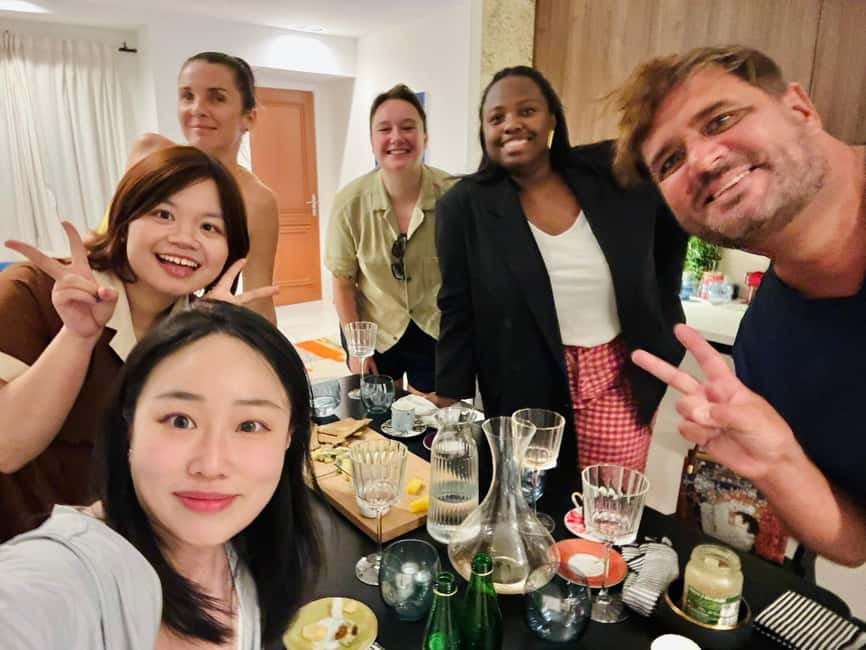
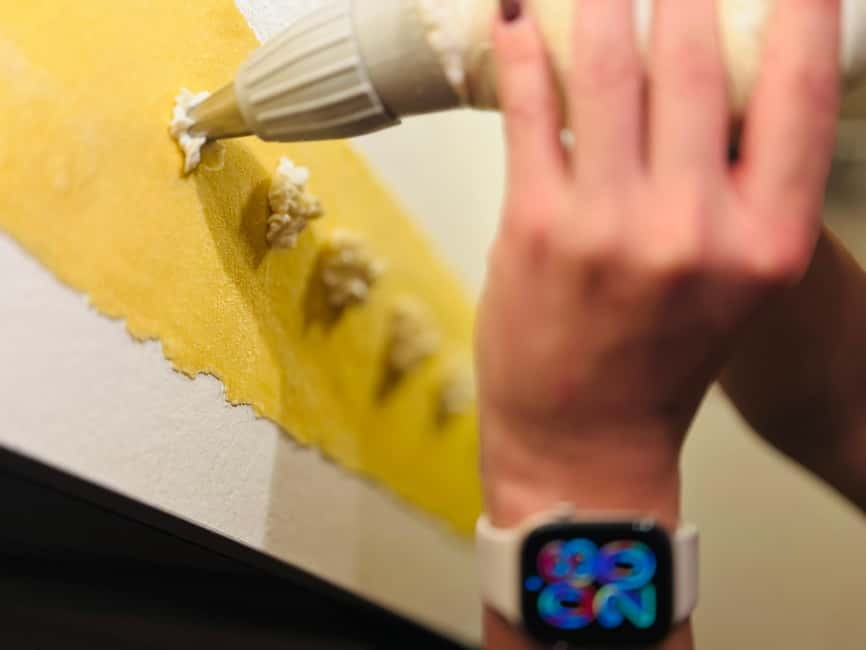
The heart of the class is the hands-on preparation of fresh pasta. You learn to mix and knead the dough rather than receiving a finished portion from the chef.
This is where the class offers more value than a standard meal. You feel how the dough changes as it comes together, and you can ask questions at the moment they matter. A professional chef guides you step by step, sharing tips and culinary insight along the way.
The class uses carefully selected, high-quality ingredients. That does not mean you are sitting back to admire them. You use them in the cooking process, which helps connect the final taste with the decisions made earlier.
I also like the small group limit of 10 people here. Pasta dough can be a tactile process, and you want enough access to the work area to follow along. A large class could make it harder to get individual help. With a smaller group, you have a better chance to ask about texture, shaping, or cooking without waiting through a crowd.
The exact pasta shape and menu are not specified, so you should not book expecting one particular recipe. The reliable promise is the method: mix, knead, shape, and cook fresh Mediterranean pasta under the chef’s guidance.
More Cooking Classes with a Meal in France:
- Paris Evening Cooking Class French Dinner and Market Visit Option
★ 5.0 · 430 reviews - Paris French Cuisine Small Group Cooking Class with Lunch
★ 4.5 · 418 reviews - Pasta Making & Wine Tasting with Dinner in Frascati from Rome
★ 5.0 · 1,326 reviews - Palermo: Pizza and Gelato Cooking Class with Dinner and Wine
★ 4.9 · 951 reviews
Shaping and cooking your own pasta
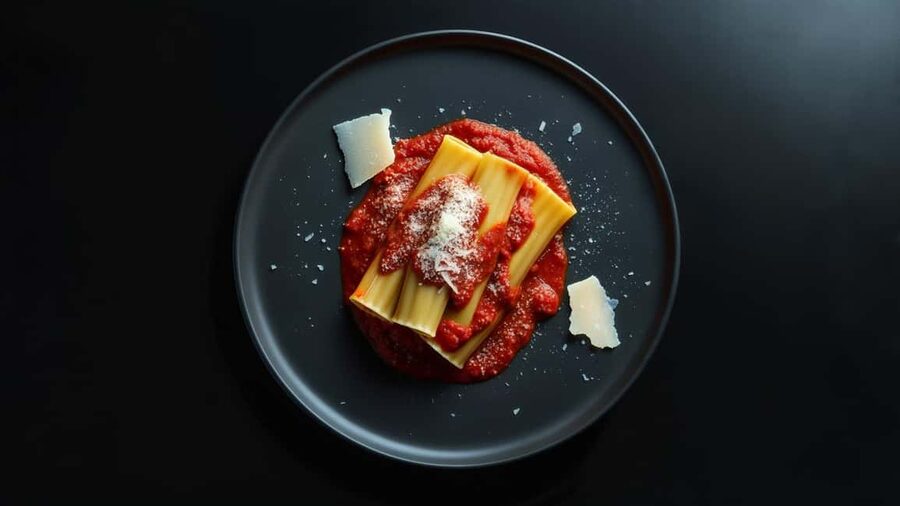
Once the dough is ready, you move on to shaping and cooking. These steps turn the class from a dough lesson into a complete meal.
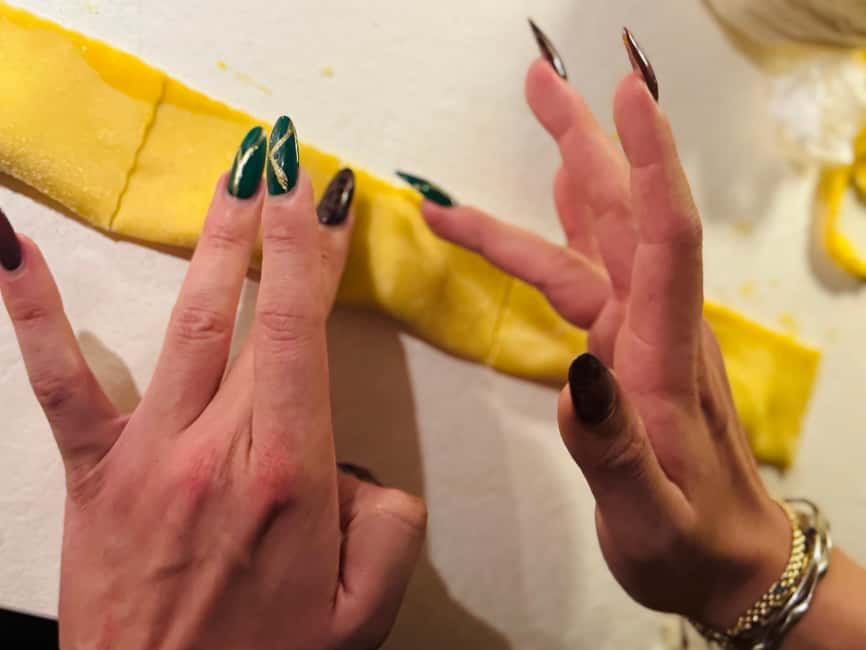
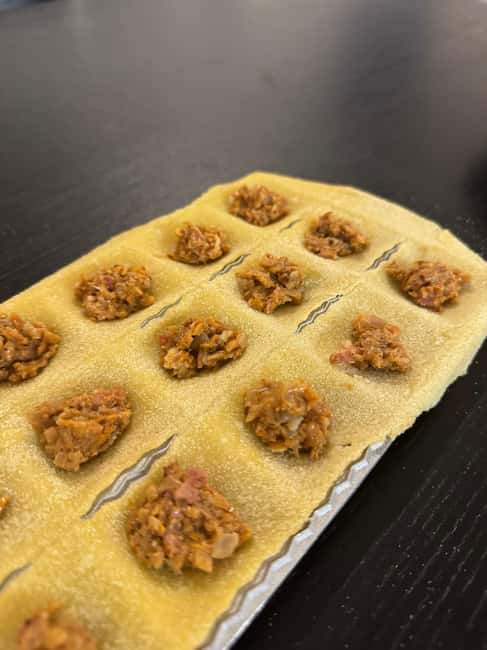
Shaping pasta is often where technique becomes visible. The chef can show you how to work carefully and consistently, while you practice the motion yourself. If your first pieces are not perfect, that is part of the fun. Fresh pasta is forgiving in a way a museum timetable is not.
Cooking completes the chain. You do not simply make something and leave it behind for someone else to finish. The food you prepare becomes the dinner you share at the end of the session.
All kitchen equipment and utensils are included, so you do not need to bring cooking tools. The class supplies the ingredients as well. That makes this a tidy option for a holiday in Nice, when carrying specialist kitchen equipment is not exactly practical.
The chef’s role is important throughout. You are not expected to arrive with pasta-making experience. The activity is designed around instruction and personal guidance, making it suitable for beginners who want to learn by doing.
Sitting down for the shared dinner
After the cooking is finished, you sit down together for dinner featuring the pasta you prepared. This final meal gives the class a satisfying purpose. You can taste the result while the techniques are still fresh in your mind.
The dinner is shared, which keeps the mood informal. It is a chance to ask further questions, compare how the pasta turned out, and enjoy the company of the group. One five-star rating called the meal amazing and the people equally good, while another praised the food, wine, and conversation.
You should think of the meal as the conclusion of the lesson, not a separate restaurant dinner with a cooking show attached. The food is the work of the group, guided by the chef. That makes the evening more memorable, but it also means the experience is tied to your participation.
The published feedback is unusually consistent. Four ratings, from both American and French participants, awarded five stars. The comments praise an informative night, a warm welcome, clean surroundings, good food, and a friendly atmosphere. One French participant attended as a Christmas gift for a husband and son, and described the entire process from preparation through tasting as a success.
That kind of feedback is useful because it covers different types of visitors. The activity worked as a gift, as a social evening, and as a personal cooking experience. Still, praise for the atmosphere should not lead you to expect a formal culinary qualification. You are learning practical pasta skills during a short class, not training as a professional chef.
Is $106 a fair price?
At $106 per person, this is not the cheapest way to eat in Nice. You could certainly find a less expensive meal. The value comes from combining dinner with instruction, ingredients, equipment, an aperitif, and a small-group setting.
I think the price makes the most sense if you want an activity, not just a plate of food. For 150 minutes, you receive a guided cooking session and the meal that follows. You also avoid the need to buy ingredients or arrange kitchen equipment yourself.
The value is stronger for people who enjoy participation. If you mainly want to sit down and be served, a restaurant will be simpler and possibly cheaper. If you want to learn how fresh pasta is made and then eat your own work, the class offers a fuller evening.
You should also factor in the social setting. The strongest praise concerns the friendly reception and shared dinner, not just the recipe. If you are traveling alone or want an easy way to meet people over food, that atmosphere may be worth part of the cost.
The price does not include hotel transportation, extra food, additional drinks, personal purchases, or souvenirs. Plan to reach the villa independently and avoid assuming that the included aperitif covers the whole evening’s drinks.
Who will enjoy the 150-minute format?
This class suits first-time pasta makers, couples, families with older children, solo visitors, and friends who want a meal with some activity attached. The small group and step-by-step help make it approachable if you have never made pasta before.
It is also a good choice for a gift. The French participant who gave it as a Christmas present to a husband and son found that all three enjoyed the activity. A gift certificate or booked place can offer more personal value than another object in a suitcase.
The class is less suitable for babies under 1 year, who are specifically excluded. It may also disappoint you if you want a broad cooking tour covering many local specialties, market shopping, or several courses. The focus is fresh Mediterranean pasta, followed by dinner.
People with dietary restrictions should contact the organizer before attending. The class may be able to prepare for your needs, but the available information does not promise specific substitutions. Do not wait until the flour is already on the table to raise the issue.
Wheelchair users can consider the activity because it is listed as wheelchair accessible. You may still want to confirm any personal access requirements with the organizer before booking, particularly if you need details beyond the general accessibility information.
A few practical ways to enjoy it more
Arrive with enough time to locate the yellow maisonette and ground-floor entrance. The class starts with an aperitif and menu introduction, so punctuality helps you settle in without interrupting the opening.
Wear clothing you are comfortable cooking in. The supplied information does not specify a dress code, but pasta making is a hands-on activity. You will get more from the class if you are willing to work with the dough rather than worrying about every flour mark.
Tell the organizer about allergies or dietary restrictions in advance. This is the most important preparation step because the ingredients are central to the entire experience.
Keep your schedule open for the full 150 minutes. The dinner is part of the activity, and leaving early would cut short the social portion and the chance to ask questions.
If you are hoping to recreate the meal at home, pay close attention during the mixing and kneading stages. Those are the techniques most likely to help you later, even if the exact menu or pasta shape changes.
Cancellation is flexible up to 24 hours before the start time for a full refund, and you can reserve now and pay later. That is helpful if your Nice plans are still shifting, though you should still check the available starting times before committing.
Should you book this pasta class?
Book it if you want an active evening, enjoy learning through your hands, and like the idea of meeting people over a shared meal. The strongest reasons to go are the small group, professional instruction, included dinner, and warm social tone praised across all four five-star ratings.
Think twice if you want a quiet restaurant meal, a long technical workshop, or a wide tour of regional French cuisine. This is a focused pasta class, not a full culinary program.
For most food-loving visitors to Nice, I think the combination of making fresh pasta, enjoying an aperitif, and eating the finished dish gives the $106 price a fair return. Add the easy cancellation terms and wheelchair accessibility, notify the organizer about dietary needs, and this is a solid choice for a relaxed night built around food and company.
FAQ
Where does the cooking class take place?
It takes place on the ground floor of Villa Joséphine in Nice. Look for the yellow Italian-style maisonette surrounded by green plants, easily visible from Avenue Georges Clémenceau.
How long does the experience last?
The class and dinner last 150 minutes.
What happens at the beginning?
You meet the professional chef and other participants, enjoy a welcome aperitif, and receive an introduction to the menu, ingredients, and Mediterranean pasta techniques.
Will I make the pasta myself?
Yes. The class includes hands-on work where you mix, knead, shape, and cook fresh pasta from scratch.
Is dinner included?
Yes. After cooking, you sit down for a shared dinner featuring the pasta you prepared.
Are ingredients and kitchen equipment provided?
Yes. The activity includes all ingredients and the kitchen equipment and utensils needed for the class.
How many people can join the class?
It is a small-group activity limited to 10 participants.
Is the class wheelchair accessible?
Yes. The activity is listed as wheelchair accessible.
Should I report food allergies or dietary restrictions?
Yes. You should inform the organizer in advance of any food allergies or dietary restrictions.
Is hotel transportation included?
No. Hotel pickup and drop-off are not included, so you must make your own way to Villa Joséphine.
Can I cancel for a refund?
You can cancel up to 24 hours in advance for a full refund.
Can I reserve without paying immediately?
Yes. The reserve-now, pay-later option lets you book your place without paying at the time of reservation.
More Meals Out in France
- Tuscan Cooking Class and Dinner in Florence
★ 4.5 · 732 reviews - Greek Small-Group Athens Cooking Class & Dinner
★ 5.0 · 574 reviews - Paella Cooking Class with Professional Chef: Four Course Dinner
★ 5.0 · 561 reviews - Lisbon Portuguese Cooking Class with 3-Course Dinner
★ 5.0 · 445 reviews
More Dinner Trips in France
- Viator Exclusive: Local Cooking Class & Dinner with View of Nice
★ 4.5 · 213 reviews - Rome: Pasta Making with Wine Tasting and Dinner in Frascati
★ 4.9 · 979 reviews - Seville: Spanish Cooking Class with Dinner
★ 4.9 · 900 reviews - Greek Cooking Class in Athens Including Rooftop Dinner with Acropolis View
★ 5.0 · 826 reviews
Just added around France
- Six day French Cooking Course in Brittany★ 5.0 · 30 reviews
- Plant-based French Cooking Class in Historic Bordeaux Apartment★ 5.0 · 9 reviews
- Private cooking lesson – Canelés in 3 gourmet recipes★ 3.0 · 2 reviews
- Cooking Classes in Provence at La Belugue★ 5.0 · 4 reviews
- Cooking lessons★ 5.0 · 41 reviews
- Cooking workshop with an exceptional chef in Avignon★ 4.5 · 88 reviews
- Mediterranean Cooking Class in the heart of Aix-en-Provence★ 5.0 · 6 reviews
- Aix en Provence Small group Croissant Baking Class with a chef★ 5.0 · 15 reviews
Pasta Making Classes, compared.


3 in 1 Cooking Class near Navona: Fettuccine, Ravioli & Tiramisu
Read our review →
Pasta & Tiramisu Cooking Class with Unlimited Wine
Read our review →
Pasta Making Class with Wine, Limoncello, and Dessert
Read our review →
Rome Cooking Class: Make Pasta and 3 Spritz Cocktails
Read our review →
3-in-1 Fettuccine, Ravioli, and Tiramisu Cooking Class
Read our review →