REVIEW · CENTRAL KENYA, KENYA
Nairobi Traditional Cooking Classes and Local Market Visit
Markets make better cooking lessons. This five-hour Nairobi experience takes you from a farmer’s market to a local home, where you help prepare Kenyan food and eat the results. I like the market shopping because it gives you a reason to ask about everyday ingredients, and I like the personal setting, where host Tasha has earned praise for being funny, helpful, and an excellent cook. The main consideration is transport: the home is not easy to reach by public transport, so you need to plan your return carefully.
At $100 per person, the price is fair if you value a private cultural outing rather than a standard restaurant meal. You get pickup and drop-off from Karen, Westlands, or Parklands, market transport, lunch, bottled water, street food, and the cooking session. Still, the kitchen is modest, and the host handles much of the cooking, so this is better for people who want guided participation than for serious cooks seeking a full technical class.
Key points to know before booking
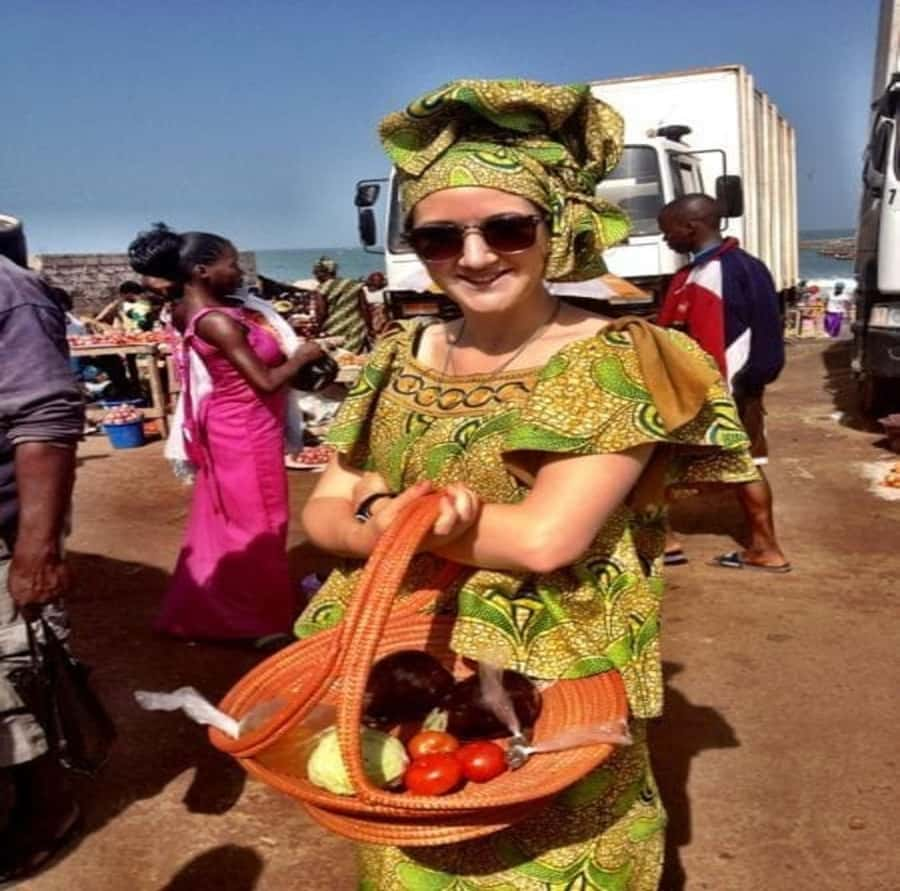
- One hour at a Kenyan farmer’s market: Shop for fresh produce with your host before cooking, rather than simply watching a market from the sidelines.
- A three-hour home meal and cooking session: Prepare and taste dishes such as ugali, pilau, mukimo, chapati, mandazi, and githeri.
- Tasha may shape your menu: She offers food choices, and one recent booking led to beef stew with ugali.
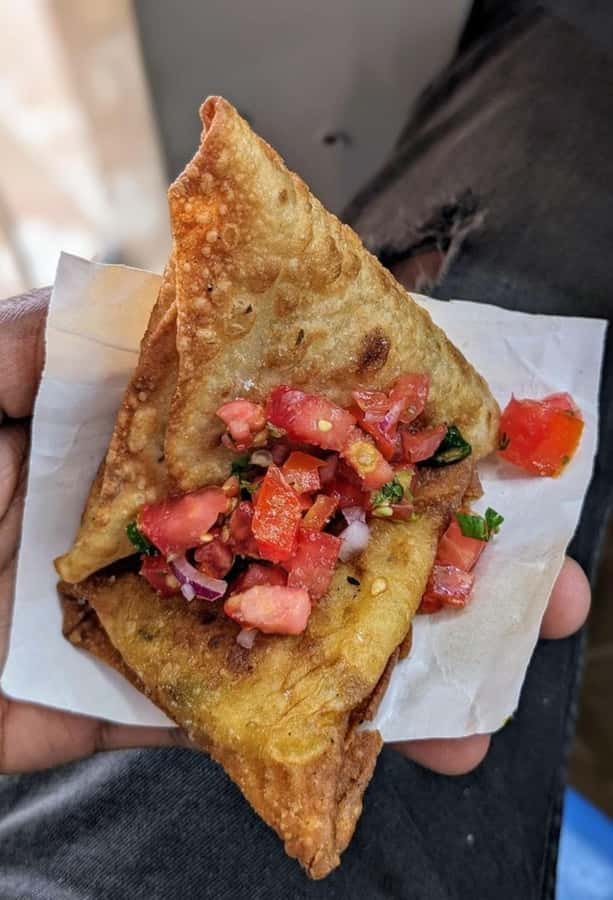
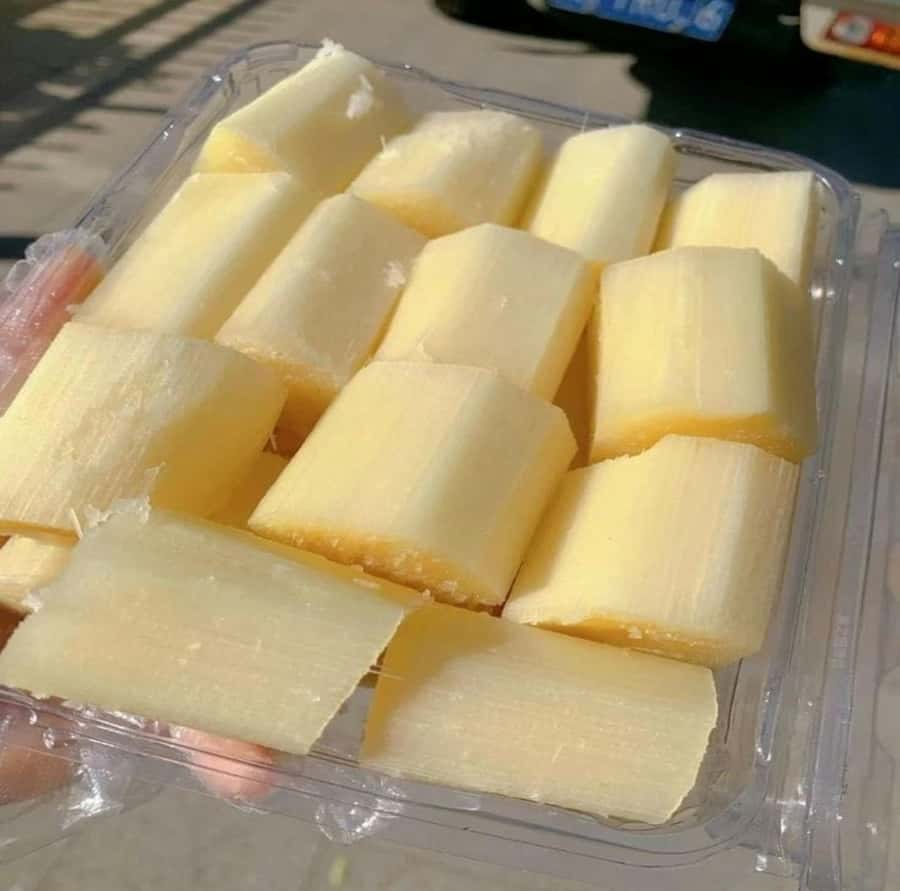
- Street food completes the day: During the return trip, you can try smocha, smokie, boiled eggs, roasted maize, and sugarcane.
- Pickup is limited to three Nairobi areas: The available starting points are Karen, Westlands, and Parklands.
- Private transport solves part of the logistics: The host’s home is difficult to reach by public transport, but transportation beyond the listed pickup arrangement may cost extra.
From Nairobi pickup to the farmer’s market
The day begins with pickup in Karen, Westlands, or Parklands. That limited pickup area matters. If you are staying elsewhere in Nairobi, you may need an Uber or taxi to reach one of these points, and Uber charges are not included in the $100 price.
Once collected, you head to a local farmer’s market for about an hour. This is more useful than a quick photo stop because the shopping helps explain what goes into the meal. You see the produce before it reaches the kitchen, and you can ask your host about the ingredients being chosen for lunch.
A market visit also gives the cooking class a proper beginning. You are not dropped into a prepared demonstration with every item already measured. Instead, you take part in the food-buying stage, which is a normal piece of home cooking in Kenya.
The market is described as a lively place, but expect a working food market rather than a polished culinary attraction. That means changing pace, plenty to look at, and the possibility of waiting while produce is selected. Wear comfortable shoes and clothes. The experience lasts five hours, and the market is only the first part of a fairly full day.
More Cooking Classes with a Market Tour in the world:
- Hanoi Cooking Class: Culture, Local Market & Meaning CSR Impact
★ 5.0 · 5,147 reviews - 5 Traditional Dishes Hanoi Cooking Class with Market Trip
★ 5.0 · 4,890 reviews - Cooking Class and Lunch at a Tuscan Farmhouse with Local Market Tour from Florence
★ 5.0 · 4,831 reviews
A local kitchen and three hours of Kenyan food
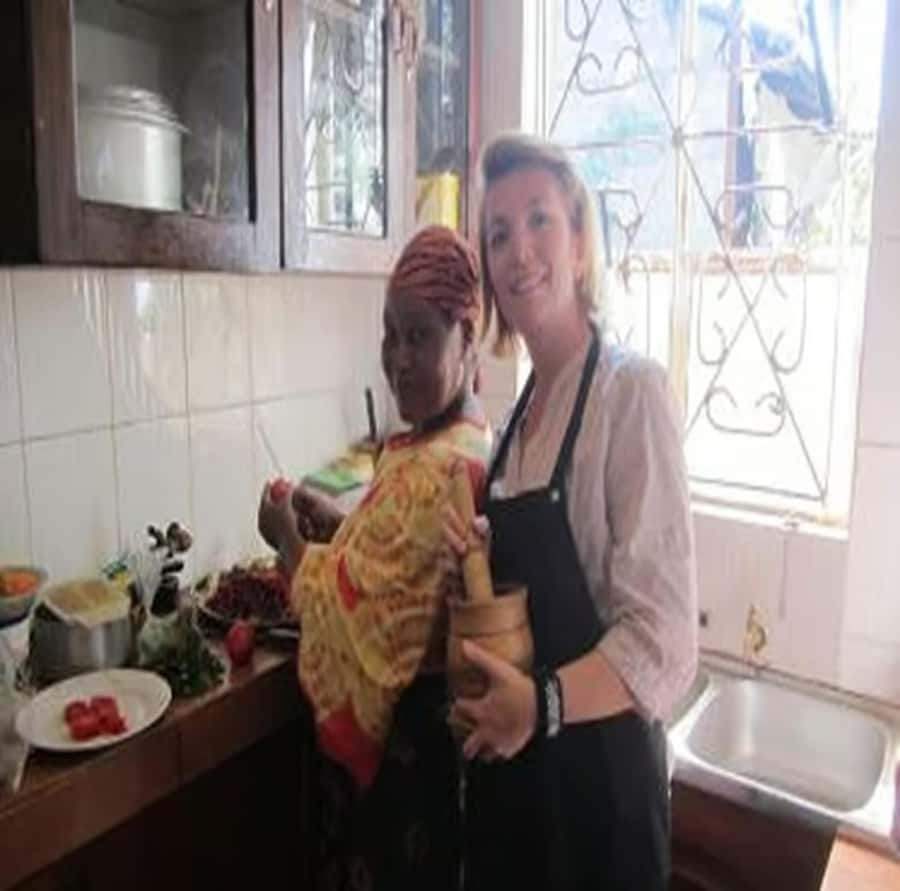
After shopping, you travel outside the city to the host’s home. The kitchen is modest in size, which shapes the class. This is not a large teaching kitchen with separate workstations, stainless steel counters, and room for everyone to chop at once. You join the host where she actually cooks, helping when there is an opening.
That setup is one of the best parts of the experience, but it also calls for realistic expectations. The host primarily handles the cooking, so your role may be part demonstration and part hands-on assistance. If you want to master every step independently, this may feel less formal than expected. If you want to see how a Kenyan household prepares food and lend a hand without pressure, the format makes sense.
The cooking period lasts about three hours and includes lunch and food tasting. You learn about Kenyan cuisine while hearing stories about local heritage and household life. The conversation is as important as the recipes. Food becomes a simple way to understand what people cook at home, how meals are shared, and which dishes have a place in daily life or special occasions.
Tasha is worth noting by name. She is described as funny, proactive, and a very good cook. She may offer you a few dishes to choose from, as she did for one booking that prepared beef stew with ugali. That choice-based approach is useful if you have a strong preference or want to focus on a dish you have heard about before.
What you may cook and eat
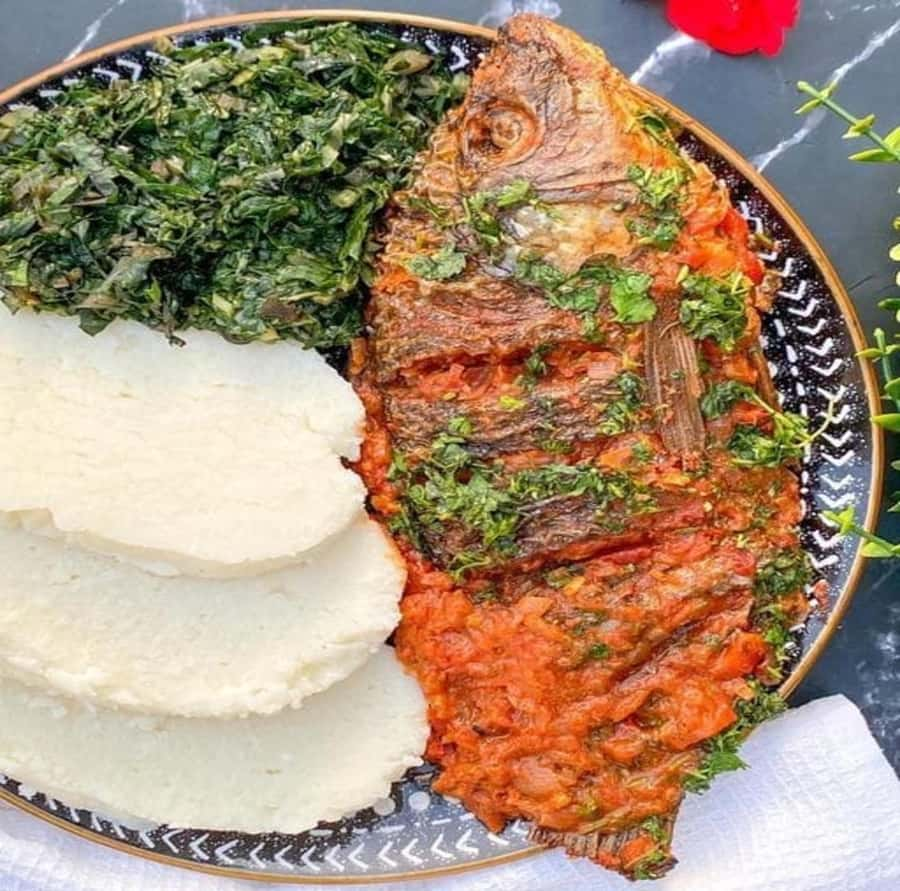
The menu covers a broad selection of Kenyan food. Some items are familiar to many visitors, while others give you a wider look at the country’s home cooking.
Ugali is a key dish to expect. It is a firm maize-based staple often eaten with stews, vegetables, or other savory foods. Preparing or shaping it gives you a better sense of how central it is to a Kenyan meal than simply ordering it in a restaurant.
Kenyan pilau brings rice and spice into the meal. The class may also include mukimo, a mashed preparation associated with potatoes and other vegetables. Githeri, a combination of maize and beans, offers another example of filling everyday food.
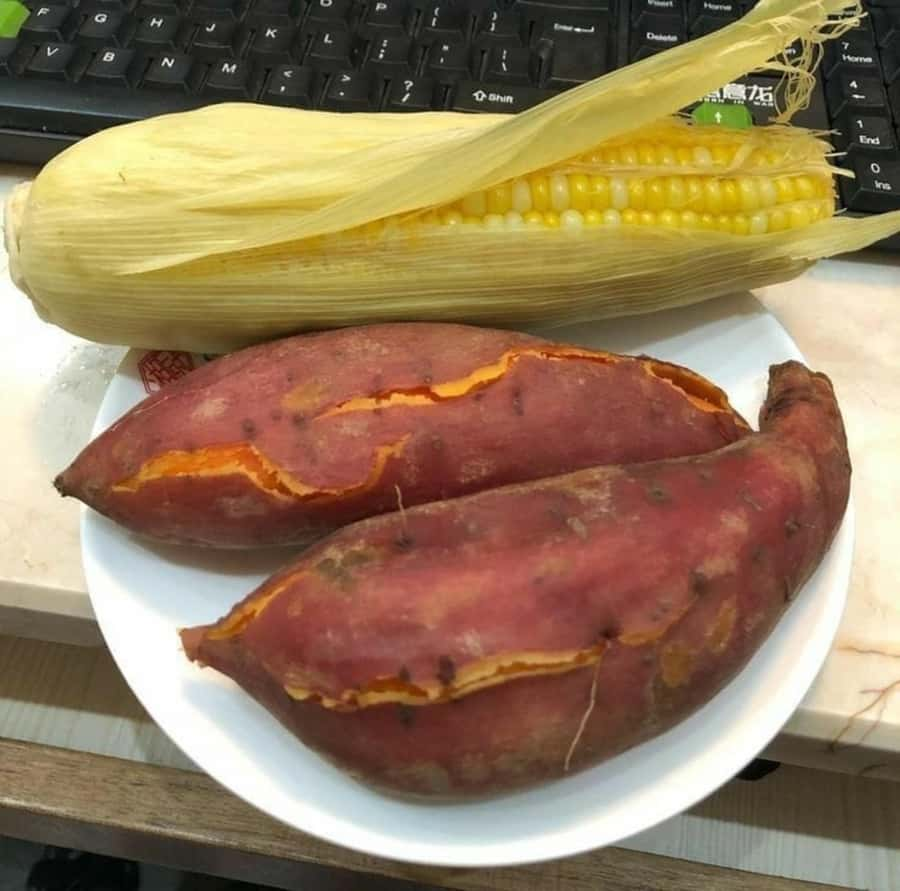
The listed menu also includes boiled potatoes, sweet potatoes, chapati, fish, fresh corn, and matoke. Matoke is a plantain-based dish, and its presence adds another texture and ingredient to the meal. Chapati gives you a chance to see how a flatbread is prepared, while mandazi provides a sweet finish.
The menu is broad, but not every item is guaranteed in one sitting. Your actual meal depends on the ingredients purchased, your choices, and what the host plans to prepare. Ask about the day’s menu early if you have allergies, dietary restrictions, or a dish you especially want to try.
This is also a good place to pace yourself. With lunch, tasting, and later street food, you will have several chances to eat. You do not need to try a full serving of everything at once.
Why the home setting matters
A local home changes the tone of the day. You are not only learning a recipe. You are seeing where the cooking happens, how a household kitchen is arranged, and how food preparation fits into daily life.
The host’s home is outside the city and not easy to reach by public transport. That inconvenience is also part of the practical value of the included transport. You avoid trying to find a hard-to-reach address after spending time at the market, and the private vehicle brings you back toward your pickup area at the end.
The setting is modest, so this is not a luxury food tour. You may have less personal counter space than in a studio class, and the host may need to take the lead on hot pans, timing, or preparation. In return, you get a more personal look at a Kenyan household and the chance to talk about local life while the food cooks.
I would especially recommend this format to couples, friends, and small private groups who enjoy conversation. Families may also like it, provided everyone is comfortable with a small kitchen and a three-hour food session. Wheelchair accessibility is listed, but because the home’s exact layout is not described, it is sensible to confirm the details before booking.
A few more cooking classes around the world worth a look
- Half-Day Thai Cooking Class at Organic Farm in Chiang Mai
★ 5.0 · 19,087 reviews - Florence: Pasta Cooking Class with Unlimited Wine
★ 4.9 · 10,285 reviews - 3 in 1 Cooking Class near Navona: Fettuccine, Ravioli & Tiramisu
★ 5.0 · 7,376 reviews - Florence: Pasta & Tiramisu Cooking Class with Unlimited Wine
★ 4.9 · 6,708 reviews
Kenyan street food on the return trip
The final hour is devoted to street food as you head toward drop-off. This gives the tour a different flavor from the home meal. Instead of sitting down to a planned menu, you sample quick Kenyan foods associated with roadside and city eating.
The options include smocha, smokie, boiled eggs, roasted maize, and sweet sugarcane. Smocha is a popular snack built around a smoky sausage and chapati, while smokie refers to the sausage itself. Roasted maize and sugarcane add simple, familiar food to the route.
This portion works well because it shows that Kenyan food is not limited to dishes served at a table. Street snacks are part of the ordinary rhythm of getting around. You can sample a few items without committing to another full meal after the cooking class.
The street-food stop is also the least predictable part of the day. Exact sellers, waiting times, and available items can vary. Think of it as a tasting opportunity during the ride, not a carefully staged food crawl with a fixed sequence.
Drop-off is available in Karen, Westlands, or Parklands. If you started in one of those areas, the return arrangement is simple. If your accommodation is somewhere else, budget for another taxi or Uber ride.
What the $100 price really covers

The $100 per-person cost becomes easier to assess when you count the separate parts. It includes transport from a listed pickup point, the market visit, the ride to and from the home, the cooking session, lunch, street food, cultural conversation, and bottled water.
That is solid value if you would otherwise pay separately for a food tour, a meal, and private transportation. The home visit is the part that gives the price its character. You are paying for access to a personal setting and a host-led meal, not just for ingredients and a cooking demonstration.
The value is less clear if your main goal is a polished cooking school. The host does most of the cooking, alcohol and other drinks are excluded, and the modest kitchen may limit how much you can do at once. You should also account for any Uber or taxi charges connected with reaching the pickup area or returning to your accommodation.
Reserve and pay later is available, and cancellation is free up to 24 hours in advance. Those terms help if your Nairobi plans are still shifting. Starting times depend on availability, so check the schedule before arranging other activities.
Who will enjoy this Nairobi food experience?
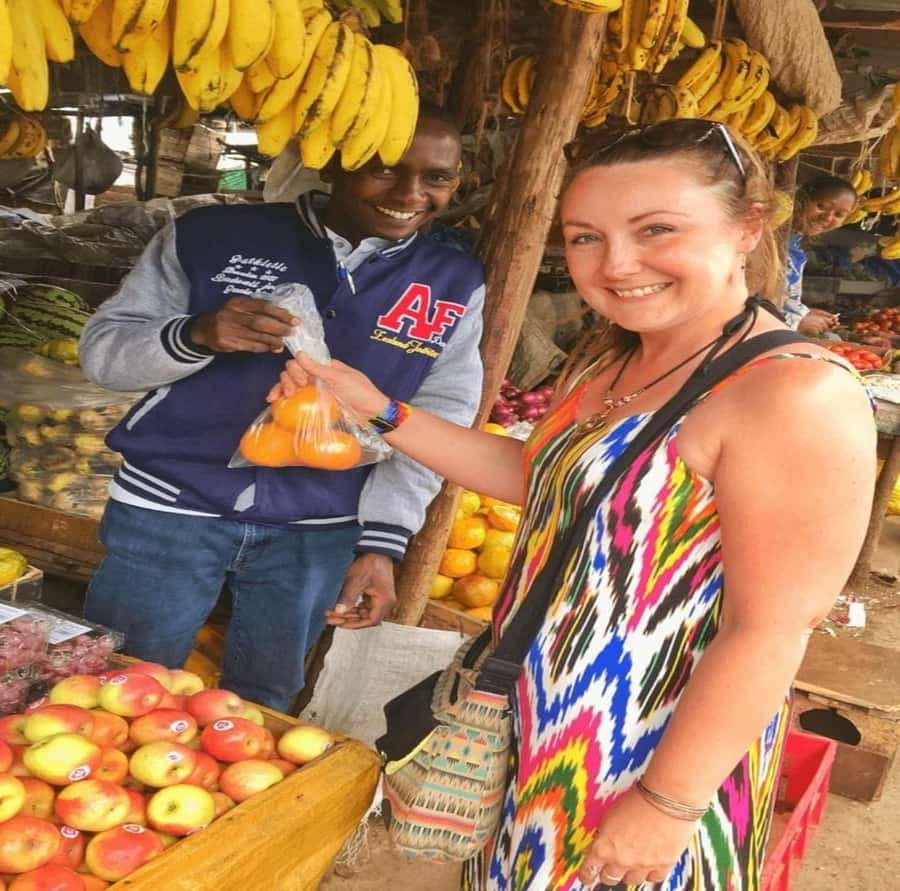
I would choose this tour if you want a personal introduction to Kenyan food and daily life in one half-day. It suits first-time visitors who want more contact with local culture than a restaurant meal provides, especially if you enjoy asking questions and trying several kinds of food.
It is also a strong option for anyone interested in home cooking. You can see the full path from market ingredients to a shared lunch, then compare that meal with street snacks during the ride back.
You may want another type of activity if you prefer a fast-moving sightseeing tour, a highly structured cooking school, or complete control over every recipe. The class includes a lot of food and conversation, and the kitchen setting is informal. That is a plus for some people and a limitation for others.
Food allergies and dietary needs deserve special attention. Fish, beef stew, maize, wheat-based chapati and mandazi, and several other ingredients may appear among the menu choices. Ask the provider what can be adjusted before you book, since the supplied details do not list specific dietary alternatives.
Practical tips for a smoother day
Wear shoes that are comfortable for the market and clothes that are easy to cook in. Bring or confirm the required ingredients, since the practical information lists ingredients among the things to bring.
Keep some room in your appetite. The day can include the market, a large home-cooked meal, and several street snacks. Bottled water is included, but alcohol and other drinks are not, so plan accordingly.
If you are not being picked up directly from Karen, Westlands, or Parklands, arrange the connecting ride in advance. The host can arrange transportation at an additional cost, and taxis or Uber are also available.
The tour is conducted in English. A private group option is available, which may be the best fit if you want more time to ask questions or prefer not to share the kitchen with others.
Should you book the Nairobi cooking class?
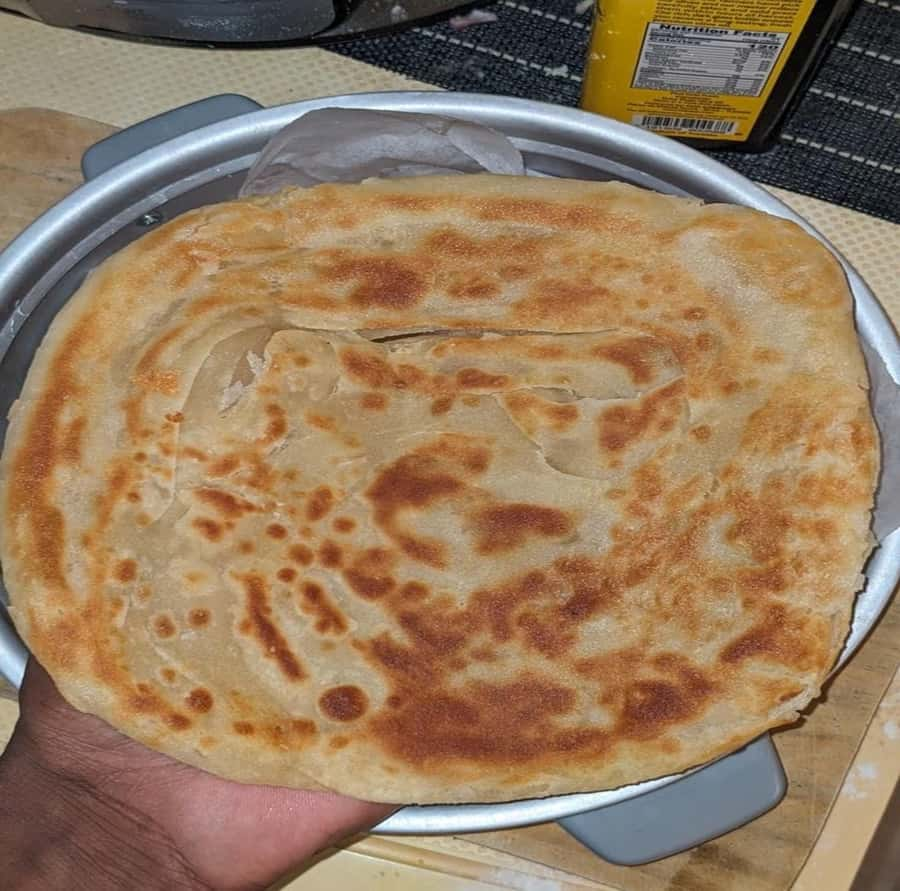
Book it if you want Kenyan food explained through a market, a real home, and a shared meal. The strongest features are the personal setting, Tasha’s engaging cooking style, the chance to choose a dish such as beef stew with ugali, and the extra street-food tasting on the way back.
Skip it if you want a chef-school format with every participant cooking at an individual station. Also think twice if your accommodation is far from the three pickup areas and you do not want extra transport costs.
For most food-curious visitors, the $100 price is justified by the range of activities and the private transport. Just arrive ready for an informal class, a small kitchen, plenty of food, and a day that values conversation as much as technique.
FAQ
How long does the Nairobi cooking experience last?
The experience lasts five hours. The market visit takes about one hour, the cooking class and lunch take about three hours, and street food takes about one hour.
Where can pickup and drop-off take place?
Pickup and drop-off are available in Karen, Westlands, and Parklands.
Is transportation included?
Private transport from the listed pickup location and back is included, along with transport to and from the local market. Uber charges and other taxi costs are not included. The host can arrange additional transportation for an extra fee.
What foods might be included?
The possible menu includes boiled potatoes, ugali, Kenyan pilau, mukimo, chapati, sweet potatoes, mandazi, fish, githeri, fresh corn, and matoke. One meal choice included beef stew with ugali.
What street foods can I try?
The street-food portion may include smocha, smokie, boiled eggs, roasted maize, and sweet sugarcane.
Is the activity available as a private tour?
Yes. A private group option is available.
Can I cancel the booking?
You can cancel up to 24 hours in advance for a full refund. Reserve now and pay later is also available.
Just added around the world
- Aroidee’s Farm-Fresh Thai Cooking Experience★ 5.0 · 8 reviews
- Signature Thai Cooking Course★ 5.0 · 79 reviews
- Private Half-Day Thai Cooking Class in Chiang Mai★ 5.0 · 4 reviews
- Half Day Guided Thai Cooking Class in Chiang Mai★ 5.0 · 13 reviews
- Private Virtual Thai Cooking Class★ 5.0 · 9 reviews
- Northern Thai Cooking Class in Chiang Mai in a Countryside Home★ 5.0 · 2 reviews
- Online Thai and Akha Cooking Class★ 5.0 · 70 reviews
- 5 Hour Morning Thai Cooking Course★ 5.0 · 31 reviews
Cooking Classes with a Market Tour, compared.

Hanoi Cooking Class: Culture, Local Market & Meaning CSR Impact
Read our review →
5 Traditional Dishes Hanoi Cooking Class with Market Trip
Read our review →
Cooking Class and Lunch at a Tuscan Farmhouse with Local Market Tour from Florence
Read our review →
Cooking Class, Market & Thai Herbs Garden Tour
Read our review →
Authentic Cooking Class with Market & Farm Visit
Read our review →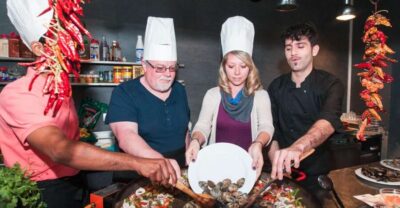
Paella Cooking Experience & Boqueria Market Tour
Read our review →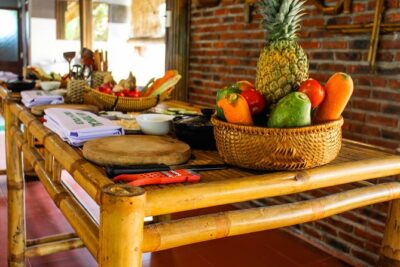
Cooking Class Hoi An:Local Market, Basket Boat, Fishing & Cooking
Read our review →