REVIEW · CENTRAL KENYA, KENYA
Market Tour and Traditional Kenyan Cooking Class in Nairobi
Kenyan culture tastes better from a market basket. This four-hour Nairobi experience pairs a local market visit with a private cooking session in a host’s home, where you help prepare familiar Kenyan dishes from fresh supplies. I like the market-to-table format and the chance to learn in a small, personal setting. The main consideration is the compact kitchen: because space is limited, the host handles much of the cooking.
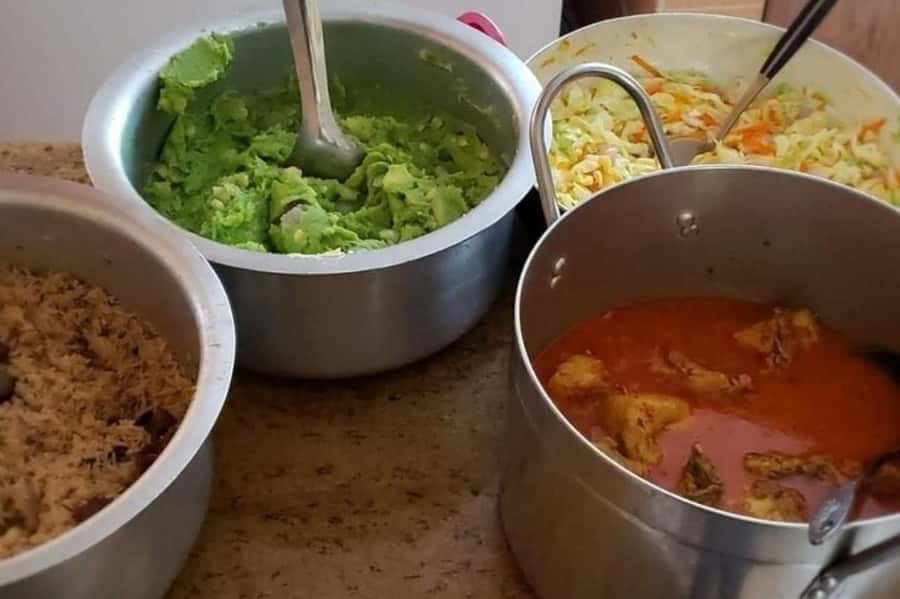
I also like that the meal brings together Kenyan and Indian influences, with ugali, chapati, pilau, and curries on the table. The host offers guidance in English or Swahili, and the price includes food, drinks, fruit, water, and transport to and from the market. You will need to cover your own Uber costs, and the meeting point at K Mall in Komarock is worth planning carefully.
Key points to know before booking
- The experience begins at K Mall Komarock parking lot, then continues to a local market before moving to the host’s home.
- You help prepare a traditional meal, including ugali, chapati, pilau, and possibly curry-style dishes.
- The session is private for your party, giving you more direct attention than a large cooking class.
- The host does much of the cooking because the kitchen is small, so expect a guided demonstration with hands-on help rather than a fully independent class.
- Food and market transport are included, along with soda, fruit, and water, but Uber fees are not.
- The host speaks English and Swahili, and the experience lasts about four hours.
Starting at K Mall in Komarock
Your meeting point is the parking lot at K Mall Komarock. From there, you proceed to the market with your host before heading to the cooking location.
This start is practical, but it is not a hotel pickup. You need to reach K Mall yourself, and any Uber costs are separate. If you are staying elsewhere in Nairobi, allow enough time to get to Komarock and confirm the exact meeting details before setting out.
The central meeting point also gives the outing a local feel from the start. You are not being collected in a tourist vehicle and taken straight to a prepared kitchen. Instead, the day begins with a simple rendezvous, followed by ordinary shopping for the meal.
The booking information does not give a detailed route from central Nairobi to K Mall, so do not assume the meeting point is close to your accommodation. It is wise to check the location in advance and keep the host’s contact details handy.
More Cooking Classes with a Market Tour in the world:
- Hanoi Cooking Class: Culture, Local Market & Meaning CSR Impact
★ 5.0 · 5,147 reviews - 5 Traditional Dishes Hanoi Cooking Class with Market Trip
★ 5.0 · 4,890 reviews - Cooking Class and Lunch at a Tuscan Farmhouse with Local Market Tour from Florence
★ 5.0 · 4,831 reviews
Choosing ingredients at a Nairobi market
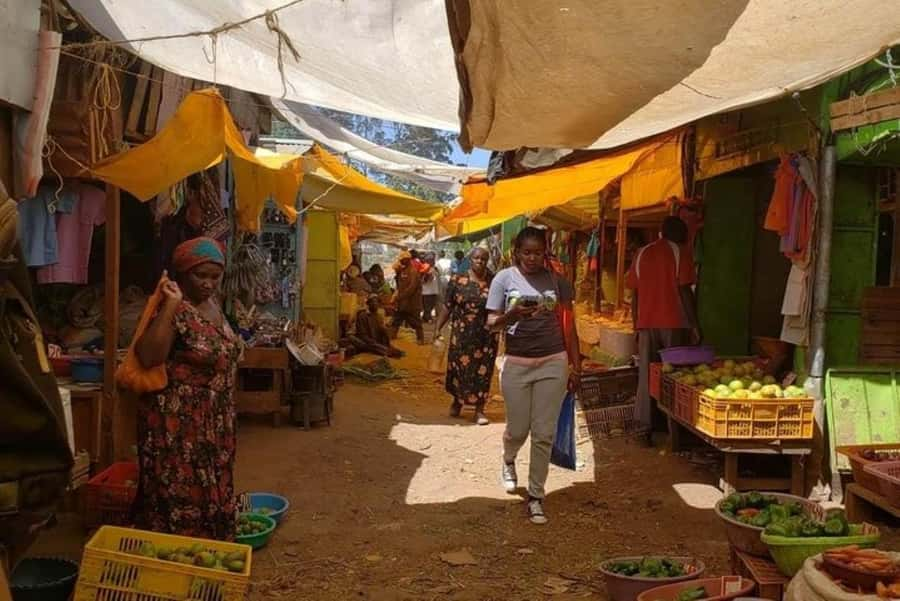
The market visit is the first major part of the experience. Rather than seeing ingredients only after they have been cleaned and arranged in a cooking studio, you shop for the supplies that will become your meal.
That matters because food shopping is part of home cooking in Kenya. You can ask about the ingredients, see how supplies are selected, and connect the dishes on your plate with the products sold in the market. This gives the cooking lesson a useful sense of place.
The exact market is not named, and the available details do not promise a particular list of ingredients. The meal may include items for ugali, chapati, pilau, curries, and other local food. The host chooses and purchases the supplies for the planned dishes.
You should expect a real market visit rather than a formal food tour with a long lecture at every stall. The focus is on buying what you need for the cooking session. That keeps the pace sensible, especially since the complete experience lasts four hours.
I see this market stop as one of the strongest reasons to book. It connects the meal to daily life and gives you a better idea of how a Kenyan home kitchen begins its work. If you only want to eat prepared food, this may feel like an extra step. If you enjoy seeing how a meal comes together, it adds real value.
Moving from shopping to the host’s home
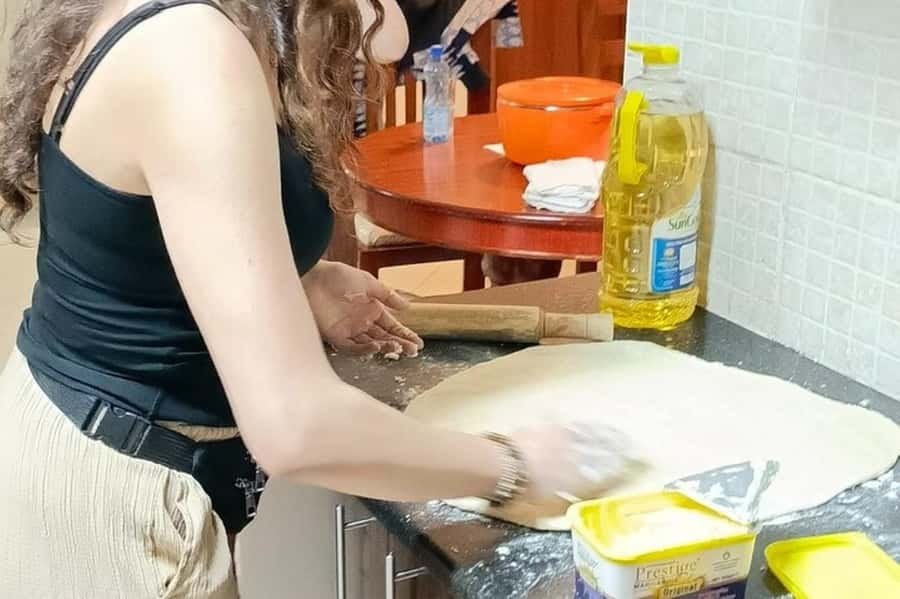
After the market, you go to the host’s home to prepare and eat the food. The change from public market to private kitchen is important. You get both sides of the meal: the shopping and the home cooking.
The host’s home is not described as a purpose-built cooking school. It is a working home kitchen, and the limited space shapes the class. You will not have a large workstation with every participant spread around an island.
Instead, the host handles much of the cooking while you watch, ask questions, and help where space allows. That arrangement is worth understanding before booking. The experience is participatory, but it is not designed as a fully independent class in which every person prepares a separate dish from beginning to end.
The small kitchen can also be part of the charm. You are seeing how good food can be prepared in an ordinary home with limited room. One account describes the host cooking several dishes in a very small kitchen, including ugali, chapati, and pilau. That detail gives you a better picture of the setting than a polished cooking studio would.
For some people, the close quarters may feel less comfortable than a commercial classroom. If you need a lot of personal cooking space, ask about the arrangement before you reserve. If you prefer an informal home setting, the compact kitchen helps keep the session personal.
Learning ugali, chapati, pilau, and curry
The menu draws from Kenyan and Indian cooking traditions. Dishes named for the experience include ugali, chapati, pilau, and curries.
Ugali is a firm cornmeal staple often served as part of a larger meal. Here, you can see how it fits into Kenyan home cooking rather than treating it as an unfamiliar side dish with no context.
Chapati is one of the hands-on highlights. The host can show you how to prepare this traditional flatbread, and you get the chance to help with the process. A cooking session is especially useful for chapati because technique matters, and watching the dough come together tells you more than simply reading a recipe.
Pilau brings another layer to the meal, with the menu reflecting the Indian influence found in parts of Kenyan cooking. Curries may also be included, though the exact dishes can vary. The supplied details do not promise a fixed menu, so ask if you have strong food preferences or dietary needs.
The point is not to master a full Kenyan cookbook in four hours. You are learning the basic flow of a home meal, seeing how several dishes are prepared, and taking part in selected steps. The host’s guidance makes the session more useful than simply sitting down to eat.
A few more cooking classes around the world worth a look
- Half-Day Thai Cooking Class at Organic Farm in Chiang Mai
★ 5.0 · 19,087 reviews - Florence: Pasta Cooking Class with Unlimited Wine
★ 4.9 · 10,285 reviews - 3 in 1 Cooking Class near Navona: Fettuccine, Ravioli & Tiramisu
★ 5.0 · 7,376 reviews - Florence: Pasta & Tiramisu Cooking Class with Unlimited Wine
★ 4.9 · 6,708 reviews
A private class with direct guidance
This is a private group experience, not a shared class with strangers. That can make a major difference in how the session feels.
You can ask questions at your own pace, spend more time on a technique that interests you, and talk with the host about food and culture. The available information identifies Evaline Mbugua as the experience provider. Feedback also refers to Mary Evelyn, so confirm the host’s name when you book if you want to know who will meet you.
The host offers the session in English and Swahili. English is useful for detailed cooking instructions and conversation, while hearing Swahili in a home and market setting adds another local touch.
One particularly appealing part of the experience is the personal conversation. A previous participant described preparing food together and talking about everyday life. That kind of exchange is different from a standard demonstration, where the instructor speaks and everyone leaves after tasting the dish.
Still, private does not mean every moment is hands-on. The small kitchen limits how many people can work at once, and the host does most of the cooking. Think of this as a private cooking demonstration with opportunities to help, not a professional training course.
Eating the meal you helped prepare
The final reward is sitting down to eat the food prepared during the session. You are not sampling one small dish and then leaving. The experience is built around preparing and enjoying a complete meal.
Food, soda, fruit, and water are included. That makes the $55 price easier to assess, since you are paying for four hours of activity, a market visit, instruction, a private setting, and the meal itself.
The meal also gives the cooking lesson a clear purpose. You can taste the ugali, chapati, pilau, or curry after seeing how each part was made. If a certain dish catches your attention, you can ask about its preparation while the details are still fresh.
The exact portions and final menu are not specified. Do not book expecting a fixed restaurant-style menu unless the host confirms it. The experience is better suited to people who enjoy local food and are open to the dishes selected for the session.
What $55 buys you
At $55 per person, this is not the cheapest way to get lunch in Nairobi. You could eat a local meal for less. The value comes from the added time and access.
Your fee includes the market visit, the cooking lesson, ingredients, food, soda, fruit, water, and transport to and from the market. You also get a private group rather than a large class. Those inclusions make the cost reasonable for someone who wants an activity and a meal in one outing.
The strongest value is the personal setting. You are not just paying for dishes on a plate. You are paying for the chance to shop with the host, see a home kitchen, help prepare food, and talk about Kenyan culture through everyday cooking.
The value is weaker if your main goal is a polished culinary workshop with extensive hands-on time. The limited kitchen means the host does much of the work. It is also less useful if you have no interest in market shopping or traditional local dishes.
Who will enjoy this experience most
I would recommend this outing to curious eaters, couples, families, and small private groups that want more contact with ordinary Nairobi life. It suits you if you like asking questions, trying unfamiliar foods, and learning through conversation.
It is also a good choice for someone who wants a quieter alternative to a large group activity. The private format gives you room to set the pace and focus on the parts of Kenyan cooking that interest you most.
The experience may be less suitable for a serious cooking student who wants a full workstation and equal time preparing every dish. It may also disappoint you if you expect a formal market tour with a detailed explanation of every stall or ingredient.
Food restrictions deserve a direct question before booking. The supplied details name the dishes and inclusions but do not explain vegetarian, vegan, allergy, or other dietary options. Ask what can be adjusted before you commit.
Practical details that shape the day
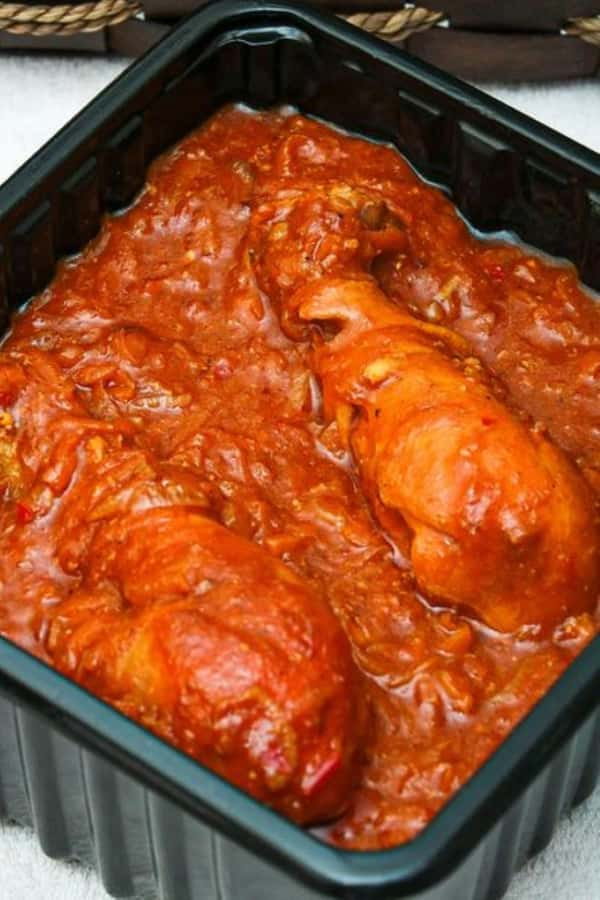
The activity lasts four hours, so you should keep the surrounding schedule fairly open. The experience includes travel between the meeting point, market, and home, as well as shopping, cooking, and eating. It is not a quick market stop.
Starting times vary, so you need to check availability for the date you want. The meeting point is K Mall Komarock parking lot, and you are responsible for reaching it. Uber fees are not included, even though transport to and from the market during the activity is included.
The experience allows free cancellation up to 24 hours in advance for a full refund. You can also reserve and pay later, which is useful if your Nairobi schedule is still changing.
Because this is a private session, the number of people in your party affects how much room each person may have in the kitchen. A very small group is likely to find the arrangement easier than a larger private party, though the exact group limit is not provided.
Is this Nairobi cooking class worth booking?
Book it if you want a personal food experience built around a real market, a home kitchen, and a shared meal. The best parts are the market-to-table flow, the private attention, and the chance to learn chapati, ugali, pilau, and curry-style dishes from a local host.
Go in with the right expectations. This is not a restaurant meal, a spacious culinary school, or a fixed menu with every participant cooking every step. The host does much of the work because the kitchen is small, but you still get meaningful chances to help and ask questions.
At $55, I think the experience offers fair value for the included meal, ingredients, drinks, market transport, and four hours of personal contact. If authentic home cooking matters more to you than polished facilities, it is a strong choice for a food-focused day in Nairobi.
FAQ
Where does the experience meet?
You meet at the K Mall Komarock parking lot before proceeding to the market.
How long does the experience last?
The experience lasts four hours.
What languages does the host speak?
The tour guide is available in English and Swahili.
Is this a private experience?
Yes. The activity is offered for a private group.
What dishes might I learn to prepare?
The experience includes Kenyan and Indian-influenced dishes such as ugali, chapati, pilau, and curries.
Will I cook every dish myself?
No. Because of space constraints, the host does most of the cooking, while you watch, learn, and help with the preparation.
Is food included in the price?
Yes. Food is included, along with soda, fruit, and water.
Is transport included?
Transport to and from the market is included. Your Uber fees for reaching or leaving the meeting point are not included.
Can I cancel for a refund?
Yes. You can cancel up to 24 hours in advance for a full refund.
Can I reserve now and pay later?
Yes. The experience offers a reserve-now, pay-later option.
Just added around the world
- Aroidee’s Farm-Fresh Thai Cooking Experience★ 5.0 · 8 reviews
- Signature Thai Cooking Course★ 5.0 · 79 reviews
- Private Half-Day Thai Cooking Class in Chiang Mai★ 5.0 · 4 reviews
- Half Day Guided Thai Cooking Class in Chiang Mai★ 5.0 · 13 reviews
- Online Thai and Akha Cooking Class★ 5.0 · 70 reviews
- Private Virtual Thai Cooking Class★ 5.0 · 9 reviews
- Northern Thai Cooking Class in Chiang Mai in a Countryside Home★ 5.0 · 2 reviews
- 5 Hour Morning Thai Cooking Course★ 5.0 · 31 reviews
Cooking Classes with a Market Tour, compared.

Hanoi Cooking Class: Culture, Local Market & Meaning CSR Impact
Read our review →
5 Traditional Dishes Hanoi Cooking Class with Market Trip
Read our review →
Cooking Class and Lunch at a Tuscan Farmhouse with Local Market Tour from Florence
Read our review →
Cooking Class, Market & Thai Herbs Garden Tour
Read our review →
Authentic Cooking Class with Market & Farm Visit
Read our review →
Paella Cooking Experience & Boqueria Market Tour
Read our review →
Cooking Class Hoi An:Local Market, Basket Boat, Fishing & Cooking
Read our review →