
REVIEW · COAST PROVINCE, KENYA
Malindi : Kenyan Cooking Class with Campfire Meal
Come hungry, leave with Kenyan recipes. This two-hour class at Mida Creek Nature Camp offers a hands-on way to understand coastal Kenyan food, with local ingredients, traditional tools, and a meal cooked over a campfire. I like the personal feel of the setting, where Harrison and his family share food and culture with real warmth. I also like the excellent value: $25 includes the class, ingredients, and the meal.
The main point to consider is the food-allergy policy. The experience is not suitable for people with food allergies, though you should contact the provider before arrival about allergies, intolerances, or special dishes. You also need to check directions carefully, since the meeting point is at Mida Creek Nature Camp and directions are provided through Google Maps.
Key points to know before booking
- Cook seven or more Kenyan dishes in about two hours: The menu can include Ugali, Kenyan Pilau, Wali Wa Nazi, Sukuma Wiki, Kenyan stew, Mandazi, and other local favorites.
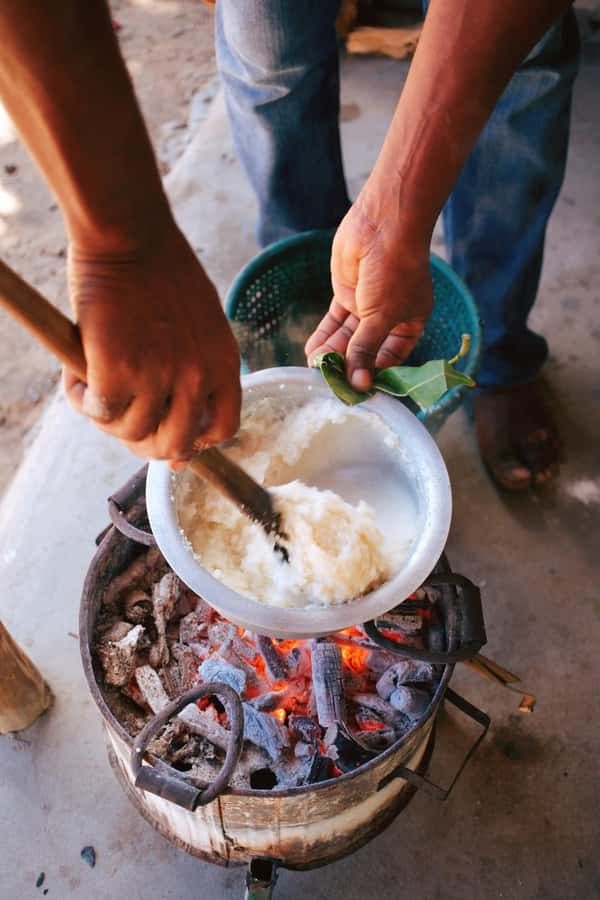
- Cook over a real campfire: Traditional techniques and tools make this feel different from a polished kitchen lesson.
- Meet Harrison and his family: Harrison is praised for clear explanations, patience, and a genuine pleasure in sharing his culture.
- Choose lunch or dinner: The start time depends on the meal you select and the group’s preference.
- Keep the group small: A maximum of 10 participants gives you a better chance to take part instead of simply watching.
- Eat together or take the food home: You can share the finished dishes at the camp or bring your creations with you.
Why this cooking class feels different
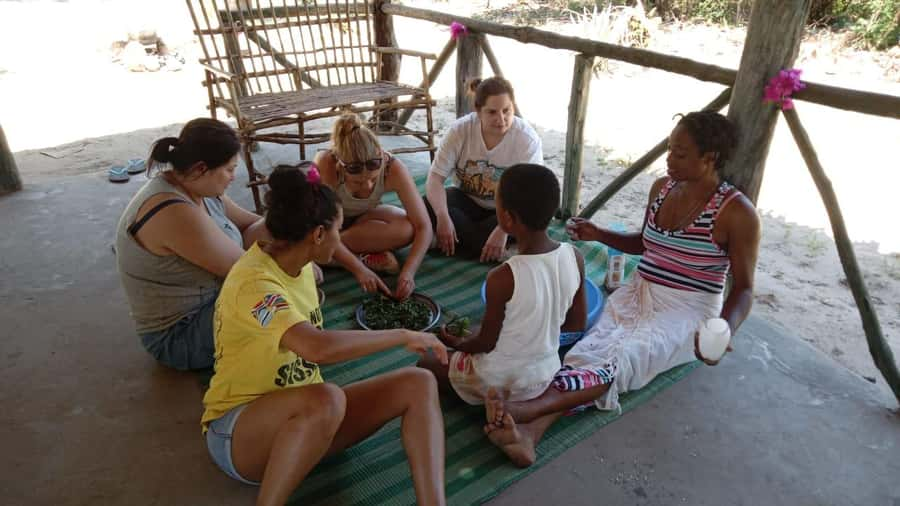
Many cooking classes put you in a bright kitchen with neatly measured ingredients and a recipe card. This one takes a simpler route. At Mida Creek Nature Camp, you cook outside in a natural setting, using a campfire and traditional equipment.
That change matters. A campfire needs attention. Ingredients are prepared together. The pace is social rather than mechanical. You get a clearer sense of how a household meal comes together when cooking is part of daily life, not just a scheduled demonstration.
I especially like that the class is not locked to one fixed menu. The provider lists a wide range of Kenyan dishes, but the lesson can include different recipes each time. You can also request a particular dish in advance, which is useful if you already know you want to learn pilau, coconut rice, matoke, or Mandazi.
The class is held in English. With no more than 10 people, you should have a fair chance to ask questions and handle ingredients. Still, the exact menu and pace may vary. If your priority is mastering one recipe in great detail, tell the provider before the class. If you want a broad taste of Kenyan home cooking, the flexible format is a strong fit.
A few more cooking classes around the world worth a look
- Half-Day Thai Cooking Class at Organic Farm in Chiang Mai
★ 5.0 · 19,087 reviews - Florence: Pasta Cooking Class with Unlimited Wine
★ 4.9 · 10,285 reviews - 3 in 1 Cooking Class near Navona: Fettuccine, Ravioli & Tiramisu
★ 5.0 · 7,376 reviews
Arriving at Mida Creek Nature Camp
You meet at Mida Creek Nature Camp, in Kenya’s Coast Province. The directions point you to Google Maps, so I would check the route before setting out and allow time to find the camp. No transport from Malindi is included in the experience details, so you should confirm your own way to the meeting point.
The camp provides the right setting for this sort of meal. You cook in a leafy, sandy area away from the feel of a standard restaurant. The surrounding nature gives the session a calm, informal quality, though you should dress for outdoor cooking rather than a smart evening meal.
Comfortable clothes are the only listed item to bring. In practical terms, choose clothing you do not mind getting smoky or dusty. A campfire is part of the appeal, but smoke and outdoor surfaces are less predictable than a restaurant kitchen.
The setting also offers more than the cooking session itself. The family runs a small shop at the camp for anything missing from the ingredients, and the site has tents and treehouses for rent. Small village, mangrove, and workshop activities are also available through the family, though these are separate from the two-hour cooking class.
The first part of the lesson: ingredients and preparation
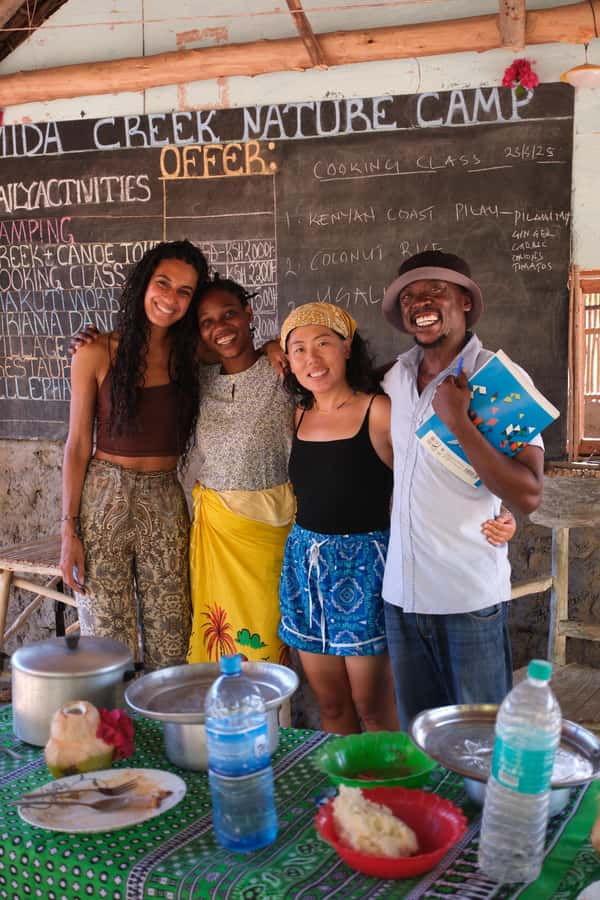
The class begins a couple of hours before lunch or dinner, depending on the group’s preferred meal time. The listed duration is two hours, so the practical schedule should be confirmed when you check availability.
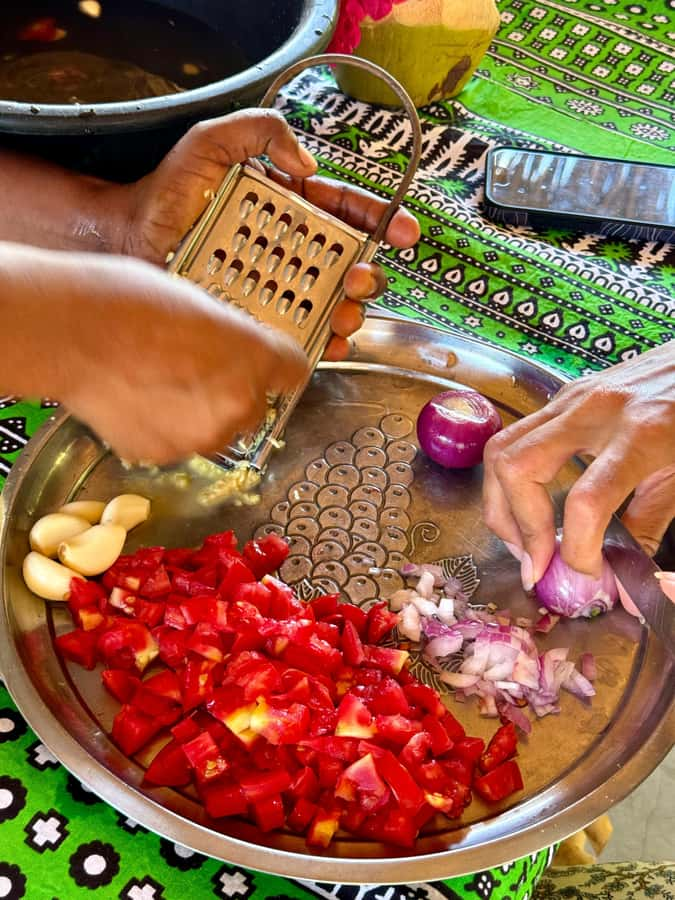
You start by preparing the ingredients together. The emphasis is on local and homegrown produce whenever possible, with anything else supplied through a small shop at the camp. This is a useful detail because it gives you more than a finished plate. You see what goes into everyday Kenyan cooking and how a meal is built from simple ingredients.
The recipes may include:
- Ugali, a firm maize-based staple
- Githeri, a traditional mixture of maize and beans
- Kenyan Pilau, a spiced rice dish
- Wali Wa Nazi, coconut rice
- Sukuma Wiki and Mchicha, leafy vegetable dishes
- Kenyan stew
- Nyama Choma, grilled meat
- Matoke, cooked plantain
- Mandazi, a popular fried bread
- Grilled maize
The menu will not necessarily include every dish listed above. The lesson changes from one session to another, and you can make requests. That flexibility is useful, but it also means you should not book expecting one exact menu unless you have arranged it beforehand.
One particularly appealing detail is the range of dishes that can be prepared in one session. A recent class prepared seven dishes in under two hours, using fresh local ingredients. That sounds like a busy pace, but it also gives you a broad look at Kenyan food rather than focusing on one recipe.
Cooking over the campfire
The campfire is the heart of the experience. You are not simply watching someone prepare Kenyan food while standing safely behind a counter. You take part in a cooking process shaped by heat, timing, and shared work.
Traditional tools and methods give the class its character. You might find the cooking less precise than a Western demonstration, but that is part of the lesson. Kenyan food depends on practical judgment, and Harrison is praised for explaining the process carefully and taking time with the group.
The teaching style appears to be one of the strongest parts of the class. Harrison is described as welcoming, clear, and passionate about passing on his culture. That makes a difference when you are learning unfamiliar dishes. You want an instructor who explains not just what to do, but why a dish is prepared in a particular way.
I would also expect the group to share tasks. With a maximum of 10 participants, the class should remain small enough for hands-on work, although the number of people attending can affect how much time you spend on each step. If you prefer close instruction, booking on a date with fewer participants may be worth asking about.
Same place, a different thing to cook:
- Florence: Pasta & Tiramisu Cooking Class with Unlimited Wine
★ 4.9 · 6,708 reviews - Hanoi Cooking Class: Culture, Local Market & Meaning CSR Impact
★ 5.0 · 5,147 reviews - 5 Traditional Dishes Hanoi Cooking Class with Market Trip
★ 5.0 · 4,890 reviews - Cooking Class and Lunch at a Tuscan Farmhouse with Local Market Tour from Florence
★ 5.0 · 4,831 reviews
The food: from coconut rice to Mandazi
The menu covers several sides of Kenyan cooking. Wali Wa Nazi brings the flavor of the coast through coconut rice, while Kenyan Pilau offers a spiced rice dish with a different character. Sukuma Wiki and Mchicha add vegetables, and Ugali gives you a basic staple that appears often beside stews and greens.
The class can also include Nyama Choma, matoke, grilled maize, githeri, and Mandazi. This range makes the experience useful for anyone who wants to understand how Kenyan meals balance starches, vegetables, spices, and meat.
The ingredients are simple, but the results depend on the person leading the cooking. The feedback about the food is especially strong: the dishes are described as typical, village-made, fresh, and delicious. That is important at this price. You are not paying for a luxury cooking school, but you are getting food connected to local family cooking.
You should keep your expectations realistic. Recipes may vary, and the class may move quickly if several dishes are being prepared. Ask for a specific recipe or request before the start if there is one dish you care about most. You can also contact the provider about intolerances or special dishes, although people with food allergies are specifically advised not to book.
Sharing the finished meal
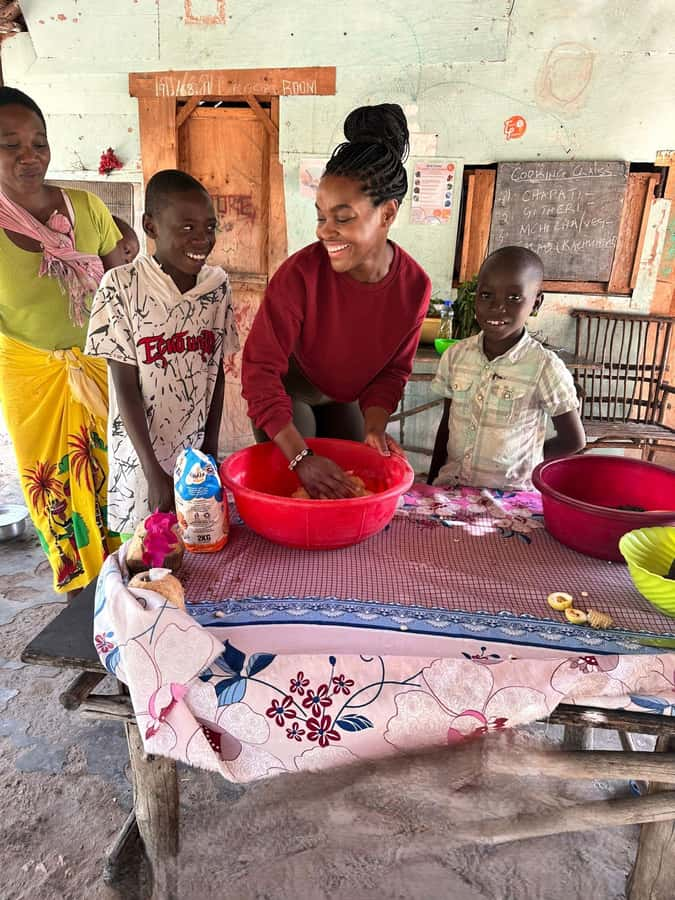
When the food is ready, you have two choices. You can eat with the group at the camp, or take your creations home with you.
I prefer the shared meal option because it completes the class. You get to sit down with the people who helped prepare the food, compare the different dishes, and enjoy the result while it is fresh. The family setting adds to that sense of connection without turning the meal into a formal performance.
The alternative is practical. If your schedule is tight, or you are staying nearby, taking the food with you may suit you better. The experience details do not specify packaging or how much food each person receives, so ask about that if taking the meal away is important to you.
One useful scheduling tip comes from the experience itself: allow more time if you want to eat comfortably after cooking. The class is listed as two hours, but the cooking and meal may feel rushed if you need to leave immediately. A relaxed meal is part of the appeal, so do not place it between two tightly timed activities.
The people behind the camp
Harrison and his family are central to the experience. The strongest praise focuses on his patient teaching, precise explanations, and obvious pleasure in sharing Kenyan culture. That personal quality gives the class more value than a standard food demonstration.
The camp also aims to connect visitors with the surrounding community and nature. Alongside cooking, the family organizes small activities in the village, mangroves, and nearby areas. Canoe trips to Green Island, with its mango groves, are also mentioned as another possible activity, though they are not part of this cooking booking.
You should treat those options as add-ons rather than promises. The cooking class itself lasts two hours and includes the lesson, ingredients, and meal. If you want to combine it with a village visit, mangrove activity, or overnight stay in a tent or treehouse, contact the family separately and make sure the timing works.
Is $25 good value?
At $25 per person, this is one of the more appealing low-cost food experiences around Malindi. The price includes the cooking instruction, all ingredients, and the finished meal. You are also paying for a small-group activity in a natural setting, not just a plate of food.
The value becomes even clearer if you take part in several dishes. A class that covers seven recipes gives you a wider introduction to Kenyan food than a single-dish workshop. The chance to request a favorite recipe adds another layer of value.
There are limits. The class is only two hours, the menu changes, and the setting is basic. You should not expect a polished cooking studio, formal culinary certification, or a detailed printed cookbook. For many people, those missing extras will not matter. The point is to cook with local ingredients, use traditional methods, and share the meal.
The current rating is 5 out of 5 from three verified bookings, with particular praise for the food, Harrison’s teaching, the family welcome, and the price. That is a small sample, so I would avoid treating it as proof that every session will be identical. It does, however, match the experience’s strongest features: personal instruction, generous food, and a setting with more character than a conventional kitchen.
Who should book this experience?
I would recommend the class if you enjoy food, small groups, and informal cultural activities. It suits people who want to do something local in the Malindi area rather than spend the day at a resort or restaurant.
It is also a good choice for families and couples who enjoy shared activities, provided everyone is comfortable cooking outdoors. The English-language instruction and limited group size make it approachable for international visitors.
You should think twice if you need strict control over ingredients, dislike smoke, or want a highly structured culinary course. The food-allergy warning is important, and you should not assume that every dietary need can be accommodated.
The class also suits anyone planning a longer stay near Mida Creek. You can pair it with other family-run activities, but the cooking session works perfectly well on its own. Lunch or dinner scheduling gives you room to fit it around the rest of your day.
Practical advice before you go
Contact the provider before the class if you want a particular dish. This is the best way to improve your chances of learning Kenyan Pilau, Wali Wa Nazi, Mandazi, or another favorite.
Check the meeting route in advance using Google Maps. The experience information does not include hotel pickup, so do not assume transportation is provided.
Wear comfortable clothing suitable for outdoor cooking. Pets are not allowed, and the food-allergy warning should be taken seriously.
You can cancel up to 24 hours in advance for a full refund, and the reserve-now, pay-later option lets you hold a place without paying immediately. Check the available starting times, since the schedule depends on whether you choose lunch or dinner.
Should you book the Mida Creek cooking class?
Book it if you want a friendly, hands-on introduction to Kenyan home cooking at a very fair price. The campfire setting, flexible menu, fresh ingredients, and family-led teaching give it a personal feel that a standard restaurant meal cannot match.
I would be especially keen to book if I wanted to learn several dishes in one visit, meet Harrison and his family, and share the finished food in a natural setting. I would skip it only if I had serious food allergies, needed a formal kitchen environment, or had no time for a relaxed meal after cooking.
For most food-loving visitors near Malindi, this is a strong value and a practical way to connect with coastal Kenyan cooking.
FAQ
How long does the Kenyan cooking class last?
The cooking experience lasts two hours.
How much does the experience cost?
The price is $25 per person.
Where does the cooking class take place?
It takes place at Mida Creek Nature Camp in Kenya’s Coast Province. Use Google Maps for directions to the meeting point.
Is the class held at lunchtime or in the evening?
You can choose a lunch or dinner experience. The group meets a couple of hours before the selected meal, and available starting times depend on the schedule.
Which Kenyan dishes might I learn to cook?
Possible dishes include Ugali, Githeri, Kenyan Pilau, Wali Wa Nazi, Sukuma Wiki, Mchicha, Kenyan stew, Nyama Choma, Matoke, Mandazi, and grilled maize. The menu changes, and you can make requests in advance.
Is the meal included?
Yes. The price includes the cooking class, ingredients, and meal. You can eat with the group or take your creations home.
Is the class suitable for people with food allergies?
The experience is not suitable for people with food allergies. You should still contact the provider before the class to discuss allergies, intolerances, or special dishes.
What should I bring to the class?
Bring comfortable clothes. Pets are not allowed.
Just added around the world
- The Mediterranean Diet & Lifestyle Cooking Class.★ 5.0 · 11 reviews
- Gourmet Cooking Class & Culture in the rural Montes de Malaga.★ 5.0 · 37 reviews
- Cooking Classes and olive oil tasting.The real taste of Greece!★ 5.0 · 56 reviews
- Beach day experience + Mexican Cooking Class + Massage★ 4.5 · 21 reviews
- Italian Pasta Cooking Class in Denver (Includes 3-Course Meal)★ 5.0 · 3 reviews
- Corfood bites – Cooking classes by Christos★ 5.0 · 77 reviews
- Authentic Beachfront Mexican Cooking Class Cafe Jaguar Costa Maya★ 5.0 · 50 reviews
- Market Tour and Cooking Class from Colombo★ 5.0 · 5 reviews
Cooking Classes, compared.

Half-Day Thai Cooking Class at Organic Farm in Chiang Mai
Read our review →

3 in 1 Cooking Class near Navona: Fettuccine, Ravioli & Tiramisu
Read our review →
Pasta & Tiramisu Cooking Class with Unlimited Wine
Read our review →
Hanoi Cooking Class: Culture, Local Market & Meaning CSR Impact
Read our review →
5 Traditional Dishes Hanoi Cooking Class with Market Trip
Read our review →
Cooking Class and Lunch at a Tuscan Farmhouse with Local Market Tour from Florence
Read our review →