REVIEW · CENTRAL KENYA, KENYA
Authentic Kenyan Cooking Class & Market Tour in Nairobi
Kenyan food tells a story. This four-hour experience pairs a local market visit with hands-on cooking at Tabitha’s home near Nairobi, giving you a closer look at daily life than a restaurant meal can provide. I especially like the market-to-table format and the chance to share lunch with a local family. The main drawback is that the kitchen has limited space, so it may feel more like a friendly home lesson than a polished cooking school.
I also like the personal touch from Tabby, the host name used by many visitors. She guides you through the market, explains the ingredients, and cooks alongside you in English or Swahili. You should know that transport outside the included market transfer may cost extra, and this activity is not suitable for people with food allergies.
Key points to know before booking
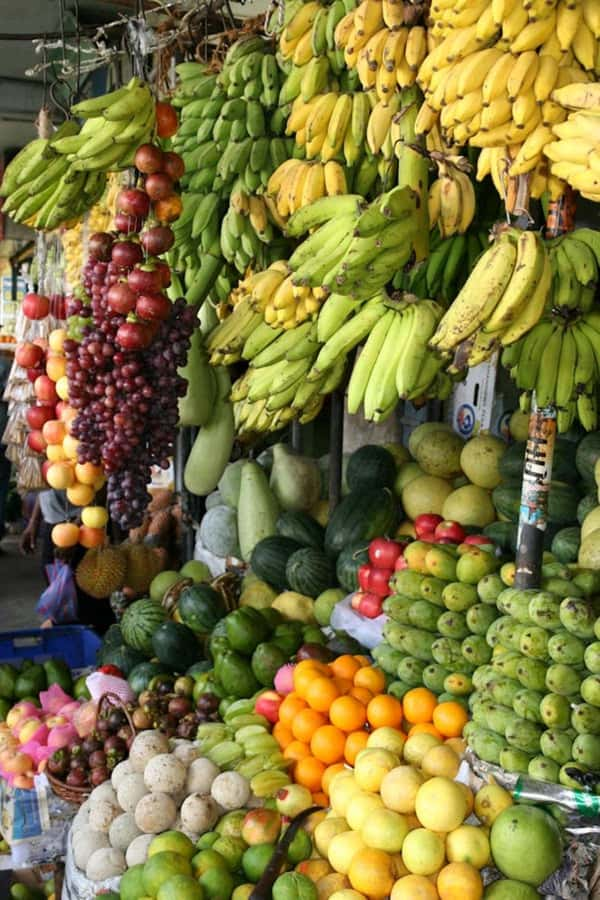
- The meeting point is K-MALL Komarocks parking lot, where you meet the host before going to the market.
- You shop for fresh ingredients first, then use them in a Kenyan home kitchen.
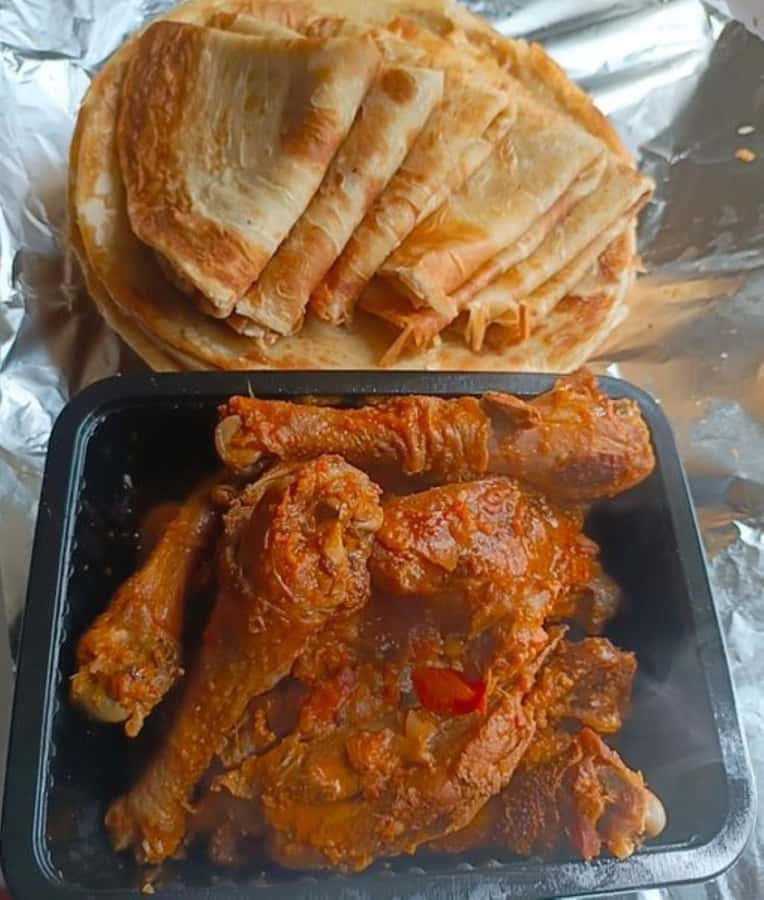
- The cooking covers several Kenyan favorites, including ugali, pilau, chapati, sukuma wiki, kachumbari, mukimo, githeri, and kuku kienyeji.
- Lunch is part of the experience, along with water, soda, and tea.
- Tabitha’s home hospitality is central to the visit, with time for stories, conversation, and a shared meal.
- The price is $64 per person for four hours, with free cancellation up to 24 hours before the activity.
Starting at K-MALL Komarocks
Your meeting point is the K-MALL Komarocks parking lot. From there, the host takes you to a local market, with transport to and from the market included in the activity.
This arrangement matters in Nairobi, where getting across town can take time and local transport may feel confusing if you are new to the city. You do not have to work out the market connection on your own. Still, check the exact starting time when booking, since the activity offers several possible start times based on availability.
The experience takes place on the outskirts of Nairobi rather than in a central tourist district. That gives the day a more everyday feel, but it also means you should plan your wider sightseeing around the four-hour schedule. If you are staying far from Komarocks, ask about transport arrangements before booking. Uber and other transportation costs are not included.
Wear comfortable clothing and shoes. You will be walking through the market and spending time standing in a kitchen. Bring a camera if you like taking food and street scenes, and carry some cash, which may be useful during the market visit.
More Cooking Classes with a Market Tour in the world:
- Hanoi Cooking Class: Culture, Local Market & Meaning CSR Impact
★ 5.0 · 5,147 reviews - 5 Traditional Dishes Hanoi Cooking Class with Market Trip
★ 5.0 · 4,890 reviews - Cooking Class and Lunch at a Tuscan Farmhouse with Local Market Tour from Florence
★ 5.0 · 4,831 reviews
Shopping through a Nairobi market
The market is more than a quick stop to pick up onions and tomatoes. It is your first lesson in Kenyan food culture. You see the ingredients in their ordinary setting, watch people going about daily business, and learn which foods make up a home-cooked meal.
The host helps select fresh ingredients for the cooking session. This simple act adds useful context. Kachumbari is not just a salad on a menu, and sukuma wiki is not merely a side dish. At the market, you begin to see how vegetables, herbs, grains, and meat fit into everyday Kenyan cooking.
The market can be busy and noisy, so keep your belongings secure and stay close to the host. The experience takes place in a secure neighborhood, but normal city awareness still makes sense. Comfortable shoes are more useful here than smart clothes.
A market visit also gives you a chance to interact with local people. You may attract some curiosity as a visitor, especially if you are taking photos. Ask before photographing anyone, and let Tabitha help with local communication when needed. Her ability to speak both English and Swahili is useful in a setting where not every exchange will happen in English.
Cooking in Tabitha’s home
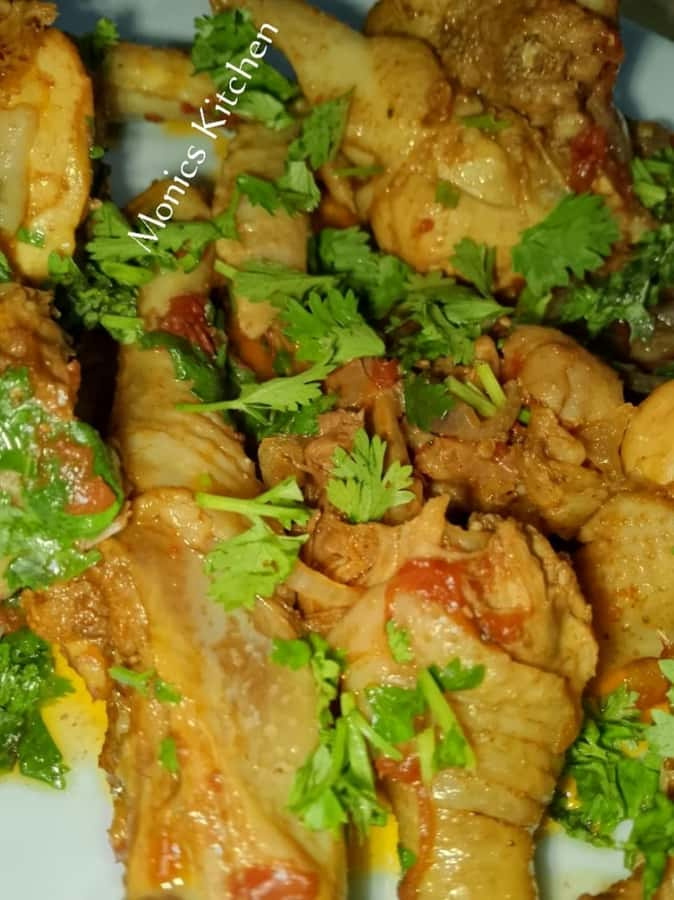
After shopping, you go to Tabitha’s home for the cooking lesson. This is the heart of the experience. You are not simply watching a chef prepare a demonstration meal. You help with the food, taste as you go, and hear stories about Kenyan cooking and home life.
Space in the kitchen is limited, so do not expect each person to have a large work station. That can be a drawback for anyone looking for a formal class with individual equipment. On the other hand, a smaller home kitchen often encourages conversation and shared work. You are closer to the host and the food, and the lesson feels personal.
Tabitha, also called Tabby, has been praised for her warm welcome and generous cooking. Her husband may also be part of the time at home, adding to the social side of the visit. The appeal is not only learning recipes. It is sitting down with people who are willing to talk about food, family life, daily routines, challenges, and joys.
That human exchange is difficult to recreate on a standard city tour. You get a look at Kenyan life through a meal prepared in a real home, rather than through a staged cultural show.
What you may cook and taste
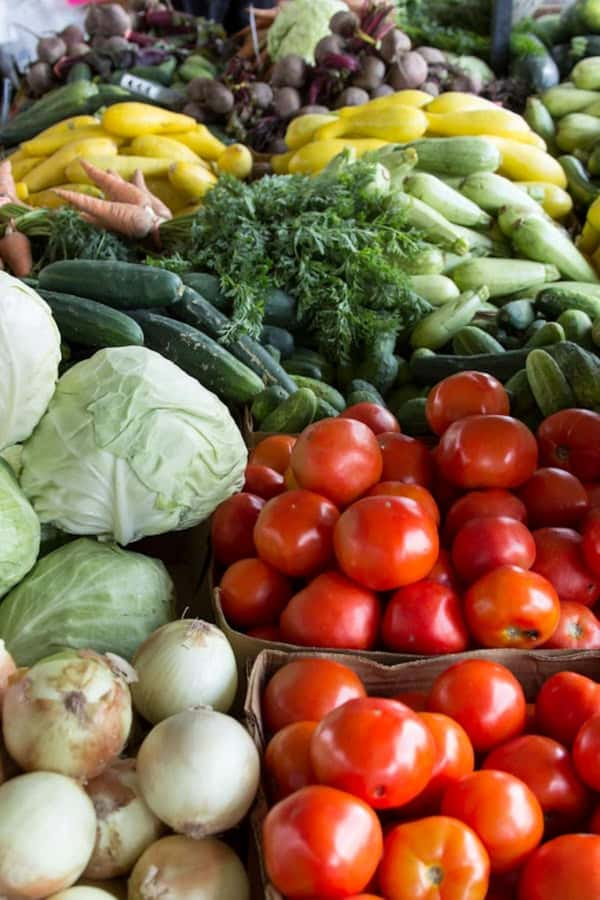
The food list gives this class plenty of variety. The exact mix of dishes may depend on the day, but the experience focuses on traditional Kenyan staples and well-known home cooking.
Ugali is a firm maize-based staple, often served with vegetables, meat, or stew. Learning to prepare it helps you understand the texture and technique behind a food that many visitors first encounter as an unfamiliar mound on a plate.
Sukuma wiki is a cooked leafy green dish and a common part of Kenyan meals. It is practical, filling, and closely tied to everyday cooking. You may also prepare kachumbari, a fresh salad made with chopped vegetables. Together, these dishes show the contrast between cooked greens and crisp, fresh ingredients.
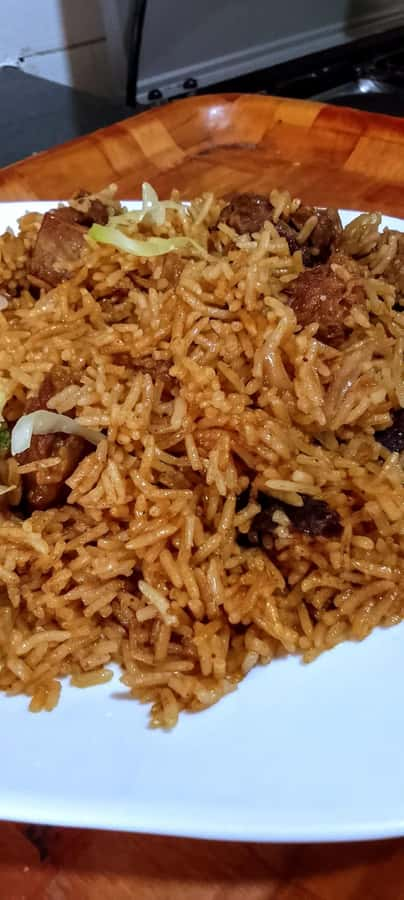
Pilau brings rice, spices, and a fuller aroma to the meal. Chapati adds a hands-on element, since preparing the dough and cooking the flatbread requires attention. These are foods you may want to try making again at home, especially if you enjoy cooking after a trip.
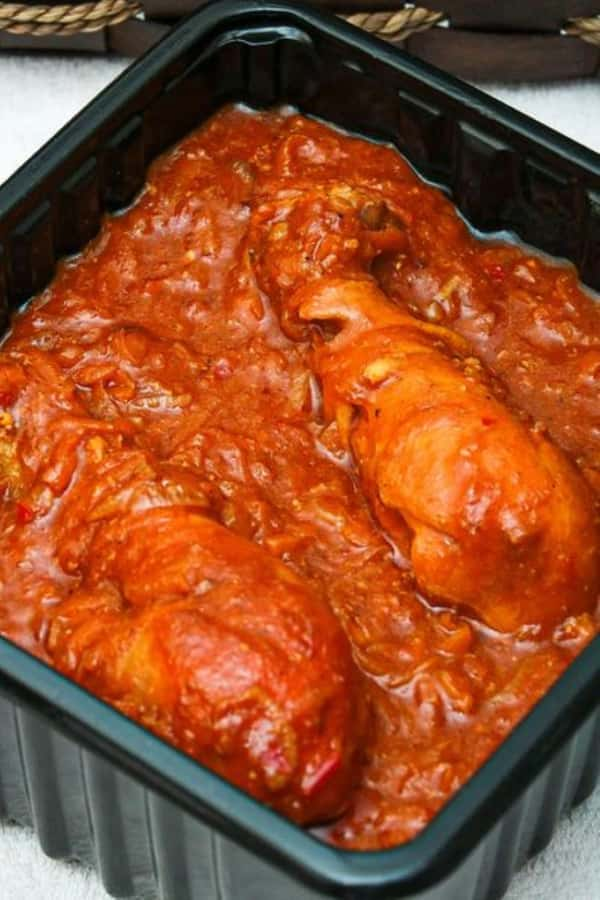
The class may also include mukimo, a mashed mixture traditionally made with ingredients such as potatoes, greens, and maize, and githeri, a filling combination of maize and beans. Kuku kienyeji, or local-style chicken, is another featured dish. The description also mentions some kienyeji chicken, so the amount and exact preparation may vary.
You may not prepare every dish listed in one session. The food selection can depend on the ingredients bought at the market, the group, and the time available. If one dish matters most to you, ask the host in advance.
A few more cooking classes around the world worth a look
- Half-Day Thai Cooking Class at Organic Farm in Chiang Mai
★ 5.0 · 19,087 reviews - Florence: Pasta Cooking Class with Unlimited Wine
★ 4.9 · 10,285 reviews - 3 in 1 Cooking Class near Navona: Fettuccine, Ravioli & Tiramisu
★ 5.0 · 7,376 reviews - Florence: Pasta & Tiramisu Cooking Class with Unlimited Wine
★ 4.9 · 6,708 reviews
Sharing lunch and local stories
Lunch is included, along with water, soda, and tea. Alcoholic drinks are not included, and the experience does not list alcohol as part of the meal.
The meal is meant to be shared. That changes the tone of the day. You are not rushing through a restaurant course before moving to the next sight. You have time to sit, eat what you helped prepare, and talk with Tabitha and her family.
I find this part especially valuable for anyone who wants more than a food sample. The conversation can help you understand the place behind the recipes. One particularly meaningful account describes Tabitha speaking openly about everyday joys and difficulties in Kenya. You should not expect a formal lecture, but you can expect personal storytelling if the conversation develops naturally.
Come hungry, but remember that this is a four-hour activity with preparation involved. You may spend much of the session tasting ingredients and eating the finished lunch. Anyone with food allergies should avoid booking, since the activity is specifically marked as unsuitable for people with allergies.
Is $64 a fair price?
At $64 per person, this is not the cheapest way to eat in Nairobi. You could certainly find an inexpensive meal for far less. The value here comes from the combined experience: a guided market visit, transport to and from the market, cooking instruction, a home visit, lunch, drinks, and time with a local host.
The price makes more sense if you value personal contact and want to learn several dishes rather than simply order Kenyan food. It is also useful for a first-time visitor who wants a structured way to see ordinary life outside the main tourist route.
The value is weaker for someone who only wants a quick cooking demonstration or a professional culinary workshop. Limited kitchen space means the class may be informal, and the four-hour schedule includes shopping, transport, preparation, eating, and conversation. Think of it as a cultural food experience with cooking, not a technical chef-training session.
For families, children under 10 receive free entrance. The activity may suit older children who enjoy food and conversation, though the description does not give a minimum age or specific child program. Anyone over 95 is listed as unsuitable for the activity.
What the five-star feedback tells me
The most consistent praise centers on Tabitha herself. People describe her as welcoming, helpful in the market, and generous in her home. That matters because the host is the main reason this experience feels personal rather than packaged.
The market-to-home flow also earns strong approval. The ride through Nairobi, the fresh shopping, and the transition into the kitchen give the day a clear story. You begin by seeing ingredients in the market and finish by eating them at the table.
The food receives equally warm attention. Tabby’s cooking is repeatedly described as delicious, with a wide selection of local dishes. Still, I would book this for the combination of food and connection, not only for the meal. The cooking is the doorway to conversation.
The experience has received a five out of five rating from 12 reviews, with comments from people in the United States, Italy, and the Netherlands. Several descriptions call it one of the most meaningful or memorable parts of a Kenya trip. That praise fits the format, but you should keep your expectations practical: this is a home visit, not a luxury culinary venue.
Who should book this experience?
I would recommend it to you if you want to:
- Learn how everyday Kenyan dishes are prepared
- Visit a local market with help from an English or Swahili-speaking host
- Share a meal in a private home
- Meet local people in a relaxed setting
- Spend part of your Nairobi stay away from the main tourist circuit
- Take part in a small, personal activity rather than a large group excursion
It is especially good for people who enjoy asking questions and trying unfamiliar foods. You will get more from the class if you are willing to chop, stir, taste, listen, and talk.
I would hesitate to recommend it if you have serious food allergies, dislike home visits, need a fully accessible professional kitchen, or want a tightly timed culinary course. The limited space and informal setting are part of its charm, but they will not suit everyone.
Free cancellation is available up to 24 hours before the activity, and you can reserve now and pay later. Those terms help if your Nairobi schedule is still changing, but confirm the start time and any extra transport needs before you finalize your plans.
Should you book the Nairobi cooking class?
Book it if your idea of a good Nairobi experience includes a market, a family home, local recipes, and a long conversation over lunch. At $64, you are paying for access and company as much as for the food.
The strongest reason to go is Tabitha’s hospitality. She guides you through the market, opens her kitchen, and makes space for a real exchange. The strongest reason to skip it is practical: the cooking area is limited, and the activity is not designed for people with food allergies.
For most food-minded visitors, this is a thoughtful way to spend four hours in Nairobi. You leave with new dishes to remember, a better sense of how ingredients move from market to table, and the kind of personal encounter that a standard sightseeing stop rarely provides.
FAQ
How long does the Kenyan cooking class and market tour last?
The activity lasts four hours.
How much does the experience cost?
The listed price is $64 per person.
Where is the meeting point?
You meet at the K-MALL Komarocks parking lot before going to the market.
Is transport included?
Transport to and from the market is included. Uber and other transportation fees are not included.
What food will I learn to prepare?
The experience focuses on Kenyan dishes such as kachumbari, sukuma wiki, ugali, chapati, pilau, mukimo, githeri, and kuku kienyeji. The exact combination may vary.
Is lunch included?
Yes. Lunch is included, along with soda, water, and tea.
Are alcoholic drinks included?
No. Alcoholic drinks are not included.
What languages does the guide speak?
The live guide speaks English and Swahili.
Can children join the experience?
Children below 10 years receive free entrance.
What happens if I need to cancel?
You can cancel up to 24 hours in advance for a full refund. You can also reserve now and pay later.
What should I bring?
Bring comfortable shoes, comfortable clothes, a camera, and cash.
Is the activity suitable for people with food allergies?
No. The experience is listed as unsuitable for people with food allergies.
Just added around the world
- Aroidee’s Farm-Fresh Thai Cooking Experience★ 5.0 · 8 reviews
- Signature Thai Cooking Course★ 5.0 · 79 reviews
- Private Half-Day Thai Cooking Class in Chiang Mai★ 5.0 · 4 reviews
- Half Day Guided Thai Cooking Class in Chiang Mai★ 5.0 · 13 reviews
- Online Thai and Akha Cooking Class★ 5.0 · 70 reviews
- Private Virtual Thai Cooking Class★ 5.0 · 9 reviews
- Northern Thai Cooking Class in Chiang Mai in a Countryside Home★ 5.0 · 2 reviews
- 5 Hour Morning Thai Cooking Course★ 5.0 · 31 reviews
Cooking Classes with a Market Tour, compared.

Hanoi Cooking Class: Culture, Local Market & Meaning CSR Impact
Read our review →
5 Traditional Dishes Hanoi Cooking Class with Market Trip
Read our review →
Cooking Class and Lunch at a Tuscan Farmhouse with Local Market Tour from Florence
Read our review →
Cooking Class, Market & Thai Herbs Garden Tour
Read our review →
Authentic Cooking Class with Market & Farm Visit
Read our review →
Paella Cooking Experience & Boqueria Market Tour
Read our review →
Cooking Class Hoi An:Local Market, Basket Boat, Fishing & Cooking
Read our review →