REVIEW · MALAYSIA
Kuala Lumpur: Malaysian Cooking Class with Market Tour
Come hungry and bring your curiosity. This 330-minute Kuala Lumpur experience pairs a morning visit to TTDI Wet Market with a hands-on Malaysian cooking class at LaZat Cooking School. I like the market visit because it gives you a real look at the herbs, spices, produce, and food stalls behind the dishes. I also like the personal teaching style, especially the chance to cook an appetizer, main course, and dessert yourself.
The main consideration is the early start and fixed meeting point. You must reach the market at 8:30 AM on your own, and transport after the class is not included. The $149 price is not bargain dining, but it covers a half-day of instruction, ingredients, snacks, drinks, equipment, and a full lunch you help prepare.
Key things to know before booking
- The day begins at TTDI Wet Market: Meet the representative at the entrance facing Jalan Wan Kadir at 8:30 AM.
- You cook three courses: The meal includes an appetizer, main course, and dessert, with a different ethnic menu featured each day.
- The market adds useful context: You learn about local ingredients and cooking methods before using them in class.
- Saadiah has earned special praise: Her sessions have included nasi lemak and chicken rendang, along with stories about Malaysian food and culture.
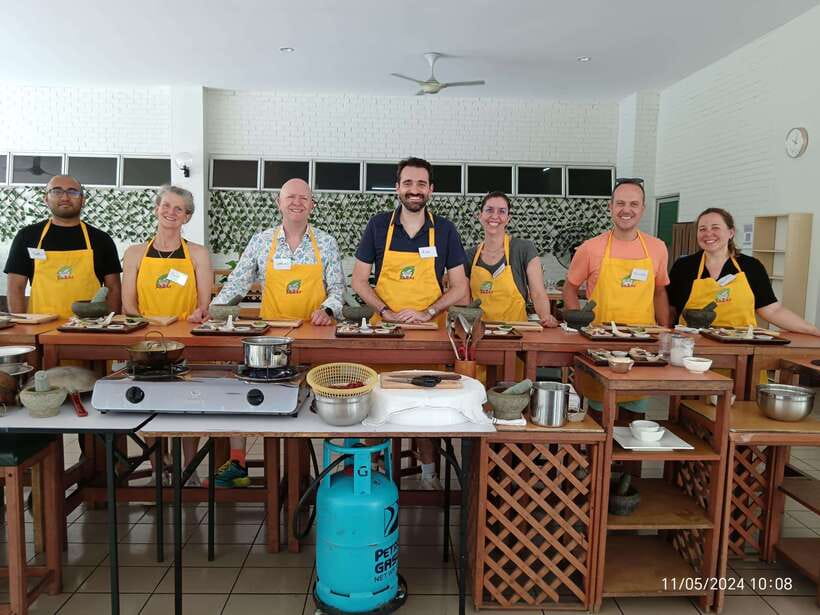
- You get your own cooking setup: Each participant receives a gas burner, counter space, utensils, traditional tools, and a mortar and pestle.
- The class suits varied diets: LaZat Cooking says it welcomes people with different dietary needs, though you should share those needs in advance.
Start at TTDI Wet Market at 8:30 AM
The first practical detail is also the easiest to overlook: you are not meeting at the cooking school. The class begins at Pasar Besar TTDI, also called TTDI Wet Market, and you need to arrange your own transport there.
Look for the LaZat representative at the entrance facing Jalan Wan Kadir. Getting there on time matters because the market visit is part of the morning program, not an optional extra tacked onto the end.
A wet market can tell you more about everyday cooking than a polished food hall. Here, the focus is on the raw materials used in Malaysian kitchens. You can expect attention on fresh herbs, spices, produce, and other local ingredients, with explanations of how they are selected and used.
The market visit also gives the cooking class a stronger sense of place. Instead of seeing a recipe as a list of items from a supermarket, you begin to understand where those ingredients fit into Malaysian food culture. That connection is especially useful if you plan to order dishes such as nasi lemak or rendang during the rest of your stay.
One especially appealing detail is the relationship between the market guide and the stall holders. That suggests a visit with more warmth than a simple walk past counters. You should still remember that market conditions can be active and crowded at times, so this part suits visitors who enjoy observing real daily commerce more than those wanting a quiet, carefully staged food display.
More Cooking Classes with a Market Tour in the world:
- Hanoi Cooking Class: Culture, Local Market & Meaning CSR Impact
★ 5.0 · 5,147 reviews - 5 Traditional Dishes Hanoi Cooking Class with Market Trip
★ 5.0 · 4,890 reviews - Cooking Class and Lunch at a Tuscan Farmhouse with Local Market Tour from Florence
★ 5.0 · 4,831 reviews
Roti canai before the cooking starts
The market portion includes snacks, and one participant singled out the roti canai served there as a favorite meal in Kuala Lumpur. That is a useful clue about the morning: you are not simply touring the market on an empty stomach while waiting for lunch.
Roti canai is a flaky, pan-cooked flatbread often eaten with curry or other accompaniments. The experience does not promise a full breakfast menu, so do not book it expecting a separate restaurant meal. Still, the chance to try a well-liked local breakfast item adds a tasty reason to arrive ready to sample.
The market stop works best when you treat it as a lesson in ingredients and habits, not just a place to take photos. Notice how the guide links what you see to the dishes you will later prepare. That is where the value lies.
Transfer from the market to LaZat Cooking School
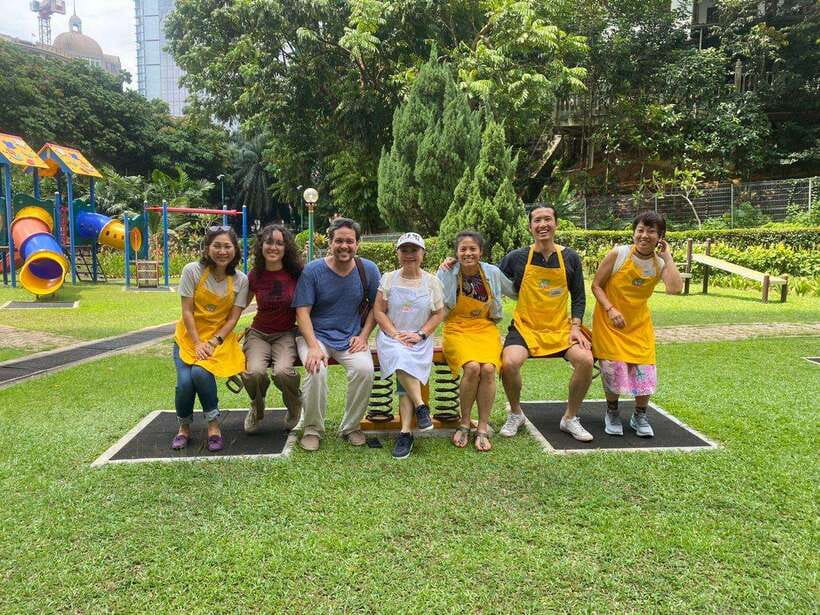
After the market tour, transport to LaZat Cooking School is included. This removes one awkward part of the morning. You do not need to work out a second route through Kuala Lumpur after meeting the group.
The transfer is only provided from the wet market to the school. Your transport to the market and your journey home after class remain your responsibility. Plan the morning with that split clearly in mind, especially if you have another appointment later in the day.
The total duration is 330 minutes, or five and a half hours. With an 8:30 AM start, the class should occupy most of your morning and carry well into lunchtime. Since the exact finishing time can depend on the day’s menu and group pace, avoid placing a tight appointment immediately afterward.
A cooking class built around family recipes
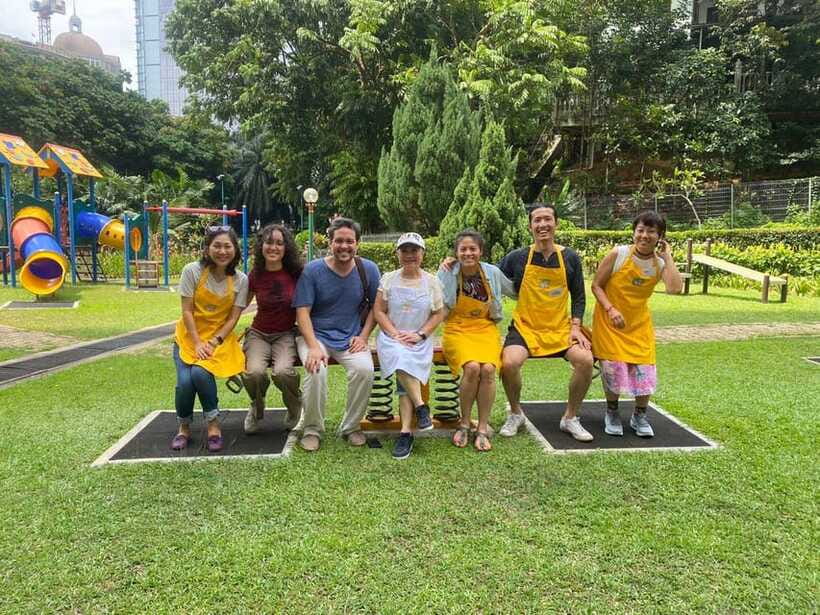
LaZat Cooking presents Malaysian food as family food, not simply a set of restaurant favorites. The school uses recipes passed through generations and places attention on the care taken with herbs, spices, and preparation.
The teaching philosophy is hands-on. Rather than watching a chef prepare everything while you sit at the side, you receive your own equipment and cook your own portion of the meal. That setup gives you a better chance of remembering the techniques when you return home.
The school’s founder, Ana, encourages cooks to handle ingredients gently and prepare them with care. It is a simple idea, but it fits the class well. Malaysian cooking often depends on building flavor through herbs, spice pastes, aromatics, and patient preparation. A mortar and pestle lets you work with those elements in a more traditional way than an entirely modern kitchen would.
Your equipment includes:
- A gas burner stove
- Counter space
- Cooking utensils
- Traditional utensils
- A mortar and pestle
Having an individual station is important. You can follow the recipe directly, ask for help as you work, and see how each stage changes the dish. You also avoid the common cooking-class problem of one person doing all the chopping while everyone else watches.
The class is described as small-group, although no exact group size is given. That usually means more opportunity to interact with the instructor and fellow participants, but the amount of individual attention can still vary by menu and group.
A few more cooking classes around the world worth a look
- Half-Day Thai Cooking Class at Organic Farm in Chiang Mai
★ 5.0 · 19,087 reviews - Florence: Pasta Cooking Class with Unlimited Wine
★ 4.9 · 10,285 reviews - 3 in 1 Cooking Class near Navona: Fettuccine, Ravioli & Tiramisu
★ 5.0 · 7,376 reviews - Florence: Pasta & Tiramisu Cooking Class with Unlimited Wine
★ 4.9 · 6,708 reviews
The three-course lunch
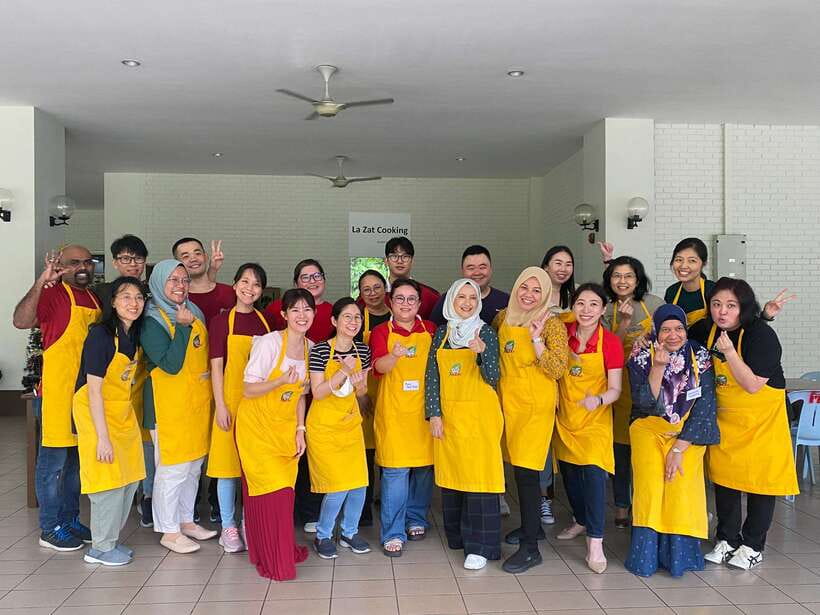
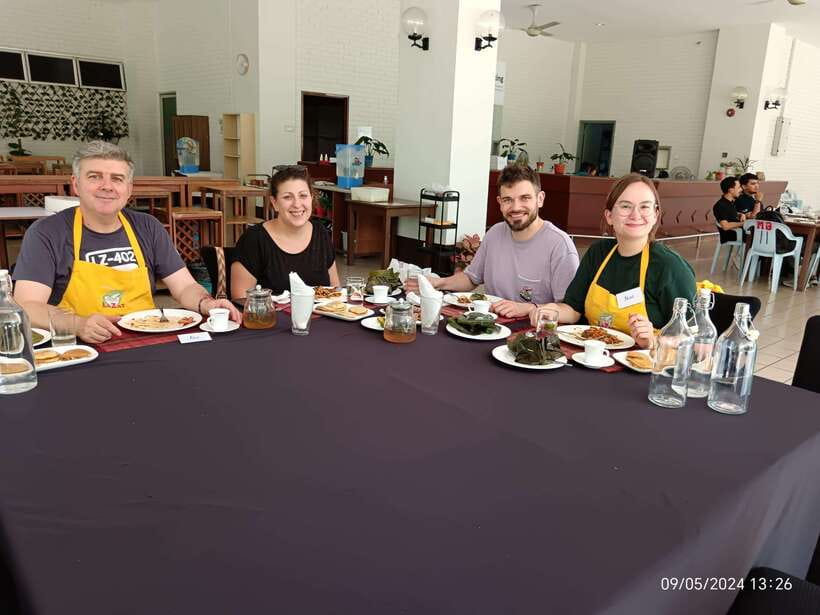
Each class includes an appetizer, main course, and dessert. You prepare the meal during the session, then sit down to eat what you have made. This gives the afternoon a clear payoff: lunch is not an unrelated restaurant meal, but the result of your work.
The exact dishes change by day because LaZat features a different ethnic menu each day. That variety is a strength if you are flexible and want a broader view of Malaysian cooking. It is less convenient if you have booked specifically to learn one named recipe.
A Saturday session with Saadiah may be particularly appealing. She has received strong praise for teaching nasi lemak and chicken rendang, explaining food and culture through personal stories, and making the meal feel like a shared occasion. Her classes may not be available every day, so check the schedule if her teaching is a priority.
Nasi lemak and chicken rendang also show the range of the meal. Nasi lemak is closely linked with fragrant rice and familiar Malaysian accompaniments, while rendang depends on a slower, more concentrated style of cooking. Preparing both gives you a useful contrast between a complete rice-based dish and a deeply seasoned main course.
You should not assume those dishes are served on every date. The daily menu changes, and the available teacher can vary. If you have a particular dietary requirement or strong food preference, contact the provider before reserving rather than hoping the day’s menu will suit you.
Why the teaching style matters
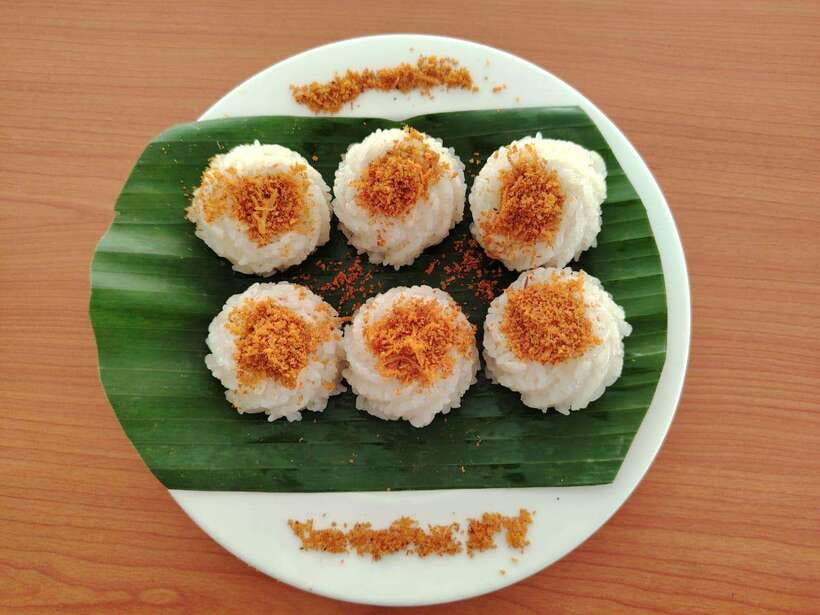
A good cooking class gives you more than a recipe card. It helps you understand what to look for, what to smell, how ingredients should feel, and when a mixture has reached the right stage.
That is where local instruction can make a real difference. Malaysian dishes often rely on combinations that may be unfamiliar if you normally cook European or North American food. A local teacher can explain how ingredients fit into home cooking and culture rather than presenting them as exotic additions.
The language options are English, Malay, and Chinese. English-language instruction makes the class accessible to international participants, while the multilingual setup reflects the cultural mix at the heart of Malaysian food.
Saadiah’s teaching has been praised for combining practical help with stories about her own life, history, and culture. That personal element can make the meal more memorable, but it also means the experience is shaped by the teacher. If you want a highly formal culinary lesson with exact professional-school technique, this may feel relaxed. If you want food connected to people and family traditions, that relaxed approach is a major plus.
Snacks, tea, and the real value of $149
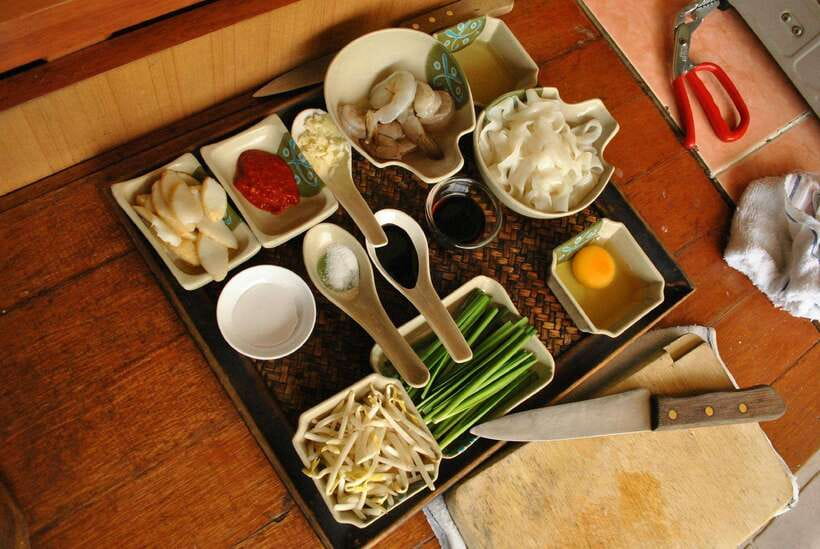
At $149 per person, this is a premium half-day activity. The price covers the market component, the transfer from the market to the school, snacks, coffee or tea, ingredients, instruction, equipment, and a three-course lunch.
You are paying for more than the food on the plate. The useful part is the combination of market education, guided preparation, cultural explanation, and a meal you make yourself. If you would otherwise book a market tour, a cooking class, and lunch separately, the package becomes easier to justify.
The price may feel high if you mainly want to eat Malaysian food. Kuala Lumpur offers many less expensive ways to enjoy a meal, and this class is not designed as a quick tasting stop. Its value depends on whether you want to learn and participate.
The individual equipment improves the calculation. You are not only watching a demonstration, and you are not sharing every tool with the whole group. You get a proper workstation, then eat the food produced during the class.
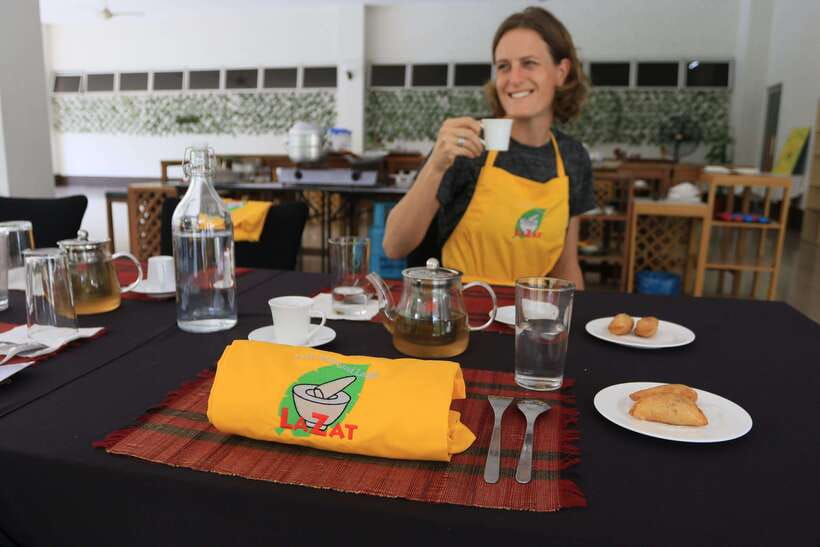
Coffee, tea, and snacks are included, but alcoholic drinks are not. Bring no expectation of a wine pairing or bar service. This is a food lesson focused on Malaysian cooking rather than a long restaurant lunch.
Timing, transport, and practical planning
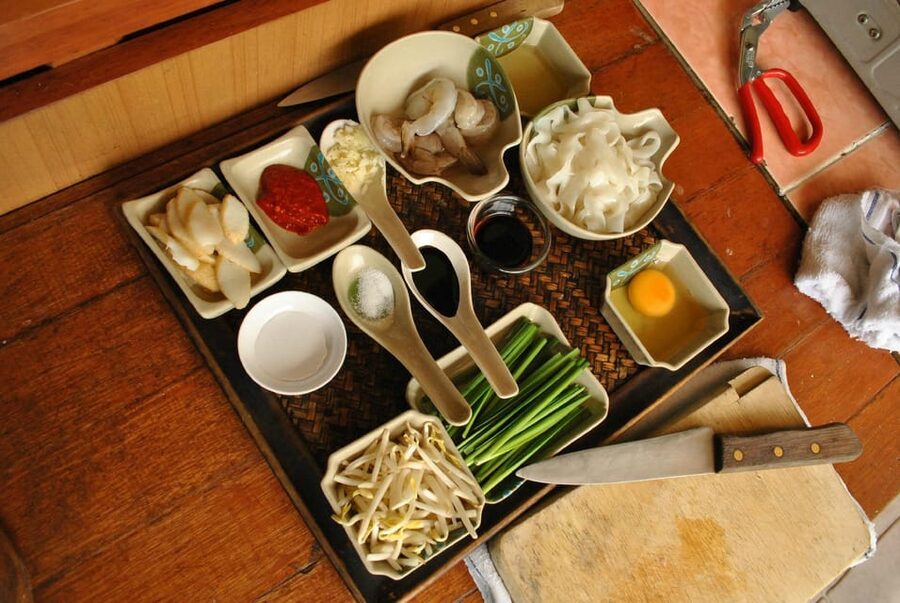
Start by planning the trip to TTDI Wet Market. The meeting point is specific, but transport to it is not included. Give yourself enough time to find the entrance facing Jalan Wan Kadir without rushing into the group at the last moment.
Wear clothes that are comfortable for cooking and suitable for a warm Kuala Lumpur morning. The supplied information does not specify a dress code, so practical clothing is the sensible choice. You will be handling ingredients and working at a stove for several hours.
The class is suitable for individuals and groups. Solo visitors can meet other participants around a shared meal, while couples and friends get a structured activity that avoids the usual question of what to do between breakfast and lunch.
The provider welcomes different dietary needs. That is encouraging, but the exact menu changes daily, so tell LaZat about your requirements before the class. The available information does not promise that every dish can be altered, and advance notice gives the school a fair chance to respond.
Cancellation is flexible up to 24 hours before the experience for a full refund. You can also reserve and pay later, which helps if your Kuala Lumpur schedule is still moving around. These policies are useful, but the main planning issue remains the early market meeting point.
Who will enjoy this class most
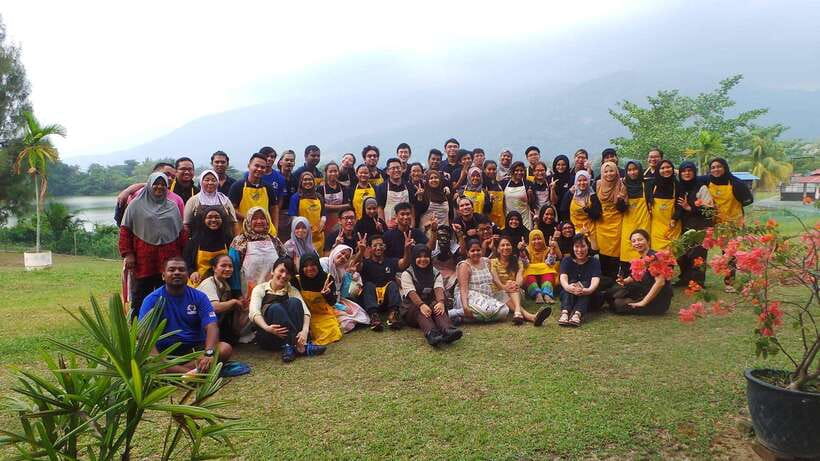
I would recommend this experience to you if you enjoy learning by doing. It suits curious eaters, home cooks, solo visitors, couples, and small groups who want a meal connected to local ingredients and family recipes.
It is also a strong choice if you have already seen Kuala Lumpur’s major sights and want an activity that brings you into everyday food culture. The market gives the class a local setting, while the cooking session turns that observation into something practical.
You may want a different activity if you dislike early starts, do not want to cook, or have a narrow list of dishes you must learn. The daily menu changes, and the experience takes five and a half hours, so it requires a real block of your day.
Should you book LaZat Cooking?
Book it if the $149 price fits your budget and you want more than lunch. The best reasons are the market connection, your own cooking station, the three-course meal, and the chance to learn directly from local instructors such as Saadiah.
Before booking, check the meeting point, confirm the menu if a particular dish matters to you, and share any dietary needs. If you can handle the 8:30 AM start and arrange your ride home, this is a thoughtful way to spend a Kuala Lumpur morning, with useful skills and a proper meal at the end.
FAQ
Where does the experience begin?
It begins at TTDI Wet Market, also known as Pasar Besar TTDI. The meeting point is at the entrance facing Jalan Wan Kadir.
What time should I arrive?
The market tour begins at 8:30 AM. You should arrange your own transport to the wet market.
How long does the experience last?
The total duration is 330 minutes, which is five and a half hours.
What does the experience include?
It includes the market tour, transfer from the wet market to LaZat Cooking School, snacks, coffee or tea, cooking instruction, equipment, and a three-course lunch.
What will I cook?
You will prepare an appetizer, main course, and dessert. The exact menu changes each day because different ethnic menus are featured.
Is equipment provided?
Yes. Each participant receives a gas burner stove, counter space, cooking utensils, traditional utensils, and a mortar and pestle.
Is transport included?
Transport from the wet market to LaZat Cooking School is included. Transport to the wet market and transport after the class are not included.
What languages are available?
The instructors teach in English, Malay, and Chinese.
Can I cancel or pay later?
You can cancel up to 24 hours before the experience for a full refund. A reserve now and pay later option is also available.
Just added around the world
- Aroidee’s Farm-Fresh Thai Cooking Experience★ 5.0 · 8 reviews
- Signature Thai Cooking Course★ 5.0 · 79 reviews
- Private Half-Day Thai Cooking Class in Chiang Mai★ 5.0 · 4 reviews
- Half Day Guided Thai Cooking Class in Chiang Mai★ 5.0 · 13 reviews
- Online Thai and Akha Cooking Class★ 5.0 · 70 reviews
- Private Virtual Thai Cooking Class★ 5.0 · 9 reviews
- Northern Thai Cooking Class in Chiang Mai in a Countryside Home★ 5.0 · 2 reviews
- 5 Hour Morning Thai Cooking Course★ 5.0 · 31 reviews
Cooking Classes with a Market Tour, compared.

Hanoi Cooking Class: Culture, Local Market & Meaning CSR Impact
Read our review →
5 Traditional Dishes Hanoi Cooking Class with Market Trip
Read our review →
Cooking Class and Lunch at a Tuscan Farmhouse with Local Market Tour from Florence
Read our review →
Cooking Class, Market & Thai Herbs Garden Tour
Read our review →
Authentic Cooking Class with Market & Farm Visit
Read our review →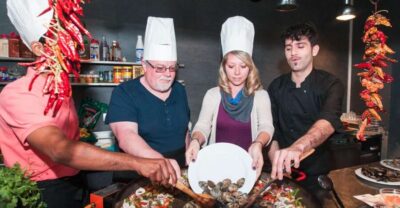
Paella Cooking Experience & Boqueria Market Tour
Read our review →
Cooking Class Hoi An:Local Market, Basket Boat, Fishing & Cooking
Read our review →