
REVIEW · RAJASTHAN, INDIA
Jaipur: Traditional cooking class and storytelling session
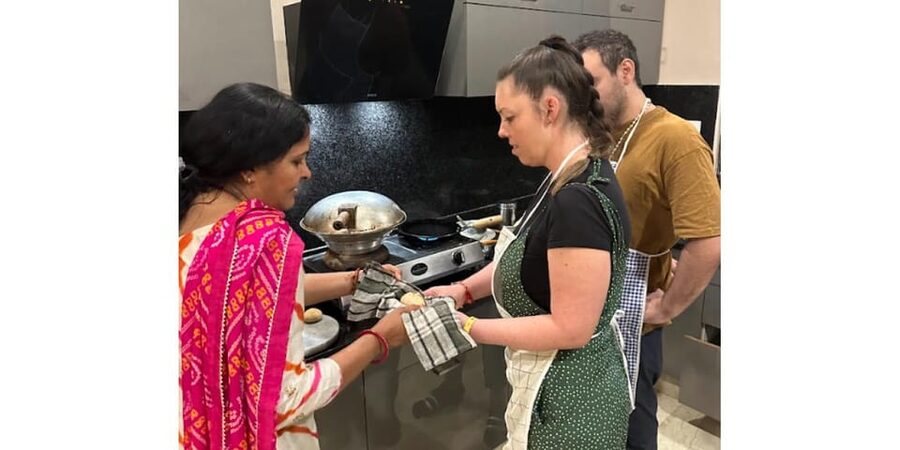
Come hungry for more than dinner. This 3.5-hour home cooking class near Science Park in Shastri Nagar brings you into an Indian family setting, where food, customs, and mythology share the same table. For $27 per person, you cook, eat, listen, and leave with spices and souvenirs.
I like the practical side: you work with wheat flour, millets, lentils, and familiar Indian spices instead of simply watching someone cook. I also like the human side, especially Anita’s warm storytelling and the chance to meet her husband and family. The main drawback is that the menu may vary, and one visitor wished for written recipes to help recreate the dishes at home.
What makes this Jaipur evening special
- Cooking in Anita’s home: This is a family-hosted evening, not a restaurant demonstration.
- Daal baati and other home dishes: You may prepare classic Rajasthani food, though the menu can include dishes such as vada pav.
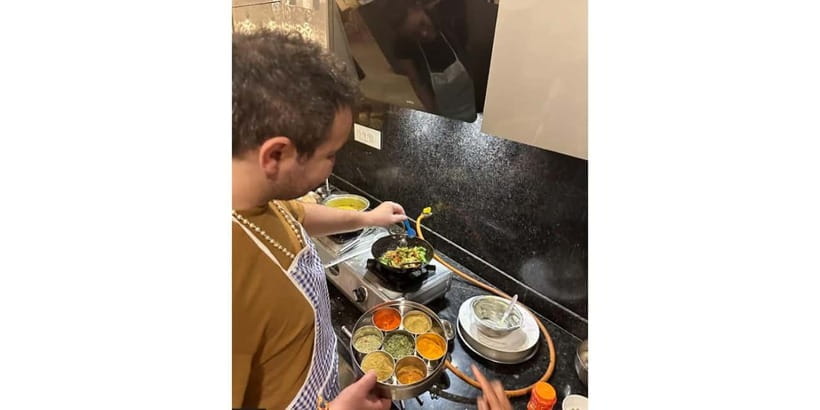
- Spices with purpose: You learn how common spices are used in cooking and their customary medicinal roles.
- Mythology after dinner: Anita shares stories inspired by Indian epics and local traditions once the meal is finished.
- Useful take-home gifts: A basket of Indian spices and parting souvenirs are included.
- A calm break from Jaipur: The home setting gives you a chance to slow down after a busy day in the city.
Arriving near Science Park in Shastri Nagar
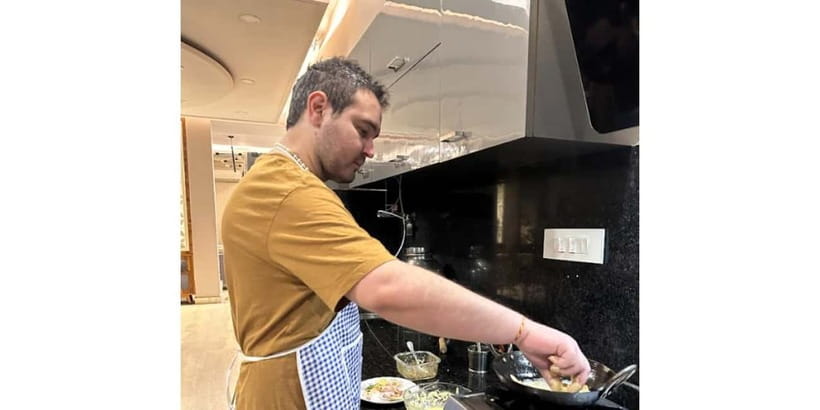
The meeting point is near Science Park, in Jaipur’s Shastri Nagar area. The activity lasts about three and a half hours, so plan it as a full evening rather than a quick meal stop.
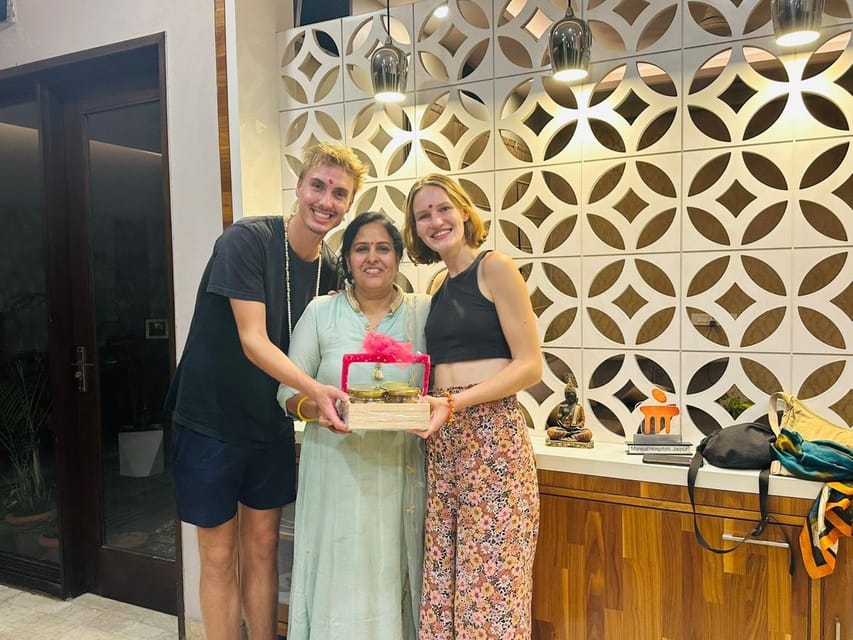
The class takes place at the host’s residence. That matters because the experience is built around conversation and family hospitality, not a polished cooking-school setup. Anita, her husband, and members of their family may be part of the evening, creating the friendly feeling that many visitors value most.
You should arrive with a light stomach. The advice is sensible: you will cook, sample food and drinks, then sit down to dinner. Come curious and ready to ask questions while the food is being prepared.
English is the stated language of instruction. That makes this a practical choice if you want explanations of ingredients, cooking methods, and stories without a language barrier.
A few more cooking classes around India worth a look
- Pink City Cooking Class
★ 5.0 · 452 reviews - Five Course Cooking Class & Meal
★ 5.0 · 250 reviews - Veg and Non veg : Private Cooking Class in Delhi home (7 meal)
★ 5.0 · 226 reviews
Cooking wheat, lentils, millets, and spices
The hands-on kitchen session is the heart of the experience. You are not just shown a finished plate. You take part in preparing food and learn how basic ingredients work together in an everyday Indian kitchen.
Daal baati is one of the named dishes. This Rajasthani classic offers a useful introduction to the region’s food traditions: lentils provide the daal, while baati is made from wheat flour and shaped into a hearty baked or cooked bread. The dish is filling, practical, and well suited to Rajasthan’s traditional cooking style.
The menu is not limited to one fixed example. Anita has also taught vada pav, the popular potato-filled street-food sandwich. That variation is worth noting if you are booking with a particular dish in mind. You should treat the menu as flexible rather than expecting the same recipe at every session.
You will also hear about millets, grains, and lentils. These ingredients help explain why Rajasthani cooking can be both economical and sustaining. The class gives you a better sense of the food beneath the familiar restaurant labels.
The spice lesson adds another useful layer. You learn how ingredients are selected, combined, and used in traditional kitchens. The session also discusses customary medicinal uses of Indian spices. Take this as cultural and culinary information, not as medical advice or a replacement for professional treatment.
The teaching appears suited to beginners. Several dishes are described as simple enough to attempt at home, and the class is intended for all skill levels. You do not need advanced kitchen experience to take part.
A dinner that feels like a family table
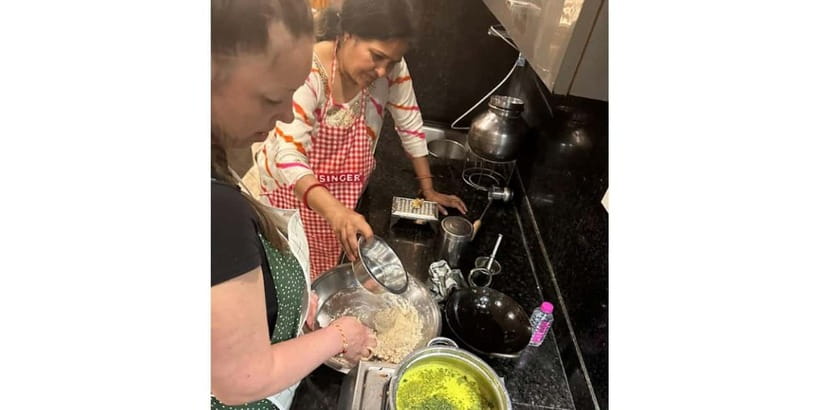
After the cooking, you share a home-style vegetarian meal. The food is described as fresh, flavorful, and filling, with special savories and non-alcoholic drinks also included.
The vegetarian format is part of the appeal. You get a satisfying meal without meat, and the evening shows how much variety can come from grains, pulses, flour, vegetables, and spices. If you are unsure about vegetarian Indian food, this is a friendly way to see how substantial it can be.
Bottled water is used for cooking and drinking. GST is included in the price, and the host aims to provide what is needed for a complete evening within the scope of the experience.
The meal is also where the social side becomes strongest. You sit with the host family, talk about daily life, and gain a glimpse into family customs and celebrations. Anita’s husband is part of the welcome, and family members have sometimes joined conversations in person or by phone.
That warmth is a major reason to choose this instead of eating at a Jaipur restaurant. A restaurant can give you a polished plate. This evening gives you a personal setting and a chance to ask how food fits into family life.
There is one practical limitation. If you want exact measurements for every dish, ask questions as you cook and bring a way to take notes. One visitor specifically wished for written recipes, saying there was too much information to remember without them.
Anita’s mythology and cultural stories
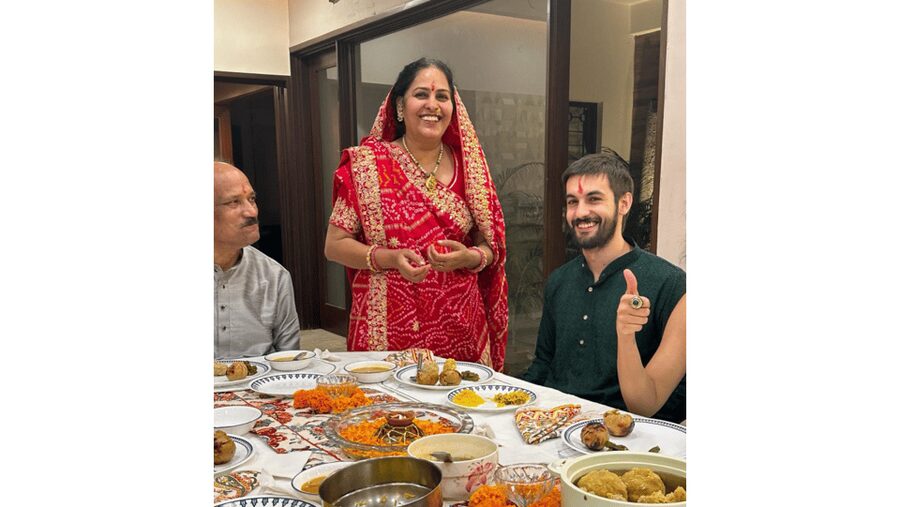
The storytelling begins after dinner. Anita shares stories inspired by Indian mythology, Hindu epics, and cultural traditions, then allows time for questions and interpretations once each story has finished.
The format is worth understanding. This is not a formal history lecture or a museum-style presentation. The stories are intended to communicate values, moral lessons, family ideas, and aspects of Indian life through familiar cultural tales.
For someone new to Hindu mythology, the session can provide a useful first introduction. You may hear stories that explain ideas about duty, kindness, courage, family, or personal conduct. The meaning is often as important as the plot.
The host asks listeners to let the story flow and save questions for the end. That is a small but useful point. If you like to discuss every detail as it comes up, you will need to hold your questions until the story is complete.
The storytelling also gives the evening a clear shape. You begin by working with ingredients, then share the results, and finish by listening. The transition from kitchen activity to quiet conversation helps the event feel more personal than a standard cooking lesson.
Some visitors have found the stories especially moving. If you prefer a strictly technical cooking class, this cultural section may feel longer than expected. If you enjoy personal stories and questions about beliefs, it is likely to be one of the strongest parts.
Same place, a different thing to cook:
- Indian Cooking Class in an Authentic Local Home – Learn 6 Dishes
★ 5.0 · 195 reviews - Durga Cooking Class
★ 5.0 · 159 reviews - Private Guided Cooking Workshop Experience in Jodhphur
★ 5.0 · 158 reviews - Jaipur Market Tour & Vegetarian Rajasthani Home Cooking Class
★ 5.0 · 113 reviews
Souvenirs, spices, and the real value of $27
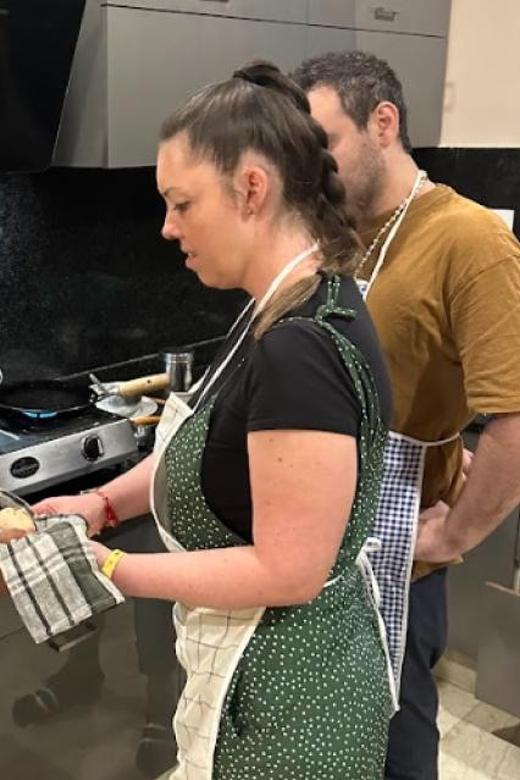
At $27 per person, the price covers a lot: a cooking class, dinner, bottled water, non-alcoholic drinks, spice instruction, storytelling, a spice basket, souvenirs, and GST.
The best value is not the amount of food alone. You are paying for several hours of guided participation and access to a private family setting. A restaurant meal may cost less or more depending on where you eat, but it will not normally include cooking instruction, cultural conversation, a mythology session, and take-home spices.
The spice basket is particularly useful. You can use the selection in your own country and test the recipes again after the trip. Since the food is presented as accessible, the experience has value beyond one evening.
The souvenirs are small parting gifts intended to preserve the memory of the visit. Their exact nature is not specified, so do not book this expecting a particular item. Think of them as a thoughtful extra rather than the reason to pay.
The experience also includes free cancellation up to 24 hours in advance and a reserve-now, pay-later option. Keep those policies in mind if your Jaipur schedule is still changing, but the main decision should be whether you want a social home evening rather than a formal sightseeing activity.
Who will enjoy this most
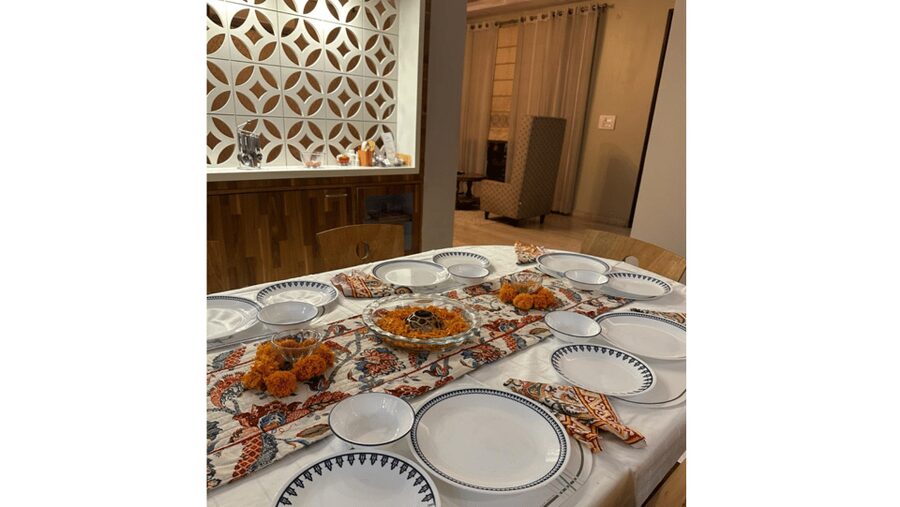
I would recommend this to solo visitors, couples, families, and small groups who enjoy meeting local people. A solo visitor can expect plenty of conversation, while a group can turn the cooking into a shared activity.
It suits you especially well if you:
- Like learning by doing rather than watching.
- Want to understand Indian food beyond restaurant menus.
- Enjoy vegetarian meals.
- Are interested in Indian mythology and cultural customs.
- Prefer a personal home setting to a commercial class.
- Want spices and souvenirs to take home.
It may be less suitable if you need a fixed menu, printed recipes, alcohol, or a quiet meal with little conversation. Alcohol and drugs are not permitted, and the experience is entirely non-alcoholic.
Families should note that the class is described as suitable for all skill levels, but no specific child age range is provided. Ask before booking if you need details about children, dietary needs, or any particular dish.
Practical tips for getting the most from the evening
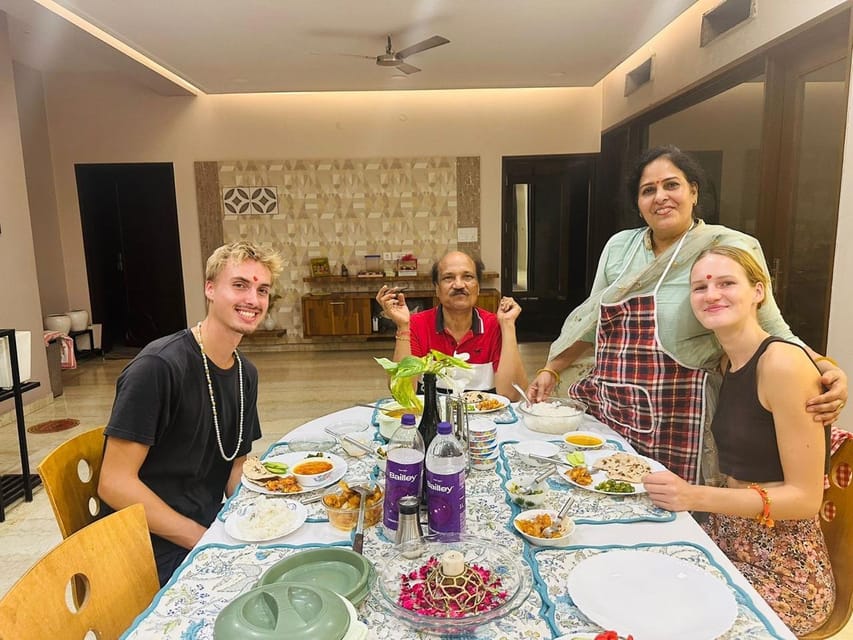
Arrive hungry, but not starving. A light stomach will make it easier to sample ingredients, drinks, and the final meal without feeling uncomfortable.
Ask questions during the cooking portion. This is the best time to clarify spice combinations, ingredient names, and techniques. If you hope to recreate the food, write down measurements and steps as you go, since a printed recipe is not promised.
Keep an open mind about the menu. Daal baati is highlighted, but vada pav has also been prepared. The flexibility seems to be part of the home-cooking approach, so ask what will be made when you arrange your visit.
Save your questions about the mythology until the story ends. This respects the host’s storytelling rhythm and gives you a better chance to hear the full meaning before discussing it.
If you are coming after a crowded day in Jaipur, allow yourself to slow down. The setting is meant to be welcoming and relaxed, not rushed. The evening works best when you treat it as time with a family, not simply as a cooking lesson with a meal attached.
Should you book this Jaipur experience?
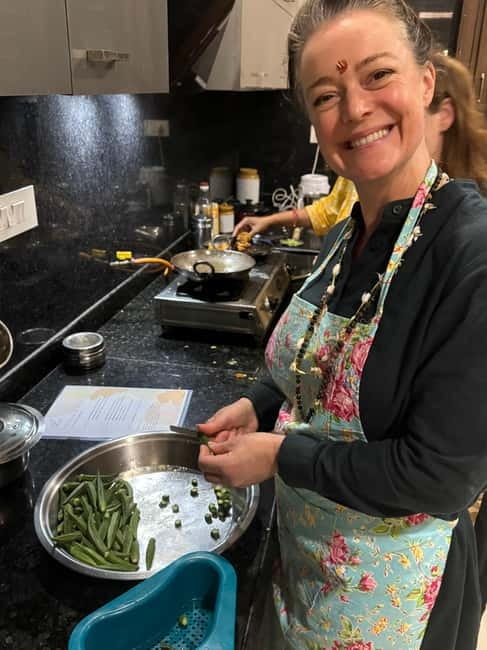
Book it if you want an evening built around food, family conversation, and Indian stories. The strongest reason to choose it is the combination of practical cooking and personal hospitality. Anita’s home, her husband’s welcome, family connections, and the post-dinner storytelling give the activity a human quality that a regular restaurant visit cannot provide.
The main caution is simple: do not expect a rigid professional cooking-school format. The menu may change, written recipes are not guaranteed, and the storytelling is a major part of the schedule. But at $27, with dinner, spices, gifts, and three and a half hours of instruction and conversation included, it offers strong value for visitors who want a personal cultural evening in Jaipur.
FAQ
Where does the cooking class take place?
The class takes place at the host’s residence near Science Park in Shastri Nagar, Jaipur.
How long does the experience last?
The experience lasts approximately 3.5 hours.
What language is used during the experience?
The instructor conducts the experience in English.
What food might I learn to prepare?
Daal baati is one of the named traditional dishes. Vada pav has also been taught, so the menu may vary between sessions.
Is dinner included?
Yes. Dinner follows the hands-on cooking session, and special savory foods and non-alcoholic drinks are included.
Are spices provided to take home?
Yes. Each participant receives a guest spice basket containing a combination of Indian spices for use in their own country.
Are souvenirs included?
Yes. Parting gifts or souvenirs are included.
Can I drink alcohol during the session?
No. Alcohol is not served or permitted, and drugs are also not allowed.
Can I cancel and receive a refund?
You can cancel up to 24 hours in advance for a full refund. A reserve-now, pay-later option is also available.
Just added around India
- Private tour to learn Traditional Indian Art, craft & Cooking★ 5.0 · 4 reviews
- Chennai Super Market Tour and Cooking Class with a Fun Local★ 5.0 · 9 reviews
- Neighborhood Market Tour & South Indian Cooking Class in Chennai★ 5.0 · 7 reviews
- Traditional Chettinad Cooking Class in a Local Home near Chennai★ 4.5 · 12 reviews
- Chennai Dosa Making Class & Home-Dining Experience with Jyashree★ 5.0 · 8 reviews
- Cooking experience in Bangalore, a half day tour★ 5.0 · 5 reviews
- Discover Bangalore’s Cuisine: Private Half-Day Cooking Experience★ 5.0 · 3 reviews
- Traditional Gowda Cooking Class and Meal in a Bangalore Home★ 5.0 · 31 reviews
Cooking Classes, compared.

Half-Day Thai Cooking Class at Organic Farm in Chiang Mai
Read our review →

3 in 1 Cooking Class near Navona: Fettuccine, Ravioli & Tiramisu
Read our review →
Pasta & Tiramisu Cooking Class with Unlimited Wine
Read our review →
Hanoi Cooking Class: Culture, Local Market & Meaning CSR Impact
Read our review →
5 Traditional Dishes Hanoi Cooking Class with Market Trip
Read our review →
Cooking Class and Lunch at a Tuscan Farmhouse with Local Market Tour from Florence
Read our review →
Cooking Class, Market & Thai Herbs Garden Tour
Read our review →Lists this class appears in