
REVIEW · CENTRAL VIETNAM, VIETNAM
Hue: Traditional Vietnamese Cooking Class
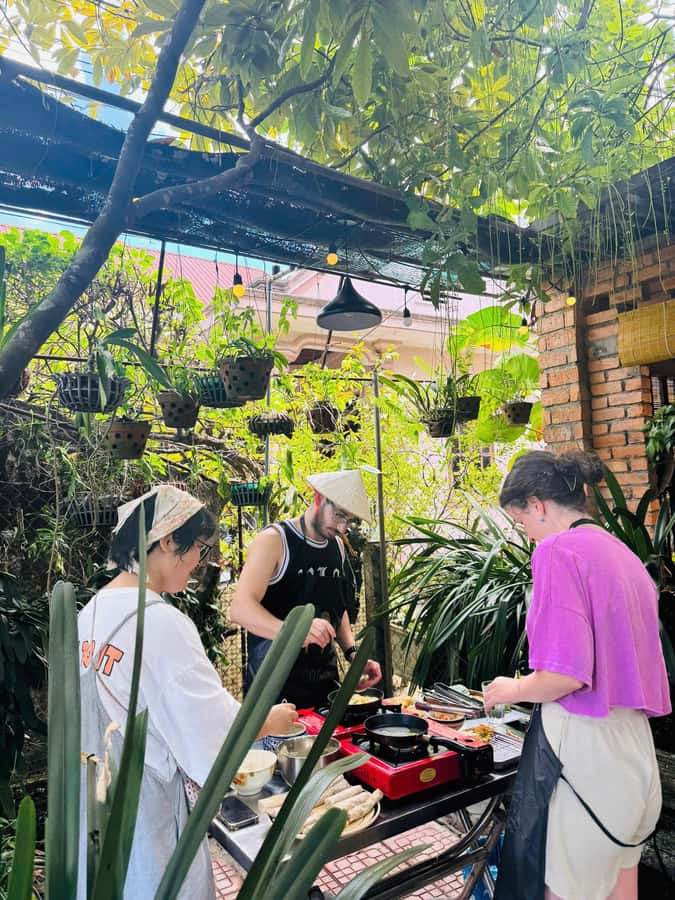
Hue tastes best at the stove. This 150-minute class gives you two things I especially like: five traditional dishes cooked from scratch and a small group capped at six people. You also get a royal herbal tea session, cultural stories, a printed recipe card, and a full meal in a quiet garden setting. The vegetarian menu is just as carefully planned as the meat version, which makes this a strong choice for mixed groups.
The main drawback is location. You’ll walk about 50 meters down an alley from Hoàng Quốc Việt Street, and the house sits a little beyond Hue’s main tourist area. That means a short, inexpensive taxi or ride-hailing trip may be needed. The class also packs a lot into two and a half hours, so expect a lively pace rather than a slow, leisurely lesson.
Names connected with recent classes include Duck, Uyen, and Duc, and the teaching style sounds warm, funny, and personal. One couple had the instructor almost to themselves, while another praised the quiet garden and the extra-crispy banh xeo. Those details matter: this is not a large demonstration where you watch from the side. You cook, ask questions, and eat what you make.
Five Hue flavors worth learning
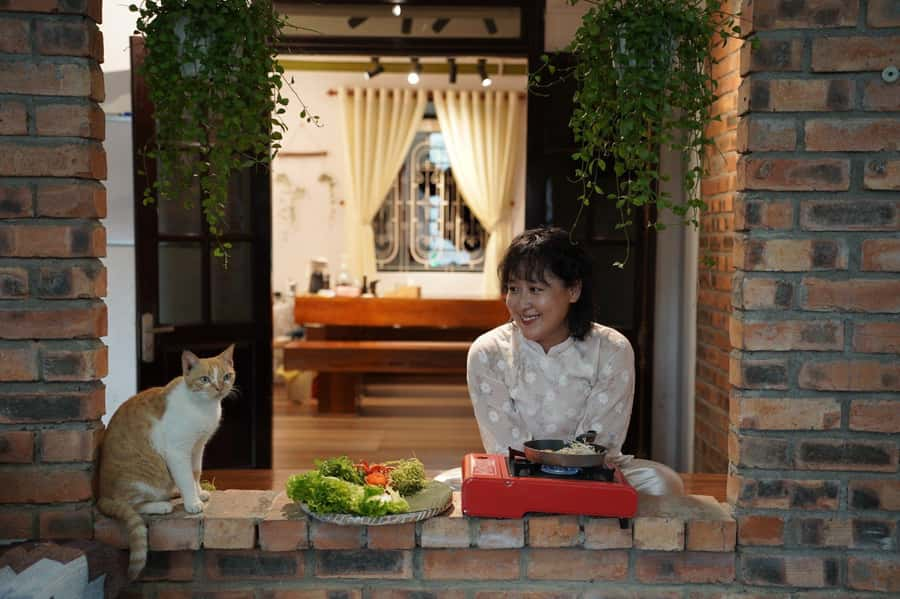
- Bun Bo Hue from a real local recipe: Prepare the spicy beef noodle soup, or a mushroom-based vegetarian version with tofu and vegan sausage.
- Banana-leaf steamed cakes: Make banh bot loc with shrimp and pork, or the vegetarian version with wood ear mushrooms and mung beans.
- A crisp banh xeo lesson: Learn to cook Vietnamese pancakes until the edges are properly crunchy, then serve them with herbs and dipping sauce.
- Royal herbal tea: Brew a fragrant Hue tea connected with the city’s imperial traditions, then enjoy it with the meal.
- A small, friendly setting: With no more than six participants, you get direct help instead of fighting for space around a shared cooking station.
Why this Hue cooking class is worth your time
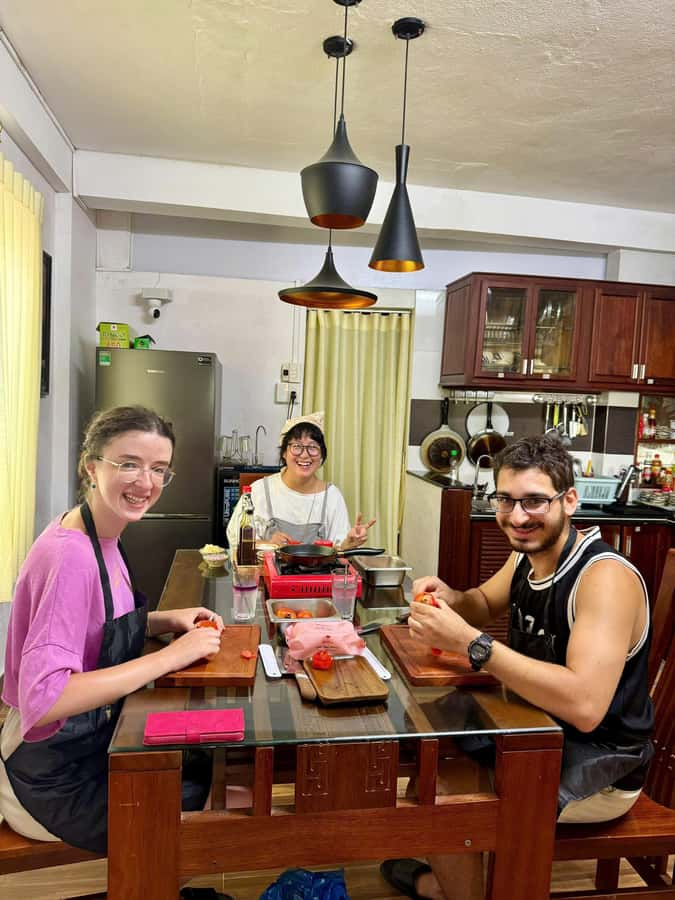
Hue is famous for food that is more refined and carefully balanced than many visitors expect. The city’s cooking traditions developed around the former imperial court, but they also belong to everyday families, market cooks, and home kitchens. This class gives you a practical way to understand that food: not through a lecture, but by chopping, folding, steaming, frying, and tasting.
At $35 per person, the value is good. The price covers the instruction, ingredients, equipment, apron, drinking water, tea session, full meal, and printed recipes. You are not paying only for lunch. You are paying for access to dishes that can be difficult to order or identify on your own, plus the techniques needed to attempt them later.
I also like the balance of the menu. You make a hearty noodle soup, a filled steamed cake, fresh rolls, a crispy pancake, fruit, and tea. The range shows how central Vietnamese cooking moves between hot and cold, soft and crisp, fresh and savory. You leave full, but you also leave with a clearer sense of how the dishes fit together.
The class is taught in English, and the small group format should suit anyone who wants to ask questions. It is especially helpful if you are curious about the difference between Hue cooking and food from other parts of Vietnam. One recent couple found the explanations of those regional differences especially interesting.
More Vietnamese Cooking Classes in Vietnam:
- Cooking Class Hoi An:Local Market, Basket Boat, Fishing & Cooking
★ 5.0 · 3,660 reviews - From Hoi An: Market Tour, Basket Boat Ride and Cooking Class
★ 4.8 · 2,208 reviews - Hoi An: Basket Boat with Lantern-Making & Cooking Class Tour
★ 4.9 · 1,444 reviews
Finding the house on Hoàng Quốc Việt Street
The meeting point is easy to describe but not a grand public landmark. Enter alley number 1 on Hoàng Quốc Việt Street and walk around 50 meters. Look for the Huế Experience signboard.
The setting is part of the appeal. The house is down a quiet alley with a garden, away from the traffic and tourist flow. One class participant specifically appreciated the peaceful garden atmosphere. That calm space gives the lesson a more personal feeling than a commercial cooking studio in a busy shopping area.
Still, plan your arrival sensibly. If you are staying near the main tourist zone, the class is a little farther out. The cost of a short ride should not be large, but you should allow enough time to find the alley and signboard. I would save the meeting point in your phone before leaving your hotel.
The location is wheelchair accessible, according to the activity details. Since the cooking area is reached through an alley, you may still want to confirm any particular mobility needs when booking.
Starting with Hue’s flavors and cooking methods
The chef prepares the ingredients in advance, so you can spend your time cooking rather than doing every bit of market-style preparation. That is a useful choice for a 150-minute class. You get hands-on practice without turning the session into an exhausting kitchen shift.
The instruction is step by step. Expect the chef to explain what you are doing, why the dish matters, and how Hue cooks it differently from other parts of Vietnam. Family recipes and tips passed down through generations are part of the teaching.
The class also introduces the idea of balance in central Vietnamese cooking. That can mean the relationship between broth, herbs, spice, texture, and dipping sauce. You may not become a Hue chef in one afternoon, but you will gain a better eye for what makes these dishes work.
The tone appears informal and friendly. One instructor was praised for having a great sense of humor, and another was described as young, welcoming, and easy to talk with. That matters for beginners. You can make mistakes without feeling as though you are taking an exam.
Bun Bo Hue, the class centerpiece
For many people, bun bo Hue will be the main reason to book. This spicy beef noodle soup is one of Hue’s best-known dishes, built around a strong broth, noodles, meat, herbs, and chili heat. Preparing it in class lets you understand more than the finished bowl reveals.
You will work with the non-vegetarian version, or a vegetarian broth based on mushrooms with tofu and vegan sausage. The vegetarian option is not simply a plate of vegetables added at the last moment. It is designed as its own bowl, with a different base and filling.
The soup also gives the chef a good chance to explain Hue’s preference for strong, layered flavors. Pay attention to how the herbs and broth work together. The fresh ingredients keep the spicy soup from feeling heavy.
The main practical point is time. Since the lesson includes five dishes, the soup process will be guided efficiently. You may not follow every long simmering stage from beginning to end, but you will learn the components and method used to build the dish.
A few more cooking classes around Vietnam worth a look
- Hanoi Cooking Class: Culture, Local Market & Meaning CSR Impact
★ 5.0 · 5,147 reviews - 5 Traditional Dishes Hanoi Cooking Class with Market Trip
★ 5.0 · 4,890 reviews - Hoi An Cooking Class(Market,BasketBoat Crabfishing&Cooking Class)
★ 5.0 · 3,386 reviews - Cai Be Mekong Delta Tour: Cooking Class, Cycling & Craft Villages
★ 5.0 · 1,881 reviews
Banh bot loc and the patience of banana leaves
Banh bot loc is a chewy tapioca dumpling traditionally filled with shrimp and pork, then steamed in banana leaves. It is a very different experience from bun bo Hue. Here, texture and wrapping technique matter as much as seasoning.
The vegetarian version uses wood ear mushrooms and mung beans. That filling gives the dish its own character while keeping the chewy dumpling format intact.
This is the kind of dish that can look simple until you try to make it. The wrapping, filling, and steaming all require care. The class lets you see how a modest-looking snack connects ingredients, texture, and presentation.
Because the ingredients are prepared ahead of time, you should have enough opportunity to form and cook the dumplings without spending the whole class on chopping. If you enjoy learning food traditions through your hands, this may be one of the most memorable parts of the session.
Making banh xeo properly crisp
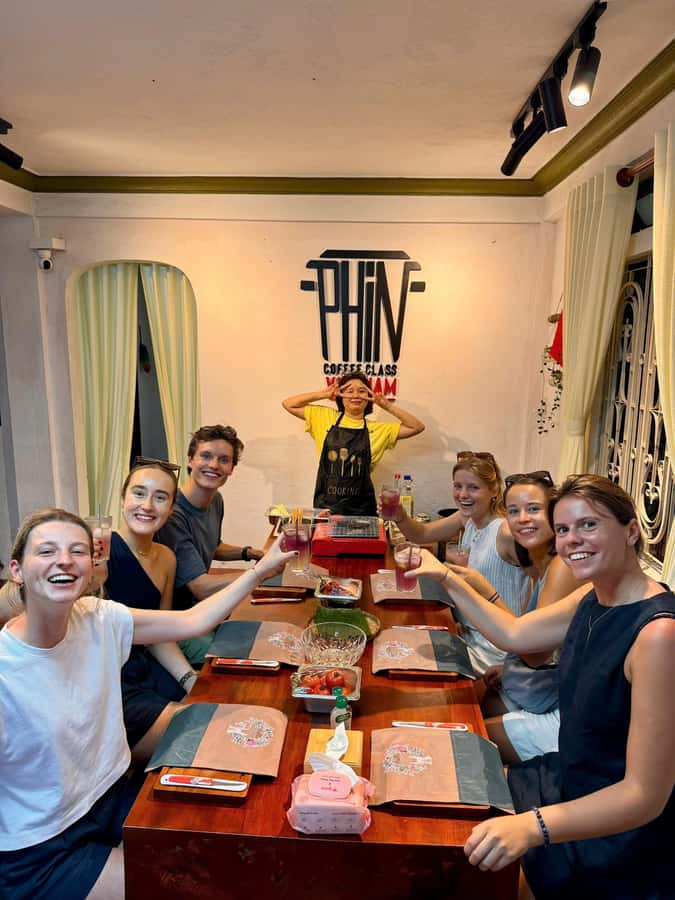
Banh xeo is the crowd-pleaser. These Vietnamese pancakes are cooked until crisp, filled, and served with herbs and dipping sauce. The non-vegetarian version includes shrimp and pork. The vegetarian pancake uses mushrooms, bean sprouts, and carrots, with a vegan dipping sauce.
One class participant singled out the extra-crispy banh xeo as a favorite. That is a useful clue about what to watch for. The goal is not a soft omelet. You want a thin, crackly shell that contrasts with the warm filling and fresh herbs.
The dish also shows why cooking technique matters. Batter, heat, filling, and timing all affect the final texture. Your chef can correct you as you work, which is far more useful than reading a recipe that simply says cook until crisp.
Banh xeo is also fun to eat. The herbs and dipping sauce help balance the fried pancake. It is filling, but the fresh accompaniments keep it from feeling too rich.
Rolling fresh spring rolls by hand
Fresh spring rolls add a cooler, lighter element to the menu. The class uses pork and shrimp in the standard version, while the vegetarian rolls contain tofu and vegetables.
This is a good dish for practicing control. You need enough filling to make a satisfying roll, but not so much that the rice paper tears. The chef can show you how to handle the wrapper, arrange the ingredients, and serve the roll with the right dipping sauce.
The vegetarian menu works well here because tofu and vegetables provide different textures rather than copying the meat filling. If you are traveling with someone who eats differently from you, both menus can still feel complete and varied.
The rolls also give you a break from hot pans and steamers. That change of pace is welcome in a class with several cooked dishes.
Royal tea, fruit, and the meal in the garden
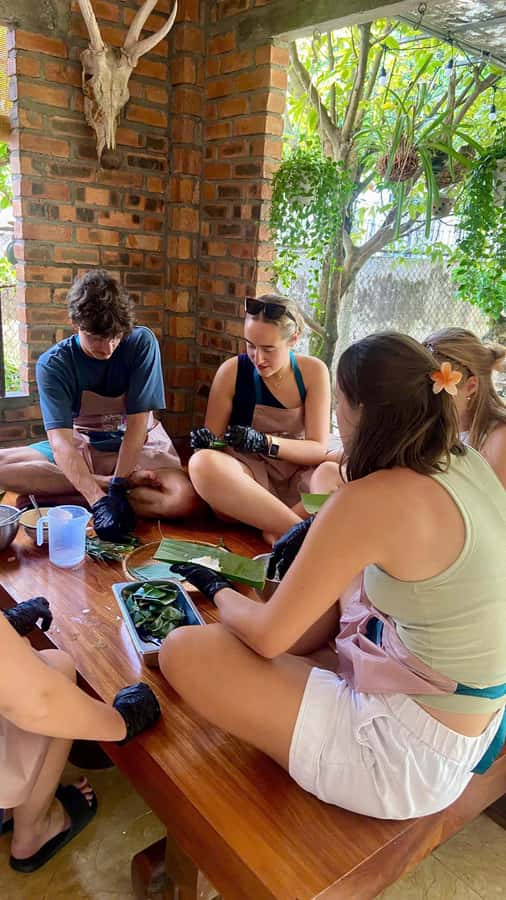
The final food is a seasonal fruit plate, followed by Hue royal herbal tea. The fruit keeps the ending fresh and simple, while the tea adds a cultural note tied to imperial traditions.
The tea is described as fragrant and soothing, and the session includes brewing instruction rather than just handing you a cup. You may also find candied ginger served with the tea, as one recent participant did. That small pairing makes the final part feel more like a traditional close to the meal.
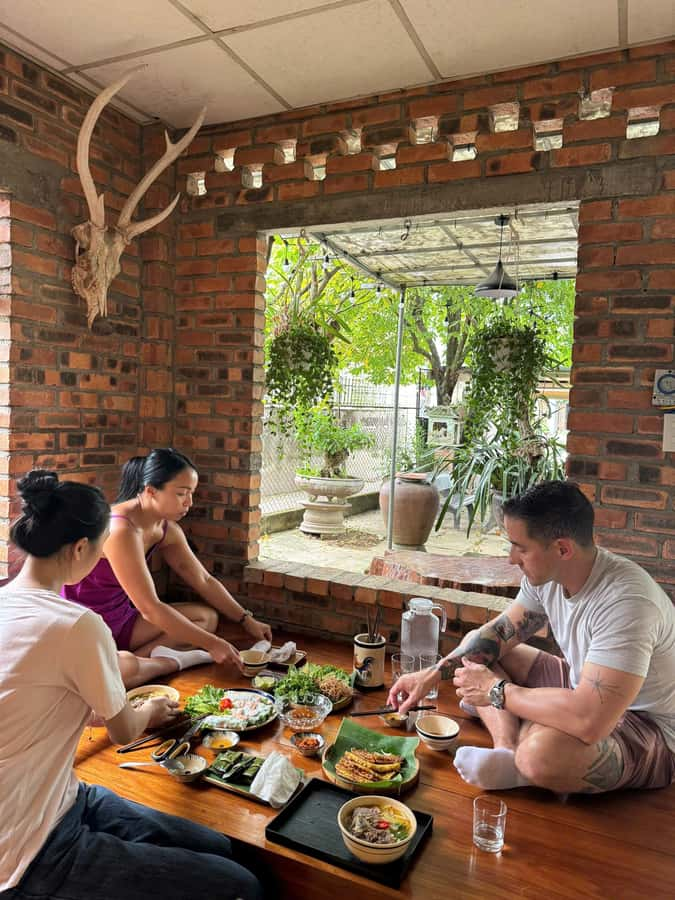
Then you sit down in the cozy garden and eat the dishes you prepared. This is one of the strongest features of the experience. You are not rushed out after the cooking ends, and you get to judge the results while the techniques are still fresh in your mind.
Expect plenty of food. One couple said they ate so much, which makes sense given the five dishes, fruit, and tea. Come hungry, especially if you want to try every part of both the savory dishes and the accompaniments.
Vegetarian, non-vegetarian, and seasonal choices
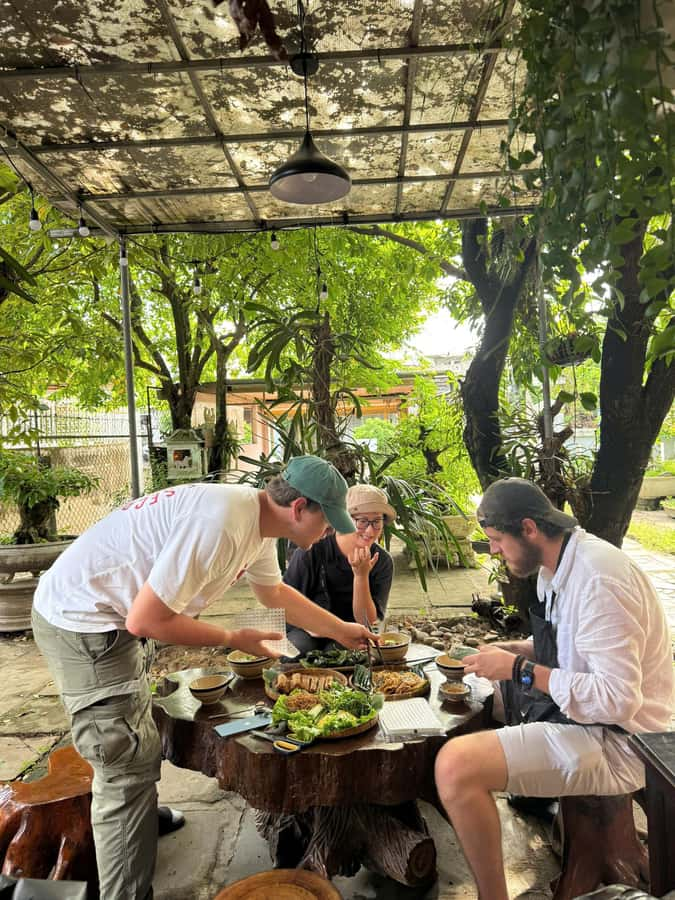
You choose between two menus. The standard menu includes beef noodle soup, shrimp and pork dumplings, pork and shrimp spring rolls, and banh xeo with shrimp and pork.
The vegetarian menu substitutes a mushroom broth, tofu, vegan sausage, wood ear mushrooms, mung beans, tofu spring rolls, and a pancake filled with mushrooms, bean sprouts, and carrots. The dipping sauce is vegan as well.
Seasonal fruit is included, so the final plate can vary. That is a plus for freshness, though you should not expect one fixed fruit selection every day.
If you have a dietary concern, state it clearly when booking. The provided menus cover vegetarian eating well, but no additional allergy information is given. The chef speaks English, so you can discuss your needs directly.
Small group size and the teaching style
The maximum group size is six. That is small enough for the instructor to watch your technique and answer questions. It also leaves room for the class to feel social without becoming noisy or anonymous.
Sometimes the group may be smaller. Two people received what was effectively a private class, and that allowed them to ask more questions and work at their own pace. You should not assume a private lesson, but the six-person limit gives you a fair chance of personal attention.
The instructors are repeatedly described as friendly, funny, and welcoming. Duck is praised for explaining both the dishes and their background. Uyen, also written as Duc in one account, is praised for answering questions and comparing Hue methods with those used elsewhere in Vietnam.
The class seems best suited to curious beginners and food lovers, not professional cooks looking for advanced culinary training. You will learn practical home-cooking techniques and cultural context, but the session is designed for enjoyment and participation.
Price, timing, and practical details
The $35 price is reasonable for the amount included. You receive a full meal, five dishes, tea, ingredients, equipment, water, an apron, instruction, and a recipe card. A comparable restaurant meal might cost less, but it would not give you the same understanding of how the food is made.
The duration is 150 minutes. That is long enough to cook a substantial menu, but short enough to fit neatly into a Hue sightseeing day. I would avoid scheduling it immediately before a tight transport connection. The class has several dishes to complete, and you will want time to eat at the end.
English is the teaching language. The activity is wheelchair accessible, and the group is limited to six participants. You can cancel up to 24 hours ahead for a full refund, and the reserve-now, pay-later option keeps your plans flexible.
Who should book this Hue class?
I would choose this class if you want to do more than sample Vietnamese food. It suits couples, solo participants, families, and small groups who enjoy practical activities and do not mind spending part of an afternoon in the kitchen.
It is particularly good for:
- People who want to learn bun bo Hue rather than only order it
- Vegetarians seeking a complete Vietnamese menu
- Visitors who enjoy meeting a local chef
- Travelers looking for a quieter setting away from the main tourist streets
- Anyone who wants recipes to try at home
- Groups with mixed cooking experience
It may be less suitable if you dislike structured activities, have very limited time in Hue, or want a market visit included. The class focuses on cooking and eating. There is no market tour described, and the ingredients are already prepared.
Should you book it?
Book this experience if food is one of your main reasons for visiting Hue and you want a personal, hands-on afternoon. The combination of bun bo Hue, banh xeo, banh bot loc, spring rolls, seasonal fruit, and royal tea gives you a broad taste of central Vietnamese cooking for a fair price.
I would be most likely to recommend it to vegetarians, couples, and first-time visitors who value patient instruction. Just allow time to reach the alley, arrive hungry, and accept that five dishes in 150 minutes means a brisk lesson. If that sounds like fun rather than work, this is a smart way to connect with Hue through its kitchen.
FAQ
How long does the Hue cooking class last?
The class lasts 150 minutes, or two and a half hours.
How much does the cooking class cost?
The price is $35 per person.
How many dishes will I cook?
You will prepare five traditional dishes, along with one royal herbal tea.
Is there a vegetarian menu?
Yes. The vegetarian menu includes vegetarian bun bo Hue, banana-leaf dumplings with mushrooms and mung beans, tofu and vegetable spring rolls, vegetarian banh xeo, seasonal fruit, and royal herbal tea.
What is included in the non-vegetarian menu?
The non-vegetarian menu includes bun bo Hue with beef, banh bot loc with shrimp and pork, fresh spring rolls with pork and shrimp, banh xeo with shrimp and pork, seasonal fruit, and royal herbal tea.
Is the class taught in English?
Yes. English instruction is provided.
Where is the meeting point?
Enter alley number 1 on Hoàng Quốc Việt Street and walk about 50 meters. The meeting point is marked by the Huế Experience signboard.
What is the maximum group size?
The class is limited to six participants.
Is the activity wheelchair accessible?
Yes, the activity is described as wheelchair accessible.
Can I cancel my booking?
Yes. You can cancel up to 24 hours in advance for a full refund. You can also reserve now and pay later.
Just added around Vietnam
- Biking and Cooking Class in Can Tho Rural★ 5.0 · 5 reviews
- Can Tho Cooking Class in the countryside – Vegetarian available★ 5.0 · 10 reviews
- Full-Day Experience in Mekong Cycling and Authentic Home Cooking★ 5.0 · 89 reviews
- Cooking, Farming and Waterfall In Vietnam Countryside★ 3.0 · 6 reviews
- Cooking class & Vibrant Market by Scooter/Tuktuk (Half-Day)★ 5.0 · 55 reviews
- Top Home Cooking Class with Stunning River View AC Kitchen★ 5.0 · 25 reviews
- Tam Coc Cooking Class with Unique Experience★ 4.3 · 13 reviews
- Street Food Walking Tour with a Cooking Instructor★ 5.0 · 5 reviews
Vietnamese Cooking Classes, compared.
Cooking Class Hoi An:Local Market, Basket Boat, Fishing & Cooking
Read our review →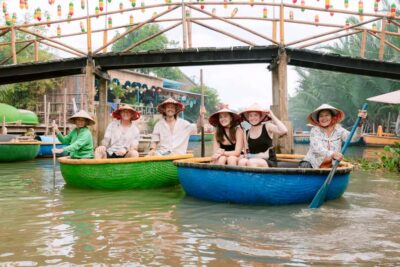
Market Tour, Basket Boat Ride and Cooking Class
Read our review →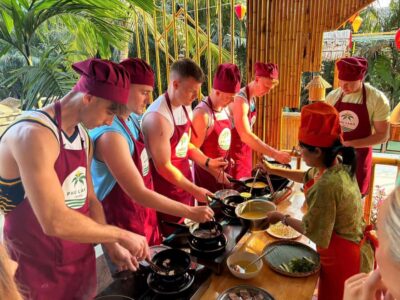
Basket Boat with Lantern-Making & Cooking Class Tour
Read our review →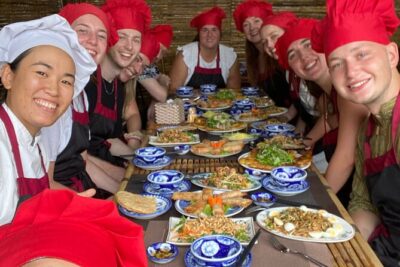
Hoi An Cooking Class(Local market,Basket Boat,Fishing & Cooking)
Read our review →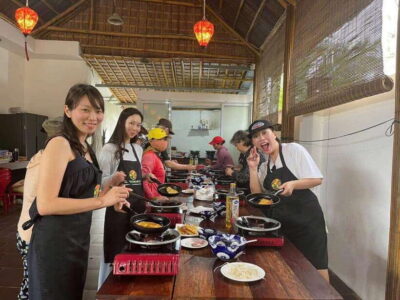
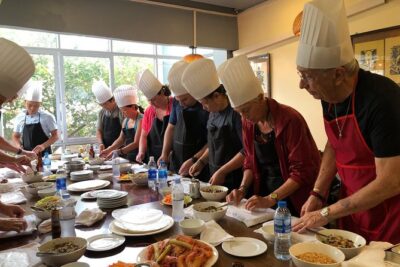
Vietnamese Food Cooking Class in Hanoi with Market Experience
Read our review →
Hoi An Eco Tour Cooking Class & Fishing (Local market,basket boat,learn cooking)
Read our review →
Traditional Cooking Class with Basket Boat Ride and market Tour
Read our review →Lists this class appears in