REVIEW · TUSCANY, ITALY
Siena: Pasta and Tiramisu Cooking Class with Wine
Come hungry and leave with new kitchen skills. This three-hour class at Trattoria Fonte Giusta gives you a practical taste of Tuscan cooking, from mixing pasta dough to sitting down with the meal you helped prepare. You begin with Prosecco, work with an English-speaking chef, and finish with pasta, tiramisu, and wine.
I especially like the chance to compare three kinds of dough, including egg pasta, egg-free pici dough, and potato-based gnocchi. I also like the social setup: groups of about a dozen people cook together, then share a meal with fellow food lovers from around the world. The main consideration is that you make the pasta, while the restaurant prepares the sauces, and tiramisu may be partly demonstrated rather than fully made from scratch by every participant.
The important details at a glance
- Three pasta doughs: Learn the basics of traditional egg pasta, local-style pici without eggs, and potato dough for gnocchi.
- Prosecco and wine included: Start with a welcome glass, then enjoy wine with the meal.
- Food you helped prepare: Your pasta and tiramisu become the centerpiece of lunch or dinner.
- English instruction: Chefs such as Dennis and Natalia have received strong praise for clear, patient teaching.
- A social three-hour activity: You cook in a group, then sit down together for a relaxed meal.
- Dietary caution: Substitutions may be possible, but the class focuses on recipes containing gluten, dairy, and eggs, with no guarantee against cross-contamination.
Starting at Trattoria Fonte Giusta with Prosecco
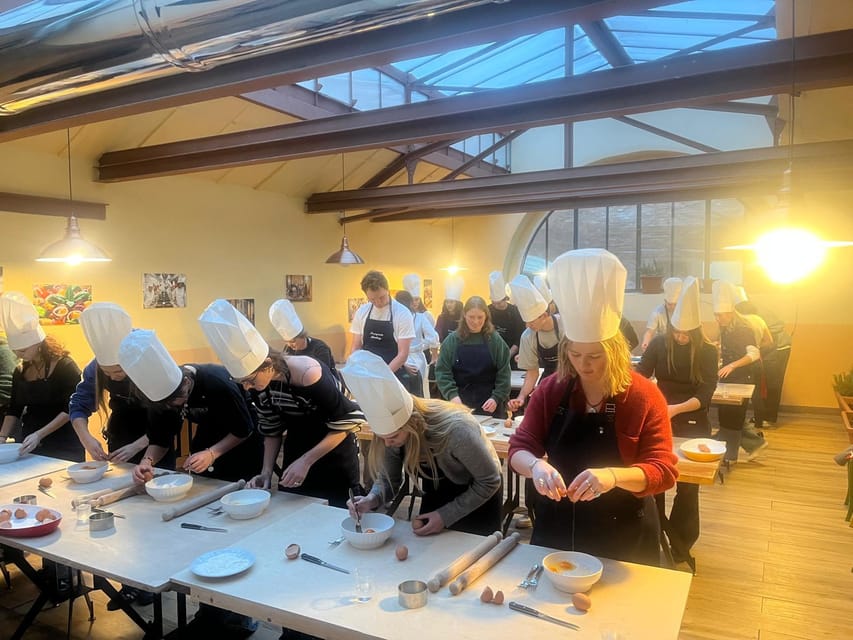
Your meeting point is Trattoria Fonte Giusta in Siena. Enter the restaurant, where the staff welcomes you with a glass of Prosecco before the cooking begins. That small opening matters. It gives you time to settle in, meet your group, and get comfortable before flour starts flying.
The setting is part of the appeal. You are not in a hotel conference room or a generic teaching studio. You are connected with a working Siena restaurant, and the cooking leads directly to a meal served in that restaurant setting.
The class lasts about three hours, including preparation and dining. Starting times vary, so check the schedule when booking. Since no hotel pickup is included, plan to make your own way to the restaurant and allow a little extra time to find the address in Siena.
More Cooking Classes with Wine Tasting in Italy
- Florence: Pasta Cooking Class with Unlimited Wine
★ 4.9 · 10,285 reviews - Florence: Pasta & Tiramisu Cooking Class with Unlimited Wine
★ 4.9 · 6,708 reviews - Rome: Pasta Making Class with Wine, Limoncello, and Dessert
★ 4.9 · 3,177 reviews
What you learn from three pasta doughs
The strongest part of the class is its comparison of doughs. Rather than showing you one pasta recipe and calling it a day, the chef explains how different ingredients change the texture and use of the finished dough.
You begin with traditional pasta made with eggs. This is the dough most people picture when they think of fresh Italian pasta. You work the mixture, learn what the proper consistency feels like, and receive help at your station as needed.
Next comes dough without eggs for pici, a Tuscan specialty. Pici is a rustic, hand-rolled pasta, and its egg-free dough gives you a useful contrast with the first recipe. This is one of the class’s more local touches. You are not simply making the same pasta found in cooking classes everywhere.
The third dough uses potatoes for gnocchi. Potato dough behaves differently from both egg pasta and pici, so the class gives you a quick lesson in how moisture and texture affect cooking. The chef walks around the room to check your dough and show you what the correct consistency should be.
That close help is important for beginners. Pasta recipes often sound simple on paper, but the amount of flour you need can change with moisture and handling. A chef who checks the dough in front of you can correct a problem before it becomes dinner.
Depending on the session, the pasta may include shapes such as tagliatelle, ravioli, pici, and gnocchi. The exact combination can vary, but the central lesson stays the same: fresh pasta is less mysterious when you understand how the dough should feel.
A hands-on class for beginners
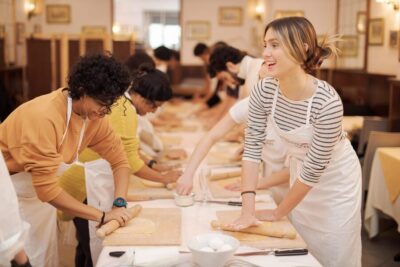
You wash your hands, put on an apron, and move to your workstation. Cooking equipment and the apron are included, so you do not need to bring anything special.
The teaching style is practical rather than formal. The chef demonstrates a step, then lets you try it. If your dough is too sticky, too dry, or not yet smooth, you can ask for help. This makes the class suitable for people who have never made pasta before, while still giving confident home cooks a few useful comparisons.
Dennis is praised for his humor, patience, and clear explanations. Natalia has also received warm praise for guiding the class in English. The experience provider is The Roman Food Tour, but the cooking takes place at the Siena restaurant listed as the meeting point.
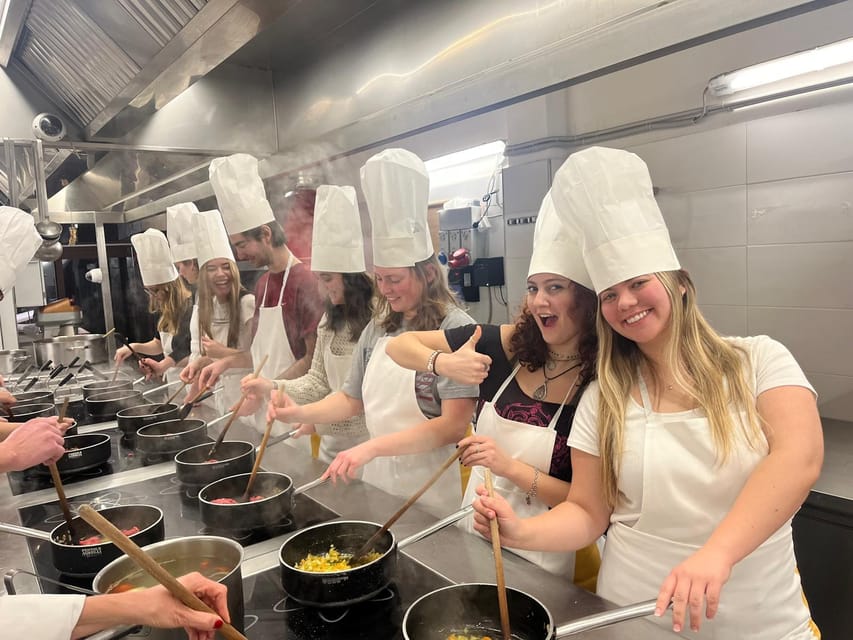
The group atmosphere is part of the experience. You may share a work area with people from several countries, then continue those conversations at the table. If you are traveling alone, this is one of the better features. The cooking gives you an easy way to meet people without having to force conversation over a formal meal.
The tradeoff is that a group class cannot move at your exact pace. Some people will need extra help, while others will finish quickly. The chef’s habit of walking from station to station helps, but this is not a private lesson.
Tiramisu, with a useful pause for your legs
After the pasta work, you turn to tiramisu. This section is calmer and gives you a chance to sit down for a moment after standing and working with dough.
The chef explains how to make the cream and demonstrates how the ingredients are combined. You then assemble your own portion, although the exact amount of hands-on preparation may differ by session. One participant described the tiramisu as mainly demonstrated, while the class description indicates that each person constructs their own.
That difference is worth knowing if tiramisu is your main reason for booking. The class clearly teaches the technique and includes the dessert, but it may not offer the same fully hands-on process as the pasta section.
Still, tiramisu is a good fit for this class because it shows another side of Italian cooking. Pasta teaches you about dough, texture, and shaping. Tiramisu teaches you about balance, cream, and careful assembly. Together, the two recipes make the class feel more complete than a pasta-only session.
More Pasta Making Classes in Italy:
- 3 in 1 Cooking Class near Navona: Fettuccine, Ravioli & Tiramisu
★ 5.0 · 7,376 reviews - Pastamania – Florence Pasta Making Class
★ 5.0 · 3,050 reviews - Rome Cooking Class: Make Pasta and 3 Spritz Cocktails
★ 5.0 · 2,937 reviews - Rome: 3-in-1 Fettuccine, Ravioli, and Tiramisu Cooking Class
★ 4.9 · 2,704 reviews
The meal: your pasta, restaurant-made sauces
At the end, you gather around a table for lunch or dinner. The restaurant serves the pasta you prepared, along with sauces made by the kitchen. This detail is important: you are shaping and preparing the pasta, but you are not necessarily cooking every sauce yourself.
The sauces can include tomato and meat preparations, depending on the meal. The restaurant’s work gives the fresh pasta a finished restaurant-style presentation, while you still get the satisfaction of eating what you made.
You also receive a glass of wine with the meal. Red or white may be available, and the wine helps turn the class into a full evening or midday outing rather than a quick demonstration followed by a snack.
Portions appear generous. Several people describe leaving with plenty of food, and a doggy bag has sometimes been offered for leftovers. That makes the $81 price easier to judge. You are paying for instruction, ingredients, equipment, a Prosecco welcome, a substantial meal, dessert, and wine. For Siena, where a separate restaurant meal can quickly add up, the package offers solid value if you want both dinner and an activity.
The meal is also where the group element pays off. You sit with the people from your class and have time to talk without rushing. For many people, this shared table is as memorable as the recipes.
What makes the experience feel Tuscan
Siena offers plenty of grand sights, but a cooking class gives you a quieter connection to local food. You learn about pici, a pasta associated with Tuscany, rather than only making the most familiar shapes from northern Italy.
The use of several doughs also helps explain an important Italian cooking idea: pasta is not one single food. Egg dough, egg-free dough, and potato dough each respond differently to flour, moisture, and handling. You leave with a better sense of why a recipe calls for one type rather than another.
The restaurant setting adds another layer. You are connected to a place that serves food beyond the class, and the meal lets you see how the kitchen turns your rough handmade pasta into a finished plate.
I would not book this as a serious chef-training course. The class gives you reliable home-cooking basics, not advanced culinary theory. Its strength is that it makes fresh pasta seem possible and enjoyable.
Dietary restrictions need careful thought
Dietary information requires attention before you book. The provider says substitutions are available for vegetarian, vegan, lactose-intolerant, and other diets, but the class instruction focuses on traditional recipes containing gluten, dairy, and eggs.
The safety warning is clear: cross-contamination cannot be ruled out. The published suitability information also lists vegans, people with food allergies, people with gluten intolerance, and people with lactose intolerance as unsuitable.
That may look contradictory beside the note about dietary substitutions. The safest reading is that alternatives may be offered for preferences or less severe restrictions, but the class is not designed as a fully allergen-free experience. Tell the provider about every allergy or restriction when booking, and do not assume that a substitute guarantees a safe environment.
You will sample the dishes prepared during the class. If you cannot safely eat gluten, dairy, or eggs, this is probably not the right activity.
Is $81 a good price in Siena?
At $81 per person, this is not the cheapest meal you can find in Siena. It is also not simply a meal. The price includes three hours of instruction, ingredients, cooking equipment, an apron, Prosecco, the pasta meal, tiramisu, and wine.
I see the best value for people who already planned to eat out and want a memorable activity attached to the meal. You receive more than a cooking demonstration, but less than a private lesson. The group size can be around 12, so the price works best when you enjoy social classes.
The class also saves you from booking a separate dinner after cooking. Several sessions have produced enough food for a very full meal, and leftovers may be available. If you are comparing it with a basic restaurant dinner, the added instruction and social experience make the difference.
If your main goal is to learn advanced pasta shaping or regional food in great depth, you may want a smaller specialist course. If your goal is to have fun, eat well, and take simple recipes home, the price is reasonable.
Practical tips before you book
Wear comfortable clothes and shoes. You will spend part of the experience standing and working at a station, although the tiramisu lesson offers a chance to sit.
Arrive ready to participate. The class is not a show where you watch a chef do everything. You will handle dough, shape pasta, and take part in preparing the dessert.
Tell the provider about dietary needs in advance. Do not wait until you arrive, especially if you have an allergy.
Keep your schedule flexible after the cooking portion. The full experience lasts about three hours, and the meal is designed to be enjoyed with the group rather than rushed.
If you are staying in Siena, this is an easy activity to pair with sightseeing earlier in the day. It also makes sense on a rainy afternoon or evening. One session was especially appreciated as a way to spend time indoors during wet weather, while another participant found the air-conditioned cooking area a welcome break from summer heat.
Cancellation is free up to 24 hours before the activity, and you can reserve now and pay later. Those policies are useful if your Siena plans are still shifting.
Who should book this Siena cooking class?
I would recommend it to first-time pasta makers, couples, solo visitors, families with older children, and anyone who enjoys meeting people over food. A 12-year-old participant reportedly enjoyed the class, but children under three are not accepted.
It suits people who want a relaxed social activity rather than a highly technical lesson. You should also enjoy eating the food you prepare, since sampling the dishes is part of the experience.
The strongest reasons to book are the three different doughs, the patient English instruction, the meal afterward, and the chance to meet people from around the world. Dennis and Natalia are names to look for, based on the praised teaching style associated with the class.
Should you book it?
Book this class if you want a practical Siena food experience with a full meal at the end. The combination of Prosecco, hands-on pasta work, tiramisu, wine, and a shared table gives you a lot for three hours and $81.
Skip it if you need a strictly allergen-free kitchen, want every sauce made by you, or prefer a private and highly advanced lesson. For most food-loving visitors, though, this is a friendly, filling, and useful way to spend part of a Siena day. You may return home with flour on your apron, recipes to try, and a better feel for what makes Tuscan pasta different.
FAQ
Where does the Siena pasta and tiramisu class take place?
The meeting point is Trattoria Fonte Giusta in Siena. You should enter the restaurant when you arrive.
How long does the cooking class last?
The full experience lasts three hours, including the cooking session and the meal.
What drinks are included?
You receive a welcome glass of Prosecco and a glass of wine with your pasta and tiramisu meal.
What types of pasta dough do you make?
The class covers traditional egg pasta, egg-free dough for local pici, and potato dough for gnocchi.
Is the class taught in English?
Yes. The activity includes a live English-speaking guide.
Are dietary substitutions available?
The provider says substitutions can be offered for vegetarian, vegan, lactose-intolerant, and other diets, but the instruction focuses on recipes containing gluten, dairy, and eggs. Cross-contamination cannot be guaranteed against, and all restrictions should be reported when booking.
Is hotel transportation included?
No. Hotel pickup and drop-off are not included, so you must make your own way to Trattoria Fonte Giusta.
More Tiramisu and Dessert Classes in Italy
- Florence: Cooking Class Pasta & Tiramisu Making Unlimited Wine
★ 5.0 · 2,234 reviews - Fettuccine & Tiramisù: Cooking Class with Wine & Limoncello
★ 4.9 · 2,103 reviews - Florence Cooking Class The Art of Making Gelato & Authentic Pizza
★ 5.0 · 2,053 reviews - Rome: Pasta & Tiramisu Cooking Class near the Spanish Steps
★ 4.8 · 1,395 reviews
Just added around Italy
- Cooking Class in a Sicilian countryhouse★ 5.0 · 5 reviews
- Cesarine: Home Cooking Class & Meal with a Local in Catania★ 4.5 · 10 reviews
- Cesarine: Market Tour & Home Cooking Class in Catania★ 4.0 · 6 reviews
- Cooking Class in Taormina with Lunch Included★ 5.0 · 2 reviews
- Cooking Class and Wine Pairing in Capri★ 5.0 · 57 reviews
- Cooking class in Capri for small groups★ 4.0 · 4 reviews
- Private Cooking Class Experience in Reggio Calabria★ 5.0 · 5 reviews
- Lezione di Cucina : Pasta Fresca★ 5.0 · 12 reviews
Pasta Making Classes, compared.
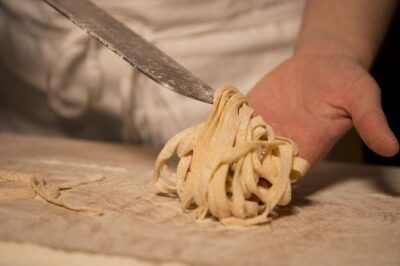
3 in 1 Cooking Class near Navona: Fettuccine, Ravioli & Tiramisu
Read our review →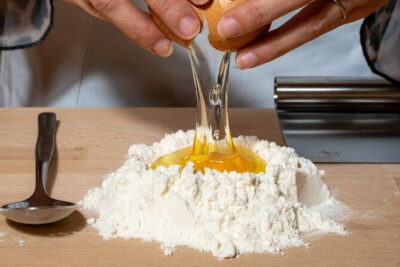
Pasta & Tiramisu Cooking Class with Unlimited Wine
Read our review →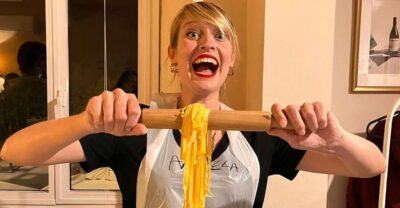
Pasta Making Class with Wine, Limoncello, and Dessert
Read our review →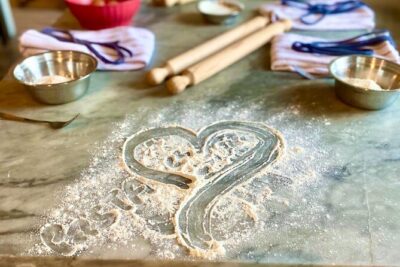
Rome Cooking Class: Make Pasta and 3 Spritz Cocktails
Read our review →
3-in-1 Fettuccine, Ravioli, and Tiramisu Cooking Class
Read our review →