
REVIEW · ROME, ITALY
Rome Trastevere Pasta Making Class with Eating Europe
Fresh pasta tastes better when you make it. This three-hour Trastevere experience pairs a hands-on pasta class with porchetta, wine, and gelato, giving you more than a meal at a restaurant. I especially like the small maximum of 12 people and the stop at La Norcineria di Iacozzilli, where you sample pizza bianca stuffed with porchetta while ingredients are gathered for class. The main consideration is the price, about $100 per person, which is fair if you want a full food outing but high if your only goal is learning pasta technique.
You move through a real neighborhood rather than sitting in one cooking studio all afternoon. The class takes place at Rione XIII, an old-school Roman trattoria, and ends at Fatamorgana for gelato lessons and a final sweet. The amount of food is substantial, so arrive hungry, and tell the company about dietary needs before booking.
Key things to know before booking
- Porchetta starts the meal: You begin at La Norcineria di Iacozzilli with pizza bianca, savory roast pork, wine, and a look at the ingredients used later.
- The pasta class stays small: Groups are limited to 12, with most of the work centered on fresh fettuccine and ravioli.
- You eat what you make: The prepared dishes include pasta chitarra with amatriciana and ricotta-lemon ravioli with butter and sage.
- Trastevere is part of the experience: Food shops, local vendors, and the San Cosimato area add a neighborhood feel beyond the cooking lesson.
- Gelato comes with a lesson: At Fatamorgana, you taste organic gelato and learn how to tell real gelato from poor-quality imitations.
- The food keeps coming: Porchetta, pasta, wine, cheese, dessert, and gelato make this a poor choice just after a large meal.
Why this Trastevere food tour works
A standard pasta class can feel sealed off from the city. You arrive, cook, eat, and leave without learning much about the neighborhood or the food shops that supply it. This experience takes a different route. It begins with a short walk and tasting stop, then moves into the kitchen, and finishes with gelato.
That structure gives you three kinds of contact with Roman food. You see ingredients selected at a local delicatessen, handle dough yourself, and learn how a Roman gelateria presents its product. I like that progression because it explains not only how pasta is made, but also how food fits into everyday life in Trastevere.
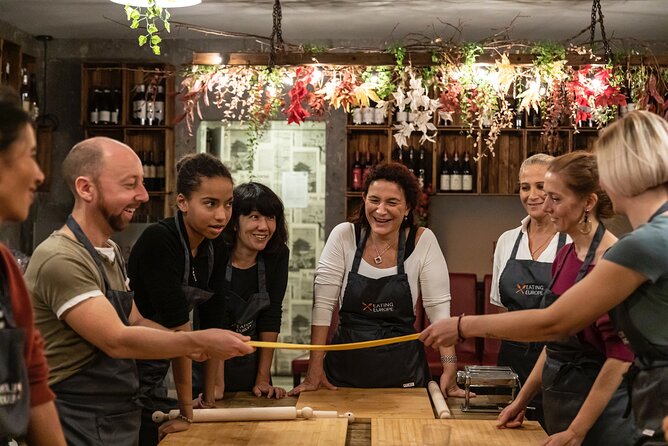
The small group matters. With a maximum of 12 people, the chef can watch your dough, help with the pasta roller, and correct ravioli that are not sealed properly. Reports of groups around six to ten people suggest the social side can work especially well, with enough people to chat without turning the class into a crowded demonstration.
The atmosphere will depend partly on your guide. Guides named in the feedback include Valter, Arianna, Domenico, Valentina, Loriana, Dario, Sarah, Toni, Luca, and others. Some participants praised Valter’s pasta instruction, while Arianna and Domenico were singled out for their local food knowledge and personal attention. The company does not promise a specific guide, so book the experience rather than a particular personality.
More Pasta Making Classes in Rome
- 3 in 1 Cooking Class near Navona: Fettuccine, Ravioli & Tiramisu
★ 5.0 · 7,376 reviews - Rome: Pasta Making Class with Wine, Limoncello, and Dessert
★ 4.9 · 3,177 reviews - Rome Cooking Class: Make Pasta and 3 Spritz Cocktails
★ 5.0 · 2,937 reviews
Starting with porchetta at La Norcineria di Iacozzilli
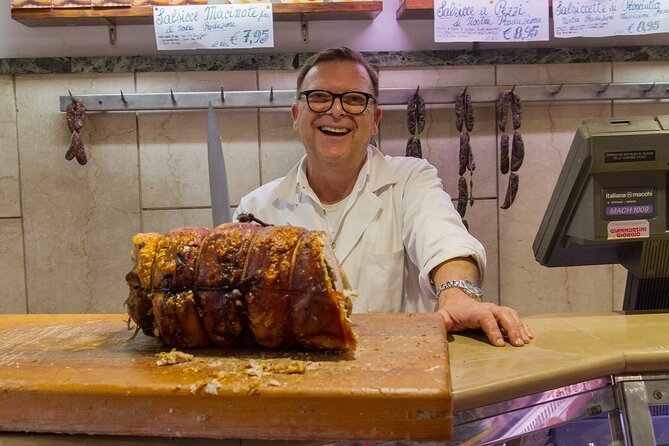
The first stop is La Norcineria di Iacozzilli, a traditional Roman delicatessen on Via Natale del Grande. This is not just a quick meeting point. The guide orders pizza bianca filled with porchetta and pours a glass of wine while choosing ingredients for the cooking session.
Porchetta is the star here: seasoned roast pork with a savory, herb-filled flavor and crisp edges. Served inside pizza bianca, it gives you an immediate taste of central Italian street food. The stop also introduces the kind of shop that makes a food tour worthwhile, a place where the guide can explain the products instead of simply handing you a packaged sample.
The ingredients selected for class include fresh eggs, grated Parmigiano, and fresh sheep ricotta. That detail helps you understand the meal ahead. The ricotta is not a generic filling pulled from a supermarket tub. It becomes part of the ravioli, along with lemon zest, and later meets a butter and sage sauce.
You may also hear about porchetta, cheese, and regional food traditions from the person leading the group. Guides have been praised for explaining the background of family-run businesses and for teaching useful Italian greetings when entering shops. Those small details can change how you approach food shopping during the rest of your stay.
The opening stop lasts about 15 minutes, so do not expect a full market tour here. It is a tasting and ingredient-purchasing stop, not a long cooking demonstration. The wider experience also highlights San Cosimato food market and local delicacies, though the exact stops and tastings can change with the day or season.
Making fettuccine and ravioli at Rione XIII
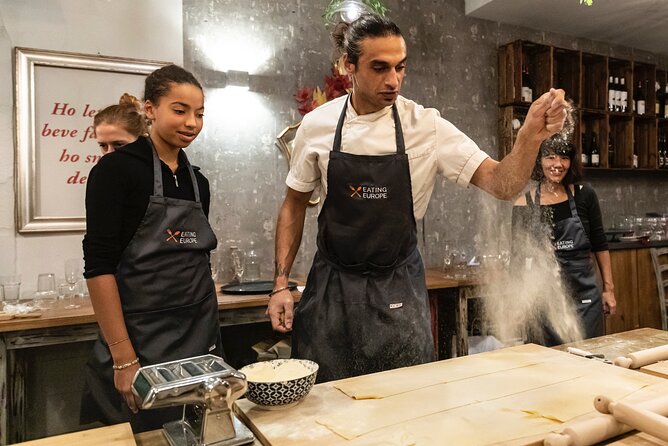
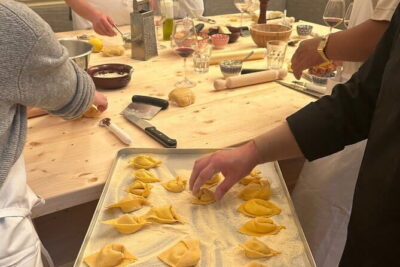
The central part of the experience takes place at Rione XIII, a classic Roman trattoria. You learn how to make fresh pasta with a local guide or chef, then shape fettuccine and ravioli with the group.
The process begins with the dough. You work with flour and eggs, then use a pasta roller to create sheets thin enough for cutting and filling. This is the part where a small group earns its keep. A demonstration can make pasta look simple, but dough often needs small adjustments. A guide can show you how thin to roll it and how to avoid overfilling the ravioli.
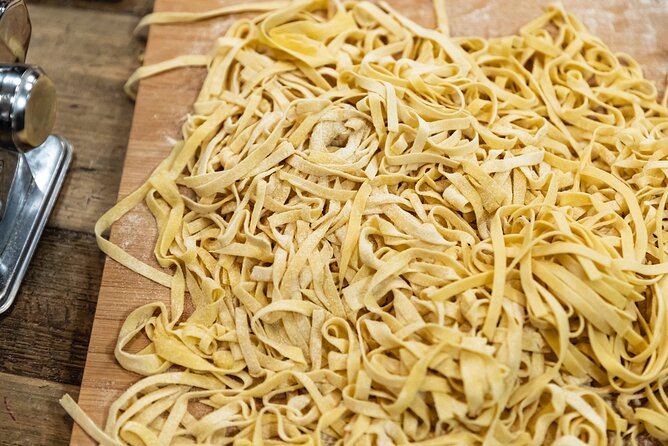
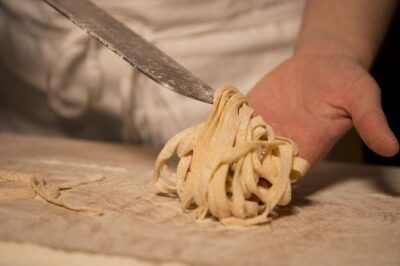
The fettuccine is cut from the pasta sheets, while the ravioli are filled with sheep ricotta and lemon zest. The contrast is useful: one shape rewards clean cutting, while the other demands careful filling and sealing. If you want to recreate the meal at home, pay attention to the texture of the dough and the amount of filling rather than simply copying the ingredients.
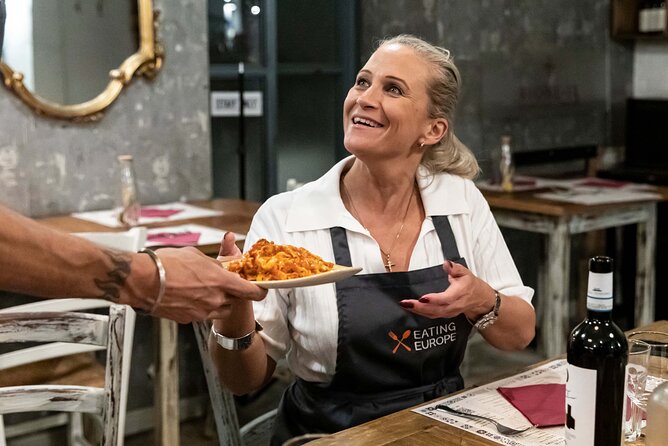
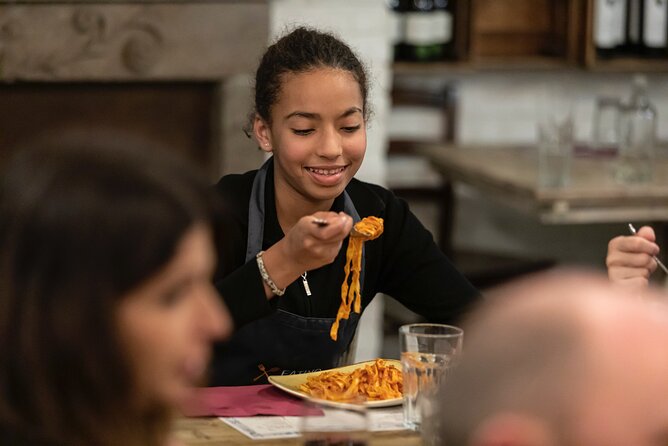
Once the work is done, you sit down to eat. The meal includes pasta chitarra with amatriciana sauce and ravioli with butter and sage. Amatriciana brings the familiar Roman combination of tomato, pork, and a sharp savory bite. The ricotta ravioli are lighter and more delicate, with lemon zest adding freshness to the filling.
The cooking portion lasts about two hours, including the meal and wine. That is long enough to learn a real technique without turning the outing into a full-day culinary course. Several people especially liked that they cooked from flour to table and then ate the result together.
Wine is part of the experience, and the social setting is central to its appeal. You share a table with people from different places, work with them during the class, and then eat together. Alternative drinks are available for children and people who do not drink alcohol, though extra drinks beyond what is included cost more.
A small drawback is that the class may feel too short for someone who wants advanced instruction. You will learn the basics of dough, rolling, cutting, and filling, but this is designed as a friendly food tour, not professional chef training. One participant would have preferred skipping the class in favor of more tasting stops. If you are mainly interested in local food rather than cooking, that is a reasonable concern.
Finishing with gelato at Fatamorgana
The final stop is Fatamorgana, described as a favorite gelateria known for organic gelato. You taste a serving and learn how to distinguish good gelato from the low-quality product often made for hurried visitors.
That short lesson has practical value. In Rome, a mound of brightly colored gelato does not always mean better gelato. The class gives you a few points to consider when choosing a shop later, although the supplied details do not list the exact visual tests or flavors used on your visit.
The stop lasts about 20 minutes. It is a sensible ending because the earlier meal is savory and filling. After porchetta, pasta, ravioli, and wine, a small frozen dessert brings the tour to a clean finish.
Fatamorgana also keeps the route from becoming too focused on pasta. You leave with a broader picture of Roman eating, from a butcher and deli to a trattoria and gelateria.
Same place, a different thing to cook:
- Rome: 3-in-1 Fettuccine, Ravioli, and Tiramisu Cooking Class
★ 4.9 · 2,704 reviews - Rome: Fettuccine Pasta Cooking Class in Rome’s City Center
★ 4.8 · 2,414 reviews - Fettuccine & Tiramisù: Cooking Class with Wine & Limoncello
★ 4.9 · 2,103 reviews - Pasta Cooking Class Near the Colosseum with 3 Spritz Cocktails
★ 5.0 · 1,686 reviews
What makes the Trastevere setting worthwhile
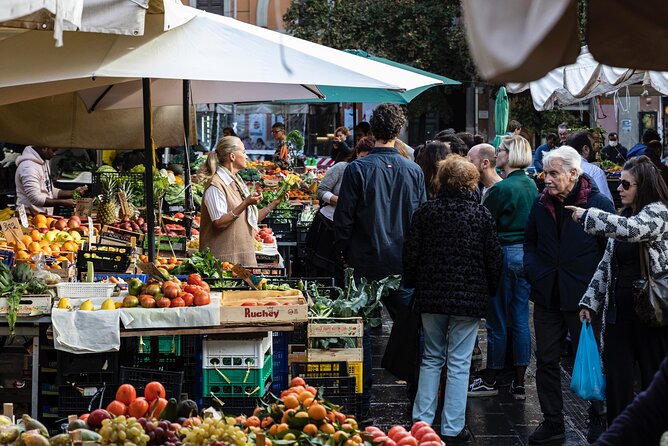
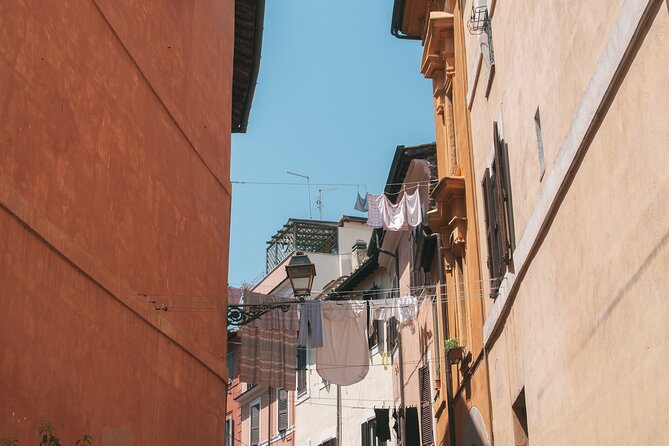
Trastevere offers a different feel from Rome’s major ancient sights and central shopping streets. The tour uses its food shops, trattoria, market area, and side streets to show how the neighborhood eats.
You are not simply being driven between attractions. The route is walked between nearby stops, and the meeting point is at Via Natale del Grande, 46. The experience ends at Via Roma Libera, 11, also in Trastevere. You should plan your day around those points rather than expecting hotel pickup or drop-off, since neither is included.
The neighborhood component is particularly useful early in a Rome stay. A good guide can point out places to eat, bars, shops, pharmacies, or grocery stores, and several people received useful local suggestions for the rest of their visit. Domenico was praised for remembering names, introducing local contacts, and helping with practical directions. That level of help is not guaranteed with every guide, but it shows what the format can offer.
The tour is also a good option if you have already seen the Colosseum, Vatican, and other major sights. It gives you a reason to spend time in a neighborhood where food is the main attraction. Just remember that the exact shops and tastings can vary by season and availability.
Is $100 a fair price?
At about $100.37 per person, this is not a cheap lunch. The value comes from combining several paid elements: a guided food walk, porchetta and other tastings, a two-hour cooking session, a full meal, wine, and gelato.
If you booked a pasta class alone, you might receive more focused instruction. If you joined a basic food walk alone, you might visit more shops. This experience splits the difference. You get enough cooking to make the meal memorable, but you also get a neighborhood food introduction.
I think the price makes sense for someone who wants an organized, social evening and would otherwise pay separately for a meal and an activity. It is less attractive for a budget-minded visitor who can find inexpensive pasta in Rome or for a serious cook who wants detailed technique.
Group discounts may be available, and the small group limit improves the value because you are less likely to spend the class waiting for access to the instructor. The 4.9 rating from 505 ratings and 99 percent recommendation figure suggest a strong record, but I would still choose it for the combination of food and neighborhood rather than relying on the score alone.
Who should book this experience?
I would recommend it to first-time Rome visitors who want food, conversation, and a low-pressure introduction to Trastevere. It also suits couples, families with older children, and solo visitors who enjoy meeting people around a shared table.
Children under four can join without a ticket, but food is not included for them. Paid tickets with food begin at age four. Kids and non-drinkers can receive alternative beverages.
Vegetarians and people needing gluten-free options should contact Eating Europe before the tour or add a note during booking. The company will try to accommodate dietary needs, but it cannot accept responsibility for severe or life-threatening allergies. That warning should be taken seriously, especially because the route includes several shops and shared food settings.
The experience requires at least two people to operate. If that minimum is not reached, the company will contact you about rescheduling or receiving a refund. Free cancellation is available up to 24 hours before the start time. Changes or cancellations made inside that window are not accepted for a refund.
Should you book it?
Book this tour if you want to eat your way through Trastevere, meet a guide who can explain Roman food customs, and make pasta without giving up a proper meal. The strongest parts are the intimate group, the porchetta tasting, the friendly hands-on class, and the final gelato stop.
Skip it if you want an intensive culinary workshop, dislike group dining, or think $100 is too much for a meal-centered activity. You should also skip it if you have a severe allergy that cannot be safely managed.
For most food-focused visitors, this is a well-balanced Rome outing. Arrive hungry, keep your schedule light afterward, and consider booking it near the start of your stay so the neighborhood tips can guide the rest of your meals.
FAQ
How long does the Trastevere pasta-making experience last?
The experience lasts approximately three hours. The first food stop takes about 15 minutes, the pasta class and meal about two hours, and the gelato stop about 20 minutes.
Where does the experience start and finish?
It starts at La Norcineria di Iacozzilli, Via Natale del Grande, 46, 00153 Rome. It ends at Via Roma Libera, 11, 00153 Rome.
How many people can join the class?
The maximum group size is 12 people. The experience requires a minimum of two participants to operate.
Is wine included?
Wine is included during the food and pasta experience. Alternative beverages are available for children and people who do not drink alcohol. Extra drinks are not included.
Can children participate?
Children under four can join without a ticket, but food is not included for them. Paid tickets with food are available for children aged four and older.
Can dietary requirements be accommodated?
You can email the company or add dietary information when booking. Vegetarian and gluten-free requests may be accommodated where possible, but the experience is not suitable for severe or life-threatening food allergies.
Just added around Rome
- Testaccio: Home Cooking Cacio e Pepe, Amatriciana, Carbonara★ 4.9 · 57 reviews
- Super Fun Pasta and Gelato Cooking Class by the Vatican★ 5.0 · 6 reviews
- Spritz and Spaghetti Traditional Cooking Class in Rome★ 4.9 · 30 reviews
- ROME:Hands-On Lasagna & Marsala Tiramisu Cooking Experience”★ 5.0 · 3 reviews
- Rome: Trastevere Pasta Making Class★ 4.9 · 33 reviews
- Rome: Traditional Pasta and Tiramisu Cooking Class★ 5.0 · 4 reviews
- Rome: Vatican Food Tours, Cooking classes & Free Tours★ 4.9 · 11 reviews
- Rome: Small Group Pasta cooking class near Piazza Navona★ 4.9 · 8 reviews
Pasta Making Classes, compared.
3 in 1 Cooking Class near Navona: Fettuccine, Ravioli & Tiramisu
Read our review →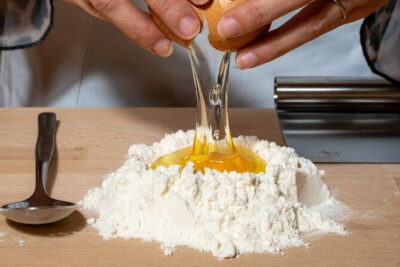
Pasta & Tiramisu Cooking Class with Unlimited Wine
Read our review →
Pasta Making Class with Wine, Limoncello, and Dessert
Read our review →
Rome Cooking Class: Make Pasta and 3 Spritz Cocktails
Read our review →
3-in-1 Fettuccine, Ravioli, and Tiramisu Cooking Class
Read our review →
Fettuccine Pasta Cooking Class in Rome’s City Center
Read our review →Lists this class appears in