
REVIEW · LAZIO, ITALY
Rome: Five Shapes of Pasta Cooking Class in Ancient Tavern
Pasta turns Rome into a hands-on lesson. This three-hour class takes place inside an old osteria founded in the late 1800s, where you make five pasta shapes by hand, then eat what you prepare. I like the small-group format, limited to 10 people, and I like that the meal includes prosecco, local cheese, two pasta dishes, wine, and tiramisu rather than just a quick taste.
The class also has a lively teaching style. Emanuele and Angelo use humor, music, and plenty of personal help to keep beginners relaxed. The main drawback is practical: the class is not suitable for people with mobility impairments, and five pasta shapes in three hours means you will be busy from start to finish.
Five useful things to know before booking
- You make five classic shapes: ravioli, agnolotti del plin, tortellini, cappelletti, and fettuccine.
- The dough is rolled by hand: You learn the professional wooden-pin technique rather than relying only on a machine.
- You eat a full meal: The price includes prosecco and cheese, two pasta dishes with different sauces, wine, and express tiramisu.
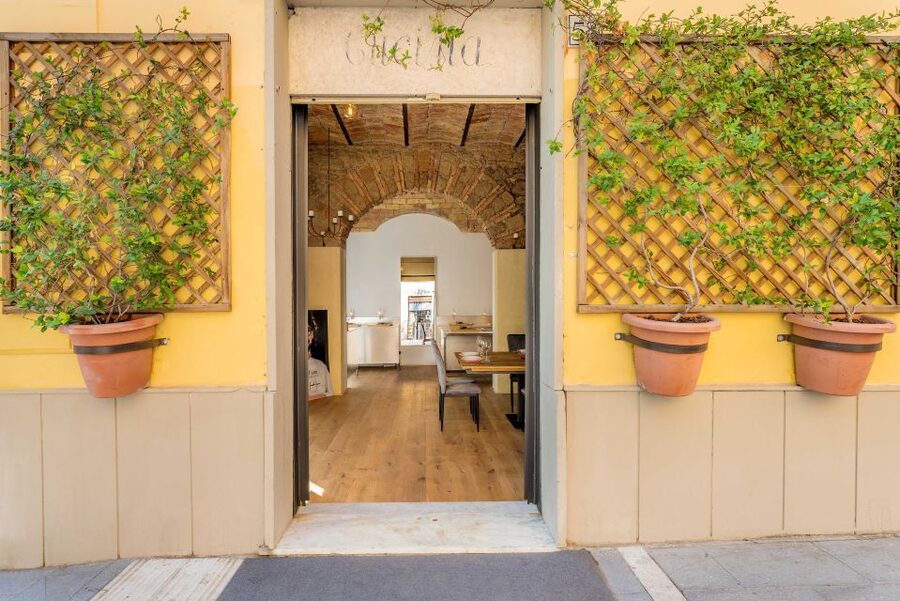
- The setting has real character: Look for the old marble Cucina sign above the entrance to the former tavern.
- The group stays small: The stated limit is 10 participants, giving the chefs room to help with shaping and cutting.
- You leave with a chef hat: Each participant receives a Professional Chef Hat carrying the Pastificio Faini logo.
Entering Rome’s old Antica Osteria
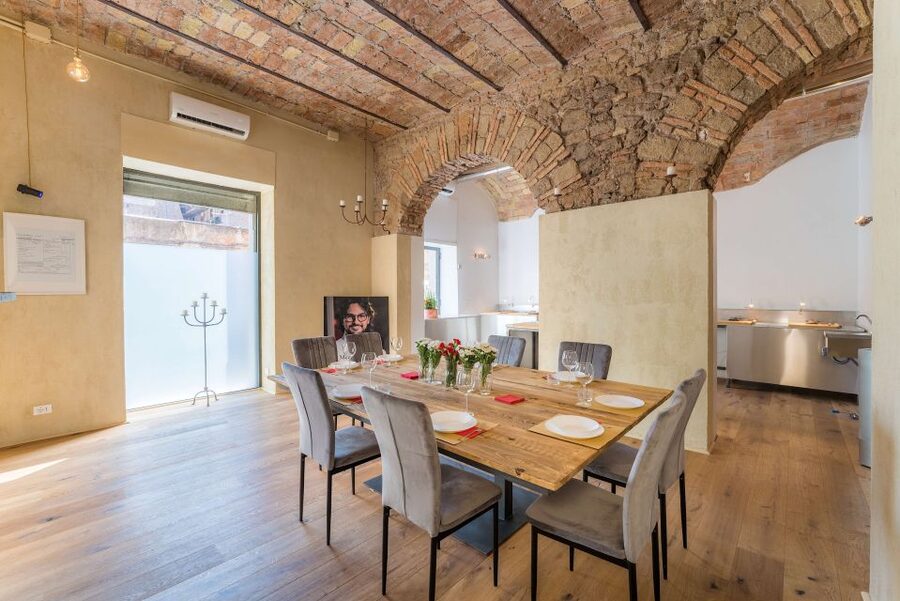
The meeting point is an old tavern called Cucina, recognizable by its original marble osteria sign above the door. The building was founded in the late 1800s and later converted into a cooking school, so the room brings together an older tavern atmosphere and a working kitchen.
That setting matters. A pasta class in a plain modern studio could still teach you the basics, but this location gives the evening a sense of place. You are not simply standing at a rented counter with a bowl of flour. You are working in a room linked to the long Italian tradition of neighborhood osterie, where simple food and company matter as much as formal dining.
The class is offered in English and Italian. You do not need advanced cooking skills. The instructions are designed for beginners, and the chefs move around the room to correct technique, answer questions, and help with the tricky parts.
More Pasta Making Classes in Rome
- 3 in 1 Cooking Class near Navona: Fettuccine, Ravioli & Tiramisu
★ 5.0 · 7,376 reviews - Rome: Pasta Making Class with Wine, Limoncello, and Dessert
★ 4.9 · 3,177 reviews - Rome Cooking Class: Make Pasta and 3 Spritz Cocktails
★ 5.0 · 2,937 reviews
From flour to a thin sheet of pasta
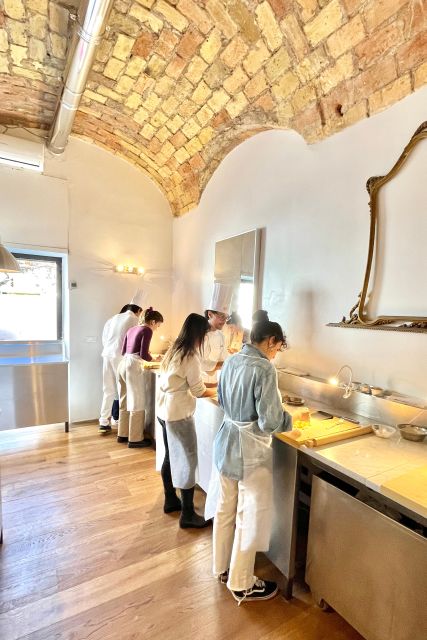
The class begins with the basic dough. You work from scratch and learn how to turn it into a thin sheet using a wooden rolling pin. This is one of the most useful parts of the experience because it teaches you to feel the dough, not just follow a recipe.
Rolling pasta by hand takes more effort than using a machine. You need to press evenly, turn the dough, and keep working until the sheet is thin enough for filling or cutting. The wooden pin technique can feel awkward at first, especially if you have only made pasta with a countertop roller. That is exactly why the hands-on instruction helps.
You also learn safe food-cutting procedures. This is a small detail, but it makes the class more useful when you return home. The aim is not simply to produce attractive pasta for one meal. You get a set of basic methods you can repeat in your own kitchen.
The chefs keep the pace light. Music, jokes, and dancing are part of the atmosphere, according to the experience details and participant feedback. That will appeal to you if you want a social evening rather than a quiet technical seminar. If you prefer a formal cooking school with long explanations and little chatter, the energetic style may feel less focused.
Five shapes, five different skills
The class covers five well-known fresh pasta shapes. Each one asks for a different motion and a different level of care.
Ravioli introduces filled pasta. You learn to place the filling, fold the sheet, press out air, and cut the pieces cleanly. The edges must seal properly, or the filling can escape during cooking.
Agnolotti del plin brings a smaller, more delicate shape into the lesson. The name refers to the pinching action used to close the pasta. This is a good test of finger control and gives you a taste of a regional Italian style that is less familiar than standard ravioli.
Tortellini requires another type of folding. The pieces are shaped around the filling and brought together into their familiar form. It looks simple when a chef demonstrates it, but you may need a few attempts before the folds behave.
Cappelletti adds another filled shape, with its own folding style. Making several related shapes in one session helps you notice the small differences between them. You are not just memorizing names. You are learning how changes in size, filling, and folding create different pasta forms.
Fettuccine is the simplest shape in appearance, but it still requires a well-rolled sheet and careful cutting. It gives you a useful everyday pasta to make at home, especially when you want something easier than filled pasta.
The five-shape plan is ambitious. You will not spend an hour perfecting one tortellini. Instead, you get a broad introduction to famous Italian forms. I see that as good value for a first class, but anyone hoping for advanced mastery of every shape should keep expectations sensible.
Two sauces turn the lesson into dinner
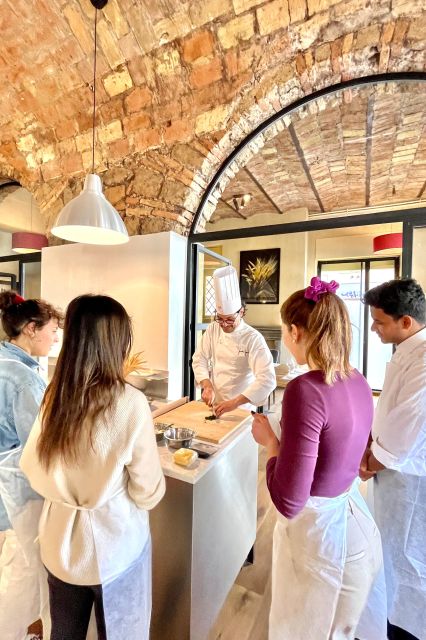
The pasta is served with two different Italian sauces, prepared and explained by the chef. This is important because fresh pasta is only part of the meal. Sauce choice, cooking time, and the way the pasta holds that sauce all affect the final dish.
You taste two pasta plates made during the class, so the cooking lesson leads directly to a proper meal. You are not sent away with a small sample after working with dough for several hours. The food you make becomes the main event.
Some classes use pasta preparation as a stage show, with the instructor doing most of the work. Here, the stated format is more practical. You roll, cut, fill, and shape the pasta yourself, with help when needed. The chefs then handle the cooking and serving so the meal stays organized.
A useful tip is to pay close attention when the chef explains filling and sealing. Those steps are easy to imitate poorly at home. The pasta may look fine on the board but open in boiling water if the edges are not pressed together or if air remains inside.
Same place, a different thing to cook:
- Rome: 3-in-1 Fettuccine, Ravioli, and Tiramisu Cooking Class
★ 4.9 · 2,704 reviews - Rome: Fettuccine Pasta Cooking Class in Rome’s City Center
★ 4.8 · 2,414 reviews - Fettuccine & Tiramisù: Cooking Class with Wine & Limoncello
★ 4.9 · 2,103 reviews - Pasta Cooking Class Near the Colosseum with 3 Spritz Cocktails
★ 5.0 · 1,686 reviews
Prosecco, local cheese, wine, and tiramisu
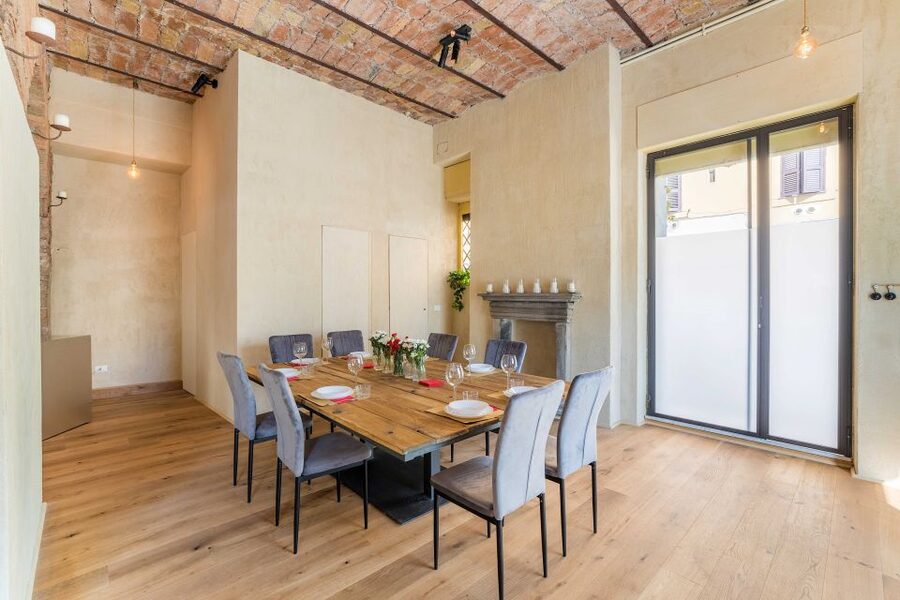
The food begins with an appetizer of local cheese and fresh prosecco. This gives you something to enjoy while the pasta work gets underway and helps make the session feel like an evening out, not only a lesson.
Wine is served with the pasta meal. The combination of hands-on work, shared tables, and Italian wine makes the class particularly suitable for couples, families, and friends who want a social activity in Rome. Several participants have described the atmosphere as friendly and relaxed, with adults and teenagers enjoying the same session.
Dessert is an express tiramisu preparation. You learn the finishing steps and then eat the result. The short format means this is not a full pastry lesson, but it adds a sweet ending and completes the Italian meal.
One interesting variation mentioned during the class is a different side dish for tiramisu, along with creative pasta options such as cocoa tagliatelle. These details may vary by session, so I would treat them as possible extras rather than guaranteed menu items.
Why Emanuele and Angelo matter
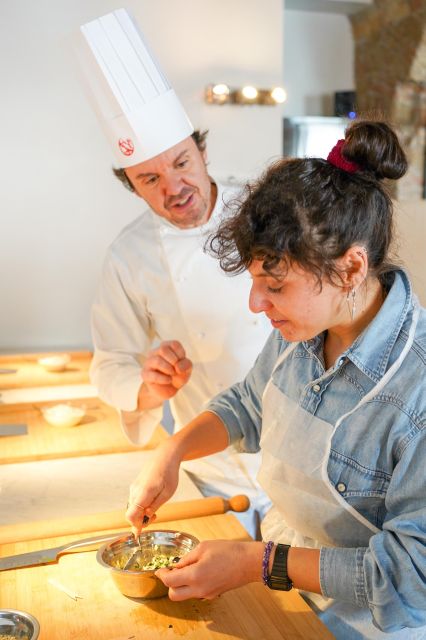
The personality of the instructors is a major part of the experience. Emanuele is described as funny, encouraging, and quick to step in when someone needs help. Angelo also receives strong praise for being warm, attentive, and especially good with families and children.
That teaching style is useful in a pasta class. Dough can become frustrating when it sticks, tears, or refuses to form the shape you want. A chef who corrects you without making you feel clumsy can make the difference between enjoying the process and simply waiting for dinner.
The instruction is also inclusive. One participant with a garlic allergy received altered ingredients for the filled pasta and a separate sauce. This shows a willingness to adapt, but you should still tell the provider about allergies before the class rather than assuming every request can be handled on the spot.
The class has been described as especially good for honeymooners, anniversary celebrations, parents with children, and families with teenagers. It also works for solo participants because the group is small and the activity naturally encourages conversation.
A small group with plenty of hands-on time
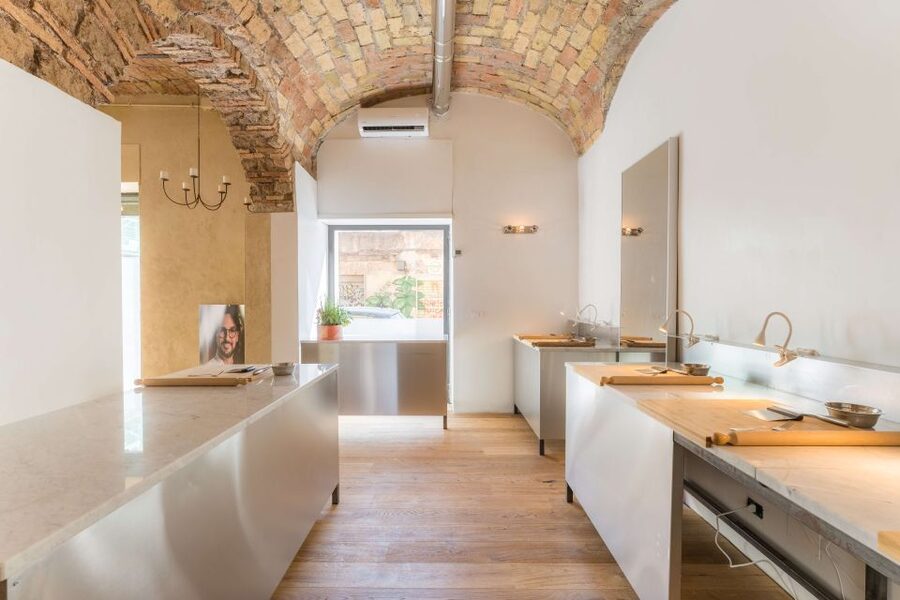
The stated maximum is 10 participants. That is a useful limit for a class involving rolling pins, knives, fillings, and several pasta shapes. You need enough counter space to work without bumping into everyone beside you, and the chefs need time to check each person’s dough.
The experience is social, but it is not simply a demonstration. You should expect to spend much of the three hours making pasta, eating, and talking with the people at your table. A small group also makes it easier for the chefs to learn names and check on progress.
One point to keep in mind is that participant numbers can affect the feel of the session. The official description gives a limit of 10, while one account referred to a group of 12. If a very small class is important to you, confirm the current group size before booking.
The complimentary Professional Chef Hat with the Pastificio Faini logo is a fun extra. It is not a major reason to book, but it gives you a small souvenir connected to the activity rather than a generic Rome trinket.
Is $67.19 a fair price?
At $67.19 per person, the price is reasonable for a three-hour activity that includes instruction, ingredients, an appetizer, prosecco, local cheese, two pasta dishes, wine, and dessert. You are paying for both a meal and a cooking lesson, not just a plate of pasta.
The value improves if you were already planning to eat dinner. The class replaces an evening meal while adding a skill you can use at home. It also avoids the common problem of cooking classes that charge a sizeable fee but provide only a snack at the end.
The value is less clear if your only goal is learning one reliable pasta recipe. This class covers five shapes and two sauces, so it favors variety and entertainment over detailed study of a single dish. You may leave with a good working knowledge of fresh pasta, but not with professional-level precision.
There are no extra fees requested during the class. The listed price includes the appetizer, meal, two pasta preparations, and dessert. That makes budgeting easy, especially for a family or couple.
Timing, access, and booking details
The activity lasts three hours, with starting times shown when you check availability. I would choose a time that fits your dinner plans because the class includes a full meal and may leave you ready for a quiet walk rather than another restaurant stop.
The meeting point and ending point are the same. Look for the Cucina name and the marble osteria sign above the entrance. Since the class is held in an old tavern, it is not suitable for people with mobility impairments.
Pets are not allowed. The experience is available in English and Italian, and you can cancel up to 24 hours in advance for a full refund. A reserve-now, pay-later option is also offered, which helps if you are still arranging your Rome schedule.
Who should book this pasta class?
I would recommend it to you if you want a break from sightseeing and prefer an activity that involves your hands, appetite, and sense of humor. It is a strong choice for first-time pasta makers, couples, families with older children, and anyone who wants a social night with food built into the experience.
It is also a good pick if authentic food matters to you but you do not want a stiff or overly academic lesson. The old tavern, wooden rolling pin, regional shapes, Italian sauces, and shared meal give the evening a clear connection to local cooking traditions.
I would hesitate only if you have limited mobility, dislike group activities, or want a quiet, highly technical course. Five shapes in three hours is a lot, and the lively teaching style may not suit every personality.
Should you book it?
Yes, if you want a practical and cheerful food experience rather than another Rome lecture. The best reasons to book are the five different pasta shapes, the full meal, and the instructors’ personal help. You get to work with the dough yourself, then sit down and eat the results with prosecco, wine, and tiramisu.
Book it early if you have a fixed evening available, especially for a honeymoon, anniversary, or family trip. If you are deciding between this and a standard restaurant dinner, I would choose the class for the memory and the useful skills. Just arrive ready to work, laugh, and accept that your first tortellini may look more artistic than traditional.
FAQ
How long does the Rome pasta cooking class last?
The class lasts three hours. Starting times vary, so check availability when choosing a date.
Which pasta shapes will I make?
You will make ravioli, agnolotti del plin, tortellini, cappelletti, and fettuccine.
Is a meal included in the price?
Yes. The experience includes an appetizer with prosecco and Italian cheese, two pasta dishes with different sauces, wine, and dessert with express tiramisu preparation.
Is the class offered in English?
Yes. The instructors speak English and Italian.
How many people can join the class?
The stated group limit is 10 participants.
Is the class suitable for people with mobility impairments?
No. The activity is listed as not suitable for people with mobility impairments. Pets are also not allowed.
Just added around Rome
- Testaccio: Home Cooking Cacio e Pepe, Amatriciana, Carbonara★ 4.9 · 57 reviews
- Super Fun Pasta and Gelato Cooking Class by the Vatican★ 5.0 · 6 reviews
- Spritz and Spaghetti Traditional Cooking Class in Rome★ 4.9 · 30 reviews
- ROME:Hands-On Lasagna & Marsala Tiramisu Cooking Experience”★ 5.0 · 3 reviews
- Rome: Trastevere Pasta Making Class★ 4.9 · 33 reviews
- Rome: Vatican Food Tours, Cooking classes & Free Tours★ 4.9 · 11 reviews
- Rome: Traditional Pasta and Tiramisu Cooking Class★ 5.0 · 4 reviews
- Rome: Small Group Pasta cooking class near Piazza Navona★ 4.9 · 8 reviews
Pasta Making Classes, compared.


3 in 1 Cooking Class near Navona: Fettuccine, Ravioli & Tiramisu
Read our review →
Pasta & Tiramisu Cooking Class with Unlimited Wine
Read our review →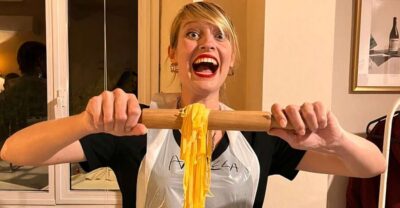
Pasta Making Class with Wine, Limoncello, and Dessert
Read our review →
Rome Cooking Class: Make Pasta and 3 Spritz Cocktails
Read our review →
3-in-1 Fettuccine, Ravioli, and Tiramisu Cooking Class
Read our review →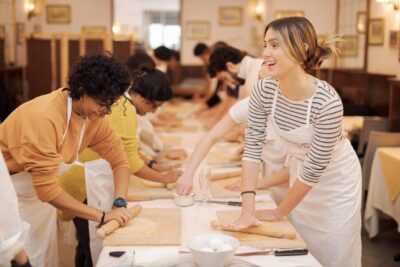
Fettuccine Pasta Cooking Class in Rome’s City Center
Read our review →Lists this class appears in